Every spring, rose gardeners face a familiar choice: spend money on a bag of commercial fertilizer or try something different. For those who already toss banana peels into the trash and rinse coffee grounds down the sink, a third option exists. Those kitchen scraps can become a powerful liquid feed that costs nothing extra to make.

Why Homemade Rose Fertilizer Works
Commercial rose foods are formulated to deliver specific nutrients, but they are not the only path to healthy blooms. Homemade mixtures rely on organic materials that break down naturally in the soil. They feed the plant and improve soil structure at the same time. Each ingredient in these recipes plays a targeted role.
Banana peels supply potassium, which directly influences flower quality. Coffee grounds add nitrogen for dense, dark foliage and a touch of acidity. Epsom salt provides magnesium, which supports new cane growth at the base of the plant. More canes mean more stems and more buds as the season progresses. Together, these elements create a balanced feed that roses respond to well.
Recipe 1: The Classic Banana Peel and Coffee Ground Brew
This is the foundational recipe that most gardeners start with. It uses three ingredients that are often already in the kitchen.
What You Need
You will need two or three old banana peels, 2 tablespoons of used coffee grounds, 1 tablespoon of Epsom salt, and a clean 1-gallon jug. An empty milk jug works perfectly for this task.
Step-by-Step Instructions
Chop the banana peels into roughly 1-inch pieces. Smaller pieces expose more surface area to the water, which speeds up nutrient extraction. Drop the chopped peels into the jug. Add the used coffee grounds and the Epsom salt. Fill the jug with water, cap it, and give it a shake. Place the jug somewhere out of direct sunlight, such as a cool garage corner or a shaded counter. Let it sit for 48 hours.
The liquid will darken as the peels break down and the ingredients steep into the water. Tap water works fine, but if chlorine is a concern, let the water sit in an open container overnight before adding it to the jug. Do not let the mixture sit longer than 48 hours. After that point, the organic materials begin to break down past the point of usefulness. The smell is a reliable indicator — if it turns foul, the batch has gone too far.
How to Strain and Apply
After 48 hours, strain the liquid through a fine mesh sieve or cheesecloth into a watering can. Removing the solids keeps the spout clear and prevents debris from sitting on the soil surface and rotting. The strained solids still hold value as organic matter and can go straight into a compost bin. The liquid does not keep well, so use it the same day or the next day. Apply 2 to 4 cups around the base of each rose bush, targeting the root zone. If the soil is dry, water lightly after application. Morning is the best time to feed.
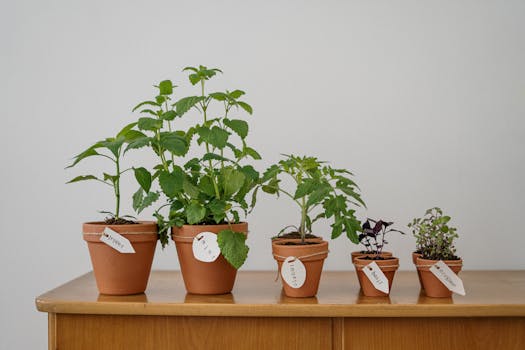
Amazon US Verified
Digital 3-in-1 Soil Moisture & pH Meter
Accurate probe to test deep root zone moisture and prevent accidental overwatering.
Recipe 2: Simple Epsom Salt Solution
Some soils are naturally rich in nitrogen and potassium but lack magnesium. This single-ingredient recipe addresses that gap directly.
When to Use This
If your rose bushes produce plenty of foliage and buds but the new canes look thin or weak, magnesium deficiency may be the cause. Epsom salt delivers magnesium sulfate, which encourages sturdy new growth from the base of the plant.
How to Make It
Dissolve 1 tablespoon of Epsom salt in 1 gallon of water. Stir until the salt is fully dissolved. That is the entire recipe. No steeping or straining is required. Apply the solution around the root zone of each bush, using 2 to 4 cups per plant. Use this feed once in early spring when new growth appears and again just before the main bloom flush in early summer. Do not overuse it. Magnesium builds up in the soil over time, and too much can interfere with calcium uptake.
Recipe 3: Compost Tea for Roses
Compost tea is a liquid extract made from finished compost. It delivers a broad spectrum of nutrients and beneficial microorganisms in a form that roots can absorb quickly.
Ingredients and Equipment
You need a bucket, a handful of well-aged compost, and water. A mesh bag or old pillowcase helps contain the compost, but it is not strictly necessary. If you do not have a bag, you can strain the liquid afterward.
Brewing Process
Fill the bucket with water. Place the compost in the mesh bag and submerge it in the water, or simply dump the compost directly into the bucket. Let it steep for 24 to 48 hours, stirring occasionally. The liquid will take on a brownish color similar to weak tea. Strain out the solids if you did not use a bag. Use the liquid within a few hours for best results. Apply it undiluted around the base of each rose bush. The leftover solids can go back into the compost pile.
Compost tea is gentle enough to use every two weeks during the growing season. It provides a steady supply of nutrients without the risk of burning roots. For gardeners who maintain a compost bin, this recipe costs nothing and puts the compost to work in a different form.
Recipe 4: Banana Peel Vinegar Extract
This method uses vinegar to pull potassium from banana peels more quickly than water alone. The result is a concentrated solution that requires dilution before use.
Why Vinegar Works
Vinegar is acetic acid, which breaks down plant tissue and releases nutrients into the liquid. This process takes about 24 hours instead of the 48 hours needed for a water steep. The vinegar also adds a mild acidity that roses appreciate.
How to Prepare It
Place two or three chopped banana peels in a jar. Cover them with white vinegar. Seal the jar and let it sit for 24 hours. After that, strain out the peels. The resulting liquid is a concentrate. To use it, dilute 1 tablespoon of the concentrate in 1 gallon of water. Apply 2 to 4 cups around each bush. Store the concentrate in the refrigerator for up to two weeks.
This recipe is useful when you need a quick potassium boost before a bloom cycle. It is also a good option for gardeners who forget to start a water steep two days ahead of time.
Recipe 5: Coffee Ground Mulch Feed
Not every homemade rose fertilizer needs to be a liquid. Coffee grounds can be applied directly to the soil as a slow-release feed. This method requires less effort and works well for gardeners who want a set-and-forget approach.
How to Apply
Collect used coffee grounds from your morning brew. Let them dry on a tray or paper towel for a few hours. Damp grounds can clump together and form a crust that repels water. Once dry, sprinkle a thin layer around the base of each rose bush. Use about half a cup per plant. Scratch the grounds into the top inch of soil with a hand fork or trowel. Water the area afterward to help the nutrients begin moving into the root zone.
Benefits and Precautions
Coffee grounds add nitrogen slowly as they decompose. They also improve soil texture by encouraging earthworm activity. The mild acidity helps maintain the pH range of 6.0 to 6.5 that roses prefer. However, used grounds are only mildly acidic, so they will not drastically lower soil pH. If your soil is already quite acidic, go lighter on the coffee grounds. The acidity contribution is mild, but it does build up with repeated applications over a full season. Apply coffee grounds no more than once a month to avoid over-acidifying the soil.
Recipe 6: Eggshell Calcium Boost
Calcium is an often-overlooked nutrient for roses. It supports cell wall structure and helps prevent blossom end rot in flowers. Eggshells are a rich source of calcium carbonate.
Preparing the Eggshells
Rinse empty eggshells to remove any remaining egg white. Let them dry completely. Baking them at 200 degrees Fahrenheit for 10 minutes speeds up the drying process and makes them easier to crush. Once dry, grind the shells into a fine powder using a blender, coffee grinder, or mortar and pestle. The finer the powder, the faster it will break down in the soil.
You may also enjoy reading: May Hydrangea Care: 5 Tips for Bigger Blooms.
How to Use
Sprinkle 1 to 2 tablespoons of the powder around the base of each rose bush. Scratch it into the top layer of soil and water well. Alternatively, you can add the powder to any of the liquid recipes in this article. Stir it into the water before applying. The calcium will dissolve slowly and become available to the roots over several weeks. Apply eggshell powder once in early spring and again in midsummer.
Amazon US Verified
Organic Perlite Horticultural Soil Conditioner
Lightweight volcanic mineral that improves root aeration and prevents compaction.
Eggshells are not a complete fertilizer. They provide calcium but little else. Use them as a supplement alongside other homemade rose fertilizer recipes that supply nitrogen, potassium, and magnesium.
Recipe 7: Seaweed Extract Toner
Seaweed is a natural source of trace minerals, growth hormones, and potassium. Liquid seaweed extract is available at garden centers, but you can also make a simple version at home if you have access to fresh or dried seaweed.
Sourcing Seaweed
If you live near a coast, you can collect fresh seaweed that has washed ashore. Rinse it thoroughly with fresh water to remove salt. Do not use living seaweed pulled from rocks, as this disturbs the ecosystem. If fresh seaweed is not available, dried seaweed sold as garden fertilizer works just as well.
Making the Toner
Place a handful of rinsed seaweed or about half a cup of dried seaweed in a bucket. Cover it with water. Let it steep for two to three weeks, stirring every few days. The liquid will turn dark and develop a strong ocean smell. Strain out the solids. Dilute the resulting concentrate at a ratio of 1 part seaweed liquid to 10 parts water. Apply 2 to 4 cups around each rose bush every three weeks during the growing season.
Seaweed extract is particularly useful for improving root development and helping plants withstand stress from heat or drought. It works well in combination with other homemade rose fertilizer recipes, as it provides micronutrients that banana peels and coffee grounds do not supply in significant amounts.
When to Apply Homemade Rose Fertilizer
Timing matters more than the specific recipe. Roses respond best to feeding when they are actively growing. The ideal window opens in early spring when new shoots emerge from the base of the plant. A second feeding should occur just before the main bloom flush in early summer. After that, continue feeding every two to three weeks through the active growing season. Stop feeding about six weeks before the first expected frost in your area. This allows the plant to harden off and enter dormancy naturally.
Apply homemade rose fertilizer in the morning whenever possible. Morning application gives the plant the full day to absorb nutrients before nightfall. If the soil is dry, water the area lightly after applying liquid fertilizer. This helps move the nutrients down to the root zone where they are needed.
Common Mistakes to Avoid
Homemade rose fertilizer is forgiving, but a few errors can reduce its effectiveness or harm the plant. Overapplication is the most common mistake. More is not better. Stick to the amounts listed in each recipe. Applying too much banana peel extract or coffee ground mulch can create nutrient imbalances in the soil.
Another mistake is letting the liquid steep for too long. The 48-hour window is important. Beyond that, the organic materials begin to rot and the nutrient profile changes. The smell will tell you if the batch has gone bad. A fresh batch smells earthy. A spoiled batch smells sour or like rotting garbage. If in doubt, toss it and start over.
Storing homemade liquid fertilizer for more than a day or two is also problematic. The nutrients degrade quickly, and the liquid can become a breeding ground for bacteria. Make small batches and use them promptly. This approach requires a little planning but ensures your roses get fresh, effective feed each time.
Frequently Asked Questions
Can I use this homemade rose fertilizer on other plants?
Yes. The recipes in this article work well for most flowering shrubs, perennials, and vegetables. Reduce the amount for smaller plants. Start with 1 cup per plant and observe the response before increasing the dose.
How often should I apply homemade rose fertilizer?
Apply every two to three weeks during the active growing season. In early spring and just before the main bloom flush, a single application is sufficient. Reduce frequency in hot summer weather when growth slows.
Will homemade rose fertilizer attract pests?
Banana peels and coffee grounds can attract fruit flies and ants if left on the soil surface. Strained liquid fertilizer applied to the soil does not attract pests. If you use coffee ground mulch, scratch it into the top inch of soil to minimize pest interest.
Can I combine multiple recipes?
Yes. The recipes complement each other well. For example, you can use the classic banana peel brew as your main feed and add an eggshell calcium boost once a month. Rotating recipes ensures a broader range of nutrients over the season.
Is homemade rose fertilizer as effective as store-bought?
For general maintenance and bloom support, homemade rose fertilizer is highly effective. It provides the three primary nutrients and several micronutrients. However, if a soil test reveals a severe deficiency in a specific nutrient, a targeted commercial product may correct it faster. Homemade options work best as part of a consistent feeding routine rather than a one-time fix.
As an Amazon Associate, azuloz.com earns from qualifying purchases.