The Single Spring Routine Arborists Warn Against
It happens every March. The weather warms. Garden centers display bright new tools. A sudden urge to clean up the yard takes over. Many homeowners grab their pruners and walk straight to the dogwood tree. It looks bare. A few twigs seem dead. A quick trim feels harmless.
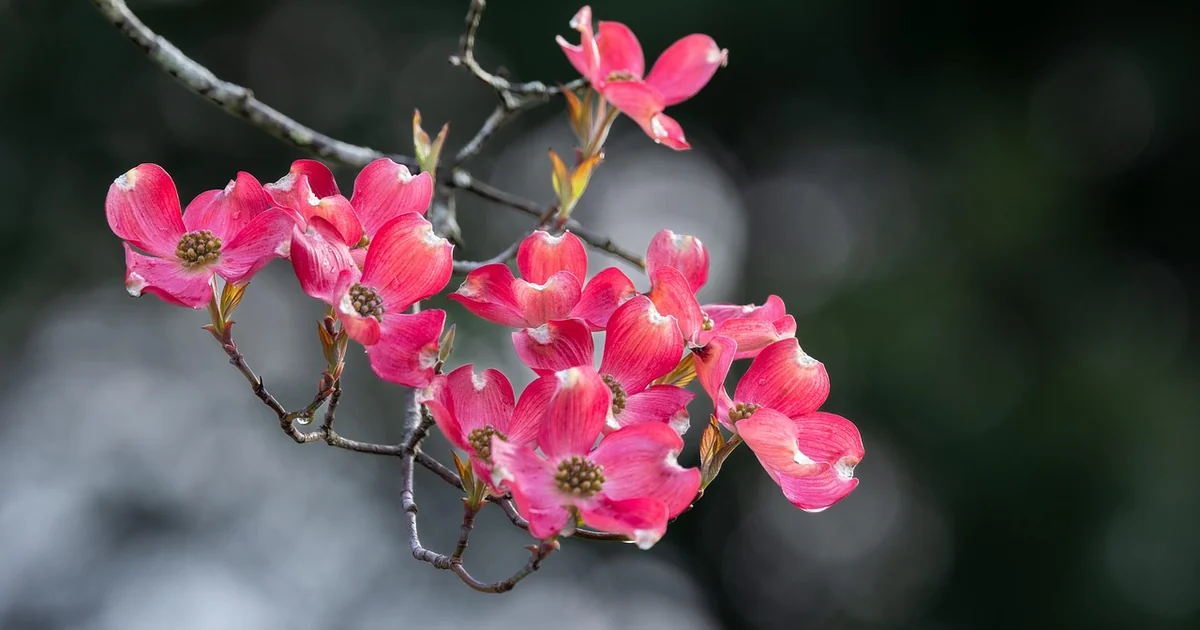
But this instinctive act is exactly what arborists say you should avoid. Pruning a dogwood tree in spring creates significant stress. It interrupts the tree’s natural waking cycle. Allen Tate, an ISA-certified arborist, states that spring is the worst time to prune a dogwood. The tree is shifting from dormancy into active growth. Sap is flowing. Flower buds are swelling. Cutting the tree at this moment forces it to heal while trying to bloom. This double burden weakens the entire plant.
Understanding proper dogwood pruning spring techniques means knowing when to put the tools down. The best way to care for your dogwood is to trust its seasonal rhythm, not the urge to tidy up.
What Happens to a Dogwood Pruned in Spring?
Interrupting the Growth Cycle
Dogwoods wake up slowly in spring. They push out leaves and flowers using energy stored from the previous year. Heather Zidack, a horticultural outreach educator at the University of Connecticut, explains that a tree in spring is working hard. It is trying to carry out photosynthesis and produce foliage. Cutting branches forces the tree to heal wounds while also trying to grow. This drains vital energy reserves. A stressed tree becomes weak. It loses its natural defenses against pests and disease.

Amazon US Verified
Self-Watering Planters with Drainage Aerators
Elevated reservoir design that prevents soggy roots and ensures steady hydration.
Opening the Door to Disease
Dogwoods are highly susceptible to a fungal disease called anthracnose. This pathogen enters trees through open wounds. Spring weather provides the perfect environment for this fungus. Rain splashes spores onto fresh cuts. The moisture helps the infection spread quickly. If you prune in winter, the tree is dormant. Disease organisms are mostly inactive. The cuts have time to heal before spring rains arrive. Pruning in spring exposes your tree to unnecessary risk.
Sacrificing the Flowers
Most flowering dogwoods bloom on old wood. This means the flower buds formed during the previous summer. When you prune in early spring, you remove those buds. You cut away the very thing you are waiting to see. The tree responds by pushing out leafy growth, but the floral display for that year is gone. It is frustrating to wait an entire year for blooms only to accidentally cut them off.
The Right Time to Prune (It Depends on Your Goal)
Winter Pruning for Structure and Health
Late fall and winter are the safest times for routine pruning. The tree is fully dormant. It feels no stress from the cuts. You can see the branch structure clearly without leaves blocking your view. Dead wood, crossing branches, and weak growth are easy to identify. Winter pruning reduces disease exposure significantly. The tree can seal its wounds slowly while at rest. If your goal is to improve the overall shape and remove the 3 Ds (dead, damaged, diseased), winter is the ideal window.
Summer Pruning for Size Control
If your dogwood is growing too large for its space, wait until after it blooms. Early summer, immediately after flowering, is the best time to remove larger branches. The tree has finished its main energy push for the year. It is actively photosynthesizing and can heal cuts effectively. This timing allows you to control the size without sacrificing the next season’s bloom. However, only prune in summer if the tree is healthy and receiving adequate water. A drought-stressed tree should never be pruned in summer.
Why Spring Is the Danger Zone
Spring combines high stress, active growth, open wounds, and wet weather. This creates a perfect storm for disease. The tree is at its most vulnerable. Its energy is focused on leaves and flowers, not on healing. If you prune only one time of year, let it be winter. Avoid the temptation to prune during the spring awakening.
A Simple Guide to Pruning Dogwoods Correctly
Step 1: Look Before You Cut
Walk around the tree. Study its natural shape. Dogwoods grow in a layered, horizontal branching pattern. Your goal is to enhance this form, not fight it. Identify which branches are dead, damaged, or diseased. Look for branches that rub against each other. Rubbing creates open wounds over time. These wounds become entry points for insects and fungi.
Step 2: Remove the 3 Ds First
Always start with dead, damaged, or diseased wood. These branches serve no purpose. They drain energy from the tree. Removing them improves appearance and health immediately. Cut back to a healthy branch union or the main trunk. Do not leave stubs. Stubs die back and create entry points for decay.
Step 3: Thin the Canopy Carefully
Dogwoods do not require heavy pruning. They naturally grow in an attractive shape. If the canopy is dense, make thinning cuts. Remove small branchlets working from the bottom up and the inside out. This improves airflow and light penetration. Better airflow reduces fungal disease. Never remove more than 15 to 20 percent of the living canopy in a single year. Dogwoods are sensitive to over-pruning. Taking too much can shock the tree and cause it to decline.
Step 4: Respect the Branch Collar
The branch collar is the swollen ring of tissue where a branch meets the trunk. It contains specialized cells that help the tree seal wounds. Avoid making flush cuts that remove this collar. Cut just outside the collar, angling slightly away from the trunk. This allows the tree to heal properly. A flush cut creates a larger wound that may never close completely.
5 Dogwood Pruning Errors to Avoid
1. Topping the Tree
Cutting the top off a dogwood to control its height is a serious mistake. The tree responds by sending up many weak, vertical shoots called watersprouts. These shoots are poorly attached. They ruin the tree’s natural shape. They also create dense growth that blocks light and airflow. If your tree is too tall, prune lower branches or consider removing the whole tree and planting a smaller species. Do not top it.
2. Pruning Too Much at Once
Removing more than 20 percent of the canopy overloads the tree. It cannot produce enough energy to support its root system. The tree goes into survival mode. It may send out excessive new growth or simply decline. If a dogwood needs significant restoration, spread the work over two or three years. Patience produces a healthier tree.
You may also enjoy reading: 11 Purple Flowers That Bloom All Summer.
3. Using Dirty Tools
Pruning shears carry disease from one branch to another. If you cut an infected branch and then a healthy one, you transfer the pathogen. Clean your tools with isopropyl alcohol or a bleach solution between cuts, especially if you see diseased wood. This small step prevents the spread of issues like anthracnose and canker.
4. Pruning in Wet Weather
Bacterial and fungal pathogens thrive in moisture. Pruning during rain or high humidity increases the chance of infection. Wait for a dry day. If you must prune in winter, choose a stretch of cold, dry weather. If pruning in summer, pick a clear day with low humidity. Dry cuts heal faster.
Amazon US Verified
Digital 3-in-1 Soil Moisture & pH Meter
Accurate probe to test deep root zone moisture and prevent accidental overwatering.
5. Ignoring the Species
There are over 30 species of dogwood. Flowering dogwood, Pacific dogwood, and Kousa dogwood all have slightly different needs. Kousa dogwoods bloom later and are more resistant to disease. They tolerate summer pruning better than flowering dogwoods. Identify your specific tree before making major cuts. A local cooperative extension office can help you identify your species and offer tailored advice.
Frequently Asked Questions
Can I remove dead wood from my dogwood in spring?
Yes. Dead wood is safe to remove at any time because it no longer carries sap or energy. The tree gains no benefit from keeping it. However, try to wait for a dry day to reduce the risk of spreading disease to healthy tissue.
What if I already pruned my dogwood in spring?
Do not panic. Stop pruning immediately. Water the tree deeply if the weather is dry. Monitor it for signs of stress or disease. Avoid fertilizing right now, as this can push weak new growth. Let the tree recover on its own schedule.
Why did my dogwood not bloom after I pruned it?
You likely removed the flower buds. Dogwoods set their flower buds in late summer for the following spring. Pruning in late fall, winter, or early spring removes these buds. If you want blooms, prune only immediately after the flowers fade in late spring or early summer.
How much can I safely prune off a dogwood tree?
Never remove more than 15 to 20 percent of the canopy in a single year. For a young or small tree, stay closer to 10 percent. Over-pruning starves the roots and weakens the tree for years to come. Less is always more with dogwoods.
Amazon US Verified
Organic Perlite Horticultural Soil Conditioner
Lightweight volcanic mineral that improves root aeration and prevents compaction.
What is the best tool for cutting dogwood branches?
Use bypass pruners for small branches under half an inch. Use loppers for medium branches up to an inch and a half. Use a sharp pruning saw for larger limbs. Avoid anvil-style pruners, as they crush the wood rather than making a clean cut.
Keeping a dogwood tree healthy requires patience and respect for its natural cycle. The temptation to prune in spring is strong, but the risks far outweigh the cosmetic benefits. By waiting for the dormant season or the brief post-bloom window, you allow the tree to thrive. It will reward you with strong growth, a graceful shape, and a canopy full of beautiful blossoms year after year. Trust the tree, and put the pruners away until winter.
As an Amazon Associate, azuloz.com earns from qualifying purchases.