There’s a quiet moment of decision every gardener faces when standing before a pepper plant laden with fruit. The green bells look plump and ready, a few jalapeños show faint white lines, and a single red cayenne dangles like a forbidden jewel. Picking too early can mean a bland, grassy flavor; waiting too long might lead to a mushy, overripe disappointment. The difference between a good harvest and a spectacular one lies in understanding the subtle cues your plants provide.
Mastering the art of the pepper harvest ensures you capture the peak of sweetness, heat, and nutritional value. It turns a routine garden task into a rewarding ritual that directly translates to more vibrant meals on your table.
Understanding Pepper Ripening: More Than Just Color
Peppers are not a “set it and forget it” crop. Their journey from flower to fiery fruit is a complex physiological process influenced by temperature, sunlight, and plant health. Unlike tomatoes, which produce ethylene gas to trigger their own ripening, peppers are non-climacteric. This means they do not continue to sweeten or develop significantly in flavor after being picked. While a green pepper may change color on your countertop, its internal sugar and capsaicin levels are largely fixed at the moment of harvest. This scientific fact underscores why timing is absolutely critical.
Most varieties begin fruiting 70 to 85 days after planting from seed, though this timeline is highly variable. A standard bell pepper might be ready in as little as 60 days from transplant, while the blistering Carolina Reaper demands patience, often requiring up to 150 days of growing season to reach its full, sinister potential. The first fruits often appear in mid-summer, but the most prolific and flavorful harvest typically comes in late summer and early fall, when warm days and cool nights concentrate sugars and flavors within the fruit.
The Critical Role of Weather and Season
Temperature is the unseen conductor of your pepper harvest. Plants thrive in consistent warmth, with optimal fruiting occurring between 70°F and 85°F. When nighttime temperatures consistently dip below 55°F, growth slows dramatically, and ripening can grind to a halt. This is a common challenge for gardeners in regions with short summers. Conversely, extreme heat above 90°F can cause blossoms to drop, reducing yield, and may lead to sunscald on developing fruits—a pale, papery patch that creates a vulnerable entry point for rot.
The end of the season is dictated by frost. A light frost (temperatures between 29°F and 32°F) can damage pepper tissue, leading to soft spots and a shortened shelf life. A hard freeze (28°F and below) will destroy the plant and render fruits inedible. Your final, pre-frost harvest is a race against the forecast to salvage your bounty.
11 Essential Steps to Harvest Peppers Perfectly
Following a systematic approach takes the guesswork out of harvesting. These steps combine observation, technique, and post-harvest care to ensure every pepper you pick is at its best.
1. Know Your Variety’s Profile
Before you make a single cut, research your specific plants. A Shishito pepper is meant to be harvested early, when just 3-4 inches long and still green, for its characteristic mild, blistered texture. A Habanero, however, develops its iconic fruity heat only when it reaches its final fiery orange or red stage. Keep plant tags or a garden journal noting the “days to maturity” and the expected mature color. This baseline knowledge prevents you from harvesting a purple bell pepper thinking it’s an underripe green one, or picking a jalapeño too early before its signature heat has fully developed.
2. Assess Size and Firmness First
Color gets all the attention, but size and firmness are the foundational checks. A pepper has reached physiological maturity—meaning it has finished growing—when it stops increasing in size and feels firm and heavy for its dimensions. Gently squeeze the fruit; it should have a slight give but bounce back, not feel soft or wrinkled. For most bell peppers, this is when they are about 3.5 to 4 inches in diameter and blocky in shape. For thin-walled chilies like Cayenne, they should be plump and fill out their slender form. Harvesting at this stage, even if still green, guarantees a usable vegetable, though the flavor may not be peak.
3. Decode the Color Spectrum
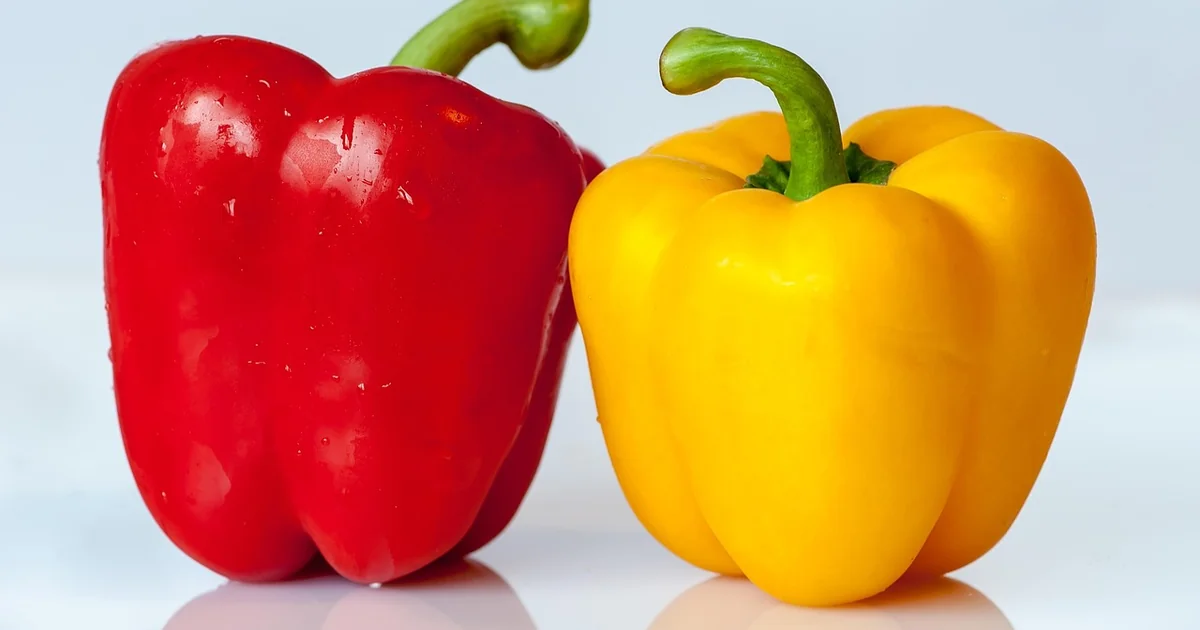
Color change is the most visible ripening signal. All peppers begin some shade of green due to chlorophyll. As they ripen, chlorophyll breaks down and other pigments—carotenoids (yellows, oranges, reds) and anthocyanins (purples, blacks)—are revealed. This process can take two to four weeks after the pepper reaches full size. The shift isn’t always linear; some peppers may develop subtle streaks or blush before turning completely.
For sweet peppers, waiting for the final color (red, yellow, orange) means up to 20% more vitamin C and significantly higher levels of vitamins A and E. The flavor becomes distinctly sweeter and less vegetal. For hot peppers, the capsaicin content—the compound responsible for heat—often increases as they change from green to red or another mature hue, intensifying the burn.
4. Look for the Telltale Sign of Corking
On many hot pepper varieties, particularly jalapeños, serranos, and some hybrids, you may notice a network of faint, light brown streaks or cracks on the skin. This is called “corking,” and it’s a badge of honor, not a defect. It occurs when the skin stretches during rapid growth and the underlying tissue forms a cork-like layer. For enthusiasts, corking is a prized indicator of a well-developed, flavorful, and often hotter pepper. If you see corking on a pepper that has also reached its full size, it is a reliable sign that it is ready to be picked, regardless of whether it has started its final color change.
5. Employ the Right Harvest Tools & Technique
Never pull or twist a pepper from the plant. This can tear branches, create open wounds for disease, or uproot part of the shallow root system. The perfect tool is a pair of sharp, clean bypass pruners or fine-tip garden snips. Sterilize the blades with rubbing alcohol between plants if you are handling disease-prone varieties or moving between extremely hot and sweet peppers to avoid cross-contamination of capsaicin oils.
Cut the stem cleanly about half an inch to an inch above the top of the pepper. Leaving this “handle” of stem helps the pepper retain moisture longer and prevents a direct opening at the top where decay can begin. If the stem does snap off cleanly at the joint with gentle upward pressure on a very ripe fruit, that’s acceptable, but cutting is always the safer, more controlled method.
6. Adopt a Frequent Harvest Schedule
Think of your pepper plant as a production factory. When you remove mature fruits, you signal the plant to redirect energy from maintaining existing fruit into producing new flowers and setting more peppers. A neglected plant burdened with overripe peppers will slow or stop production. Aim to check your plants every two to three days during peak season. This regular attention allows you to catch peppers at their precise peak and encourages the plant to yield a larger total harvest throughout the season—a simple tactic that can increase your yield by as much as 15-20%.
7. Strategize Your Green vs. Ripe Harvest
You are not obligated to wait for every pepper to turn red. Harvesting some fruits while green encourages the plant to keep producing. It also provides the classic, slightly bitter green pepper flavor essential for certain dishes like fajitas or stuffed peppers. A smart strategy is to use a “staggered harvest” approach. For a plant with multiple fruits, pick the largest one or two when green to stimulate growth, and allow the next set to fully ripen for their sweeter, more complex flavor. This gives you culinary variety and maximizes plant productivity.
8. Handle Hot Peppers with Defensive Care
The capsaicin in hot peppers is an oil that readily transfers to skin and is painfully persistent. When harvesting varieties hotter than a jalapeño, always wear disposable nitrile gloves. Avoid touching your face, especially your eyes, for hours afterward, even after washing hands thoroughly. Consider dedicating a specific pair of harvest shears to hot peppers to avoid accidentally transferring oils to sweet peppers or your lips later. After harvesting, wash your tools and gloves with soap and water or a mild bleach solution.
9. Execute a Strategic End-of-Season Harvest
As autumn nights cool, monitor the weather forecast closely. If a light frost is predicted, you can cover plants overnight with frost cloth or old bedsheets. However, if a hard freeze is imminent, it’s time for the final harvest. Go through the entire garden and pick every pepper that has reached a usable size, regardless of color. Even small, fully green peppers have value for cooking, pickling, or relish. This salvage operation prevents a total loss. You can sort them afterward for different uses based on their size and stage of ripeness.
10. Sort and Cure Your Harvest
Immediately after bringing your peppers inside, sort them. Separate any with nicks, soft spots, or signs of insect damage to use first. For healthy, thick-walled peppers like bells and poblanos, a brief “curing” period of 1-3 days at room temperature in a single layer can allow minor scratches to heal and flavors to settle. Do not wash peppers until you are ready to use them, as moisture accelerates spoilage.
You may also enjoy reading: 7 Easy DIY Ways to Clean Your Washing Machine.
11. Implement Optimal Storage Methods
Storage is the final, crucial step to preserve your perfect harvest. For short-term use (within 3-5 days), store unwashed peppers in a cool, dry place or a paper bag on the counter. For longer storage, place dry, unwashed peppers in a perforated plastic bag or a crisper drawer in your refrigerator. The high humidity of a fridge can be detrimental, so the perforation is key. Most fresh peppers will keep this way for 7 to 14 days. Thick-walled sweet peppers often last longer than thin-walled chilies.
For a true long-term bounty, consider preservation. Peppers freeze beautifully—simply wash, dry, remove stems and seeds (if desired), and place whole or chopped in freezer bags. They can also be dried, smoked (for chipotles), pickled, or fermented into hot sauce, each method capturing the peak flavor you worked so hard to achieve.
Solving Common Pepper Harvesting Problems
Even with careful steps, gardeners encounter specific challenges. Here’s how to troubleshoot them.
What if My Peppers Stop Changing Color?
If your peppers are full-sized but stubbornly remain green as temperatures drop, the plant likely lacks the energy or warmth to complete the ripening process. You have two options. First, you can harvest them green—they will still be edible. Second, for a last-ditch effort at ripening, you can carefully uproot the entire plant and hang it upside down in a warm, dry, indoor location like a garage or shed. Often, the remaining fruits will draw energy from the dying plant and slowly change color.
Managing a Plant with Peppers at Different Stages
A healthy plant will often have flowers, small fruits, medium greens, and a few ripe ones simultaneously. This is normal. Your frequent harvest schedule is the solution. Systematically remove the ripest fruits each time you visit, which will provide space and resources for the younger ones to develop. Think of it as thinning for continued production.
Signs You’ve Waited Too Long
Overripe peppers lose their firm sheen. They may become dull, develop deep wrinkles, feel soft or mushy, or show signs of cracking open. Often, the bottom tip will start to rot first. While these peppers are not ideal for fresh eating, they are not a total loss. They can be excellent candidates for composting, or if only slightly overripe, the still-firm parts can be salvaged for cooked dishes, ferments, or stock where texture is less critical.
Frequently Asked Questions
Can I make a green pepper turn red after picking it?
While a mature green pepper may change color due to the breakdown of chlorophyll, it will not continue to develop sugars or flavor in the same way it would on the plant. The ripening that occurs off the vine is primarily cosmetic. For true flavor development, peppers must ripen while still attached to the plant.
How do I safely harvest extremely hot varieties like Ghost Peppers?
Treat super-hots with respect. Wear long sleeves, nitrile gloves, and even safety glasses if you are sensitive. Harvest them directly into a container to minimize handling. Wash everything that comes into contact with them—tools, gloves, containers—immediately after with soap and cold water (hot water can vaporize capsaicin oils).
Why does frequent harvesting encourage more peppers?
From a biological perspective, a plant’s primary goal is reproduction (seed production). When you remove a mature fruit, you remove a developing seed pod. The plant interprets this as a signal to produce more flowers and fruit to achieve its reproductive objective, thereby increasing your overall yield.
My harvested peppers are getting soft spots quickly. What am I doing wrong?
Soft spots are usually caused by one of three issues: physical damage during harvest (like pinching or pulling), improper storage in a humid, sealed container, or an underlying issue like blossom end rot (caused by calcium deficiency and irregular watering) that wasn’t visible at harvest. Always cut peppers from the plant, allow them to dry completely if damp, and store them in a breathable container in the fridge.
Is it better to harvest peppers in the morning or evening?
For the crispest texture and longest shelf life, harvest in the cool of the morning after the dew has dried but before the midday sun heats the fruits. Peppers harvested in the heat of the day are more stressed and can wilt faster. The difference is subtle but can add a day or two to their fresh storage life.
Harvesting peppers perfectly transforms gardening from a hobby into a craft. It connects you intimately with the life cycle of your plants and delivers the ultimate reward: food that bursts with the flavor you nurtured from seed. By observing closely, using the right tools, and handling your bounty with care, you ensure that every pepper that reaches your kitchen represents the very best your garden can offer.