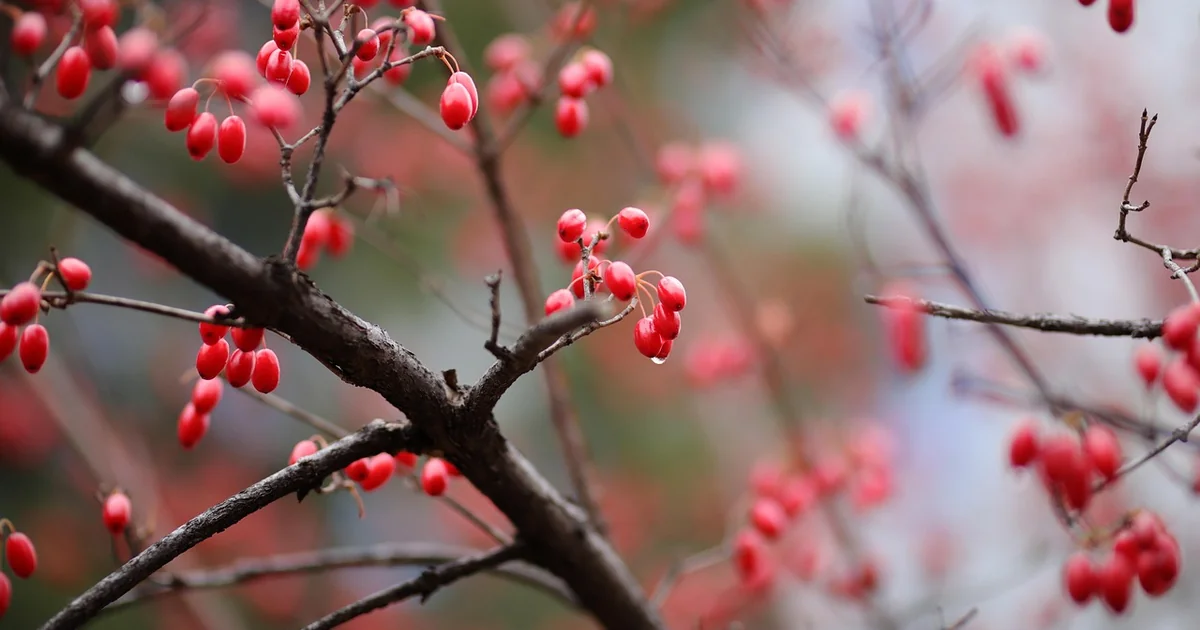
Picture a bleak February morning, the garden a monochrome tapestry of browns and grays. Suddenly, your eye catches a flash of brilliant crimson, a vibrant slash of color against the white snow or the dark green of an evergreen. This is the magic of a well-maintained red twig dogwood, a shrub whose true glory is revealed in the dormant season. Yet, many gardeners watch in disappointment as that fiery display fades over the years, the stems turning a dull, woody brown. The secret to unlocking that consistent, jaw-dropping winter spectacle isn’t a special fertilizer or a secret potion—it’s a pair of sharp pruners and the knowledge of how to use them. Learning to properly prune red twig dogwood shrubs is the single most important skill for ensuring they remain the standout performers in your winter landscape.
When to Prune Red Twig Dogwood for Maximum Impact
Timing is everything in gardening, and pruning is no exception. The optimal window to prune red twig dogwood is during its dormant period, specifically in late winter, just before new buds begin to swell in early spring. For most regions, this falls between late February and mid-March. This timing aligns perfectly with the plant’s natural cycle and serves several critical purposes.
First, with the leaves gone, the plant’s architecture is completely visible. You can easily identify which stems are the oldest (thickest, with the dullest bark), which are damaged, and where new suckers are emerging. Second, pruning in late winter minimizes the loss of the coming season’s floral display. Red twig dogwoods form their flower buds on new growth that emerges after pruning. If you prune in late summer or fall, you risk removing wood that has already set buds for next spring. A study from the University of Minnesota Extension on shrub pruning notes that summer-blooming shrubs that flower on new wood, like many Cornus species, recover vigorously and bloom prolifically when pruned in late dormancy. Finally, a late winter prune gives the fresh cuts a short period to begin healing before the surge of spring growth and the increased activity of potential pathogens.
What Happens If I Prune at the Wrong Time?
This is a common concern. Pruning at a suboptimal time won’t typically kill a resilient red twig dogwood, but it can set back your goals. Summer pruning might sacrifice next year’s flowers and berries. Fall pruning is generally discouraged, as fresh cuts may not have time to harden off before freezing temperatures, potentially leading to dieback at the cut ends. The shrub will survive, but its seasonal rhythm and aesthetic contribution will be disrupted. Sticking to the late winter schedule is the surest path to vibrant color and healthy growth.
Essential Tools for the Job
Using the right tools makes the process cleaner, easier, and safer for the plant. You don’t need a vast arsenal, but quality matters. For most stems, a pair of sharp bypass hand pruners is perfect. They make clean, scissor-like cuts on branches up to about ¾-inch in diameter. For thicker, older wood up to about 1.5 inches, loppers provide the necessary leverage. If you’re tackling a mature, overgrown shrub that requires renewal pruning, a sharp pruning saw is indispensable. Before you start, and especially when moving between plants, wipe your tool blades with a cloth soaked in isopropyl alcohol or a disinfectant spray. This simple step helps prevent the spread of disease from plant to plant.
5 Key Tips to Prune Your Red Twig Dogwood for Vibrant Color
Now, let’s move from theory to practice. These five actionable tips will guide you through the process, whether you’re shaping a young plant or renovating a neglected one.
1. Adopt the “One-Third” Rule for Annual Maintenance
For an established, healthy red twig dogwood, the most sustainable approach is to remove roughly one-third of the oldest stems each year. This method ensures a continuous cycle of renewal. Start by identifying the thickest stems with the grayest or brownest bark. These are the culprits hiding the color. Using your pruners or loppers, cut these selected stems all the way back to their point of origin at the base of the plant, or to a sturdy, outward-facing low branch. Avoid leaving stubs, as they can die back and invite decay. By removing a portion of the oldest wood annually, you constantly make room for a flush of new, brightly colored stems from the roots, maintaining a balanced shrub with a brilliant display every winter.
2. Target the Three D’s First: Dead, Damaged, and Diseased
Before you even think about aesthetics or the one-third rule, perform a sanitation sweep. Scan the shrub for any stems that are clearly dead (brittle, no live buds), damaged from storms, or showing signs of disease (unusual cankers, discoloration). Removing these should always be your first priority. They not only look unsightly but also drain the plant’s resources and can serve as entry points for pests or fungal issues. Cutting them out promotes overall plant health and allows you to better see the living structure you’re working with.
3. Manage Size and Suckers for a Tidy Form
Red twig dogwoods are vigorous growers and can spread via underground runners called rhizomes, sending up new shoots (suckers) several feet from the main clump. This can be desirable for creating a thicket or naturalized area, but in a manicured garden bed, it can look messy. To control spread, you can use a sharp spade to sever these suckers from the main root system and either pull them out or transplant them to a new location. To manage the overall height and density of the main clump, make your pruning cuts at varying heights rather than shearing it into a uniform ball. Cutting some stems lower than others creates a more natural, layered look and ensures sunlight can penetrate to the base, encouraging strong new growth from the bottom up.
4. Don’t Fear Renewal (Hard) Pruning for Overgrown Shrubs
Perhaps you’ve moved into a new home and inherited a massive, tangled dogwood that’s 10 feet tall and mostly brown. Don’t despair—these shrubs are remarkably forgiving. In this case, a more drastic approach called renewal or hard pruning is your best friend. In late winter, you can cut the entire shrub down to stumps about 6 to 12 inches above the ground. Yes, the entire thing. It will look drastic, and you will sacrifice flowers and berries for that season. However, the plant will respond by sending up a dense forest of new, incredibly vibrant stems from the base. Within a single growing season, you’ll have a fresh, compact shrub covered in the brightest red stems you’ve ever seen. It’s a reset button for your landscape.
5. Leverage Winter Sun and Post-Pruning Creativity
Your work doesn’t end with the last cut. The intensity of the red pigment is directly influenced by sunlight. To get the most brilliant scarlet and crimson tones, ensure your pruned shrub is positioned to receive full winter sun. The low-angled winter rays are perfect for illuminating the stems. Furthermore, don’t just toss those pruned branches into the compost! This is one of the most enjoyable payoffs. The cut stems are incredibly long-lasting in arrangements. Create stunning winter containers by combining them with evergreen boughs, birch branches, and pinecones. Make a simple wreath, or place bundles in tall vases indoors for a pop of color that can last for months without fading. It turns a routine garden chore into a source of seasonal decor.
Common Pruning Challenges and Solutions
Even with a plan, you might encounter specific situations. Let’s address a few frequent concerns.
Dealing with a Multi-Stemmed Tangle
An unpruned dogwood can become an impenetrable thicket. The solution is systematic thinning. Don’t just prune from the outside. Step back, identify the 5-7 healthiest, best-placed main stems to serve as the framework, and then meticulously remove the others, especially those growing inward or crossing. This opens up the center to light and air, reducing disease risk and encouraging stronger stems.
You may also enjoy reading: 7 Ways to Grow & Care for Common Foxglove.
Pruning Variegated or Colored-Twig Varieties
The same principles apply to yellow-twig (Cornus sericea ‘Flaviramea’), orange-twig, or variegated-leaf varieties. The goal remains to encourage new stem growth for the best bark color. For variegated types, also watch for any branches that revert to solid green leaves; prune these out completely to maintain the variegation.
Balancing Flowers, Berries, and Stem Color
If you prune in late winter, you maximize all three. The shrub will produce new growth that bears flowers, those flowers (if pollinated) become berries for wildlife, and that same new growth provides the winter color. It’s a harmonious cycle. Pruning at other times disrupts this sequence.
Frequently Asked Questions
How do I tell an old branch from a young one?
Age is visibly written in the bark. The youngest, most colorful stems (1-2 years old) are slender, smooth, and vividly pigmented. As stems reach 3 years and older, they become noticeably thicker and develop a rough, fissured brown or gray bark that obscures the color underneath.
Can I prune to keep my dogwood small?
Absolutely. Consistent annual pruning using the one-third rule is the most effective way to maintain a smaller, denser shrub. For a truly dwarf form, consider selecting a compact cultivar like Cornus sericea ‘Kelseyi’ from the outset, which naturally stays around 2-3 feet tall.
What should I do with the cuttings?
Beyond decorative uses, thicker, straight cuttings can be used as natural garden stakes for perennials. You can also chop them into small pieces for mulch or add them to a compost pile if they are disease-free.
My dogwood looks sparse after pruning. Did I ruin it?
No. A vigorous red twig dogwood may look stark immediately after a hard prune, but this is temporary. Have patience. By mid-spring, you should see numerous bright green buds breaking from the base. The plant is directing all its energy into producing those coveted new stems.
Is fertilizer needed after pruning?
Generally, no. Red twig dogwoods are adapted to thrive in native soils without extra feeding. The act of pruning stimulates new growth naturally. In very poor soil, a light top-dressing of compost in spring is sufficient. Over-fertilizing can lead to weak, overly lush growth that is more susceptible to pests and less vividly colored.
Pruning your red twig dogwood is less about strict rules and more about understanding its desire to renew itself. By partnering with that natural cycle—removing the old to celebrate the new—you transform a simple shrub into a reliable source of winter wonder. The reward is a landscape that shines in the quietest season, proving that with a little knowledge and effort, the most vibrant colors often emerge from the most deliberate cuts.