Imagine a space where the aroma of simmering soup mingles with laughter, where homework sprawls next to a chopping board, and where a quick breakfast becomes a moment of connection. This is the magic a well-planned kitchen island with seating can bring to your home. It transforms the kitchen from a solitary workstation into the heart of household life, seamlessly merging preparation, dining, and social interaction into one cohesive zone.
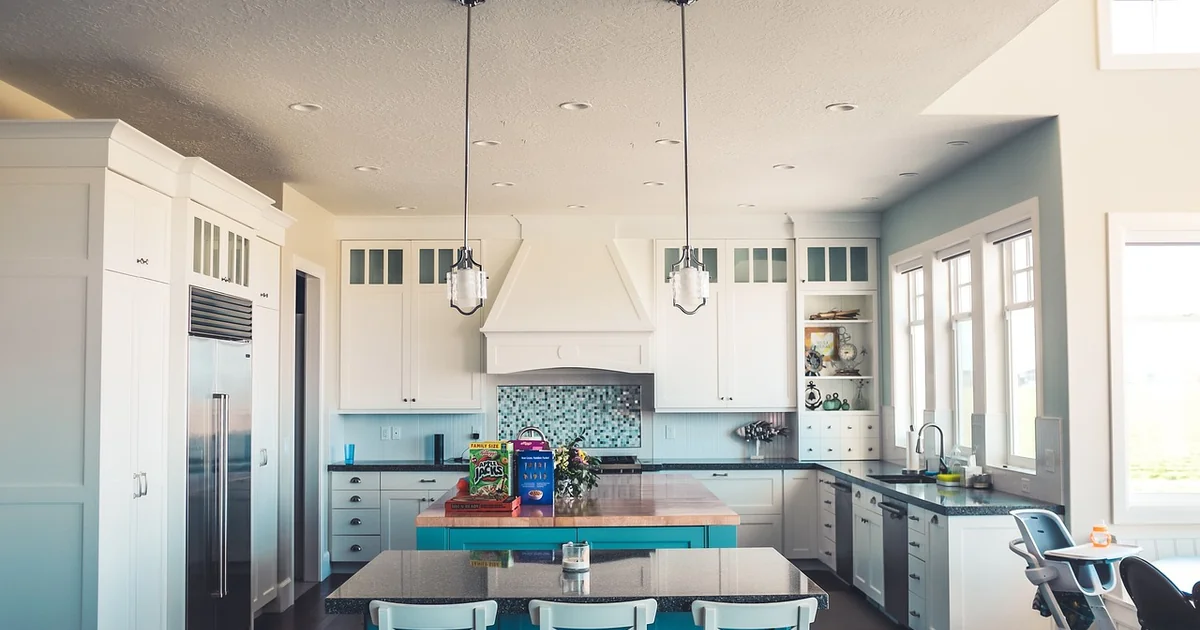
Tip 1: Master the Spatial Dance – Aisle and Clearance
Before you sketch your dream island, you must choreograph the space around it. The golden rule for aisles—the passages on either side of the island—is a minimum of 42 inches. This allows one person to move comfortably, perhaps carrying a hot dish, without bumping into the island or surrounding cabinets. If your household frequently features two cooks bustling simultaneously, widen that aisle to 48 inches. This extra six inches prevents the classic “backing into each other” scenario and is a key recommendation from ergonomic kitchen studies.
For the seated guests, clearance beneath the counter is vital. Ensure at least 12 inches of unobstructed knee space between the underside of the countertop and the stool seat. This prevents a cramped, uncomfortable experience. Furthermore, consider the “swivel zone.” If you opt for stools that rotate, account for the extra space their legs will require when turned, ensuring they don’t scrape against cabinetry or each other.
Tip 2: Define Your Island’s Height Profile
Not all islands are created equal in stature, and the height dictates everything about the seating experience. There are three primary tiers:
Standard Counter Height (36 inches)
This aligns with your main kitchen counters. Seating here requires “counter stools,” which typically have a seat height of around 24-26 inches. It creates a unified, continuous look and is perfect for integrated meal prep where seated family can easily help with tasks like peeling vegetables or rolling dough.
Bar or Breakfast Bar Height (42-46 inches)
A taller profile creates a more defined separation between the working surface and the seating area. It uses “barstools” with seat heights of approximately 28-30 inches. This setup excels at hiding prep clutter from the seated view and offers a more casual, pub-like atmosphere. It’s ideal for homes where the kitchen opens directly into a living room, providing a visual buffer.
Table Height (30 inches)
This lower configuration mimics a standard dining table. Here, you can use regular dining chairs or low stools. It fosters a more intimate, gathered feel and is wonderful for kitchens that truly double as the main dining area. It also tends to be safer and more accessible for young children.
You can also employ a multi-level island design. For instance, a 36-inch main section for cooking with a 42-inch raised wing for seating. Visually differentiate these levels with contrasting countertop materials or finishes to make the functional zones clear and add design interest.
Tip 3: Calculate Seating Capacity with Precision
How many seats can you realistically fit? It’s not just about the island’s length. The National Kitchen and Bath Association (NKBA) provides specific guidelines for elbow room, which are often overlooked. For a 30-inch-high table setup, allocate a space 30 inches wide and 19 inches deep per person. At a 36-inch-high counter, each diner needs 24 inches of width and 15 inches of depth. For a 42-inch-high bar, plan for 24 inches wide and 12 inches deep per stool.
These dimensions ensure people aren’t jostling for space. To implement this, measure your island’s available overhang length. Divide that length by the required width-per-person. For example, a 10-foot (120-inch) overhang at bar height could theoretically fit five stools (120 ÷ 24 = 5). Remember to account for the island’s end caps or corners, which may reduce usable linear space.
Tip 4: Strategize the Overhang and Support
The overhang is the unsupported extension of the countertop where people sit. A typical functional overhang ranges from 12 to 19 inches deep. This provides ample room for legs and plates. However, a cantilevered countertop of this size requires proper engineering. Support can come from sturdy table legs, a robust corbel or bracket system, or a thickened cabinet base.
For a more dramatic table-like extension, consider an add-on. This could be a freestanding wooden table attached at one end of a rectangular island, creating a charming hybrid piece. Alternatively, some designs use a round or square “satellite” seating extension connected to the main island, separating the social zone from the prep zone entirely.
Tip 5: Explore Shapes Beyond the Rectangle
While the classic rectangle is ubiquitous, other shapes can solve specific spatial and social puzzles. An L-shaped island, for instance, can wrap around a corner, creating a longer continuous seating edge on one side while dedicating the other leg entirely to appliances and storage. A round or oval island eliminates sharp corners, promoting easier movement around it and fostering a more conversational seating arrangement where everyone faces inward. A square island in a large kitchen can act as a central plinth, with seating possible on two or even three sides.
A curved breakfast bar, often on a peninsula, is a brilliant solution. The gentle arc provides more lineal seating room than a straight edge of the same footprint and can often accommodate stools on two sides. The convex curve facing the room invites people in, while the concave curve facing the cook keeps the range area clear.
Tip 6: Select Seating for Comfort and Flow
The stools or chairs you choose are the final, critical touch. In tight spaces, prioritize low-profile, backless stools that can tuck completely under the overhang, vanishing when not in use to maximize aisle width. For comfort during longer chats or meals, consider stools with backs and perhaps even armrests. Swivel seats add flexibility, allowing guests to easily turn toward the cook or the adjoining living room.
You may also enjoy reading: 7 Best Bunk Bed Mattresses for Cozy Sleep.
Material matters. Lightweight metal or molded plastic stools are easy to move and clean. Upholstered seats add plush comfort but require more maintenance. Ensure the seat height aligns perfectly with your island’s height category—a mismatch of even a few inches can lead to awkward posture. Also, think about footrests; a bar running along the bottom of the stool provides a place to anchor feet, increasing comfort significantly.
Tip 7: Ensure Integrated Traffic Flow
Your beautiful new island must not become a roadblock. Position the seating along the perimeter that faces an open area—like the living room or a patio—not the side that faces the sink or refrigerator. This draws people into the social zone without them needing to cross the primary work triangle. If your kitchen has multiple entry points, arrange the seating so it’s accessible from at least two directions, preventing a single congested approach.
For worktable-style islands, where the central surface is used for serious cooking, a smart tactic is to place seating only at the two ends. This keeps the long, valuable sides completely free for the chef’s use, with storage and appliances readily accessible. The seated guests enjoy a clear view of the action from the “head of the table” position without interfering.
Kitchen Island Seating Design: Innovative Layouts
Beyond the basics, some creative layouts can maximize utility. A double-sided overhang, on a large island, creates a convivial “bench” effect, allowing guests to face each other across the counter. A “zoned” island uses two distinct countertop materials: perhaps a durable quartz for the prep side and a warm wood for the seating extension, visually signaling the different purposes. In a kitchen connected to a great room, aligning the seating side perfectly with the room’s main axis makes the island feel like a natural extension of the social space, not a kitchen appendage.
Frequently Asked Questions
Can I add seating to an existing island without an overhang?
Yes, through modifications. One solution is to create a “kneehole” by removing a section of base cabinet, effectively carving out a recess for legs. Alternatively, you can attach a freestanding table or bench to one end of the island, providing seating without altering the original countertop overhang.
What is the ideal depth for a breakfast bar overhang?
For comfortable seating, a depth between 15 and 18 inches is optimal. This provides ample space for knees and allows a plate to sit comfortably in front of the seated person without feeling precarious. Anything less than 12 inches tends to feel cramped.
How much space should be between stools?
Aim for at least 2 inches of gap between stools to prevent them from knocking together when people get up or adjust their position. This small buffer also makes the arrangement look less crowded and more intentional.
Are backless stools safe for children?
For very young children, stools with backs and perhaps a footrest are safer and provide better support. For older children and adults, backless stools are fine, but ensure the seat is wide enough and stable, with a non-slip base. Always consider the overall stability of the stool design.
Can a kitchen island be too big for seating?
Absolutely. An island that dominates more than 10% of the total kitchen floor area can overwhelm the space, making circulation difficult. If the island is vast, focus seating on just one or two sides to maintain open pathways. The seating should complement the kitchen, not congest it.
Designing a kitchen island with seating is a thoughtful blend of geometry, ergonomics, and social intuition. By applying these seven key principles—from mastering clearances to selecting the right seat—you create not just a piece of furniture, but a dynamic hub for cooking, connection, and daily life. The result is a space that feels both efficient and warmly inviting, a true centerpiece for your home.