Every time you mow your lawn, you are generating a valuable resource. For years, the standard routine was to bag it, bin it, and send it off to the landfill. But grass clippings are far from waste. They are a concentrated source of nitrogen, potassium, and other micronutrients that your garden craves. By using grass clippings strategically, you can reduce your reliance on store-bought fertilizers, improve soil structure, and save hours of yard work. This practice, often called grasscycling, transforms a chore into a gift for your garden.
If you are ready to stop throwing away this free resource and start putting it to work, here are three smart ways to turn your lawn trimmings into garden gold.
1. Leave Clippings on the Lawn for a Free Fertilizer Boost
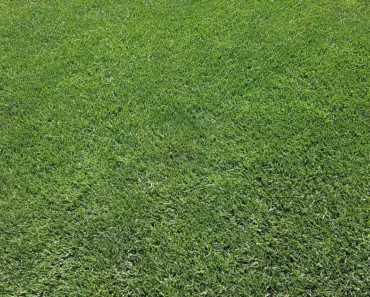
The simplest way to recycle your cut grass is to do nothing at all. Let the clippings fall where they may. This single change in habit can dramatically improve the health of your turf without costing you a dime.
The Science Behind Grasscycling
Freshly cut grass is roughly 85 percent water. Because of this high moisture content, short clippings break down rapidly on the soil surface. As they decompose, they release nitrogen and other nutrients directly into the root zone of your lawn. Research from Michigan State University indicates that returning clippings can provide the equivalent of 1 to 2 pounds of actual nitrogen per 1,000 square feet per year. That is roughly one full application of synthetic lawn fertilizer.
Many homeowners worry that leaving clippings causes thatch buildup. This is a common misconception. Thatch is a spongy layer of undecomposed stems and roots, not grass blades. Clippings are mostly water and break down too fast to contribute to thatch. Over-fertilizing with synthetic nitrogen and infrequent mowing are far more common causes of thatch accumulation.
Best Practices for Leaving Clippings
To make grasscycling work effectively, you need to adjust your mowing habits slightly.
- Mow when the grass is dry. Wet clippings clump together. These heavy clumps block sunlight and air circulation, potentially damaging the grass underneath. Dry clippings fall evenly through the grass blades.
- Follow the one-third rule. Never cut off more than one-third of the grass blade length at a single mowing. If your lawn has gotten too tall, gradually lower the mower deck over several mowings rather than scalping it all at once.
- Keep clippings short. Clippings that are 1 inch long or less decompose the fastest. A sharp mower blade makes a clean cut, which speeds up decomposition and reduces the risk of disease entry.
- Reduce your fertilizer input. Since you are now getting a free nutrient boost from the clippings, you need to adjust your fertilizer schedule. Plan to reduce your nitrogen application by about 25 to 30 percent to prevent over-fertilization.
If you follow these steps, the clippings will filter into the turf and disappear within a week or two. Your lawn gets a steady supply of nutrients, and you get to skip the bagging chore.
2. Use Grass Clippings as Mulch to Suppress Weeds and Conserve Water
Another excellent way to recycle your lawn trimmings is to spread them as mulch around your garden plants. Grass clippings make a fine, lightweight mulch that is easy to work with and breaks down quickly to feed the soil.
How to Apply Grass Clipping Mulch Correctly
Using fresh grass clippings as mulch requires a slightly different technique than using wood chips or bark. Because they are so wet and nitrogen-rich, you cannot simply pile them on thickly.
- Dry them out first. Spread the freshly cut clippings out on a tarp or driveway for a few hours. Let the sun and air dry them out slightly. This prevents them from matting together into a slimy, smelly layer.
- Apply a thin layer. Spread the dried clippings over the soil surface in a layer that is no more than 1 to 2 inches thick. A thicker layer of matted wet grass can limit water and oxygen from getting into the soil. It can also generate heat as it decomposes, which may burn tender plant roots.
- Keep mulch away from stems. Leave a gap of a few inches between the mulch and the stems or trunks of your plants. Direct contact can cause the stems to rot or create a pathway for disease. This is especially important for tomatoes, peppers, and young trees.
Where Grass Clipping Mulch Shines
Vegetable gardens are ideal places for this type of mulch. The fine texture is easy to spread around young, tender seedlings. As the clippings break down over the season, they improve the soil structure and create an excellent seedbed for next year’s crops.
Perennial borders and flower beds also benefit. A thin layer of grass mulch suppresses weed germination by blocking sunlight. It keeps the soil cooler in the heat of summer and moderates soil temperature fluctuations. It also reduces water evaporation from the soil surface, meaning you can water less frequently.
Because grass clippings decompose so quickly (often within 4 to 8 weeks), you will need to reapply a fresh layer midway through the growing season to maintain weed suppression. Each new layer continues to feed the earthworms and beneficial soil microbes below.
An Important Warning About Herbicides
Do not use clippings from a lawn that has been treated with a broadleaf herbicide (weed killer) recently. Herbicide residues can persist in the clippings and damage your vegetables and flowers. Wait at least three to four full mowings after an herbicide application before using the clippings as garden mulch. If you are unsure, it is better to compost them first or leave them on the lawn.
3. Add Grass Clippings to Compost for Nutrient-Rich Black Gold
If you have a compost pile, grass clippings are one of the best ingredients you can add. They are a classic “green” material, meaning they are high in nitrogen. This nitrogen feeds the microbes that break down the pile and generate heat.
Balancing Greens and Browns in Your Pile
The key to great compost is balance. If you add too many grass clippings without enough carbon-rich material, your pile will turn into a slimy, stinking mess. The smell of ammonia is a clear sign that your pile has too much nitrogen.
- The ideal ratio: Aim for about 3 parts brown material to 1 part green material by volume.
- Brown materials: Dried leaves, straw, shredded newspaper, cardboard, wood chips, and dead plant stems.
- Green materials: Grass clippings, kitchen scraps (fruit and vegetable peels), coffee grounds, and fresh plant trimmings.
When you add grass clippings to your compost, mix them thoroughly with the brown materials. If you simply dump a thick layer of grass on top of the pile, it will become compacted and anaerobic. Layering or mixing ensures good airflow and speeds up decomposition.
Making High-Quality Compost
A well-balanced compost pile can reach internal temperatures of 130 to 150 degrees Fahrenheit. This heat is essential for breaking down tough materials and killing weed seeds and disease pathogens. To achieve these temperatures, your pile needs to be at least 3 feet tall and 3 feet wide.
- Turn the pile regularly. Turning the pile every week or so introduces oxygen, which fuels the microbes. Oxygen also prevents the pile from going anaerobic and developing bad odors.
- Monitor moisture. The pile should feel like a wrung-out sponge. If it is too dry, add water. If it is too wet, add more brown materials.
- Location matters. Build your pile in a full sun location if possible. The sun helps heat the pile and speeds up the decomposition process.
Precautions for Composting Grass Clippings
Because most home compost bins do not reach a consistently high enough temperature to kill everything, you need to be careful about what you add.
You may also enjoy reading: Bedding Expert: 5 Reasons Quince’s Popular Linen Sheets Win.
- Avoid diseased clippings. If your lawn has a fungal disease like leaf spot, rust, or dollar spot, do not add the clippings to your compost pile unless you are certain it gets hot enough. Bag them and dispose of them in the trash instead.
- Avoid weedy clippings. If your lawn is full of seed heads from crabgrass, dandelions, or other weeds, those seeds may survive the composting process. You will end up spreading weed seeds back into your garden when you use the compost.
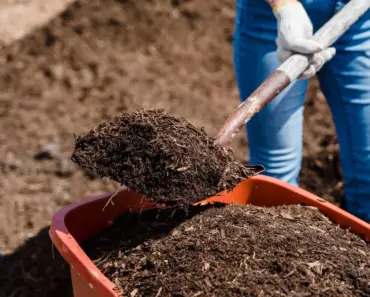
The resulting compost, often called black gold, is a phenomenal soil amendment. Mix a 2-inch layer into your garden beds before planting to improve drainage and water retention. Spread a 2-inch layer around perennials in the spring to suppress weeds and feed your plants throughout the season.
When to Skip Recycling: Exceptions to the Rule
While recycling your grass clippings is almost always the best choice, there are a few specific situations where you should bag them and send them away.
Diseased Lawns
If your lawn is actively battling a fungal disease, bagging the clippings helps prevent the disease from spreading. Leaving diseased clippings on the lawn or adding them to your compost pile can spread the pathogens to healthy areas of your yard.
Herbicide-Treated Lawns
As mentioned earlier, clippings from a lawn recently treated with broadleaf herbicides can contain chemical residues. These residues can damage or kill your garden plants if used as mulch. They can also persist in compost. It is best to bag and discard the first few mowings after an application.
Overgrown, Weedy Lawns
If you let your lawn get too tall and it has gone to seed, the clippings will be long and full of weed seeds. Long clippings take too long to decompose and can smother the grass. In this case, it is better to bag the clippings to remove the weed seeds and prevent them from germinating.
Frequently Asked Questions About Using Grass Clippings
Can I use grass clippings as mulch for vegetables?
Absolutely. It is one of the best mulches for vegetable gardens. Just ensure the clippings come from a healthy, untreated lawn. Apply them in a thin, dry layer and keep them away from the stems of the plants.
Will grass clippings make my soil too acidic?
No. While fresh grass clippings are slightly acidic, they become neutral as they decompose. They will not significantly alter your soil pH over time.
How long does it take for grass clippings to decompose on the lawn?
Short clippings (under 1 inch) can decompose in 1 to 2 weeks under warm, moist conditions. Dry conditions will slow this process down.
Can I put grass clippings around fruit trees?
Yes, it is a great way to create a weed-free zone around fruit trees. Keep the mulch a few inches away from the trunk to prevent collar rot and rodent damage.
What is the best way to store grass clippings before using them?
Fresh clippings should be used within a day or two. If you cannot use them immediately, spread them out in a thin layer to dry. Dried clippings can be stored in a bag or bin for later use as mulch or brown material in the compost pile.
Transforming your lawn clippings from a disposal problem into a garden resource is one of the smartest, most sustainable shifts you can make. Whether you leave them on the lawn, spread them as mulch, or toss them in the compost bin, you are feeding your garden for free. Your lawn will thank you, your wallet will thank you, and the environment will thank you.