Creating a Hummingbird Haven: 12 Flowers and Plants to Attract These Tiny Jewels
If you’ve ever been mesmerized by the iridescent flash of a hummingbird darting amongst your garden blooms, you understand the profound joy of attracting these incredible creatures to your yard. It’s more than just a pretty sight; it’s a vital contribution to local ecosystems, as hummingbirds play a crucial role in pollination. Creating a hummingbird haven is a rewarding endeavor, and the key lies in understanding their specific preferences – primarily, a love for tubular, red flowers. But it’s more complex than simply planting a few red flowers; succession planting, habitat considerations, and even the types of flowers you choose can significantly impact your success. We’ll explore the science behind their appeal, offer practical planting tips, and highlight the unique characteristics that make each one a standout choice for your pollinator paradise.
The Hummingbird’s Dietary Needs: Beyond the Red Flower
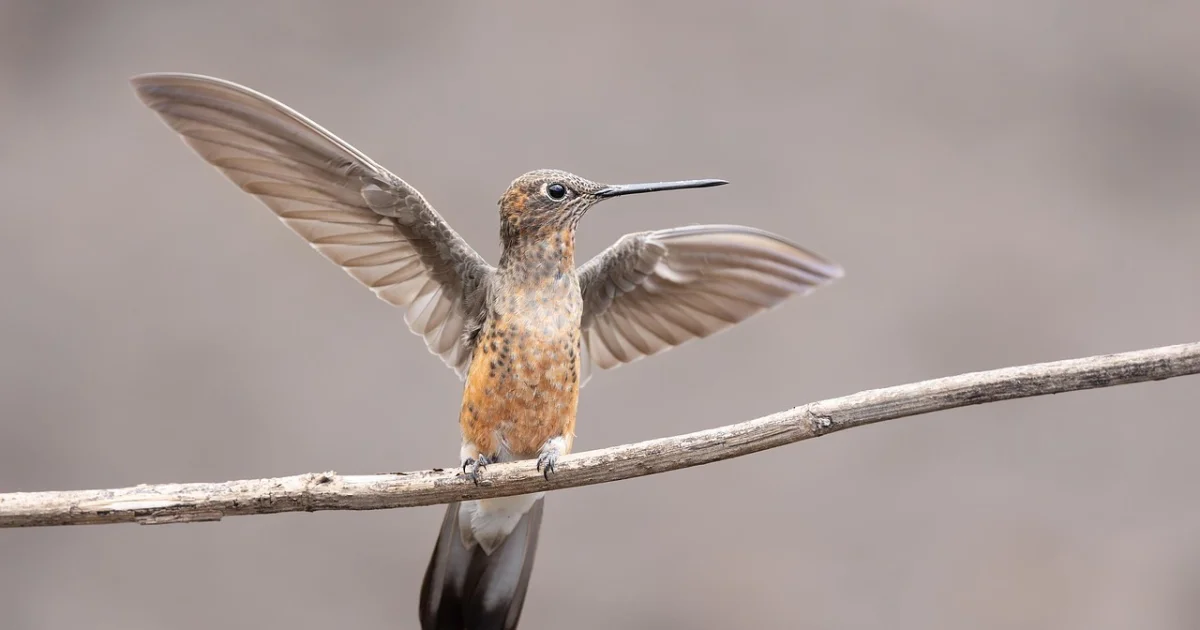
Before we dive into the plant list, let’s address a fundamental aspect of hummingbird attraction: their diverse diet. While the iconic image of a hummingbird sipping nectar from a red flower is accurate, it’s only part of the story. These remarkable birds are surprisingly insectivorous, consuming approximately 100 to 300 insects and spiders daily – roughly equivalent to their own body weight! This protein is crucial, particularly for feeding their rapidly growing young. Therefore, a truly successful hummingbird garden isn’t just about providing sweet nectar; it’s about offering a reliable source of protein as well. Planting shrubs and groundcovers near your nectar-rich flowers creates a beneficial habitat for these insects, effectively doubling your efforts. Consider incorporating native grasses and wild berries, which attract a wider range of insects beneficial to the hummingbird ecosystem. The average hummingbird consumes around 1 to 2 tablespoons of nectar per day, a surprisingly high volume for such a tiny creature. Providing a consistent supply is key to keeping these vibrant visitors happy and healthy.
1. Fuchsia (Fuchsia hybrida) – A Hanging Basket Delight
Fuchsias are arguably the quintessential hummingbird plant, and for good reason. These vibrant, trailing plants, available in a stunning array of colors – from deep reds and purples to vibrant pinks and oranges – offer a spectacular display, particularly in hanging baskets or containers. They’ve been cultivated for centuries, and modern hybrids boast impressive bloom times, often extending from late spring through fall. The key to success with fuchsias lies in consistent moisture and partial shade. Full sun can scorch their delicate leaves, while they truly thrive in locations where they can receive dappled sunlight. Mature stems can reach up to 2 feet (0.6 meters) long, providing ample space for hummingbirds to feed. USDA zones 9-10 are ideal for perennial fuchsias, but many cultivars are available as annuals, extending their bloom season further. Interestingly, the original fuchsia species, native to South America, produces flowers with a unique, almost translucent look, showcasing the intricate structure of the petals – a fascinating example of natural engineering.
2. Impatiens (I. walleriana) – Shade-Loving Color
For those with shadier gardens, impatiens are a fantastic option. These annual bedding plants offer a continuous burst of color, blooming profusely from spring through frost. Impatiens (commonly known as Busy Lizzie) come in a wide range of hues, including vibrant reds, pinks, oranges, and purples, all of which are highly attractive to hummingbirds. They prefer moist, well-drained soil and thrive in partial to full shade. The native I. capensis, originating from South Africa, is also readily grown from seed and is particularly well-suited to warmer climates, flourishing in USDA zones 10-11. Unlike some other flowering plants, impatiens don’t require heavy fertilization, making them a relatively low-maintenance choice. A study published in the journal HortScience demonstrated that hummingbirds exhibit a strong preference for the bright red varieties of impatiens, highlighting their visual appeal. The compact growth habits of impatiens also make them ideal for containers and hanging baskets, further maximizing their impact.
3. Mexican Sunflower (Tithonia rotundifolia) – A Tropical Touch
Bringing a touch of the tropics to your garden, the Mexican Sunflower is a dramatic and rewarding choice for hummingbird enthusiasts. This annual plant boasts large, bright orange-red flower heads that resemble sunflowers, but with a uniquely elongated shape. They bloom from mid-summer until the first frost, providing a crucial nectar source during the fall months when many other flowers have faded. Mexican sunflowers can grow up to 4-6 feet tall (1.2-1.8 meters), adding height and drama to your garden. They thrive in well-drained soil and full sun, making them an excellent choice for south-facing gardens. The seeds of the Mexican Sunflower are also a valuable food source for birds, further enhancing its ecological value. Historically, the plant was used by indigenous peoples for medicinal purposes, demonstrating its long-standing significance in the region. Interestingly, the vibrant color of the flowers is due to carotenoids, pigments that also contribute to the color of carrots and tomatoes.
4. Zinnia (Z. elegans, Z. angustifolia) – Easy-to-Grow Blooms
Zinnias are a classic choice for a reason – they’re incredibly easy to grow and produce a spectacular display of colorful blooms. Available in a dizzying array of colors and forms, including daisy-like varieties and taller, tubular flowers, zinnias are a hummingbird magnet. They thrive in full sun and well-drained soil, requiring minimal maintenance. Multiple varieties and cultivars are available, catering to different garden styles and preferences. Zinnias are known for their prolific seed production, allowing you to easily propagate new plants from seed. Consider companion planting zinnias with other pollinator-friendly flowers to create a diverse and thriving ecosystem. The widespread cultivation of zinnias has led to the development of several distinct varieties, each with unique characteristics and bloom times, showcasing the plant’s adaptability and horticultural potential.
5. Agastache (Agastache spp.) – Summer and Fall Nectar
Agastache, also known as hummingbird mint, is a perennial favorite among gardeners and hummingbirds alike. These plants offer a long bloom season, typically from mid-summer through fall, providing a crucial nectar source when many other flowers have finished blooming. Agastaches come in a variety of colors, including lavender, pink, red, and orange, and are known for their distinctive, minty scent. They thrive in well-drained soil and full sun, and are relatively drought-tolerant once established. USDA zones 5-9 are ideal for growing agastache as a perennial, while some varieties are available as annuals. The tall flower spikes of agastache provide a convenient feeding platform for hummingbirds, allowing them to hover and sip nectar with ease. Research suggests that the fragrance of agastache plays a significant role in attracting hummingbirds, adding another layer to its appeal.
6. Salvia ‘Black and Blue’ (Salvia guaranitica) – A Long-Blooming Spectacle
Salvia ‘Black and Blue’ is a standout choice for attracting hummingbirds due to its exceptionally long bloom season. These perennials flower from late spring to frost, providing a continuous supply of nectar throughout the summer and fall. The deep blue flowers are particularly attractive to hummingbirds, and the plant’s upright form adds vertical interest to the garden. Salvia ‘Black and Blue’ thrives in well-drained soil and full sun, and is relatively low-maintenance. Like other salvias, it benefits from occasional pruning to encourage bushier growth and more blooms. The plant’s name reflects the striking contrast between the dark blue flowers and the foliage, creating a visually appealing display. Studies have shown that hummingbirds are drawn to the tubular shape of salvia flowers, optimizing their ability to access the nectar.
7. Lantana (Lantana camara) – Versatile Groundcover or Shrub
Lantana is a highly adaptable plant that can be grown as a sprawling groundcover or a compact shrub, offering flexibility for different garden spaces. Its vibrant, multi-colored flowers – often a mix of red, orange, yellow, and pink – are irresistible to hummingbirds. Lantana thrives in full sun and well-drained soil, and is relatively drought-tolerant. It’s available in both annual and perennial varieties, depending on your climate. The sprawling habit of lantana makes it an excellent choice for covering slopes or along fences. The plant’s resistance to pests and diseases is another advantage, reducing the need for chemical treatments. Interestingly, lantana is native to the Caribbean and Central America, adding a touch of tropical flair to your garden.
You may also enjoy reading: Tried the Top 3 Most Effective DIY Weed Killers That Actually Work.
8. Butterfly Bush (Buddleja davidii) – A Hummingbird Magnet
Despite its name, the Butterfly Bush is a hummingbird magnet as well. These shrubs produce long, cone-shaped flower clusters in shades of purple, pink, white, and yellow, attracting butterflies, bees, and hummingbirds. Butterfly bushes thrive in full sun and well-drained soil, and are relatively low-maintenance. They’re available in a wide range of sizes and colors, making it easy to find a variety that fits your garden’s aesthetic. While butterfly bushes can be somewhat invasive in some regions, choosing sterile cultivars can help prevent this issue. The vibrant blooms and fragrant foliage create a welcoming habitat for pollinators, transforming your garden into a vibrant ecosystem. A key consideration is the pruning schedule, as butterfly bushes benefit from annual pruning to promote vigorous growth and abundant flowering.
9. Coreopsis (Coreopsis spp.) – Sunny Yellow Blooms
Coreopsis, or Tickseed, is a cheerful and easy-to-grow perennial that adds a burst of sunny yellow color to any garden. While they’re primarily known for attracting butterflies, hummingbirds are also drawn to their tubular flowers. Coreopsis thrive in full sun and well-drained soil, and are relatively drought-tolerant. They’re available in a variety of forms, including daisy-like and yarrow-like varieties. The bright yellow flowers provide a striking contrast to green foliage, creating a visually appealing display. Coreopsis is a great choice for adding color to borders, containers, and wildflower meadows. For best flowering, they benefit from deadheading spent blooms, encouraging continued production of new flowers.
10. Petunia (Petunia x hybrida) – Versatile and Vibrant
Petunias are incredibly versatile and come in a vast array of colors, shapes, and sizes. Their trumpet-shaped flowers are a favorite of hummingbirds, particularly the vibrant shades of red, purple, and pink. They thrive in full sun to partial shade and prefer well-drained soil. Petunias can be grown in containers, hanging baskets, or directly in the garden. Regular deadheading – removing faded flowers – encourages continuous blooming. Newer varieties are bred to be more resistant to diseases and pests, simplifying their care. The continuous blooming habit of petunias ensures a consistent nectar source throughout the growing season. Interestingly, different varieties of petunias attract different species of hummingbirds, highlighting the importance of selecting varieties that cater to the local hummingbird population.
11. Verbena (Verbena spp.) – Aromatic Delight
Verbena is a popular choice for attracting hummingbirds due to its prolific blooms and sweet fragrance. Available in a wide range of colors, including purple, pink, red, and white, verbena plants thrive in full sun and well-drained soil. They’re relatively low-maintenance and can tolerate a variety of conditions. The aromatic foliage and flowers attract hummingbirds and beneficial insects alike. Verbena comes in both annual and perennial varieties, offering flexibility for different garden styles. Deadheading spent flowers encourages continuous blooming, ensuring a steady supply of nectar for hummingbirds. The plant’s ability to self-seed can be both a blessing and a challenge, depending on your preferences.
12. Columbine (Aquilegia spp.) – Delicate Charm
Columbine, with its delicate, spurred flowers, adds a touch of elegance to any garden and is a surprisingly effective hummingbird attractant. These plants, available in a range of colors, including red, pink, purple, and yellow, are relatively easy to grow in full sun to partial shade. They prefer well-drained soil and benefit from occasional deadheading. The spurred flowers are perfectly adapted for attracting hummingbirds, as the spurs provide a landing platform for the birds to sip nectar. Columbine is a native plant in North America, adding a touch of natural beauty to your garden. They’re also known for attracting other pollinators, such as bees and butterflies, creating a diverse and thriving ecosystem. The plant’s unique foliage and delicate blooms make it a captivating addition to any garden design.
By incorporating these twelve plants and flowers into your garden, you’ll create a thriving haven for hummingbirds and enjoy the incredible spectacle of these tiny jewels flitting amongst your blooms. Remember to provide a consistent supply of fresh water, either in a shallow dish or a hummingbird mister, to ensure these fascinating birds have access to a vital resource. With a little planning and effort, you can transform your yard into a hummingbird paradise – a beautiful and rewarding experience for both you and these remarkable creatures.