Don’t toss those avocado peels into the trash—they’re a compost goldmine that feeds your soil and plants. Every part of an avocado can be composted: peel, flesh, and pit, making avocado peels compost a simple, budget-friendly way to reduce kitchen waste. By composting avocado waste alongside other kitchen scraps, you can create a rich DIY fertilizer for your garden, turning everyday leftovers into a low-maintenance, sustainable gardening habit.
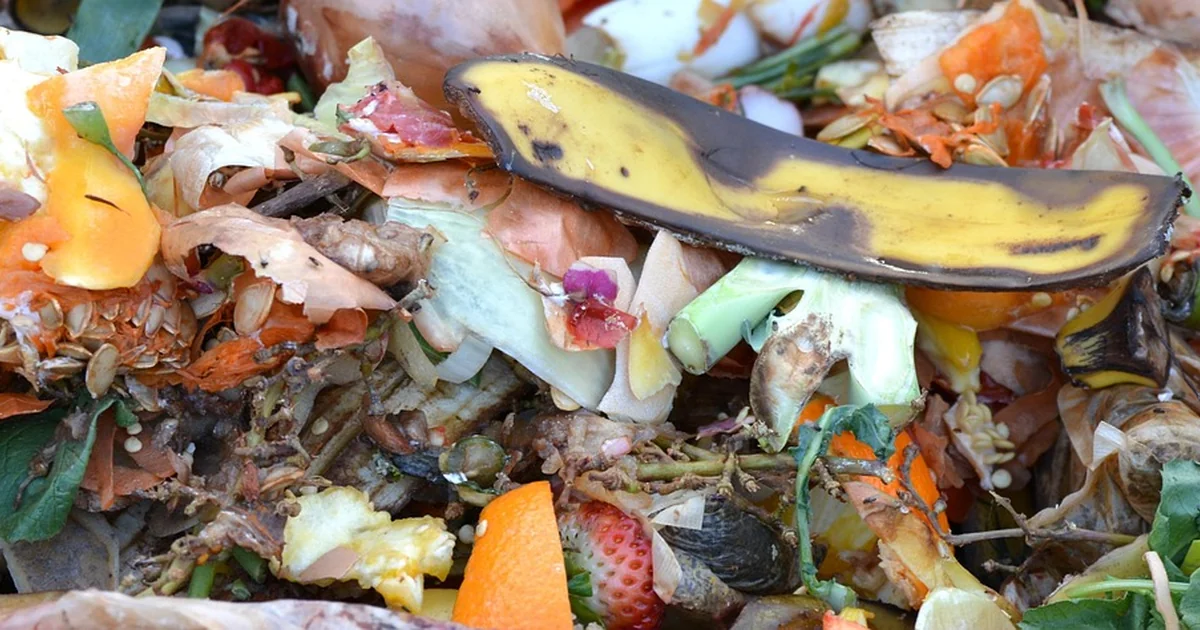
1. Avocado Peels Are Perfect Brown Matter for Your Compost Pile
Balancing your compost pile starts with understanding brown matter—and avocado peels are an excellent source. When you add avocado peels to your compost, you are introducing a carbon-rich material that helps create the right environment for decomposition. In composting, brown matter provides the energy that microbes need to break down green matter such as kitchen scraps and grass clippings. This balance between brown and green is what turns your pile into rich, healthy soil. Without enough brown matter, your compost can become too wet and start to smell.
What Is Brown Matter and Why Does It Matter? Brown matter includes dry, woody, or fibrous plant parts like dried leaves, straw, paper, and avocado skins and pits. These materials are high in carbon and feed the microbial activity that powers the composting process. Avocado flesh, on the other hand, is considered green matter because it contains more nitrogen and breaks down quickly. The skins and pits take longer to decompose without help, so chopping them into smaller pieces can speed things up. By understanding the difference between brown vs green compost ingredients, you can keep your pile balanced, productive, and full of life.
2. They Enrich Your Compost with Essential Plant Nutrients
Avocado peels aren’t just filler—they pack a nutrient punch that your garden will love. When you add them to your pile, you’re not simply getting rid of kitchen scraps; you’re introducing valuable minerals that plants need to thrive. Avocado skins and pits contain magnesium and potassium, two of the most important elements for healthy growth. Magnesium in compost helps plants produce chlorophyll and absorb energy from sunlight, while a potassium source for plants supports strong stems, disease resistance, and fruit development. By including avocado peels in your mix, you are working toward a more nutrient-rich compost that acts as a natural organic vegetable fertilizer.
Which Plants Benefit Most from Avocado Compost? Vegetables like lettuce, tomatoes, and peppers are especially hungry for these nutrients. Magnesium and potassium are important plant fertilizers for these crops because they encourage leafy growth and abundant harvests. When your avocado peels compost matures, it delivers these minerals in a gentle, slow-release form that won’t burn tender roots. Simply work the finished compost into the soil around your plants or use it as a top dressing during the growing season. Your garden will thank you with stronger stems and more flavorful produce.
3. Simple Preparation Speeds Up Breakdown
A few minutes of prep can turn slow-decomposing avocado peels into fast-acting compost ingredients. Avocados take a while to decompose without help, but a little effort on your part makes a big difference. To speed up breakdown, cut avocado skins into small pieces and place them deeper into compost layers. This simple step increases the surface area for microbes to work on and keeps the material in the warmest part of the pile, where decomposition happens fastest. Chopping avocado peels into smaller bits is a low-maintenance habit that pays off with quicker results.
Don’t forget the pits. When you add avocado peels to compost, the pits are often tossed in whole, but that slows everything down. For composting avocado pits safely, crush or chop them before adding them to the bin. A hammer or heavy knife works well for this task. Proper processing reduces the time avocado waste takes to break down, so you get usable compost sooner. These compost preparation tips are easy to follow and make your whole system more efficient. A small upfront effort means less waiting and more rich, dark compost for your garden beds.
4. Balance Avocado Scraps with Other Materials for Optimal Compost
Avocado peels are great, but they work best when you balance them with the right mix of greens and browns. The key to a healthy pile is maintaining a good carbon-nitrogen ratio compost. Your avocado scraps are mostly nitrogen-rich green matter—especially the avocado flesh, which breaks down easily. But too much of any green can throw off the balance, leading to smells and slow decomposition. To achieve proper compost pile balance, pair your avocado additions with plenty of brown materials like dry leaves, cardboard, or straw. This simple step keeps your pile working efficiently and avoids soggy, smelly clumps.
Passend dazu: 5 Rarest Vintage Pyrex Kitchenware Items vertieft dieses Thema mit konkreten Beispielen.
Be mindful that some kitchen scraps take longer to break down. Banana peels and egg shells, for instance, are known to take a long time to decompose. To keep everything moving together, layer those slower items with faster-breaking avocado flesh. For compost odor control and compost pest prevention, always bury avocado scraps deep in the center of the pile. Avoid adding too many avocado peels at once—spread them out over several days. With these easy habits, you’ll keep your compost healthy, balanced, and ready to use sooner.
5. Avocado Peels Compost Faster Than You Think (With the Right Technique)
Don’t believe the myth that avocado waste takes forever—with proper handling, it breaks down quickly. Every part of an avocado can be composted: peel, flesh, and pit. Many home gardeners avoid avocado peels because they assume they are tough and slow to rot, but the truth is, when you prepare them correctly, your avocado peels compost timeline speeds up considerably. Simply cutting or shredding the peels into small pieces before adding them to your pile makes a big difference. This simple step increases surface area, giving microbes more access to break the material down. Compared to other common kitchen scraps, the difference is clear. When you look at composting banana peels vs avocado peels, both require a similar approach: chop them small and mix them well. And while banana peels and egg shells take a long time to decompose, avocado peels can actually keep pace when you use fast composting techniques like turning your pile regularly. Home composting with avocado scraps creates a rich DIY fertilizer for gardens, turning what might seem like waste into a valuable resource. By using these practical strategies, you can keep your compost pile working efficiently and enjoy nutrient-rich soil sooner than expected.
Frequently Asked Questions
How do I balance avocado peels with other compost ingredients?
Avocado peels count as green matter, so pair them with a generous amount of brown materials like dry leaves, cardboard, or straw. A simple rule is to add roughly two parts browns for every one part greens by volume. This balance helps the pile break down efficiently and prevents it from becoming too wet or smelly.
What is the difference between brown matter and green matter in compost?
Brown matter provides carbon and includes dry, woody items like fallen leaves, paper, and twigs. Green matter supplies nitrogen and comes from fresher, moister sources such as vegetable scraps, grass clippings, and avocado peels. Both are essential for healthy decomposition, so mixing them well gives your compost the right energy and structure.
Will avocado peels attract pests or create smells in my compost bin?
Avocado peels are not especially strong-smelling, but any kitchen scraps can attract pests if left uncovered. Simply bury the peels under a layer of browns or soil to keep flies and rodents away. A well-balanced pile with good airflow should remain fresh and not produce unpleasant odors.



![Strangers and Neighbors [and s’mores board inspiration]](https://azuloz.com/wp-content/uploads/azuloz-OlfzHOdx-370x297.webp "Strangers and Neighbors [and s’mores board inspiration]")