You put out a water birdbath, and your backyard visitors splash and preen. But did you know many of those same birds also need a completely different kind of bath to stay healthy? A bird dust bath might look like a simple patch of dirt, but it is a critical tool for bird hygiene. Dust bathing in dry, loose earth helps birds maintain feather functionality, keeping them lightweight and flight-ready. Without access to dry dirt, birds may resort to dusting themselves in flowerpots or patches of parched lawn, exposing themselves to predators. This article covers five key reasons to provide a bird dust bath, plus practical setup tips, so you can offer complete backyard bird care that supports feather maintenance and overall bird health benefits.
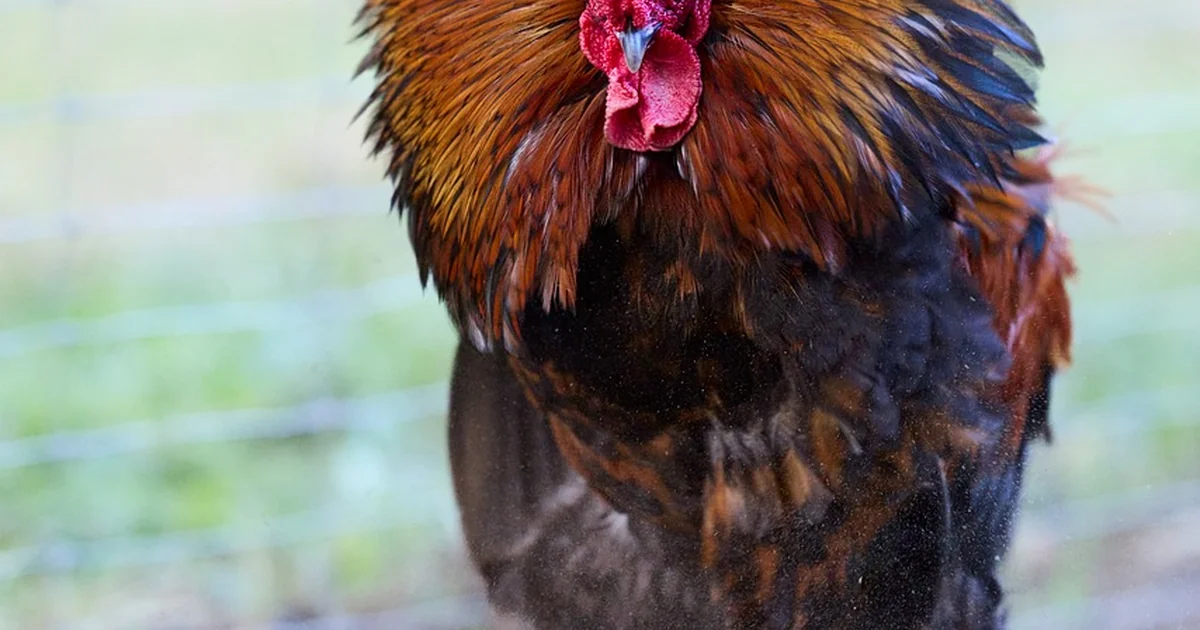
1. Dust Baths Remove Excess Oil and Keep Feathers Functional
Think of a dust bath as a dry shampoo for birds—it strips away the buildup that water alone can’t fix. During humid spring months or heavy nesting periods, preen oil builds up, causing feathers to clump, mat, and lose flexibility. This leads to degraded insulation and reduced flight efficiency, leaving your backyard birds less protected from the elements and more vulnerable to predators. A bird dust bath offers a simple, low-maintenance solution to this common problem. Dust absorbs excess oil from the feather structure, restoring flexibility and fluffiness. This natural grooming behavior mimics what birds would do in the wild, helping them keep their feathers in top condition for warmth and flight.
Why aren’t water baths enough for oil control? Water alone can’t effectively remove the heavy buildup of preen oil that occurs during certain seasons. By providing a dry, dusty spot in your yard, you give birds a practical way to manage feather oil removal on their own terms. The result is better bird flight efficiency and healthier, more functional plumage. This simple addition to your garden supports complete backyard bird care and is a welcoming gesture that birds will visit again and again.
2. Dust Baths Help Control Parasites Without Chemicals
Parasites like mites, fleas, and lice can be a real problem for backyard birds, especially during spring when these pests are most active. These tiny creatures live deep within feathers, making them difficult for birds to manage through preening alone. Luckily, a bird dust bath offers a natural solution. The dusty particles disrupt the environment parasites need to survive, effectively reducing their numbers without any chemicals.
Regular dust bathing helps birds carry fewer parasites over time, providing ongoing mite control for birds and flea prevention in birds. This natural bird parasite treatment is not only gentle but also highly effective for feather lice management. By setting up a simple dust bath area in your garden, you give birds a tool for self-care that supports their overall health and comfort. Spring is a critical time for parasite control, so offering a bird dust bath early in the season can make a big difference in helping birds stay pest-free.
3. Attract a Wider Variety of Backyard Birds With a Dust Bath
Popular songbirds like cardinals and sparrows actively seek out dry earth. When you add a bird dust bath to your yard, you give them the perfect spot for essential hygiene. Dust bathing in dry, loose earth is critical for many bird species. It affects feather functionality, keeps birds lightweight, and supports flight-readiness. Some birds that ignore water baths will happily visit a dust area instead. That means you can attract species you might not see at a traditional birdbath.
Which Birds Are Most Likely to Use Your Dust Bath? Frequent visitors include house sparrows, northern cardinals, and energetic wrens. These species are known for their dust bathing habits. Watching a house sparrow fluff and roll in the dirt is a treat for any backyard bird lover. Northern cardinal dust bathing is a calm, methodical process that reveals their gentle side. And wren bird habits often include energetic dust baths between foraging sessions. By providing a bird dust bath, you invite both common and less-seen backyard bird species to visit. It is a simple, low-maintenance way to attract songbirds and support their natural grooming routines.
4. A Dust Bath Keeps Birds Safe From Predators While Grooming
Birds dust-bathing in unsafe spots risk attack, so a well-placed bath gives them security. Without access to dry dirt, birds may dust themselves in flowerpots or patches of parched lawn, exposing themselves to predators. Open lawns are especially dangerous because birds feel vulnerable to aerial predators and will often ignore the area entirely. When you set up a bird dust bath in a sheltered location with nearby shrubs or a low hedge, you create a safe grooming zone. Place the bath close to cover, such as a bush or a rock pile, so birds can quickly dart into hiding if a hawk or crow approaches. This simple placement tip makes your yard a true predator protection for birds haven while still keeping the bath visible enough for you to enjoy watching them. For bird safe yard design, avoid the middle of the lawn and instead tuck the bath near a fence, under a leafy plant, or beside a bird feeder. The added security encourages regular use and lets birds groom without constant worry.
Lesetipp: In unserem Beitrag 5 Potted Plants That Stay Vibrant in Hot Weather finden Sie weitere praktische Anregungen.
5. A Proper Dust Bath Is Easy to Build and Maintain With the Right Materials
The key to a successful bird dust bath is getting the depth, drainage, and fill just right. Aim for a container with a depth of 3 to 4 inches so birds can submerge their bellies and fluff up to their wings. This depth allows them to roll and toss dust effectively. For drainage, make sure the frame has ample weep holes to prevent rainwater from pooling and turning the bath into mud. Without proper drainage, you will end up with a messy clump instead of a usable dust bath.
What you fill the container with matters just as much. Sand should make up 40% to 50% of the total volume, as it provides the grit needed to dislodge parasites. Mix in dry topsoil, a little wood ash, and a sprinkle of diatomaceous earth for extra pest control. For the container itself, untreated wood or durable plastic works best. Avoid metal, which can heat up in the sun or rust over time. As for dust bath maintenance, refresh the mix weekly or after rain, and clean the container every few weeks to prevent mold. A simple, well-built dust bath container will keep your birds happy and healthy with very little effort.
Frequently Asked Questions
How do I keep the dust bath dry and prevent it from turning into mud?
Place the dust bath in a spot that stays dry, such as under a roof overhang or a dense shrub. If rain is forecast, cover the area with a sheet of plywood or a lightweight tarp propped up a few inches for airflow. You can also use a container with drainage holes, but the simplest trick is to check the material after rain and replace any damp areas with fresh, dry sand.
Why do birds need a dust bath if they already have a water birdbath?
A water birdbath helps birds drink and rinse off, but a bird dust bath serves a different purpose: it helps them control parasites like mites and lice. The dry dirt absorbs excess oil and loosens debris from their feathers, leaving them cleaner than water alone can. Many birds actually prefer dusting to bathing in water, so offering both ensures they stay healthy and comfortable.
Will a dust bath attract pests or create a mess in my yard?
A properly placed dust bath is low-maintenance and shouldn’t attract pests because it stays dry. The dust normally stays within the container, especially if you choose a shallow dish with a low rim. To keep the area tidy, place it on a patch of gravel or stone, and refresh the material weekly to prevent mold or insects from moving in.