Tip 1: Mastering the Timing of Your First Harvest
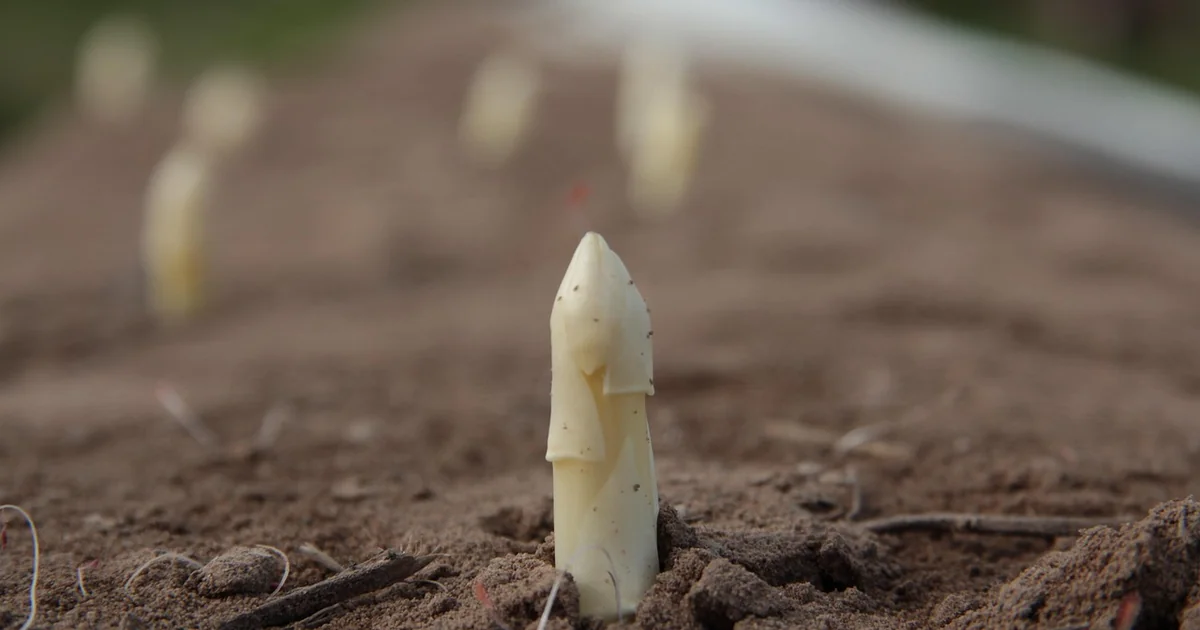
The most common mistake new asparagus growers make is premature harvesting. Seeing those first succulent spears poke through the soil in year one or two is incredibly tempting. Resisting that urge is the first essential skill.
The Three-Year Rule Explained
Why three years? An asparagus crown needs time to store enough energy in its root system to support both the spring spear production and the subsequent summer growth of its photosynthetic “ferns.” In the first year, the plant is essentially establishing its infrastructure. Harvesting any spears steals the energy needed for this critical task. In year two, you might allow yourself a very light taste—perhaps collecting two or three spears over the entire season—but the focus must remain on plant development. The third spring is when the system is mature enough to allocate energy to a harvestable crop while still maintaining its own health.
What If You Harvested Early?
If you’ve already snipped a few spears in the first or second year, don’t panic. The key is to stop immediately. Let all subsequent spears grow into their full ferny state. This allows the plant to recover and continue building reserves. You may need to extend your establishment period by another year, meaning your first proper harvest might occur in the fourth spring instead of the third. The plant’s resilience is notable, but consistent early harvesting is the primary cause of weak, short-lived asparagus beds.
Tip 2: Recognizing the Perfect Harvesting Window
Once your bed is mature, knowing exactly when to cut each spear is crucial. This isn’t a matter of personal preference; it’s a physiological cue from the plant.
Spears are ready when they stand between 6 and 10 inches tall and have a diameter roughly comparable to your index finger. The ideal moment is just before the tip begins to loosen and separate, signaling the start of bud development. If the tip has started to open, the spear becomes woody and less flavorful. A study by the University of California Cooperative Extension noted that spear diameter is a more reliable indicator of tenderness and sugar content than height alone. Thinner spears, even at 10 inches, can be more tender than thicker ones cut too early.
Your harvesting window for the season typically spans six to eight weeks, but always concludes by or before July 1st. This deadline isn’t arbitrary. It ensures the plant has enough warm summer days to grow its full ferny canopy, which captures sunlight and stores energy for the next year’s harvesting asparagus tips. If you notice spears becoming noticeably thinner or the emergence rate slowing dramatically before July, it’s a sign the plant is tiring. Stop harvesting then, regardless of the calendar date.
Tip 3: Employing the Right Technique and Tools
The method you use to collect spears impacts both the immediate quality of your vegetable and the long-term health of the bed.
Cutting vs. Snapping
Using a clean, sharp knife or asparagus harvesting tool is generally recommended. Cut the spear at ground level, or just slightly below. This clean cut minimizes damage to the crown and prevents ragged stems that could invite disease. Some gardeners prefer the “snap” method, where you bend the spear near the base until it breaks naturally. This method automatically selects the tender portion, as the spear will snap at the point where it becomes woody. However, snapping can leave a stub above the crown that may rot. For most home gardeners, a simple sharp knife is perfectly adequate.
Tool Maintenance and Harvest Handling
Keep your harvesting tool clean. After each use, wipe it down to prevent transferring soil pathogens between plants. As you collect spears, place them gently in a basket or container. Avoid cramming or bending them excessively, which can cause bruising. Fresh asparagus has a high respiration rate; harvesting in the cool morning hours and refrigerating promptly helps retain its signature sweetness and crisp texture.
Tip 4: Supporting the Plant Beyond Harvest
Harvesting is just one event in the asparagus’s annual cycle. The care you provide when you’re not harvesting determines the success of future seasons.
The Critical Post-Harvest Period
After you stop cutting spears (by July 1st), the plant shifts into its growth phase. The remaining spears will rapidly develop into tall, bushy ferns. These ferns are not ornamental leftovers; they are the plant’s energy factories. They must be allowed to grow unimpeded through the summer and fall. A common error is cutting these ferns down too early in autumn. Wait until they have turned completely yellow or brown after frost. This indicates they have transferred all their stored energy back to the crown.
Annual Feeding Regimen
Asparagus is a heavy feeder, particularly of phosphorus. Phosphorus supports root and stem development, which is why it’s prioritized over nitrogen (which promotes leafy growth). An annual spring application of a balanced fertilizer or a top-dressing of compost is essential. For established beds, many gardeners apply a compost layer in early spring, just as the first spears are anticipated. In the fall, after cutting down the dead ferns, another light compost layer can be added to protect the crown and slowly enrich the soil.
Tip 5: Planning for Long-Term Bed Health
A well-maintained asparagus bed is a decades-long asset, but it does require occasional oversight to maintain its vigor.
You may also enjoy reading: 7 Best Rain Shower Heads: Spruce Tested & Approved!.
Monitoring for Decline
After seven or eight years, you might notice a decline. Spears may become consistently thinner, or the harvest window may shorten significantly. This can indicate crowding as the crown has expanded, or a depletion of specific soil nutrients. Before taking drastic action, try a soil test. It might reveal a need for a targeted nutrient boost rather than division.
Division and Renovation
If the bed is genuinely overcrowded, division can rejuvenate it. This is a major project best undertaken in early spring before growth begins or in late fall after the ferns die. Carefully dig up the entire crown cluster, and use a sharp spade to divide it into sections, each with healthy roots and buds. Replant these divisions with the same trench method used initially, giving them the same two-year establishment period before full harvesting resumes. This process essentially resets the clock but can extend the productive life of your plants for another decade.
Frequently Asked Questions
Can I harvest asparagus in the first year if the spears look thick and healthy?
Absolutely not. Even robust-looking spears in the first year are drawing energy from a crown that is still under construction. Harvesting them redirects that energy away from root development, jeopardizing the entire future of the plant. Think of those first-year spears as the plant’s investment in its own foundation.
Why is July 1st the universal deadline for stopping harvest?
The July 1st date is a safeguard based on cumulative daylight. The plant needs approximately 90 to 100 days of unimpeded fern growth after harvest ends to photosynthesize and store enough energy for the next winter and spring resurgence. Harvesting beyond early July risks shortening this growth period, especially in northern climates, leading to weaker spears the following year.
What does “decreased production and vigor” actually look like?
You’ll see tangible signs. The spears that emerge might be spindly, less than half the diameter of previous years. The rate of new spear emergence slows dramatically—you might go three or four days without a new harvestable spear, whereas before you harvested daily. The spears themselves might show discoloration or appear limp. These are clear signals that the plant’s energy reserves are low and it needs to switch to fern growth immediately.
How do I care for the bed during the off-season after harvesting stops?
The primary task is to protect the fern growth. Keep the area weed-free, as weeds compete for nutrients and water. Ensure the plants receive adequate water during dry summer spells. In late fall, after the ferns have died back completely, cut them down to about 2 inches above the ground and remove the debris. This clears the bed and reduces habitats for pests over winter.
Is it worth growing asparagus in a small urban garden?
It depends on your gardening philosophy. Asparagus requires a dedicated space for many years. A small bed of ten crowns, however, can provide a meaningful personal harvest. The vertical, ferny stage is also quite attractive and can serve as a green backdrop in summer. For small-space gardeners, the multi-year commitment is a significant consideration, but the reward of early spring harvests from a permanent fixture can be uniquely satisfying.
Embracing these five essential practices transforms asparagus growing from a hopeful experiment into a reliable, generations-long garden tradition. The initial patience yields not just annual harvests, but a deeper connection to the cyclical, enduring nature of your garden itself.