Imagine walking through your garden and spotting a dozen glossy cucumbers hiding beneath broad green leaves. You pick one, then another, and another. By midsummer, you have enough for salads, pickles, and even gifts for neighbors. That vision is absolutely achievable. Small changes in watering, feeding, and harvesting can make a dramatic difference. Let’s explore seven actionable tips that will help you get the most from every single vine.
Amazon US Verified
Self-Watering Planters with Drainage Aerators
Elevated reservoir design that prevents soggy roots and ensures steady hydration.
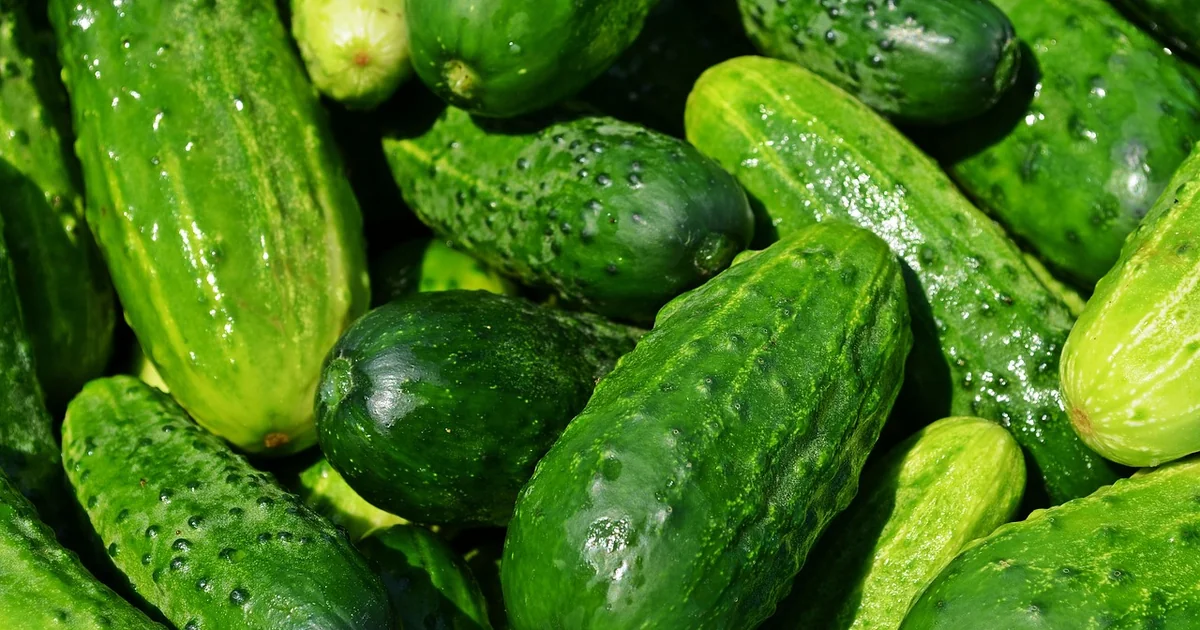
Before diving into the tips, it helps to know what range is realistic. Under ideal conditions, a single cucumber plant yields between 15 and 30 cucumbers over its lifetime. That range depends on the variety you choose, your local weather, soil quality, and how diligently you manage the plant. Some gardeners harvest only eight or ten cucumbers from a plant. Others pick forty or more from a single vigorous vine. The difference often comes down to a handful of simple practices.
Most cucumber varieties are ready to harvest 50 to 70 days after planting. In regions with long growing seasons, you can plant a second crop and enjoy a second wave of harvesting. Understanding these baseline numbers helps you set realistic expectations and recognize when your plants are underperforming.
Tip 1: Choose the Right Cucumber Variety
Not all cucumber plants behave the same way. The number of cucumbers per plant is heavily influenced by which type you put in the ground. There are more than 100 known cucumber varieties, and they fall into three main categories: monoecious, gynoecious, and parthenocarpic. Each has a different strategy for producing fruit.
Monoecious Cucumbers
Monoecious varieties produce both male and female flowers on the same plant. For every female flower, 10 to 20 male flowers appear. Bees and other pollinators must transfer pollen from male to female flowers for fruit to develop. If pollination fails, the female flower drops off and no cucumber grows. These varieties are reliable and traditional, but their yield depends heavily on pollinator activity.
Gynoecious Cucumbers
Gynoecious plants produce only female flowers. This design increases the potential number of cucumbers per plant because every flower can become a fruit. These plants tend to fruit earlier than monoecious types. However, they still need a nearby pollinator variety that provides male flowers. Without male flowers nearby, some female flowers may remain unpollinated and fail to develop.
Parthenocarpic Cucumbers
Parthenocarpic varieties are the most productive of all. They set fruit without any pollination at all. Each flower develops into a cucumber on its own, regardless of whether bees visit. This trait makes parthenocarpic cucumbers ideal for greenhouses, indoor growing, or gardens with low pollinator activity. If your goal is to maximize cucumbers per plant, this category offers the highest ceiling.
When selecting seeds or seedlings, read the label carefully. Look for terms like “gynoecious” or “parthenocarpic” if you want a heavy producer. Heirloom monoecious varieties are wonderful for flavor, but they require more attention to pollination.
Tip 2: Provide Full Sun and Proper Spacing
Cucumber plants are sun worshippers. They need at least eight hours of direct sunlight each day to photosynthesize efficiently and produce energy for fruit development. Less sunlight leads to fewer flowers, weaker vines, and a lower number of cucumbers per plant.
Spacing matters just as much. Each cucumber plant needs about one square foot of space if grown vertically on a trellis, or more if allowed to sprawl on the ground. Crowded plants compete for light, water, and nutrients. They also experience poor air circulation, which invites fungal diseases. Give each plant enough room to stretch its leaves and vines without touching its neighbors.
Before planting, observe your garden throughout the day. Choose a spot that receives uninterrupted sun from mid-morning until late afternoon. Avoid areas shaded by fences, trees, or tall buildings. If your only available spot gets partial shade, consider growing parthenocarpic varieties, which are slightly more tolerant of lower light conditions.
Tip 3: Feed Your Plants for Heavy Production
Cucumbers are heavy feeders. They draw large amounts of nutrients from the soil to support rapid growth and continuous fruiting. If the soil runs low on essential elements, the plant will produce fewer flowers and smaller fruits. To boost cucumbers per plant, you need to provide a steady supply of nutrition.
Start by enriching the soil before planting. Mix several inches of well-rotted compost into the top layer. Compost improves drainage, adds organic matter, and provides a slow-release source of nutrients. Cucumbers prefer slightly acidic to neutral soil with a pH between 6.0 and 7.0.
Amazon US Verified
Organic Perlite Horticultural Soil Conditioner
Lightweight volcanic mineral that improves root aeration and prevents compaction.
Once the plants begin to flower, switch to a phosphorus-rich fertilizer. Phosphorus encourages flower formation and fruit set. Apply a balanced liquid fertilizer or a granular formula with a higher middle number, such as 5-10-10, every week or two. Follow the package instructions carefully. Over-fertilizing with nitrogen can produce lush leaves at the expense of fruit.
Feed your plants weekly from the time the first flowers appear until the end of the harvest season. Consistent feeding keeps the plant productive and extends its fruiting window. A well-fed cucumber plant can keep producing for weeks longer than a neglected one.
Tip 4: Water Consistently and Deeply
Water is the single most critical factor for cucumber yield after sunlight. Cucumber fruits are about 95 percent water. If the plant experiences even short periods of drought, fruit development stalls, flowers may drop, and the overall cucumbers per plant drops significantly.
Water deeply at least once a week, and more often during hot, dry weather. The goal is to moisten the soil to a depth of six to eight inches. Shallow watering encourages roots to stay near the surface, where they dry out quickly. Deep watering promotes a robust root system that can access moisture even during heat waves.
Amazon US Verified
Digital 3-in-1 Soil Moisture & pH Meter
Accurate probe to test deep root zone moisture and prevent accidental overwatering.
Use a soaker hose or drip irrigation to deliver water directly to the soil. Overhead watering wets the leaves and creates conditions for powdery mildew and other fungal diseases. Water in the early morning so the foliage has time to dry during the day. Consistent moisture is especially important once the fruits begin to swell. Irregular watering can cause cucumbers to become bitter or misshapen.
Tip 5: Ensure Proper Pollination
For monoecious and gynoecious varieties, pollination is the gatekeeper of yield. Without successful pollination, female flowers wither and fall off. The plant produces zero fruit from those flowers. To maximize cucumbers per plant, you need to attract and support pollinators.
Plant pollinator-friendly flowers near your cucumber patch. Marigolds, borage, lavender, sunflowers, and zinnias all attract bees and other beneficial insects. Aim for a continuous bloom from early spring through late summer so pollinators have a steady food source.
Avoid using broad-spectrum insecticides during the flowering period. Even organic pesticides can harm bees if applied at the wrong time. If you must treat a pest problem, spray in the late evening when bees are less active and choose a product with low toxicity to pollinators.
If you notice that female flowers are dropping without forming fruit, you can hand-pollinate. Use a small paintbrush or cotton swab to collect pollen from a male flower and transfer it to the center of a female flower. Male flowers have thin stems and no swelling behind the petals. Female flowers have a tiny cucumber-shaped bulge at the base. Hand-pollination guarantees that every female flower has a chance to become a cucumber.
Tip 6: Harvest Frequently to Extend Production
Frequent picking is one of the most effective ways to increase the total cucumbers per plant over the season. A cucumber plant’s biological goal is to produce mature fruit with viable seeds. When you pick a cucumber before it reaches full maturity, the plant responds by producing more flowers and more fruit. If you leave cucumbers on the vine to turn yellow and develop seeds, the plant receives a signal that its reproductive mission is complete, and it slows down or stops producing.
Check your plants every day or every other day once fruiting begins. Harvest cucumbers when they are firm, bright green, and medium-sized for their variety. Overgrown cucumbers are tough, bitter, and signal the plant to stop. Regular harvesting keeps the plant in active production mode for weeks longer than sporadic picking.
Use a sharp knife or pruning shears to cut the stem above the fruit. Pulling or twisting can damage the vine and reduce future yield. Handle the vines gently to avoid breaking the main stem or damaging developing fruits.
You may also enjoy reading: 5 Secrets to Plant, Grow & Care for Fishtail Palm.
In long growing seasons, diligent harvesting allows you to pick cucumbers multiple times from the same plant. Some gardeners report harvesting 40 or more cucumbers from a single parthenocarpic plant when they pick consistently.
Tip 7: Use Trellising to Improve Growth and Airflow
Growing cucumbers vertically on a trellis can significantly increase the number of cucumbers per plant. Trellising lifts the vines off the ground, exposing the leaves to more sunlight and improving air circulation. Better airflow reduces the risk of powdery mildew and other foliar diseases that can cut a harvest short.
Vertical growing also makes it easier to spot and pick mature cucumbers. You are less likely to miss a fruit hidden under leaves or resting on the soil. Missed cucumbers quickly become overgrown and signal the plant to stop producing.
Choose a sturdy trellis at least five to six feet tall. Cucumber vines can grow vigorously and become heavy with fruit. A flimsy trellis may collapse under the weight. Train the young vines to climb by gently weaving them through the trellis openings or using soft plant ties. Once the vines latch on with their tendrils, they will climb on their own.
Spacing is easier with trellised cucumbers. You can plant them closer together, about one plant per square foot, because the vertical orientation reduces competition for light. More plants in the same footprint means more cucumbers per square foot of garden space.
Common Gardening Mistakes That Reduce Yield
Even experienced gardeners make errors that limit their harvest. Recognizing these pitfalls helps you avoid them and protect your cucumbers per plant.
Planting in the Wrong Spot
Cucumbers need room to spread or climb. Squeezing them into a cramped corner or a container that is too small restricts root development and reduces yield. Give each plant adequate space and a trellis if possible.
Neglecting Soil Health
Planting cucumbers in poor, compacted, or nutrient-depleted soil guarantees a meager harvest. Invest time in soil preparation. Mix in compost, aged manure, or a balanced organic fertilizer before planting. Healthy soil is the foundation of a productive plant.
Ignoring Pest and Disease Signs
Cucumber beetles, aphids, and powdery mildew can devastate a crop if left unchecked. Monitor your plants weekly. Look for yellowing leaves, holes, sticky residue, or white powdery patches. Treat problems early with appropriate organic or chemical controls. A healthy plant produces far more cucumbers per plant than a stressed one.
Inconsistent Watering
Letting the soil dry out completely between waterings stresses the plant and causes flower drop. On the other hand, waterlogged soil suffocates roots and invites rot. Aim for consistent, deep moisture. Mulching around the base of the plant helps retain soil moisture and regulate temperature.
Frequently Asked Questions About Cucumber Yields
How many cucumbers can one plant produce in a season?
A healthy cucumber plant typically yields between 15 and 30 cucumbers over its growing season. Parthenocarpic varieties grown with optimal care can produce 40 or more. The exact number depends on variety, weather, soil fertility, and harvesting frequency.
What is the best cucumber variety for high yield?
Parthenocarpic varieties generally produce the highest number of cucumbers per plant because they do not require pollination. Gynoecious hybrids are also excellent producers when planted alongside a pollinator variety. Look for labels that say “parthenocarpic” or “all-female” for maximum yield.
How often should I water cucumber plants?
Water deeply at least once a week, and more often during hot, dry spells. The soil should remain consistently moist but not waterlogged. Using drip irrigation or a soaker hose helps maintain even moisture without wetting the leaves.
Should I prune cucumber plants to increase yield?
Light pruning can improve air circulation and direct energy toward fruit production. Remove yellow or diseased leaves and trim side shoots if the vine becomes too dense. Avoid heavy pruning, which can stress the plant and reduce the total cucumbers per plant.
Why are my cucumber flowers falling off without producing fruit?
This usually indicates a pollination problem. Female flowers that are not pollinated will drop off. Ensure pollinators have access to your garden, plant companion flowers, or hand-pollinate. Stress from inconsistent watering or extreme heat can also cause flower drop.
Growing cucumbers is one of the most rewarding summer gardening experiences. With the right variety, full sun, consistent feeding and watering, careful pollination management, frequent harvesting, and vertical support, you can push your cucumbers per plant to impressive numbers. Apply these seven tips and watch your garden produce a bounty that keeps your kitchen stocked all season long.
As an Amazon Associate, azuloz.com earns from qualifying purchases.