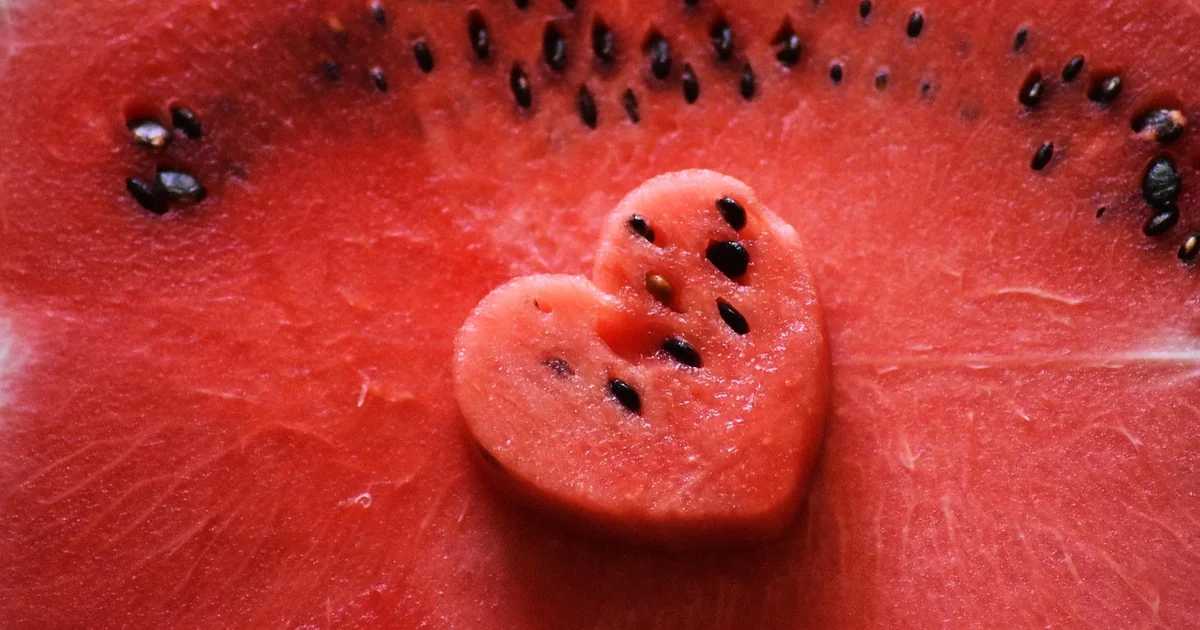
There is something magical about biting into a watermelon you grew yourself. The sweetness hits differently when you have watched the vines sprawl across the warm soil. Seeds open the door to hundreds of unique varieties you will never find at a nursery or grocery store.
1. Choose the Right Watermelon Type for Your Garden
Not all watermelons behave the same way. Some stay compact and ripen quickly. Others need long, hot summers and plenty of ground space. Selecting the right category is the first step to success. With over 1,200 known varieties, narrowing your choice by size and growing season makes the decision much easier.
Icebox Melons for Small Spaces
Icebox varieties, such as ‘Sugar Baby’ and ‘Early Moonbeam’, reach maturity in just 70 to 75 days. Their fruits are small enough to fit in a refrigerator, and the vines stay manageable. These are excellent choices for gardeners using large containers or working with limited ground space. They are also forgiving for first-time growers because the shorter season leaves less room for things to go wrong.
Amazon US Verified
Self-Watering Planters with Drainage Aerators
Elevated reservoir design that prevents soggy roots and ensures steady hydration.
Main-Season Melons for Maximum Size
If you dream of giant striped melons at a summer picnic, main-season types like ‘Moon and Stars’ or ‘Orangeglo’ are the answer. They require 80 to 90 days of warm weather and plenty of room to sprawl. The payoff is a massive, sweet harvest that feeds a crowd. These varieties demand consistent watering and rich soil to reach their full potential.
Seedless Varieties Require a Partner
Seedless watermelons, such as ‘Tropical Sunshine’, produce crisp, sweet flesh without hard seeds. However, they cannot pollinate themselves. You must plant a seeded variety nearby to provide pollen. Without a pollinator partner, the flowers will drop off and no fruit will form. Plan for at least one seeded plant for every two seedless plants to ensure good coverage.
2. Master the Timing and Temperature for Sowing Watermelon Seeds
Watermelons are tropical plants. They stop growing when the soil drops below 65°F. Planting too early leads to rot and stunted seedlings. Waiting too late means the fruit may not ripen before autumn frosts arrive. Getting the timing right is essential when you grow watermelons from seed.
Direct Sowing Outdoors
Most seed catalogs recommend waiting until at least two weeks after the last spring frost. Check the soil temperature with a simple thermometer. When it reaches 65°F or higher at a depth of 2 inches, it is safe to plant. Cold soil is the number one reason watermelon seeds fail to germinate. If the ground is too wet, the seeds will simply rot before they sprout.
Starting Seeds Indoors
Gardeners in short-season climates can start seeds indoors about two to three weeks before the last frost date. Use biodegradable pots to avoid disturbing the delicate roots during transplanting. Harden off the seedlings gradually over a week, and do not move them outside until nighttime temperatures stay reliably above 65°F. This head start can mean the difference between a harvest and a season of unripe melons.
3. Build the Perfect Foundation to Grow Watermelons from Seed
Watermelons are heavy feeders. They pull massive amounts of nutrients from the ground to produce those juicy fruits. Skimping on soil prep is a guaranteed way to get disappointing results. A little effort before planting pays off enormously at harvest time.
Amend the Soil Deeply
Spread 1 to 3 inches of compost or well-rotted manure over the planting area. Work this organic matter into the top 6 inches of soil. If you are growing in pots, choose a rich potting mix and blend in a handful of worm castings or compost. Watermelons prefer slightly acidic soil with a pH between 6.0 and 6.5.
Create Warm Hills or Use Black Plastic
Rake the amended soil into low mounds about 2 feet in diameter. These hills warm up faster than flat ground and provide better drainage. Space the hills at least 5 feet apart to give the vines room to run. Alternatively, lay black plastic mulch over the soil a week before planting. The plastic traps heat and suppresses weeds, creating a mini greenhouse effect for the roots.
Amazon US Verified
Organic Perlite Horticultural Soil Conditioner
Lightweight volcanic mineral that improves root aeration and prevents compaction.
The Melon Pit Technique
For an extra nutrient boost, dig a hole about 3 feet deep and fill it with alternating layers of green waste, kitchen scraps, and soil. Cover the pit with a mound of earth and plant the seeds directly on top. As the organic matter decomposes, it releases a steady supply of nutrients and warmth to the roots. This traditional method works beautifully for main-season melons that need sustained energy over a long growing period.
4. Sow Correctly, Thin Ruthlessly, and Mulch Generously
Getting the seeds into the ground is straightforward, but a few specific techniques make the difference between a so-so harvest and an abundant one. Paying attention to depth, spacing, and early care sets the stage for vigorous vines.
Planting Depth and Spacing
Bury each seed about 1 inch deep. Drop 5 to 6 seeds into each hill or into a single 5-gallon pot. Cover them lightly with soil and pat it down gently to ensure good contact. Water well after planting and keep the soil moist. Seeds typically sprout in 4 to 12 days, depending on the temperature.
Thinning to the Strongest Plants
Once the seedlings emerge and develop their second set of leaves, it is time to thin. Choose the two or three strongest plants in each hill. Do not pull the extra seedlings out, as this disturbs the roots of the ones you want to keep. Instead, use small scissors to clip them off at the soil line. This simple step prevents overcrowding and ensures each plant has enough room to develop a deep root system.
Watering and Mulching
Watermelons need consistent moisture, especially during flowering and fruit development. Water deeply immediately after planting and keep the soil evenly moist until the seeds sprout. Once the vines produce leafy growth, spread a 1 to 2 inch layer of straw mulch around the plants. This keeps the soil cool, holds in moisture, and prevents mud from splashing onto the leaves. Consistent watering reduces the risk of blossom end rot and cracked fruits.
Amazon US Verified
Digital 3-in-1 Soil Moisture & pH Meter
Accurate probe to test deep root zone moisture and prevent accidental overwatering.
You may also enjoy reading: 5 Secrets to Plant, Grow & Care for Fishtail Palm.
5. Support the Vines and Harvest at the Perfect Moment
The final stretch of the growing season requires a bit of observation and care. Knowing exactly when to pick a watermelon is a skill that separates experienced growers from beginners. A few simple supports can also protect your crop as the fruits swell.
Trellising for Small Gardens
If you are growing icebox or bush-type watermelons, a sturdy trellis can save a lot of ground space. Train the vines up the trellis as they grow. Once the fruits start to develop and reach the size of a tennis ball, support them with fabric slings or old pantyhose tied to the trellis. This prevents the stems from breaking under the weight and keeps the melons clean and off the soil.
Feeding During the Growing Season
Watermelons benefit from a balanced liquid fertilizer every two weeks during the early growth phase. Switch to a phosphorus-rich fertilizer once the flowers appear to encourage fruit set. Avoid high-nitrogen fertilizers after the vines start flowering, as this leads to lush leaves but few melons. A well-fed vine produces sweeter, juicier fruit.
Three Signs of Ripeness
Harvesting at the right time is critical. A watermelon does not continue to sweeten after it is picked. Look for these three signs:
– The curly tendril closest to the fruit turns brown and dries out.
– The rind loses its shiny gloss and becomes dull.
– The underside, where the melon rests on the ground, changes from white or pale green to a creamy yellow.
Most varieties are ready 70 to 100 days after planting, but these visual cues are more reliable than the calendar. When in doubt, give it a few more days on the vine.
Frequently Asked Questions About Growing Watermelons from Seed
How many watermelon seeds should I plant per hill?
Plant 5 to 6 seeds per hill. After they sprout, thin to the 2 or 3 strongest seedlings by clipping the extras at the soil line. This gives the remaining plants enough space to thrive.
Can I grow watermelons from seed in a container?
Yes. Choose a compact icebox variety like ‘Sugar Baby’ and a container that holds at least 5 gallons of soil. Ensure the pot has drainage holes and place it in full sun. A small trellis can help keep the vines contained.
Why are my watermelon seeds not germinating?
The most common cause is cold soil. Watermelon seeds need a soil temperature of at least 65°F to germinate. If the soil is too wet or too cold, the seeds will rot instead of sprouting. Wait for warmer conditions before replanting.
Do seedless watermelons need a pollinator?
Yes. Seedless watermelon varieties must be grown alongside a seeded variety. The seeded melon provides the pollen needed for the seedless flowers to set fruit. Without a pollinator, the flowers will drop off without producing melons.
How do I know when to harvest my homegrown watermelon?
Look for a brown, dried tendril near the fruit, a dull rind, and a creamy yellow spot on the underside. These signs indicate the melon is ripe and ready to pick. The calendar is a helpful guide, but these visual cues are more trustworthy.
Growing watermelons from seed takes a bit of patience and attention to detail, but the reward is well worth the effort. A sun-warmed slice from your own vine tastes like pure summer. Whether you choose a quick icebox variety for a patio pot or a sprawling heirloom for the backyard, the process is deeply satisfying for gardeners of all experience levels.
As an Amazon Associate, azuloz.com earns from qualifying purchases.