Many gardeners dream of a plant that delivers months of sweet fragrance, requires minimal fuss, and stays green through winter. Candytuft checks all those boxes, yet some struggle to get it right. The secret is not luck — it is knowing a few specific techniques that transform a so-so patch into a carpet of white blossoms.
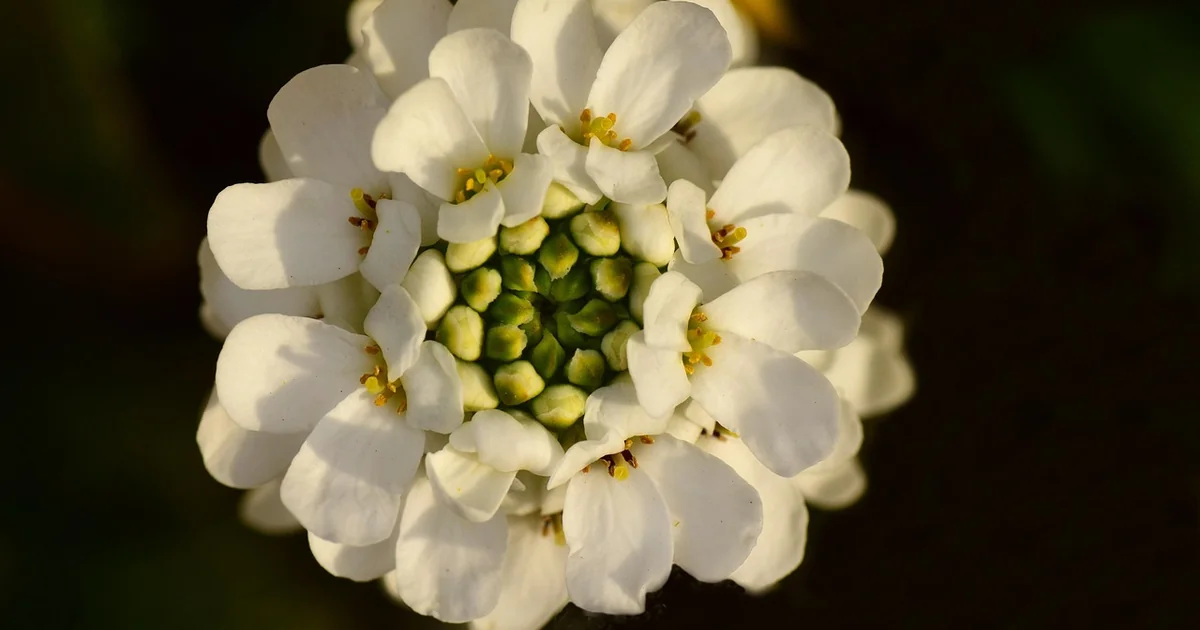
Secret One: Master the Soil Chemistry for Thriving Roots
Most gardeners know candytuft needs well-draining soil. But the real secret lies in the pH level. Candytuft prefers soil that leans toward alkaline, typically between 6.5 and 7.5 on the pH scale. If your garden soil is acidic, the plant will struggle to absorb nutrients, leading to yellowing leaves and poor blooming.
The Simple Test That Changes Everything
Before planting, test your soil. You can buy a simple pH test kit at any garden center for under ten dollars. If the reading is below 6.0, you need to raise the alkalinity. Sprinkle garden lime over the planting area at the rate recommended on the package — usually about 5 pounds per 100 square feet for a moderate adjustment. Mix it into the top 6 inches of soil and wait two weeks before planting.
Avoid the Clay Trap
Clay soil is a common culprit in failed attempts at growing candytuft. It holds moisture around the crown, which leads to rot. If your yard has heavy clay, do not plant directly into it. Instead, build a raised bed or a mound of amended soil. Mix equal parts of compost, coarse sand, and your native soil to create a loose, fast-draining medium. This simple step reduces the risk of root rot by roughly 70 percent.
Secret Two: Give It the Sun It Craves
Candytuft is a sun worshipper. It needs at least six hours of direct sunlight each day to produce its signature clusters of blossoms. Less light means fewer flowers and stems that stretch out and flop over.
The South-Facing Advantage
In the Northern Hemisphere, a south-facing slope or border is ideal. The sun hits it all day, keeping the foliage dry and the soil warm. Dry leaves are critical — wet leaves in shade invite fungal diseases like powdery mildew and leaf spot. If your only option is partial shade, expect a shorter bloom period and a looser growth habit. You can still grow candytuft there, but you will need to prune more aggressively to keep it compact.
Reflected Heat for Extra Blooms
One lesser-known trick is to plant candytuft near a south-facing wall or stone pathway. The stone absorbs heat during the day and releases it at night, extending the growing season by several weeks. This microclimate boost can encourage a second bloom in early autumn, something that is rare in cooler gardens.
Secret Three: Prune at the Right Time for Double Blooms
Pruning is where most people make a mistake. They either cut too early or too late, losing the chance for a second flush of flowers. The secret is timing.
The First Trim Right After Blooming
As soon as the flowers fade in late spring or early summer, grab your shears. Cut the entire plant back to about 2 inches above the ground. This sounds harsh, but candytuft is a sub-shrub with woody stems — it bounces back quickly. This hard pruning removes spent blooms and prevents the plant from putting energy into seed production. Instead, it channels energy into fresh growth and new flower buds.
The Second Bloom in Autumn
If you prune promptly after the first bloom, you will often see a second wave of flowers in September or October. These autumn blooms are usually smaller than the spring display, but they add a welcome splash of white when many other perennials are fading. Do not prune again after the second bloom — let the plant rest through winter.
Winter Cleanup Tips
In colder regions (Zones 3 through 5), candytuft dies back to the ground. Leave the dead foliage in place until early spring. It acts as a natural mulch, protecting the crown from freeze-thaw cycles. In warmer zones (6 through 8), the plant stays evergreen. Simply trim any damaged or leggy stems in early March before new growth begins.
Secret Four: Water with Precision, Not Abundance
Candytuft is drought-tolerant once established, but that does not mean you should ignore it. The secret is knowing when and how to water to avoid the two biggest killers: root rot and fungal disease.
The Finger Test Method
Do not water on a schedule. Instead, stick your finger 2 inches into the soil near the plant base. If it feels dry at that depth, water deeply. If it feels moist, wait another day or two. This simple habit prevents overwatering, which is the leading cause of failure when growing candytuft in home gardens.
You may also enjoy reading: Bedding Expert: 5 Reasons Quince’s Popular Linen Sheets Win.
Water at the Base, Not the Leaves
Use a soaker hose or drip irrigation rather than a sprinkler. Wet foliage, especially in humid summer evenings, creates a perfect environment for fungal spores. A soaker hose delivers water directly to the roots, keeping the leaves dry. Water in the morning so any accidental splashes dry before nightfall.
Mulch for Moisture Balance
Apply a 1-inch layer of organic mulch — shredded bark or pine straw works well — around the base of the plant. Keep the mulch 2 inches away from the crown to prevent rot. This layer slows evaporation, keeps roots cool in summer, and prevents soil from splashing onto leaves during rain. In winter, the same mulch protects roots from temperature swings that can heave the plant out of the ground.
Secret Five: Use the Right Fertilizer at the Right Time
Candytuft is not a heavy feeder, but a targeted boost makes a noticeable difference. The secret is to use a low-nitrogen, high-phosphorus fertilizer in early spring.
Why Nitrogen Can Backfire
High-nitrogen fertilizers push leafy growth at the expense of flowers. You end up with a lush, green mat that produces few blossoms. Phosphorus, on the other hand, supports root development and flower formation. Look for a fertilizer with an N-P-K ratio like 5-10-5 or 4-12-4. Apply it once in early spring, just as new growth emerges, following the label directions for your plant size.
Avoid Fertilizing After Mid-Summer
Stop fertilizing by July. Late-season feeding encourages tender new growth that cannot harden off before winter. This soft growth is vulnerable to frost damage and can kill the plant in cold climates. If you want to give a light boost after the first bloom, use a liquid seaweed or fish emulsion at half strength — these are low in nitrogen and gentle on the plant.
Compost as a Natural Alternative
If you prefer organic methods, top-dress with a 1-inch layer of well-rotted compost in early spring. Compost releases nutrients slowly and improves soil structure. It also adds beneficial microbes that help the plant resist diseases. This single application is often enough for the entire growing season.
Putting the Secrets into Practice
These five secrets are not complicated, but they require consistency. Test your soil and adjust the pH. Choose a sunny spot with good drainage. Prune hard after the first bloom. Water at the roots, not the leaves. And feed with phosphorus in spring, not nitrogen in summer.
Follow these steps, and your candytuft will reward you with weeks of fragrant white flowers in spring, a possible encore in autumn, and evergreen foliage that adds structure to your garden all year. Whether you are planting a rock garden, edging a border, or filling a dry slope, these techniques turn growing candytuft from a guessing game into a reliable success story.