Why Your Vegetable Garden Needs Flowers Nearby
You have spent weeks nurturing tomato seedlings. You watered them carefully. You checked for hornworms every morning. Then the plants bloom, and nothing happens. No fruit sets. The flowers simply drop off. This frustration has a common culprit: a lack of pollinators.
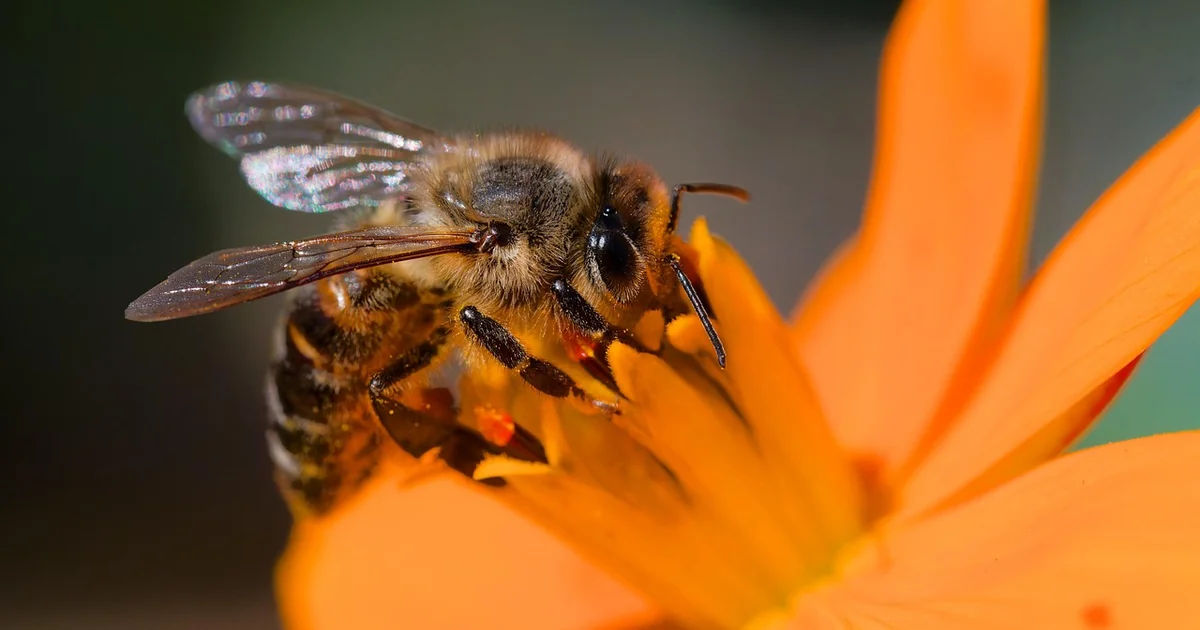
Many vegetables rely on bees, butterflies, and even flies to transfer pollen from one flower to another. Squashes, cucumbers, melons, and pumpkins are especially dependent on insect visits. Without those visitors, your harvest shrinks dramatically. The solution is simple. You plant specific flowers and herbs right next to your vegetables. These are called pollinator companion plants, and they do more than just look pretty.
Companion planting is an old practice. Gardeners have known for centuries that certain plants help each other grow. Some repel pests. Some improve soil. Some attract the exact insects your crops need. By choosing the right pollinator companion plants, you invite bees, butterflies, and hummingbirds directly into your vegetable patch. The result is better pollination, higher yields, and a livelier garden.
Here are 11 plants that will transform your vegetable garden into a pollinator paradise.
1. Dill: A Butterfly Nursery and Pollinator Magnet
Dill serves two critical roles in a garden. First, it is the premier host plant for black swallowtail butterfly caterpillars. If you want butterflies in your yard, you need dill. The caterpillars feed on the feathery leaves without causing serious damage to the plant. Second, if you let dill bolt and flower, its umbrella-shaped yellow blooms attract an astonishing variety of pollinators.
Here is where it gets interesting. Dill flowers are shallow and open, making nectar and pollen accessible to small bees, hoverflies, and parasitic wasps. These beneficial insects then patrol your cucumbers and squash, eating aphids and other pests. For peak pollinator perks, plant dill in clusters near your cucurbits. Allow at least three or four plants to go to flower. You will see the difference within days.
One caution: dill and fennel should not be planted too close together. They can cross-pollinate, which reduces seed viability for next season. Keep them separated by at least 15 feet.
2. Borage: Blue Flowers and Cucumber-Flavored Leaves
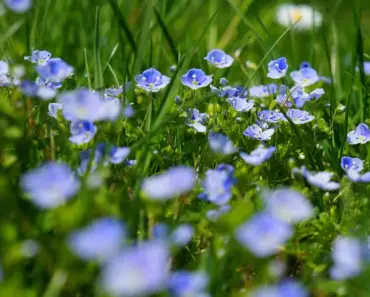
Borage is a lesser-known annual herb that deserves a spot in every vegetable garden. Its periwinkle blue flowers are star-shaped and absolutely irresistible to bees. The sweet nectar inside each flower keeps pollinators coming back repeatedly. But borage offers more than just floral appeal.
The leaves are edible and taste remarkably like cucumber. You can toss young leaves into salads or steep them in water for a refreshing drink. The plant has a long taproot that breaks up compacted soil, which benefits nearby vegetables. Borage also accumulates trace minerals from deep in the soil and brings them to the surface as its leaves decompose.
Borage does not transplant well due to that taproot. Direct-sow the seeds after your last spring frost. Plant them about 12 inches apart. Once established, borage will self-seed modestly, returning year after year without becoming invasive.
3. Parsley: A Biennial That Rewards Patience
Most gardeners harvest parsley as a leafy green and pull it out at the end of the season. If you do that, you miss its pollinator potential entirely. Parsley is a biennial herb, meaning it only flowers in its second year of growth. That first year, it builds a strong root system and produces leaves. The second year, it sends up tall stalks topped with clusters of tiny yellow-green flowers.
Those flowers are highly attractive to honey bees, mason bees, and sweat bees. They also draw in hoverflies, whose larvae eat aphids. To benefit from parsley as one of your pollinator companion plants, you must leave at least a few plants in the ground through winter. Mulch them well in cold climates. When they bloom the following summer, you will see a steady stream of pollinators working the flowers.
Parsley also serves as a host plant for black swallowtail caterpillars, just like dill. If you find caterpillars on your parsley, resist the urge to remove them. They will not destroy the plant, and you will be rewarded with butterflies later.
4. Cilantro: Let It Bolt for Beneficial Insects
Cilantro is famous for bolting quickly when summer heat arrives. Many gardeners see this as a problem. They want to keep harvesting leaves for salsa and curries. But if you let cilantro flower, you unlock its true value as a pollinator companion. The delicate white flower clusters attract honey bees, bumble bees, and butterflies. More importantly, cilantro is one of the best plants for attracting beneficial insects that control pests.
Parasitic wasps, ladybugs, hoverflies, and lacewings all feed on cilantro nectar. These insects then hunt down aphids, thrips, and caterpillar eggs on your vegetables. A single cilantro plant in flower can support dozens of beneficial insects over its bloom period. Plant cilantro in succession every two weeks during spring. This gives you a continuous supply of leaves for cooking and a staggered bloom period for pollinators.
Once the flowers fade and seeds form, you can harvest the coriander seeds for your spice rack. The plant has given you leaves, flowers, and seeds — a remarkable return from one small herb.
5. Chives: Perennial Globe-Shaped Blooms
Chives are a perennial herb that comes back year after year. Their globe-shaped purple flowers are distinctive and highly attractive to a wide variety of pollinators. Bees, butterflies, and even small beetles visit chive flowers regularly. The blooms appear in late spring to early summer, which fills a critical gap when many other flowers have not yet started.
For best results, plant chives near tomatoes, peppers, and other nightshade vegetables. Chives are also excellent companions for melons, pumpkins, and squash. The strong scent of chive foliage may help deter aphids and Japanese beetles. However, the primary benefit is the steady stream of pollinators that visit the flowers and then move on to your vegetable crops.
Chives are easy to grow. Plant them in full sun with well-drained soil. Divide the clumps every three years to keep them vigorous. The flowers are also edible and make a beautiful garnish for salads.
6. Sweet Alyssum: A Groundcover That Works Hard
Sweet alyssum produces masses of tiny white or purple flowers that form a low, spreading mat. This plant is a powerhouse for attracting small pollinators like sweat bees and hoverflies. Its flowers are shallow and open, making nectar easily accessible even to insects with short mouthparts. Sweet alyssum blooms continuously from spring until frost if you keep it deadheaded.
Plant sweet alyssum along the edges of your vegetable beds. It will spill over the sides, creating a beautiful border that also serves as a living mulch. The dense foliage suppresses weeds and retains soil moisture. Just be aware that sweet alyssum reseeds itself freely. You may find seedlings popping up in unexpected places next year. Most gardeners consider this a happy accident rather than a problem.
Sweet alyssum is especially useful near brassicas like broccoli, kale, and cabbage. The hoverflies it attracts lay eggs near aphid colonies, and the larvae consume large numbers of aphids before they can damage your crops.
7. Nasturtiums: Edible Flowers That Hummingbirds Love
Nasturtiums are among the most versatile pollinator companion plants you can grow. Their bright orange, yellow, and red flowers are edible with a peppery flavor similar to watercress. The leaves are also edible and add a spicy kick to salads. But the real draw for pollinators, especially hummingbirds, is the tubular flower shape that holds plenty of nectar.
Hummingbirds are particularly attracted to nasturtiums. These tiny birds are excellent pollinators for crops with deep flowers, such as runner beans and certain squash varieties. Nasturtiums also serve as a trap crop for aphids. Aphids prefer nasturtiums over many vegetables, so you can let the aphids colonize the nasturtiums and then remove the infested plants or spray them with a strong stream of water.
If space is not an issue, choose trailing nasturtium varieties that can climb a trellis or spill over a raised bed. Mounding varieties work better for small spaces and containers. Plant nasturtiums in poor soil for more flowers — rich soil encourages leaf growth at the expense of blooms.
You may also enjoy reading: 9 Ways to Keep Weeds Out of Your Garden Naturally.
8. Zinnias: Bright Blooms for Heavy Feeders
Zinnias are classic cut flowers, but they earn their place in the vegetable garden as excellent pollinator companions. Their large, daisy-like flowers produce abundant pollen and nectar. Bees, butterflies, and even hummingbirds visit zinnias regularly. Plant them near melons, tomatoes, cucumbers, peppers, and pumpkins to boost pollination rates.
However, not all zinnias are created equal. Choose varieties with a single row of petals and wide-open centers. Double-flowered cultivars have so many petals that pollinators cannot reach the center where the pollen and nectar are located. Single-flowered zinnias like ‘Zahara’ or ‘Profusion’ series are far better choices. They bloom profusely and remain accessible to insects throughout the season.
Zinnias are annuals that grow quickly from seed. Sow them directly in the garden after all frost danger has passed. They prefer full sun and well-drained soil. Deadhead spent flowers to encourage continuous blooming well into fall.
9. Cosmos: Late-Season Pollinator Support
Cosmos are short-day annuals, meaning they only start to bloom when the days get shorter in late summer. This timing is actually perfect for vegetable gardens. Many pollinators are active well into September and October, but early-blooming flowers have already faded. Cosmos fill this gap with a long flowering period that lasts from midsummer until the first hard frost.
The daisy-like flowers come in shades of pink, white, and burgundy. They attract bees, butterflies, and hoverflies. Cosmos are also excellent for cut flowers, so you can bring some indoors without harming the pollinator population. The foliage is fine and airy, which does not shade out nearby vegetables.
Cosmos are drought-tolerant once established. They thrive in poor soil and full sun. Over-fertilizing leads to tall, floppy stems with fewer flowers. Plant them in groups at the back of your vegetable beds or along the edges where they can tower over lower-growing crops.
10. Sunflowers: Tall Towers of Pollen and Nectar
Sunflowers are among the most generous pollinator companion plants you can grow. A single sunflower head contains hundreds of tiny florets, each packed with nectar and pollen. Bees, butterflies, and beetles swarm sunflower heads during bloom. The pollen is also collected by bumble bees for their brood.
When selecting sunflower varieties, avoid those labeled “pollen-free” or “pollenless.” These are bred for cut-flower use and offer no benefit to pollinators. Instead, choose traditional varieties like ‘Mammoth Grey Stripe’ or ‘Lemon Queen.’ These produce abundant pollen and seeds that birds will eat later in the season.
Sunflowers grow tall — some varieties reach 12 feet. Plant them on the north side of your vegetable garden so they do not shade shorter crops. Their deep roots help break up compacted soil and improve drainage. Sunflowers also attract beneficial insects that prey on aphids and caterpillars.
11. Marigolds: A Dual-Purpose Companion
Marigolds are famous for repelling pests, but they also attract pollinators. French marigolds (Tagetes patula) produce single or semi-double flowers that are accessible to bees and butterflies. The bright orange and yellow blooms are easy for insects to spot. Marigolds bloom continuously from spring until frost, providing a steady food source.
The roots of marigolds release compounds that suppress root-knot nematodes in the soil. This makes them excellent companions for tomatoes, peppers, and eggplants. Plant marigolds as a border around your vegetable beds. They will deter rabbits and deer to some extent while drawing in pollinators.
For maximum pollinator benefit, choose single-flowered marigold varieties rather than the large, pom-pom types. ‘Gem’ series marigolds and ‘Tangerine Gem’ are excellent choices. They have open centers that insects can easily access.
How to Arrange Your Pollinator Companion Plants
Simply planting these flowers and herbs is not enough. You need to place them strategically. Here are practical tips for maximum effect:
- Interplant within vegetable rows. Scatter your companion plants among your vegetables rather than grouping them all in one corner. This ensures pollinators visit every part of your garden.
- Create a continuous bloom calendar. Plan so that something is always in flower from early spring to late fall. Chives and parsley bloom early. Dill, cilantro, and borage cover midsummer. Cosmos and zinnias carry through to frost.
- Use borders and edges. Sweet alyssum and marigolds work beautifully as edging plants. They create a welcoming border that draws pollinators inward.
- Plant in drifts. Pollinators prefer large patches of the same flower rather than single plants scattered around. Group at least three to five of each species together.
- Provide water. A shallow dish with pebbles and fresh water gives pollinators a place to drink. Change the water every few days to prevent mosquitoes.
A Note on Pesticides
All your effort with pollinator companion plants will be wasted if you use broad-spectrum pesticides. These chemicals kill beneficial insects just as effectively as they kill pests. Avoid spraying any insecticide — organic or synthetic — on open flowers. If you must treat a pest problem, use targeted methods like insecticidal soap applied directly to the pest, and do it in the evening when pollinators are less active.
Many gardeners find that a healthy population of beneficial insects, attracted by companion plants, keeps pest numbers low enough that spraying becomes unnecessary. That is the beauty of this approach: you work with nature instead of against it.
Start with three or four of these plants this season. Add more next year. Your vegetable garden will become a lively, productive space where bees buzz, butterflies flutter, and your harvest grows bigger than ever.