There is something magical about the scent of fresh basil mingling with garlic and olive oil. One whiff and you know a delicious meal is on its way. Pesto has a way of transforming simple ingredients into a sauce that feels both rustic and luxurious. The best part? You do not need culinary training to pull it off. With a few fresh components and a blender, you can create a sauce that outshines anything from a jar. This easy basil pesto recipe will become a staple in your kitchen once you see how quickly it comes together and how much flavor it brings to pasta, sandwiches, and roasted vegetables.
What Makes This Pesto Recipe Stand Out
Many home cooks assume pesto is complicated or requires rare ingredients. In reality, the process is straightforward, and the reward is immense. The key lies in the quality of each element. Using fresh basil leaves, good extra virgin olive oil, and real Parmesan cheese creates a depth of flavor that pre-made versions cannot match. According to a 2022 survey by the International Olive Council, about 73% of American households now keep extra virgin olive oil in their pantry, yet few use it in a way that lets its fruitiness shine. This recipe highlights the oil as a star, not just a binder.
When you make pesto from scratch, you also avoid the preservatives and stabilizers found in commercial sauces. A typical store-bought pesto may contain potato flakes, sugar, or citric acid to extend shelf life. Homemade pesto contains only whole foods, and you control the salt and fat levels. That makes it a smart choice for families who want to eat cleanly without sacrificing taste.
The Ingredients That Build Bold Flavor
Fresh Basil Leaves
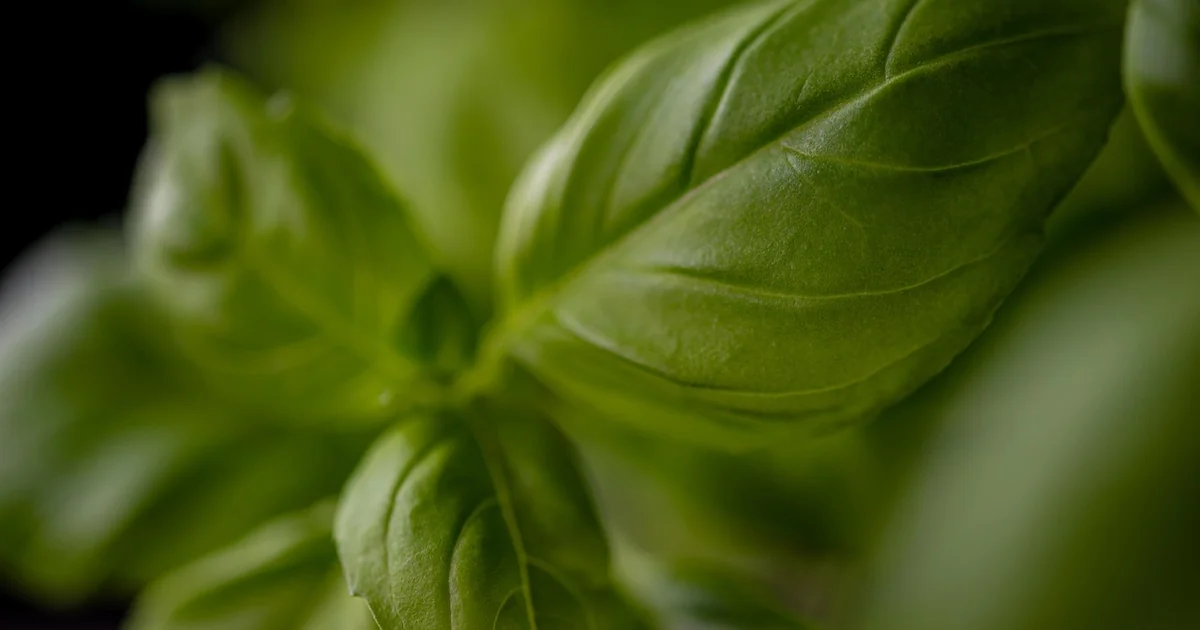
Basil is the heart of pesto. Choose leaves that are vibrant green with no yellow spots or wilting. The best basil comes from your own garden or a farmer’s market, but grocery store bunches work well too. Avoid using flower buds because they add a bitter note. For this easy basil pesto, you need about two cups of loosely packed leaves. That is roughly one large bunch.
Pine Nuts vs. Walnuts
Traditional pesto calls for pine nuts, which have a buttery, mild flavor. However, pine nuts can be expensive — a small bag often costs over ten dollars. Many cooks substitute walnuts, which are more affordable and add a slightly earthy taste. Both options work, but pine nuts give a creamier texture. If you choose walnuts, toast them lightly in a dry pan for two minutes to deepen their flavor.
Garlic: Fresh and Pungent
Garlic provides the sharp, aromatic backbone. Use two large cloves, or three medium ones. Pressing them before adding to the blender ensures no large chunks remain. Garlic’s allicin compound is released when crushed, giving that characteristic kick. One study from the Journal of Agricultural and Food Chemistry found that crushed garlic loses about 20% of its beneficial compounds within 24 hours, so freshly crushing it right before blending maximizes both flavor and health benefits.
Parmesan Cheese
Grated Parmesan adds saltiness and umami. Use a block of Parmigiano-Reggiano if possible and grate it yourself. Pre-shredded cheese often contains cellulose powder to prevent clumping, which can make the pesto grainy. Half a cup of finely grated cheese is enough.
Extra Virgin Olive Oil
Olive oil is the emulsifier that brings everything together. Not all olive oils are created equal. A high-quality extra virgin olive oil, such as one from a California orchard that presses olives within hours of harvest, will have a peppery, grassy finish. This recipe benefits from that brightness. Use half a cup, plus a little extra for covering the surface later.
Salt
A pinch of salt balances the flavors. Because Parmesan is already salty, you may not need much. Taste after blending and adjust.
Step-by-Step Guide to Making Easy Basil Pesto
Prepare the Basil
Harvest or buy a bunch of basil. Rinse the leaves under cool water and pat them dry with a clean towel. Moisture can dilute the sauce, so dry them thoroughly. Pluck only the green leaves, discarding any stems or yellowed parts. Gently place the leaves into a two-cup measuring cup without packing them down, but press lightly to remove air pockets.
Blend the Base
In a food processor or high-speed blender, add the basil leaves, pine nuts, and pressed garlic. Pulse a few times until the mixture looks coarsely chopped. Stop and scrape down the sides with a spatula. This step ensures even blending.
Add the Cheese and Oil
Add the grated Parmesan cheese and pulse again. Then, with the blender running on low, slowly drizzle in the extra virgin olive oil through the pour spout. Pouring slowly allows the oil to emulsify, creating a creamy, cohesive sauce. If you dump all the oil at once, the pesto may separate.
Season and Finish
Once the pesto is smooth with no visible chunks, add a pinch of salt and pulse once more. Taste and adjust salt if needed. Transfer the pesto to a small bowl. To prevent oxidation — which turns the top layer brown — drizzle a thin film of olive oil over the surface. This barrier keeps the pesto vibrant green while you prepare your pasta.
Common Problems and How to Solve Them
Pesto Turns Brown Quickly
Oxidation is the enemy of fresh pesto. When basil is cut, enzymes react with oxygen, causing discoloration. The olive oil layer method works well, but you can also add a squeeze of lemon juice. The citric acid slows browning. However, lemon will alter the flavor slightly. For the best visual appeal, serve pesto within a few hours of making it.
Pesto Is Too Bitter
Bitterness often comes from over-blending or using old basil leaves. If you blend for too long, the friction heats the sauce and can make it taste harsh. Pulse in short bursts and stop as soon as the ingredients are combined. Also, check for flower buds on your basil — they are a common source of bitterness.
Pesto Is Too Thick or Too Thin
Consistency depends on the oil-to-leaf ratio. If your pesto is too thick, add a tablespoon of warm water or more olive oil while blending. If it is too thin, add a few more basil leaves or a tablespoon of extra cheese. Remember that pesto will thicken slightly after refrigeration because the olive oil solidifies.
You may also enjoy reading: 7 Best Pop Canopies of 2026 Reviewed.
How to Use Your Homemade Pesto
Pesto is incredibly versatile. The most classic use is tossing it with hot pasta. Use about three-quarters of a cup of pesto per pound of pasta. Start with half, stir, and add more until the noodles are evenly coated. The heat from the pasta helps release the aromas. You can also spread pesto on a sandwich instead of mayonnaise, or spoon it over grilled fish or chicken. Another favorite is stirring a dollop into minestrone soup for a fresh herbaceous note.
Because this easy basil pesto is so flavorful, a little goes a long way. One batch (about one cup) can serve eight to ten people when mixed with pasta. It also works as a dip for crusty bread or raw vegetables.

Amazon US Verified
Stainless Steel Airtight Bread Box
Properly ventilated container keeping crusty artisanal loaves fresher longer.
Storing Leftover Pesto Properly
If you have leftover pesto, transfer it to an airtight container. Press a piece of plastic wrap directly onto the surface before sealing the lid. This minimizes air contact. Store in the refrigerator for up to five days. You can also freeze pesto in ice cube trays. Once frozen, pop out the cubes and store them in a freezer bag. Each cube is roughly two tablespoons — perfect for quick weeknight meals. Frozen pesto keeps for up to three months. Thaw in the refrigerator or add directly to hot pasta.
Frequently Asked Questions
Can I make this easy basil pesto without a food processor?
Yes. A traditional mortar and pestle works beautifully. It takes more time and effort, but the texture is uniquely rustic. You can also use a regular blender; just scrape down the sides frequently.
What can I substitute for pine nuts?
Walnuts, almonds, or even sunflower seeds work well. Toast them first for extra flavor. Cashews also create a creamy pesto, though it will be sweeter.
Is pesto healthy?
Pesto contains heart-healthy olive oil, basil rich in vitamin K, and garlic with immune-supporting properties. One quarter-cup serving has about 197 calories and 20 grams of fat, mostly unsaturated. It is nutrient-dense, so use it in moderation.
Why did my pesto turn brown in the fridge?
Exposure to oxygen causes discoloration. Always cover the surface with a thin layer of olive oil or press plastic wrap directly onto the pesto before refrigerating. This barrier prevents oxidation.
Can I use dried basil instead of fresh?
Dried basil will not produce the same bright, fresh flavor. The texture will also be different. For authentic pesto, fresh basil is essential. If you only have dried, consider making a different sauce.
Why Fresh Ingredients Matter More Than You Think
In Italian cooking, the philosophy of pochi ingredienti, grande sapore — few ingredients, great flavor — reigns supreme. This easy basil pesto embodies that principle. When each component is at its peak, the sauce tastes vibrant and complex. The olive oil, in particular, can make or break the dish. Oils that are old or low-quality taste flat or even rancid. A fresh, fruity oil adds a peppery finish that lingers on the palate.
One fascinating detail: the chlorophyll in basil leaves reacts with olive oil to create a natural emulsion. That is why pesto appears creamy without any dairy cream. The science behind it is simple, but the result is magical. Next time you make this easy basil pesto, take a moment to appreciate how a handful of garden leaves, a few nuts, and a drizzle of oil can yield something so satisfying.
Whether you toss it with pasta, spread it on a sandwich, or spoon it over roasted vegetables, this sauce brings a taste of summer to your table any time of year. How will you enjoy your batch?
As an Amazon Associate, azuloz.com earns from qualifying purchases.