Gardens that once thrived under predictable seasons now face a bewildering mix of drought, deluge, and temperature swings. A patch of soil that bakes under 140°F (60°C) in July may sit underwater by September. The plants that survive this chaos aren’t just tough—they’re built differently, with root systems, leaf structures, and water strategies that match the new reality. Below are five strategies that work with climate extremes rather than against them, each paired with plants that prove the approach works.
1. Deep-Root Anchors for Drought Resilience
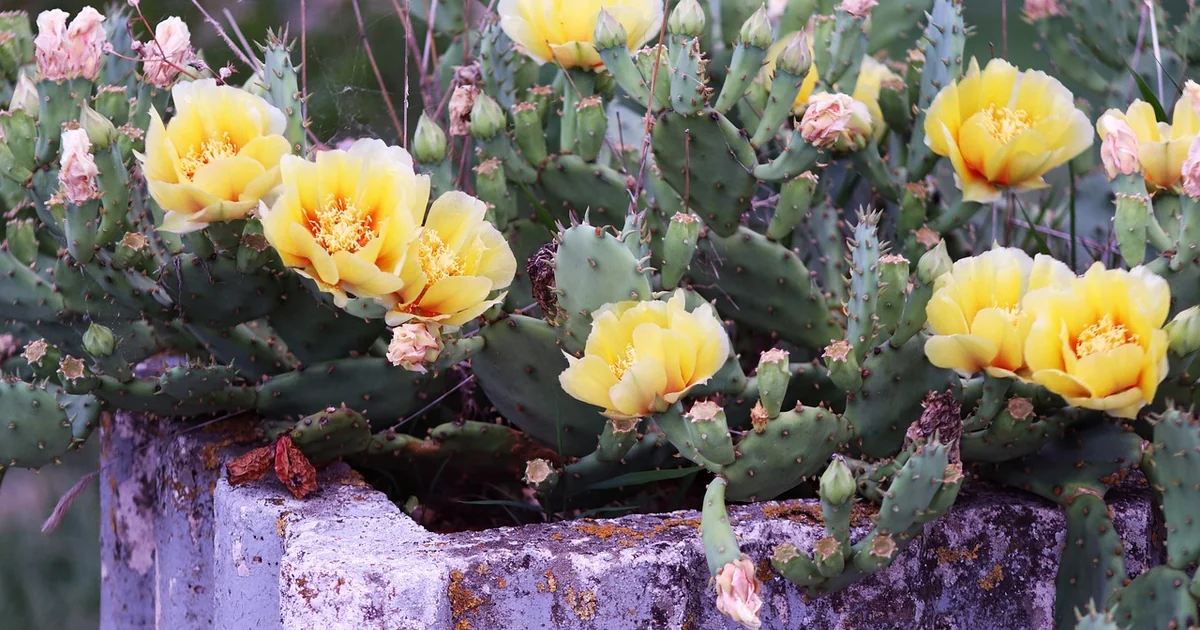
Most ornamental plants root in the top 12 inches (30 cm) of soil. That shallow layer dries out first and recovers slowest during a dry spell. Native perennials with taproots, however, pull moisture from deep underground, well below the zone that surface-rooted plants depend on. When everything else wilts, these deep-rooted anchors look like nothing unusual is happening.
How Taproots Change the Game
A taproot is a single, thick root that drills straight down—sometimes 6 feet or more. This structure accesses water reserves that shallow roots never reach. During a drought, while neighboring plants show stress, taprooted perennials stay green and productive. They also improve soil structure by breaking up compacted layers, which helps water infiltrate during heavy rains.
Plant Picks for Deep-Root Anchors
Butterfly milkweed (Asclepias tuberosa) sends a taproot 2–3 feet deep. Its bright orange flowers attract pollinators, and it thrives in poor, dry soil. Prairie dropseed (Sporobolus heterolepis) is a warm-season grass with roots that reach 4 feet. It forms a tidy clump and turns golden in fall. Coneflower (Echinacea purpurea) has a deep, branching root system that helps it survive both drought and cold. Wild bergamot (Monarda fistulosa) also develops a strong taproot and handles dry conditions once established.
Start with a small patch. Remove grass, loosen the soil, and plant these perennials in spring or fall. Water deeply the first year to encourage root growth. After that, they need little supplemental water.
2. Thermal Buffering with Living Groundcovers
Bare soil in full sun can reach surface temperatures of 140°F (60°C) or higher. That heat kills beneficial soil microbes, speeds up evaporation, and stresses plant roots near the surface. Living groundcovers change this by shading the ground and cooling it through transpiration—the process where plants release water vapor from their leaves.
Why Groundcovers Beat Mulch
Organic mulch like wood chips also shades soil, but it doesn’t transpire. A dense mat of low-growing plants actively pulls heat away from the surface. Studies show that soil under a living groundcover can be 10–20°F cooler than bare soil on a hot afternoon. That temperature drop means roots stay active longer and soil moisture lasts longer between rains.
Best Plants for Green Armor
Creeping thyme (Thymus serpyllum) forms a fragrant carpet that stays under 3 inches tall. It tolerates foot traffic and blooms with tiny purple flowers. Sedum (Sedum spp.) varieties, especially low-growing types like ‘Dragon’s Blood’, store water in their leaves and spread quickly. They handle full sun and poor soil. Phlox subulata (moss phlox) creates a dense mat of evergreen foliage and bursts into pink or white flowers in spring. Wild strawberry (Fragaria virginiana) spreads by runners, produces edible fruit, and stays low.
To establish a groundcover, prepare the bed by removing weeds and amending with compost if needed. Space plants 6–12 inches apart and water regularly until they fill in. Once established, they need little care and suppress weeds naturally.
3. Flood-Ready Gardens with Rain Garden Design
Heavy downpours are becoming more intense. A garden that collects runoff can turn a problem into an asset. A rain garden is a shallow depression—6–12 inches deep—placed where water naturally pools. It holds water for 12–48 hours after a storm, letting it soak into the ground rather than running off into streets or basements.
What Makes a Rain Garden Work
The key is selecting plants that tolerate both temporary flooding and dry periods in between storms. That’s a narrow window, but many native wetland plants are adapted to exactly this cycle. A rough rule: size the garden to catch the first inch (2.5 cm) of rainfall from whatever hard surface drains into it. For a 1,000-square-foot roof, that means about 600 square feet of rain garden area, depending on soil type.
Perfect Plants for Rain Gardens
Swamp milkweed (Asclepias incarnata) grows 3–4 feet tall, has pink flowers, and thrives in wet soil. It’s a host plant for monarch butterflies. Blue flag iris (Iris versicolor) handles standing water and blooms with striking blue-purple flowers. Cardinal flower (Lobelia cardinalis) produces brilliant red spikes that attract hummingbirds. It likes moist soil but can survive short dry spells. Joe-pye weed (Eutrochium purpureum) is a tall perennial (5–7 feet) that loves wet feet and draws butterflies.
Dig the depression on a gentle slope, not where water sits for days. Use the excavated soil to build a berm on the downhill side. Plant in zones: moisture-loving plants in the lowest area, and those that tolerate occasional wetness on the slopes.
4. Waterwise Picks with Silver and Gray Foliage
Silver and gray foliage isn’t just a design choice—it’s a survival strategy. Pale leaves reflect intense light rather than absorbing it, which keeps leaf temperatures lower. Many of these plants also have waxy coatings, fuzzy hairs, or fine scales that reduce water loss through transpiration. In a climate where water is increasingly scarce, these plants are naturally equipped to cope.
How Pale Leaves Help
The reflective quality of silver foliage can reduce leaf surface temperature by several degrees compared to dark green leaves. The tiny hairs (trichomes) on plants like lamb’s ear create a boundary layer of still air that slows evaporation. Some species also have succulent-like leaves that store water. These adaptations make them ideal for hot, dry spots where other plants struggle.
You may also enjoy reading: 9 Stylish Outdoor Benches That Double as Garden Tool Storage.
Top Silver-Leafed Plants
Lamb’s ear (Stachys byzantina) has soft, fuzzy silver leaves that feel like velvet. It spreads easily and thrives in poor, dry soil. Artemisia ‘Powis Castle’ forms a mound of finely cut silver foliage and is extremely drought-tolerant once established. Russian sage (Perovskia atriplicifolia) has silvery stems and lavender-blue flowers. It grows 3–4 feet tall and handles heat and drought with ease. Dusty miller (Jacobaea maritima) is a short-lived perennial often grown as an annual for its striking silver leaves. It pairs well with brighter flowers.
Plant these in full sun with well-drained soil. Avoid overwatering—they prefer dry conditions once established. Prune back in early spring to encourage fresh growth.
5. Bioswale Landscaping for Runoff Management
A bioswale is a shallow, planted channel that slows stormwater and lets it infiltrate. Unlike a rain garden, which is a depression, a bioswale is linear—it runs along a driveway, the base of a slope, or a curb line. It combines gravel, plants, and sometimes engineered soil to slow water velocity, filter pollutants, and reduce erosion.
Why a Bioswale Works
During heavy rain, water moves fast across hard surfaces. A bioswale forces it to slow down. The gravel layer provides friction, while plant roots hold soil in place and create pathways for water to seep into the ground. A well-designed bioswale can handle runoff from a 100-year storm without overflowing. It also filters out sediment, oil, and other pollutants before water reaches groundwater or local waterways.
Plants for Bioswales
Switchgrass (Panicum virgatum) is a tough, clumping grass with deep roots that stabilize soil. It thrives in both wet and dry conditions. Black-eyed Susan (Rudbeckia hirta) is a cheerful perennial that tolerates occasional flooding and drought. Blue flag iris (Iris versicolor) works well in the wetter zones. Red osier dogwood (Cornus sericea) is a shrub that loves wet feet and provides winter interest with its bright red stems.
To build a simple bioswale, dig a shallow trench 6–12 inches deep and 2–3 feet wide. Line the bottom with 4–6 inches of pea gravel. Fill the rest with a mix of topsoil and compost. Plant in zones: moisture-loving plants at the bottom, and those that tolerate drier conditions on the sides.
Layering Strategies for a Cohesive Climate-Resilient Garden
These five ideas don’t require a full redesign. You can start with one area—a dry corner, a low spot, a strip along the driveway. Over time, layer them together. Place deep-rooted perennials near a bioswale to take advantage of occasional moisture. Use groundcovers to cool the soil around silver-leafed plants. A small rain garden can feed into a bioswale. The result is a garden that works with the site’s natural patterns rather than fighting them.
Soil health is the overlooked foundation. Compacted soil sheds water and suffocates roots. Aerate compacted areas, add organic matter, and avoid tilling more than necessary. Healthy soil holds more moisture during drought and drains better during floods. A simple test: dig a hole 6 inches deep and fill it with water. If it takes more than 12 hours to drain, you have drainage issues that a rain garden or bioswale can help solve.
Starting Small: One Bed as a Micro-Resilience Zone
If a full garden overhaul feels overwhelming, pick one bed that gets the worst of the weather—a south-facing slope that bakes in summer, or a low spot that floods. Transform that single area with deep-rooted perennials, a groundcover layer, and a small bioswale if needed. Once you see how it performs during a heat wave or a downpour, you’ll likely want to expand. The principles scale up easily.
Climate-resilient gardening isn’t about predicting the weather—it’s about building a system that can handle whatever comes. These five strategies and their plant partners give you a practical starting point. Begin with one idea, observe the results, and add more as you go.