The Real Challenge of Summer Hydration
Summer heat transforms a porch or patio into a living gallery of color and texture, but it also creates a race against evaporation. Hanging baskets, suspended in open air, face constant exposure to wind and direct sun. These conditions accelerate water loss far faster than ground-level planters ever experience. A basket sitting under a covered porch on a 90-degree day can lose nearly half its soil moisture within six hours. That is why understanding hanging basket watering tips becomes essential for anyone who wants their petunias, fuchsias, or geraniums to survive July and August.
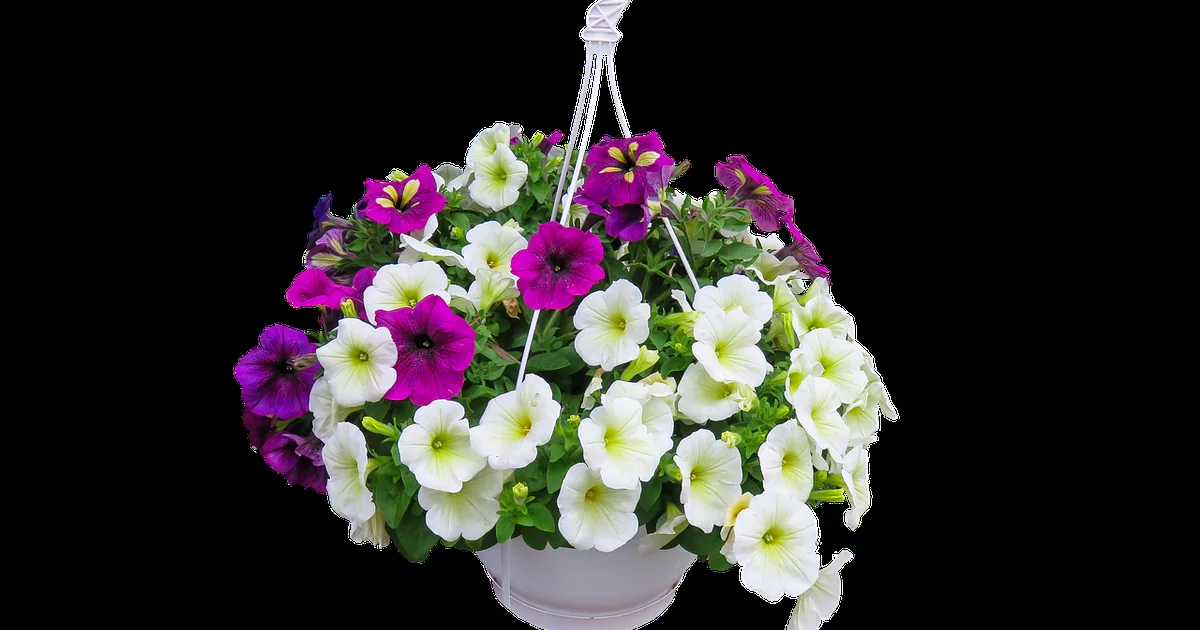
The problem is not simply about remembering to water. It is about how water behaves in a suspended container. Gravity pulls moisture downward, and the exposed sides of the basket allow evaporation from every angle. Soil in a hanging basket can reach temperatures 10 to 15 degrees warmer than soil in a ground-level bed. This combination of factors means that a standard watering routine designed for in-ground gardens will fail completely when applied to hanging baskets.
Most gardeners discover this the hard way. They water every morning, yet by late afternoon the leaves droop and the flowers look exhausted. The frustration is real, but the solutions are straightforward. Small changes in container choice, soil composition, plant selection, and watering technique can transform the entire experience. Let us walk through seven specific strategies that address the unique demands of hanging basket care during extreme heat.
Tip 1: Select the Right Container Material
The container itself determines how quickly moisture escapes. Plastic retains more water than any other common material. Resin and thick-walled plastic baskets hold moisture near the roots and limit evaporation through the sides. This makes them the most forgiving option for hot climates or for gardeners who cannot water twice daily.
Wooden baskets offer a middle ground. Cedar and pine are porous, so they absorb some water and release it slowly. This natural buffering effect helps moderate soil temperature. However, untreated wood can dry out and crack after a full season in direct sun. If you choose wood, look for baskets with intact edges and no large gaps between slats.
Why Wire Baskets Require Extra Attention
Wire baskets lined with coir fiber or sphagnum moss are undeniably beautiful. Their natural texture softens the look of any planting arrangement. But these materials are notoriously poor at holding moisture. Coir dries out rapidly, and moss can become hydrophobic when it gets too dry, meaning it actually repels water instead of absorbing it. A wire basket in full sun may need watering twice per day during a heat wave.
If you love the look of wire baskets, you do not have to abandon them. The key is adding an internal liner that traps moisture. An empty plastic potting mix bag, turned inside out and cut to size, creates an excellent moisture barrier. Poke a few small drainage holes near the bottom, then place the liner inside the moss or coir. This simple trick can cut watering frequency by roughly 40 percent while preserving the aesthetic you want.
Tip 2: Upgrade Your Potting Mix
Garden soil has no place in hanging baskets. It is too dense, compacts easily, and drains poorly in a container. A high-quality potting mix designed for containers is the foundation of successful hydration. These mixes contain peat moss, coco coir, perlite, and vermiculite in proportions that balance water retention with drainage.
Premium moisture-control potting mixes take this a step further. They include wetting agents that help water spread evenly through the soil rather than channeling down the sides of the pot. This even distribution means every root gets access to moisture, not just the roots near the drainage holes. According to packaging data from major brands, these mixes can reduce watering frequency by up to 25 percent compared to standard potting soil.
Amending Existing Soil for Better Performance
If you already have leftover potting mix from another project, you can improve its water-holding capacity. Add one part coco coir or sphagnum peat moss to three parts existing mix. Both materials absorb several times their weight in water and release it slowly. Peat moss has a slightly acidic pH, which suits acid-loving plants like fuchsias and lobelias. Coco coir has a neutral pH and regenerates faster as a renewable resource.
Another amendment option is aged compost. Compost improves soil structure and adds organic matter that holds moisture. However, use it sparingly in hanging baskets because compost can clog drainage if added in large quantities. A ratio of one part compost to five parts potting mix provides benefits without risking waterlogged roots.
Tip 3: Use Water-Absorbing Polymers Strategically
Hydrogels, also known as superabsorbent polymers, are tiny crystals that swell when wet and release water gradually as the soil dries. These products have been used commercially in horticulture since the 1980s and remain a reliable tool for container gardening. When mixed into potting soil, they act like microscopic water reservoirs.
One gram of hydrogel can absorb roughly 300 to 400 milliliters of water. That means a small handful of crystals can significantly extend the time between waterings. For a standard 12-inch hanging basket, mixing in about one teaspoon of dry hydrogel crystals before planting creates noticeable results. The soil feels moist longer, and plants show less midday wilting.
Avoiding Common Mistakes with Hydrogels
The most important rule with hydrogels is moderation. Using too many crystals causes the soil to expand dramatically when wet. This expansion can push soil out of the basket, create uneven surfaces, and even crack lightweight plastic containers. Always follow the manufacturer’s recommended dosage for the size of your basket.
Another consideration is that hydrogels do not last forever. They break down over time, especially when exposed to ultraviolet light. For hanging baskets that you plan to keep for a single season, the crystals will remain effective from planting until frost. If you reuse the same soil the following year, you will need to add fresh crystals.
Tip 4: Choose Plants That Handle Heat and Dryness
Plant selection is one of the most effective hanging basket watering tips because it addresses the problem at its root. Some plants simply require less water than others. Matching your plant choices to the conditions of your hanging site reduces stress on both the gardener and the plants.
Succulents like sedum and portulaca store water in their leaves and stems. They thrive in full sun and tolerate dry soil for longer periods than most flowering annuals. Portulaca, also known as moss rose, produces bright blooms all summer with minimal watering. Sedum varieties trail beautifully over basket edges and require almost no maintenance.
Among flowering plants, lantana and calibrachoa stand out for their drought tolerance. Lantana originates from tropical regions and handles intense heat without dropping flowers. Calibrachoa, often called million bells, produces hundreds of small petunia-like blooms and bounces back quickly after a missed watering. Black-eyed Susan vine and pothos are excellent trailing options that tolerate inconsistent moisture.
Grouping Plants by Water Needs
When combining multiple plants in one basket, group them by their hydration requirements. Pair drought-tolerant species together in the same container rather than mixing them with moisture-loving plants. This prevents the frustrating situation where you must water one plant too much or another too little. A basket of mixed succulents with one thirsty fuchsia will never thrive because their needs conflict.
For baskets that receive full afternoon sun, consider using only drought-tolerant species. Shade-tolerant plants like ferns and impatiens perform better in baskets that get morning sun only or are placed under a covered porch. Matching plants to exposure levels dramatically reduces water consumption.
Tip 5: Install a Self-Watering System
Self-watering planters include a built-in reservoir that holds water beneath the soil. A wicking mechanism draws moisture upward as the soil dries. These planters can keep plants hydrated for up to two weeks between refills, depending on temperature and plant size. For busy households or vacation weeks, they are transformative.
You may also enjoy reading: Waiting for Grass Seed to Grow? Here Are 5 Key Factors.
Commercially available self-watering hanging baskets range from simple two-part designs to more sophisticated models with overflow indicators. The reservoir typically holds between half a liter and two liters of water. A visual indicator on the side of the planter shows when it is time to refill. These systems work well for most annuals and trailing plants.
Making a DIY Self-Watering Basket
You do not need to buy a special planter to get the benefits of self-watering. A simple DIY version uses a plastic hanging basket, a smaller plastic container for the reservoir, and a strip of absorbent fabric. Place the fabric wick through a hole in the reservoir cap, then set the reservoir inside the hanging basket above the soil line. Fill the reservoir with water, and the fabric draws moisture into the soil over time.
Another method involves placing a layer of pebbles or perlite at the bottom of the basket before adding soil. This creates a small drainage zone that holds excess water temporarily. While not a true reservoir, this layer gives roots extra time to absorb water before it drains away. Combined with a moisture-retaining potting mix, this technique works well for baskets that receive consistent watering but need a buffer during hot afternoons.
Tip 6: Water at the Right Time and in the Right Way
Timing matters enormously for hanging basket hydration. Watering in the early morning is almost always superior to evening watering. Morning watering gives the soil and roots time to absorb moisture before the sun intensifies. It also allows any water that lands on leaves to evaporate during the day, reducing the risk of fungal diseases.
Deep watering is more effective than frequent shallow watering. A quick sprinkle wets only the top inch of soil, encouraging shallow root growth. Shallow roots dry out faster and make plants more vulnerable to heat stress. Instead, water slowly until you see water trickling from the drainage holes. This ensures the entire root ball receives moisture.
Checking Soil Moisture Correctly
Do not rely on visual cues alone. The surface of potting mix can look dry while the soil beneath remains damp. Insert your finger about two inches into the soil. If it feels dry at that depth, it is time to water. If it still feels cool or damp, wait another day. For larger baskets, use a wooden skewer or moisture meter to check deeper into the pot.
Another reliable indicator is the weight of the basket. Lift the basket gently after watering and note its weight. When it becomes significantly lighter, the soil has lost enough water to require replenishment. With practice, you will develop an intuitive sense of when each basket needs attention.
Tip 7: Use Mulch and Grouping for Protection
A thin layer of mulch on top of the soil in hanging baskets reduces evaporation considerably. Shredded bark, cocoa bean hulls, or small pebbles all work well. Mulch blocks direct sunlight from hitting the soil surface and slows air movement over the damp soil. A half-inch layer can reduce water loss by roughly 30 percent on a hot day.
Grouping hanging baskets close together creates a microclimate that retains moisture. When baskets hang near each other, they share the humidity released by transpiration. This collective moisture slows evaporation for all the baskets in the group. If you have several baskets, hang them within a foot or two of each other rather than spreading them across the porch.
Positioning for Shade Protection
Consider the path of the sun across your outdoor space. Baskets that receive direct sun from noon until 5 PM experience the most stress. If possible, move baskets to locations that receive morning sun and afternoon shade. A east-facing porch or under a tree canopy provides gentler conditions. Even a few hours of relief from intense afternoon rays can reduce water needs by half.
For baskets that must stay in full sun, use a shade cloth or hang them beneath a taller structure that casts partial shade. These adjustments do not require permanent changes. A simple umbrella or adjustable awning can shield baskets during the harshest part of the day.
Putting These Tips Together for Summer Success
Each of these hanging basket watering tips works best when combined with the others. Using a plastic or lined container, a moisture-retaining potting mix with hydrogels, drought-tolerant plants, and a self-watering system creates a basket that thrives with minimal intervention. Adding smart watering timing and mulching completes the picture.
The difference between a basket that struggles and one that flourishes often comes down to preparation. Taking time to choose the right container and soil before planting pays dividends throughout the summer. A well-prepared basket can handle a missed watering or an unexpected heat wave much better than one thrown together with whatever was on hand.
Hanging baskets remain one of the most rewarding elements of summer gardening. Their vertical presence draws the eye upward and fills empty spaces with life. With these strategies in place, you can enjoy their beauty without spending every morning and evening chasing evaporation. A little planning goes a long way toward keeping your baskets hydrated, healthy, and stunning from June through September.