Market gardening involves growing high-value crops on a small scale for direct sale. Begin with a small area, research local regulations, and choose high-demand crops like tomatoes and okra. Prioritize marketing, as it’s the hardest part. Start with one or two crops to learn them well. Market gardening is the practice of growing specialty crops on a small scale for direct sale to consumers, often through farmers markets or community supported agriculture. It emphasizes careful crop selection and efficient land use. This guide will delve into the practical insights from experienced growers to help you launch your own successful market garden.
What Is Market Gardening?
Market gardening is the practice of growing specialty crops on a small scale for direct sale to consumers, often through farmers markets or community supported agriculture. It emphasizes careful crop selection and efficient land use. This approach differs from large-scale agriculture in its focus on high-value items and direct consumer access. For instance, market gardener Emily Smith has about 0.5 acre fenced for her market garden, demonstrating the small-scale nature of this pursuit. The goal is to maximize income per square foot by cultivating plants that command good prices and appeal to local demand. Many beginners find success by starting with a manageable plot and gradually expanding as their experience and customer base grow.
Now that you understand the basics, let’s discuss how to start small.
How to Start Small in Market Gardening?
Starting small is a key strategy recommended by experienced market gardeners to manage risk and learn efficiently. For beginners, it’s crucial to begin with an area that is manageable in terms of labor, resources, and time investment. Emily Smith’s experience offers a practical example; she has 1,650 square feet of property semi-prepped and ready for planting. Her actual growing area is about 1,874 square feet, with potential for expansion to 2,235 square feet. This illustrates that even a modest plot can be productive. Starting small allows you to focus on mastering cultivation techniques, understanding soil health, and building a customer base for a limited number of crops before scaling up.
Amazon US Verified
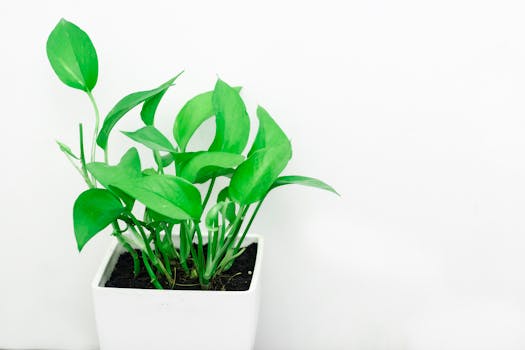
Organic Perlite Horticultural Soil Conditioner
Lightweight volcanic mineral that improves root aeration and prevents compaction.
- Assess your available land: Determine the size of the plot you can realistically manage.
- Start with a portion: Don’t try to cultivate your entire planned area at once; begin with what you can handle.
- Focus on one or two crops: Learn these crops thoroughly before introducing more variety.
- Invest in essential tools: Acquire necessary equipment for your initial scale.
- Build soil fertility: Prioritize improving the soil in your starting area.
This foundational approach minimizes initial investment and learning curves, setting a sustainable path for growth.
After sizing your garden, research local regulations.
What Local Regulations Affect Market Gardening?
Understanding and complying with local regulations is a critical step for any aspiring market gardener. These rules can significantly impact where and how you can sell your produce. In Emily Smith’s area, business licensing authorities require a license to sell produce unless you are operating on at least 10 acres. This highlights a common regulatory hurdle; requirements vary widely by municipality and county. The cost of acquiring sufficient land can also be a barrier, with 10 acres in Emily Smith’s region potentially costing between $75,000 to $150,000. To navigate these restrictions, Emily Smith is considering leasing land in a neighboring county as an alternative to buying. Additionally, local markets often have their own rules, such as the nonprofit market requirement that produce must be grown in the county or an adjacent county by the grower or a relative.
- Business Licenses: Check with your local government for requirements to operate a business.
- Zoning Laws: Understand how agricultural activities are zoned in your area.
- Food Safety Regulations: Be aware of any rules related to handling and selling fresh produce.
- Market-Specific Rules: If selling at a farmers market, review their vendor guidelines carefully.
Navigating these regulations upfront can prevent costly mistakes and ensure your market garden operates legally.
Now that you know the regulations, let’s pick crops.
Which Crops Are Best for Beginner Market Gardeners?
Selecting the right crops is vital for a successful market garden, especially for beginners. Focusing on high-demand, profitable crops can ensure consistent sales and customer satisfaction. A local nonprofit market organizer recommended several crowd favorites, including silver queen corn, rattlesnake beans, okra, tomatoes, yellow squash, and purple hull peas. These staples are generally well-received and can offer good yields. The organizer also suggested that strawberries, carrots, turnips, fennel, lima beans, English peas, and butterbeans would be welcome additions. However, as another forum user wisely suggested, it’s best to focus on one or two crops per season to learn them well. This allows you to understand their specific growing needs, pest vulnerabilities, and optimal harvest times before diversifying.
- High-Demand Staples: Prioritize vegetables that are popular and commonly sought after.
- Nutrient-Dense Options: Consider crops like leafy greens and root vegetables.
- Specialty Items: Explore unique or heirloom varieties that stand out.
- Season Extension: Include crops that can be grown early or late in the season.
Another forum user suggested focusing on one or two crops per season to learn them well. Mastering a few key crops will build your confidence and refine your growing practices.
But growing is only half the battle—marketing is crucial.
Why Is Marketing the Hardest Part of Market Gardening?
Marketing is often cited as the most challenging aspect of market gardening, even for experienced growers. Successfully selling your produce requires more than just cultivation skills; it demands strategic customer engagement and effective sales channels. Cathy stated that marketing is the hardest part of successful market gardening, a sentiment echoed by many in the farming community. Christopher Staley, after four years of building his market garden, still finds it difficult to find reliable sales avenues. This difficulty stems from various factors, including building brand recognition, establishing consistent customer relationships, and competing in local markets.
To overcome this challenge, focus on:
- Building Relationships: Connect with your customers at farmers markets or through CSA programs.
- Consistent Quality: Ensure your produce is fresh, appealing, and high-quality.
- Clear Communication: Advertise your availability and products effectively.
- Feedback Integration: Listen to customer preferences and adapt your offerings.
Finding these sales avenues and building a loyal customer base requires time, effort, and a proactive approach to outreach.
Marketing brings customers; now optimize your garden work.
What Practical Tips Can Help New Market Gardeners?
Beyond crop selection and marketing, practical operational tips are essential for efficiency and success in market gardening. Pest and weed management, along with appropriate equipment, can significantly impact your yield and labor. Regarding pest control, Skandi Rogers stated that smell repellents do not work for critter control, suggesting a need for more robust solutions. Emily Smith’s experience with fencing highlights effective physical barriers; she has 1,025 square feet of garden fenced with 2′-tall 1/2\” hardware cloth and another area with 4′-tall 2×4 welded wire fencing. This type of fencing is crucial for deterring various pests. When it comes to equipment, renting can be a cost-effective solution, though not always ideal. Emily Smith rented a rear tine tiller from Sunbelt with 8-10 hp, which did not effectively break sod, indicating the importance of choosing the right tools for the job. For broader efficiency insights, a forum user recommended the book ‘The Lean Farm Guide to Growing Vegetables’.
Here are some practical tips to consider:
- Invest in Perimeter Fencing: Protect your crops from animals using sturdy, appropriate fencing.
- Soil Preparation: Understand that sod can be challenging to break; consider a rototiller with sufficient horsepower or alternative methods.
- Smart Tool Acquisition: Rent or borrow large equipment initially, and purchase tools as needed.
- Read and Learn: Seek out resources like ‘The Lean Farm Guide to Growing Vegetables’ for efficient farming methods.
- Observe and Adapt: Pay close attention to your garden’s needs and adjust your practices accordingly.
Implementing these practical strategies can streamline your operations and reduce common frustrations.
Practical tips help efficiency; now evaluate finances.
How Much Can You Earn from a Market Garden?
Determining the earning potential of a market garden is crucial for setting realistic goals and assessing its viability as an income source. Emily Smith has set a floor for net profit from her market garden at about $6,000 per year, aiming to replace the income from one of her part-time jobs. This figure reflects her personal circumstances as a single parent working two part-time jobs, each around 12 hours per week. Mike Haasl advises considering the actual profit from market farming versus a regular job, emphasizing a direct comparison of income and lifestyle. While the potential for profit exists, it’s essential to factor in the initial investment, ongoing costs, and labor involved. Land acquisition can be a significant expense; 10 acres in Emily Smith’s area could cost $75,000 to $150,000. Consequently, Emily Smith is considering leasing land in a neighboring county as a more accessible alternative to purchasing.
| Aspect | Details |
|---|---|
| Income Goal | $6,000 net profit/year (Emily Smith) to replace one part-time job. |
| Comparison | Evaluate profit vs. income from a traditional job (Mike Haasl). |
| Land Cost | $75,000 – $150,000 for 10 acres in Emily Smith’s area. |
| Leasing Option | Considering leasing in a neighboring county to reduce upfront costs. |
| Hours Worked | Emily Smith works 2 part-time jobs totaling ~24 hours/week. |
Understanding these financial considerations is key to planning a sustainable market garden business.
Conclusion: Start Your Market Garden Today
Market gardening offers a rewarding path for those passionate about growing food and connecting with consumers. Based on forum insights, the journey begins with understanding the core principles of small-scale, high-value crop production. Starting small, even with areas like the 1,650 square feet Emily Smith has prepped, allows for manageable growth and learning. Researching local regulations for business licensing and land use is paramount to operating legally and efficiently. Choosing high-demand crops, such as those recommended by market organizers, can ensure consistent sales, but remember to focus on mastering one or two initially. As veterans like Cathy and Christopher Staley emphasize, marketing is arguably the most challenging yet critical component for success. Practical tips on pest control and equipment, as shared by Skandi Rogers and Emily Smith, will optimize your daily operations. Finally, setting realistic income goals, like Emily Smith’s target of $6,000 net profit per year, and considering all costs, including land, will lay a solid foundation for your market garden business.
FAQ
Q: How much land do I need to start a market garden?
A: Start with as little as 1,650 square feet, as Emily Smith did. You can expand over time.
Q: What crops are most profitable for market gardening?
A: High-demand crops like tomatoes, okra, squash, beans, and peas are crowd favorites according to a market organizer.
Q: Do I need a license to sell produce?
A: In some areas, yes. Emily Smith’s location requires a license unless you farm at least 10 acres.
Q: How do I market my garden produce?
A: Marketing is the hardest part. Focus on local markets, build relationships, and start with one or two crops to learn customer preferences.
Q: How can I control pests naturally?
A: Smell repellents don’t work. Use physical barriers like hardware cloth fencing, as Emily Smith did.
Q: Is market gardening profitable?
A: Emily Smith aims for $6,000 net per year to replace one part-time job. Consider profit relative to a regular job, as Mike Haasl advised.
As an Amazon Associate, azuloz.com earns from qualifying purchases.