Privet has a reputation that divides gardeners. Some see it as a fast, affordable way to build a privacy screen. Others view it as a botanical menace that takes over entire landscapes. The truth sits somewhere in the middle, but the risks are real. Before you dig a hole or buy a flat of young shrubs, there are seven critical insights that plant professionals wish every homeowner understood.
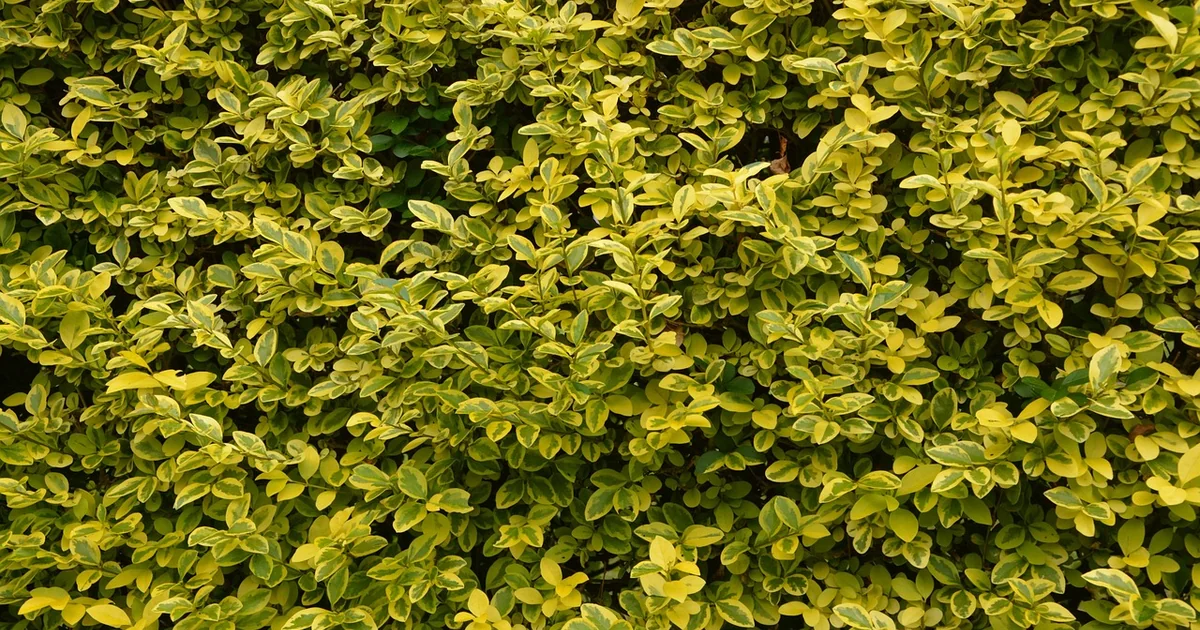
1. Privet Resprouts With Relentless Energy
The most important fact to grasp before planting privet is that this shrub does not give up easily. When you cut a privet stem, the root system responds by sending up dozens of new shoots. This aggressive resprouting is a survival mechanism. A single cut branch can trigger a thicket of regrowth within weeks.
This trait makes privet excellent for hedges that need to fill in quickly. It also makes removal a multi-year chore. Gardeners who assume a simple chop will eliminate the plant are in for a surprise. The roots store energy, and they use that energy to regenerate. If you are not prepared for this battle, you may want to reconsider your choice.
Amazon US Verified
Organic Perlite Horticultural Soil Conditioner
Lightweight volcanic mineral that improves root aeration and prevents compaction.
Why Resprouting Happens
Privet stores carbohydrates in its root system during the growing season. When you cut the top growth, the roots release those reserves to produce new stems. This is the same strategy used by many invasive woody plants. It ensures survival even when the above-ground parts are destroyed.
The practical takeaway is clear. If you plant privet, you commit to ongoing management. If you remove privet, you commit to persistent follow-up. There is no one-and-done approach with this shrub.
2. Most Common Privet Varieties Are Invasive
Not all privets are equal, but the most widely available types cause serious ecological problems. Chinese privet, also known as Ligustrum sinense, is listed as an invasive species in many states across the southeastern and mid-Atlantic United States. It escapes gardens easily and colonizes forests, stream banks, and roadsides.
Once established in natural areas, privet forms dense stands that block sunlight from reaching native wildflowers and tree seedlings. This alters the entire ecosystem. Birds and small mammals that depend on native plants for food and shelter lose their resources. The result is a quieter, less diverse landscape.
Before you choose privet, check your local extension office website. Many counties and states maintain lists of prohibited or restricted plants. If Chinese privet appears on that list, it is not a suggestion. It is a legal restriction. Planting it could lead to fines or mandatory removal orders.
A Word About Japanese Privet
Japanese privet, or Ligustrum japonicum, is another common landscaping choice. It behaves similarly to Chinese privet in many regions. While it may not be listed as invasive everywhere, it still produces abundant seeds that birds spread. Those seeds germinate readily in disturbed soil. The plant then outcompetes slower-growing native shrubs.
Garden professionals often warn that Japanese privet is only slightly less aggressive than Chinese privet. That slight difference does not make it safe. It just means the invasion happens a little more slowly.
3. Birds Spread Privet Seeds Far and Wide
Privet produces small, dark berries that birds find irresistible. A single mature shrub can generate thousands of seeds in one season. Birds eat the berries, digest the pulp, and deposit the seeds miles away in new locations. This is the primary mechanism by which privet escapes cultivated gardens.
Once those seeds land in a natural area, they germinate quickly. The young plants grow rapidly and shade out everything around them. This process repeats year after year. What started as a tidy hedge in your backyard can become a source of infestation for an entire watershed.
This point matters before planting privet because many homeowners do not realize their hedge affects land beyond their property line. Your neighbor’s yard, a local park, or a nature preserve could be impacted. Responsible gardening means choosing plants that stay where you put them.
Seed Viability and Timing
Privet seeds remain viable in the soil for several years. This creates a seed bank that continues to produce new plants even after the original shrubs are removed. If you are replacing a privet hedge with native plants, you will need to monitor the area for seedlings for at least three growing seasons.
Mulching heavily after removal can reduce germination. Pulling seedlings by hand when they are small is the most effective control method. Herbicides also work, but they require careful application to avoid harming desirable plants.
4. There Are Less Invasive Cultivars, But They Still Need Management
Breeders have developed privet cultivars that produce fewer seeds. Two notable examples are Straight Talk and Golden Ticket. Straight Talk, a cultivar of European privet, was selected for controlled growth and minimal fruit production. Golden Ticket was one of the first privet types bred to have no viable seed.
These options are less risky than Chinese or Japanese privet. However, they are not risk-free. Gardeners still need to monitor them for stray seedlings. Birds may still eat any berries that form, even if the seeds are not viable. The physical structure of the plant remains the same, meaning it can still crowd out neighbors if not pruned regularly.
If you decide to use one of these cultivars, commit to annual maintenance. Prune after flowering to remove any developing fruit. Watch for volunteer seedlings in the surrounding soil. Do not assume that a label saying “non-invasive” means you can ignore the plant.
Where to Find These Cultivars
Straight Talk and Golden Ticket are available at many nurseries and garden centers. They may cost more than standard privet, but the extra expense reflects the breeding work involved. Ask your local nursery if they stock these varieties. If they do not, they can often special order them.
Be cautious when buying privet online. Some sellers mislabel plants or ship invasive species under generic names. Purchase from reputable sources that provide botanical names and cultivar information.
5. Removal Requires Complete Root Extraction or Herbicide
If you inherit a privet hedge or decide to remove one you planted, you face a significant task. Simply cutting the shrub to the ground does not work. The roots will send up new shoots within weeks. You have two effective options.
Option One: Dig Out the Root System
For small to medium-sized plants, dig out the entire root ball. Use a shovel, pickax, or mattock to loosen the soil around the base. Work in a circle about two feet from the main stem. Cut any lateral roots you encounter. Then rock the plant back and forth until the main root mass loosens.
Moist soil makes this job much easier. Water the area thoroughly the day before you plan to dig. Alternatively, wait until after a soaking rain. The roots will slide out with less resistance when the ground is wet.
Amazon US Verified
Digital 3-in-1 Soil Moisture & pH Meter
Accurate probe to test deep root zone moisture and prevent accidental overwatering.
This method is labor-intensive but chemical-free. It is ideal for small infestations or for gardeners who prefer not to use herbicides. The downside is that any root fragments left behind can resprout. You may need to revisit the spot a few months later to remove new growth.
Option Two: Cut and Apply Herbicide
For large, established plants, digging is impractical. The root system of a mature privet can extend several feet in all directions. In this case, cut the main stems to a stump about six inches high. Immediately apply a concentrated herbicide containing triclopyr or glyphosate to the cut surface.
Timing matters. Apply the herbicide within five minutes of cutting. The stump absorbs the chemical most effectively when the cut is fresh. Late winter or early spring, just before new growth begins, is the best time for this treatment.
Monitor the stump for regrowth for at least one full growing season. Any sprouts that appear should be treated again. Persistence is the key. Privet will outlast you if you give it an opening.
You may also enjoy reading: 7 Quick Tips to Plant and Grow Queen Palm.
6. Native Alternatives Offer Better Long-Term Value
The best advice from plant pros is to skip privet entirely and choose native shrubs instead. Native plants are adapted to your local climate and soil. They support local insects, birds, and other wildlife. They do not escape into natural areas and cause ecological harm.
Several native shrubs provide the same dense growth and privacy that privet offers. Spicebush grows well in partial shade and produces yellow flowers in early spring. It is the host plant for the spicebush swallowtail butterfly, so planting it supports a beautiful native species.
Witch-hazel blooms in late fall or early winter, adding color when most other plants are dormant. Red chokeberry and black chokeberry produce white flowers in spring and bright berries in fall. Serviceberry offers white blossoms, edible fruit, and brilliant autumn foliage.
These alternatives require similar maintenance to privet. They need pruning, watering during dry spells, and occasional feeding. The difference is that they contribute to the local ecosystem rather than degrading it.
How to Choose the Right Alternative
Visit a native plant nursery in your area. Explain your goals: you want a dense hedge or screen that reaches a certain height. The staff can recommend species that thrive in your specific conditions. They can also tell you which plants grow fastest, so you do not have to wait years for privacy.
Another option is to contact your county extension office. Many extension agents maintain lists of recommended native shrubs for hedging. They can also tell you which invasive plants to avoid in your region.
7. Regional Climate Affects Privet Performance and Risk
Privet behaves differently depending on where you live. In the Pacific Northwest, it grows vigorously but may not set as much seed. In the Southeast, it is a full-blown invasive species that chokes out forests. In the Rocky Mountain region, it may suffer from winter burn and struggle to survive.
Winter burn occurs when evergreen leaves lose moisture faster than the roots can replace it during cold weather. Privet is susceptible to this in areas with harsh winters and drying winds. The leaves turn brown and die back, leaving the hedge looking ragged. This can happen even with well-established plants.

Amazon US Verified
Self-Watering Planters with Drainage Aerators
Elevated reservoir design that prevents soggy roots and ensures steady hydration.
Before you buy privet, research how it performs in your hardiness zone. Talk to local gardeners or extension agents. Ask if winter burn is a common problem. If it is, you may end up with a hedge that looks terrible every spring and requires constant replacement of dead branches.
Checking Local Invasive Status
Your state’s department of natural resources or agriculture typically maintains an invasive plant list. Search for your state name plus “invasive plant list” to find it. If privet appears on that list, do not plant it. Even if it is not listed, consider whether the risk is worth the convenience.
Some municipalities have their own ordinances regarding invasive plants. These can be stricter than state regulations. Check with your city or county planning department before making a final decision.
Frequently Asked Questions
How do I completely remove the root system of an established privet bush?
For small bushes, dig a wide circle around the base and extract the entire root ball. For large bushes, cut the stems to stumps and apply herbicide to prevent regrowth. Monitor the area for at least one year and remove any sprouts that appear.
What are the best native alternatives to privet for a dense hedge?
Spicebush, witch-hazel, red chokeberry, black chokeberry, and serviceberry are excellent native alternatives. They provide dense foliage, seasonal interest, and support local wildlife without becoming invasive.
If I apply herbicide to cut privet stumps, how long should I monitor for regrowth?
Monitor for at least one full growing season. Privet can resprout from roots even after careful herbicide application. Check the area monthly and treat any new shoots promptly.
Will a less invasive privet variety still become a problem if I don’t manage it carefully?
Yes. Even cultivars bred for reduced seed production require regular pruning and monitoring. Birds may still spread any berries that form, and the plant can still crowd out neighbors if left unchecked.
How does privet’s winter burn susceptibility vary by region, and can it be prevented?
Winter burn is most common in regions with cold winters and drying winds, such as the Rocky Mountains and northern plains. Prevention includes planting in sheltered locations, applying anti-desiccant sprays, and providing winter water during dry spells.
Deciding whether to plant privet is not a simple yes or no question. It involves weighing the desire for fast growth and privacy against the long-term responsibility of containment. For most gardeners, the safest choice is to select a native alternative that offers beauty without the risk of escape. But if you do choose privet, go in with open eyes. Know that you are signing up for years of vigilance, pruning, and potential removal work. The shrub will not manage itself.
As an Amazon Associate, azuloz.com earns from qualifying purchases.