Backyard bird feeding brings joy and a connection to nature. But a neglected feeder can become a health hazard. Leftover seed, moisture, and droppings create a perfect breeding ground for mold, bacteria, and parasites. These contaminants spread disease among the birds you are trying to help. The good news is that you do not need harsh chemicals to solve this problem. A simple pantry staple works wonders.
Why Vinegar Is the Ideal Choice for Bird Feeder Hygiene
Many commercial cleaners leave toxic residues. Birds are sensitive creatures. Their respiratory systems are delicate. Distilled white vinegar offers a natural alternative. It kills many types of bacteria and fungi without leaving behind dangerous chemicals. Monika Sangar, founder of Prego Dalliance Sanctuary, a nonprofit parrot rescue and refuge, explains that vinegar is a natural, non-toxic disinfectant. It works effectively against common pathogens found on feeders. When you clean bird feeder vinegar solutions, you create a safe environment for foraging birds.
Vinegar is also inexpensive. A large jug costs very little. You can use it repeatedly without breaking your budget. It breaks down grime and loosens stuck-on debris. This makes scrubbing much easier. The acetic acid in vinegar cuts through the sticky film left by old seed and nectar. It leaves surfaces clean and ready for fresh food.
Step-by-Step Guide to Cleaning a Bird Feeder With Vinegar
Follow these steps to achieve professional-level results. The process is straightforward. You can complete it in under two hours, including soaking and drying time.
Gather Your Supplies
Before you begin, collect everything you need. You will require distilled white vinegar, warm water, a large bucket or basin, a stiff cleaning brush, mild dish soap, and a clean dish towel or drying rack. Having all items ready makes the work flow smoothly.
Empty and Disassemble the Feeder
Take the feeder down from its hanging spot. Empty all remaining seed, hulls, and debris into a trash bag. Shake out any particles stuck in crevices. Next, disassemble the feeder completely. Remove perches, ports, lids, and base pieces. The more parts you separate, the easier it is to reach hidden areas where mold grows.
Inspect for Damage
While the feeder is empty, examine each part carefully. Look for cracks, warped plastic, or broken perches. Check for signs of rot in wooden feeders. Sangar advises discarding feeders that show significant damage. A cracked feeder traps moisture and creates hiding spots for bacteria. It is better to replace a damaged unit than to risk bird health.
Scrub Away Solid Debris
Fill your sink or bucket with warm water and a few drops of mild dish soap. Use your cleaning brush to scrub every surface. Pay special attention to feeding ports and perches. These areas collect the most grime. Old food often sticks to the narrow openings. Work the bristles into every crack. Rinse the soap off with clean water.
Prepare the Vinegar Soak
In your large container, mix equal parts distilled white vinegar and warm water. For a standard feeder, one cup of vinegar and one cup of water is usually enough. Adjust the amount based on the size of your feeder. Submerge all disassembled parts in the solution. Let them soak for up to one hour. Stir the parts around every fifteen minutes. This movement helps dislodge stubborn dirt.
Rinse Thoroughly
After the soak, remove each piece. Rinse them under warm running water. Make sure no vinegar smell or residue remains. A strong vinegar odor might deter birds from visiting. Continue rinsing until the water runs clear and the parts feel clean to the touch.
Dry Completely Before Reassembling
This step is critical. Place all parts on a clean dish towel or drying rack. Allow them to air dry completely. Do not rush this process. Moisture encourages mold and bacteria growth. Depending on humidity, drying can take several hours. Overnight drying is ideal. Only reassemble the feeder once every surface feels bone dry.
How Often Should You Clean a Bird Feeder With Vinegar?
Regularity matters. Sangar recommends cleaning feeders at least once every two weeks. This schedule prevents buildup before it becomes a problem. However, you may need to clean more often. During wet weather, mold can appear in days. If you notice heavy bird traffic at your feeder, increase cleaning to once per week. A simple rule is to inspect your feeder each time you refill it. If you see any slime, dark spots, or a musty smell, it is time for a vinegar soak.
Tips for Maintaining a Clean Feeding Station
Keeping a single feeder clean is manageable. But you can make the task even easier with a few smart habits.
Rotate Multiple Feeders
Have at least two feeders in your yard. When one needs cleaning, hang the other. This rotation allows each feeder ample drying time. Birds never have to wait for food. You reduce stress on yourself and your visitors.
Clean the Area Under the Feeder
Droppings and old hulls accumulate on the ground. This debris attracts pests and spreads disease. Every time you clean the feeder, take a few minutes to rake or sweep the area below. Dispose of the waste in a sealed bag. This simple action dramatically reduces the risk of contamination.
Store Seed Properly
Bird seed can spoil. Moisture and heat cause mold to grow inside the bag. Always store seed in a sealed, airtight container. Keep it in a cool, dry place. A metal trash can with a tight lid works well. This practice keeps the seed fresh and prevents you from introducing mold into a clean feeder.
Use the Right Cleaning Tools
A dedicated brush set makes a difference. Use a small bottle brush for narrow feeding ports. A larger scrub brush handles the main body of the feeder. Sangar stresses the importance of reaching every surface. Do not skip perches or lids. These areas are often overlooked but harbor just as much bacteria.
Common Mistakes to Avoid When You Clean Bird Feeder Vinegar
Even experienced bird lovers make errors. Knowing what to avoid helps you protect your backyard flock.
Using the Wrong Type of Vinegar
Not all vinegars are safe for cleaning. Distilled white vinegar is the only choice. Do not use red wine vinegar, apple cider vinegar, or balsamic vinegar. These contain sugars and other compounds that leave sticky residues. They can attract pests and promote mold growth. Stick with plain distilled white vinegar for best results.
Skipping the Drying Step
Many people rinse and refill immediately. This is a mistake. Damp feeders are breeding grounds for bacteria. Even a thin layer of moisture can support fungal growth. Always wait until the feeder is completely dry. If you are in a hurry, use a clean cloth to pat parts dry, but air drying is more reliable.
Neglecting to Rinse Enough
Vinegar is safe in small amounts, but a strong smell can repel birds. Rinse thoroughly until no odor remains. If you smell vinegar, so can the birds. A good rinse also removes any loosened dirt that might still cling to the surface.
You may also enjoy reading: 13 Best Outdoor Rocking Chairs to Adorn Your Porch.
Using Harsh Chemicals Alongside Vinegar
Do not mix vinegar with bleach or other cleaners. This creates toxic fumes. Vinegar is effective on its own. You do not need additional disinfectants. Stick to warm soapy water for the initial scrub, then use the vinegar soak. This combination is powerful and safe.
What to Do If You See Mold or Mildew
Sometimes a feeder develops visible mold. Black or green spots appear on the plastic or wood. Do not panic. The vinegar soak handles most mold problems. For stubborn patches, increase the soak time to two hours. Scrub the affected area with extra pressure. If the mold has penetrated deeply into wood, consider replacing the feeder. Porous materials can harbor spores that survive cleaning.
Seasonal Considerations for Feeder Cleaning
Your cleaning routine should change with the seasons. Summer heat and humidity speed up mold growth. Clean weekly during warm months. Winter brings different challenges. Seed can freeze inside feeders. Birds may rely more heavily on your food source. Clean every two weeks, but ensure the feeder dries completely before freezing temperatures return. A frozen wet feeder can crack or become unusable.
Spring and fall are transition periods. Increase cleaning frequency during rainy stretches. Bird migration patterns also affect traffic. When large flocks pass through, clean more often. These birds may carry diseases from other areas. A clean feeder reduces transmission risk.
Hypothetical Scenarios: Real-World Applications
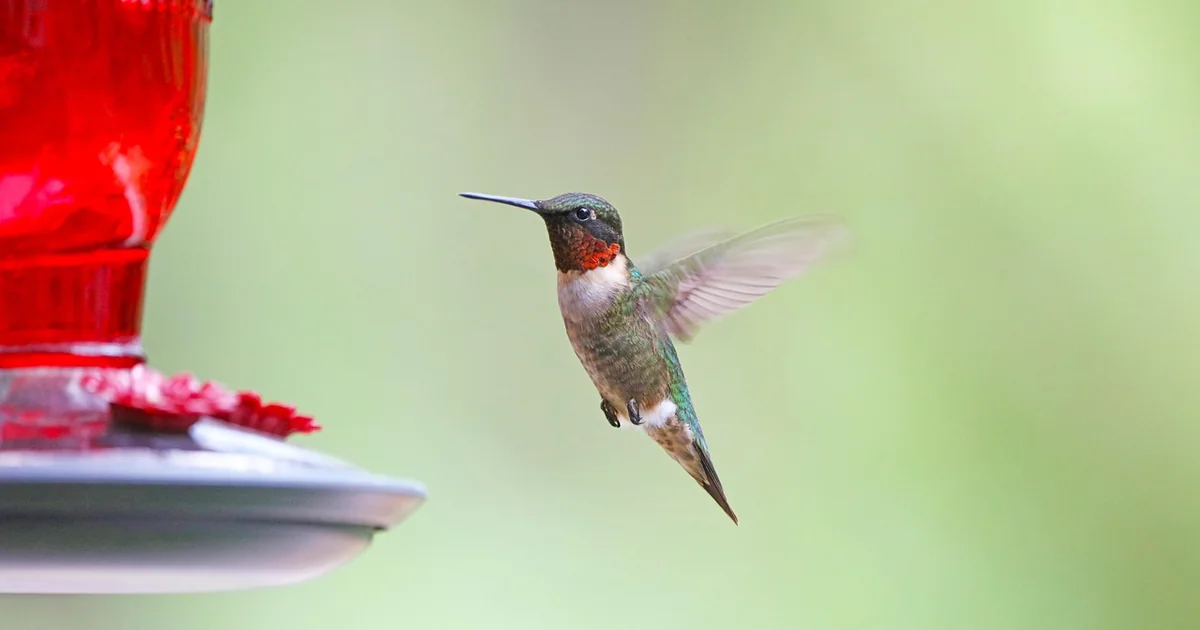
Imagine you have three feeders in your backyard. One is a tube feeder for finches. Another is a platform feeder for cardinals. The third is a hummingbird feeder. Each type requires the same basic vinegar cleaning method. However, the tube feeder has narrow ports that need a small brush. The platform feeder has flat surfaces that are easy to scrub. The hummingbird feeder has nectar residue that dissolves quickly in vinegar. By adapting the same technique, you keep all three safe.
Consider a new bird feeder owner who worries about harming birds. They have heard bleach is dangerous. Learning to clean bird feeder vinegar methods gives them confidence. They can maintain a sanitary feeder without fear of poisoning their visitors. This peace of mind encourages consistent care.
Think about a birder facing a persistent mold problem. They find black spots inside their feeder every week. By switching to a vinegar soak and ensuring complete drying, they break the cycle. The mold stops returning. Their birds stay healthy and keep coming back.
Frequently Asked Questions About Cleaning Bird Feeders With Vinegar
Can I use apple cider vinegar instead of distilled white vinegar?
No. Apple cider vinegar contains sugars and other organic compounds. These leave a sticky residue that attracts pests and promotes mold. Distilled white vinegar is the only safe choice for cleaning bird feeders.
How long should I soak the feeder in vinegar solution?
Soak for up to one hour. For heavily soiled feeders, extend the soak to two hours. Move the parts around periodically to help loosen debris. Do not exceed two hours, as prolonged exposure may damage some materials.
Is it safe to clean a wooden bird feeder with vinegar?
Yes, but with caution. Wood is porous. Soak wooden feeders for a shorter time, about 30 minutes. Rinse thoroughly and dry completely. Moisture can cause wood to warp or rot if not dried properly. Consider replacing old wooden feeders if they show signs of decay.
How often should I clean my bird feeder with vinegar?
Clean at least once every two weeks. Increase to once per week during wet weather or when bird traffic is heavy. Regular cleaning prevents mold and disease buildup before they become serious problems.
Do I need to rinse the feeder after the vinegar soak?
Yes, absolutely. Rinse thoroughly under warm running water until no vinegar smell remains. A strong vinegar odor can deter birds. Complete rinsing also removes any loosened dirt still clinging to the surfaces.
Keeping your bird feeder clean does not require expensive products or complicated routines. Distilled white vinegar offers a natural, effective, and affordable solution. By following these steps, you create a safe dining spot for your backyard birds. They reward you with vibrant visits and cheerful songs. A little effort goes a long way in protecting the wildlife you love.