There’s nothing quite like the feeling of relaxation that comes with spending time on a patio on a warm summer’s day. The sun shining down, a gentle breeze rustling the leaves of the plants, and the sound of birds singing in the background – it’s the perfect setting to unwind and enjoy some quality time with family and friends. However, for many of us, there’s one unwelcome guest that can quickly ruin the ambiance: ants.
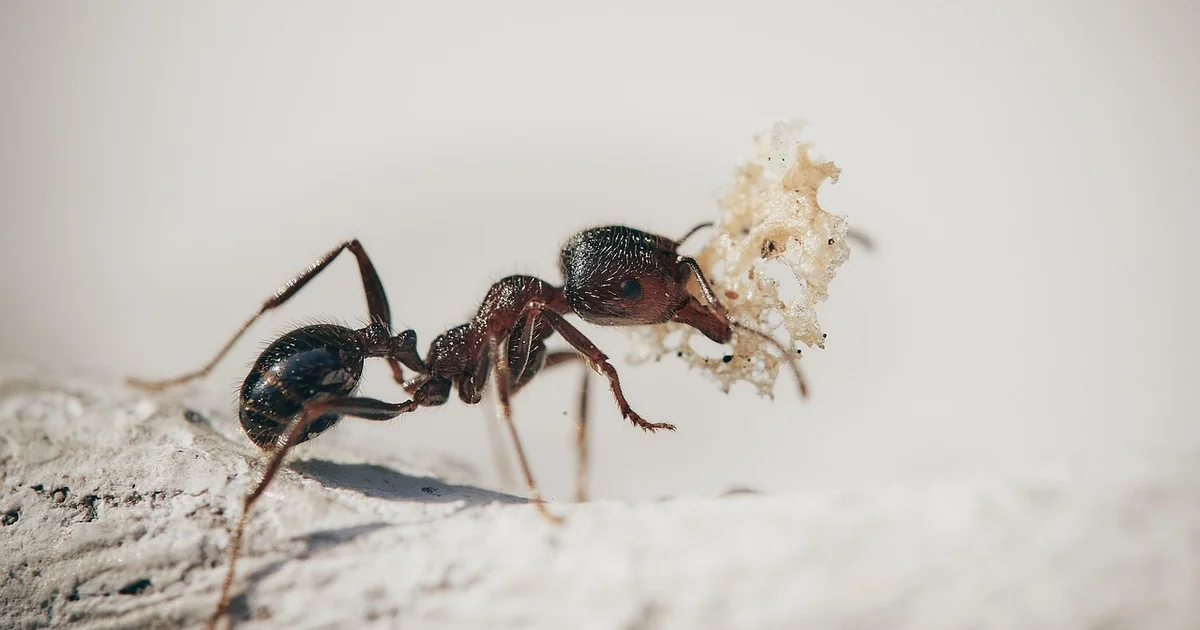
Ants on the Patio: A Common Problem
Ants can be a nuisance, to say the least. They’re attracted to sweet or sticky substances, and once they’ve found a source of food, they can quickly multiply and become a problem. But did you know that there’s a natural way to keep ants at bay without resorting to chemical pesticides? It’s true, and it involves using certain plants that repel ants. In this article, we’ll explore the top 11 plants that can help keep your patio ant-free this summer.
The Science Behind Ant-Repelling Plants
So, how do these plants work? The answer lies in the chemical compounds they produce, which are often found in the plant’s essential oils. These oils can be toxic to ants, or they can simply confuse them, making it difficult for them to navigate. For example, European pennyroyal (Mentha pulegium) contains a compound called pulegone, which is known to repel ants. The strong scent of pennyroyal disorients ants’ navigating systems, making it difficult for them to find their way back to their colony.
European Pennyroyal: A Powerful Ant Repellent
European pennyroyal is a perennial plant that’s native to Europe and Asia. It’s a member of the mint family and has a strong, pungent scent that’s reminiscent of menthol and eucalyptus. This plant is not only effective at repelling ants but also mosquitoes and other insects. It’s a low-growing plant that only reaches up to a foot high, making it perfect for growing in a pot. In fact, pennyroyal is often grown in containers because it can rapidly spread when planted in the ground.
One of the benefits of growing pennyroyal in a pot is that it’s easy to control its spread. You can simply prune it back regularly to keep it from getting too large. Additionally, pennyroyal prefers moist and damp conditions, making it a great choice for areas with high humidity. It’s also hardy in zones 5-9, although you can easily grow it in colder zones by overwintering the container in a warmer spot.
Lavandula Angustifolia: A Calming and Ant-Repelling Plant
Lavandula angustifolia, also known as English lavender, is a popular choice for gardens and patios. Not only does it have a calming effect on humans, but it’s also known to repel ants and other insects. The scent of lavender is soothing and relaxing, making it the perfect addition to any outdoor space. It’s a low-maintenance plant that’s easy to grow and requires minimal care.
English lavender is a perennial plant that’s hardy in zones 5-9. It prefers well-drained soil and full sun to partial shade. One of the benefits of growing lavender is that it’s a natural pest repellent, making it a great choice for areas with high pest activity. Additionally, lavender is a great choice for attracting pollinators, such as bees and butterflies.
Other Plants That Repel Ants
While European pennyroyal and English lavender are two of the most effective plants at repelling ants, there are several other options to consider. Here are a few more plants that are known to keep ants at bay:
Tagetes Patula: A Bright and Cheery Ant Repellent
Tagetes patula, also known as French marigold, is a bright and cheery flower that’s known to repel ants and other insects. The scent of marigold is strong and pungent, making it a great choice for areas with high pest activity. It’s a low-maintenance plant that’s easy to grow and requires minimal care.
French marigold is a perennial plant that’s hardy in zones 9-11. It prefers well-drained soil and full sun to partial shade. One of the benefits of growing marigold is that it’s a natural pest repellent, making it a great choice for areas with high pest activity. Additionally, marigold is a great choice for attracting pollinators, such as bees and butterflies.
Laurus Nobilis: A Classic Ant Repellent
Laurus nobilis, also known as bay laurel, is a classic ant repellent that’s been used for centuries. The scent of bay laurel is strong and pungent, making it a great choice for areas with high pest activity. It’s a low-maintenance plant that’s easy to grow and requires minimal care.
Bay laurel is a perennial plant that’s hardy in zones 6-9. It prefers well-drained soil and full sun to partial shade. One of the benefits of growing bay laurel is that it’s a natural pest repellent, making it a great choice for areas with high pest activity. Additionally, bay laurel is a great choice for cooking and can be used to make a variety of dishes, including soups and stews.
Why You Should Grow Ant-Repelling Plants
So, why should you grow ant-repelling plants in your garden or patio? There are several benefits to consider:
You may also enjoy reading: Top 9 Best Potting Soils for Vegetables That Will Boost Your Harvest.
• Natural pest control: Ant-repelling plants are a natural way to keep ants and other insects at bay without resorting to chemical pesticides.
• Low maintenance: Many ant-repelling plants are low maintenance and easy to care for, making them a great choice for busy gardeners.
• Attract pollinators: Many ant-repelling plants are also great choices for attracting pollinators, such as bees and butterflies.
• Aesthetic appeal: Ant-repelling plants can add a pop of color and texture to your garden or patio, making them a great choice for adding visual interest.
How to Use Ant-Repelling Plants
So, how can you use ant-repelling plants to keep your patio ant-free this summer? Here are a few tips:
• Plant ant-repelling plants in areas where ants are a problem.
• Water ant-repelling plants regularly to keep them healthy and thriving.
• Prune ant-repelling plants regularly to keep them from getting too large.
• Use ant-repelling plants in combination with other pest control methods, such as diatomaceous earth or cinnamon, for added effectiveness.