You water your garden faithfully, yet your plants look perpetually stressed. Leaves yellow, growth seems stunted, and despite your care, nothing really thrives. It’s a frustrating scenario many gardeners face, and the culprit is often hidden beneath the surface. The secret to vibrant plant life isn’t just about what you add above ground—it’s about what happens below. A delicate balance of air and water in the root zone is non-negotiable, and achieving that balance hinges entirely on one critical factor: improving soil drainage.
What Well-Drained Soil Actually Means (And Why It’s Non-Negotiable)
Think of soil not as a solid mass, but as a bustling underground city. Between the particles of sand, silt, and clay are tiny spaces called pores. These pores are the apartments and highways for two essential residents: water and air. After a good rain or watering session, water moves in, hydrating roots and dissolving nutrients. Then, as if on a schedule, it drains away, making room for fresh air to flow in. This cycle of hydration and aeration is what keeps roots healthy, allowing them to breathe and absorb food efficiently.
When this cycle breaks down, problems arise quickly. In dense, clay-heavy soil, the pores are microscopic. Water gets trapped with nowhere to go, creating a soggy, airless environment. Roots essentially drown, becoming susceptible to rot and fungal diseases. Conversely, in very sandy soil, the pores are so large that water zips straight through, leaving roots parched and unable to access moisture long enough to drink their fill. The goal of improving soil drainage is to create the ideal pore structure—a mix of small and large channels that hold moisture long enough for roots to access it, but drain sufficiently to prevent waterlogging.
The Silent Symptoms: How Your Plants Tell You Drainage is Poor
Before you ever dig a test hole, your plants are sending distress signals. The tricky part is that these signs often mimic other issues.
Yellowing Leaves That Aren’t Due to Hunger
While yellow leaves can indicate a nitrogen deficiency, a key differentiator is their pattern. Poor drainage often causes a general, overall yellowing or paleness, particularly in older leaves, because soggy roots cannot uptake nutrients effectively, even if they are present in the soil.
Stunted Growth and Lack of Vigor
Your plants might not die, but they also refuse to flourish. New shoots are weak, flowering is sparse, and the whole plant seems stuck in a state of suspended animation. This is a classic sign of oxygen-starved roots that are merely surviving, not thriving.
Wilting Despite Wet Soil
This is the most telling paradox. You touch the soil and it feels damp, even soggy, yet the plant leaves are drooping as if desperately thirsty. This happens because rotten, waterlogged roots are physically incapable of transporting water up to the stems and leaves, creating a deceptive drought in the midst of a flood.
Moss, Algae, and Fungus Gnats
A persistent carpet of moss on the soil surface or green algae are nature’s billboards for constant moisture. Similarly, a cloud of tiny flies (fungus gnats) emerging when you water is a strong indicator of overly damp, organic-rich soil that’s staying wet for too long.
Diagnosing Your Drainage: Simple Tests You Can Do Today
Understanding your specific situation is the first step toward a cure. You don’t need complex equipment to get a clear picture.
The Classic Hole Test (And a Space-Saver Alternative)
The standard method is effective: dig a hole about 12 inches deep and wide, fill it with water, let it drain, then refill it and time how long it takes for the water to drop one inch. An ideal rate is roughly one inch per hour. If it takes several hours or even days, you have slow drainage. If it vanishes in minutes, your drainage is excessively fast.
For those with established beds or limited space, a simple “trowel test” works wonders. After a deep watering or a good rain, wait about 30 minutes, then dig down 6-8 inches with a hand trowel. Grab a handful of soil from that depth and squeeze it. If water streams out, it’s waterlogged. If it holds its shape firmly like pottery clay and feels slick, it’s too wet. Well-drained soil will hold a loose shape for a moment before crumbling easily, feeling moist but not wet.
The Jar Test for Soil Composition
To understand why your soil drains the way it does, discover its texture. Fill a clear jar two-thirds with water, add a handful of soil, shake vigorously, and let it settle for 24 hours. The layers will separate: sand at the bottom, silt in the middle, clay on top. The relative thickness of each layer reveals your soil type. A thick clay layer explains slow drainage; a dominant sand layer explains fast drainage.
7 Essential Strategies for Improving Soil Drainage
Transforming your soil is a process, not an event. These seven methods, used alone or in combination, will systematically create a better environment for your plants’ roots.
1. Integrate Organic Matter: The Universal Remedy
This is the single most powerful action for improving soil drainage across all soil types. Organic matter—compost, well-rotted manure, leaf mold—acts like a soil conditioner. In clay, its bulky particles wedge between tiny clay platelets, creating larger pores for water to drain and air to enter. In sand, it acts like a sponge, helping to hold moisture and nutrients in those overly large pores instead of letting them wash away. Aim to incorporate a 2-4 inch layer into new beds each season; for established plantings, a top dressing of compost each spring and fall allows worms and microbes to work it in naturally.
2. Embrace the Power of Raised Beds
Raised beds offer immediate and complete control over your soil environment. By elevating the planting area, you instantly improve gravitational drainage, preventing water from pooling around roots. You bypass problematic native soil entirely, filling the frame with a custom, perfectly draining mix. A robust blend might be 50% high-quality topsoil, 30% compost, and 20% coarse sand or perlite for extra aeration. The sides of the bed also help to prevent soil compaction from foot traffic.
3. Master the Art of Double Digging
For serious, long-term improvement in-ground, double digging is a time-tested technique. It involves removing the top layer of soil from a trench, then using a fork to deeply loosen and aerate the hard subsoil below before replacing the topsoil amended with compost. This process, while labor-intensive, can break up compacted hardpans (dense layers of soil that block drainage) and dramatically improve water infiltration to depths of 24 inches or more, encouraging deep, resilient root systems.
4. Select the Right Amendments for Your Soil Type
Beyond generic compost, targeted amendments can fine-tune your soil’s texture. For heavy clay, incorporating coarse, sharp sand or fine gravel (alongside organic matter) can be transformative. A study from the University of California Cooperative Extension notes that adding a significant volume of coarse sand (approximately 50% by volume) to clay soil, combined with organic matter, can create a more loam-like structure. For sandy soils, focus on moisture-retentive amendments like coconut coir, composted bark, or peat moss.
5. Cultivate Living Soil with Cover Crops
Soil health is a living ecosystem. Planting cover crops like deep-rooted daikon radish, buckwheat, or annual ryegrass in fallow beds does wonders. Their roots penetrate and break up compacted layers, creating natural drainage channels. When turned into the soil, they add organic matter. This “green manure” approach builds soil structure biologically, improving drainage from the inside out over time.
6. Install a French Drain for Chronic Problems
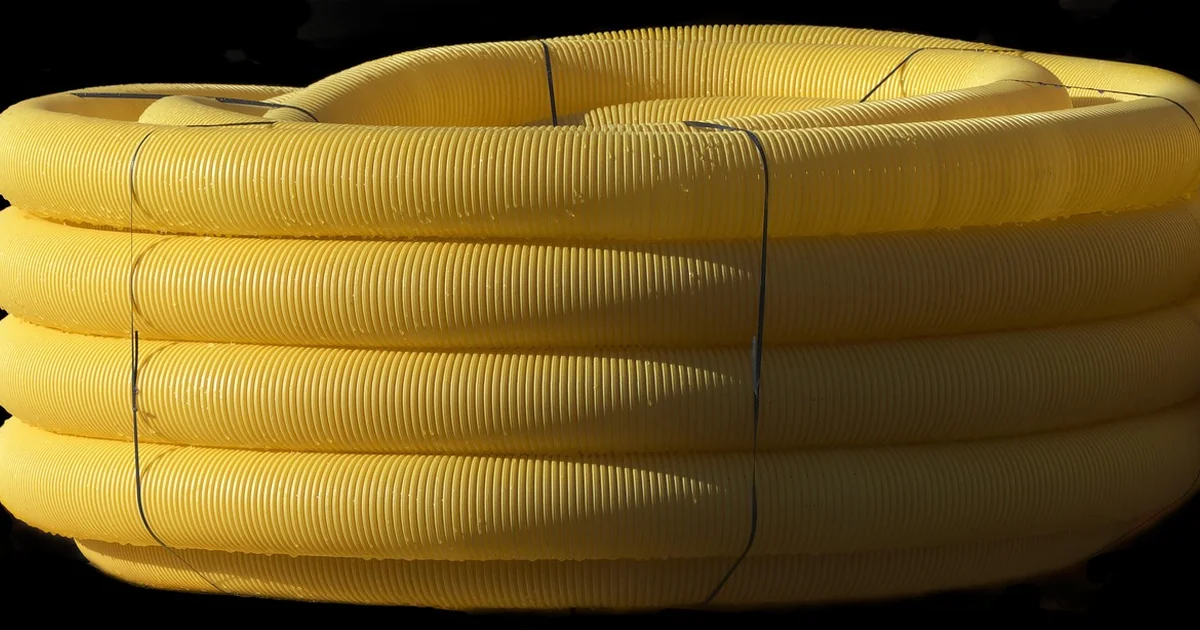
In areas where water consistently pools due to slope or a high water table, mechanical intervention may be needed. A French drain is a gravel-filled trench containing a perforated pipe that collects and redirects subsurface water. It’s particularly useful at the base of a slope or along a foundation. The trench is typically dug to a depth of 18-24 inches, lined with landscape fabric, filled with gravel, and the pipe is laid with a slight slope to carry water away. For most homeowners, consulting a landscape professional for this installation ensures it’s done correctly and effectively.
You may also enjoy reading: 7 Ways to Upgrade Your Deck for a Peaceful Escape.
7. Practice Smart Watering and Avoid Compaction
Sometimes, the solution is changing our own habits. Water deeply and less frequently to encourage roots to grow downward, seeking moisture, rather than promoting a shallow root system in perpetually damp topsoil. Also, avoid working or walking on wet soil, as this is the primary cause of compaction. Use stepping stones or boards in garden beds to distribute your weight and protect that precious pore structure you’ve worked so hard to create.
Special Considerations: Pots, Slopes, and Established Beds
Not every garden is a blank canvas. Here’s how to apply these principles to common challenging scenarios.
Container Gardening: Drainage is Everything
In pots, improving soil drainage is non-negotiable. Always use a high-quality potting mix designed for containers—never garden soil, which becomes compacted. Ensure pots have ample drainage holes. For large planters, place a layer of coarse gravel or broken pottery shards at the bottom before adding soil to prevent holes from clogging. Adding perlite or pumice to a standard potting mix (about 1 part amendment to 3 parts mix) boosts aeration dramatically.
Working on a Slope: Managing Runoff
Sloping gardens face erosion at the top and sogginess at the bottom. Combat this by creating terraces or planting swales (shallow, vegetated ditches) along the contour of the slope to slow and capture runoff. At the bottom of the slope, consider a rain garden—a depressed area planted with water-tolerant species—to act as a natural basin for collecting and filtering water.
Improving Drainage Around Established Plants
You can’t till around a mature shrub without harming roots. Instead, use a garden fork to gently push into the soil in a circular pattern around the plant’s drip line, rocking back to create deep, narrow aeration holes. Then, apply a generous top dressing of compost mixed with coarse sand over the area. Water will seep into the aeration holes, and the amendment will gradually work its way down.
When to Work With Nature, Not Against It
Sometimes, the most sustainable solution is to choose plants suited to your site’s natural conditions. For a perpetually damp spot that resists improvement, create a beautiful bog garden with moisture-loving plants like iris, ferns, and astilbe. For a fast-draining, sandy bank, embrace a xeriscape with lavender, sedum, and ornamental grasses. Matching the plant to the soil can be a more graceful and successful strategy than a constant battle for change.
Transforming your soil’s drainage is the ultimate investment in your garden’s future. It moves you from reacting to symptoms—yellow leaves, wilted stems—to addressing the fundamental root cause. By observing, testing, and applying these focused strategies, you stop gardening in spite of your soil and start gardening in harmony with it. The result is a resilient, thriving garden that feels less like work and more like a partnership with the earth beneath your feet.
Frequently Asked Questions About Soil Drainage
Can I use sand alone to fix clay soil?
No, this is a common mistake. Adding fine sand to heavy clay without substantial organic matter can actually create a concrete-like substance. The key is to use coarse sand or grit in combination with generous amounts of compost or other organic material to build a stable, well-structured soil.
How do I know if I’m overwatering or if I have a drainage problem?
Perform the simple trowel test. If the soil is soggy at a 6-inch depth a day or two after watering, you likely have a drainage issue. If that deep soil is reasonably moist but not wet, and your plant is still struggling, you may be watering too frequently, not allowing the top layers to dry out slightly between sessions.
What’s the fastest way to improve drainage for a new planting hole?
For individual trees or shrubs, amend the entire planting area broadly, not just the hole. Dig a hole two to three times wider than the root ball, but no deeper. Mix the excavated native soil with about 25-30% compost and some coarse sand or pine bark fines. This prevents creating a “bathtub effect” where water sits in the looser, amended hole surrounded by dense native soil.
Are store-bought “drainage stones” at the bottom of a pot helpful?
Research from horticulture programs, including at the University of Illinois, shows that adding a layer of gravel or stones to the bottom of a pot can actually worsen drainage by creating a perched water table. Water does not move easily from a fine-textured potting mix into a layer of large stones. It’s better to use a well-draining mix throughout the entire pot and ensure unobstructed holes.
How often should I retest or re-amend my soil for drainage?
Soil is dynamic. It’s wise to do a simple observation test each season, especially spring and fall. Adding organic matter is an ongoing process; a top dressing of compost once or twice a year will continually replenish organic content that naturally decomposes. Major re-amending with sand or other minerals is typically only needed once every few years if the initial correction was substantial.