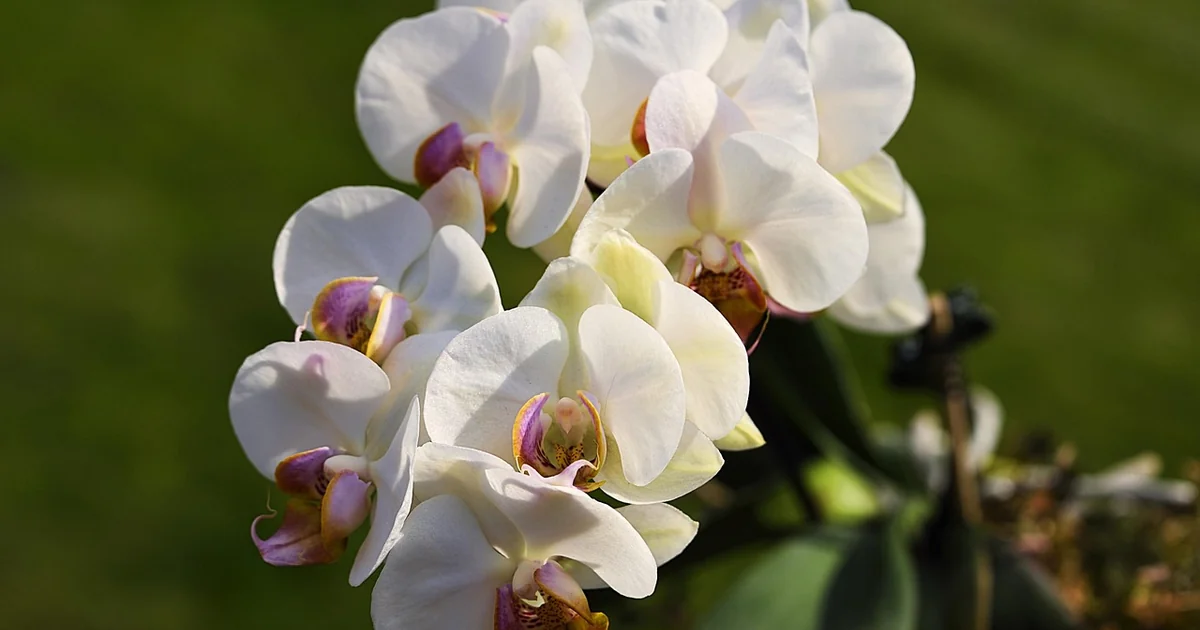
Imagine a small tree that delivers a knockout punch of spring color, requires almost no fertilizer, and shrugs off deer like they are not even there. That is the anacacho orchid tree in a nutshell. Native to a handful of limestone canyons in west-central Texas and northern Mexico, this rare beauty is not something you will find at a big-box garden center. You have to seek it out from specialty nurseries. But the effort pays off. With silvery bark that adds winter texture and fragrant white or pink blossoms that resemble orchids, this plant earns a starring role in any sunny, well-drained landscape.
Why Choose an Anacacho Orchid Tree for Your Yard
Most gardeners are familiar with the usual suspects — crepe myrtle, redbud, desert willow. The anacacho orchid tree offers something different. It stays compact, topping out around 8 to 12 feet tall with a similar spread. That makes it ideal for smaller lots or for anchoring a foundation planting without overwhelming the house.
The spring bloom is the main event. Clusters of orchid-shaped flowers cover the canopy, releasing a light, sweet fragrance that drifts across the garden. Birds visit the blossoms, adding motion and sound. After the flowers drop, the blue-green foliage fills in, creating a soft, rounded silhouette. In winter, the bare branches and silver-gray bark provide subtle structure when most other plants are dormant.
Another advantage is its adaptability. While it thrives in full sun, it tolerates partial shade, though the growth habit becomes more open and airy. It handles heat and drought once established, making it a smart choice for water-conscious landscapes. And because it is deer resistant, you can plant it without worrying about it becoming a snack.
Tip 1: Pick the Perfect Planting Spot
Location matters more for the anacacho orchid tree than for many other ornamentals. This tree evolved in narrow limestone canyons where drainage is sharp and competition is low. Recreate those conditions in your yard, and the tree will reward you with vigorous growth and abundant flowers.
Sunlight Requirements
Full sun is the gold standard. Six to eight hours of direct light each day produces a bushier plant with more flower buds. In partial shade, the tree grows taller and thinner, with fewer blooms. If you live in a hot inland area, a spot that gets morning sun and afternoon shade can prevent leaf scorch, but aim for at least four hours of direct sun.
Wind Protection and Orientation
Young anacacho orchid trees have brittle wood. Strong winds can snap branches or uproot a newly planted specimen. Place the tree on the south or west side of a building, fence, or larger evergreen. That wall absorbs heat during the day and radiates it at night, offering a few degrees of protection during cold snaps. In Zone 8, this microclimate effect can mean the difference between survival and winter kill.
Soil Conditions
Well-drained soil is non-negotiable. The anacacho orchid tree cannot tolerate wet feet. Heavy clay soil holds water around the roots, leading to rot and fungal disease. If your yard has clay, plant the tree on a slight mound or in a raised bed. Amend the hole with coarse sand or gravel to improve drainage. The ideal pH range is 7.5 to 8.5 — slightly alkaline. If your soil is acidic, add a handful of garden lime at planting time.
Tip 2: Plant at the Right Time and Depth
Timing and technique set the stage for a strong root system. Get these two details right, and the rest of the care routine becomes almost effortless.
When to Plant
Early spring is the best window. Aim for March or April, after the last frost date in your area. Planting in spring gives the roots several months to establish before the intense summer heat arrives. Fall planting is risky in Zones 8 and 9 because the tree may not develop enough roots to survive winter cold. If you must plant in fall, do it at least six weeks before the first expected freeze.
How to Dig the Hole
Dig a hole that is twice as wide as the rootball but no deeper. The top of the rootball should sit level with the surrounding soil — or even an inch higher in heavy clay. If you bury the trunk, the bark can rot. Place the rootball in the center and backfill with the original soil you removed. Do not add compost, potting mix, or fertilizer to the hole. The tree needs to adapt to your native soil, not live in a rich pocket that encourages weak, lazy roots.
Watering In
After backfilling, tamp the soil down gently with your hands or a garden trowel. Then water deeply — slowly pour 3 to 5 gallons around the root zone. This settles the soil and eliminates air pockets. Let the water drain, then add another layer of soil if the level has dropped. Space the tree at least 10 feet away from other plants, structures, or walkways to allow for its mature spread.
Tip 3: Water Smart, Not Often
Native to lean, fast-draining soils, the anacacho orchid tree does not need constant moisture. Overwatering is actually more dangerous than underwatering. But during the first year, you need to train the roots to grow deep and wide.
First-Year Watering Schedule
For the first growing season, water once a week if there has been no rain. Use a slow trickle from a hose or a drip emitter placed at the base. Apply enough water to moisten the soil 12 to 18 inches deep. A good rule of thumb is 2 to 3 gallons per week for a newly planted tree. In sandy soil, you may need to water twice a week. In clay, once every 10 days might be enough. Check the soil by sticking your finger 3 inches down — if it feels dry, water.
Mulching for Moisture Conservation
Spread a 2-inch layer of organic mulch — shredded bark, wood chips, or leaf mold — over the root zone. Keep the mulch a few inches away from the trunk to prevent rot. Mulch slows evaporation, keeps soil temperatures stable, and reduces weed competition. It also adds a small amount of organic matter as it breaks down, which improves soil structure over time.
Long-Term Irrigation
After the first year, the anacacho orchid tree becomes drought tolerant. In most climates, rainfall alone is sufficient. During extended dry periods — three weeks or more without rain — give it a deep watering every two to three weeks. Container-grown trees need more frequent watering, sometimes every few days in summer. Check the top inch of soil; if it is dry, water.
Tip 4: Prune for Shape and Health
Pruning is where you transform a wild shrub into a sculpted specimen. The anacacho orchid tree responds well to selective cuts, and you can shape it into a single-trunk tree, a multi-stemmed tree, or a bushy shrub. The choice depends on your space and aesthetic preference.
Deciding on a Form
If you want a traditional tree form, select one strong central leader and remove competing trunks. For a multi-stemmed look, keep three to five of the sturdiest trunks and remove the rest. If you prefer a shrub, let the plant grow naturally and only remove dead or crossing branches. Shrub forms bring the fragrant flowers to eye level, which is a nice bonus for small gardens.
When to Prune
The best time to prune is immediately after the spring bloom, typically in late May or early June. Pruning later in the summer removes next year’s flower buds. Light touch-up pruning can be done in late winter to remove any branches killed by frost. Avoid heavy pruning in fall, as that stimulates new growth that will not harden off before winter.
What to Remove
Start by cutting out dead, diseased, or damaged wood. Then remove suckers — those vigorous shoots that sprout from the base or roots. Suckers steal energy from the main canopy. Next, thin out crowded branches to improve air circulation. Finally, cut back any branches that rub against each other. Make clean cuts just above a bud or a lateral branch. Use sharp, sterilized pruning shears to prevent disease transmission.
Container Pruning
If you grow the anacacho orchid tree in a pot, pruning becomes more important. Container roots are confined, so the canopy needs to stay in proportion. Remove up to one-third of the top growth each year to keep the plant compact and manageable. Also remove any roots that circle the inside of the pot when you repot.
Amazon US Verified
Self-Watering Planters with Drainage Aerators
Elevated reservoir design that prevents soggy roots and ensures steady hydration.
Tip 5: Protect From Cold and Skip the Fertilizer
Two common mistakes — overfeeding and underestimating cold damage — can ruin an otherwise healthy anacacho orchid tree. Avoid them, and your tree will thrive for decades.
You may also enjoy reading: 3 Grilled Baby Artichoke Antipasto Recipes.
Cold Protection Strategies
The anacacho orchid tree is rated for Zones 9 through 11, but with care, it survives in Zone 8. A hard freeze will kill branches back to the ground, but the root system usually survives. In spring, the plant resprouts from the base and regrows vigorously. To minimize damage, plant on the south side of a building where reflected heat offers protection. Wrap the trunk with burlap or frost cloth when temperatures dip below 20°F. In a severe cold snap, cover the entire plant with a sheet or frost blanket, securing it to the ground to trap heat.
Do not panic if your tree looks dead after a freeze. Wait until late spring to assess damage. Scratch the bark with your thumbnail — if you see green underneath, the branch is alive. If the branch is brown and brittle, cut it back to healthy wood. Most anacacho orchid trees recover fully within one growing season.
Why Fertilizer Hurts
In its native habitat, the anacacho orchid tree grows in lean, nutrient-poor soils. It is adapted to those conditions. When you add fertilizer, especially high-nitrogen formulas, the tree responds by pushing soft, fast growth. That new growth is weak and prone to breakage. It also attracts pests like aphids and scale. Fertilized trees often produce fewer flowers because they are putting energy into leaves instead of buds.
The only exception is a container-grown tree that has been in the same pot for several years. After two or three years, the potting mix loses nutrients. In that case, apply a balanced, slow-release fertilizer with an N-P-K ratio like 10-10-10 at half the recommended rate in early spring. For in-ground trees, no fertilizer is needed — ever.
Signs of Nutrient Deficiency
If leaves turn pale yellow between the veins, the tree may be iron deficient, especially in alkaline soils. This is called chlorosis. Instead of fertilizer, apply a chelated iron supplement to the soil or as a foliar spray. The tree will green up within a few weeks. Do not confuse chlorosis with normal leaf drop in fall or stress from overwatering.
Companion Plants for a Water-Wise Garden
The anacacho orchid tree pairs beautifully with other low-water perennials. Because it blooms in early to mid-spring, choose companions that flower in summer to extend the color show. Yarrow, blanket flower, black-eyed Susan, and penstemon all start blooming after the orchid tree’s flowers fade. Deadhead these perennials regularly, and they will keep producing blooms through July and August.
For a cohesive look, repeat the same companion plants in groups of three or five around the base of the tree. This creates a natural drift effect rather than a spotty arrangement. The silver-gray bark of the tree contrasts nicely with the bright yellows, oranges, and purples of these perennials.
Growing in Containers
If you do not have in-ground space, the anacacho orchid tree grows well in a large container. Choose a pot at least 18 inches in diameter with large drainage holes. Use a well-draining potting mix formulated for cacti or succulents, or mix standard potting soil with perlite or coarse sand in a 2-to-1 ratio. Place the container in a sunny spot sheltered from wind.
Amazon US Verified
Organic Perlite Horticultural Soil Conditioner
Lightweight volcanic mineral that improves root aeration and prevents compaction.
Container plants need more frequent watering than in-ground plants — sometimes every other day in hot weather. Check the soil moisture daily. In winter, move the pot to a protected location like an unheated garage or against a south-facing wall. Wrap the pot with bubble wrap or burlap to insulate the roots from freezing temperatures. Repot every two to three years in early spring, trimming any circling roots before placing the tree in fresh soil.
Frequently Asked Questions
How fast does an anacacho orchid tree grow?
Under ideal conditions, it grows about 12 to 18 inches per year. It is not a fast-growing tree, but it establishes steadily. Proper watering and full sun encourage the fastest growth.
Can you grow anacacho orchid tree from seed?
Yes, propagation by seed is common. Soak the seeds in warm water for 24 hours before planting to soften the hard seed coat. Sow them in a well-draining seed-starting mix and keep them warm and moist. Germination takes two to four weeks.
Is the anacacho orchid tree poisonous to pets?
There is no documented evidence of toxicity in dogs or cats. However, it is always wise to prevent pets from chewing on any ornamental plant. If your pet ingests a large amount of leaves or bark, contact your veterinarian.
Why are the leaves on my anacacho orchid tree turning yellow?
Yellow leaves often indicate overwatering or poor drainage. Check the soil moisture. If the soil is soggy, reduce watering and improve drainage. Yellowing between the veins can also signal iron chlorosis from highly alkaline soil. Apply a chelated iron supplement to correct it.
Amazon US Verified
Digital 3-in-1 Soil Moisture & pH Meter
Accurate probe to test deep root zone moisture and prevent accidental overwatering.
Does the anacacho orchid tree lose its leaves in winter?
Yes, it is deciduous. The leaves drop in late fall after the first frost. The silver-gray bark provides winter interest until new leaves emerge in spring. In mild climates, it may hold some leaves through winter.
The anacacho orchid tree is not a plant you see in every front yard. That rarity is part of its appeal. With the right planting spot, a disciplined watering schedule, thoughtful pruning, and a hands-off approach to fertilizer, this small tree will reward you with years of spring fragrance, winter texture, and effortless beauty. Seek one out from a specialty nursery this spring, and give it a home in your landscape.
As an Amazon Associate, azuloz.com earns from qualifying purchases.