Imagine a tree with branches that twist into fascinating shapes, bark that peels away in soft, shaggy strips, and a gentle, weeping form that adds character to any landscape. The Australian tea tree, known botanically as Leptospermum laevigatum, offers this unique charm along with a surprisingly tough nature. It thrives in dry, sandy, and coastal conditions where many other plants struggle to survive. If you are interested in growing australian tea tree successfully in your yard, understanding its specific preferences is key. These five practical tips will guide you from planting to maturity, ensuring your tree becomes a stunning focal point for years to come.
Tip 1: Select the Perfect Spot for Your Australian Tea Tree
Location plays a massive role in the long-term health of this evergreen. The Australian tea tree craves sunlight. It performs best when planted in a spot that receives full sun for most of the day. While it can tolerate partial shade, deep shade will prevent it from thriving and reduce its spring flower display significantly.
Soil quality is just as important. In its native habitat along the dry coasts of eastern Australia, this tree grows in loose, fast-draining sandy soils. It prefers an acidic to neutral pH, ideally between 4.5 and 6.0. Heavy clay soils are a common problem for this species. They hold too much moisture around the roots, which can quickly lead to root rot. If your garden has dense clay, consider amending the planting area with plenty of organic matter or building a raised bed to improve drainage.
Amazon US Verified
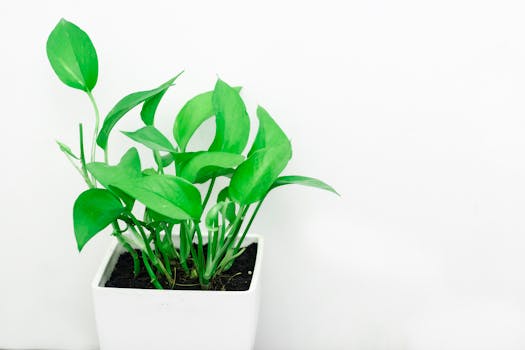
Organic Perlite Horticultural Soil Conditioner
Lightweight volcanic mineral that improves root aeration and prevents compaction.
Climate is the final factor to consider. The Australian tea tree is hardy in USDA zones 9 and 10. This means it cannot survive temperatures dropping below 20 to 30 degrees Fahrenheit. It is especially sensitive to cold, drying winter winds. Planting it in a sheltered location, such as near a south-facing wall or among other wind-tolerant shrubs, can help it survive in marginal climates.
Tip 2: Master the Planting Process for Long-Term Growth
Getting your tree into the ground properly sets the stage for decades of healthy development. The best times to plant are during the mild seasons of fall or spring. These windows allow the roots to establish before the stress of summer heat or winter cold arrives.
When you are ready to plant, dig a hole that is as deep as the root ball but twice as wide. This gives the roots plenty of loose soil to spread into. Place the tree in the center of the hole. Backfill with the original soil you removed, tamping it down gently to remove large air pockets. Water the tree deeply right after planting to settle the soil around the roots.
Spacing depends entirely on your landscaping goals. If you want to create a dense, living privacy screen, plant smaller varieties about 3 to 6 feet apart. For a specimen tree that you want to stand alone and show off its weeping branches, give it plenty of room. A spacing of 15 to 20 feet from other plants or structures allows its unique form to shine.
Tip 3: Water and Feed Your Tree the Right Way
One of the most common mistakes with growing australian tea tree is getting the watering routine wrong. During its first summer in the ground, a newly planted tree needs consistent moisture. Provide about 1 inch of water per week. Continue giving it supplemental water during dry spells for the entire first year to help the root system establish deeply.
Amazon US Verified
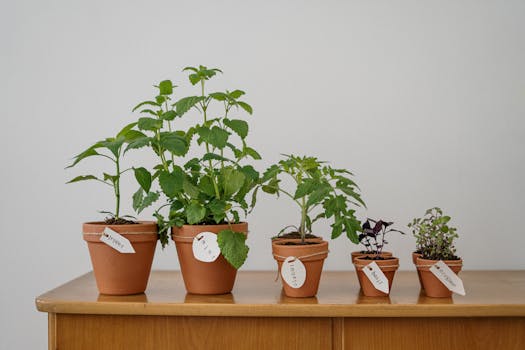
Digital 3-in-1 Soil Moisture & pH Meter
Accurate probe to test deep root zone moisture and prevent accidental overwatering.
Here is where this plant shows its resilient side. Once it is established, the Australian tea tree is remarkably drought tolerant. Its deep roots allow it to survive on natural rainfall alone. In fact, overwatering an established tree can cause more harm than good. An occasional deep watering during a prolonged summer dry spell is beneficial, but it is not strictly necessary for survival.
Fertilizer needs are minimal for this low-maintenance plant. If your soil is reasonably fertile, you can skip annual feeding entirely. A simple top-dressing of compost in the spring provides gentle nutrition. You can also apply a balanced slow-release fertilizer every two to three years. Avoid high-nitrogen fertilizers, as they promote weak, leafy growth at the expense of flowers and overall structure.
Tip 4: Prune and Maintain to Control Shape and Spread
Pruning serves two important purposes for the Australian tea tree: enhancing its beauty and managing its environmental impact. The best time to prune is right after the spring bloom finishes. This timing allows you to enjoy the flowers while preparing the tree for the growing season.
To highlight the tree’s artistic, contorted branches, prune away the lower limbs. This creates a lovely small canopy that showcases the shaggy, peeling bark on the trunk. You can also cut vigorous upright branches for use in flower arrangements. Removing these upright shoots encourages the tree to maintain its weeping, shrub-like form.
You may also enjoy reading: 7 Ways to Get Rid of Crabgrass Before It Overtakes Your Yard.
The second purpose of pruning is controlling its spread. The Australian tea tree produces prolific amounts of seeds. In some warm climates, particularly coastal California, it has escaped cultivation and is listed on the California Invasive Plant Council’s watchlist. To prevent unwanted seedlings from taking over your garden or escaping into natural areas, remove spent flowers before they form seeds. For larger trees, rake up the woody seed capsules promptly after they fall.
Tip 5: Propagate or Pot Your Australian Tea Tree
If you want to create more trees for your landscape or share them with friends, you have two reliable options. Growing from seed is simple and rewarding. However, keep in mind that only seedlings of the species will grow into trees identical to the parent. If you have a specific cultivar with unique characteristics, you must take semi-hardwood cuttings in early summer to guarantee an exact clone.
Amazon US Verified
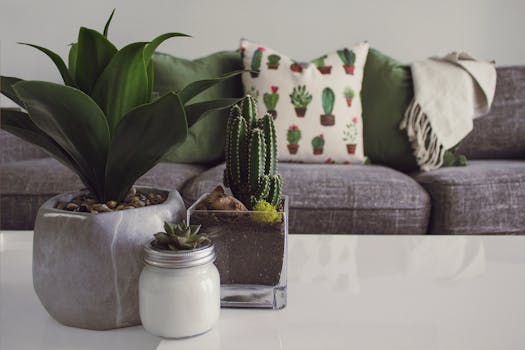
Self-Watering Planters with Drainage Aerators
Elevated reservoir design that prevents soggy roots and ensures steady hydration.
For gardeners with limited space, growing australian tea tree in a container is entirely possible. Choose a dwarf variety that naturally stays smaller. Select a pot with large drainage holes and use a well-draining, acidic potting mix. Potted trees dry out much faster than in-ground trees, so they will need more frequent watering. When you see roots circling the bottom of the pot or coming out of the drainage holes, it is time to repot into a larger container to give the roots fresh space to grow.
Frequently Asked Questions About Growing Australian Tea Trees
Is the Australian tea tree invasive?
Yes, it has shown invasive tendencies in certain warm climates, particularly in coastal California. The California Invasive Plant Council lists it on their watchlist. Gardeners in these regions should take care to remove spent flowers and rake up seeds to prevent unwanted spread into natural areas.
Can I grow an Australian tea tree in a pot?
Absolutely. Dwarf varieties are particularly well-suited for container life. Ensure the pot has excellent drainage and use a loose, acidic potting mix. Container plants require more frequent watering than those planted in the ground, especially during hot summer months.
Why is my Australian tea tree not flowering?
The most common reason is insufficient sunlight. This tree needs at least 6 hours of direct sun daily to produce its signature white, roselike blooms. Over-fertilizing with nitrogen can also promote leaf growth at the expense of flowers. Pruning at the wrong time of year can remove flower buds as well.
How fast does an Australian tea tree grow?
Under ideal conditions, it is considered a moderate grower. It can add 1 to 2 feet per year, eventually reaching its mature height of 4 to 25 feet, depending on the variety and growing conditions. It grows as wide as it does tall.
Is the Australian tea tree deer resistant?
Yes, it is generally considered deer resistant. This makes it an excellent choice for landscapes where deer browsing is a common problem. Its foliage is not a preferred food source for deer, allowing it to remain intact while other plants may be damaged.
As an Amazon Associate, azuloz.com earns from qualifying purchases.