Watching the first signs of life emerge from the soil is one of the most rewarding aspects of gardening, yet the transition from winter dormancy to spring vitality can be a precarious time for many fruit-bearing plants. If you are lucky enough to have a fig tree in your landscape, you are essentially the steward of a long-term investment. These resilient plants have the potential to thrive for more than five decades, providing shade and succulent fruit for generations of your family. However, the secret to reaching that half-century milestone lies in the specific actions you take during the early spring. A little care now will make all the difference this summer, ensuring your harvest is bountiful rather than stunted or sickly.
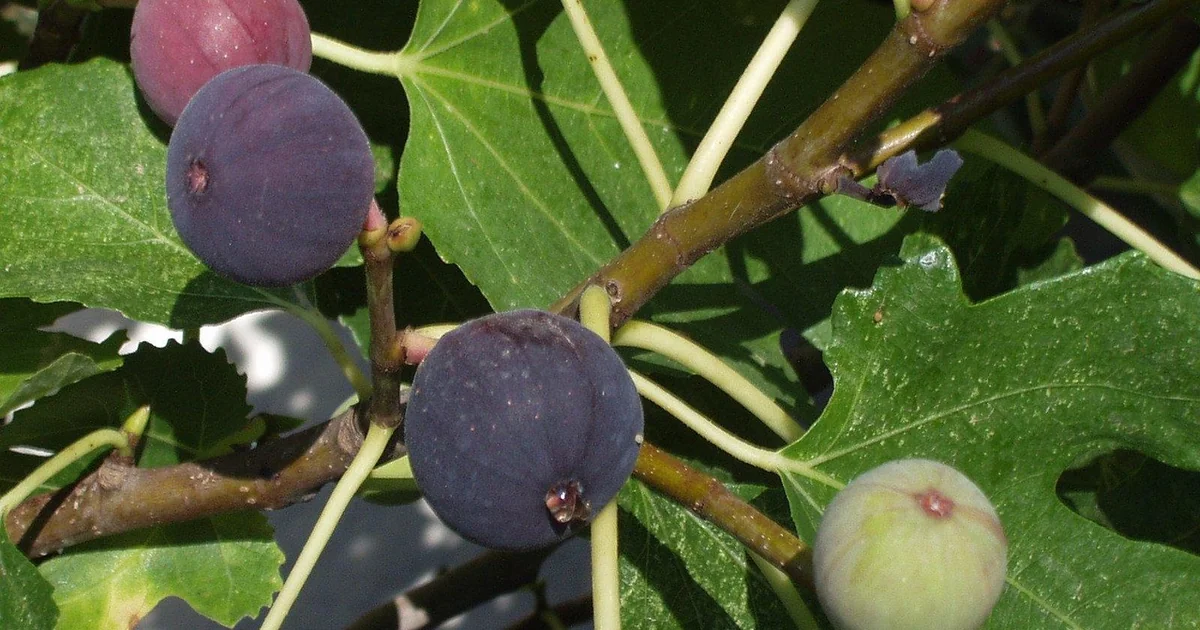
April serves as a critical junction in the seasonal cycle. It is the bridge between the quiet rest of winter and the frantic energy of the growing season. For many gardeners, this month can feel a bit ambiguous. Is the ground too wet? Is it still too cold to feed the roots? Is the tree truly awake, or is it just pretending? Navigating these questions is a fundamental part of effective fig tree care. By focusing on three specific pillars of maintenance this month—structural pruning, strategic fertilization, and proactive damage management—you set the stage for a summer defined by lush green leaves and heavy, sweet fruit.
The Last Opportunity for Dormant Pruning
If your fig tree is still dormant in April, which is a common occurrence in cooler northern climates or high-altitude regions, now is the absolute best time to pick up your shears. There is a delicate biological window that opens during this period, and missing it can lead to unnecessary stress for the plant. Pruning while the tree is still in its slumber allows the plant to enter its active growth phase with a clear, organized structure already in place.
Many gardeners wonder, what happens if I wait too long to prune my fig tree? The answer involves a bit of botanical chemistry. When a fig tree begins its spring surge, it starts moving sap upward through its vascular system to fuel new buds. If you prune after this sap has started flowing heavily, you create open wounds that are much harder for the tree to seal. These “bleeding” wounds act like magnets for opportunistic pests and fungal pathogens. By pruning now, while the tree is still dormant, the plant can heal those cuts quickly and efficiently as soon as the temperature rises, ensuring that none of its precious energy is diverted toward fighting infections rather than producing fruit.
Establishing a Strong Scaffolding
One of the primary goals of spring pruning is to dictate the architecture of the tree. For mature specimens, you aren’t just cutting random sticks; you are designing a skeleton. A healthy, productive fig tree should ideally be pruned to feature 3 to 5 strong main scaffolding branches. These are the primary limbs that will support the weight of the heavy fruit load later in the year. If a tree has too many competing main branches, they often rub against one another, creating wounds that lead to decay. If it has too few, the tree may become unbalanced or struggle to support its own weight.
Think of these scaffolding branches as the highways of the tree. They need to be spaced out to allow for maximum stability. When you are selecting which limbs to keep, look for those that grow in different directions. This outward spread prevents the center of the tree from becoming a tangled, dark thicket. For those growing varieties like the Chicago Hardy in containers, this structural work is even more vital. Container-grown trees can easily become top-heavy as they grow, making them prone to tipping over during a summer thunderstorm. Pruning helps keep the center of gravity low and manageable.
Improving Airflow and Sunlight Penetration
Beyond the main structure, you must address the density of the canopy. A common mistake in fig tree care is allowing the foliage to become so thick that the interior of the tree becomes a dark, stagnant zone. This is a recipe for disaster. There is a direct relationship between airflow, sunlight, and fruit quality. If the sun cannot reach the inner branches, the leaves will struggle to photosynthesize efficiently, and the fruit may not ripen properly.
Thinning the canopy involves removing smaller, spindly branches that are growing toward the center of the tree. You should also look for “suckers”—those vigorous, small shoots that sprout from the base of the trunk or the ground level. While they look healthy, they are essentially energy thieves, stealing nutrients that should be going toward your main branches and fruit production. By thinning out these crowded areas, you allow breezes to pass through the branches, which helps dry out moisture on the leaves and significantly reduces the risk of powdery mildew and other fungal issues.
Strategic Fertilization for an Abundant Harvest
Once the tree has been shaped and the dormant period is officially ending, it is time to focus on nutrition. As the buds begin to swell and the first tiny leaves emerge, the tree’s metabolic rate skyrockets. It is moving from a state of conservation to a state of production. This is when the plant demands a significant boost of nutrients to support the development of a robust root system and the eventual creation of fruit.
However, you cannot simply toss granules at the base of the tree and walk away. Timing and preparation are everything. A common challenge gardeners face is the temptation to fertilize as soon as the sun comes out, often while the soil is still parched from a dry winter. This can lead to “fertilizer burn,” where the concentrated salts in the nutrients dehydrate the delicate feeder roots. To avoid this, always hydrate the roots before you feed them. I recommend watering the base of your tree thoroughly the day before you plan to fertilize. This ensures the soil is moist and the root hairs are turgid and ready to absorb the incoming nutrients efficiently.
The Importance of Organic Nutrients
When selecting a food source, aim for a balanced organic fertilizer. Look for something with a relatively even ratio, such as a 4-4-4 NPK (Nitrogen, Phosphorus, Potassium) blend. Nitrogen is essential for the lush green foliage that will eventually power the tree, while phosphorus supports root development and flower/fruit production, and potassium helps with overall plant health and disease resistance. Working the fertilizer into the top inch of the soil with a hand rake is much more effective than leaving it on the surface, as it places the nutrients exactly where the surface roots can reach them.
After the fertilizer has been integrated, your next step should be mulching. Mulch acts as a thermal blanket for the soil, keeping the roots cool during the blistering heat of July and August and retaining the moisture you worked so hard to provide. However, there is a golden rule in fig tree care: never let the mulch touch the trunk. Applying mulch directly against the bark can trap moisture against the wood, creating a perfect environment for fungal rot and trunk diseases. Instead, create a “donut” shape around the tree, leaving a few inches of clear space around the base of the main stem.
You may also enjoy reading: 11 Essential Tips for Buying, Planting, Growing, and Caring for Trees the Right Way Every….
Managing Spring Damage and Pest Threats
Your fig tree may look a little worse for wear after a long winter, and April is the time to perform a “health audit.” Winter is rarely kind to plants; it can bring heavy snow loads that snap limbs, or late-season ice that shreds delicate new growth. In addition to physical damage, the awakening of the insect world presents a new set of challenges. In addition to the structural and nutritional needs, managing the environmental stressors of spring is a vital component of a successful season.
Firstly, address any physical trauma. If you notice broken limbs or dead, brittle wood from winter storms, prune them out immediately. Dead wood is a gateway for disease. By removing these sections, you prevent decay from traveling down into the healthy heartwood of the tree. This allows the plant to redirect its energy toward healthy, living tissue, ensuring that the upcoming growing season is spent on fruit rather than wound repair.
Identifying and Combating Early Pests
As the temperatures rise, various pests begin to emerge from their winter hiding spots. Catching infestations early is critical to the survival of your tree. Some of the most common culprits include:
- Carpenter Worms: These can tunnel into the wood, causing structural weakness.
- Fig Beetles and Dried Fruit Beetles: These pests target the fruit itself, often ruining a harvest before it even matures.
- Scale Insects: These tiny, often stationary pests suck the sap from branches, weakening the plant over time.
- Fig Tree Borers: These are perhaps the most insidious, as they bore into the stems and trunks, disrupting the flow of nutrients.
The best defense is a proactive offense. Inspect the undersides of leaves and the junctions of branches regularly. If you spot signs of infestation—such as unusual spotting, sticky residue (honeydew), or small holes in the bark—act quickly. Depending on the severity, you might use physical barriers, introduce beneficial insects, or use targeted organic controls. Waiting until you see a massive decline in the tree’s health often means the damage is already deep-seated and difficult to reverse.
Protecting Against Late Frosts
Even as April progresses, the threat of a late frost remains a very real possibility. Because fig trees are native to the Mediterranean, they generally prefer warmth and can be quite sensitive to sudden drops in temperature. A single night of hard frost can kill off the new, tender growth that the tree has worked so hard to produce, potentially setting your fruit production back by an entire year.
If the forecast calls for a freeze, do not leave your trees unprotected. For trees planted in the ground, frost blankets are an excellent solution. These lightweight, breathable fabrics allow light to pass through while trapping a layer of warmth around the plant. For those who grow figs in containers, you have an even greater advantage. You can simply move the pots to a sheltered area or bring them indoors entirely during a cold snap. Using a plant caddy can make this process much easier, allowing you to roll your heavy pots across a patio without straining your back. This flexibility is one of the greatest benefits of container gardening, providing a safety net that permanent landscape plantings simply do not have.
By dedicating time this month to these three essential tasks—pruning for structure, fertilizing for strength, and monitoring for damage—you are doing much more than just maintaining a plant. You are actively participating in the life cycle of your garden. The effort you put into your fig tree care during these transitional weeks in April will pay massive dividends when the summer sun arrives, resulting in a lush, healthy tree and a harvest of sun-ripened figs that make all the hard work worthwhile.