Why Most Backyard Blueberry Patches Fail (And How Yours Won’t)
You have probably tasted a store-bought blueberry and wondered why it lacked that intense, sweet-tart burst you remember from a farm stand. The difference often comes down to freshness and variety, but also to how the plant was treated long before the fruit appeared. Many home gardeners assume blueberries are finicky divas that demand constant fussing. In reality, they simply require a few non-negotiable conditions that most people overlook. Once you understand those conditions, growing blueberries becomes remarkably straightforward. The seven secrets below will take you from a struggling patch to a reliable harvest year after year.
The First Secret: Select the Right Blueberry Type for Your Region
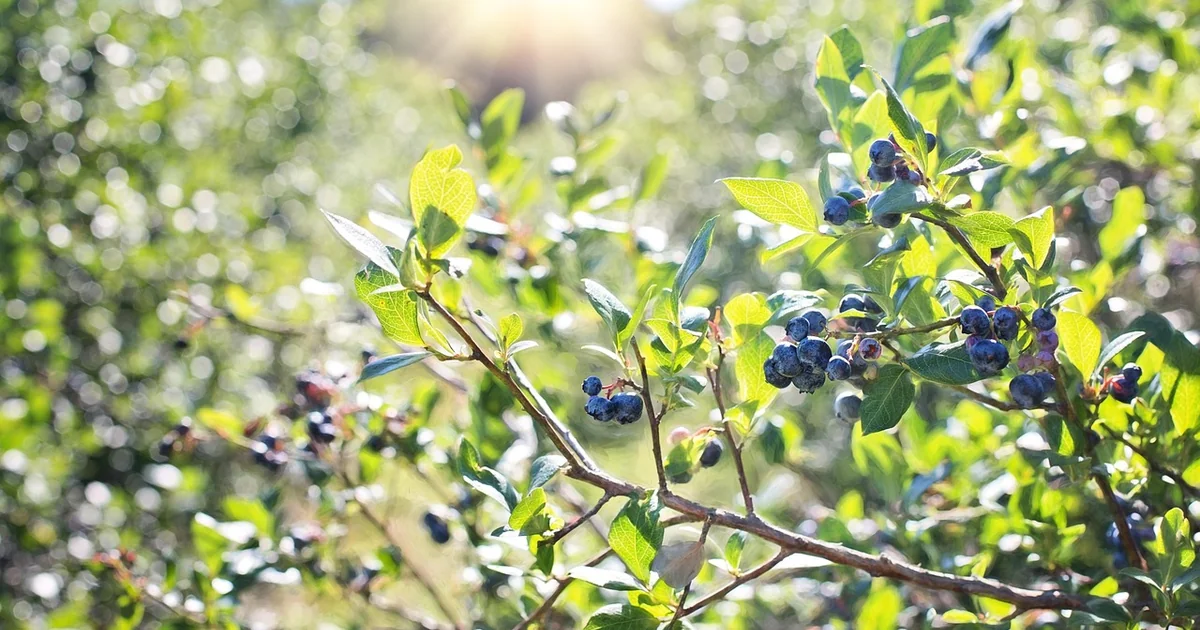
Not all blueberry bushes behave the same way. The traditional highbush blueberry (Vaccinium corymbosum) thrives in USDA zones 4 through 7, where winters are cold and summers are humid. It grows roughly six feet tall and produces the largest yields of any type. Southern highbush hybrids, on the other hand, were bred for warmer climates and cannot tolerate deep freezes. If you live in zones 8 or 9, look for rabbiteye varieties, which handle heat and drought far better than their northern cousins.
Lowbush blueberries, often called wild blueberries, spread by underground runners and stay under two feet tall. They work well as a ground cover in colder zones but produce smaller fruits. Half-high varieties, a cross between highbush and lowbush, are compact enough for containers and tolerate harsh winters. Matching your chosen type to your hardiness zone is the single most important decision you will make. A bush that fights its climate every season will never reward you with abundant fruit.
Specific Cultivars Worth Knowing
Among cold-winter highbush options, ‘Bluecrop’ and ‘Blueray’ are reliable producers with large berries. ‘Herbert’ and ‘Jersey’ also perform well in northern gardens. If you want something unusual, ‘Pink Lemonade’ produces pink berries with a milder flavor. For southern gardeners, ‘Premier’ and ‘Tifblue’ are rabbiteye standouts. Take time to research what grows best in your specific area before ordering plants. Local extension offices often publish variety recommendations tailored to your county.
The Second Secret: Fix Your Soil pH a Full Season Before Planting
Here is the mistake that trips up more beginners than any other: they plant first and adjust pH later. Blueberries demand acidic soil with a pH between 4.0 and 5.2. If your garden sits at a neutral pH of 7.0, the bushes will struggle to absorb iron, and their leaves will turn yellow. The plant slowly starves even though nutrients are present in the ground. Fixing pH after the bush is in the ground is much harder than preparing the bed ahead of time.
Test your soil at least six months before you plan to plant. If the pH is too high, work in elemental sulfur or aluminum sulfate according to the test results. Peat moss is another effective amendment because it lowers pH while improving drainage. Aim to incorporate several inches of peat into the top foot of soil. Sandy, well-drained ground is ideal, but if you have heavy clay, build raised beds instead. Raised beds let you control the entire soil mixture, which makes growing blueberries in challenging soil much more manageable.
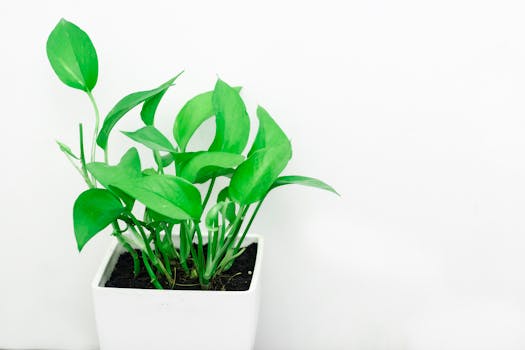
Amazon US Verified
Organic Perlite Horticultural Soil Conditioner
Lightweight volcanic mineral that improves root aeration and prevents compaction.
How to Spot pH Trouble After Planting
Yellowing leaves with green veins, a condition called interveinal chlorosis, is the classic sign that your soil pH is too high. The plant cannot access iron even though iron is present. If you see this happening, test the soil immediately. Adjusting pH mid-season is possible with sulfur or acidifying fertilizers, but the correction takes weeks to show results. Prevention is far simpler than cure.
The Third Secret: Plant Young, Bare-Root Bushes in Early Spring
Older plants look more impressive at the nursery, but they suffer more transplant shock. A two- or three-year-old bare-root bush establishes faster and begins producing meaningful harvests sooner than a larger, pot-bound specimen. Bare-root plants also cost less and give you more control over root placement during installation.

Amazon US Verified
Self-Watering Planters with Drainage Aerators
Elevated reservoir design that prevents soggy roots and ensures steady hydration.
In zones 6 and above, you can plant in late fall as well as early spring. Fall planting gives roots time to establish before winter dormancy. In colder zones, stick to early to mid spring, after the ground thaws but before new growth emerges. When you plant, dig a hole wide enough to spread the roots out naturally. Cover the roots with soil, ensuring the crown sits no more than half an inch below the surface. For container-grown plants, match the depth they grew at in the nursery pot. Spacing matters too: place bushes four to five feet apart within a row, and leave nine to ten feet between rows for easy harvesting.
The Fourth Secret: Give Them Full Sun and Shelter from Wind
Blueberries need at least six to eight hours of direct sunlight every day during the growing season. Less light means fewer flowers, smaller fruits, and weaker plants. Choose a spot that faces south or west and receives unobstructed sun from mid-morning through late afternoon. Avoid placing them near tall trees or dense shrubs that cast shade or compete for water and nutrients.
Wind is an underappreciated enemy. Strong gusts dry out the shallow root system, damage blossoms, and reduce fruit set. A sheltered location near a fence, wall, or hedge works well, provided the structure does not block sunlight. If your garden is exposed, consider installing a windbreak or planting a row of sturdy shrubs on the prevailing wind side.
The Fifth Secret: Water Deeply and Consistently, Especially During Fruit Development
Blueberry roots are shallow and fine, making them sensitive to drought. They need about two inches of water per week, and more during hot, dry spells. A single deep watering each week is better than several light sprinklings because it encourages roots to grow downward. Drip irrigation or soaker hoses work beautifully because they deliver water directly to the root zone without wetting the foliage, which reduces disease risk.
Mulch is your best friend here. A three- to four-inch layer of pine needles, sawdust, or evergreen wood chips conserves moisture, suppresses weeds, and slowly acidifies the soil as it decomposes. Replenish the mulch each spring to maintain its depth. Without consistent moisture, the berries will be small, tough, and less flavorful. During the final weeks before harvest, do not let the soil dry out completely, or the fruit may shrivel or drop prematurely.
The Sixth Secret: Withhold Fertilizer for the First Year, Then Feed Strategically
Newly planted blueberry bushes do not need fertilizer. Their roots are still settling in, and forcing growth with nitrogen can stress them. Wait until the second year, then apply a fertilizer formulated for acid-loving plants, such as those made for azaleas or rhododendrons. Time the first application for when the flower buds begin to open in spring. Apply a second round when the berries start to form.
Organic options include fish emulsion, compost, and manure tea. These release nutrients slowly and improve soil biology. Avoid high-nitrogen lawn fertilizers, which can burn the roots and throw off the pH balance. Weeds compete for the same nutrients, so keep the bed weed-free throughout the season. A clean mulch layer does most of the weed control work for you.
You may also enjoy reading: Pour Concrete Steps: 7 Key Techniques for Your Porch.
The Seventh Secret: Plant at Least Two Compatible Varieties for Cross-Pollination
Blueberry bushes can self-pollinate, but the results are mediocre. When you plant two or more varieties that bloom at the same time, bees move pollen between them, and the fruits are larger, more abundant, and quicker to ripen. Two bushes are good. Three are better. The difference in yield between a single isolated bush and a properly pollinated group can be as much as 50 percent.
Choose varieties with overlapping bloom periods. A highbush type like ‘Bluecrop’ pairs well with ‘Blueray’ because both flower in mid-season. If you have space, add a third variety like ‘Berkeley’ to extend the pollination window and the harvest season. Even a small garden can accommodate two bushes in containers placed near each other. The bees will find them.
Harvesting: Knowing When to Pick and How to Store
Blueberries do not continue to ripen after they are picked, so timing matters. Wait until the berries are fully blue, not just on the outside but all the way through. A ripe blueberry will come off the cluster with almost no resistance. If you have to tug, it is not ready. Taste one every few days during the ripening period to catch the peak of sweetness.
Harvest in the morning when the berries are cool and firm. Place them in a shallow container to avoid crushing the ones at the bottom. Refrigerate immediately and do not wash them until you are ready to eat them, because moisture accelerates spoilage. Properly stored, fresh blueberries last about a week in the refrigerator. For longer storage, freeze them in a single layer on a baking sheet, then transfer to freezer bags. Frozen blueberries retain most of their nutritional value for up to a year.
Birds love blueberries as much as people do. If you notice pecked fruit, cover your bushes with bird netting a week or two before the berries begin to color. Drape the netting loosely and secure it at the base so birds cannot sneak in from underneath.
Frequently Asked Questions About Growing Blueberries
What is the best soil pH for growing blueberries?
The ideal pH range for growing blueberries is 4.0 to 5.2. Soil that falls outside this range prevents the plant from absorbing iron and other essential nutrients, leading to yellow leaves and poor growth. Test your soil well before planting and amend it with sulfur or peat moss if needed.
How much sun do blueberry bushes need?
Blueberry bushes require at least six to eight hours of direct sunlight each day. Less sunlight reduces flowering and fruit production. Choose a location that is sunny and sheltered from strong winds for the best results.
When is the best time to plant blueberry bushes?
Early to mid spring is the standard planting window for most regions. Gardeners in USDA zones 6 and above can also plant in late fall. Bare-root two- to three-year-old plants establish most quickly and suffer less transplant shock than older specimens.
How often should I water blueberry plants?
Blueberries need deep watering at least once per week, totaling about two inches of water. During hot or dry periods, increase frequency. Consistent moisture is especially critical while the fruit is developing. Drip irrigation helps maintain even soil moisture.
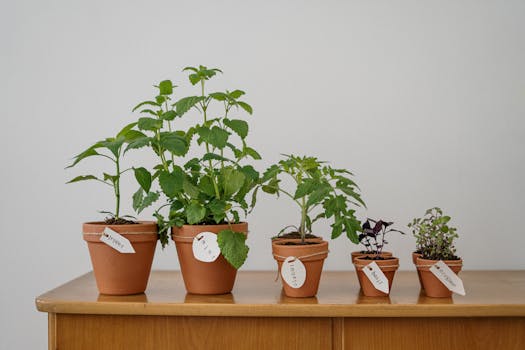
Amazon US Verified
Digital 3-in-1 Soil Moisture & pH Meter
Accurate probe to test deep root zone moisture and prevent accidental overwatering.
Do I need to plant more than one blueberry bush?
Yes, for the best harvest. Although blueberries are self-pollinating, planting two or more compatible varieties that bloom at the same time increases fruit size, yield, and ripening speed. Two bushes are good, but three are even better.
As an Amazon Associate, azuloz.com earns from qualifying purchases.