Curtains quietly serve your home day after day. They block harsh sunlight, keep prying eyes out, and add a layer of insulation to your windows. But unlike your sheets or your bath towels, curtains rarely get the cleaning attention they deserve. They hang there, collecting dust, pollen, pet dander, and airborne grease without making a fuss. If you have been asking yourself how often to wash your curtains, you are not alone. Most people forget about them entirely. The problem is that dirty curtains do more than just look tired. They can affect your indoor air quality, trigger allergies, and even develop unpleasant odors. Here are five signs that your curtains are overdue for a wash.
Sign 1: A Musty Smell That Lingers Near the Windows
Walk up to your window and take a slow, deep breath near the fabric. If you catch a faint musty or stale odor, your curtains are telling you something. Curtains act like sponges for airborne particles. They absorb cooking grease, cigarette smoke, pet odors, and moisture from the air. Over time, these particles break down and create a sour smell that stays trapped in the fibers.
Kitchen curtains are especially prone to this problem. According to cleaning professionals, curtains in a cooking area can absorb up to 30 percent more airborne grease than those in a bedroom or living room. That grease does not just sit on the surface. It seeps into the fabric and oxidizes, producing a rancid odor that intensifies with heat and humidity. If your kitchen curtains smell like last week’s fried dinner even after airing out the room, they need a wash immediately.
Bathroom curtains face a similar issue. Steam from hot showers creates a damp environment where mildew can grow. Even if you run the exhaust fan, microscopic mold spores settle into the fabric and multiply. That earthy, basement-like smell near your bathroom window is a clear red flag. A good wash every two to three months prevents this odor from taking hold.
Amazon US Verified
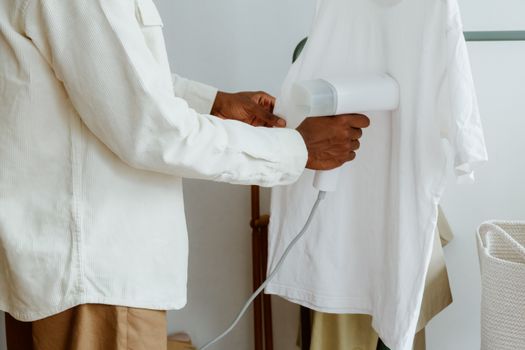
Hilife Handheld Garment Steamer
High-output portable clothes steamer that relaxes wrinkles and sanitizes delicate fibers.
Sign 2: Allergy Symptoms That Peak Inside Your Home
Do you sneeze more when you are indoors than when you step outside? Do your eyes get itchy or your nose starts running after you sit near a window for a while? Your curtains could be the culprit. Fabric surfaces trap allergens like dust mites, pollen, and pet dander. When you open or close the curtains, you disturb these particles and send them floating into the air you breathe.
Dust mites are particularly problematic. A single gram of household dust can contain up to 19,000 dust mites. These microscopic creatures feed on dead skin cells and thrive in warm, humid environments. Curtains provide the perfect habitat. They hang near windows where condensation forms, and they rarely get washed. Over six months, a set of unwashed curtains can hold enough allergen material to trigger symptoms in sensitive individuals.
If you notice that your allergy symptoms improve when you travel or spend time outdoors, take a close look at your curtains. Vacuuming them every two weeks helps reduce surface dust, but it does not remove the embedded allergens. Only a proper wash can flush out the microscopic debris that accumulates deep within the weave. Washing your curtains every three to six months can reduce indoor allergen levels by as much as 40 percent, according to some estimates from indoor air quality studies.
Sign 3: Visible Dust or Grayish Patches on the Fabric
You do not need a magnifying glass to spot this sign. Hold your curtains up to the light or run your hand across the surface. If you see a fine gray film or if your hand comes away dusty, the fabric is overloaded. Curtains in an average home can accumulate up to 1.5 pounds of dust per year. That is roughly the weight of a small bag of sugar hanging from your curtain rod.
Dust does not just make curtains look dingy. It also accelerates fabric wear. Dust particles are abrasive. When they rub against the fibers during normal movement from breezes or opening and closing, they act like fine sandpaper. Over time, this abrasion causes fading, thinning, and fraying. Your curtains may start to look old and tired long before they actually wear out.
Sheer curtains show dust the fastest. Their open weave allows light to pass through, which makes every speck visible. If your white or light-colored sheers have taken on a grayish tint that does not come out with a simple shake, they are overdue for a wash. Even dark-colored curtains show dust if you look closely. Run a clean, damp white cloth over the surface. If the cloth picks up gray residue, your curtains are dirtier than they appear.
Sign 4: The Room Air Feels Heavy or Stale
Have you ever walked into a room and felt like the air was thick or stuffy, even after dusting the furniture? The curtains might be the reason. When fabric becomes saturated with dust and pollutants, it loses its ability to filter the air effectively. Instead of trapping particles, dirty curtains release them back into the room whenever the air moves.
Indoor air quality studies show that the air inside a home can be two to five times more polluted than outdoor air. Curtains are one of the largest fabric surfaces in a typical room. A living room with floor-to-ceiling drapes can have more than 50 square feet of fabric per window. Multiply that by several windows, and you have hundreds of square feet of dust-collecting material.
Stale air often comes hand in hand with reduced airflow. Dirty curtains block ventilation near windows because the fabric becomes stiff and heavy with grime. Clean curtains, by contrast, hang loosely and allow air to circulate more freely. If your room feels stuffy no matter how often you open the windows, try washing the curtains. The difference in air freshness can be surprisingly noticeable within hours of rehanging clean fabric.
Sign 5: You Cannot Remember the Last Time You Washed Them
This sign is the simplest and most telling. If you have to pause, think, and still come up blank, your curtains have gone too long without a wash. Surveys suggest that the average homeowner washes their curtains only once every two to three years, if at all. Many people simply forget that curtains need cleaning because they do not come into direct contact with skin the way sheets or towels do.
Memory serves as a useful benchmark here. Think about major life events. Did you wash the curtains before that holiday party two years ago? Have they been cleaned since you painted the living room or replaced the flooring? If the answer is no, you are well past the recommended three-to-six-month window. Mark your calendar today and set a recurring reminder. A simple note every three months can save your curtains from permanent damage and keep your indoor air healthier.
Professional cleaners recommend washing curtains at least twice a year for most homes. Households with pets, smokers, or heavy cooking should wash every three months. Guest rooms that see little use can stretch to once a year. But if you cannot remember the last wash, start fresh now. Your nose, your sinuses, and your fabric will thank you.
How Often to Wash Curtains Based on Your Household
The ideal frequency depends on your specific living situation. A quiet home with no pets and no smokers can comfortably wash curtains every six months. That timeline keeps dust and odors under control without overworking the fabric. But most households fall somewhere in between, and certain factors push the schedule closer to three months.
Pets are one of the biggest variables. Dogs and cats shed dander and fur that cling to curtain fabric. They also bring outdoor pollen and dirt inside on their coats. If your cat loves to sit on the windowsill and rub against the drapes, wash those curtains every three months. The same goes for homes with multiple pets or pets that spend time outdoors.
Smoking indoors dramatically increases how often to wash curtains. Tobacco smoke contains thousands of chemical compounds that stick to fabric. These compounds create a yellowish residue and a persistent smell that regular airing cannot remove. If anyone smokes inside your home, wash curtains every two to three months. The same applies to homes that use wood-burning fireplaces or candles frequently, as soot and wax particles settle into the fabric.
Busy street locations also demand more frequent washing. Curtains near front windows facing a road collect traffic exhaust, road dust, and industrial pollutants. If you live on a main road or near a construction site, check your curtains monthly. A visible gray film after just a few weeks means you should wash every two to three months rather than six.
You may also enjoy reading: 7 Outdoor Recliners That Instantly Elevate Your Yard.
Fabric Type Determines How Often to Wash and How
Not all curtains tolerate the same cleaning schedule. Delicate fabrics like silk, velvet, and wool blends need gentler handling and less frequent washing. Washing them too often can damage the fibers or cause shrinkage. For these materials, dry cleaning is the safest route. Plan to dry clean silk or velvet curtains once a year unless they show visible stains or odors.
Cotton, linen, and polyester curtains handle machine washing well. Cotton is durable but shrinks in hot water, so always wash in cold water on a gentle cycle. Polyester is the most forgiving fabric. It resists shrinking and holds up to warm water. You can wash polyester curtains as often as every two months if needed without worrying about damage. Linen is strong but wrinkles easily. Wash linen curtains in cool water and hang them damp to reduce creasing.
Sheer curtains require extra care. Their delicate weave can snag or tear in a standard machine cycle. Place sheer curtains in a mesh laundry bag before washing. Use cool water and a gentle cycle with minimal spin. Never wring them out. Instead, let them drip dry or lay them flat on a clean towel. Hanging wet sheer curtains on iron or steel rods can cause rust stains, so use a plastic or coated rod for drying.
Blackout and thermal curtains have special coatings that block light and insulate against heat. These coatings can peel, crack, or dissolve in water. Check the care label carefully. Most blackout curtains are better off with spot cleaning or professional dry cleaning. Washing them at home can ruin their light-blocking properties permanently.
Practical Washing Tips to Keep Curtains Looking Fresh
Before you toss your curtains into the machine, take a few preparatory steps. First, vacuum the curtains thoroughly using a brush attachment. This removes loose dust and prevents it from turning into mud during the wash cycle. Vacuum both sides, paying extra attention to the hem where dust tends to collect.
Test for color bleeding before washing colored curtains. Dampen a small, inconspicuous corner with cold water and press a white cloth against it. If any color transfers to the cloth, wash the curtains separately or take them to a dry cleaner. Nobody wants accidental tie-dye curtains after a single wash cycle.
Skip fabric softener entirely. Fabric softener leaves a waxy residue on the fibers that traps dirt and makes curtains soil faster. It also reduces the fabric’s ability to filter air effectively. Instead, add half a cup of white vinegar to the rinse cycle. Vinegar acts as a natural fabric softener, removes odors, and helps dissolve any remaining detergent residue.
Rehang curtains while they are still slightly damp. This allows gravity to pull out wrinkles naturally as the fabric dries. You will not need to iron most cotton or polyester curtains if you hang them damp. For linen or heavy cotton, smooth out folds with your hands while the fabric is wet. The wrinkles will fall out within a few hours as the fabric dries.
Frequently Asked Questions About Curtain Care
How often should you wash curtains in the living room?
Living room curtains typically need washing every three to six months. If your living room has heavy foot traffic, pets, or is near a kitchen, lean toward the three-month mark. A quieter living room with minimal exposure to cooking odors or outdoor pollutants can stretch to six months.
Can you machine wash all types of curtains?
No, not all curtains can go in the washing machine. Cotton, linen, polyester, and most sheer fabrics are machine washable on gentle cycles. Silk, velvet, wool blends, heavily lined curtains, and blackout curtains usually require dry cleaning. Always check the care label before washing. When in doubt, dry clean to avoid damage.
What happens if you never wash your curtains?
Unwashed curtains accumulate dust, allergens, and odors over time. The dust load can reach over a pound per year in an average home. This buildup worsens indoor air quality, triggers allergy symptoms, and causes the fabric to discolor and degrade. In extreme cases, heavy dust buildup can even become a fire hazard near heat sources or direct sunlight.
How do you wash curtains without shrinking them?
Use cold water and a gentle cycle to minimize shrinkage. Avoid high heat in the dryer. Tumble dry on low or no heat, or better yet, hang the curtains to dry. Cotton and linen are the most prone to shrinking. Polyester and sheer fabrics rarely shrink if washed in cool water. Rehanging curtains while damp also prevents shrinkage from over-drying.

Amazon US Verified
Handmade Wool Dryer Balls (6-Pack)
100% New Zealand wool balls that naturally soften fabrics and reduce drying time.
Do curtains really get that dirty?
Yes, curtains get surprisingly dirty. They sit near drafty windows where outdoor pollutants enter. They graze the floor and pick up dust from foot traffic. They absorb cooking grease, smoke, and pet dander. In a typical home, curtains can accumulate enough dust and grime to visibly darken the fabric within six months. Regular washing keeps them looking fresh and functioning properly.
As an Amazon Associate, azuloz.com earns from qualifying purchases.