Direct vs. Indirect Light: What Do Tomatoes Need?
Growing robust tomato plants and harvesting a bountiful crop begins with a fundamental understanding of their light requirements. From the sunny rows of established vegetable gardens to small balcony containers, ensuring your tomato plants receive the appropriate amount of sunlight is paramount. This article delves into the crucial role of sunlight in tomato cultivation, exploring the benefits of direct versus indirect light and providing expert advice to help you cultivate a thriving tomato patch. We’ll cover everything from the science behind sunlight and its impact on flavor to practical tips for maximizing light exposure, whether you have a sprawling yard or limited space. For those seeking a rich harvest, understanding how to properly provide the right amount of grow tomatoes sunlight is the first step.
The Importance of Sunlight for Tomato Growth
According to gardening expert Kathi Rogers, tomatoes need six to eight hours of full, direct sunlight daily. Sunlight is essential for photosynthesis, the process by which tomato plants convert sunlight into energy to grow and produce fruit. Rogers explains, “The plants use the sun’s energy to grow deep roots, strong stems, leaves, and flowers and fruit.” Gardening pro Lindsay Springer agrees, stating that eight hours of direct sunlight “will yield excellent plant growth, flowering, and fruit.” This isn’t just about survival; adequate sunlight directly influences the quality and quantity of your tomato harvest. The intensity and duration of sunlight exposure impact the plant’s ability to develop a strong vascular system, which is vital for transporting water and nutrients throughout the plant. Without sufficient sunlight, tomato plants tend to become weak, leggy, and produce fewer fruits.
How Sunlight Affects Tomato Fruit Flavor and Antioxidant Content
The impact of sunlight extends beyond plant growth; it significantly influences the flavor and nutritional value of the tomatoes themselves. The UV spectrum of light plays a critical role in the complex biochemical processes that develop sugars and enhance flavor. Sunlight also boosts the production of antioxidants like lycopene, a powerful compound linked to various health benefits. This is because the UV spectrum helps to sync the balance of sugar and flavor ripening processes—along with the development of healthy antioxidants. Generally, tomatoes grown in ample sunlight possess a richer, sweeter flavor profile and a higher concentration of beneficial antioxidants compared to those grown in less sunlight. This is why home gardeners often report that tomatoes ripened under the full sun taste noticeably better.
Can You Grow Tomatoes in Indirect or Lower Light?
In general, most tomato varieties thrive best when grown in direct sunlight. However, gardening expert Steven Corcoran offers a nuanced perspective, suggesting that a handful of exceptions may tolerate a bit more indirect light or shade than others. “There are some variations that may be able to handle a bit more indirect light or shade than others, like cherry or Mama Leone tomatoes, but generally, tomatoes like direct sun,” Corcoran explains. He emphasizes that these plants simply need that direct sunlight to thrive. Corcoran points out that because tomato plants can become quite dense as they grow, providing ample sunlight—and ensuring it filters through the foliage—is crucial for optimal growth and fruit production. If you find your growing area doesn’t receive a full eight hours of direct sunlight, it’s essential to consider supplemental lighting options.
Understanding Leggy Tomato Plants: A Sign of Insufficient Sunlight
One of the most common problems faced by tomato gardeners is leggy plants – those that are tall and spindly with few leaves. This is a clear indication that the plant isn’t receiving enough sunlight. When tomato plants are deprived of adequate light, they stretch excessively in search of it, resulting in weak stems and reduced fruit production. Leggy plants are also more susceptible to diseases and pests. To avoid this issue, it’s crucial to choose a location that receives at least six to eight hours of direct sunlight daily. If a suitable outdoor space is unavailable, consider using grow lights to supplement natural light.
Pruning for Optimal Sunlight Exposure
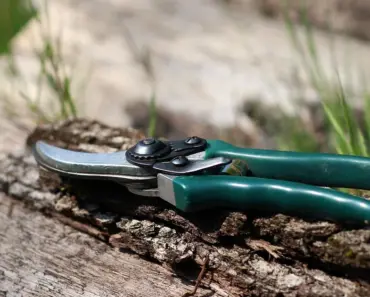
Pruning is an essential practice for cultivating healthy tomato plants, and it directly contributes to maximizing sunlight exposure. Tomato plants can grow quite dense, with leaves and branches shading out inner foliage and preventing sunlight from reaching developing fruits. By selectively pruning, you create more airflow and ensure that sunlight can penetrate throughout the plant. This not only promotes even ripening but also reduces the risk of fungal diseases. It’s beneficial to prune branches that are rubbing against each other, are low to the ground, or have leaves that are turning brown, to ensure healthy airflow. This simple step can make a significant difference in the overall health and productivity of your tomato plants.
Watering and Nutrient Needs in Relation to Sunlight
Tomato plants are heavy feeders and have substantial water requirements, especially during the flowering and fruiting phases. Sunlight plays a crucial role in this process, as it fuels the plant’s metabolic activity and its ability to absorb nutrients from the soil. When plants receive ample sunlight, they are more efficient at utilizing water and nutrients. However, it’s important to water at the base of the stem, not overhead on the foliage. Overhead watering can increase the risk of fungal diseases, particularly in humid conditions. Given the increased metabolic activity under strong sunlight, ensure consistent watering during hot, sunny periods. Amend the soil with compost or other organic matter to provide essential nutrients, and consider using a balanced tomato fertilizer to support healthy growth and fruit development.
Supplemental Lighting: Extending the Growing Season and Maximizing Sunlight
For gardeners with limited outdoor space or those residing in regions with shorter growing seasons, supplemental lighting can be a game-changer. Grow lights provide a controlled source of light, allowing you to cultivate tomatoes indoors or extend the growing season. LED grow lights are particularly popular due to their energy efficiency and ability to provide the specific wavelengths of light that plants need. Springer recommends using grow lights (which can even be used year-round indoors) if you don’t have an outdoor space or don’t have enough sunlight. The strategic use of supplemental lighting can ensure your tomato plants receive the optimal amount of light, regardless of external conditions, leading to a more abundant and earlier harvest.
Choosing the Right Tomato Varieties for Your Light Conditions
While most tomato varieties thrive in direct sunlight, some are more tolerant of partial shade than others. If you have limited sunlight, consider varieties like cherry or Mama Leone tomatoes, which can tolerate a bit more indirect light. However, even these varieties will benefit from at least six hours of sunlight per day for optimal growth and fruit production. Larger, indeterminate varieties generally require more sunlight than smaller, determinate varieties. Understanding the light requirements of different tomato cultivars will help you select the best options for your specific growing conditions. For instance, if you know your garden only receives morning sun, choose compact, determinate varieties that don’t require extensive vertical space and are more forgiving of shorter sunlight durations.
These plants simply need that direct sunlight to thrive. By understanding the specific needs of your tomato plants and providing them with the right amount of light, you can significantly enhance your chances of a successful and rewarding harvest. Consider the time of year, the orientation of your garden, and the potential need for supplemental lighting to ensure your tomato plants receive the energy they need to flourish. Consistent attention to sunlight requirements, along with proper watering, pruning, and fertilization, will pave the way for a bountiful crop of delicious, sun-ripened tomatoes.
4 More Tomato Growing Tips
Beyond sunlight, several other factors significantly contribute to a successful tomato harvest. Maintaining healthy soil, providing adequate support for vining varieties, and protecting plants from pests and diseases are all crucial aspects of tomato cultivation. Here are a few additional tips to help you maximize your yield.
- Companion Planting: Planting certain herbs and flowers alongside tomatoes can deter pests and attract beneficial insects. Basil, marigolds, and borage are popular companion plants.
- Soil Health and Nutrient Management: Tomatoes are heavy feeders and benefit from nutrient-rich soil. Amend the soil with compost or well-rotted manure before planting. Regular fertilization during the growing season is also essential.
- Container Gardening Techniques: If you’re growing tomatoes in containers, choose pots that are at least 15 gallons in size and have good drainage. Ensure the containers receive adequate sunlight and water.
- Watering Practices: Water deeply and consistently, aiming to keep the soil evenly moist but not waterlogged. Water at the base of the plant to avoid wetting the foliage, which can increase the risk of fungal diseases.
What if I Only Have Partial Sun in My Garden?
If your garden receives only partial sun – typically four to six hours of direct sunlight per day – you can still grow tomatoes, but you’ll need to choose varieties that are more tolerant of shade. Cherry tomatoes and some determinate varieties often perform better in partial sun conditions. Ensure the plants are positioned in the sunniest spot available and supplement with grow lights if possible. Monitor the plants closely for signs of leggy growth or reduced fruit production. Pruning can also help to maximize the light that reaches the developing fruits.
How Do I Know if My Tomato Plant is Getting Enough Sunlight?
Signs that your tomato plant isn’t receiving enough sunlight include leggy growth, pale leaves, and a lack of flowering or fruit production. The plant may also appear weak and spindly. If you notice these symptoms, consider relocating the plant to a sunnier spot or using supplemental lighting. Regular observation of your plants will help you identify any sunlight-related issues early on so you can take corrective action.
Why is UV Light Important for Tomato Ripening?
While not as widely discussed as the need for direct sunlight for photosynthesis, UV light plays a significant role in tomato ripening. Exposure to UV-B radiation triggers the production of carotenoids, pigments that give tomatoes their red color and contribute to their flavor and antioxidant content. The UV spectrum also influences the development of sugars within the fruit. Without sufficient UV light, tomatoes may ripen unevenly or lack the intense flavor and vibrant color associated with fully sun-ripened fruit.
7 Ways to Grow Tomatoes: Direct vs. Indirect Sun
1. Choose the Right Location: Prioritize Direct Sunlight
The foundation of a successful tomato harvest is selecting a location that receives at least six to eight hours of direct sunlight each day. This is not merely a recommendation; it’s a fundamental requirement. The more sunlight your tomato plants receive, the more vigorously they will grow, the stronger their stems will become, and the more flavorful their fruits will be. Consider the sun’s path throughout the day and choose a spot that is unobstructed by trees, buildings, or other structures. South-facing gardens generally receive the most sunlight, while east- or west-facing gardens can provide adequate light with careful planning. For example, if you live in a region with intense summer sun, a location that receives morning sun and afternoon shade might be preferable to prevent scorching. The consistent exposure to direct sunlight fuels photosynthesis, the process by which plants convert light energy into chemical energy for growth and fruit production.
2. Pruning for Optimal Sunlight Penetration
As tomato plants grow, they tend to become dense with foliage, shading out the inner leaves and preventing sunlight from reaching the developing fruits. Regular pruning is crucial for maintaining good airflow and ensuring that all parts of the plant receive adequate sunlight. Remove suckers – the small shoots that grow between the main stem and the branches – to encourage the plant to focus its energy on fruit production rather than foliage. Additionally, prune any leaves that are yellowing or turning brown, as these leaves can block sunlight and harbor diseases. This practice not only improves sunlight penetration but also helps prevent the spread of fungal infections. A well-pruned tomato plant allows sunlight to reach every part of the plant, resulting in a more uniform and abundant harvest. This is especially important for indeterminate tomato varieties, which continue to grow and produce fruit throughout the growing season.
3. Consider Supplemental Lighting for Partial Shade
If your garden doesn’t receive a full eight hours of direct sunlight, or if you live in a region with short growing seasons, supplemental lighting can be a valuable tool. Grow lights provide a controlled source of light that can supplement natural sunlight, ensuring that your tomato plants receive the energy they need to thrive. LED grow lights are a popular choice because they are energy-efficient and produce minimal heat. Position the grow lights strategically to provide even light coverage to the plants. For instance, if you have a balcony garden, hanging LED grow lights above your tomato plants can significantly improve their growth and fruit production. The duration of supplemental lighting will depend on the intensity of the lights and the needs of your tomato varieties. Even a few hours of supplemental light can make a significant difference, especially during cloudy days or in early spring.
4. Select Shade-Tolerant Tomato Varieties
While most tomato varieties thrive in full sun, some are more tolerant of partial shade than others. If you have limited sunlight, choose varieties specifically bred for shade tolerance. Cherry tomatoes, such as ‘Sweet 100’ and ‘Sungold,’ are known for their ability to produce well in partial shade. Determinate varieties, which grow to a fixed size, also tend to tolerate shade better than indeterminate varieties, which continue to grow throughout the season. When selecting tomato varieties, check the seed packet or plant tag for information about their sunlight requirements. Remember that even shade-tolerant varieties will benefit from at least six hours of sunlight per day, so choose a location that receives as much light as possible. A good example is the Roma tomato, which can tolerate some shade, making it a good choice for northern climates.
5. Ensure Adequate Watering and Nutrient Supply
Sunlight is essential for plant growth, but it’s not the only factor. Tomatoes are heavy feeders and require consistent watering and a balanced nutrient supply to thrive. In sunny conditions, tomato plants will need more water than those grown in shade. Water deeply and regularly, aiming to keep the soil evenly moist but not waterlogged. Fertilize your tomato plants regularly with a balanced tomato fertilizer, following the instructions on the package. The increased metabolic activity fueled by sunlight requires a constant supply of nutrients. A deficiency in essential nutrients, such as nitrogen, phosphorus, or potassium, can stunt growth and reduce fruit production. Consistent watering and fertilization, coupled with adequate sunlight, will ensure that your tomato plants have everything they need to flourish.
6. Monitor for Signs of Sunlight Stress
Even if you’ve chosen a sunny location, it’s important to monitor your tomato plants for signs of sunlight stress. Signs of stress can include leaf scorch, where the leaves develop brown or crispy edges; blossom drop, where flowers fall off before setting fruit; and reduced fruit size. Leaf scorch is often caused by excessive sunlight exposure, especially during hot, dry weather. To prevent leaf scorch, provide shade during the hottest part of the day or use shade cloth. Blossom drop can be caused by extreme temperatures or inconsistent watering. If you notice any signs of sunlight stress, take corrective action immediately. For instance, provide more shade, adjust your watering schedule, or fertilize your plants to help them recover. Regular monitoring and prompt intervention can prevent significant damage and ensure a healthy harvest. For example, in regions with prolonged periods of intense summer sun, providing afternoon shade can significantly reduce stress on tomato plants.
7. Consider the UV Spectrum’s Role in Fruit Flavor and Antioxidant Content
Beyond photosynthesis and growth, UV light plays a crucial role in the flavor and antioxidant content of tomatoes. UV-B radiation triggers the production of carotenoids, which give tomatoes their vibrant red color and contribute to their sweetness. These compounds are also powerful antioxidants, protecting cells from damage and promoting overall health. Tomatoes grown in ample sunlight tend to have a richer, sweeter flavor and higher antioxidant levels than those grown in shade. While it’s impossible to control the exact amount of UV light that reaches your tomato plants, ensuring they receive adequate sunlight is the best way to maximize the production of these beneficial compounds. This is why tomatoes ripened under the full sun are often considered the most flavorful and nutritious. Therefore, prioritize a sunny location and avoid excessive shading to ensure your tomatoes develop their full flavor and antioxidant potential.
You may also enjoy reading: 11 Most Saved Strawberry Dessert Recipes You’ll Love!.
By understanding the interplay between direct sunlight and indirect light, you can create optimal conditions for your tomato plants, leading to a bountiful harvest of delicious, sun-ripened tomatoes. Remember that these plants simply need that direct sunlight to thrive. With careful planning and attentive care, you can enjoy a rewarding tomato-growing experience, regardless of your gardening expertise.
The 5 Best Pasta Sauces in Rome
Rome, the Eternal City, is not only a treasure trove of historical landmarks and artistic masterpieces but also a culinary paradise, particularly renowned for its exceptional pasta sauces. From simple, rustic preparations to complex, flavorful concoctions, the sauces of Rome are an integral part of the city’s gastronomic identity. Navigating the vast array of options can be daunting, so we’ve curated a list of the five best pasta sauces you absolutely must try during your visit. Each sauce offers a unique taste of Roman culinary tradition, showcasing the region’s fresh ingredients and time-honored techniques. These aren’t just sauces; they are cultural experiences.
1. Amatriciana: The Bold and Smoky Classic
Amatriciana is arguably Rome’s most famous pasta sauce, and for good reason. It’s a bold and flavorful sauce made with guanciale (cured pork cheek), tomatoes, Pecorino Romano cheese, and a touch of chili pepper. The guanciale is rendered until crispy, imparting a rich, smoky flavor that permeates the entire sauce. The Pecorino Romano cheese adds a salty, sharp bite that perfectly complements the sweetness of the tomatoes. The chili pepper provides a subtle heat that enhances the overall complexity. Authentic Amatriciana is surprisingly simple, relying on the quality of its ingredients to create a truly unforgettable taste. Look for restaurants that use genuine guanciale; pancetta is an acceptable substitute in a pinch, but it won’t deliver the same depth of flavor. This sauce is a testament to the power of simplicity and the importance of using high-quality ingredients. According to local food historian, Isabella Rossi, the sauce originated in the town of Amatrice, which was tragically affected by an earthquake in 1936.
2. Carbonara: Creamy, Egg-Based Perfection
Carbonara is another Roman staple, and it’s surprisingly controversial. The traditional recipe consists of eggs, Pecorino Romano cheese, guanciale, and black pepper – no cream! The heat from the pasta cooks the eggs, creating a creamy sauce that clings to the strands. The guanciale provides a salty, savory element, while the Pecorino Romano cheese adds a sharp, salty bite. Black pepper is used generously, adding a subtle heat and aromatic complexity. The key to a good carbonara is to cook the eggs gently and to use high-quality ingredients. Don’t overcook the sauce, or it will become scrambled. Many variations exist, but the authentic recipe remains remarkably simple and satisfying. Chef Marco Bellini, owner of a renowned Roman trattoria, emphasizes the importance of using fresh, free-range eggs for the best results. He says, “The quality of the eggs is paramount to the success of a truly authentic carbonara.”
3. Cacio e Pepe: The Minimalist Masterpiece
Cacio e Pepe, meaning “cheese and pepper,” is a deceptively simple sauce that requires exceptional technique. It’s made with Pecorino Romano cheese, black pepper, and pasta water. The key is to create a creamy emulsion by emulsifying the cheese and pasta water. The heat from the pasta gently melts the cheese, creating a velvety sauce that clings to the strands. The black pepper adds a pungent aroma and a subtle heat. Cacio e Pepe is a test of a chef’s skill; it requires precise timing and technique to achieve the perfect consistency. Too little pasta water, and the sauce will be too thick; too much, and it will be watery. The simplicity of the ingredients allows the quality of the Pecorino Romano cheese and black pepper to shine through. This dish is a perfect example of how less can be more. Food blogger Sofia Lombardi notes, “The beauty of Cacio e Pepe lies in its minimalism. It’s a testament to the idea that the best dishes are often the simplest.”
4. Pomodoro: A Taste of Fresh Tomatoes
Pomodoro is a simple yet satisfying pasta sauce made with fresh tomatoes, garlic, olive oil, and basil. It’s a classic Italian sauce that highlights the natural sweetness of the tomatoes. The tomatoes are typically simmered for a short time to soften them and allow their flavors to meld. Garlic and olive oil are added for aromatic depth, and fresh basil is stirred in at the end for a bright, herbaceous note. Pomodoro is a versatile sauce that pairs well with a variety of pasta shapes. It’s a perfect choice for those who prefer a lighter, fresher flavor. While seemingly straightforward, the quality of the tomatoes is crucial to a good pomodoro sauce. Look for ripe, flavorful tomatoes, preferably those grown locally. Chef Antonio Russo, a seasoned Roman chef, recommends using San Marzano tomatoes for the best results, citing their sweetness and low acidity. “A good pomodoro is all about showcasing the natural flavor of the tomatoes,” he explains.
5. Gricia: A Precursor to Carbonara
Gricia is often described as the “mother” of carbonara. It shares many of the same ingredients – guanciale and Pecorino Romano cheese – but it omits the eggs. This simple yet satisfying sauce is made with guanciale, Pecorino Romano cheese, and black pepper. The guanciale is rendered until crispy, and the cheese is grated and mixed with the pasta water to create a creamy emulsion. The black pepper adds a subtle heat and aromatic complexity. Gricia is a lighter, less rich sauce than carbonara, but it offers a similar depth of flavor. It’s a great option for those who want to experience the classic flavors of Roman cuisine without the richness of the eggs. In recent years, Gricia has gained popularity as a standalone dish, showcasing the quality of its ingredients. Food critic Elena Ferrari notes, “Gricia is a reminder that sometimes, simplicity is the key to culinary excellence. It’s a testament to the fact that the best dishes are often the simplest.”
These five pasta sauces represent just a small fraction of the culinary treasures that Rome has to offer. Each sauce offers a unique taste of Roman history and tradition, showcasing the region’s fresh ingredients and time-honored techniques. Whether you’re a seasoned foodie or a casual diner, you’re sure to find a pasta sauce that will tantalize your taste buds and leave you wanting more. These sauces are not merely food; they are a reflection of Roman culture and a testament to the city’s enduring culinary legacy.
4 More Tomato Growing Tips
Beyond ensuring ample sunlight, several other practices are crucial for cultivating a thriving tomato crop. Consistent watering, proper fertilization, and vigilant pest and disease management are essential for maximizing your yield. Here are a few additional tips to help you grow the best tomatoes possible.
Companion Planting: Boost Growth and Deter Pests
Companion planting involves growing certain plants together to benefit each other. Basil is a classic companion plant for tomatoes, repelling pests and enhancing flavor. Marigolds also deter nematodes, microscopic worms that can damage tomato roots. Borage attracts pollinators, improving fruit set. Experiment with different companion plants to find what works best in your garden. For example, planting basil and marigolds around your tomato plants can create a natural barrier against pests and improve the overall health of your plants.
Soil Health and Nutrient Management: The Foundation of a Healthy Plant
Healthy soil is the foundation of a successful tomato crop. Tomatoes are heavy feeders and require nutrient-rich soil to thrive. Amend your soil with compost, well-rotted manure, or other organic matter to improve its fertility and drainage. A soil test can help you determine the specific nutrient deficiencies in your soil. Fertilize your tomato plants regularly with a balanced tomato fertilizer, following the instructions on the package. Avoid over-fertilizing, as this can lead to excessive foliage growth and reduced fruit production.
Protecting Against Common Pests and Diseases
Tomatoes are susceptible to a variety of pests and diseases, including aphids, tomato hornworms, and blight. Regularly inspect your plants for signs of infestation or disease. Remove infected leaves promptly. Use organic pest control methods, such as insecticidal soap or neem oil, to control pests. Practice good sanitation to prevent the spread of diseases. Ensure good airflow around your plants to reduce the risk of fungal infections. Crop rotation can also help prevent the buildup of soilborne diseases.
Pruning for Airflow and Fruit Production
While we’ve already discussed pruning for sunlight, pruning also plays a critical role in improving airflow and promoting fruit production. Remove suckers – the small shoots that grow between the main stem and the branches – to direct the plant’s energy into fruit development. Prune any yellowing or damaged leaves to improve airflow and reduce the risk of disease. Regular pruning helps to create a more open plant structure, allowing sunlight to reach all parts of the plant and improving air circulation. This promotes healthy growth and reduces the likelihood of fungal infections.
By combining adequate sunlight with these other essential practices, you can create an environment that supports optimal tomato growth and production. Remember that consistent care and attention are key to a bountiful harvest. With a little effort, you can enjoy a delicious and rewarding tomato-growing experience.