Unlocking the Secrets to Stunning Poppy Blooms: A Gardener’s Guide to Growing Poppy Seeds
Poppies – those delicate, paper-thin blooms – bring a touch of summer magic to gardens everywhere. From the iconic red Shirley poppy to the exotic hues of the Himalayan variety, their beauty is undeniable. But did you know that growing poppies from seed is surprisingly straightforward, offering a rewarding experience for gardeners of all levels?
Growing poppies from seed is easy, and it’s the best way to enjoy the many types and varieties of poppies in your garden. In this article you’ll get expert tips on when and how to plant poppy seeds, the best types of poppies to grow from seed, and how to care for the seedlings. Poppy basics From wildflower meadows to cottage gardens to vegetable beds, colorful poppies lend their brilliant hues to summer spaces. Depending on the species and variety, the color range includes white, pink, cherry, scarlet, orange, mauve, and deep maroon, almost black, with every shade in between. Poppies generally flower from early to mid-summer summer, with some types, like California poppies, blooming for months. If you want poppies in your garden you need to understand the basics of growing poppies from seed. This is because most types of poppies form taproots and don’t transplant well. Direct seeding is the best way to growth healthy plants and lots of papery blooms. Poppy seeds are tiny and if you plant them too deeply, you’ll have disappointing results. Plant poppy seeds in a dedicated poppy bed or mix them with other annuals like bachelors buttons, Larkspur, or calendula. I like to sow seeds in my raised vegetable beds to attract bees to my summer garden. Once a poppy bud starts to show its color, it won’t be long before it’s in full bloom. For more information on growing poppies from seed, watch this video:
Understanding Poppy Seed Basics: A Foundation for Success
Let’s start with the fundamentals. Most poppy varieties, particularly the classic red Shirley poppies, develop a strong taproot. This means they don’t respond well to transplanting once established. The roots become tangled and brittle, often leading to stunted growth or complete failure. Therefore, direct seeding is unequivocally the preferred method for cultivating healthy poppy plants and maximizing blooms. The visual cue of a tiny green sprout emerging from the soil is incredibly satisfying, a small victory that builds confidence and sets the stage for a spectacular display. Consider it a miniature garden experiment – a delightful connection to the natural world. Furthermore, the seeds themselves are incredibly small, often less than 1/8 inch in diameter – think of them as tiny specks of potential. Planting them too deep can suffocate the seedlings, hindering their ability to reach the sunlight they crave. Aim for a planting depth of approximately 1/4 inch.
Stratification: Preparing the Seeds for Spring
A crucial step often overlooked by novice gardeners is the process of seed stratification. This mimics the natural winter conditions that trigger germination in many poppy species. Essentially, the seeds need a period of cold, moist storage to break dormancy. Typically, you’ll stratify poppy seeds in the refrigerator for approximately 60-90 days. To do this, moisten the seeds slightly (don’t soak them – just dampen them) and place them in a sealed plastic bag with a slightly damp paper towel. The dampness is key; it prevents the seeds from drying out. This process ensures that your poppy seedlings emerge reliably in the spring, providing a head start on the growing season. Interestingly, the level of cold required varies slightly depending on the poppy variety. Some, like the California poppy, need a slightly warmer stratification period than others. Research the specific requirements for the type of poppy you’re growing for optimal results. A surprising fact is that the chemical compounds within the seed itself are altered by this cold treatment, increasing their ability to germinate when the time is right.
Choosing Your Poppy Variety: A Kaleidoscope of Colors and Forms
There are literally dozens of poppy varieties to choose from, each offering a unique aesthetic and growing experience. Let’s explore four popular types, perfect for direct seeding:
- Shirley Poppies (Papaver rhoeas): These are perhaps the most recognizable poppies, celebrated for their ease of cultivation and long blooming period – typically 5 to 6 weeks. They come in a stunning array of colors, including crimson, scarlet, pink, and white. Look for varieties like ‘Amazing Grey,’ ‘Angel’s Choir,’ and ‘Legion of Honor’ for particularly vibrant hues. The classic red corn poppy adds vibrant color to garden beds, but there are dozens of varieties and mixes you can plant.
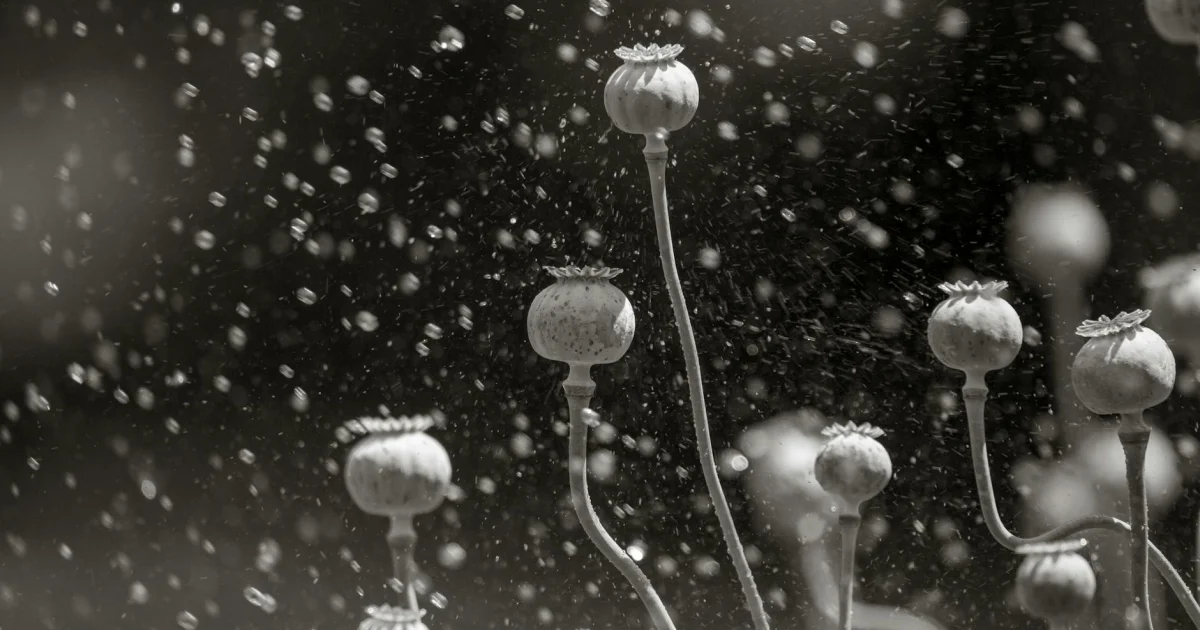
- Breadseed Poppies (Papaver somniferum): Also known as opium poppies, these are incredibly carefree annuals. They grow to a height of 3 to 4 feet and produce large, saucer-shaped flowers in shades of purple, white, mauve, salmon, pink, and red, often with dark petal splotches. The mature seeds are edible and can be used in baking and cooking – a delightful bonus! Popular cultivars include ‘Hens and Chicks,’ ‘Lauren’s Grape’ (Hungarian Blue), and various double peony varieties. It’s important to note that opium poppies contain alkaloids and should be grown responsibly.
- Iceland Poppies (Papaver nudicaule): Typically considered short-lived perennials, Iceland poppies self-sow readily, ensuring a return bloom year after year. While they can be transplanted, direct seeding is generally recommended. Starting them indoors 8 weeks before transplanting is a good strategy. They germinate slowly, so patience is key.
- California Poppies (Eschscholzia californica): Native to the western United States, California poppies are compact plants and are a beautiful addition to any garden. They bloom for several months, offering a prolonged burst of color. Their vibrant orange and yellow hues are particularly striking.
Planting Your Poppy Seeds: A Step-by-Step Guide
Now that you’ve chosen your poppy variety and prepared your seeds, let’s get planting. The timing is crucial. Fall planting is often recommended, allowing the seeds to stratify naturally over the winter. However, early spring planting is also a viable option. When planting in the fall, scatter the seeds thinly over the prepared soil and lightly cover them with a thin layer of compost. For spring planting, sow the seeds directly into the garden bed, ensuring they are no more than 1/4 inch deep. Water gently to moisten the soil. Keep the soil consistently moist, but not soggy, until the seedlings emerge. To start the seeds indoors, sow them into plug flats 8 weeks before you plan on transplanting. Time your seedling so you’re planting them outdoors in mid-spring when the temperatures are still relatively cool. Place the seeds on the surface of the potting mix and cover with a thin layer of vermiculite. They are slow to germinate and grow so be patient.
Caring for Your Poppy Seedlings: Nurturing Growth and Blooms
Once your poppy seedlings emerge, they’ll need minimal care. Poppies prefer full sun – at least 6-8 hours of direct sunlight per day. They are relatively drought-tolerant once established, but consistent watering during dry periods will promote healthy growth. Avoid overwatering, as this can lead to root rot. Deadheading – removing spent flowers – encourages the plant to produce more blooms. This redirects the plant’s energy into new flower development rather than seed production. Also, consider companion planting. Poppies attract beneficial insects, like bees, and can deter pests like cabbage loopers. They are particularly good neighbours for vegetables like tomatoes and peppers, offering a splash of colour and attracting pollinators to the vegetable patch. The best site Poppies are fairly hands-off plants, but they do have preferred growing conditions.
You may also enjoy reading: 13 Essential Rug Sizes to Choose from for a Perfect Under-Bed Fit.
Troubleshooting Common Poppy Problems
Despite their generally easy-to-grow nature, poppies can occasionally encounter challenges. One common problem is poor germination. This can be caused by several factors, including old seeds, improper stratification, or planting at the wrong depth. Ensure your seeds are less than two years old and that you’ve followed the stratification instructions correctly. Another issue is stunted growth. This can be due to nutrient deficiencies or compacted soil. Amend the soil with compost and ensure the plants receive adequate drainage. Finally, slugs and snails can be a nuisance, feeding on young seedlings. Protect your seedlings with slug bait or copper tape. A surprising fact is that the chemical compounds within the seed itself are altered by this cold treatment, increasing their ability to germinate when the time is right.
Harvesting and Using Breadseed Poppy Seeds
If you’ve grown breadseed poppies, you’re in for a delicious treat! The mature seeds are perfectly edible and can be used in a variety of recipes, adding a subtle, nutty flavor to breads, muffins, and other baked goods. Carefully collect the seeds when they’ve dried on the plant. To do this, gently shake the seed heads and allow the seeds to fall into a container. You can also dry the seed heads indoors to speed up the process. The seeds can be stored in an airtight container for up to a year.
Expanding Your Poppy Knowledge: Beyond the Basics
For the truly dedicated poppy enthusiast, there’s always more to learn. Experiment with different poppy varieties to discover your favorites. Consider creating a poppy meadow – a naturalistic planting of various poppy species – to attract pollinators and create a stunning display of color. Investigate the historical and cultural significance of poppies – they’ve been used for centuries in art, symbolism, and medicine. The color range includes white, pink, cherry, scarlet, orange, mauve, and deep maroon, almost black, with every shade in between.
Conclusion: A Symphony of Color from Tiny Seeds
Growing poppies from seed is a remarkably rewarding experience, offering a tangible connection to the natural world and a stunning display of summer color. By understanding the basics of seed stratification, variety selection, and care, you can unlock the secrets to blooming poppies and transform your garden into a vibrant haven for pollinators. So, gather your poppy seeds, prepare your soil, and get ready to witness the magic of these delicate, paper-thin blooms.