April is a pivotal time for fruit trees, as they awaken from their winter rest and begin to grow. The weather is warming up, and plants are starting to sprout, making it an exciting time for gardeners. However, this growth also brings new challenges, and proper fruit tree care in April is crucial for healthy growth and generous harvests later in the growing season.
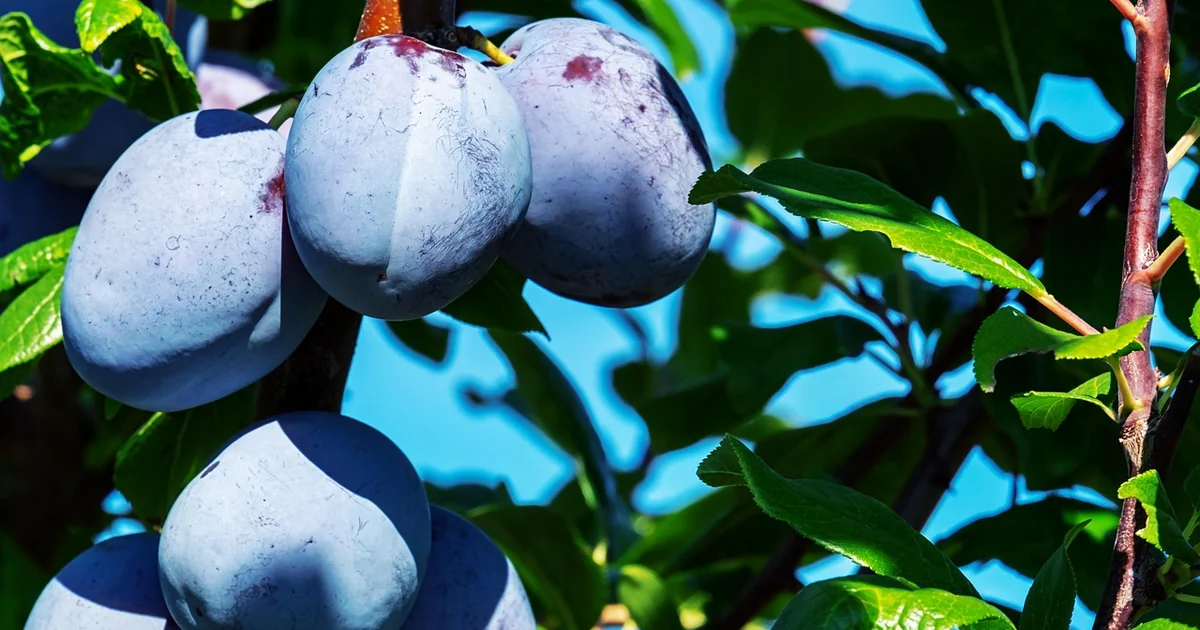
When it comes to fruit tree maintenance, it’s easy to get overwhelmed by the number of tasks that need to be done. But with a clear understanding of what needs to be done and when, you can tackle these tasks with confidence and ensure that your fruit trees thrive. Here are seven essential tips for pruning, fertilizing, and training fruit trees in April.
1. Inspect Each Tree’s Soil
It’s easy to think of soil as a given, something that is always in place that you don’t have to worry about. However, good, well-draining, nutrient-rich soil doesn’t happen without regular maintenance. April is the perfect time to start building good soil by checking the soil around the base of each fruit tree.
Winter weather can compact the soil, reducing drainage and limiting the water and nutrients that get to the tree’s roots. Loosen up the top layer of soil and work organic compost into the mix. If necessary, aerate the area by poking holes into the soil that allow water and air to pass. You can use a lawn aerator spike, like the Walensee tool from Amazon, to make this process easier.
It’s also a good idea to test your soil at this time to figure out exactly what nutrients and micronutrients are needed. This will allow you to provide the appropriate fertilizer, which is essential for fruit tree growth. A comprehensive soil pH and nutrient analysis can be done with a soil test kit like MySoil’s.
Why Soil Testing is Important
Soil testing is an essential part of fruit tree maintenance because it helps you understand the nutritional needs of your trees. Different soils have different pH levels and nutrient requirements, and by testing your soil, you can determine what amendments are needed to create a healthy and balanced environment for your trees.
According to the USDA, soil testing is an essential step in maintaining a healthy soil ecosystem. It helps you identify any nutrient deficiencies, pH imbalances, or other issues that may be affecting your trees’ growth. By addressing these issues, you can create a fertile soil environment that promotes healthy growth and development.
2. Feed Those Hungry Roots
With the soil test results in hand, you can select the appropriate fertilizer for your fruit trees. A balanced, granular fertilizer for fruit trees will usually be sufficient, such as Jobe’s Organics Granular Garden Fertilizer for Fruit and Citrus Plants and Trees.
Fertilizing in April gives the tree a good start for the entire fruiting season. It’s essential to apply fertilizer around the root zone, making sure not to touch the trunk. Water the soil before applying fertilizer to help the nutrients move into the soil.
Remember to always follow the instructions on the fertilizer package and take any necessary safety precautions when handling fertilizers. It’s also essential to choose a fertilizer that is suitable for your fruit tree’s specific needs, as different trees have different nutritional requirements.
Choosing the Right Fertilizer
When selecting a fertilizer for your fruit trees, it’s essential to consider the specific needs of your trees. Different fruit trees require different nutrients, and using the wrong fertilizer can lead to nutrient deficiencies or even damage to the trees.
According to the National Gardening Association, choosing the right fertilizer depends on the type of fruit tree, its age, and the soil type. For example, young fruit trees require a fertilizer that is high in phosphorus to promote root growth, while mature trees require a fertilizer that is high in nitrogen to promote fruit production.
3. Ensure Your Trees Get Enough Water
Everyone knows that fruit trees need water to survive and thrive, yet thoughtless irrigation can cause problems. Remember that while a fruit tree will waste away without enough water, overwatering is even more of a problem. Give your fruit trees too much water, and their leaves will yellow, wilt, and fall, and the roots may actually rot.
Poor drainage is often the cause of overwatering, so it’s essential to check the soil first. Then start a watering program for the trees, making sure to water them deeply but less often. This will help the roots grow deeper and make the trees more resistant to drought.
Of course, a fruit tree’s water needs in April depend in large part on the weather. If your spring is rainy, there may be no need to water at all. Try sticking a finger into the soil as far as you can to check the moisture level. If it’s dry, it’s irrigation time. If you’re finding it difficult to gauge soil moisture, consider investing in a soil moisture meter like the Raintrip 4-in-1 Soil Moisture Meter.
Why Deep Watering is Important
Deep watering is essential for fruit trees because it helps the roots grow deeper and make the trees more resistant to drought. According to the University of California, deep watering also helps to reduce soil compaction, which can lead to root damage and reduced tree growth.
When watering your fruit trees, make sure to water them deeply but less often. This will help the roots grow deeper and make the trees more resistant to drought. Avoid shallow watering, which can lead to weak root growth and reduced tree health.
4. Mulch Now
Nothing makes me feel more like I am caring for my fruit trees than applying mulch to their soil. Mulching holds in the moisture, keeps away the weeds, and regulates soil temperature, cooling the ground in hot weather and warming it up in cold weather.
Layer a few inches of organic mulch around the base of the fruit tree in a donut shape, never allowing it to touch the trunk. You can use organic compost, wood chips, dried chopped leaves, shredded bark, or coconut husks like the Back to the Roots Organic Expanding Mulch.
Mulching is an essential part of fruit tree care because it helps retain moisture in the soil, regulates soil temperature, and reduces weed growth. According to the National Gardening Association, mulching also helps to reduce soil erosion and improve soil health.
Why Mulching is Important
Mulching is an essential part of fruit tree care because it helps retain moisture in the soil, regulates soil temperature, and reduces weed growth. By applying mulch around the base of the fruit tree, you can create a healthy and balanced environment that promotes healthy growth and development.
According to the University of California, mulching also helps to reduce soil erosion and improve soil health. By reducing soil erosion, mulching helps to prevent soil loss and improve soil structure, making it easier for the fruit tree to absorb water and nutrients.
You may also enjoy reading: 7 Surprising Birth Month Orchids to Welcome into Your Life.
5. Prune Your Trees
Pruning is an essential part of fruit tree care because it helps to promote healthy growth, increase fruit production, and reduce disease and pest problems. Prune your fruit trees in April, removing any dead, diseased, or damaged branches.
When pruning, make sure to cut branches at a 45-degree angle, about 1/4 inch above a bud or a lateral branch. This will help the tree heal quickly and promote new growth. Avoid over-pruning, as this can lead to stress and reduce fruit production.
Why Pruning is Important
Pruning is an essential part of fruit tree care because it helps to promote healthy growth, increase fruit production, and reduce disease and pest problems. By pruning your fruit trees regularly, you can create a healthy and balanced environment that promotes healthy growth and development.
According to the National Gardening Association, pruning also helps to improve air circulation, reduce moisture, and promote fruiting. By pruning your fruit trees regularly, you can improve fruit quality and increase yields.
6. Train Your Trees
Training your fruit trees is an essential part of fruit tree care because it helps to promote healthy growth, increase fruit production, and reduce disease and pest problems. Train your fruit trees in April, using techniques like espalier, cordon, or trellis to promote vertical growth.
When training, make sure to use sturdy stakes or trellises to support the tree, and tie the branches to the stakes or trellises using soft ties like twine or rubber bands. Avoid over-training, as this can lead to stress and reduce fruit production.
Why Training is Important
Training is an essential part of fruit tree care because it helps to promote healthy growth, increase fruit production, and reduce disease and pest problems. By training your fruit trees regularly, you can create a healthy and balanced environment that promotes healthy growth and development.
According to the University of California, training also helps to improve air circulation, reduce moisture, and promote fruiting. By training your fruit trees regularly, you can improve fruit quality and increase yields.
7. Inspect for Pests and Diseases
April is the perfect time to inspect your fruit trees for pests and diseases. Look for signs of damage, such as holes in the leaves, yellowing or browning leaves, or soft, mushy fruit.
Be sure to inspect both sides of the leaves and look along the base of the tree for sawdust or cankers. If the weather is damp, look for signs of fungal diseases like powdery mildew or scab.
According to the National Gardening Association, regular inspections are essential for detecting problems early, when they are easier to treat. By inspecting your fruit trees regularly, you can prevent pest and disease problems and ensure a healthy and productive harvest.
Why Inspecting is Important
Inspecting is an essential part of fruit tree care because it helps to detect problems early, when they are easier to treat. By inspecting your fruit trees regularly, you can prevent pest and disease problems and ensure a healthy and productive harvest.
According to the University of California, regular inspections also help to improve air circulation, reduce moisture, and promote fruiting. By inspecting your fruit trees regularly, you can improve fruit quality and increase yields.
By following these seven essential tips for pruning, fertilizing, and training fruit trees in April, you can create a healthy and balanced environment that promotes healthy growth and development. Remember to always inspect your fruit trees regularly to detect problems early, and take action to prevent pest and disease problems. With proper care and attention, your fruit trees will thrive and provide you with a bountiful harvest.