Cultivating a Love for Nature: 13 Whimsical Kids Gardening Activities
The smell of damp earth, the thrill of pulling a weed, and the satisfaction of harvesting your own vegetables – gardening with kids isn’t just about growing plants; it’s about nurturing a lifelong appreciation for the natural world. We planted a small vegetable garden, and my children’s enthusiasm has been infectious. From the youngest helping to collect rocks to the older ones meticulously arranging brick borders, gardening provides a fantastic blend of sensory experiences, physical activity, and valuable lessons. It’s a surprisingly effective way to engage little ones and instill a sense of responsibility. Let’s explore thirteen fun and engaging gardening activities that will not only get your kids involved but also foster a genuine connection with their green spaces.
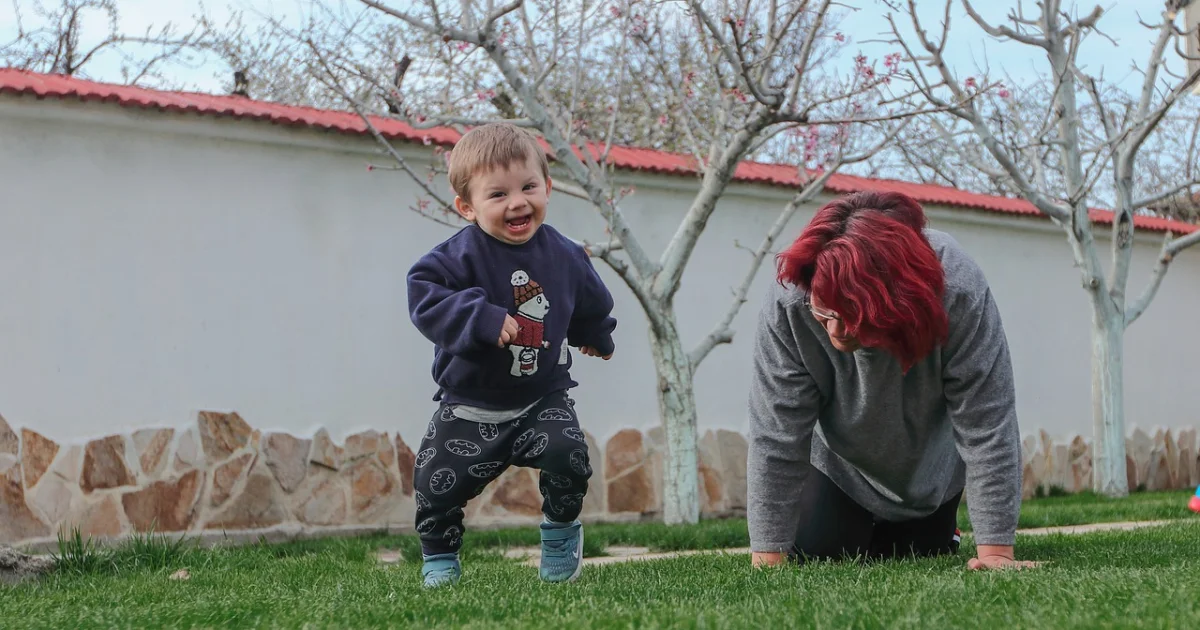
Gardening with kids is so much fun. It’s a fantastic way to teach children about where food comes from, the importance of taking care of the environment, and the simple joy of watching something grow. The benefits extend far beyond the backyard – kids Gardening Activity Ideas Early spring is a great time to start a garden. These fun garden activities are the perfect way for little gardeners to gain new sensory experiences in their own backyard! If you don’t have an established garden spot already let them help you brainstorm about where a good garden spot would be.
1. Collaborative Garden Spot Selection – Let Them Lead the Way
Choosing where to plant your garden is a surprisingly important step that allows children to contribute meaningfully. Instead of simply deciding yourself, involve your kids in the process. Present them with a few potential garden locations – perhaps a sunny corner of the yard, a spot near a water source, or even a container garden on a patio. Ask them questions like, “What kind of plants do you think would grow best here?” or “Does this spot get enough sunlight?” Consider their answers carefully, factoring in the needs of the plants you’ve chosen. This simple activity teaches them about spatial awareness, resource assessment, and the practical considerations involved in gardening. It’s a great opportunity to discuss how plants need sunlight and water to thrive—introducing a critical element of plant care early on. For example, you might explain that tomatoes need at least six hours of direct sunlight per day, while leafy greens can tolerate a bit more shade. This initial engagement sets the stage for a sense of ownership and excitement about the garden’s success.
2. Soil Preparation – A Hands-On Introduction to Earth
Transforming a patch of ground into a welcoming garden bed is a wonderfully tactile activity for children. Rather than simply digging with a shovel, let them take the lead in preparing the soil. Provide them with small buckets or containers to collect rocks and debris, teaching them about removing obstacles that might hinder plant growth. Then, they can help break up clumps of soil with their hands (wearing gloves, of course!) or with small gardening tools. Introduce the concept of compost – explaining that it’s decomposed organic matter that enriches the soil and provides nutrients for plants. Let them add compost to the soil, feeling the texture change and understanding how it improves the growing environment. This hands-on experience cultivates a deeper understanding of the soil’s importance and the effort required to create a healthy garden foundation. The process also allows for an element of friendly competition – who can collect the most rocks? – making it even more engaging for younger children.
3. Seed Selection – From Tiny Seeds to Mighty Plants
Introducing the concept of seeds can be a truly magical experience for children. Instead of simply buying pre-grown seedlings, let them choose the seeds they want to plant. This fosters a sense of anticipation and excitement as they watch their seeds germinate and grow. Start with easy-to-grow varieties like cherry tomatoes, zucchini, or strawberries – plants that offer a relatively quick reward. Teach them how to plant the seeds in small pots, explaining the importance of spacing and watering. Older children can even learn about seed stratification – a process that mimics winter conditions to break dormancy and encourage germination – a fascinating concept for budding botanists. The act of selecting seeds and nurturing them from their earliest stages instills a sense of responsibility and pride in their gardening efforts.
4. Watering Wonders – A Sensory Experience
Watering the garden is undeniably a favorite activity for kids. It’s a chance to get wet, play with water, and witness the immediate effects of their efforts. Instead of simply pouring water on the plants, encourage them to observe the water droplets collecting on the leaves and running down the stems. Talk about how plants absorb water through their roots, explaining the importance of hydration for healthy growth. You can even create a watering system with small watering cans or spray bottles, allowing them to control the amount of water each plant receives. This activity provides a valuable sensory experience, teaching them about the properties of water and the delicate balance required to keep plants thriving. You can also use a rain gauge to see how much rain your garden gets and discuss how much water the plants need.
5. Weeding Warriors – A Competitive Activity
Weeding can often feel like a tedious chore, but it can be transformed into a fun and competitive activity with a little creativity. Divide the garden into sections and challenge your kids to see who can pull the most weeds within a set amount of time. Make it a friendly competition, awarding a small prize to the winner. Teach them how to identify different types of weeds and explain why they need to be removed – they compete for nutrients and sunlight with the desired plants. This activity teaches them about the importance of maintaining a healthy garden ecosystem and the value of diligence. Furthermore, it provides an opportunity to discuss the concept of “good weeds” versus “bad weeds,” highlighting the importance of selective removal. Don’t forget to offer encouragement and praise their efforts – even if they don’t win!
6. Harvest Time – The Sweet Reward
The culmination of all their hard work – harvesting the fruits (and vegetables!) of their labor – is a truly rewarding experience for children. Let them take the lead in picking the ripe tomatoes, zucchini, or berries, explaining the signs of ripeness. Talk about the journey the food took from the garden to their table, emphasizing the importance of eating healthy, locally-grown produce. Allowing them to eat the first ripe vegetable they harvest is a particularly special moment, fostering a sense of pride and connection to their garden. This activity reinforces the value of hard work and the satisfaction of reaping the rewards of their efforts. It’s a powerful lesson in the cycle of life and the bounty of nature.
7. Pest Patrol – Problem Solvers in the Making
Gardening isn’t always sunshine and roses; sometimes, pests and diseases can threaten the health of your plants. Instead of simply spraying pesticides, involve your kids in identifying and addressing these issues. Teach them about common garden pests like aphids and caterpillars, explaining how they damage plants. Explore natural pest control methods, such as introducing beneficial insects or using homemade sprays. Let them help monitor the plants for signs of pests and diseases, fostering a sense of responsibility and problem-solving skills. This activity teaches them about the interconnectedness of the garden ecosystem and the importance of sustainable gardening practices. A great way to start is by planting companion plants that encourage beneficial insects.
8. Creating Garden Markers – Personalized Plant Identification
Adding a personal touch to the garden is a fun activity for kids. Have them create their own garden markers using rocks, popsicle sticks, or even painted wooden spoons. They can write the names of the plants on the markers, drawing pictures to accompany the names. This activity helps them learn the names of different plants and develop their artistic skills. It’s also a great way to personalize the garden and make it feel more like their own space.
You may also enjoy reading: 7 Surprising Reasons Your Hydrangea Leaves Are Turning Yellow and How to Ditch Rusty….
9. Building a Bug Hotel – A Habitat for Tiny Creatures
Building a bug hotel is a fantastic way to attract beneficial insects to the garden, and it’s a fun project for kids to undertake. Provide them with a variety of natural materials, such as twigs, straw, pine cones, and bamboo, and let them construct a small shelter for insects. Teach them about the different types of insects that live in the garden and their role in the ecosystem. This activity fosters a sense of appreciation for biodiversity and the importance of creating habitats for wildlife. It’s a truly rewarding project that benefits both the garden and the environment.
10. Observing Nature – A Quiet Moment of Wonder
Gardening isn’t just about planting and harvesting; it’s also about observing the natural world. Encourage your kids to spend time quietly observing the plants, insects, and birds that visit the garden. Ask them questions about what they see – “What color is that butterfly?” or “What is that bird eating?” This activity fosters a sense of curiosity and wonder about the natural world. It’s a valuable opportunity to teach them about the different species that inhabit the garden and their interactions with each other.
11. Designing a Flower Garden – A Creative Expression
Let your kids unleash their creativity by designing a flower garden. Provide them with a variety of flower seeds or seedlings and let them experiment with different colors, shapes, and textures. Encourage them to think about how the flowers will look together and how they will attract pollinators. This activity fosters their artistic skills and teaches them about the beauty and diversity of the plant kingdom. It’s a fun and engaging way to introduce them to the concept of floral design and the importance of pollinators.
12. Learning About Plant Parts – A Scientific Exploration
Take the opportunity to teach your kids about the different parts of a plant – the roots, stem, leaves, and flowers. Have them examine each part closely, discussing their functions and importance. You can even do a simple experiment, such as cutting a celery stalk and placing it in a glass of water to observe how the water travels up the stem. This activity introduces them to basic scientific concepts and fosters a deeper understanding of plant biology. You can also have them draw pictures of the plant parts and label them correctly.
13. Journaling Gardening Experiences – Recording Observations
Encourage your kids to keep a gardening journal to record their observations, experiences, and reflections. They can write about what they planted, how the plants are growing, what challenges they’ve encountered, and what they’ve learned. This activity helps them develop their writing skills and provides a valuable record of their gardening journey. It also allows them to reflect on their experiences and appreciate the changes they’ve witnessed over time. A gardening journal can become a treasured keepsake, documenting their connection to nature and their love of gardening.
Offering a range of benefits from learning about nature to developing motor skills and responsibility, gardening with kids is a truly rewarding experience. The perfect way for little gardeners to gain new sensory experiences in their own backyard! And, if you don’t have an established garden spot already let them help you brainstorm about where a good garden spot would be. Remember, the most important thing is to have fun and create lasting memories together.