Why Aphids Become a Garden Problem
Few things frustrate a home gardener more than watching healthy plants suddenly decline. Aphids, those tiny pear-shaped insects, often appear in large numbers almost overnight. They feed by piercing plant tissue and sucking out sap, which weakens growth and can spread plant viruses. These pests show a particular fondness for vegetables like broccoli, cabbage, and peppers, partly because these plants contain high nitrogen levels that aphids crave.
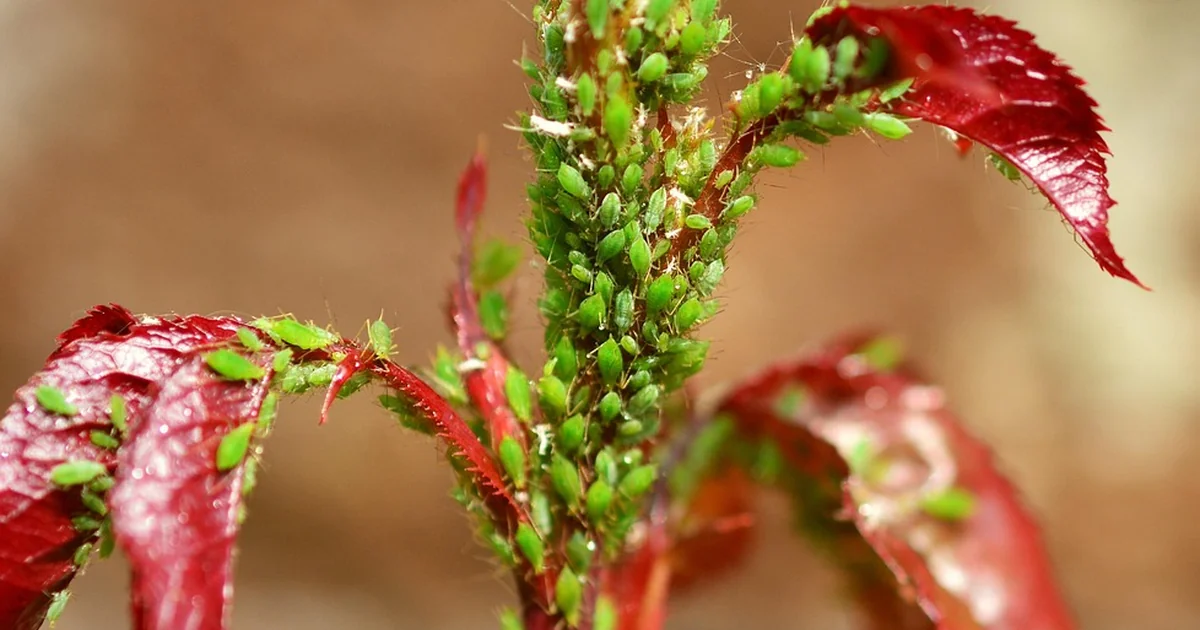
A single aphid can produce dozens of offspring within days under warm conditions. A small problem can become a full infestation in less than two weeks. Many gardeners reach for chemical pesticides at this point, but those products often kill beneficial insects too. A better approach involves prevention through strategic planting choices. Using plants that repel aphids offers a natural, chemical-free method for protecting vulnerable crops.
Companion planting works by creating an environment that aphids find confusing or unappealing. Some plants emit strong scents that mask the aroma of host plants. Others release compounds into the air that act as natural deterrents. A few even attract predatory insects that view aphids as a meal. Combining these strategies creates a layered defense system that keeps aphid populations under control without any synthetic sprays.
How Plants That Repel Aphids Work in Your Garden
The mechanism behind aphid-repelling plants involves several biological processes. Many aromatic plants produce essential oils that interfere with an aphid’s ability to locate food sources. Aphids rely heavily on their sense of smell to find suitable host plants. When strong-smelling plants surround those hosts, the aphids become confused and move elsewhere.
Some plants go a step further by attracting natural predators such as lady beetles, lacewings, and hoverflies. These beneficial insects actively hunt and consume aphids. A single lady beetle can eat up to fifty aphids in one day. By planting species that draw these predators into the garden, you create a self-regulating system that keeps pest numbers low.
A third category of defensive plants produces chemical compounds that aphids find toxic or irritating. Volatile sulfur compounds from certain alliums, for example, can disrupt aphid feeding behavior. These natural insecticides offer protection without harming the surrounding ecosystem. Understanding these mechanisms helps gardeners make informed choices about which plants to position near their most vulnerable crops.
Plants That Repel Aphids: Seven Expert-Approved Choices
Rafia Khan, an entomologist at Texas A&M AgriLife, and Ward Dilmore, founder and head landscape designer at Petrus, have both studied how specific plants deter aphid infestations. Their observations, combined with traditional gardening knowledge, point to seven particularly effective species. Each plant offers unique benefits and growing requirements worth considering before adding them to your garden layout.
Marigolds
Marigolds release a strong, distinctive scent through their foliage and flowers. This aroma effectively masks the smell of nearby host plants that aphids typically target. According to Khan, marigolds also attract beneficial insects such as lady beetles and lacewings that prey on aphids. These dual benefits make marigolds especially useful near cabbage and rose beds.
Growing marigolds requires consistent watering and at least six hours of direct sunlight each day. These plants adapt well to a wide range of climates, thriving in USDA zones 2a through 11b. Container planting works just as well as ground placement, making marigolds accessible even for gardeners with limited space. Deadheading spent blooms encourages continuous flowering throughout the growing season, which maintains the protective scent.
Amazon US Verified
Digital 3-in-1 Soil Moisture & pH Meter
Accurate probe to test deep root zone moisture and prevent accidental overwatering.
Marigolds come in several varieties, including French, African, and signet types. French marigolds tend to stay more compact and work well as border plants around vegetable beds. African marigolds grow taller and can create a more substantial barrier. Both types produce the compounds responsible for repelling aphids, so choosing based on garden size and aesthetic preference works well.
Chives
Chives produce an onion-like scent that deters aphids effectively. Khan explains that the volatile sulfur compounds in chives act as a natural insecticide, confusing aphids as they search for suitable host plants. Interplanting chives with roses, lettuce, or carrots can significantly reduce aphid pressure while also providing an edible herb for the kitchen.
Growing chives requires well-draining soil, whether in the ground or in containers. These plants perform best in USDA zones 3 through 9 and need at least six to eight hours of direct sunlight daily. Keeping the soil consistently moist supports healthy growth and maximum compound production. Chives are perennial in many climates, returning year after year with minimal maintenance.
Amazon US Verified
Organic Perlite Horticultural Soil Conditioner
Lightweight volcanic mineral that improves root aeration and prevents compaction.
Regular harvesting actually encourages chives to produce more growth, so trimming them for culinary use benefits both the gardener and the garden. The purple flowers that appear in late spring also attract pollinators, adding another ecological advantage. For best results, plant chives in clusters near the most aphid-prone areas of your garden.
Lavender
Lavender offers a pleasant solution to pest problems with its calming fragrance. Dilmore notes that lavender keeps aphids and other insects away while also attracting ladybugs and butterflies. This dual benefit makes lavender an excellent addition to ornamental and vegetable gardens alike. The plant’s grey-green foliage and purple flower spikes add visual appeal while working as a natural barrier.
Lavender grows best in USDA zones 5 through 9, though container planting allows gardeners in cooler climates to move plants indoors during harsh winters. The plant demands at least six to eight hours of direct sunlight daily and prefers slightly dry, well-draining soil. Overwatering can lead to root rot, so allowing the soil to dry between waterings proves important.
Once established, lavender requires relatively little care. Pruning after flowering keeps the plant compact and encourages more blooms the following year. The dried flowers can be used in sachets or culinary preparations, adding practical value beyond pest control. Position lavender along garden borders or near entry points where aphids might arrive.
Dill
Dill features feathery foliage and a distinct scent that repels aphids while attracting beneficial predators. Dilmore explains that attracting hoverflies and lacewings through dill planting offers one of the most effective natural methods for controlling aphid populations. These predatory insects lay their eggs near aphid colonies, and the emerging larvae feed heavily on the pests.
Dill grows easily in containers or directly in the ground, performing well in USDA zones 2 through 11. The plant needs six to eight hours of direct sunlight daily and consistently moist soil. Khan recommends planting dill near leafy greens or cucumbers for maximum protective effect. Allowing adequate space between plants prevents overcrowding, which can reduce airflow and increase disease risk.
One advantage of dill is its dual purpose as both a pest deterrent and a culinary herb. The fresh leaves add flavor to salads, fish dishes, and pickles. If allowed to flower, dill produces umbrella-shaped clusters that attract even more beneficial insects. Letting a few plants go to seed each year ensures a steady supply of new dill plants in subsequent seasons.
Amazon US Verified
Self-Watering Planters with Drainage Aerators
Elevated reservoir design that prevents soggy roots and ensures steady hydration.
Mint
Mint possesses one of the strongest aromas in the herb garden, and that intensity serves a practical purpose. Khan states that the essential oils released from mint leaves confuse aphids’ olfactory senses, making it difficult for them to locate host plants. This confusion factor provides reliable protection for nearby vulnerable crops.
A significant consideration with mint involves its aggressive spreading habit. Mint sends out runners that can quickly overtake garden beds if left unchecked. Khan recommends planting mint in containers or in controlled areas where its growth can be managed. Using bottomless pots buried in the ground can also contain the root system while allowing the aromatic benefits.
You may also enjoy reading: Does Tea Expire? 7 Crucial Facts to Know.
Mint grows well in USDA zones 3 through 9 and tolerates partial shade, needing only about four hours of direct sunlight daily. Consistent moisture keeps mint healthy and productive. The plant offers dozens of varieties, including spearmint, peppermint, and chocolate mint, each providing similar pest-repelling properties. Harvest mint regularly to encourage bushier growth and maintain strong oil production.
Catnip
Catnip produces a rootbeer-like scent that Dilmore identifies as highly effective for repelling aphids. This member of the mint family shares many of the same pest-deterring qualities while adding the novelty of attracting cats. The nepetalactone compound responsible for feline attraction also acts as a potent insect repellent.
Catnip pairs well with squash and collards, providing protection for these commonly targeted crops. The plant grows best in USDA zones 3 through 9 and requires six to eight hours of full sun daily. Well-draining soil kept consistently moist supports healthy growth and maximum compound production. Like mint, catnip can spread vigorously, so container planting or regular division helps maintain control.
Catnip produces small white or lavender flowers that attract bees and other pollinators. The foliage can be harvested and dried for use in cat toys or herbal teas. For gardeners who do not own cats, the plant still offers substantial value as a natural pest management tool. Position catnip near the perimeter of vegetable beds for best results.
Garlic
Garlic stands as one of the most potent natural repellents for aphids and many other garden pests. The pungent aroma released from garlic leaves and bulbs creates an environment that aphids actively avoid. Sulfur compounds similar to those found in chives contribute to this repellent effect, though garlic produces them in higher concentrations.
Planting garlic cloves in fall for summer harvest works well in most climates. Garlic grows in USDA zones 3 through 9 and needs full sun with well-draining soil. Space cloves about six inches apart to allow proper bulb development. The scapes, or flower stalks, that appear in late spring can be removed to direct energy into bulb growth, and these scapes make a delicious addition to pesto or stir-fries.
Interplanting garlic with roses, tomatoes, and peppers provides protection for these commonly targeted plants. The protective effect extends beyond aphids to include spider mites and certain fungal diseases. Garlic requires minimal maintenance beyond regular watering and occasional weeding. Harvest when the lower leaves begin to brown, then cure the bulbs for long-term storage.
Strategic Placement for Maximum Aphid Protection
Simply having these plants in your garden offers some benefit, but strategic placement amplifies their effectiveness. Position aromatic plants like marigolds and lavender along the borders of vegetable beds to create a scent barrier. Plant chives and garlic in clusters near the most vulnerable crops rather than scattering individual specimens throughout the garden.
Consider the growth habits and mature sizes of each plant when planning your layout. Tall dill plants should go on the north side of low-growing vegetables to avoid shading them. Sprawling mint and catnip work well in corners or along edges where containment is easier. Grouping plants with similar water and sunlight needs simplifies maintenance while maximizing pest protection.
Rotation matters as well. Moving plant locations from season to season prevents pest populations from adapting to particular defensive arrangements. Changing the placement of companion plants also reduces the risk of soil-borne diseases that might accumulate with repeated plantings in the same spot. Keeping detailed garden notes helps track which arrangements work best in your specific environment.
Creating a Balanced Garden Ecosystem
Plants that repel aphids work best within a larger strategy of ecological balance. Monoculture planting, whether of vegetables or defensive plants, creates conditions that pests can exploit. A diverse garden with multiple plant families, varied heights, and different bloom times supports a richer community of beneficial insects and natural pest controls.
Water management also influences aphid behavior. Overfertilizing with nitrogen-rich products can attract aphids by creating lush, tender growth that these pests prefer. Using slow-release organic fertilizers and avoiding excessive nitrogen helps maintain plant health without inviting infestation. Proper spacing between plants improves airflow and reduces the humid conditions that aphids and other pests favor.
Regular monitoring allows early intervention before aphid populations explode. Checking the undersides of leaves and new growth tips weekly during the growing season catches problems when they are still manageable. A strong spray of water from a garden hose can dislodge small aphid colonies before they establish. Combining this physical control with well-placed companion plants creates multiple layers of protection.
Embracing some level of pest presence rather than aiming for complete elimination supports a healthier garden overall. A few aphids provide food for beneficial insects, keeping predator populations active and ready to respond when larger infestations threaten. The goal shifts from zero tolerance to balanced management, with plants that repel aphids serving as the foundation of this natural approach.
As an Amazon Associate, azuloz.com earns from qualifying purchases.