What Makes the Pacific Northwest Backyard Birds So Diverse?
Discover the nine stunning pacific northwest backyard birds that make this region a birdwatcher’s paradise. From the glittering Anna’s hummingbird to the melodic song sparrow, the area offers an extraordinary variety of avian life right in your own garden. The range of bird species in the Pacific Northwest is exceptional, thanks in large part to the varied topography. Mountains, forests, coastline, and river valleys create distinct habitats packed close together. That means a single backyard might host birds that prefer dense conifers, open fields, and brushy edges all at once.
Every region is blessed with local birds, but some areas are especially lucky in the bird department. Washington, Oregon, and Idaho collectively known as the Pacific Northwest boast a richness that surprises even experienced birders. The flash of color, the cheerful song, and the lively antics of these birds can transform any garden into a daily wildlife show. Gardeners here often give special thought to what birds need when organizing their outdoor spaces, and the payoff is constant activity just outside the window.
Which Hummingbird Stays Year-Round Among Pacific Northwest Backyard Birds?
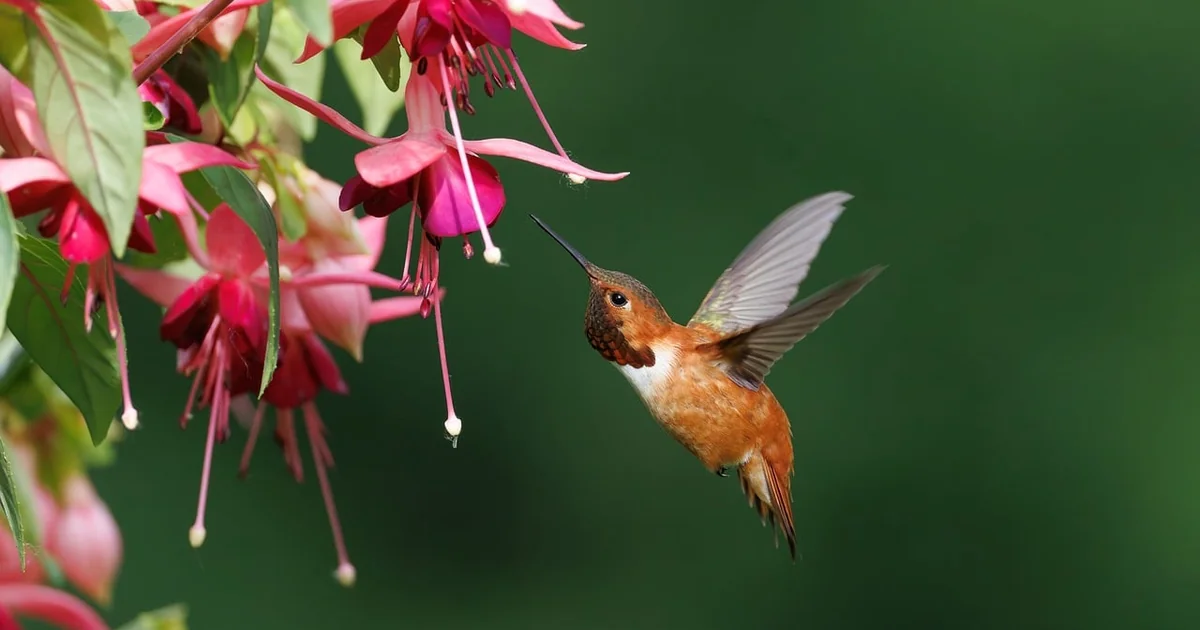
Anna’s hummingbirds are full-time pacific northwest backyard birds. Unlike other hummingbirds that migrate through the area on their way north and south, Anna’s hummingbirds are there to stay. This common hummingbird species is a staple year-round in both urban and suburban settings. Other hummers like the rufous hummingbird pass through seasonally, but Anna’s hold their ground through every month.
These are magical birds with sparkling coloring. Males sport an iridescent rose-red throat and crown with emerald backs that catch the light like tiny jewels. Females have emerald-green backs and rosy spots on the throat. Anna’s hummingbirds are delighted to visit your hummingbird feeders but will also eat nectar from native plants. If you want to keep them coming, plant tubular flowers and maintain clean feeders year-round. Highly territorial, these little birds defend their space fiercely and will chase off rivals many times their size. Watching a male Anna’s hummingbird perform its dramatic dive display is an unforgettable backyard experience.
The Golden-Crowned Kinglet: A Tiny Treasure of the Region
Recognize the golden-crowned kinglet by the black-and-white stripes above their eyes and orange or yellow crowns. Both male and female kinglets flick their wings open and shut when hunting for insects, a constant motion that makes them easy to spot once you know what to look for. You will find these birds in evergreen forests, swamps, and bottomlands in addition to suburban backyards. They move through the canopy in small flocks, rarely staying still for more than a second.
These are among the smallest songbirds in North America, yet they survive cold Pacific Northwest winters that would seem impossible for such tiny creatures. They roost together in dense foliage and shiver to maintain body heat. If you hear high-pitched calls coming from the treetops, look up and you might see a golden-crowned kinglet flitting from branch to branch. They are particularly fond of conifers, so planting evergreens can increase your chances of hosting them in your yard.
The American Robin: A Familiar Friend to Gardeners
Does the American robin live in all states? Not quite all, but this common bird with its red-orange breast and pleasant song does get around. You might see them in a tree or pecking for worms in a lawn. Listen for its happy call — a cheerful series of notes that sounds like cheer-up, cheer-io — but also its sharp tut-tut-tut call when alarmed. The robin is one of the most recognizable pacific northwest backyard birds, and its arrival in spring feels like a seasonal milestone.
American robins do not eat very often from seed feeders. If you put out fruit, however, they will be happy to eat that too. They also eat worms and bugs, which they pull from lawns with a characteristic head-tilt and tug. To attract robins, plant berry-producing shrubs like serviceberry, holly, or juniper. A birdbath with fresh water also draws them in, especially during dry spells. Robins are ground feeders by nature, so a natural lawn area without heavy pesticide use gives them a reliable food source.
The Spotted Towhee: A Striking Sparrow in the Brush
The spotted towhee is a large, striking sparrow found in thickets of brush in this area of the country. Male birds are shiny black above, while the females are gray with brown flanks. Both have white stripes and bright red eyes that give them an alert, intense expression. They look a little like slender robins and live near forests, thickets, and overgrown fields. When they scratch the ground for food, they do a distinctive two-footed backward hop that kicks up leaf litter.
Spotted towhees are secretive by nature, preferring to stay hidden in dense vegetation. You will often hear them before you see them. Their call sounds like a buzzy trill, and the males sing from exposed perches during breeding season. To attract them, create brush piles or leave a section of your yard a little wild. They need cover to feel safe. If you have a hedgerow or a fence line overgrown with blackberries, you already have perfect spotted towhee habitat.
What Unique Behavior Does the Cooper’s Hawk Exhibit at Bird Feeders?
Do Cooper’s hawks approach bird feeders? Yes they do, but they are not looking for seeds. Instead, they come for a more substantial meal. These hawks prefer to eat the birds that frequent the seeders, like pigeons or doves, and smaller birds like chickadees. This species has adapted well to suburban environments, nesting in neighborhood trees and hunting from backyard perches. Cooper’s hawks fly fast and fancy, with their long tails and short round wings that allow them to maneuver through tight spaces.
While young birds are brown with yellow eyes, they develop gray feathers and red eyes as they get older. Watching a Cooper’s hawk streak through the yard is a heart-stopping moment. If you notice your feeder suddenly empty and the other birds have vanished, a Cooper’s hawk may be hunting nearby. They are a natural part of the ecosystem and play an important role in controlling bird populations. You can discourage them by placing feeders near dense cover where smaller birds can escape.
Amazon US Verified
Digital 3-in-1 Soil Moisture & pH Meter
Accurate probe to test deep root zone moisture and prevent accidental overwatering.
Why Is the Chestnut-Backed Chickadee Special?
The chestnut-backed chickadee is only found in the Pacific Northwest and nowhere else in North America. While other chickadee species range across the continent, this one stays exclusively in the coastal forests and nearby suburbs from northern California up through British Columbia. Its rich chestnut-colored back and flanks set it apart visually from the more widespread black-capped chickadee. The sound is also distinctive: a raspy chick-a-dee call that has a slightly different rhythm than its cousins.
You may also enjoy reading: Dieffenbachia Dumb Cane: 7 Tips for Growing and Care.
These active little birds travel in mixed flocks with kinglets, nuthatches, and other chickadees during the winter months. They are curious and will approach humans closely if you stand still near a feeder. To attract chestnut-backed chickadees, offer black-oil sunflower seeds and suet. They prefer feeders placed near coniferous trees, which provide both food and shelter. Watching them grab a single seed and fly to a branch to crack it open is a simple pleasure that never gets old.
How Can You Attract Downy Woodpeckers to Your Backyard?
Downy woodpeckers are black and white, and males have a touch of red on the back of their heads. This small, beautiful woodpecker is the most common woodpecker species in North America and a frequent visitor to Pacific Northwest yards. They are smaller than the similar-looking hairy woodpecker and have a much shorter bill. To attract them, offer suet or sunflower seeds. Suet cakes placed in a wire feeder or smeared directly onto a tree trunk work especially well during cold months.
Downy woodpeckers also appreciate dead or dying trees left standing in your yard. They drill into the soft wood searching for beetle larvae and other insects. A snag or a limb that has died provides both food and a potential nesting cavity. If you do not have dead wood available, mounting a nest box designed for small woodpeckers can encourage them to stay. Their drumming sound is soft and rhythmic, like a tiny carpenter working on a quiet morning.
What Is Distinctive About the Song Sparrow’s Nesting Habits?
Song sparrows are ground nesters. Unlike many birds that build nests in trees or shrubs, song sparrows place their nests directly on the ground hidden under a clump of grass, a fallen branch, or dense weeds. This makes them vulnerable to predators and lawn maintenance, so careful gardeners learn to watch for their nests before mowing or trimming. Despite this risk, song sparrows remain one of the most widespread and successful pacific northwest backyard birds.
They have a lovely song composed of three short notes followed by a trill. Each male develops its own variation on the theme, so you can learn to recognize individual birds by their particular phrases. Song sparrows are year-round residents in most of the Pacific Northwest. They eat seeds, insects, and small berries, feeding on the ground in open areas. A seed feeder with millet or cracked corn placed low to the ground can attract them, but they are just as happy foraging under bushes for fallen seeds.
Frequently Asked Questions
How do I identify the most common pacific northwest backyard birds by their songs?
Start by learning the distinct vocal patterns of each species. The song sparrow sings three short notes followed by a trill. The American robin uses a cheerful cheer-up, cheer-io pattern. The chestnut-backed chickadee makes a raspy chick-a-dee call. Many birding apps and websites offer audio clips that let you practice recognizing these sounds before you head outside. Listening for just five minutes a day builds your ear quickly.
What feeder setup works best for attracting a variety of pacific northwest backyard birds?
Use multiple feeder types to accommodate different feeding habits. Tube feeders with black-oil sunflower seeds attract chickadees, kinglets, and towhees. Suet feeders bring in downy woodpeckers and kinglets. Hummingbird feeders with fresh nectar draw Anna’s hummingbirds year-round. Place feeders near shrubs or trees for cover, and keep them clean to prevent disease. Offer fruit like sliced oranges or berries for robins and towhees.
Is it safe to have a Cooper’s hawk visiting my backyard feeder regularly?
Yes, it is safe and natural. Cooper’s hawks are part of the local ecosystem and help maintain balanced bird populations. If you want to give small birds a better chance, place your feeders close to dense shrubs or trees where they can escape quickly. Avoid ground feeding that exposes birds in open areas. Observing a Cooper’s hawk hunt from a distance is a remarkable learning experience for adults and children alike.
Exploring the pacific northwest backyard birds in your own garden opens up a world of daily discovery. Each species brings its own color, sound, and personality to the landscape. Whether you are a lifelong resident or new to the region, taking time to watch these birds reveals the rich natural heritage that lives right outside your door. A few thoughtful changes to your yard can turn it into a haven for these remarkable creatures.
As an Amazon Associate, azuloz.com earns from qualifying purchases.