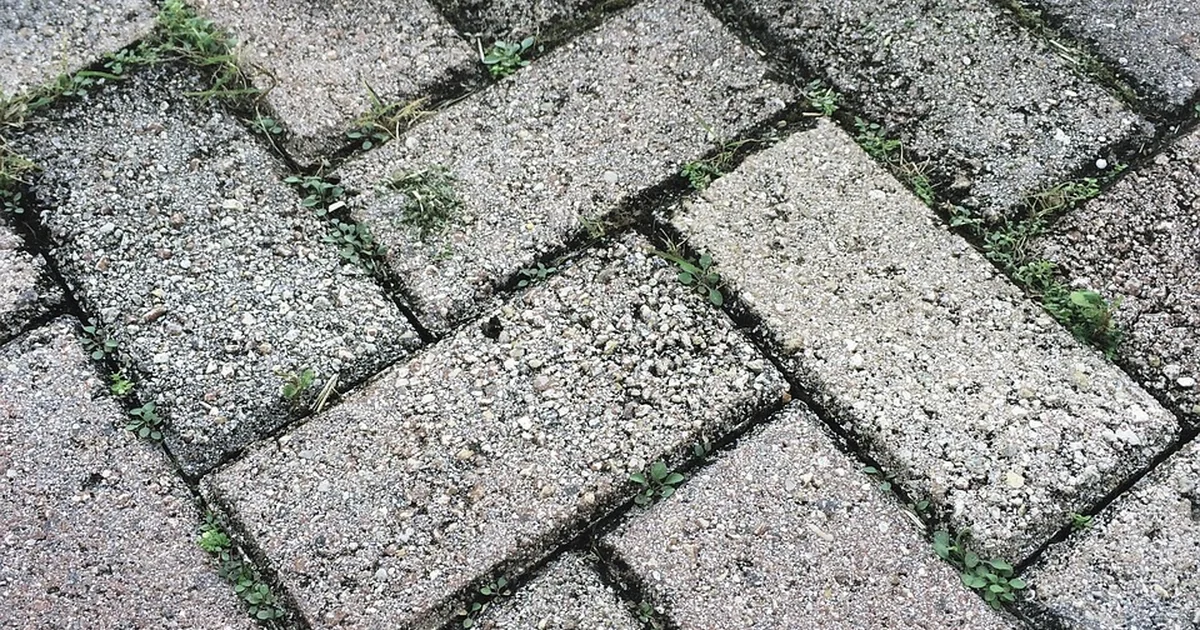
You step onto your patio with a cup of coffee, ready to enjoy a quiet morning. But instead of relaxing, your eyes land on the green invaders pushing up through the cracks between your pavers. Those stubborn sprouts seem to appear overnight, turning a clean hardscape into a messy patchwork. If this scene sounds familiar, you are not alone. Homeowners across the country deal with weeds in pavers every growing season. The good news is that you can fight back without reaching for harsh chemicals. Natural methods work well when you apply them at the right time and with the right technique. The key is to stay ahead of the problem and choose an approach that fits your patio, your schedule, and your comfort level.
Pull Weeds by Hand Before They Set Seed
Manual removal remains the most straightforward and budget-friendly way to tackle unwanted plants between paving stones. You do not need any special equipment or expensive products. A sharp digging tool and a bit of patience are all it takes. The trick is to act early. Young weeds pull out far more easily than mature ones with deep, tangled root systems. Once a weed goes to seed, you are looking at dozens of new sprouts in the same spot within weeks.
Choosing the Best Tools for Tight Paver Gaps
A standard garden trowel is often too wide for the narrow spaces between pavers. A narrow weeding fork or a dandelion digger works much better. These tools have long, thin blades that slide into tight cracks without disturbing the surrounding stones. You want a tool that lets you lever the root out from below rather than just snapping off the top growth. Leaving even a small piece of root behind means the plant will almost certainly grow back, especially with perennial species like dandelions or bindweed.
Why Wet Soil Makes the Job Easier
Pulling weeds from dry, compacted soil is frustrating. The roots grip the ground tightly, and you often end up tearing the stem while the root stays put. Watering the area thoroughly about 30 minutes before you start makes a dramatic difference. Wet soil loosens its grip on root hairs, allowing you to extract the entire plant in one smooth motion. Right after a rain shower is an ideal time to patrol your patio. The ground is soft, and the weeds are already hydrated and less brittle, so they come out cleanly.
How often should you do this? A quick 10-minute inspection once a week during the growing season keeps the population under control. If you let things slide for a month, you will face a much larger task. Consistency matters more than intensity when it comes to manual removal of weeds in pavers.
Spray Horticultural Vinegar on Young Sprouts
Vinegar offers a simple, non-toxic alternative to chemical sprays. It works by drawing moisture out of plant tissues. Without water, the cells collapse and the weed dies within a few hours. This method works best on young, tender growth. Mature weeds with thick stems and established root systems may require multiple applications or a stronger approach.
Why Culinary Vinegar Falls Short
The white vinegar sitting in your kitchen cabinet contains about 5 percent acetic acid. That concentration is too weak to kill most weeds effectively. You might see some wilting on the leaves, but the roots usually survive and send up new growth within days. Horticultural vinegar, which contains 20 to 30 percent acetic acid, delivers the punch needed to kill the plant down to the root. You can find it at garden supply stores or online. Handle it with care. At that strength, vinegar can cause skin burns and eye damage. Wear gloves and safety goggles during application, and keep children and pets away until the treated area dries.
How to Apply Vinegar Between Pavers
A spray bottle with a narrow nozzle works well for targeting individual weeds without drenching the surrounding stones. Aim for the center of the plant and saturate the leaves and stem. Avoid spraying on windy days, as the mist can drift onto nearby grass or flower beds. Horticultural vinegar is non-selective, meaning it will damage any plant it touches. Apply it on a sunny morning so the heat helps speed up the drying process. You should see results within 24 hours. Reapply if the weed shows signs of recovery after a few days.
Pour Boiling Water for Instant Thermal Shock
Boiling water is one of the most accessible natural weed killers available. Every kitchen has a kettle. The mechanism is simple: hot water at 212 degrees Fahrenheit inflicts thermal shock on plant cells, causing them to rupture and die. This method works especially well on young annual weeds growing in tight cracks where you cannot easily insert a tool.
Getting the Water to the Roots
The key is to pour slowly and steadily so the water penetrates deep into the gap rather than running off across the surface of the pavers. A kettle with a long, narrow spout gives you the control you need. A teapot or a carafe with a slim opening also works. Pour directly onto the weed and count to three before moving to the next spot. You want enough water to reach the root zone, which is usually about two to three inches down in loose joint sand. For larger weeds, you may need to pour a second round after the first has soaked in.
When This Method Works Best
Boiling water is most effective on weeds that have emerged within the past week or two. Older plants with thicker cuticles and deeper roots may survive the heat and regrow. This method is also ideal for patios where you have children or pets playing nearby, because there is no chemical residue left behind. The water cools quickly and simply evaporates or drains into the soil. The only downside is that boiling water can also kill nearby grass or desirable plants if you are not careful with your aim. Direct the stream precisely and avoid overspray.
Use a Power Washer for Neglected Hardscapes
If your patio has gone unattended for months or years, manual removal may feel overwhelming. A power washer can handle large areas quickly. The force of the water stream dislodges weeds, moss, and built-up debris from between the pavers. It also cleans the surface of the stones at the same time, giving your patio a fresh look. This method is best suited for patios with relatively tight paver spacing where the joints are still intact.
Protecting Your Pavers During Cleaning
Power washers generate significant force. Using a setting that is too high can erode the edges of soft stones like sandstone or limestone. It can also blow out the joint sand that keeps your pavers stable. Start with a low-pressure nozzle and test an inconspicuous area first. A pressure setting between 1,200 and 1,900 PSI is usually sufficient for weed removal without damaging the hardscape. Hold the nozzle at a slight angle and move it steadily across the joints. Do not linger in one spot.
What to Do With Dislodged Debris
Power washing does not make weeds disappear. It simply rips them out of the cracks and scatters them across the patio surface. You will need to go back and collect the debris by hand or with a rake and dustpan. If you leave the plant material in place, some pieces may reroot or drop seeds into clean joints. Dispose of the gathered weeds in your green waste bin or compost pile if the plants have not gone to seed. After power washing, inspect the joints. You may need to refill them with fresh sand to restore stability and prevent future weed growth.
Flame Weeds With a Propane Torch
Flame weeding sounds dramatic, but it is a well-established technique among organic gardeners. A propane torch attached to a standard barbecue tank produces a controlled flame that passes over the weed for just a second or two. The intense heat causes the water inside the plant cells to expand rapidly, rupturing the cell walls. The foliage darkens and wilts within minutes. The plant dies because it can no longer transport water or nutrients.
You may also enjoy reading: 5 Tips: Grow Watermelons from Seed for Successful Summer.
Fire Safety Around Hardscapes
Using an open flame near your home, wooden fence, or dry landscaping requires caution. Never use a propane torch on a windy day. Embers or drifting flame can ignite dry leaves, mulch, or nearby structures. Keep a garden hose or fire extinguisher within reach. Wear long pants, closed-toe shoes, and gloves. Pass the flame over the weed quickly. You do not need to char the plant completely. A brief pass that causes the leaves to darken is enough. Focus on the center of the weed and avoid holding the flame in one spot for more than two seconds, as prolonged heat can damage the paver surface or melt joint sand.
Best Conditions for Flame Weeding
This method works best on dry days when the weeds are not covered in dew or rain. Moisture on the leaves absorbs heat and reduces the effectiveness of the flame. Target young weeds that have not yet developed thick, woody stems. Flame weeding is also useful for clearing large areas quickly, such as a long driveway or a wide patio with many joints. A single tank of propane can treat a substantial area. Just be mindful of the fire risk and work slowly and deliberately.
Apply Corn Gluten Meal as a Natural Pre-Emergent
Prevention is always easier than removal. Corn gluten meal is a natural byproduct of corn processing that acts as a pre-emergent herbicide. It does not kill existing weeds. Instead, it prevents new seeds from forming roots after they germinate. Without roots, the seedlings cannot absorb water or nutrients, and they die shortly after emerging. This approach gives you a head start on the next generation of weeds in pavers.
Understanding How Pre-Emergents Work
Many homeowners misunderstand pre-emergent products. They expect the product to stop seeds from sprouting. In reality, the seed germinates normally, but the emerging root cannot penetrate the layer of corn gluten. The root tip is damaged, and the seedling starves. This distinction matters because you must apply corn gluten before the weed seeds begin to germinate. If you apply it after the roots have already formed, it will have no effect. Knowing the typical germination window for common weeds in your region is essential. For cool-season weeds like chickweed and henbit, apply in early fall. For warm-season weeds like crabgrass, apply in early spring.
Timing and Weather Considerations
Corn gluten requires a dry period after application to remain effective. If rain falls within a few days of spreading the meal, the proteins that inhibit root growth break down and wash away. Check your local forecast and aim for a stretch of at least three to four days without rain. Spread the meal evenly over the paver joints at a rate of about 20 pounds per 1,000 square feet. Use a handheld spreader or simply sprinkle it by hand over the cracks. The meal decomposes naturally over time and adds a small amount of nitrogen to the soil, which is a bonus for nearby garden beds but not an issue for hardscapes.
Maintain Joints With Natural Sand and Grit
Weeds cannot establish themselves in joints that are fully packed with stable material. Over time, wind, rain, and foot traffic wear away the sand between your pavers. The gaps fill with organic matter like fallen leaves, dust, and soil. This combination creates a perfect seedbed. One passing breeze carries a single seed into the crack, and within weeks a weed takes hold. Keeping the joints full and firm is one of the most effective long-term strategies for preventing weeds in pavers.
Choosing the Right Joint Material
Standard play sand works in a pinch, but it washes out quickly and provides little resistance to weed roots. Polymeric sand contains a small amount of binder that hardens when activated with water. It creates a firm, stable joint that resists erosion and makes it difficult for seeds to take hold. For a fully natural approach, use a fine-grained granite dust or decomposed granite. These materials compact tightly and allow water to drain while blocking light and space for roots. Sweep the material into the joints using a broom, then tamp it down gently. Repeat the process until the joints are full and level with the paver surface.
A Seasonal Maintenance Routine
Check your paver joints twice a year, once in spring and once in fall. Top off any areas where the sand has settled or washed away. Remove any debris or organic matter that has accumulated in the cracks before adding new material. A stiff broom and a shop vacuum make quick work of this task. Keeping the joints clean and full deprives weed seeds of the conditions they need to germinate. Over time, this simple habit saves you hours of pulling, spraying, and scrubbing.
Combining two or more of these methods gives you the best results. Pull visible weeds by hand, then apply corn gluten to prevent the next batch. Use boiling water or vinegar for spot treatments between larger cleaning sessions. Power wash once a year to reset the surface, then refill the joints with fresh sand. Each approach reinforces the others, and together they keep your patio looking clean and well cared for throughout the year.