Summer grilling season invites us to explore flavors beyond the usual backyard staples. While hamburgers and hot dogs have their place, a growing number of home cooks are turning to globally inspired recipes for something bolder. Filipino BBQ offers exactly that — a smoky, caramelized, sweet-and-savory experience that transforms simple skewered meat into a conversation starter. The secret lies not in complicated techniques but in a handful of smart choices any grill master can adopt.
The Rise of Filipino BBQ in Global Grilling Culture
Filipino cuisine has been gaining momentum in food circles worldwide, and grilled meats form a cornerstone of that movement. According to chef Eric Valdez, executive chef of the New York City Filipino restaurant Naks, the appeal is straightforward. “Filipino BBQ has bold and addictive flavors that are perfect for communal eating, which fits current food culture,” he says. This style of cooking emerged from street vendors and family gatherings in the Philippines, where affordable cuts of meat are transformed into something crave-worthy through a distinctive marinade.
Globally inspired grilling trends have risen steadily over recent years. A 2023 report from the National Barbecue Association noted that about 37 percent of home grillers now experiment with international marinades and rubs at least once per month. Filipino BBQ fits naturally into this shift, offering a flavor profile that balances sweetness, tanginess, garlic punch, and deep umami all at once.
The beauty of this approach is its accessibility. You do not need a special grill setup or rare equipment. What you need is an understanding of a few core principles — the right combination of ingredients, patience during marination, and controlled heat on the grill. These are the filipino bbq secrets that separate average skewers from truly memorable ones.
What Exactly Is Filipino BBQ?
At its simplest, Filipino BBQ refers to skewered, marinated meats cooked over an open flame. It differs from other Asian grilling traditions in its marinade composition and the emphasis on achieving a glossy, caramelized exterior. The meat — usually pork or chicken — soaks overnight in a mixture that delivers sweet, garlicky, tangy, and savory notes all at once.
Street vendors in the Philippines have perfected this craft over generations. They grill over charcoal, basting the meat as it cooks, and serve it on bamboo skewers with a side of spiced vinegar for dipping. The same dish appears at birthday parties, holiday gatherings, and neighborhood cookouts. It is humble food that carries deep cultural meaning.
Chef Valdez describes the marinade as the heart of the dish. “The key to Filipino BBQ is its signature marinade,” he explains. “It is sweet, garlicky, tangy, and full of umami.” Each family may have its own variation, but a common formula exists. Understanding that formula is the first step toward mastering this style of grilling.
Filipino BBQ Secret #1: The Core Marinade Formula
The foundation of any great Filipino BBQ begins with a balanced marinade. While individual recipes vary widely — every Filipino household guards its own version — a reliable template includes four key components: a salty umami element, a sour citrus component, a sweetener with character, and aromatics that cut through the richness of the meat.
Chef Valdez recommends a combination of soy sauce for depth, calamansi juice for brightness, lemon soda for tenderizing, and banana ketchup for sweetness and color. This quartet creates a marinade that clings to the meat, penetrates the fibers during overnight refrigeration, and caramelizes beautifully on the grill.
The ratio matters. Too much soy sauce makes the meat overly salty. Too little citrus leaves the flavor flat. A good starting point is equal parts soy sauce and lemon soda, about half that amount of calamansi juice, and a generous splash of banana ketchup. Add chopped garlic liberally — Filipino cooks rarely hold back on garlic.
Imagine a home cook preparing for a weekend barbecue. They have pork shoulder cut into chunks, a handful of bamboo skewers soaking in water, and a mixing bowl ready. They combine these ingredients, taste the marinade, and adjust the balance. This moment — the tasting and adjusting — is where personal preference meets tradition. Some add a pinch of black pepper. Others stir in brown sugar for extra sweetness. The base, however, remains consistent.
Filipino BBQ Secret #2: The Critical Role of Citrus
Calamansi is the citrus fruit most associated with Filipino cooking. It resembles a small lime or kumquat and delivers a distinctive tartness that is both floral and sharp. When calamansi juice meets the richness of pork or chicken, it cuts through the fat and brightens the entire dish.
Many home cooks outside the Philippines struggle to find fresh calamansi. The good news is that substitutes work well. A mixture of equal parts fresh lime juice and fresh orange juice replicates the tangy-sweet profile reasonably closely. Some cooks add a drop of lemon juice for extra sharpness. Bottled calamansi juice is also available in Asian grocery stores and online.
What if a reader cannot find calamansi at all? The best alternative is a combination of lime juice and a small amount of mandarin orange juice. Lime provides the acidity, while the mandarin adds a hint of sweetness. Avoid using only lemon juice, which can be too sharp and one-dimensional. The goal is a balanced citrus note that does not overwhelm the other flavors.
Beyond flavor, the acid in the marinade serves a functional purpose. It helps break down connective tissues in the meat, which contributes to tenderness. A marinade left too long with highly acidic ingredients can turn the surface mushy, but overnight soaking at the right ratio produces perfectly tender results without compromising texture.
Filipino BBQ Secret #3: Why Lemon Soda Belongs in the Marinade
One of the most surprising ingredients in a traditional Filipino BBQ marinade is lemon soda. Brands like Sprite or 7-Up are common choices. The sugar content aids caramelization, while the carbonation and citric acid help tenderize the meat in a gentle, even manner.
The role of carbonation is often misunderstood. Soda does not physically inject air into the meat — that is a myth. Instead, the carbon dioxide creates a slightly acidic environment that, combined with the other marinade ingredients, encourages enzymatic activity. The result is meat that remains juicy on the inside while developing a lacquered crust on the outside.
Consider a home cook who has tried grilling marinated pork only to end up with dry, tough meat. The missing element may well be the soda. It adds sugar without the heaviness of straight syrup, and it spreads evenly throughout the liquid. When the meat hits the grill, those sugars caramelize rapidly, forming that signature sticky, dark exterior that makes Filipino BBQ so visually appealing.
Chef Valdez emphasizes controlling the heat to achieve the perfect caramelization. Medium-high heat allows the sugars to brown without burning. If the heat is too low, the meat steams rather than sears. If it is too high, the sugars char before the interior cooks through. The soda-based marinade rewards patience and attention.
Filipino BBQ Secret #4: Banana Ketchup Adds Depth and Color
Banana ketchup is a uniquely Filipino condiment. Made from mashed bananas, sugar, vinegar, and spices, it is typically tinted red to resemble tomato ketchup. Its flavor is sweeter and fruitier than its tomato counterpart, with a subtle tang from the vinegar.
In the context of Filipino BBQ marinade, banana ketchup contributes three things. First, it adds a layer of sweetness that is more complex than plain sugar. Second, it provides natural starches that help the marinade adhere to the meat. Third, it deepens the color of the finished product, giving the skewers a rich reddish-brown hue that signals caramelization.
For readers who cannot find banana ketchup, a substitute can be made at home. Combine ripe mashed banana, tomato paste, brown sugar, vinegar, and a pinch of salt. Simmer until thickened. While not identical to the store-bought version, this DIY alternative captures the essential character and works well in the marinade.
Some cooks worry that banana ketchup will make the meat taste fruity or dessert-like. In practice, the other marinade ingredients — soy sauce, garlic, and citrus — balance the sweetness. The final flavor is savory first, with a sweet undertone that lingers pleasantly.
Filipino BBQ Secret #5: Overnight Marination Is Non-Negotiable
Chef Valdez recommends marinating the meat overnight for the best results. This is not a suggestion to be taken lightly. A minimum of eight to twelve hours allows the flavors to penetrate deeply into the meat fibers, rather than just coating the surface.
You may also enjoy reading: 5 Reasons This Fragrant Perennial Quietly Replaces Lavender.
Consider two scenarios. In the first, a cook marinates pork chunks for only two hours before grilling. The meat tastes mildly seasoned on the outside but bland in the center. In the second scenario, the same meat sits in the marinade overnight. Every bite carries the full chorus of garlic, citrus, soy, and sweetness. The difference is dramatic.
For practical planning, start the marinade the evening before your barbecue. Combine all ingredients in a non-reactive bowl or zip-top bag. Add the meat, seal, and refrigerate. Turn the bag once or twice during the night to ensure even coating. The next afternoon, you are ready to skewer and grill.
A common question arises: can you marinate too long? With this particular combination of ingredients, overnight is ideal. Twenty-four hours is also fine. Beyond that, the acid may begin to break down the meat texture too aggressively, especially with chicken. Pork can handle a slightly longer soak, but sticking to the twelve-to-eighteen-hour window yields the best balance of flavor and texture.
Filipino BBQ Secret #6: Mastering Heat Control on the Grill
Grilling Filipino BBQ requires a specific approach to heat management. Chef Valdez advises medium-high heat. This zone allows the sugars in the marinade to caramelize without burning, while the interior of the meat cooks through at a steady pace.
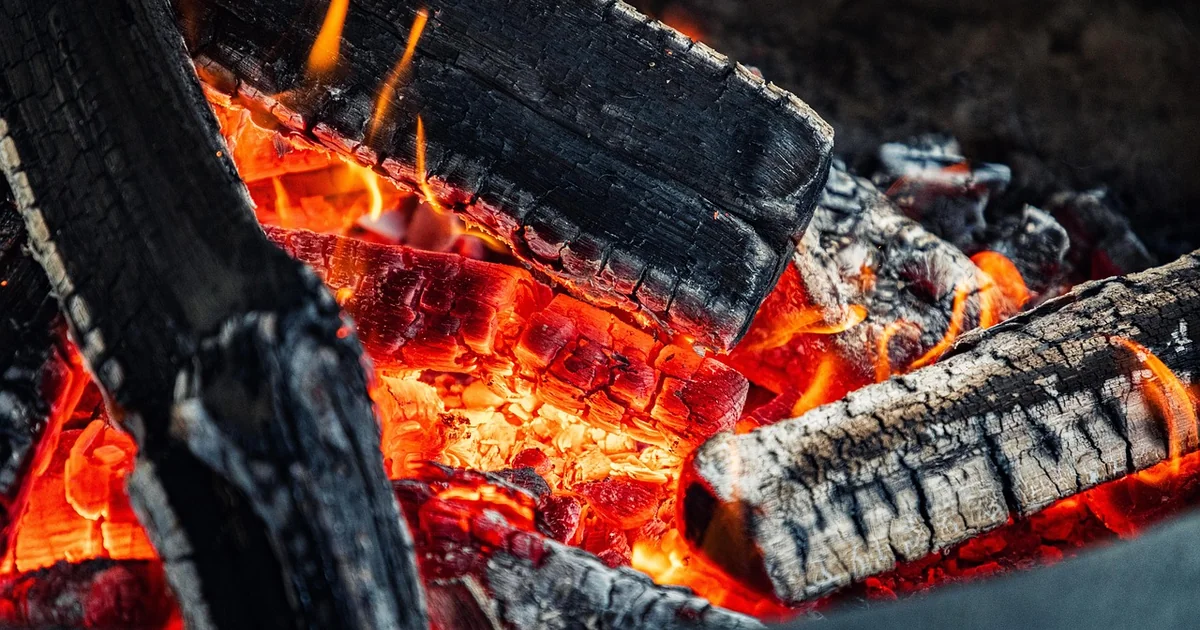
Picture a charcoal grill. The coals are spread into an even layer, glowing orange with a light ash coating. The grate is clean and oiled. You place the skewers on the grill, leaving space between each one. Within a minute, you hear the satisfying sizzle. The marinade bubbles and begins to darken. You resist the urge to move the skewers too soon.
After two to three minutes, rotate the skewers a quarter turn. This creates those appealing crosshatch grill marks and promotes even cooking. Continue rotating every few minutes until all sides are caramelized. Total cooking time depends on the size of the meat pieces, but for one-inch pork chunks, about eight to ten minutes total is sufficient.
Basting during grilling is optional but beneficial. Reserve some of the unused marinade (never use the portion that touched raw meat) and brush it onto the skewers as they cook. This adds an extra layer of shine and flavor. Just be careful not to apply too much, which can cause flare-ups from dripping sugar.
If you are using a gas grill, preheat to medium-high and follow the same rotation technique. The key is to stay attentive. Filipino BBQ cooks quickly, and the line between perfect caramelization and burnt sugar is thin. Watch for a deep mahogany color with slightly charred edges — that is the goal.
Traditional Sides That Complete the Meal
Filipino BBQ is rarely served alone. A complete spread includes garlic rice, atchara (pickled papaya), and spiced vinegar for dipping. These sides balance the richness of the grilled meat and add texture and acidity to each bite.
Garlic rice is simple to prepare. Cook jasmine rice, let it cool slightly, then fry it in oil with a generous amount of minced garlic until golden and fragrant. The crispy garlic bits and the light toastiness of the rice complement the sweet, smoky meat perfectly.
Atchara is a tangy, slightly sweet pickle made from shredded green papaya, carrots, bell peppers, and ginger. It cuts through the fat of the pork and refreshes the palate between bites. Store-bought versions are available in Asian markets, but homemade atchara is easy to prepare and lasts for weeks in the refrigerator.
Spiced vinegar is the simplest essential. Combine white vinegar or cane vinegar with crushed garlic, sliced bird’s eye chilies, and a pinch of salt. Let it sit for at least an hour before serving. Diners dip each bite of BBQ into the vinegar, adding a bright, spicy kick that balances the sweetness of the marinade.
Buro — fermented rice sautéed with garlic and aromatics — is a more niche side but worth seeking out. Its funky, savory flavor adds another dimension to the meal. For a casual backyard barbecue, garlic rice and atchara are sufficient to create an authentic experience.
Bringing Filipino BBQ Into Your Summer Rotation
The trend toward globally inspired grilling is not a passing phase. More home cooks are seeking flavors that tell stories — that connect them to traditions beyond their own. Filipino BBQ delivers on that promise with ingredients that are accessible and techniques that are learnable.
Chef Valdez sums up the broader appeal of Filipino cuisine. “Filipino food is trending now because people are finally discovering how bold, comforting, and deeply personal it is,” he says. “It’s the kind of food that tells stories of family, resilience, and celebration.” The filipino bbq secrets shared here — the balanced marinade, the overnight soak, the careful heat control — are not rigid rules but invitations to explore.
This summer, consider setting aside the usual barbecue sauces and trying something new. Skewer some marinated pork, fire up the grill, and serve it with garlic rice and a bowl of spiced vinegar. You might find that the most memorable cookout meals are the ones that carry a bit of history in every bite.