Sunday evening arrives, and you glance around the living room. Toys are scattered across the rug. Dust has settled on the window sills. The kitchen floor tells the story of every meal cooked over the weekend. That familiar knot of dread tightens in your stomach. How will you possibly get this place clean before Monday morning?
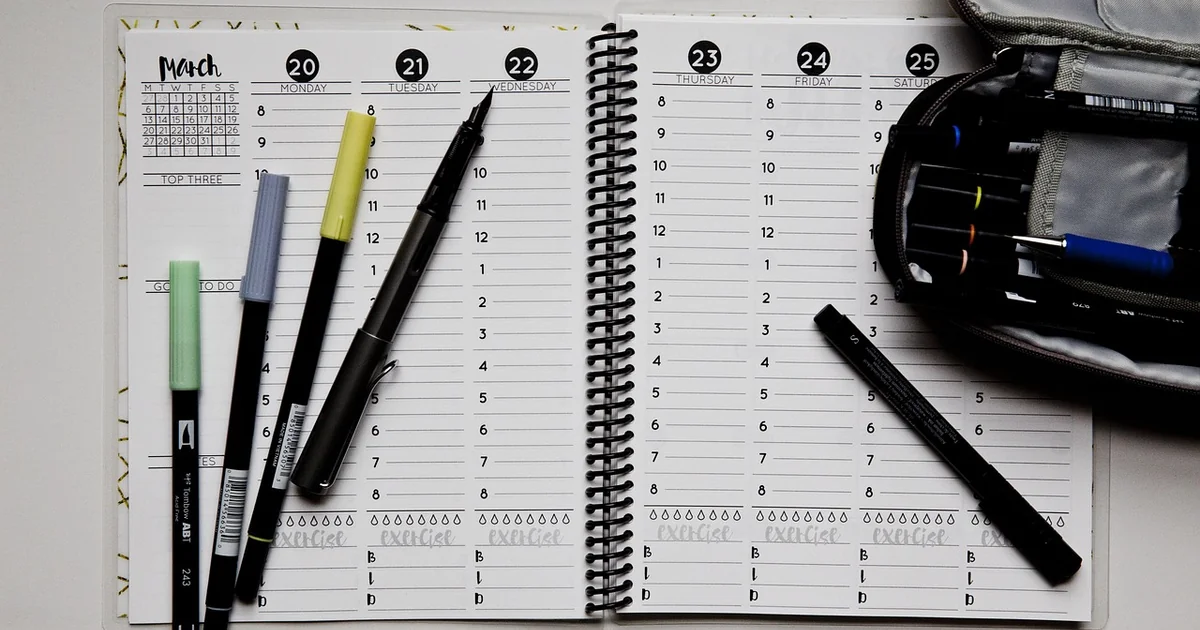
You are not alone in feeling this way. Many households treat cleaning as a single overwhelming event rather than a gentle rhythm. The truth is, a realistic weekly cleaning schedule can dissolve that dread entirely. By breaking the work into small, predictable chunks, you keep your home tidy without sacrificing your weekends or your sanity. The five steps below will help you build a routine that actually fits your life.
Let’s walk through them one at a time.
Step 1: Assign One Heavy-Duty Task to Each Weekday
The core insight behind any workable weekly cleaning schedule is simple: do not try to clean everything in a single afternoon. Instead, give each weekday a single focus area. This approach turns a mountain of chores into five small hills. You complete one meaningful task each evening and still have time to relax.
Monday: Focus on Floors
Your floors absorb the chaos of the weekend. Mud from Saturday’s walk, crumbs from Sunday brunch, dust from opening windows — it all settles on the ground. Monday is the perfect day to restore order underfoot.
Begin by picking up any stray items. Shoes, bags, and toys need to return to their homes before you can sweep or vacuum effectively. Once the floor is clear, vacuum carpets and rugs first. If you have hardwood or tile, follow up with a damp mop. Focus on high-traffic zones: the foyer, the kitchen, the hallway, and any stairs. If you cannot do the entire house, rotate these priority areas week by week. One study from the American Cleaning Institute found that vacuuming twice a week reduces airborne allergens by about 44 percent. Monday’s mop session does more than make floors shine — it improves the air your family breathes.
Tuesday: Tackle the Bathrooms
Bathrooms demand a weekly reset. Tuesday is your appointment with scrub brushes and spray bottles. Start by spraying the toilet bowl with cleaner and letting it sit while you work on other surfaces. Scrub the bathtub and shower walls, paying attention to corners where soap scum hides. Wipe down sinks and counters with a disinfectant. Spray the plastic shower curtain with a mild bleach solution or a bathroom disinfectant. Change out every towel and washcloth. Take bathmats outside and shake them vigorously to remove dust and hair.
This is also a good moment to check your toiletries. Notice which shampoo bottles are nearly empty. Add replacements to your shopping list. A tidy bathroom cabinet reduces morning stress considerably. According to a 2022 survey from the National Sanitation Foundation, the average bathroom sink harbors about 500 bacteria per square inch before cleaning. A weekly disinfecting wipe brings that number down to near zero.
Wednesday: Wipe Down Surfaces and Electronics
Midweek is the ideal time to erase dust, germs, and fingerprints from the surfaces you touch most often. Grab a microfiber cloth and a gentle all-purpose cleaner. Move through your home systematically: kitchen counters, dining table, coffee table, nightstands, and desk. Pay special attention to electronics. Laptops, tablets, phones, and remote controls collect bacteria quickly because they rarely get washed. A quick wipe with a disinfectant cloth keeps them sanitary.
Do not forget the spots that escape notice. Ceiling fan blades, window sills, light switches, doorknobs, and refrigerator handles all need attention. Mirrors and glass tabletops can be cleaned with a streak-free spray. A 2019 laboratory analysis published in the Journal of Applied Microbiology found that regular disinfection of high-touch surfaces reduces viral transfer by 83 percent. Wednesday’s wiping routine is a small act with outsized health benefits.
Thursday: Declutter and Discard
Thursday is not about scrubbing or polishing. It is about removing what no longer belongs. Clutter accumulates silently — junk mail on the counter, old newspapers on the coffee table, broken pens in the drawer, clothes with holes waiting for repair. These items create visual noise that makes every room feel messier than it actually is.
Set a timer for fifteen minutes. Walk through each room with a small trash bag and a donation box. Toss expired coupons, catalogs you will never read, and food that has passed its prime. Recycle paper and cardboard. Return stray items to their proper rooms. A study from the Princeton Neuroscience Institute demonstrated that physical clutter competes for your attention and reduces your ability to focus. Clearing it once a week does not just tidy your home — it clears your mental space as well.
Friday: Conquer the Laundry
Friday is laundry day. Gather every dirty garment, towel, and bedsheet from around the house. Sort by color and fabric type. Treat stains before washing — a dab of laundry detergent left to sit for ten minutes lifts most food and grass marks. Wash sheets and pillowcases so you sleep on fresh linens tonight. Fold clean clothes promptly. Iron anything that needs it. Set aside items that require dry cleaning.
If you have children, check their sports uniforms and school outfits for the weekend. Nothing derails Saturday morning like discovering the soccer jersey is still in the wash. A 2021 survey by the American Cleaning Institute found that the average family washes about eight loads of laundry per week. Spreading those loads across Saturday and Sunday causes weekend fatigue. Centralizing them on Friday keeps your weekends open.
Step 2: Protect Your Weekend with Short Sessions and True Rest
Once the weekdays have handled the main chores, the weekend can feel spacious. You do not need to scrub baseboards on Saturday. A light schedule preserves your energy for family time and relaxation.
Saturday: A Twenty-Minute Tidy and Refrigerator Review
Set a timer for twenty minutes. Work as a family to knock out the most urgent tasks — wiping the kitchen counters, sweeping the entryway, fluffing couch cushions, taking out the trash. A focused short burst is surprisingly effective because everyone knows the timer will end. No one feels trapped in an endless chore session.
Use part of Saturday to assess the refrigerator. Remove leftovers from the week. Toss spoiled produce and expired condiments. Wipe down shelves and bins with a warm soapy cloth. A 2020 report from the Food and Drug Administration estimated that American households throw away roughly 30 percent of the food they buy. A weekly fridge check helps you use what you have and reduces waste. It also makes your Sunday grocery trip more efficient.
Sunday: No Housework. Genuine Rest.
Sunday belongs to self-care. No vacuuming, no scrubbing, no folding. The weekly cleaning schedule has already done its work from Monday through Saturday. You deserve one full day where the only task is to rest, play, and recharge. Read a book. Go for a walk. Cook a leisurely meal. Spend time with people you love. Sunday’s purpose is to reset your mind so Monday feels manageable again.
Step 3: Weave in Micro-Habits That Take Five Minutes or Less
The weekly tasks are the backbone of your routine, but daily micro-habits are the glue that holds everything together. These small actions take about five minutes each. They fit into the margins of your day — after breakfast, before bed, while you wait for coffee to brew. Over the course of a week, they save you hours of catch-up cleaning.
You may also enjoy reading: 7 Suitcase Packing Mistakes You Should Stop Making.
Morning Reset (Fifteen Minutes)
As you start your day, invest a quarter of an hour in setting the house right. Make your bed. Open curtains to let in light. Spray and wipe the bathroom mirror. Swish a toilet brush around the bowl. Put away anything left out from the night before. Load breakfast dishes into the dishwasher. A tidy morning start creates calm momentum for the rest of the day.
Evening Wind-Down (Fifteen Minutes)
Before you head to bed, do a quick evening pass. Clear the kitchen counters. Wipe down the stove. Sweep the dining area floor. Toss any trash that accumulated during the day. Lay out items you need for tomorrow — bags, keys, lunch containers. Fluff couch pillows. Turn off lights. Waking up to a clean kitchen and a clear coffee table reduces morning stress significantly.
A 2018 study published in the journal Mindfulness found that people who performed short evening cleaning rituals reported 23 percent lower cortisol levels the following morning. These tiny habits compound into a profound sense of order.
Step 4: Recruit Your Whole Household to Share the Load
A weekly cleaning schedule works best when it does not rest on one person’s shoulders. Every capable member of the household can contribute. Assigning age-appropriate tasks teaches children responsibility and reduces your workload at the same time.
Tasks for Young Children (Ages 3 to 6)
Preschoolers can water houseplants with a small watering can. They can carry their toys to the toy bin. They can wipe low counters with a damp cloth. They can place napkins and utensils on the dinner table. These tasks build confidence and a sense of belonging.
Tasks for School-Age Children (Ages 7 to 12)
Older children can load the dishwasher after meals. They can empty small trash bins from bedrooms and bathrooms. They can make their own beds each morning. They can dust low shelves and table surfaces. Adding a small reward — stickers, screen time, a special treat — keeps motivation strong.
Tasks for Teenagers and Adults
Teens and adults can handle the heavier weekly chores: vacuuming, mopping, bathroom scrubbing, laundry, and decluttering. Rotate these responsibilities monthly so no one gets bored. When everyone contributes, the work gets done in half the time. A 2021 study from the University of Alberta found that couples who split household tasks reported 31 percent higher relationship satisfaction than those where one person handled the majority.
Step 5: Anchor Your System with Monthly Deep-Cleaning Sessions
Weekly maintenance keeps your home clean, but monthly deep cleaning preserves its condition for the long run. These sessions target areas that weekly tasks miss — the spaces behind furniture, the tops of cabinets, the insides of ovens. Schedule one weekend morning per month for deep work.
What to Include in Your Monthly Session
Vacuum under all furniture, including the couch, bed frames, and chairs. Dust and polish wooden furniture. Clean makeup brushes and sponges. Vacuum upholstered furniture with the brush attachment. Wipe down baseboards and door frames. Organize one closet or one pantry drawer. Wash bed skirts and mattress protectors.
In the kitchen, deep clean the oven interior. Descale the coffee maker. Wipe out refrigerator drawers. Sanitize the trash can. In bathrooms, scrub grout lines with a small brush. Wash the shower curtain liner. Organize medicine cabinets. These monthly actions prevent the buildup that leads to expensive repairs and worn-out furnishings.
Why Monthly Work Matters
A 2022 consumer report from the Appliance Manufacturers Association noted that regular deep cleaning extends the lifespan of major appliances by an average of 3.5 years. The same principle applies to furniture, carpets, and fixtures. Monthly deep cleaning is not a luxury. It is a practical investment in your home’s longevity. When you protect your belongings, you spend less money replacing them.
A realistic weekly cleaning schedule does not demand perfection. It asks for consistency. Five weekday tasks, a short Saturday session, a restful Sunday, daily micro-habits, shared household responsibility, and a monthly deep dive — this combination keeps your home clean without dominating your life. Start with Step 1 this Monday. Adjust the details to fit your family’s rhythm. Within a month, the dread will be gone, replaced by the quiet satisfaction of a home that supports your daily life rather than disrupting it.