There’s something almost magical about reaching into your garden, pinching off a few feathery fronds, and instantly transforming a simple dish. That fresh, grassy aroma with a hint of anise is unmistakable—it’s the scent of dill. While it’s famously paired with salmon and pickles, this herb can brighten everything from a simple yogurt dip to roasted carrots. Yet, many home gardeners find their dill harvests disappointing: the leaves are sparse, the flavor is weak, or the plant bolts to seed before they can get much use from it.
The Secret Life of a Dill Plant: Understanding What You’re Harvesting
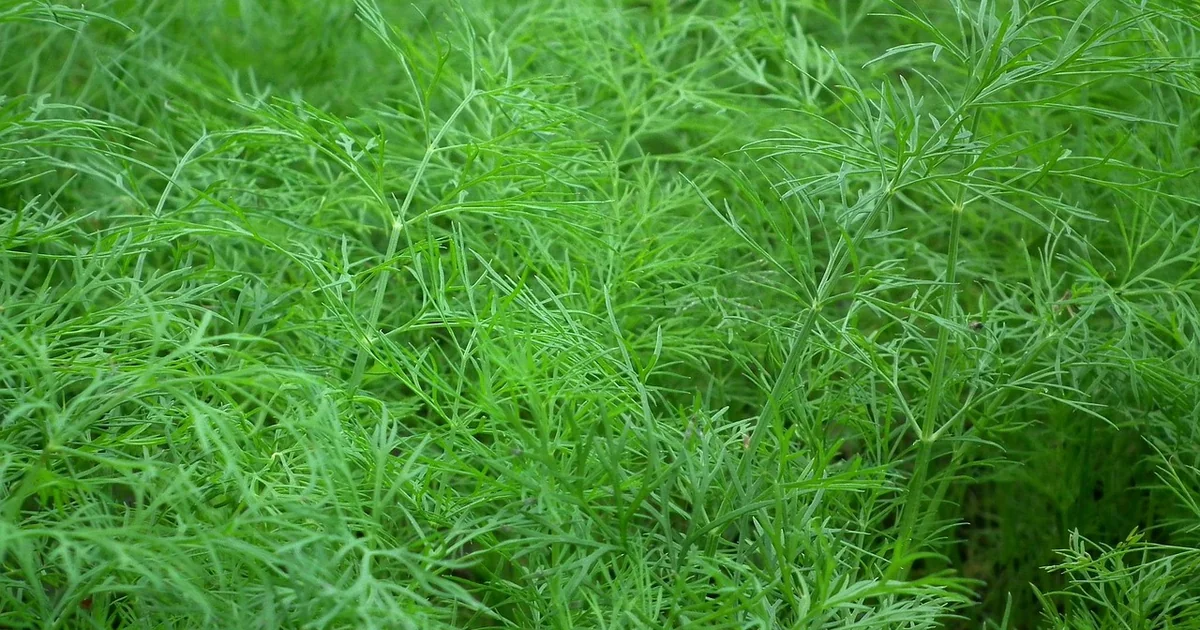
To harvest dill effectively, it helps to understand its life cycle. Dill (Anethum graveolens) is an annual herb, meaning it completes its entire life—from seed to flower to seed—in one growing season. It’s driven by a biological imperative to reproduce. Once it senses the right conditions, often triggered by longer days and warmer temperatures, it enters the “bolting” phase. The central stem shoots upward, a flower umbrella forms, and the plant’s energy shifts from leaf production to creating seeds. This is a critical point for harvesters. The leaves are most flavorful just before bolting, as the plant concentrates its aromatic oils. A 2018 study published in the Journal of Applied Research on Medicinal and Aromatic Plants found that the essential oil content in dill foliage peaks during the late vegetative stage, just prior to flowering. This is your prime harvesting window for the most potent leaves.
The Common Harvesting Pitfall: Center-Stem Snatching
One of the most frequent mistakes is harvesting from the very top or center of the young plant. It feels intuitive—that’s where the newest, most tender growth is. However, this act removes the plant’s primary growing point, confusing it and stunting future growth. It’s like cutting off the tip of a candle’s wick; the flame struggles to reignite properly. Instead, the goal is to harvest in a way that signals the plant to become bushier and more productive, not to shut down.
Secret 1: The “Outer Ring” Harvesting Method for Continuous Growth
Instead of targeting the center, focus on the plant’s perimeter. Imagine your dill plant as a small tree. The oldest, most mature leaves are on the outside, lower down on the stem. These are the ones you should harvest first. Use clean, sharp scissors or simply pinch with your fingernails, cutting the leaf stem where it meets the main stalk. This “outer ring” method leaves the vital central growing tip and younger inner leaves completely untouched to continue driving growth. A good rule is to never take more than one-third of the total plant’s foliage at any single harvest. This prevents undue stress and ensures the plant has enough leafy surface area to perform photosynthesis and recover vigorously. If you need a larger harvest, the solution is simple: grow more plants. Even in a small space, three or four dill plants will provide a generous, rotating harvest without ever over-stripping a single one.
Secret 2: The Strategic Watering Boost Pre-Harvest
Timing your watering can significantly impact the quality of your harvest and the plant’s resilience. About 12 to 24 hours before you plan to harvest dill leaves, give the plant a thorough, deep watering at the soil level (avoid wetting the foliage). This serves two key purposes. First, it hydrates the plant, plumping up the cells in the leaves and stems. This results in a crisper, juicier harvest and can slightly increase yield. Second, and perhaps more importantly, a well-hydrated plant experiences less transplant-like shock from having its leaves removed. It recovers and pushes out new growth much faster than a thirsty plant would. This simple, proactive step turns harvesting from a setback into a mere pruning event for the dill.
Secret 3: Mastering the Dual Harvest of Leaves and Flowers
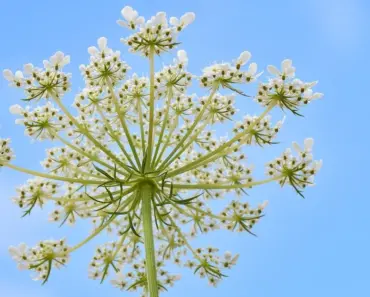
Many gardeners see the formation of the delicate yellow dill flower umbels as the end of the road for leaf harvest. In reality, it opens up a new, delicious chapter. The flowers are entirely edible, offering a slightly more concentrated, floral version of the dill leaf flavor. They make a stunning garnish for salads, soups, and platters. Here’s the strategic choice you can make:
Option A: Prolong the Leaf Harvest
If your priority is to keep the plant producing those feathery leaves for as long as possible, you can delay bolting. As soon as you see the central stem begin to elongate and a flower bud form, simply pinch it off. You are essentially “tricking” the plant. It will redirect energy back into leaf production, often causing it to send out more lateral growth, making the plant bushier. You can repeat this process a few times, effectively extending your leaf-harvesting window by several weeks.
Option B: Embrace the Flower & Seed Harvest
If you’re making pickles, baking bread, or want to save seeds for next year, let the flowers bloom. Allow the beautiful yellow umbels to fully open. You can harvest these flowers directly for culinary use. After pollination, the flowers will fade, and seed heads will begin to form. This is when you enter the final, rewarding phase of harvesting dill leaves and seeds.
Secret 4: The Perfect Timing for Seed Harvest
Dill seeds are a treasure, but harvesting them too early or too late leads to poor flavor and storage. Wait until the flower head has turned a dry, papery brown and the individual seeds on the umbrella have formed and hardened. The seeds themselves should be a light tan color with darker brown striations. A classic test is to gently shake a seed head over your palm; if the seeds fall out easily, they’re ready. Cut the entire seed head with a few inches of stem attached. To process, tie a small bunch of seed heads together and hang them upside down inside a paper bag in a warm, dry, airy spot. The bag catches any seeds that fall. After about one to two weeks, the seeds will be fully dry. Crush the seed heads inside the bag to release all the seeds, then sift out the chaff. Store these in an airtight jar away from light. Properly dried dill seeds can retain their flavor for over a year.
Secret 5: Post-Harvest Handling for Maximum Flavor Life
How you treat dill after you cut it is just as important as how you cut it. The aromatic compounds that give dill its flavor are volatile and begin to degrade the moment the leaf is separated from the plant. Heat, moisture, and physical bruising accelerate this loss.
For immediate use, treat dill like a delicate bouquet. Gently rinse the fronds under cool water just before you’re ready to chop. Pat them completely dry with a clean towel. For short-term storage (up to a week), you have two excellent methods. The first is the “vase method”: place the stem ends in a glass with about an inch of water, loosely tent a plastic bag over the leaves, and store in the refrigerator. Change the water every other day. The second is the “humid towel method”: wrap the unwashed dill loosely in a slightly damp paper towel, place it inside a loosely sealed zip-top bag, and store in the crisper drawer.
You may also enjoy reading: 7 Ways to Grow & Care for Common Foxglove.
For long-term preservation, freezing is superior to drying for retaining that fresh flavor. You can freeze whole sprigs in a single layer on a tray before bagging, or chop the leaves and freeze them in water inside ice cube trays. Dried dill has its place, but it’s best used in cooked dishes like soups and stews, as it loses much of its bright character.
Frequently Asked Questions
How often can I harvest dill from the same plant?
You can harvest from a healthy dill plant every 7 to 10 days during its peak growing season, provided you follow the “outer ring” method and never take more than a third of the plant. Regular, light harvesting actually stimulates bushier growth.
Why did my dill get so tall and spindly after I harvested it?
This is often a sign of harvesting from the central growing tip or of the plant naturally bolting due to warm weather. If you removed the main tip, the plant may send up a single, less vigorous stem. If it’s bolting, it’s simply following its natural lifecycle. For future plants, ensure full sun (at least 6-8 hours) and consistent harvesting from the lower, outer leaves to promote fullness.
Can I harvest dill after it has flowered?
Yes, absolutely. The leaves are still edible after flowering, though their flavor may become slightly stronger and less sweet. The flowers themselves are a delicious harvest. If you let seeds develop, the foliage will eventually become tough and bitter, but the seeds are your final, valuable yield.
What is the best time of day to harvest dill leaves?
The ideal time is in the morning, after the dew has dried but before the midday sun heats up the plant. At this time, the plant’s essential oils are most concentrated in the leaves, giving you the most flavorful harvest.
My harvested dill wilted in an hour. What did I do wrong?
Dill is highly prone to wilting due to its large surface area. The key is to get it cool and humid immediately after cutting. Avoid leaving it in the sun or a warm kitchen. Either place it directly into your prepared storage method (water glass or damp towel in bag) or proceed directly to washing and using it in your recipe.
Mastering these five secrets transforms dill from a one-hit wonder in your garden into a generous, recurring source of flavor. It shifts your role from a simple harvester to a savvy cultivator, working with the plant’s biology to coax out the very best it has to offer, from the first feathery frond to the last precious seed.