We planted a small vegetable garden. My kids love it! It’s a wonderfully messy, surprisingly educational, and deeply rewarding experience. Gardening with children isn’t just about growing plants; it’s about fostering a connection with nature, developing responsibility, and creating lasting memories. As parents, we often seek out activities that engage our kids, teach them valuable skills, and bring a little bit of joy into our lives – and a garden offers all of that and more. From the simple pleasure of feeling the soil between their fingers to the excitement of harvesting their own vegetables, there’s a wealth of opportunities for learning and fun. Growing your own garden can be a great opportunity for adults and kids to learn something new about the natural world. These fun garden activities are the perfect way for little gardeners to gain new sensory experiences in their own backyard!
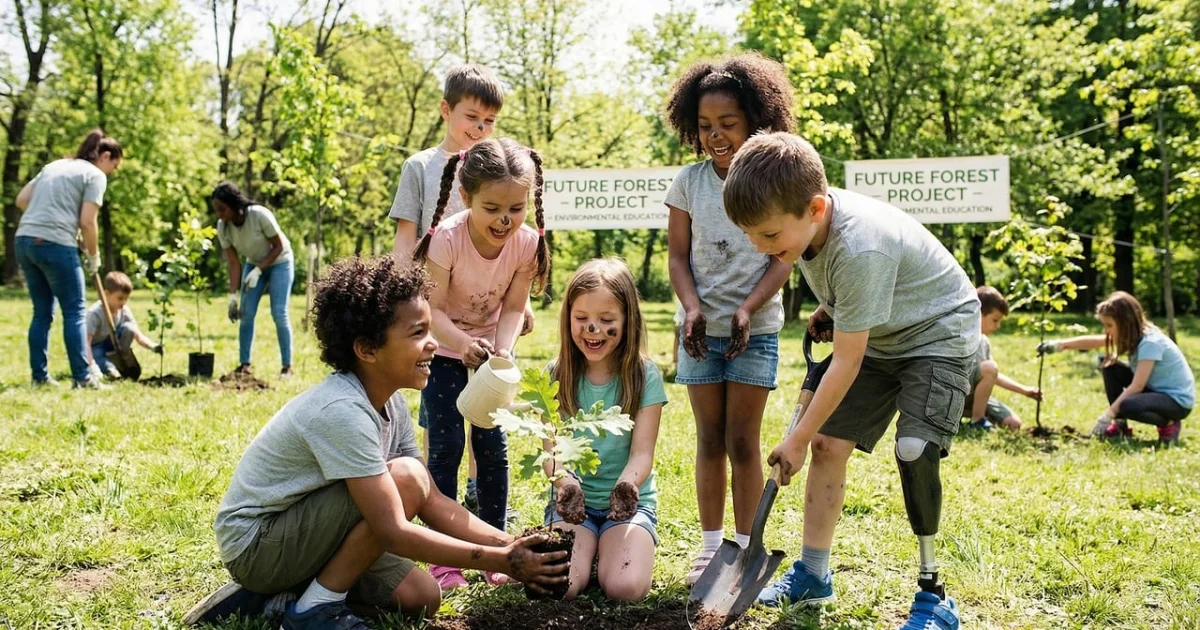
Kids Gardening Activity Ideas Early spring is a great time to start a garden. It’s a season filled with anticipation, the promise of new beginnings, and the opportunity to get our hands dirty. But where do you start? Don’t feel overwhelmed; even the smallest garden can be a huge success with a little planning and a lot of enthusiasm. Let’s dive in and discover how to transform your backyard (or even a balcony!) into a thriving space for your little ones.
1. Let Kids Help Pick the Garden Spot
Choosing the location for the garden is a surprisingly important step that can actually involve your kids. Before you even think about seeds or soil, involve your children in the decision-making process. This isn’t just about aesthetics; it’s about teaching them about sunlight, water, and the needs of plants. Ask them where they think a good garden spot would be. What do they think a garden needs? Do they think it needs to be near a water source? Is the area too rocky? Observing their reasoning – even if it seems a little off – provides valuable insight into their understanding of the natural world. You can also use a simple sunlight map to show them how much sun different areas of the yard receive throughout the day. For younger children, a simple drawing of the yard with sun and shade areas can be a great visual aid. This activity fosters a sense of ownership and investment in the garden from the very beginning. Furthermore, consider the size of the area – a smaller plot is often more manageable for young gardeners, and the immediate gratification of a smaller harvest can be incredibly motivating. For example, a raised bed might be a good choice for very young children, as it reduces bending and provides a more contained space.
2. Have Kids Help Prepare the Garden Area
Once you’ve chosen a spot, it’s time to get your hands dirty! Preparing the garden area is a fantastic activity for kids of all ages. Even toddlers can participate with simple tasks like collecting rocks and gently moving them out of the way. Older children can assist with more demanding tasks, like digging and turning the soil. This is a great opportunity to teach them about the importance of loosening the soil for healthy root growth. Explain how roots need space to spread and thrive. You can even demonstrate the proper technique for digging, showing them how to use a shovel or garden fork to break up the soil without harming the roots of any existing plants. A helpful tip is to incorporate organic matter, such as compost or aged manure, into the soil. Kids can help pour it in and mix it with the soil. The process of transforming a bare patch of earth into a prepared garden bed is incredibly satisfying and provides a tangible sense of accomplishment. Don’t forget to involve them in measuring and leveling the area – it’s a surprisingly good way to teach basic math skills!
3. Let Kids Help Pick the Garden Plants
Choosing the plants for your garden is a fun and engaging activity for kids. However, it’s important to guide them towards easier-to-grow options, especially for younger children. While a five-year-old might be thrilled to plant a tomato seedling, a mature child can handle the responsibility of caring for a more demanding plant. For younger children, consider fast-growing vegetables like radishes, beans, or lettuce. These plants provide a quick and satisfying harvest, offering a sense of immediate gratification. Older children might enjoy choosing seeds for flowers or vegetables, allowing them to experiment with different colors and varieties. Teach them how to properly plant the seeds, showing them the correct depth and spacing. Discuss the needs of each plant, such as sunlight and watering requirements. A good starting point is to visit a local nursery together and let them browse the selection. Encourage them to pick out plants that they find interesting and exciting. The key is to balance their enthusiasm with realistic expectations – a few failed attempts are perfectly normal and provide valuable learning opportunities.
4. Watering the Garden
Watering the garden is a favorite activity for kids because every child loves to play in the water, get wet, and watch the tiny droplets of water collect on the leaves and slide off. Make sure they know good water wise gardening tips such as the best times of day to water the garden and how often to water the garden. Use a small watering can or hose with a gentle sprayer to avoid overwatering. Show them how to water the plants at the base of the stems, avoiding wetting the leaves, which can promote fungal diseases. Turning watering into a game can make it even more enjoyable – for example, you could challenge them to see how quickly they can water a specific area of the garden. Explain the importance of watering deeply and less frequently, encouraging them to understand that plants need a good soak to encourage deep root growth. Older children can learn about different watering techniques, such as drip irrigation, which is a more efficient way to water plants. This activity fosters an understanding of the water cycle and the importance of conserving water resources.
5. Weeding the Garden
Weeding the garden can be a fun competition, but it’s important to frame it in a way that emphasizes the benefits of removing weeds. Explain to your children that weeds compete with the plants for nutrients, water, and sunlight. Teach them how to identify common weeds and which ones to remove. You can even turn weeding into a friendly competition, awarding points for the most weeds pulled. Make it a game – who can find the most weeds in a certain amount of time? Be sure to supervise young children closely to prevent them from accidentally pulling up desirable plants. Older children can learn about the different types of weeds and how they spread. Discuss the importance of mulching, which helps to suppress weed growth and retain moisture in the soil. Weeding together is a great way to bond and teach your children about the importance of maintaining a healthy garden. It’s also a good opportunity to talk about the interconnectedness of the ecosystem, explaining how weeds can disrupt the balance of the garden.
6. Garden Harvest Time
The hazards of gardening with kids is that they love picking the fruits and veggies when they are ready and they often eat them before you can! It is great for kids to be able to eat the fruits of their labor and for them to learn that their gardening activities have paid off. When the fruits and vegetables are ripe, let your children harvest them. This is a wonderful opportunity to talk about where food comes from and the importance of healthy eating. Encourage them to try new fruits and vegetables that they might not have considered before. Let them take pride in their accomplishments and celebrate the success of their garden. A simple “thank you” for their hard work can go a long way in fostering a sense of appreciation for the garden and the process of growing food. This activity helps to connect them to the natural world and promotes healthy eating habits. It’s also a great way to teach them about the seasons and the cycle of growth.
7. Troubleshooting Garden Problems
Let kids help you with brainstorming how to solve any gardening troubles you encounter. The problem we have so far is the stunted growth of the zucchini. Instead of simply fixing the problem yourself, involve your children in the troubleshooting process. Ask them what they think might be causing the problem. Do they notice anything unusual about the plants? Are the leaves yellowing? Is the soil dry? Encourage them to observe the plants closely and share their observations. This activity teaches them valuable problem-solving skills and helps them develop a deeper understanding of plant health. You can use this as an opportunity to discuss the importance of proper watering, fertilization, and pest control. For example, if the plants are suffering from a nutrient deficiency, you can explain how to add fertilizer to the soil. If the plants are being infested by pests, you can discuss different ways to control them, such as using organic pesticides or introducing beneficial insects. Let them help you research solutions and implement them – it’s a great way to learn together.
8. Learning About Garden Insects
Kids Gardening Activity Ideas – a fascinating aspect of gardening is the world of insects. Many children fear insects, but with a little education, they can learn to appreciate their role in the garden ecosystem. Instead of simply trying to eradicate insects from the garden, take the opportunity to identify and learn about the beneficial insects that help pollinate plants and control pests. Teach your children about ladybugs, bees, and butterflies – all of which are important allies in the garden. You can even create a bug hotel to provide habitat for these beneficial insects. Discuss the role of predatory insects, such as praying mantises, which help to control pest populations. Explain how insects contribute to the decomposition of organic matter, enriching the soil. Encourage your children to observe insects in the garden and to learn about their life cycles. This activity fosters a sense of respect for the natural world and helps them understand the interconnectedness of all living things. A simple magnifying glass can be a great tool for observing insects up close. You can also create a chart to track the different insects you find in the garden, documenting their appearance, behavior, and role in the ecosystem.
9. Creating a Fairy Garden
This activity is perfect for younger children and encourages imagination and creativity. Provide a small container – a terracotta pot, a wooden box, or even a section of the garden – and let your children create their own miniature fairy garden. They can use small plants, pebbles, twigs, and moss to build a magical landscape for fairies and other mythical creatures. Encourage them to add decorative elements such as tiny houses, bridges, and furniture. This activity allows them to express their creativity and develop their fine motor skills. It’s also a great way to introduce them to the concept of creating a miniature ecosystem.
10. Making Seed Bombs
Seed bombs are a fun and easy way to spread wildflowers and other beneficial plants. Combine clay, compost, and seeds in a bowl and mix well. Roll the mixture into small balls and let them dry. Then, toss the seed bombs into areas where you want to plant wildflowers – along fences, in meadows, or along roadsides. This activity teaches children about seed dispersal and the importance of biodiversity. It’s also a simple and engaging way to contribute to the environment.
You may also enjoy reading: 5 Unbeatable Summer Bulbs That Thrive in Neglect and Deliver Show-Stopping Results.
11. Building a Bug Hotel
A bug hotel provides shelter and nesting sites for beneficial insects, creating a thriving ecosystem in your garden. Use recycled materials such as bamboo canes, pine cones, twigs, and straw to build a multi-level structure. Provide different types of habitat – some open spaces for bees and butterflies, some enclosed spaces for ladybugs and praying mantises. This activity teaches children about insect habitats and the importance of providing resources for beneficial insects. It’s also a great way to recycle materials and reduce waste.
12. Plant a Herb Spiral
A herb spiral is a visually appealing and functional garden feature that creates a variety of microclimates, perfect for growing different herbs. Build a spiral shape using stones or bricks, and plant herbs with varying water and sunlight requirements in each level. This activity teaches children about plant adaptation and the importance of creating diverse habitats. It’s also a great way to grow a variety of herbs for cooking and medicinal purposes.
13. Create a Rock Garden
A rock garden is a low-maintenance and visually stunning garden feature that is perfect for kids. Collect rocks of different sizes and shapes and arrange them in a decorative pattern. Fill the spaces between the rocks with gravel and drought-tolerant plants such as succulents and sedums. This activity teaches children about rock formations, drainage, and xeriscaping – the art of gardening in arid climates. It’s also a great way to create a unique and personalized garden space.
14. Making Plant Markers
Create personalized plant markers using rocks, wooden sticks, or painted stones. Write the names of the plants on the markers and place them in the garden to help your children identify their plants. This activity reinforces plant identification skills and encourages a sense of ownership over the garden. It’s also a fun and creative way to personalize the garden space.
15. Nature Journaling
Encourage your children to keep a nature journal where they can record their observations about the garden. They can draw pictures of plants, insects, and other wildlife. They can write descriptions of their experiences and make notes about the weather and soil conditions. This activity fosters a deeper connection with nature and develops their observation skills. It’s also a great way to document the changes that occur in the garden over time.
16. Building a Bird Feeder
Kids Gardening Activity Ideas – attracting birds to your garden is a wonderful way to add life and color. Building a simple bird feeder provides food and shelter for birds, and it’s a fun and rewarding project for children. Use recycled materials such as plastic bottles or milk cartons to create a bird feeder. Add seeds and water, and watch as birds flock to your garden. This activity teaches children about bird behavior and the importance of providing food and water for wildlife.
17. Composting Basics
Introduce your children to the basics of composting by creating a small compost bin in the garden. Explain how composting turns food scraps and yard waste into nutrient-rich soil. Let your children help collect materials, layer them in the compost bin, and turn it regularly. This activity teaches them about sustainable gardening practices and the importance of reducing waste. It’s also a great way to create a valuable resource for the garden.