Transforming Thrifted Treasures: Creating a Charming Teacup Birdbath
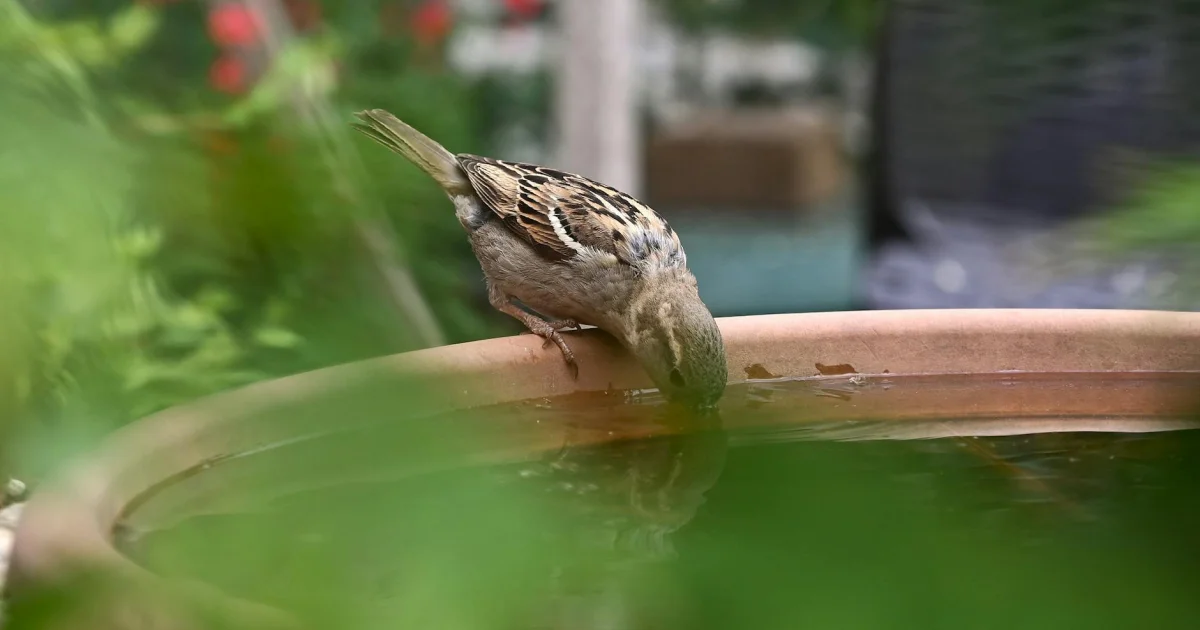
The simple joy of watching birds flitting about your garden is a powerful one, and attracting them is easier than you might think. Often overlooked, a strategically placed water source can be a major draw, and what’s even better is that you can create a beautiful, unique birdbath using items you might already have tucked away – specifically, a thrifted teacup and saucer. This DIY project isn’t just about crafting a functional birdbath; it’s about breathing new life into forgotten objects and adding a touch of whimsical charm to your outdoor space. Let’s dive into how you can transform an old teacup and saucer into a haven for feathered friends, exploring everything from choosing the perfect location to troubleshooting common challenges. Imagine a reader who is new to gardening and wants a simple project to attract wildlife; this is it. It’s also a fantastic way to attract birds that don’t eat seeds to your garden – robins, wrens, and chickadees especially appreciate a reliable water source. The beauty of this project lies in its affordability and simplicity, and how it perfectly aligns with sustainable gardening practices.
The Allure of the Teacup Birdbath: Why It’s Perfect for Beginners
Why choose a teacup birdbath over a more elaborate, store-bought design? The answer is multifaceted. Firstly, it’s remarkably inexpensive. You can often find teacups and saucers secondhand for under $10 – a fraction of the cost of many commercially produced birdbaths. Secondly, it’s an incredibly rewarding DIY project, perfect for beginners with little to no crafting experience. You don’t need specialized tools or advanced skills; just a bit of creativity and a willingness to repurpose. Furthermore, it’s a fantastic way to repurpose old household items, reducing waste and adding a personal touch to your garden. This project aligns perfectly with a reader who wants to create a bird-friendly space on a budget, utilizing readily available resources. The surprising benefits of having a water source in your garden are numerous – not just for birds, but for the entire ecosystem. A small, shaded birdbath can attract pollinators, beneficial insects, and even small mammals, creating a miniature wildlife oasis.
Choosing the Right Location: Setting the Stage for Bird Visitors
Simply placing your teacup birdbath anywhere in the garden isn’t enough. Strategic placement is key to attracting birds and ensuring their safety. Birds prefer shaded locations for birdbaths, as direct sunlight can cause the water to evaporate quickly and become too hot, posing a risk to their delicate feet and feathers. Aim for a spot under the canopy of a tree or shrub, offering protection from the elements and potential predators. Consider the surrounding landscape – a location near shrubs or low-hanging branches provides a natural barrier, allowing birds to easily access the bath while remaining relatively safe from hawks or cats. Think about visibility, too. Birds need to be able to easily spot the water source. Avoid placing it behind dense foliage that might obstruct their view. A gentle slope leading to the birdbath can also encourage birds to approach it more confidently. The ideal location will be a quiet corner of your garden, offering a sense of seclusion and tranquility – a little sanctuary for your feathered friends.
Preparing the Dowel Rod: A Foundation for Stability
The dowel rod is the unsung hero of this DIY project. It provides the necessary support for the teacup and saucer, ensuring stability and preventing the entire setup from tipping over. Choosing the right size and material is crucial. A wooden dowel, approximately 6-8 inches in diameter, is a good starting point. Consider painting the dowel a vibrant color – a cheerful blue, a sunny yellow, or a deep green will not only add a touch of personality to your birdbath but also help it blend in with the surrounding foliage. Alternatively, you could train a vine to climb up the dowel, creating a natural and beautiful decorative element. Drilling a hole in the soil deep enough to accommodate the dowel is essential for stability. If you don’t have a drill, you can carefully hammer the dowel into the ground, ensuring it’s firmly secured. A slightly angled dowel can also provide added stability, preventing it from slipping out of the ground. Remember, a well-prepared dowel rod is the foundation of a successful – and beautiful – teacup birdbath.
Gluing and Securing: A Strong Bond for a Lasting Birdbath
The glue you choose is arguably the most important factor in determining the longevity of your teacup birdbath. Epoxy or a strong adhesive like Gorilla Glue are excellent choices due to their durability and water resistance. Avoid using weak glues that may fail over time, leading to a wobbly and unstable birdbath. Apply a generous amount of glue to the top of the dowel rod, ensuring it’s completely covered. Then, carefully center the saucer on top of the dowel, pressing down firmly to create a secure bond. Allow the glue to dry completely according to the manufacturer’s instructions – typically 24-48 hours – before adding the teacup. Once the saucer is secure, apply a dab of glue to the bottom of the teacup and gently set it onto the saucer. For an extra layer of security, you can use small clamps or tape to hold the teacup in place while the glue dries. Patience is key here! A properly glued and secured teacup birdbath will withstand the elements and provide a safe and inviting water source for birds for years to come.
Maintaining Your Teacup Birdbath: Keeping it Fresh and Clean
Maintaining a clean and healthy birdbath is essential for attracting and retaining feathered visitors. Birds are sensitive to contaminants and bacteria, so regular cleaning is crucial. Ideally, you should change the water daily to prevent mosquito larvae from hatching and to provide fresh, clean water for the birds. However, more thorough cleaning is necessary periodically. To clean your teacup birdbath, you can use a mild soap and water solution. Avoid using harsh chemicals or abrasive cleaners, as these can damage the teacup and saucer and potentially harm the birds. Scrub the interior and exterior of the teacup with a soft brush to remove any algae or debris. Rinse thoroughly with clean water and allow it to dry completely before refilling. Consider adding a few drops of white vinegar to the water to help control algae growth. Regular cleaning will not only keep your birdbath looking its best but will also ensure a safe and healthy environment for your avian guests.
Troubleshooting Common Issues: Ensuring a Bird-Friendly Experience
Even with the best intentions, you might encounter a few challenges when creating your teacup birdbath. Let’s address some common issues and how to resolve them.
What if the glue isn’t strong enough? This is a common concern, particularly with cheaper glues. Invest in a high-quality epoxy or Gorilla Glue, and ensure you apply a generous amount and allow ample drying time. Reinforce the bond with clamps or tape while the glue dries. Consider adding a small bead of sealant around the base of the teacup for extra protection.
How do I clean a teacup birdbath properly? As mentioned earlier, use a mild soap and water solution. Avoid abrasive cleaners. A soft brush is ideal for scrubbing the interior and exterior. Rinse thoroughly and allow to dry completely. For stubborn algae, try a few drops of white vinegar in the water.
You may also enjoy reading: 7 Reasons Why Hardy Geranium is the Ultimate Low-Maintenance Perennial to Plant This April.
Why does water evaporate so quickly in a small birdbath? This is often due to the surface area of the teacup. Consider adding a shallow dish or pebbles around the base of the birdbath to create a larger water surface and reduce evaporation. Placing the birdbath in a partially shaded location also helps.
Why does the source material suggest a dowel rod? The dowel rod provides a stable base and prevents the teacup from tipping over. It also creates a comfortable drinking and bathing platform for the birds. It’s a crucial element for creating a functional and safe birdbath.
Beyond the Basics: Personalizing Your Teacup Birdbath
While functionality is important, you can also personalize your teacup birdbath to reflect your own style and create a truly unique addition to your garden. Experiment with different teacup and saucer combinations – mixing and matching patterns and colors can add a playful touch. Decorate the dowel rod with paint, twine, or small embellishments. Consider adding a small, waterproof planter to the base of the birdbath, filled with colorful pebbles or moss. A few strategically placed stones around the base can also provide a convenient landing spot for birds. Let your creativity shine and transform your teacup birdbath into a reflection of your personal style – a charming and inviting haven for feathered friends.
The Unexpected Benefits of a Teacup Birdbath
Creating a teacup birdbath isn’t just about providing a water source for birds; it’s about fostering a deeper connection with nature and enhancing your overall gardening experience. It’s also a great way to attract birds that don’t eat seeds to your garden – robins, wrens, and chickadees especially appreciate a reliable water source. The simple act of observing birds bathing and drinking can be incredibly therapeutic, providing a moment of peace and tranquility in your busy life. Furthermore, a teacup birdbath can be a wonderful project for families, offering a fun and educational activity for children. Encourage them to participate in the creation process, from selecting the teacup and saucer to decorating the dowel rod. Creating a small, shaded birdbath can also attract pollinators and beneficial insects, contributing to a healthier and more vibrant garden ecosystem. This project aligns perfectly with a reader who is looking for a relaxing and rewarding hobby.
Conclusion
Transforming a thrifted teacup and saucer into a charming teacup birdbath is a remarkably simple yet profoundly rewarding project. It’s an affordable way to attract wildlife to your garden, repurpose old household items, and add a touch of whimsical beauty to your outdoor space. By following the steps outlined in this guide, you can create a safe and inviting haven for birds, fostering a deeper connection with nature and enjoying the simple pleasure of watching these delightful creatures thrive in your backyard. Whether you’re a seasoned gardener or a complete beginner, this DIY project is sure to bring joy and a touch of magic to your garden – one fluttering feathered friend at a time.