Few sights in the home landscape rival the spring display of a crabapple tree in full bloom. Those dense clusters of pink or white blossoms seem to erupt overnight, filling the air with a sweet, gentle fragrance. By autumn, the same tree offers a second show with fiery orange and red foliage, followed by tiny fruits that persist into winter, feeding visiting birds. For homeowners seeking a manageable, four-season performer, the crabapple is a nearly perfect choice. But success with this tree depends on understanding a few key details before you dig. These five straightforward tips will guide you through selecting, planting, and caring for your tree so you can enjoy its beauty for decades. Mastering the art of growing crabapple trees starts with the right preparation and a bit of seasonal know-how.
Choosing a Disease-Resistant Variety First
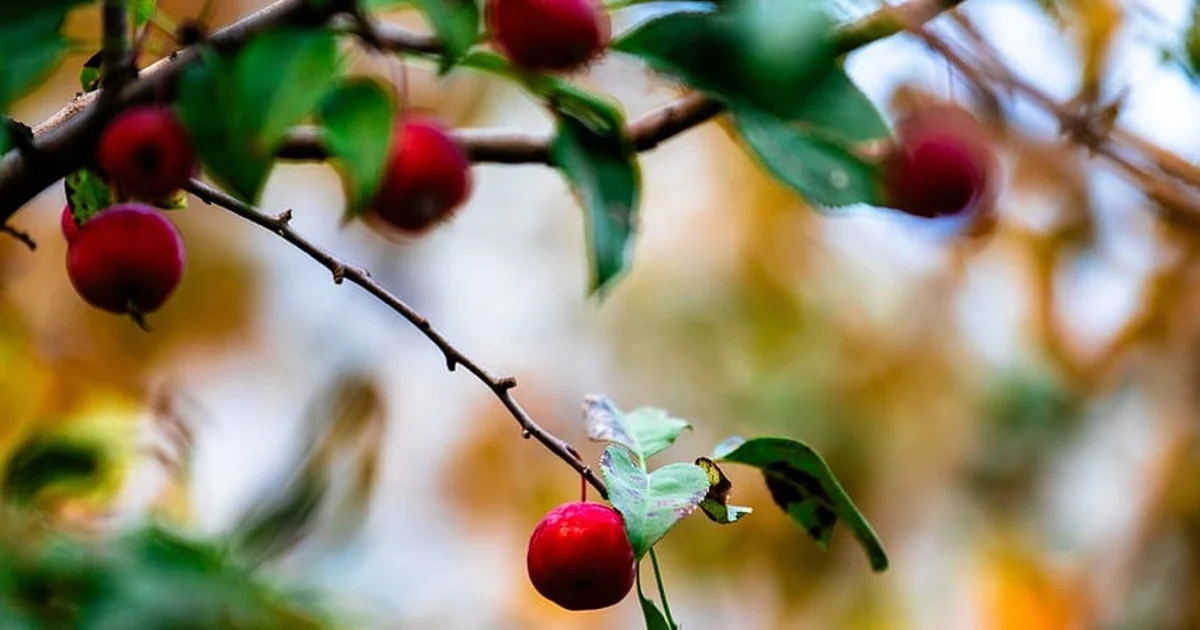
The single most important decision you will make is picking the right cultivar. There are over 1,000 named varieties of crabapple available. Many of them are susceptible to common fungal diseases such as apple scab, cedar-apple rust, and powdery mildew. A tree that looks healthy in the nursery can become a leafless, sad sight by midsummer if it lacks genetic resistance.
Disease-resistant cultivars have been bred specifically to fight off these problems. Reliable choices include ‘Prairifire’, ‘Sugar Tyme’, ‘Adirondack’, and ‘Royal Raindrops’. These varieties rarely suffer from the leaf drop and disfigurement that plague older types. When you shop, look for tags that mention resistance to apple scab and fireblight. Spending a few extra dollars on a resistant tree saves you years of frustration and eliminates the need for chemical sprays. For anyone serious about growing crabapple trees without constant maintenance, this is the first and most critical step.
Finding the Perfect Planting Spot
Crabapple trees are surprisingly adaptable, but they have one non-negotiable requirement: full sun. They need at least six to eight hours of direct sunlight each day. A tree planted in shade will produce far fewer flowers and become more vulnerable to disease. The branches may grow leggy and open, spoiling the natural rounded shape that makes the tree so attractive.
Soil quality matters too. While crabapples tolerate clay, loam, or sandy ground, they prefer a slightly acidic pH between 5.5 and 6.5. Before you dig, test your soil with a simple kit from a garden center. If the pH is too high, you can amend it with elemental sulfur or peat moss. Good drainage is equally important. Choose a spot where water does not pool after a heavy rain. Standing water around the roots can lead to rot and weaken the tree over time. Give the tree room to spread. Most crabapples mature at 10 to 20 feet tall and just as wide, so keep that distance from buildings, driveways, and other trees.
Using Crabapple as a Landscape Focal Point
Because of its manageable size, a crabapple works beautifully as a specimen tree. Place one near a patio, at the corner of a foundation bed, or along a walkway where you can enjoy its spring blooms up close. For a more dramatic effect, plant several along a property line with evergreens and flowering shrubs to create a natural, living fence. The winter fruit clusters add visual interest when most other plants have gone dormant.
Planting at the Right Time and Depth
Timing your planting correctly gives the roots a chance to establish before extreme weather arrives. Early spring, as soon as the ground can be worked, is ideal. Fall planting, about six weeks before the first hard frost, also works well because the cooler temperatures reduce stress on the tree. Avoid planting in the heat of summer unless you are prepared to water very frequently.
Dig a hole that is at least twice as wide as the root ball but no deeper. This is a common mistake. The top of the root ball should sit level with the surrounding soil, not below it. Planting too deep suffocates the roots and invites disease. Place the tree in the hole, backfill with the original soil, and gently firm it down. Do not add compost or fertilizer to the hole at planting time. The tree needs to send its roots outward into the native soil, not stay confined in a rich pocket. After planting, build a shallow basin around the trunk to hold water, then soak the area thoroughly. For the first year, provide about one inch of water per week if rain is scarce.
Providing Consistent Care Through the Seasons
Once established, a crabapple tree is relatively low-maintenance, but it still benefits from a few seasonal routines. Understanding these habits is central to growing crabapple trees that stay healthy and bloom reliably year after year.
Watering and Fertilizing
After the first growing season, your crabapple rarely needs extra watering except during prolonged drought. Deep, infrequent watering is better than light sprinklings. A long soak once a week during dry spells encourages deep root growth. In early spring, apply a balanced slow-release fertilizer with an N-P-K ratio of 10-10-10. Scatter it evenly under the tree’s canopy, starting a foot away from the trunk and extending to the drip line. Follow the package instructions for the correct amount. Over-fertilizing can produce excessive leafy growth at the expense of flowers.
Amazon US Verified
Digital 3-in-1 Soil Moisture & pH Meter
Accurate probe to test deep root zone moisture and prevent accidental overwatering.
Pruning with Purpose
Annual pruning keeps the tree’s structure strong and allows light and air to reach the inner branches. The best time to prune is late winter or early spring while the tree is still dormant. Remove any dead, broken, or crossing branches first. Then, cut out water sprouts—those fast-growing vertical shoots that appear along the main branches—and suckers that emerge from the base or roots. These growths steal energy from the tree and spoil its shape. You can remove water sprouts and suckers at any time of year, but it is easiest to spot them when leaves are off the tree. Keep pruning light. Crabapples bloom on old wood, so heavy cutting reduces the flower display for that spring.
Watching for Pests and Disease
Even disease-resistant varieties can face occasional problems. Japanese beetles sometimes skeletonize the leaves in midsummer. You can pick them off by hand in the morning when they are sluggish, or use a trap placed well away from the tree. Powdery mildew appears as a white, dusty coating on leaves during humid weather. Good air circulation from proper spacing and pruning helps prevent it. Apple scab causes leaves to yellow and drop by late summer. This is the main reason to choose a resistant cultivar in the first place. If you see signs of scab on a susceptible tree, rake up and dispose of fallen leaves promptly to reduce spores for the next season.
Amazon US Verified
Self-Watering Planters with Drainage Aerators
Elevated reservoir design that prevents soggy roots and ensures steady hydration.
You may also enjoy reading: 5 Things Chefs Do First Before Chopping Onions.
Potting Considerations for Small Spaces
Most crabapple trees are not suited to container life. Their root systems are too large, and the tree will struggle to survive winter in a pot. There is one notable exception: the dwarf variety ‘Cinderella’. This compact cultivar reaches only about 8 feet tall and can thrive in a large container. If you want to try this approach, select a pot with a capacity of 10 to 15 gallons. Make sure it has drainage holes. Use a high-quality potting mix, not garden soil. Container plants dry out faster than those in the ground, so check the soil moisture regularly and water when the top inch feels dry. You will also need to fertilize more often, about once a month during the growing season with a balanced liquid fertilizer. In cold climates, move the pot to a sheltered location or wrap it with insulating material to protect the roots from freezing.
Amazon US Verified
Organic Perlite Horticultural Soil Conditioner
Lightweight volcanic mineral that improves root aeration and prevents compaction.
Frequently Asked Questions About Growing Crabapple Trees
How fast do crabapple trees grow?
Most crabapple varieties are considered moderate to fast growers. Under good conditions, they can add 12 to 24 inches of height per year. A tree planted from a 5-gallon container often reaches 10 feet tall within five to seven years.
Can I grow a crabapple tree from seed?
Technically yes, but it is not recommended. Seed-grown trees do not come true to the parent variety. The resulting tree may have inferior flowers, poor fruit, and weak disease resistance. It also takes several years longer to bloom. Purchasing a grafted or budded tree from a reputable nursery is far more reliable.
Do crabapple trees need a pollinator?
Most crabapple varieties are self-fertile, meaning they can set fruit with their own pollen. However, cross-pollination from a different crabapple or a nearby apple tree often results in a heavier fruit set. If fruit production for wildlife is important to you, plant two different cultivars within 50 feet of each other.
Why did my crabapple tree not bloom this year?
Several factors can cause a lack of blooms. The most common are insufficient sunlight, late frosts that killed the flower buds, or pruning at the wrong time. If you pruned in late spring or summer, you likely removed the flower buds for the following year. Also, young trees sometimes take three to five years to begin flowering reliably.
How long do crabapple trees live?
With proper care and a disease-resistant variety, a crabapple tree can live 40 to 60 years or more. Some specimens in old gardens are known to be over 70 years old. The key to longevity is good site selection, annual light pruning, and monitoring for pests.
Crabapple trees reward modest effort with extraordinary beauty. By choosing a resistant variety, planting it correctly in full sun, and following a simple seasonal care routine, you set the stage for years of spring blossoms, autumn color, and winter interest. Whether you plant one as a focal point or several along a property line, the crabapple earns its place as one of the most dependable small trees for the home landscape. Focus on these five tips, and growing crabapple trees becomes a straightforward and deeply satisfying project.
As an Amazon Associate, azuloz.com earns from qualifying purchases.