Start Your Salad Garden with Confidence
Imagine stepping into your backyard on a cool spring morning, scissors in hand, ready to snip fresh greens for your lunch salad. That vision becomes reality with just a bit of know-how. Lettuce ranks among the most rewarding crops for home gardeners because it grows quickly, takes up little space, and delivers crisp, flavorful leaves within weeks. Whether you have a sprawling raised bed or a single container on an apartment balcony, these five growing lettuce tips will help you produce a steady supply of garden-fresh greens from early spring through late autumn.
Amazon US Verified
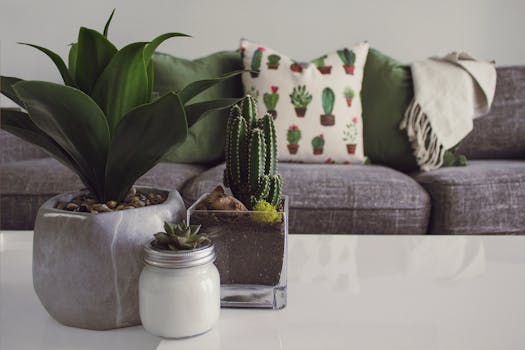
Self-Watering Planters with Drainage Aerators
Elevated reservoir design that prevents soggy roots and ensures steady hydration.
Tip 1: Select the Right Lettuce Varieties for Your Climate and Season
Not all lettuce behaves the same way. Some varieties thrive in the chill of early spring, while others hold up better when temperatures creep toward the 70-degree mark. Choosing the wrong type for your season leads to bitter leaves, premature bolting, or disappointing harvests. Understanding the four main categories — loose-leaf, romaine, butterhead, and crisphead — gives you a framework for smart selection.
Loose-Leaf Lettuce: The Easiest Starting Point
Loose-leaf varieties such as Black Seeded Simpson, Red Sails, and Oakleaf require the least effort. You scatter seeds over prepared soil, cover them with about a quarter inch of fine earth, and watch them emerge within a week. These types do not form tight heads, so you can harvest outer leaves repeatedly while the center continues producing. For a beginner following growing lettuce tips for the first time, loose-leaf offers the highest success rate with the lowest risk.
Romaine and Butterhead: More Structure, Slightly More Patience
Romaine varieties like Paris Island Cos and Little Gem form upright heads with crunchy ribs and tender leaves. Butterhead types such as Bibb and Buttercrunch produce soft, buttery-textured heads that feel almost decadent in a salad. Both categories take about 60 to 70 days from seed to full maturity, roughly ten days longer than loose-leaf. If you want a mix of textures in your bowl, plant one romaine and one butterhead alongside your loose-leaf selection.
Crisphead Lettuce: The Challenging Option
Iceberg and other crisphead lettuces demand consistent cool temperatures, precise watering, and a longer growing window of 80 to 90 days. Home gardeners in warm climates often struggle with this type because even a brief heat spike triggers bitterness. Unless you live in a coastal area with mild summers or plan to grow only in early spring, stick with the other three categories for more reliable results.
Heat-Tolerant and Bolt-Resistant Varieties
Breeders have developed lettuce cultivars that resist bolting longer than standard types. Varieties like Jericho, Nevada, and Muir hold their quality even when daytime temperatures reach the mid-70s. Sierra and Coastal Star also show improved heat tolerance. If your garden experiences warm springs or you want to extend your harvest into early summer, seek out these specific names when ordering seeds. The difference between a standard romaine and a heat-tolerant one can mean three to four extra weeks of harvest before the plants send up flower stalks.
Tip 2: Master Timing and Succession Planting
Lettuce craves cool weather. It germinates best when soil temperatures range between 40 and 75 degrees Fahrenheit, with an ideal sweet spot around 60 degrees. Once the air temperature consistently exceeds 70 degrees, the plant shifts its energy from leaf production to flower and seed production — a process called bolting. The leaves turn bitter almost immediately after bolting begins. Smart timing prevents this disappointment.
Spring Planting Windows
In most regions, you can sow lettuce seeds outdoors as soon as the soil is workable in early spring. That usually means two to four weeks before your last expected frost date. Lettuce seeds can germinate in soil as cold as 40 degrees, though they take longer. At 50 degrees, expect sprouts in about ten days. At 70 degrees, they emerge in roughly five days. A soil thermometer costing about eight dollars takes the guesswork out of this decision.
The Three-Week Rule for Continuous Harvest
Rather than planting all your seeds at once, sow a small patch every three weeks. This technique, known as succession planting, ensures that as one patch reaches peak harvest, the next patch is just a few weeks behind. Start your first sowing in early spring, then sow again three weeks later, and again three weeks after that. Stop when daytime highs regularly hit 75 degrees. Resume in late summer, around mid-August in northern regions or early September in warmer areas, for a fall crop that matures as temperatures cool.
Fall and Winter Possibilities
In mild climates where winter temperatures rarely drop below 25 degrees, lettuce grows happily through the cold months. Gardeners in USDA zones 8 through 10 can plant fall crops in September and October, then harvest fresh greens all winter. A simple cold frame or low tunnel extends this season even further. In colder zones, you can still grow lettuce in an unheated greenhouse or under a cloche, provided the soil stays above freezing.
Starting Seeds Indoors for a Head Start
If your spring is short or your soil stays waterlogged late into the season, start seeds indoors three to four weeks before your outdoor planting date. Use a standard seed-starting mix in shallow trays or cell packs. Keep the soil evenly moist and place the trays under bright grow lights or in a sunny south-facing window. Transplant the seedlings outdoors when they have four true leaves and the outdoor soil temperature reaches at least 40 degrees. Harden them off over three to four days by setting them outside for increasing periods before planting.
Tip 3: Prepare Optimal Soil, Light, and Moisture Conditions
Lettuce grows fast, and fast growth requires consistent resources. Skimp on soil preparation or watering, and the plants respond with stunted leaves, bitterness, or premature bolting. Getting the basics right from day one makes everything else easier.
Amazon US Verified
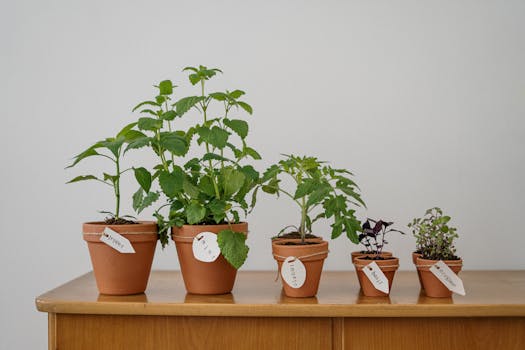
Digital 3-in-1 Soil Moisture & pH Meter
Accurate probe to test deep root zone moisture and prevent accidental overwatering.
Soil Structure and Fertility
Lettuce roots are shallow and delicate. They need loose, crumbly soil that allows easy penetration. Heavy clay compacts around the roots, restricting water uptake and oxygen flow. If your garden has clay soil, amend it with aged compost, peat moss, or coconut coir at a ratio of roughly one part amendment to three parts native soil. Raised beds offer an even simpler solution because you control the entire growing medium. A mix of equal parts garden soil, compost, and perlite or vermiculite creates an ideal lettuce bed.
Soil pH should fall between 6.0 and 7.0. A simple home test kit from any garden center costs under fifteen dollars and takes about ten minutes. If your pH is below 6.0, add garden lime according to the package instructions. If above 7.0, incorporate elemental sulfur or more organic matter to bring it down.
Sunlight Requirements
Lettuce needs at least six hours of direct sunlight daily for proper growth. In cool spring weather, full sun from morning through afternoon is ideal. However, when temperatures rise above 70 degrees, afternoon shade becomes beneficial. If your garden has a spot that receives morning sun and afternoon shade from a tree, fence, or building, that location works beautifully for late-spring and fall crops. In hot summer regions, consider planting lettuce on the north side of taller crops like tomatoes or corn, which cast shade during the hottest part of the day.
Watering Discipline
Lettuce has a shallow root system, typically reaching only six to eight inches deep. This means the top few inches of soil dry out quickly, especially in warm weather or windy conditions. Check the soil daily by pushing your finger an inch into the ground near the plants. If it feels dry at that depth, water immediately. During the first two weeks after transplanting or germination, you may need to water every day or even twice daily if temperatures climb. Once the plants are established, watering every two to three days usually suffices, but always verify with the finger test rather than guessing.
Water at the base of the plants rather than overhead when possible. Wet leaves increase the risk of fungal diseases like downy mildew and bottom rot. A soaker hose or drip irrigation system delivers water directly to the root zone without wetting the foliage. If you must use a sprinkler, water early in the morning so the leaves dry before nightfall.
Mulching for Moisture Consistency
A thin layer of organic mulch around your lettuce plants helps maintain even soil moisture and keeps the roots cool. Straw, shredded leaves, or grass clippings work well. Apply a one- to two-inch layer after the seedlings are a few inches tall. Avoid piling mulch directly against the stems, which can encourage rot.
Tip 4: Manage Heat, Pests, and Bolting Proactively
Even experienced gardeners encounter challenges with lettuce. The plant’s preference for cool weather means that a sudden heat wave can ruin an entire crop within days. Pests like aphids and slugs find lettuce as delicious as you do. Anticipating these problems and having solutions ready separates a successful harvest from a frustrating one.
Shade Structures for Heat Management
When a heat wave strikes, shade cloth can save your crop. A 30 to 40 percent shade cloth suspended above the plants on hoops or stakes reduces the temperature at leaf level by five to ten degrees. You can also use old window screens, floating row covers, or even an umbrella anchored into the ground. The goal is to block the most intense midday and afternoon sun while still allowing good air circulation. Set up the shade structure before the heat arrives rather than after the plants show stress.
Identifying and Controlling Common Pests
Aphids are the most frequent lettuce pest. These tiny soft-bodied insects cluster on the undersides of leaves and along the stems, sucking sap and weakening the plant. A strong blast of water from a garden hose knocks them off effectively. For heavier infestations, spray insecticidal soap or neem oil according to the label directions. Both options are safe for edible plants when used correctly and washed off before eating.
Slugs and snails emerge at night and chew irregular holes in leaves. Hand-picking them after dark with a flashlight is surprisingly effective. You can also set up traps using shallow dishes of beer buried so the rim is at soil level. The slugs crawl in and drown. Diatomaceous earth sprinkled around the plants creates a sharp barrier that slugs avoid. Reapply after rain.
You may also enjoy reading: 5 Ways to Clean a Bird Feeder With Vinegar Like a Pro.
Caterpillars from various moth species sometimes feed on lettuce leaves. Inspect the plants regularly, especially the inner leaves near the base. Hand-pick any caterpillars you find. Bacillus thuringiensis, a naturally occurring bacterium, kills caterpillars without harming other insects or animals. Apply it as a spray when you first notice damage.
Row Covers for Bird and Insect Protection
Birds often pull up young lettuce seedlings, mistaking them for tender greens. Floating row covers made of lightweight fabric allow light, air, and water through while keeping birds and many insects out. Drape the fabric over hoops or directly over the plants, securing the edges with soil or stones. Remove the cover once the plants are large enough that birds lose interest, usually when the leaves are about four inches tall.
Recognizing and Delaying Bolting
Bolting is the plant’s natural response to heat and lengthening days. The center of the plant elongates, forming a stalk that will eventually produce flowers and seeds. Once you see this elongation, the leaves will become bitter within a week. You cannot reverse bolting, but you can delay it. Keep the soil consistently moist, provide afternoon shade, and harvest leaves frequently. Removing the outer leaves encourages the plant to produce new inner leaves rather than diverting energy to the flower stalk. Some gardeners also cut the entire plant back to about an inch above the soil line, which sometimes triggers a second flush of tender leaves before the plant finally bolts.
Tip 5: Harvest Strategically for Maximum Yield and Flavor
How you harvest lettuce affects how much you get from each plant and how long the harvest season lasts. Different lettuce types respond to different harvesting methods. Knowing which method to use for each variety maximizes your return on every seed you planted.
The Cut-and-Come-Again Method for Loose-Leaf Lettuce
With loose-leaf varieties, you can begin harvesting when the leaves reach three to four inches tall, usually about 30 days after sowing. Use clean scissors or a sharp knife to cut the outer leaves about an inch above the base of the plant. Leave the inner rosette of small leaves intact. The plant continues growing from the center, and you can return in another week to ten days for another harvest. A single loose-leaf plant can provide three to four harvests this way before it eventually declines or bolts.
Harvesting Head Lettuce
Romaine, butterhead, and crisphead lettuces are typically harvested all at once when the head feels firm and reaches full size for that variety. Cut the head at soil level with a sharp knife. Remove any damaged outer leaves and rinse the head gently. If you leave the roots and a short stub of stem in the ground, some varieties may produce a small second head from the base, though this second harvest is usually smaller and less dense.
Baby Lettuce Harvests from Thinning
When you sow head lettuce seeds, you plant them two inches apart and later thin them to twelve inches apart. The seedlings you pull during thinning are not waste — they are perfect baby lettuce greens. Rinse them, pat them dry, and add them to salads immediately. These tiny leaves are exceptionally tender and mild. If you sow a dedicated patch of seeds at high density specifically for baby greens, you can harvest the entire bed with scissors when the leaves reach three inches tall, about 21 to 25 days after sowing.
Morning Harvests for Peak Flavor
Lettuce leaves are at their crispest and sweetest in the early morning after the plant has absorbed moisture overnight. The sugar content is highest, and the leaves are fully turgid with water. If you harvest in the afternoon, especially on a warm day, the leaves may be slightly wilted and more bitter. For the best salad experience, head out to the garden with your basket before the sun has fully risen.
Storing Freshly Harvested Lettuce
Lettuce wilts quickly after harvesting because the leaves lose moisture through their surfaces. To keep harvested greens crisp, plunge them into a bowl of ice water for five to ten minutes immediately after picking. Shake off excess water, then spin dry in a salad spinner. Place the dry leaves in a plastic bag or container lined with paper towels and store in the refrigerator crisper drawer. Properly stored, lettuce stays fresh for five to seven days. Avoid storing lettuce near apples, pears, or bananas, which release ethylene gas that causes premature wilting.
Frequently Asked Questions About Growing Lettuce
Can I grow lettuce in containers?
Absolutely. Lettuce has shallow roots, so containers as shallow as six inches work well. Choose a pot with drainage holes and fill it with a quality potting mix. Space plants according to the variety guidelines. Containers dry out faster than garden beds, so check soil moisture daily and water as needed. Place the container where it receives morning sun and afternoon shade for best results.
Amazon US Verified
Organic Perlite Horticultural Soil Conditioner
Lightweight volcanic mineral that improves root aeration and prevents compaction.
How do I know when to water my lettuce?
Push your index finger into the soil near the plant base up to the first knuckle. If the soil feels dry at that depth, water immediately. If it feels moist, wait another day. This simple test works better than any schedule because weather conditions change constantly. During hot, windy, or sunny periods, you may need to water daily. During cool, cloudy weather, every three to four days may be enough.
Why is my lettuce growing tall and bitter?
This is bolting, the plant’s natural response to heat and lengthening days. When temperatures exceed 70 degrees Fahrenheit, the plant shifts into reproduction mode. The central stalk elongates, and the leaves produce bitter compounds. Once bolting begins, the leaves will not regain their sweetness. Prevent bolting by planting heat-tolerant varieties, providing afternoon shade, maintaining consistent moisture, and harvesting early in the season.
Can I regrow lettuce from kitchen scraps?
You can regrow a limited amount of lettuce from the base of a head. Place the cut bottom in a shallow dish of water and set it in a sunny window. New leaves will emerge from the center within a few days. However, these regrown leaves are usually smaller and less flavorful than plants grown from seed. This method works better as a fun experiment or a short-term supply of microgreens than as a serious gardening strategy.
What should I plant after lettuce in the same bed?
Lettuce is a light feeder that leaves behind loose, well-conditioned soil. After your lettuce crop finishes, you can plant warm-season vegetables like tomatoes, peppers, beans, or cucumbers. The compost you added for lettuce benefits these heavy-feeding crops. Alternatively, plant a second cool-season crop like spinach, kale, or radishes for a fall harvest.
As an Amazon Associate, azuloz.com earns from qualifying purchases.