That brief, intense raspberry explosion in midsummer – the feeling of a missed opportunity when your entire raspberry patch delivers a stunning, albeit fleeting, bounty – is a common frustration for home gardeners. But what if you could extend that harvest, transforming it from a two- or three-week sprint into a months-long celebration of fresh berries? The secret lies in understanding the different types of raspberries and strategically incorporating both summer-bearing and everbearing varieties into your garden. This guide will reveal eight delicious raspberry types, each offering unique characteristics and a commitment to providing you with a steady stream of sweet, juicy fruit from summer through fall. Let’s dive in and transform your raspberry patch from a fleeting pleasure into a sustainable source of culinary delight. The key to maximizing your raspberry yield isn’t just planting, it’s understanding the nuances of each variety and how they contribute to a longer harvest season.
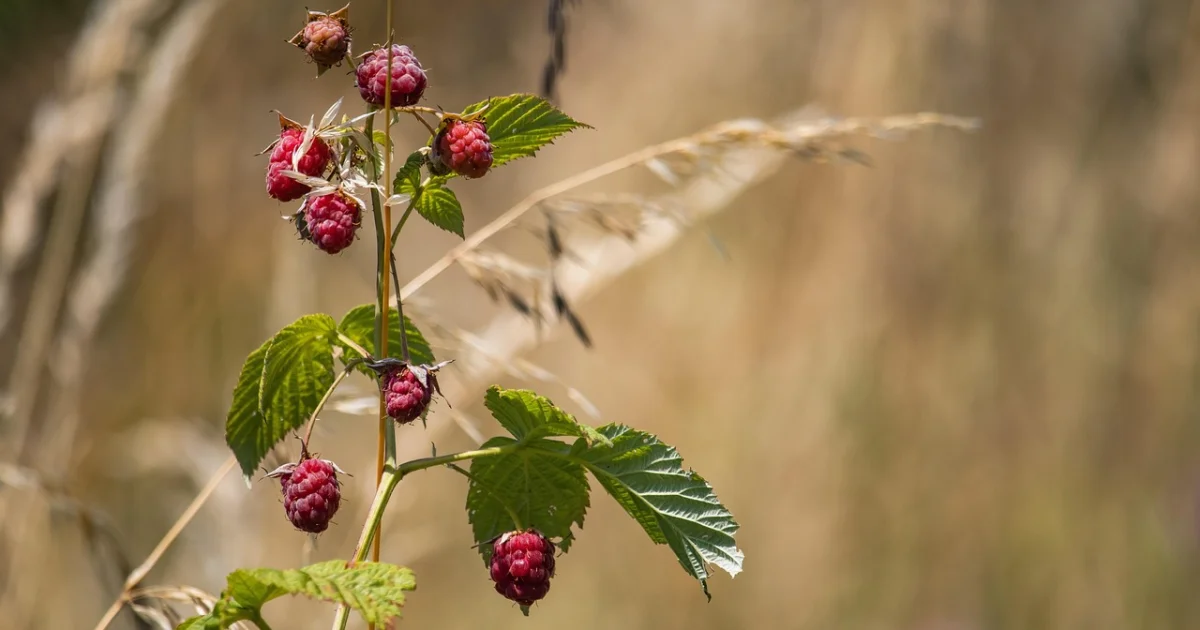
Raspberries are broadly categorized into two main types: summer-bearing and everbearing. The distinction is crucial because they fruit on completely different schedules. Summer-bearing raspberries, as the name suggests, produce a single, large crop in early to midsummer. Everbearing varieties, on the other hand, offer a double crop – a smaller harvest in the fall and a larger one the following summer. Combining these two types in your garden creates a staggered harvest, ensuring berries are available for weeks, even months. It’s like creating a delicious, edible timeline for your garden!
‘Boyne’: The Cold-Hardy Classic
‘Boyne’ is a fantastic choice for gardeners in cooler climates. This Canadian raspberry variety boasts impressive cold tolerance, thriving in USDA zones 3 through 7. It’s a vigorous grower with relatively upright canes, making it manageable for trellising. The berries themselves are medium-sized and have a distinctive tart flavor, which makes them exceptionally well-suited for use in jams, jellies, and pies. While the flavor might not be intensely sweet on its own, that tartness intensifies when cooked, creating a deep, complex flavor profile that’s incredibly satisfying. Planting ‘Boyne’ offers a reliable harvest in late June to early July, providing a solid foundation for your extended raspberry season. It’s a workhorse variety that consistently delivers, making it a staple in many home gardener’s raspberry patches. You can find ‘Boyne’ raspberry plants readily available from various online nurseries, like Scenic Hill Farm on Etsy, ensuring easy access to this dependable cultivar.
‘Killarney’: Sweetness with Resilience
If you’re seeking a sweeter raspberry flavor alongside impressive cold tolerance, ‘Killarney’ is an excellent option. This variety, rated for zones 3 through 6, consistently produces firm, bright red berries with a noticeably sweeter taste than ‘Boyne’. What’s particularly noteworthy about ‘Killarney’ is its ability to withstand humid summers, a common challenge for many raspberry varieties. Its robust canes are relatively thornless, simplifying harvesting and reducing the risk of scratches. The harvest typically occurs a week or two after ‘Boyne’, extending the duration of your summer raspberry bounty. Burpee offers bare root ‘Killarney’ raspberry plants, making it a convenient choice for gardeners seeking a dependable and flavorful addition to their raspberry patch. Its resilience makes it a fantastic choice for less-than-ideal growing conditions.
‘Nova’: Heat-Loving Harvest
For gardeners in warmer climates – particularly USDA zones 7 and parts of zone 8 – ‘Nova’ is a game-changer. This mid-season raspberry variety is renowned for its heat tolerance, a rare trait among summer-bearing types. ‘Nova’ produces large, firm berries with a sweet yet mildly acidic flavor, and importantly, they hold their shape exceptionally well when frozen, preserving their deliciousness for future use. The canes are sturdy and semi-thornless, simplifying harvesting and reducing the potential for discomfort. A pair of gloves, like these available on Amazon, can further enhance your experience during peak harvest season. Stark Bro’s is a reliable source for ‘Nova’ raspberry plants, offering gardeners in warmer regions a chance to enjoy a long and plentiful harvest.
‘Cascade Delight’: Pacific Northwest Perfection
Developed by Washington State University’s breeding program, ‘Cascade Delight’ is specifically designed for the Pacific Northwest climate, but it performs admirably in other areas with well-drained soil. This variety produces large, conical berries with a balanced sweet-tart flavor and a firm texture. A key advantage of ‘Cascade Delight’ is its improved storage capabilities – it holds up better than many other summer-bearing raspberries, allowing you to extend your enjoyment of the harvest beyond the immediate season. It also demonstrates good resistance to root rot and tolerates heavier soils, making it a resilient choice for gardeners who may have struggled with other varieties in the past. You can find this exceptional raspberry variety in zones 5 through 9, typically available through local nurseries or online retailers.
‘Heritage’: The Benchmark Everbearing
When it comes to everbearing raspberries, ‘Heritage’ is widely considered the gold standard. This venerable variety has been a benchmark for decades and remains a consistently reliable performer. ‘Heritage’ produces abundant yields of large, deep red berries, first in the fall and then again the following summer on the same canes. It’s known for its robust growth habit and relatively few thorns, making it a relatively easy variety to manage. While ‘Heritage’ might not have the most complex flavor profile, its sheer productivity and consistent performance make it a favorite among home gardeners. It’s a dependable choice for those seeking a long, continuous harvest of fresh raspberries. Many online nurseries carry ‘Heritage’ raspberry plants, offering a convenient way to add this classic variety to your garden.
You may also enjoy reading: 7 Mother's Day Gift Ideas for Her Home That Will Become Her New Favorites.
‘Boyne’ & ‘Killarney’ – A Complementary Pairing
Consider pairing ‘Boyne’ with ‘Killarney’ for a truly extended harvest. ‘Boyne’’s early season production provides an initial burst of tart berries, while ‘Killarney’’s later harvest offers a sweeter, more robust flavor. This staggered fruiting schedule ensures you have raspberries available throughout much of the summer, minimizing the gap between harvests. Planning your planting strategy in this way creates a more resilient and rewarding raspberry patch, minimizing the potential for a sudden, short-lived harvest. Utilizing these complementary varieties will provide you with more consistent yields throughout the season.
Strategic Planting for Maximum Harvest Duration
To truly maximize your summer-long raspberry harvest, strategic planting is paramount. Start with a mix of both summer-bearing and everbearing varieties, selecting those best suited to your local climate. For summer-bearing varieties, consider planting in a location that receives at least six to eight hours of direct sunlight per day. Everbearing varieties also thrive in full sun, but they are slightly more tolerant of partial shade. Ensure the soil is well-drained and amended with organic matter to provide essential nutrients. Mulching around the plants with wood chips or straw will help retain moisture and suppress weeds, contributing to healthier growth and increased yields. A thick layer of mulch helps regulate soil temperature and reduces the need for frequent watering.
Pruning for Extended Fruiting – Everbearing Varieties Specifically
Pruning is absolutely critical for maximizing the productivity of everbearing raspberries. Unlike summer-bearing varieties, which are pruned after fruiting, everbearing raspberries require a more involved pruning strategy. In the fall, after the first harvest, prune back each cane to just a few buds above the ground. This encourages new canes to emerge in the spring. During the growing season, remove any dead, diseased, or damaged canes as they appear. Also, remove any canes that are growing towards the ground, as these tend to produce weak, unproductive fruit. This dedicated pruning regimen will ensure that your everbearing raspberries continue to produce abundant crops for years to come. Avoid heavy pruning in the spring, as this can deplete the plant’s energy reserves.
Enjoying Your Extended Raspberry Season
With a carefully chosen selection of raspberry varieties and a strategic approach to planting and pruning, you can transform your raspberry patch into a source of delicious berries from summer through fall. Imagine enjoying fresh, sun-ripened raspberries for weeks on end – perfect for snacking, baking, jams, and desserts. Don’t let a fleeting harvest be a missed opportunity. By embracing the diversity of raspberry types and following these simple guidelines, you can enjoy a truly bountiful and rewarding raspberry season. From tangy Boyne jam to sweet Killarney berries straight from the bush, your garden will be overflowing with deliciousness.