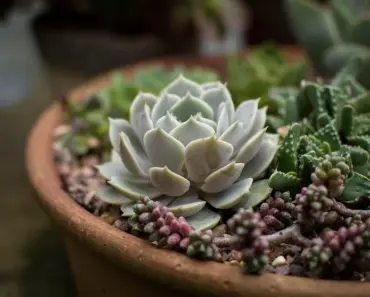
You step outside to enjoy a quiet summer evening. The grill is ready. The drinks are poured. Within minutes, a mosquito whines near your ear, and a fly lands on the table. It’s frustrating — but a simple herb from your kitchen garden might be the solution you need. Sage, the same plant that flavors your Thanksgiving stuffing, has a reputation for driving away both mosquitoes and flies. And the science backs it up. A 2011 study in the Malaria Journal found that potted sage provided up to 32.4% protection against certain mosquito species. The key compound, caryophyllene, creates a scent these insects cannot stand.
If you’re looking for natural ways to reclaim your patio, yard, or garden, here are seven practical methods that use sage to keep the biters and buzzers at bay.
The Science Behind Why Sage Repels Mosquitoes
Before diving into the methods, it helps to understand how sage repels mosquitoes and flies on a chemical level. Sage leaves contain volatile oils — including camphor, thujone, and caryophyllene — that produce a strong, aromatic aroma. To humans, the scent is often described as earthy or slightly peppery. To insects, it’s overwhelming. These compounds interfere with the insects’ olfactory receptors, making it difficult for them to locate hosts or food sources.
A notable 2011 study published in the Malaria Journal tested wild sage (Lantana camara) against Anopheles gambiae mosquitoes in Kenya. Pots of sage placed in test huts gave 32.4% protection against An. gambiae s.s. and 27.2% protection against An. gambiae s.l. varieties. While not as powerful as synthetic repellents, the results confirm that sage’s chemistry offers a measurable barrier. University extensions also commonly recommend sage for repelling flies, beetles, cabbage worms, and snails in vegetable gardens.
Now, let’s turn that science into actionable steps you can take this weekend.
1. Plant Sage in Containers Near Seating Areas
The simplest way to use sage for pest control is to grow it where you relax. Plant sage in pots and place them on your patio, deck, or beside your garden bench. As the breeze passes over the leaves, it carries the repellent compounds into the air.
For best results, choose a container with drainage holes and fill it with a well-draining potting mix. Sage thrives in full sunlight — six to eight hours of direct light per day. Keep the soil pH between 6.5 and 7.0. Group several pots together to increase the overall concentration of aromatic oils in the area. If you live near a pond or wetland where mosquitoes breed, position pots between the water source and your sitting area to intercept pests before they reach you.
A single pot may not be enough for a large yard, but three to five pots spaced around a 10-foot by 10-foot seating area can create a noticeable buffer. Refresh the plants yearly, as perennial sage can become woody and less fragrant over time.
2. Crush Fresh Sage Leaves to Release Oils
Whole leaves release some fragrance, but crushing them dramatically boosts their repellent power. When you bruise the leaf, you break the cell walls and free the volatile oils trapped inside. University extensions suggest that crushing herbs like sage, rosemary, and mint makes them far more effective as natural insect deterrents.
Here is a simple technique: pick a handful of fresh sage leaves. Roll them between your palms or rub them against each other until they darken and become fragrant. Place the crushed leaves in small bowls on outdoor tables, or tuck them into your pocket while you garden. Replace the leaves every few hours, as the released oils evaporate over time.
This method works especially well when you are eating outdoors. Flies are drawn to food odors, but the strong scent of crushed sage confuses them. Set a small dish of crushed leaves next to serving platters to create a subtle, natural barrier.
3. Burn Sage Leaves in a Fire Pit or Chiminea
Burning sage releases its aromatic compounds into the air in a concentrated form. Adding a handful of dried or fresh sage leaves to your fire pit or chiminea creates a smoke that actively repels mosquitoes and flies. This technique is similar to the concept of smudging — the smoke carries the repellent oils throughout the area.
To do this safely, place sage leaves directly on hot coals or embers. Avoid using gasoline or lighter fluid specifically for the sage; instead, add the leaves to an existing fire. The smoke will smell smoky and herbal, which most people find pleasant. Make sure the fire is well ventilated and not close to flammable structures.
If you don’t have a fire pit, you can burn dried sage bundled into a smudge stick. Light the tip, let it smolder, and wave the bundle around your seating area. This works indoors as well, but open a window to prevent excessive smoke buildup. The repellent effect lasts as long as the smoke is present, so relight the bundle every 30 minutes or so during gatherings.
4. Dry Sage and Use It as Incense
Dried sage is easier to store and can be used in incense forms. Tie sage stems together with cotton string and hang them upside down in a dry, dark place for two to three weeks. Once fully dried, you have homemade sage smudge sticks. Alternatively, crumble dried leaves into a heatproof dish and let them smolder with a charcoal disc designed for incense.
This method offers a more controlled release of fragrance compared to burning on an open fire. The slow, steady smoke fills a smaller area — perfect for a screened porch or a reading nook near a garden. The caryophyllene content remains active even after drying, so you still get the repellent benefits.
For a twist, combine dried sage with dried lavender or rosemary. Lavender adds a floral note that also repels mosquitoes, while rosemary reinforces the piney, herbaceous scent. Experiment with ratios to find a blend you enjoy.
5. Make a Sage-Infused Spray for Skin and Clothing
While sage oil can be irritating if used undiluted, a diluted infusion is gentle enough for most skin types. Boil a cup of water and pour it over a handful of fresh sage leaves. Steep for 20 minutes, then strain the liquid into a spray bottle. Allow it to cool completely before use. This simple spray can be applied to exposed skin or clothing before going outside.
For a longer-lasting effect, add a tablespoon of witch hazel or vodka as a preservative and to help the liquid dry quickly. Shake well before each use. The scent fades within an hour or two, so reapply if you are staying out for a prolonged period. This method is not as potent as commercial DEET sprays, but it offers a mild, plant-based alternative for those who prefer natural options.
You may also enjoy reading: Birds Fighting in Your Yard? 5 Easy Ways to Peace.
Note: Always test a small patch of skin first. If you have sensitive skin, avoid spraying near eyes or on broken skin. Keep the spray away from children’s faces and do not ingest it.
6. Use Sage as a Companion Plant in Your Vegetable Garden
Companion planting leverages the natural scents of herbs to protect nearby vegetables from pests. Sage is a particularly good neighbor for cabbage, carrots, and beans. Its strong aroma repels cabbage moths, carrot flies, and even snails. When you plant sage along the border of your garden, it also creates a scent barrier that deters flies and mosquitoes from entering the area.
Space sage plants about 18 to 24 inches apart in well-draining soil. Place them near the entrance of your garden pathway or next to plants that are heavily targeted by pests. For example, a row of sage next to your tomato plants can help reduce the presence of whiteflies and aphids. If you’re dealing with mosquitoes that breed in nearby damp areas, sage planted around the perimeter of your property can intercept them before they reach your house.
University extensions confirm that sage is one of the most reliable herbs for keeping garden pests at bay. The added benefit is that you can harvest the leaves for cooking while enjoying fewer buzzing insects around the yard.
7. Combine Sage with Other Pest-Repelling Herbs
No single plant will eliminate every mosquito and fly from your yard, but combining sage with other aromatic herbs creates a layered defense. Rosemary, lavender, lemon balm, catnip, and basil all produce scents that many insects find repellent. Plant them together in a mixed herb garden near your seating area or in window boxes.
This approach works especially well if you have a large yard where a few sage pots might not be enough. The synergy of multiple strong scents confuses insects’ sensory systems more effectively than one plant alone. For example, place lavender near sage to attract pollinators while repelling moths and mosquitoes. Basil next to sage adds a savory note that flies seem to avoid.
Beyond planting, you can also make a combined smudge bundle: tie sage, rosemary, and lavender together, dry them, and burn them during outdoor dinners. The mixed smoke releases a complex fragrance that humans enjoy but mosquitoes hate. This method also extends the duration of repellent activity because different oils evaporate at different rates.
Additional Tips to Maximize Sage’s Effectiveness
Even with sage in place, you can boost its pest-repelling power with a few simple habits. First, eliminate standing water around your property. Mosquitoes lay eggs in any water that sits for more than four days — birdbaths, gutters, flower pot saucers, and even bottle caps. Sage can only do so much if the insects are breeding in your backyard.
For flies, check that your garbage bin lids are sealed tight. Flies are attracted to decaying organic matter. A well-maintained compost pile should be turned regularly and kept covered. Sage’s scent will help keep flies away from the bin area, but hygiene is the foundation.
Also consider the placement of your sage containers. The wind direction matters. Position pots upwind of your seating area so the breeze carries the fragrance toward you. On still evenings, occasionally refresh crushed leaves or add fresh stems to the fire to renew the scent.
Finally, be patient. Sage is not a synthetic repellent with instant knockdown power. It works gradually, creating an environment that insects choose to avoid. The more sage you grow and the more actively you use its leaves, the better the results over time. Many gardeners find that within two to three weeks of establishing a sage border, they notice fewer mosquitoes and flies lingering around their usual spots.
If you’ve struggled with chemical sprays that leave a sticky residue or harsh odor, sage offers a gentler alternative. It smells good, looks attractive in the garden, and serves a dual purpose in the kitchen. Next time you fire up the grill, consider adding a few sage leaves to the coals. You might just enjoy the meal without having to swat at a single fly.