Imagine stepping into your backyard after a long day, not to a vast, echoing expanse of concrete and water, but to a personal oasis that fits snugly into a corner of your garden. This is the promise of a spool pool, a clever hybrid that merges the refreshing plunge of a swimming pool with the soothing warmth of a spa. For homeowners with limited outdoor space, these compact water features are transforming modest yards into versatile retreats without demanding a fortune or a football field of land.
What Exactly is a Spool Pool?
Think of a spool pool as the ultimate space-saving compromise. It’s essentially a downsized swimming pool, often in a clean, rectangular form, that incorporates the jet systems and heating capabilities of a hot tub. The name itself is a portmanteau, blending “spa” and “pool.” While a standard swimming pool might stretch 30 feet or more, a typical spool occupies a footprint of just 10 to 16 feet in length and 6 to 8 feet in width. This makes it a perfect solution for narrow side yards, cozy urban patios, or oddly shaped garden plots where a traditional pool would be impossible.
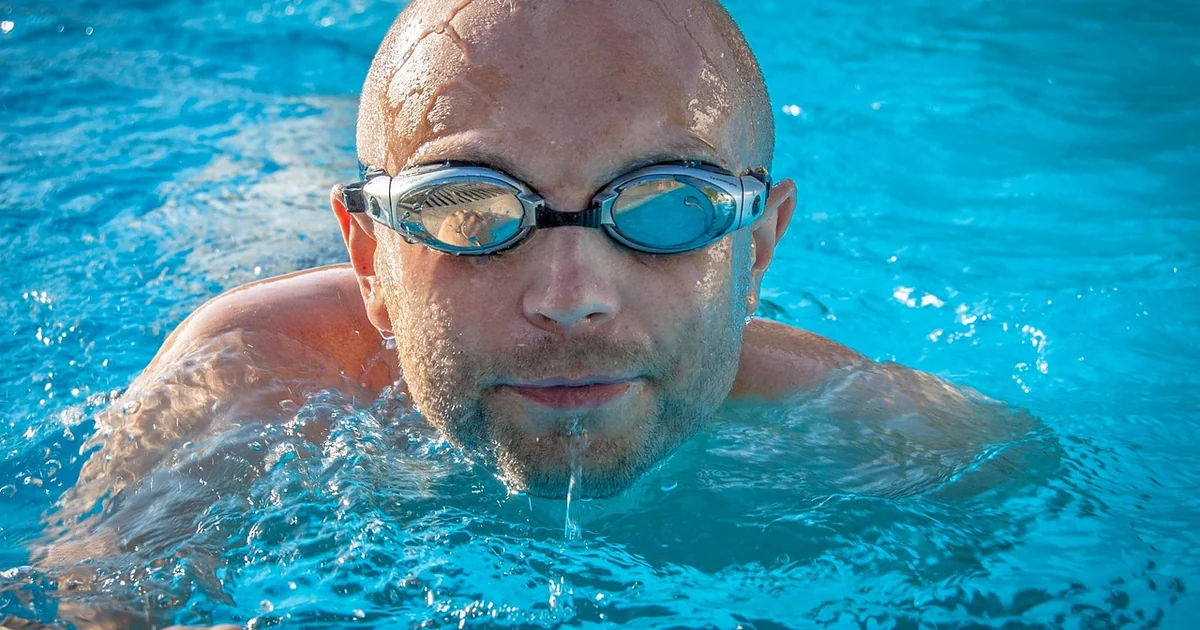
Beyond just soaking, many models feature adjustable current jets. This creates a swim-in-place system, allowing for continuous lap swimming against a gentle or powerful flow—a game-changer for fitness enthusiasts who lack the room for a long lap pool. So, whether you’re dreaming of a cool dip on a summer afternoon or a therapeutic warm soak under the stars, a single installation can deliver both experiences.
The Compelling Economics of Budget Spool Pools
The financial argument for choosing a spool is perhaps its most persuasive feature. When we talk about budget spool pools, we’re discussing a significant reduction in both initial outlay and ongoing expenses. Industry data from home service platforms indicates that the national average cost for a standard in-ground swimming pool hovers around $66,000, when all is said and done. In stark contrast, a professionally installed spool pool averages closer to $22,650.
This substantial difference isn’t just about the concrete and plumbing. The long-term savings are where these pools truly shine. Their smaller volume means they use approximately 60-70% less water to fill. They require correspondingly fewer chemicals to maintain proper balance. Heating costs, often a prohibitive expense for large pools, become remarkably manageable; warming a spool typically adds between $20 to $80 to your monthly utility bill, depending on your climate and heater type. This efficiency allows you to enjoy heated water regularly without guilt.
Hidden Costs and Smart Budgeting
While the base price is attractive, savvy planning involves considering the full ecosystem. You’ll still need to budget for essential extras like a safety-rated cover, which conserves heat and prevents accidents, and adequate fencing to comply with local safety codes—a critical step, especially for families. Surrounding decking or paving, ambient lighting for evening use, and a simple outdoor shower for rinsing off are worthwhile additions that enhance the experience. The key advantage is that the money saved on the pool structure itself can be reallocated to these finishing touches, creating a more polished and complete backyard haven.
Five Standout Budget Spool Pool Options
Navigating the market for a compact pool can feel overwhelming. To simplify your search, here are five distinct approaches to achieving your backyard aquatic dream without draining your savings. Each represents a different path to value, from DIY kits to innovative semi-permanent solutions.
1. The Modular Fiberglass Shell
For a balance of durability and relatively swift installation, a one-piece fiberglass shell is a top contender. These units are factory-molded into a smooth, non-porous finish that resists algae growth, making long-term maintenance simpler. Manufacturers offer various sizes and shapes that fit the spool dimensions. While you’ll need professional help for excavation and plumbing hookup, the shell itself drops into place in a day, significantly reducing labor time compared to gunite pools. Look for companies that offer “spool-specific” models with pre-plumbed jet locations for both relaxation and swim currents.
2. The Vinyl-Liner Kit Pool
Often the most cost-effective in-ground option, vinyl-liner kits have evolved far beyond basic rectangles. Kits designed for smaller footprints come with reinforced polymer walls, a custom-fit vinyl liner, and all necessary hardware. Homeowners with strong DIY skills can potentially tackle portions of the installation, further curbing costs. The liner provides a soft interior feel and comes in various patterns. It’s worth noting that liners have a lifespan of 10-15 years before needing replacement, a future cost to factor into your long-term budget.
3. The Above-Ground “Spool” Conversion
Don’t overlook the potential of high-end above-ground pools. Some robust, steel-walled models in the 12- to 15-foot diameter range can be creatively adapted. By adding a through-wall spa jet package and a high-output heater, you can transform a simple above-ground pool into a functional spool. This approach offers tremendous flexibility; if you move, you can potentially take it with you. It also circumvents extensive excavation costs. The key is selecting a pool built to handle the additional plumbing and ensuring your deck design integrates it seamlessly into your landscape.
4. The Plunge Pool with Jet Add-Ons
The minimalist plunge pool trend aligns perfectly with the spool concept. These are small, deep pools (often around 8′ x 10′ and 5-7 feet deep) designed for cooling off. By specifying one with a smooth interior finish (like shotcrete or tile) and planning for the installation of therapeutic jets and a heater during construction, you create a sleek, modern spool. This option prioritizes a clean, architectural look while still delivering hydrotherapy benefits. It’s an excellent choice for contemporary homes where aesthetics are as important as function.
5. The Container Pool Hybrid
A rising star in the world of small-space swimming is the container pool. These are typically constructed from refurbished shipping containers or custom-built steel tanks. Their narrow, long shape (e.g., 8′ x 20′) is inherently suited for lap swimming, even without a current. When outfitted with heating, filtration, and jets, they become incredibly versatile spools with an industrial-chic vibe. Many companies sell these as turnkey packages, including decking and filtration, which simplifies the process. While not always the absolute cheapest, they offer a distinct, modern aesthetic and structural durability that appeals to many.
Designing for Year-Round Enjoyment
A budget spool pool earns its keep by being a center of activity in every season. With a little thoughtful design, it can become your backyard’s main attraction.
Summer Sanctuary Setup
You don’t need a massive deck to create a resort feel. Flank your spool with a pair of streamlined lounge chairs and a small side table. String overhead bistro lights for magical evening ambiance. Since space is premium, opt for multi-functional furniture—a storage bench that holds pool toys and towels, for instance. A cantilevered umbrella can provide shade without consuming valuable floor space. For fun, a few floating LED lights or a single, humorous inflatable can add personality without clutter.
Winter Wellness Retreat
This is where the spool truly outshines a standard pool. As temperatures drop, dial up the heater. At around 100-104 degrees Fahrenheit, your spool becomes a private hot tub. The hydrotherapy benefits are profound: warm water immersion can increase circulation, ease muscle tension, and promote relaxation. To enhance the cozy vibe, add non-slip stone pavers around the perimeter for barefoot comfort, and keep a waterproof Bluetooth speaker nearby for soothing music. A nearby hook for plush robes makes the transition back indoors a warm and comfortable one.
You may also enjoy reading: 7 Ways to Grow & Care for Common Foxglove.
Maintenance Made Manageable
The small scale of a spool translates directly into simpler upkeep. The reduced water volume (often under 3,000 gallons, compared to 20,000+ for a full pool) means testing and adjusting chemical levels is quicker and less costly. You’ll use fewer chlorine or salt tablets, and algaecide goes much further. A smaller, energy-efficient pump runs for shorter cycles to filter the entire volume, cutting electricity use. Investing in a high-quality, insulated cover is non-negotiable; it reduces evaporation, retains heat, and keeps debris out, slashing your maintenance time and energy costs by up to 50%.
Consistency is easier with a small body of water. A quick skim with a hand net each evening and a weekly check of pH and sanitizer levels with a test kit will keep your water sparkling clear. Many owners find they spend less than 30 minutes a week on routine care.
Important Considerations Before You Dive In
While spools are versatile, they are not a one-size-fits-all solution. It’s crucial to assess your needs against their reality. These are intimate spaces, ideal for couples, small families, or solo relaxation. They are not designed for hosting large pool parties or cannonball contests. If your primary goal is entertaining big groups, a different option might be better.
Always consult with your local building department first. Permitting requirements for pools and spas vary widely, and regulations concerning fencing, gate latches, and electrical work for pumps and heaters are strictly enforced for safety. Furthermore, have a professional assess your yard’s soil conditions, drainage, and access for excavation equipment. An unexpected bedrock layer or a narrow side gate can significantly impact installation feasibility and cost.
Frequently Asked Questions
How long does it take to heat a spool pool?
Heating time depends on the starting water temperature, the target temperature, and your heater’s power. A modern, gas-fired heater can typically raise the temperature of a full spool by 20-30 degrees Fahrenheit in 8 to 12 hours. Heat pumps are more energy-efficient but work more slowly, often taking 24-48 hours for a similar increase. Using a well-insulated cover whenever the spool is not in use is the single best way to retain heat and reduce warm-up time.
Can you really get a good workout in a spool?
Absolutely. The adjustable current jets allow for swim-in-place training where you can adjust the resistance to match your fitness level, from a gentle flow to a challenging torrent. Water aerobics, using aquatic dumbbells or a kickboard, provides excellent low-impact resistance training. The buoyancy of water supports joints, making it ideal for rehabilitation or for those with arthritis. A 30-minute aquatic session can burn a significant number of calories while being gentle on the body.
Are spool pools safe for young children?
Water safety is paramount, regardless of pool size. A spool presents the same drowning risks as any other body of water. Local laws almost universally require a secure, lockable fence (often at least 4 feet high) with self-closing and self-latching gates to completely isolate the pool from the house and yard. Constant, attentive adult supervision is non-negotiable when children are present. Additionally, teaching children water survival skills and having safety equipment like a shepherd’s hook nearby are essential layers of protection.
What is the lifespan of a budget spool pool?
With proper installation and care, a well-constructed spool can last for decades. Fiberglass shells are known for their longevity, often lasting 25 years or more with no major repairs. Vinyl liners will need replacement every 10-15 years. The mechanical components—pumps, heaters, and control systems—typically have lifespans of 10-20 years and will require servicing or replacement over time, much like any major appliance. Consistent maintenance is the biggest factor in maximizing your investment’s lifespan.
Can I install a spool pool myself?
While some above-ground kit or container pool options are marketed as DIY-friendly, most in-ground spool installations involve complex tasks like excavation, electrical work, gas line plumbing (for heaters), and permanent structural assembly. Mistakes in any of these areas can be dangerous and incredibly costly to fix. For in-ground models, it is highly advisable to hire licensed professionals for the critical stages. You might save money by handling site preparation, landscaping, or deck building yourself, but leave the core pool installation to experts.
For those yearning for a personal aquatic escape but constrained by space or finances, the modern spool pool presents a brilliant solution. It demystifies pool ownership, offering a manageable, multi-seasonal asset that enhances daily life. By carefully selecting from the range of budget spool pools available and planning for its integration into your lifestyle, you can create a backyard sanctuary that delivers endless relaxation, fun, and value for years to come.