Growing a truly spectacular hanging basket – one overflowing with vibrant blooms and attracting buzzing pollinators – doesn’t have to be a constant battle against the elements. It’s a common frustration for gardeners: the initial excitement fades when the relentless watering and constant monitoring become overwhelming. But what if there was a way to create a hanging basket that thrives with minimal effort, offering a burst of color and beauty with significantly less upkeep? The answer lies in strategic preparation and incorporating a few key “magic ingredients.” These aren’t just gardening tricks; they’re fundamental adjustments to your approach that transform a potentially demanding task into a genuinely enjoyable experience. Let’s dive into the specifics, exploring how these simple additions can drastically reduce the workload and maximize your hanging basket’s potential – paving the way for less time tending and more time enjoying.
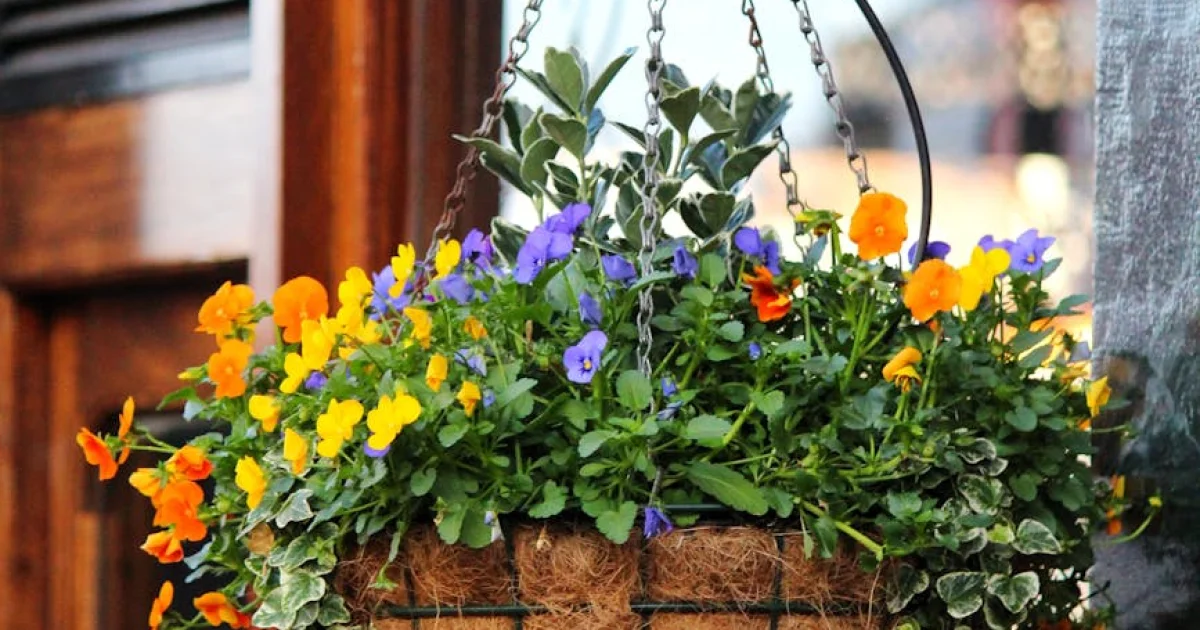
Choosing the best plants for your hanging basket is a crucial first step, but it’s only half the battle. To truly achieve a low-maintenance masterpiece, you need to elevate your potting mix and introduce a few strategic elements that support consistent moisture and nutrient availability. We’re going beyond the basics here; this isn’t about simply throwing some fertilizer in and hoping for the best. It’s about understanding the specific challenges faced by these suspended beauties and proactively addressing them. A hanging basket is a demanding environment, exposed to harsh weather conditions and limited soil volume. The key to success is creating a supportive ecosystem that minimizes stress on the plants and encourages robust, long-lasting blooms. Let’s explore how.
1. Coconut Coir: The Moisture Maestro
The most immediate and pervasive problem facing hanging basket plants is rapid drying. Unlike containers planted directly in the ground, hanging baskets are incredibly vulnerable to wind, sun, and evaporation. This creates a constant cycle of dryness and potential stress for the roots. Adding coconut coir to your potting mix is a game-changer. As previously mentioned, coconut coir is a byproduct of the coconut industry, a sustainable and incredibly effective material for retaining moisture. But it’s more than just a water reservoir; it’s a moisture regulator. Unlike peat moss, which can become compacted and hydrophobic when dry, coconut coir breathes and holds water consistently. It can absorb up to three times its weight in water, slowly releasing it back into the soil as the plants need it. This creates a stable, consistent moisture level, reducing the need for frequent watering. A single handful of coconut coir—about 10% of the total mix—can make a noticeable difference. You can find it in brick form, which needs to be hydrated, or as convenient pellets, readily available online from retailers like Amazon. Using coconut coir significantly reduces the frequency of watering, a truly valuable benefit for busy gardeners. Research from the Royal Horticultural Society, highlighted in their studies on watering hanging baskets, consistently demonstrates that plants thrive with a consistent supply of moisture rather than large, infrequent amounts. They found that providing 12 fluid ounces of water daily to a basket of six petunias yielded the same flower production as giving 34 fluid ounces once a day – showcasing the importance of consistent hydration over sheer volume.
2. A Strategic Water Reservoir – Less is More
While a drip pan is often recommended, the way it’s implemented is critical. The common mistake is using a large, uncovered reservoir that completely surrounds the base of the basket. This creates a soggy environment, drastically increasing the risk of root rot – a common killer of hanging baskets. Root rot occurs when the roots are deprived of oxygen due to constantly saturated soil. The solution? A small, contained reservoir. Think of it as a miniature water table. These specialized inserts, typically around 5.1 inches in diameter, create a shallow pool of water that slowly trickles down into the soil as the plants need it. This mimics the natural process of rainfall and ensures a consistent level of moisture without creating a breeding ground for fungus. The key is to keep the reservoir small – it shouldn’t cover the base of the basket. This allows for adequate airflow around the roots, preventing rot. The reservoir acts as a buffer, holding a little water to sustain the plants until your next watering session. Consider purchasing a reservoir specifically designed for hanging baskets; they often include a wicking system that further enhances moisture delivery.
3. Slow-Release Plant Food: Sustained Nutrition
Hanging baskets are notoriously nutrient-poor environments. The limited soil volume means that nutrients are quickly depleted. Frequent fertilization is necessary, but it can be time-consuming and disruptive to the plants. The answer is a continuous-release plant food – a granular fertilizer that slowly releases nutrients over a six-month period. These fertilizers are formulated to provide a steady stream of essential elements, reducing the need for frequent top-ups. Look for a formula specifically designed for flowering plants, containing a balanced blend of nitrogen, phosphorus, and potassium. When planting, incorporate the slow-release fertilizer evenly throughout the potting mix. This ensures that the plants receive a consistent supply of nutrients from the very beginning. This reduces the need for manual fertilization, saving you time and effort. A typical slow-release fertilizer will provide enough nutrients for the entire growing season, minimizing the need for intervention. The amount of fertilizer needed depends on the specific product and the plants being grown, so always follow the manufacturer’s instructions carefully.
4. Raised Planting Beds: Elevating Drainage
Creating slightly raised planting beds within the hanging basket is another surprisingly effective technique. This is easily achieved by adding a layer of gravel or small pebbles to the bottom of the basket before adding the potting mix. This creates a drainage layer that prevents water from pooling around the roots. Furthermore, raised beds improve airflow around the root zone, which is crucial for preventing root rot. The raised area also encourages root growth downwards, anchoring the plants more securely in the basket. This is particularly beneficial for plants with trailing stems, which tend to sprawl outwards, potentially destabilizing the basket. A simple layer of drainage material can dramatically improve the overall health and stability of your hanging basket.
You may also enjoy reading: "13 Essential Steps to Grow Potatoes: A Comprehensive Care Guide for a Bountiful Harvest".
5. Mulch with Coco Coir (Again!) – A Protective Layer
Continuing with the theme of coconut coir, utilizing it as a mulch is a highly beneficial practice. Applying a thin layer of coco coir to the surface of the soil helps to retain moisture, suppress weed growth, and regulate soil temperature. It acts as a barrier, preventing the soil from drying out too quickly during hot weather. Furthermore, coco coir improves soil aeration, allowing for better root respiration. A light dusting of coco coir—about a half-inch thick—is all that’s needed. Simply spread it evenly over the surface of the soil after watering. This simple step adds an extra layer of protection and support for your plants.
6. Strategic Plant Selection – Matching Plants to Conditions
While the magic ingredients focus on soil and moisture management, plant selection plays a vital role in the overall success of your low-maintenance hanging basket. Choose plants that are naturally drought-tolerant and thrive in full sun or partial shade, depending on your location. Petunias, calibrachoa (million bells), lobelia, and bacopa are all excellent choices for hanging baskets due to their ability to tolerate drier conditions and their prolific flowering. Avoid plants that require constant moisture or are prone to wilting in the heat. Grouping plants with similar watering needs can also simplify your care routine. Research the specific requirements of each plant before planting to ensure they are compatible with your chosen location and your desired level of maintenance.
7. Regular Inspection – Catching Problems Early
Even with the best preparation, things can still go wrong. Regularly inspect your hanging basket for signs of stress, such as wilting leaves, yellowing foliage, or stunted growth. Check the soil moisture level – it should be consistently moist but not soggy. Look for signs of pests or diseases, such as aphids, spider mites, or fungal infections. Early detection is key to preventing serious problems. If you notice any issues, take immediate action to address them. This might involve repotting the plants, adjusting the watering schedule, or applying a fungicide or insecticide. A few minutes of regular inspection can save your hanging basket from disaster.
Creating a truly low-maintenance hanging basket is about more than just choosing the right plants; it’s about understanding the specific challenges these suspended beauties face and proactively addressing them with the right techniques and ingredients. By incorporating coconut coir, a strategic water reservoir, slow-release plant food, raised planting beds, mulch, careful plant selection, and regular inspection, you can transform your hanging basket into a vibrant, beautiful, and remarkably low-effort addition to your outdoor space. Say goodbye to constant watering and hello to long-lasting blooms – it’s time to unlock the secrets to effortless beauty!