Transforming Scraps: 12 Clever Ways to Create Bird Magnets for Your Yard
The thrill of a new woodworking project is often tempered by the reality of leftover scraps – those frustratingly small pieces of wood that seem destined for the donation pile. But what if those scraps could become something beautiful and beneficial, attracting feathered friends to your yard? Turning discarded wood into functional and decorative items for your outdoor space is not only environmentally friendly but also a rewarding way to engage in a satisfying hobby.
The key to successful scrap wood projects lies in embracing simplicity and resourcefulness. Many birds are attracted to the basic necessities: water, food, and shelter. By providing these elements creatively, you can transform your yard into a welcoming haven for a diverse range of species. Furthermore, these projects offer an excellent opportunity to connect with nature, develop your woodworking skills, and add a touch of rustic elegance to your outdoor space. Let’s dive in and discover how to give those forgotten scraps a new life.
1. Elevated Birdbath Stands with Dimensional Lumber
A traditional birdbath can be a beautiful addition to any yard, but a simple wooden stand can dramatically improve its functionality and aesthetics. Using crossed dimensional lumber, like short 2×4 cutoffs, to create a sturdy base with a shallow cup-shaped depression is a fantastic way to utilize scrap wood. Opt for natural, untreated wood to ensure the safety of the birds. The dimensions of the depression should be carefully considered – too deep, and the birds might struggle to reach the water; too shallow, and it won’t hold enough. This design isn’t just functional; it’s a subtle statement of rustic charm. You can even stain the wood a natural tone to blend seamlessly with the surrounding landscape. Consider adding a small, angled piece of wood to create a gentle slope for the water to drain, preventing puddles from forming around the base. A well-designed stand elevates the birdbath, providing a more comfortable and accessible bathing spot for your avian visitors. This project is estimated to take around 2-3 hours, requiring minimal tools – a saw, a drill, and a level are all you’ll need.
2. Perches: Small Touches, Big Impact
Perches are crucial for birds, offering a moment to survey their surroundings before taking a dip in the water or indulging in a meal at a feeder. A simple perch doesn’t need to be large or elaborate. A small scrap of wood, perhaps a 1×2 or a short piece of a 1×4, attached to the birdbath stand or a nearby post, can make a significant difference. Ensure the perch is positioned at a comfortable height – not so high that the birds struggle to reach it, but not so low that they’re easily accessible to predators. Consider adding a slight downward angle to the perch to provide added stability. Even a strategically placed twig secured with a bit of twine can serve as a welcoming perch. The addition of a perch isn’t just about providing a landing spot; it’s about creating a sense of security and comfort for the birds. It also offers a delightful photographic opportunity, capturing birds poised and relaxed as they observe their surroundings.
3. Rustic Garden Perches – Beyond the Birdbath
Perches aren’t limited to being attached to a birdbath. They can be strategically placed throughout your garden to attract a wider variety of birds. A simple perch crafted from a piece of scrap wood, mounted on a wall or a post, can provide a much-needed resting spot for smaller birds. Consider the height and location – place it in an area with some cover, such as near shrubs or trees, to offer protection from predators. A small, horizontal piece of wood, secured with screws, works perfectly. Varying the heights and placements of the perches will attract different species, each with its own preferred resting spot. Don’t underestimate the power of a simple perch to transform your garden into a haven for birds.
4. Simple Platform Feeders – Seed Central
Platform feeders are incredibly versatile and are ideal for utilizing a large amount of scrap wood. A basic platform feeder consists of a flat wooden surface with drainage holes. The size of the platform depends on the type of seed you’ll be using – larger seeds require a larger surface area. Ensure the drainage holes are adequately sized to prevent water from pooling on the platform, which can promote the growth of mold and bacteria. A simple frame, constructed from scrap wood, can provide support for the platform. You can even incorporate a small lip around the edge of the platform to prevent seeds from spilling out. Platform feeders are easy to clean and maintain, making them a practical and rewarding addition to your bird-watching setup. They’re perfect for attracting a variety of seed-eating birds, from finches to sparrows to cardinals.
5. Miniature Bench Feeders – A Charming Addition
Combine the functionality of a bird feeder with the charm of a miniature bench. This project is especially well-suited to using pallet wood, which is often readily available as scrap. Construct a simple bench frame from the pallet wood, leaving a small open space in the center for the birds to access the seed. You can add a small wooden platform to the bench for the birds to perch on while feeding. A slightly angled top to the bench will help prevent seed from spilling out. These miniature bench feeders are not only practical but also add a touch of rustic character to your garden. They’re a delightful way to attract birds and create a welcoming seating area for your feathered friends.
6. Birdhouse Variations – Beyond the Basic Box
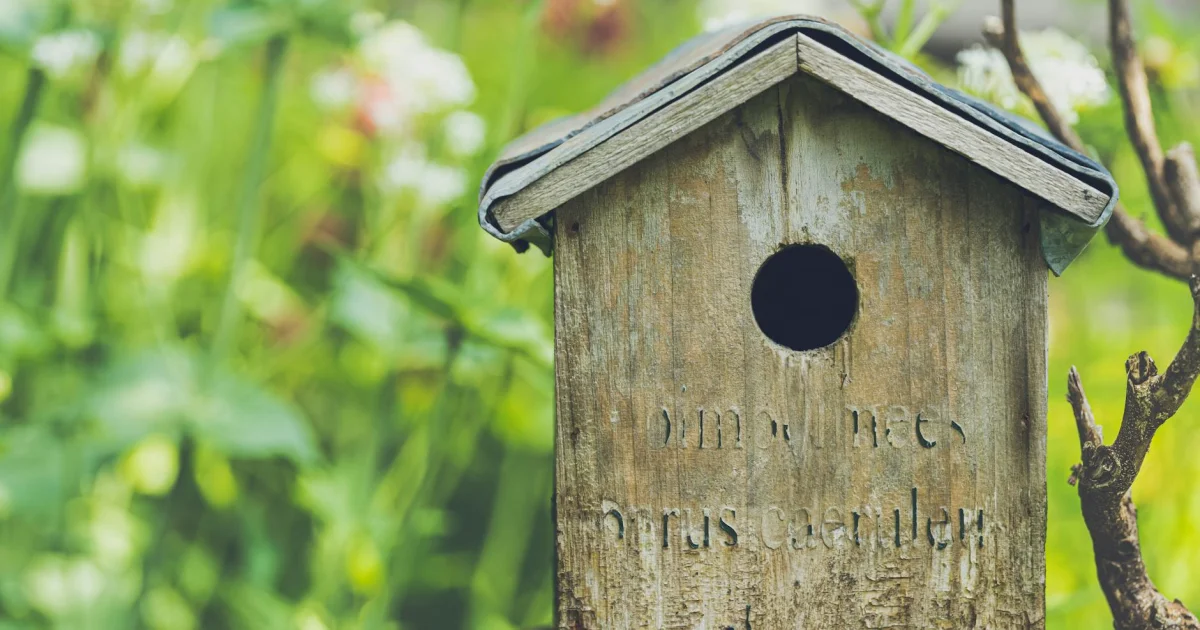
While building a traditional birdhouse is a rewarding project, scrap wood provides the opportunity to experiment with different designs. Create a birdhouse with a slanted roof using overlapping pieces of wood. Add a small porch or landing pad using a piece of scrap wood attached to the front of the birdhouse. Experiment with different shapes and sizes – a hexagonal birdhouse can be particularly attractive to purple martins. Remember to prioritize the safety of the birds – avoid using perches below the entrance hole, as they can make it easier for predators to access the nest. A well-designed birdhouse, crafted from scrap wood, is a beautiful and functional addition to any garden.
7. Decorative Wood Slice Bird Feeders
Using a spinning tool, you can create beautiful wood slices from a larger piece of scrap wood. These slices can then be used as the base for a simple bird feeder. Attach a small platform to the wood slice using screws and glue. You can also add a small hook to hang the feeder from a tree branch or post. The natural beauty of the wood slice adds a rustic charm to the feeder, making it a visually appealing addition to your yard. This project is a great way to showcase your creativity and add a touch of handmade artistry to your bird-watching setup.
You may also enjoy reading: "13 Essential Steps to Grow Potatoes: A Comprehensive Care Guide for a Bountiful Harvest".
8. Branch Perches – Natural and Rustic
Sometimes, the best bird perches are the simplest. Utilize sturdy branches – fallen branches from your own yard are ideal – to create natural perches for your feathered friends. Secure the branches to posts or tree trunks using screws or nails. Varying the heights and angles of the branches will create a more dynamic and appealing environment for the birds. This method is particularly effective for attracting woodpeckers and other birds that prefer to perch on branches. The natural look of the branches blends seamlessly with the surrounding landscape, creating a truly rustic and inviting atmosphere.
9. Miniature Wooden Houses for Small Birds
Smaller birds, like wrens and chickadees, appreciate cozy little homes. Utilize small scraps of wood to create miniature wooden houses, complete with tiny windows and doors. These houses can be hung from tree branches or mounted on posts. Keep the interiors simple – a few small twigs or pieces of moss can provide a comfortable nesting space. Remember that these houses should be designed with the safety and well-being of the birds in mind. Avoid using any toxic materials or finishes.
10. Log Step Stools for Easy Access
If you have a raised garden bed or a compost heap, a simple wooden step stool can make accessing them much easier. Use scrap logs or planks of wood to construct a sturdy step stool, ensuring it’s wide and stable enough to support your weight. Sand the edges smooth to prevent splinters. A rustic step stool not only provides practical assistance but also adds a touch of charm to your garden. It’s a functional and aesthetically pleasing addition that will be appreciated by both you and your feathered friends.
11. Decorative Wood Shingles for Birdhouses & Shelters
Cut small pieces of scrap wood into shingles and use them to create a decorative roof for your birdhouses or to build small shelters for birds. This adds a rustic and textured look to your birdhouses, providing extra protection from the elements. Vary the lengths and angles of the shingles to create a visually appealing pattern. This project is a great way to utilize smaller scraps of wood and add a touch of handcrafted artistry to your bird-watching setup.
12. Customizable Seed Catchers – Preventing Messes
Seed catchers are an invaluable addition to any bird feeder, preventing spilled seeds from littering the ground. Create a simple seed catcher using scrap wood, shaped like a small tray with a lip to contain the seeds. You can customize the size and shape of the seed catcher to fit your specific bird feeder. This simple project helps to keep your yard clean and tidy while providing a convenient feeding station for your feathered friends. A well-designed seed catcher minimizes mess and ensures that the birds have easy access to their food.
Transforming scrap wood into bird magnets is a fulfilling way to contribute to your local ecosystem while fostering your creativity. By embracing simplicity, resourcefulness, and a love for nature, you can create charming and functional additions to your yard that will attract a diverse range of birds and bring joy to your outdoor space. So, the next time you’re faced with a pile of scrap wood, don’t discard it – instead, see it as an opportunity to create something beautiful and beneficial for the birds in your neighborhood.