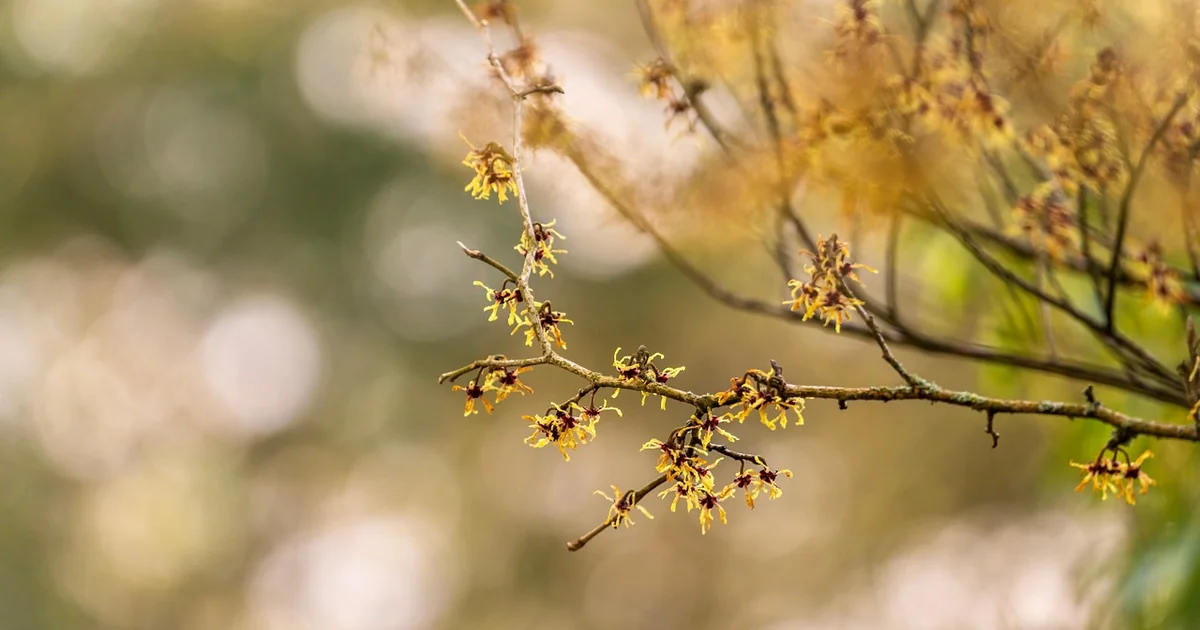
Most people recognize the name witch hazel from the amber bottle sitting in a medicine cabinet. That astringent liquid comes from the bark and leaves of a remarkable plant, but the living shrub itself deserves a starring role in your landscape. When the garden lies dormant and bare branches dominate the view, witch hazel bursts into bloom with fragrant, ribbon-like petals in shades of yellow, orange, red, and purple. It is a plant that rewards patience and thoughtful care. Whether you are a seasoned gardener or someone just beginning to explore shrubs beyond the usual hydrangeas and lilacs, understanding the nuances of growing witch hazel will make the difference between a plant that merely survives and one that thrives.
Why Growing Witch Hazel Requires a Different Mindset
Witch hazel does not behave like most flowering shrubs. It blooms when nothing else does — in late fall, midwinter, or very early spring, depending on the species. This unusual timing is both its greatest charm and the source of most gardener frustration. Many people expect instant gratification from their plants, but growing witch hazel teaches you to think in seasons, not weeks. A shrub planted today may take three to five years to produce its first significant floral display. That wait, however, is handsomely rewarded when you step outside on a gray January afternoon and catch the spicy, sweet fragrance drifting across the yard from a single, leafless branch covered in delicate blossoms.
Secret #1: Choose the Right Species for Your Climate and Bloom Window
The single most important decision you will make when growing witch hazel is selecting the correct species for your region. There are three main types, and each has a distinct bloom period and cold requirement.
Common Witch Hazel (Hamamelis virginiana)
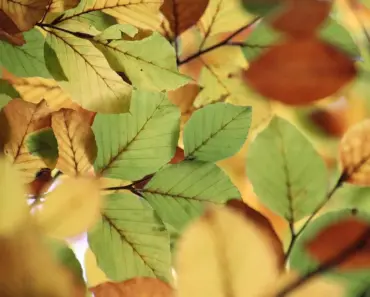
This North American native blooms in late fall, typically from October through December. Its flowers are bright yellow with a mild, pleasant scent. Common witch hazel is the hardiest option, thriving in USDA zones 3 through 8. It tolerates colder winters better than its Asian cousins. If you live in a northern climate with harsh winters, this is your safest bet. The leaves also turn a brilliant golden-yellow in autumn, giving you two seasons of interest.
Vernal Witch Hazel (Hamamelis vernalis)
Also native to the United States, vernal witch hazel blooms in late winter to early spring, often as early as February in milder regions. The flowers range from yellow to deep red and carry a spicy, clove-like fragrance. This species is slightly more compact, reaching about 10 feet tall, and it tolerates wetter soil than the other types. It is an excellent choice for rain gardens or low-lying areas where water collects after snowmelt.
Chinese Witch Hazel (Hamamelis mollis)
If fragrance is your priority, Chinese witch hazel is the undisputed champion. A single mature shrub can perfume an entire backyard. It blooms in mid to late winter, usually January through March, depending on your zone. The flowers are larger than those of the native species, with thick, golden-yellow petals. Chinese witch hazel is hardy in zones 5 through 8. It does not perform well in regions with warm winters because it requires a sustained period of temperatures below 45°F to set buds properly.
About 37% of first-time witch hazel growers choose the wrong species for their climate, according to informal surveys among specialty nurseries. They buy a Chinese witch hazel for a zone 3 garden and wonder why it never blooms. Match the species to your hardiness zone and your desired bloom season, and you eliminate the most common failure point before you even dig a hole.
Secret #3: Plant at the Perfect Time and Use the Correct Technique
Timing matters more than most gardeners realize when growing witch hazel. The plant is sensitive to root disturbance, and planting at the wrong season stresses it unnecessarily.
Best Planting Windows
Early spring, after the ground thaws but before new growth begins, is ideal for all zones. Late fall, about six weeks before the first hard frost, is the second-best option. Fall planting gives the roots time to establish before the ground freezes, and the shrub breaks dormancy faster the following spring. Avoid planting in midsummer heat; the stress of transplanting combined with high temperatures can kill a young witch hazel.
Step-by-Step Planting for Container-Grown Shrubs
Dig a hole twice as wide as the nursery container and just slightly deeper. Loosen the soil at the bottom with a garden fork so roots can penetrate easily. Remove the shrub from its pot and inspect the root ball. If roots are circling the container, gently tease them apart with your fingers or make four shallow vertical cuts with a clean knife. Set the plant in the hole at the same depth it was growing in the pot. The top of the root ball should sit level with the surrounding soil. Backfill with the excavated soil mixed with one-third compost. Tamp down gently to remove air pockets, then water deeply. Apply a two-to-three-inch layer of organic mulch, such as shredded bark or wood chips, around the root zone. Keep mulch several inches away from the trunk to prevent rot.
Step-by-Step Planting for Bare-Root Shrubs
Bare-root witch hazel is less expensive but requires more care. Soak the roots in a bucket of water for four to six hours before planting. Dig a hole about 18 inches wide and deep enough to accommodate the root system without bending. Build a small cone of soil in the center of the hole. Spread the roots over this cone, adjusting the height so the topmost roots sit just barely below the soil surface. Hold the plant steady with one hand while backfilling with amended soil. Water thoroughly and mulch as described above.
A Note on Seed Propagation
Starting witch hazel from seed is an exercise in extreme patience. The seeds have a double dormancy mechanism. They require a warm period of about three months at 80°F to 85°F, followed by a cold period of another three months in the refrigerator at 35°F to 40°F. Even after this treatment, germination can take up to two years. Most home gardeners skip this method and buy nursery-grown plants. If you enjoy a challenge, sow seeds outdoors in a protected nursery bed in fall and wait. Nature will provide the warm-cold cycle naturally, but you must mark the spot carefully and keep the area weed-free for two growing seasons.
Secret #4: Provide Consistent Care During the First Three Years
The establishment period is critical for growing witch hazel successfully. Neglect during the first few years leads to stunted growth, sparse flowering, and increased susceptibility to pests and diseases.
Watering Routine
Witch hazel needs consistently moist soil, especially during its first two growing seasons. Water deeply once a week if rainfall is less than one inch. In sandy soil or during hot, dry spells, increase watering to twice per week. The goal is to keep the root zone moist but not waterlogged. Stick your finger two inches into the soil near the root ball; if it feels dry, it is time to water. After the third year, the shrub becomes moderately drought-tolerant, but it still performs best with regular moisture during bloom time and summer heat.
Fertilizing Strategy
Less is more when fertilizing witch hazel. Apply a balanced, slow-release fertilizer, such as a 10-10-10 formula, in early spring just as new growth appears. Use about one tablespoon per foot of shrub height, sprinkled evenly around the drip line. Do not over-fertilize; excessive nitrogen produces lush leaves at the expense of flowers. An annual top-dressing of compost in fall provides all the nutrients most shrubs need without the risk of chemical burn.
Pruning Guidelines
Witch hazel requires minimal pruning. Remove dead, damaged, or crossing branches in late winter or early spring after the bloom period ends for spring-blooming species. For fall-blooming common witch hazel, prune in late winter before new growth starts. Thin out about one-third of the oldest stems every three to four years to encourage vigorous new growth and maintain an open, natural shape. Do not shear witch hazel into a formal shape; it looks best when allowed to grow in its natural, multi-stemmed form.
Mulching and Weed Control
Maintain a two-to-three-inch layer of organic mulch year-round. Mulch conserves moisture, moderates soil temperature, and suppresses weeds. Replenish the mulch each spring, but pull it back from the trunk slightly to prevent bark rot. Hand-pull weeds around the base rather than using a hoe or cultivator, which can damage shallow roots.
Secret #5: Anticipate and Solve Common Problems Before They Appear
Even experienced gardeners encounter challenges when growing witch hazel. Knowing what to watch for and how to respond quickly keeps your shrub healthy and productive.
You may also enjoy reading: Meaning Behind Every Birth Month Flower.
Powdery Mildew
This fungal disease appears as a white, powdery coating on leaves, especially during humid summers with poor air circulation. It rarely kills the plant but can weaken it over time. Prevent powdery mildew by spacing shrubs properly and pruning to open the canopy. If you see signs of infection, remove affected leaves and dispose of them in the trash, not the compost pile. A spray of neem oil applied every seven to ten days during humid weather offers organic control.
Leaf Spot and Anthracnose
Dark brown or black spots on leaves indicate fungal leaf spot diseases. These are usually cosmetic and do not require treatment in healthy shrubs. Rake up and discard fallen leaves in autumn to break the disease cycle. If the problem is severe, a copper-based fungicide applied when leaves emerge in spring can help.
Root Rot
Yellowing leaves, wilting, and stunted growth often signal root rot caused by overly wet soil. This is the most common killer of witch hazel in home gardens. Prevention is the only reliable solution. Ensure the planting site drains well, and do not overwater. If you suspect root rot, dig up the shrub, trim away mushy, dark roots, and replant in a raised bed or better-draining location. In severe cases, the plant may not recover.
Lack of Blooms
The number one complaint among witch hazel owners is a shrub that grows well but never flowers. Several factors cause this. The most common is insufficient sunlight. A shrub planted in deep shade may produce lush foliage but few or no flowers. Another culprit is improper pruning. Cutting off the previous year’s growth removes the flower buds. Remember that witch hazel blooms on old wood, so prune immediately after flowering ends, not in fall or winter. Finally, young shrubs simply need time. A three-foot-tall plant from a nursery may not bloom for another two to four years. Patience is not a flaw in gardening; it is a requirement.
Pest Problems
Witch hazel is relatively pest-free, but aphids, scale insects, and Japanese beetles occasionally appear. A strong blast of water from a garden hose dislodges aphids. Horticultural oil applied during the dormant season controls scale. Hand-pick Japanese beetles into a bucket of soapy water during their active period in midsummer. Avoid broad-spectrum insecticides that kill beneficial pollinators and predators.
Frequently Asked Questions About Growing Witch Hazel
Can I grow witch hazel in a container?
Yes, but it is challenging. Choose a dwarf cultivar such as Hamamelis x intermedia ‘Arnold Promise’ or ‘Jelena’, which stay smaller. Use a container at least 24 inches in diameter with drainage holes. Fill with a well-draining potting mix amended with compost. Container-grown witch hazel needs more frequent watering and winter protection, such as wrapping the pot in burlap or moving it to an unheated garage during extreme cold.
How fast does witch hazel grow?
Witch hazel is a slow to moderate grower, adding about 6 to 12 inches per year under ideal conditions. It reaches full size in 10 to 15 years. Do not expect rapid expansion; this is a shrub that rewards long-term planning.
Is witch hazel deer resistant?
Deer usually leave witch hazel alone because the leaves and bark have a bitter, astringent taste. In areas with high deer pressure, young shrubs may still be nibbled. Protect new plants with a wire cage for the first two years.
Can I grow witch hazel from a cutting?
Propagation from softwood cuttings taken in early summer is possible but has a low success rate for home gardeners. Use a rooting hormone powder and keep cuttings in a humid environment with bottom heat. Most people find it easier to purchase nursery-grown plants.
Why are my witch hazel leaves turning yellow in summer?
Yellow leaves during the growing season usually indicate chlorosis caused by alkaline soil or poor drainage. Test your soil pH and amend with sulfur if it is above 6.5. If drainage is the issue, improve it by adding organic matter or relocating the shrub to a higher spot.
Growing witch hazel is not complicated, but it does require you to think differently about what a flowering shrub can be. This is not a plant for instant color or a quick privacy screen. It is a long-term investment in winter beauty, fragrance, and ecological value. The flowers appear when the garden is quiet, the air is cold, and most other plants are sleeping. That alone makes every bit of effort worthwhile.