Establishing fundamental design principles can guide you toward a layout that enhances both the visual harmony and the usability of your room. By adhering to these guidelines, you can craft a living room that celebrates both relaxation and connection.
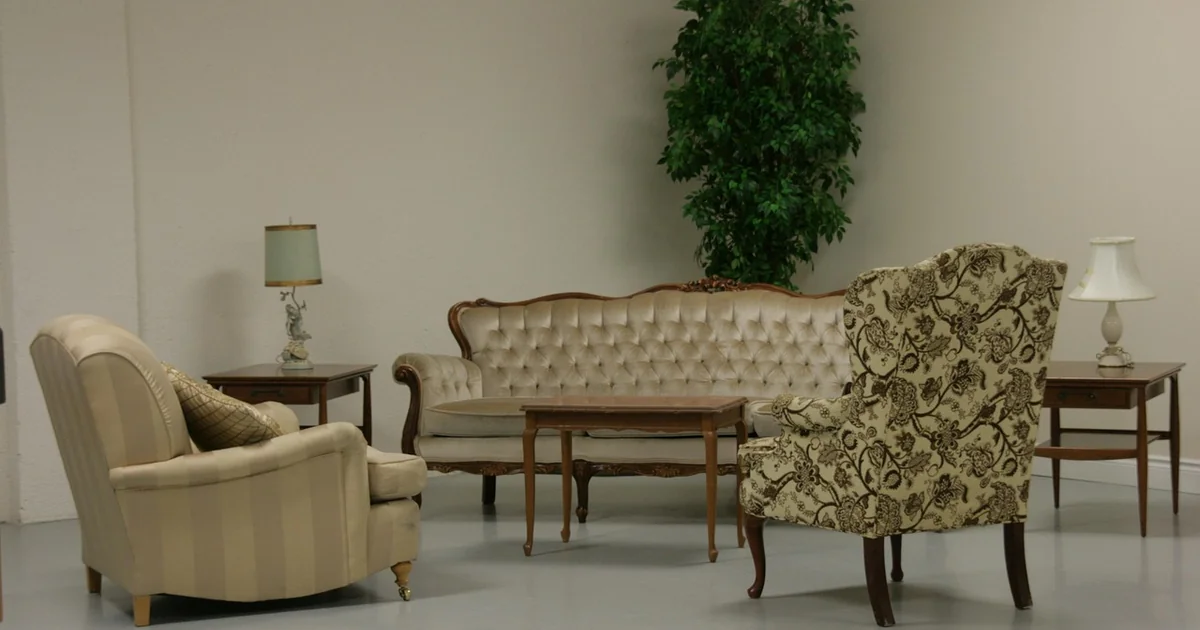
1. Identify Your Focal Point
Every room benefits from a central point of interest, and the living room is no exception. This focal point naturally draws the eye and organizes the surrounding furniture. Often, this is the television, particularly in contemporary living spaces. However, your focal point could also be a striking architectural feature like a fireplace with an attractive mantel, a large window offering a captivating view, or even a statement piece of art. Once you’ve designated your focal point, orient your furniture around it as much as possible. This creates a sense of visual unity and purpose within the room. Consider the natural flow of movement and ensure that the arrangement doesn’t obstruct the view or access to this central element.
2. Embrace Space: Don’t Push Furniture Against the Walls
Contrary to a common misconception, pushing all your furniture flush against the walls does not actually make a room appear larger. In fact, it can often create a cramped and static feeling. Instead, allow several inches of space – at least a few feet if you have ample room – between the backs of your furniture and the walls. This creates a sense of breathing room and visual separation, making the space feel more open and airy. In larger living rooms, consider arranging furniture to define distinct zones in the center of the room, leaving generous pathways for movement. These clear walkways contribute significantly to the overall feeling of spaciousness and ease.
3. Strategic TV Placement
Determining the optimal placement for your television is crucial for both viewing comfort and aesthetics. The size of your TV and the room’s dimensions will influence where it should reside. Ideally, the TV should be positioned in an area that avoids direct sunlight or glare from both natural and artificial light sources. Placing the TV in a high-traffic zone is generally undesirable, as it can be disruptive to watching. Generally, your seating should be positioned to offer a comfortable viewing angle, whether you’re seated on a sofa or an armchair. While mounting a TV above a fireplace can save floor space, it’s essential to consider factors like viewing height and potential heat from the fireplace to ensure optimal functionality and safety. A stylish TV stand can also serve as a functional and decorative element, providing storage and elevating the screen to a more comfortable viewing level.
4. Cultivate Conversation Areas
The primary function of a living room is often to facilitate social interaction. Therefore, arranging your seating to encourage conversation is paramount. Arrange sofas and chairs in a way that allows for comfortable eye contact and easy dialogue. An L-shaped arrangement, for instance, naturally fosters conversation. Avoid placing seating in a way that creates barriers or isolates individuals. Consider the size of your group and adjust the arrangement accordingly. For larger gatherings, you might need to incorporate additional seating options like ottomans or accent chairs. The goal is to create a welcoming and inclusive space where people can comfortably connect.
5. Achieve Visual Balance
A well-arranged living room exhibits visual balance, preventing it from feeling lopsided or cluttered. This doesn’t necessarily mean perfect symmetry, but rather a harmonious distribution of furniture weight and visual interest. Consider the size and scale of your furniture pieces. A large sectional sofa should be balanced by other substantial elements, such as a large coffee table or a grouping of armchairs. Avoid placing all the heavy furniture on one side of the room. Utilizing accessories like lamps, artwork, and decorative objects can help to distribute visual weight and create a sense of equilibrium. When arranging furniture, step back periodically to assess the overall visual balance and make adjustments as needed.
6. Adapt to Irregular Spaces: Zoning with Rugs
Many living rooms present unique challenges, such as narrow widths, oddly shaped corners, or fireplaces positioned at angles. In these situations, traditional furniture arrangement rules might need to be adapted. A particularly effective technique for arranging furniture in irregular living rooms is to utilize area rugs to define distinct zones within the space. For example, you might create a conversation area with a rug anchoring a sofa, chairs, and coffee table, while another rug defines a reading nook or a play area. An oversized statement floor lamp can also serve to anchor a zone and add visual interest. This zoning approach helps to create a sense of order and functionality in spaces that might otherwise feel disjointed. The key is to visually connect the furniture within each zone, creating a cohesive and purposeful arrangement.
7. Consider Layouts for Long, Narrow Rectangular Living Rooms
Long and narrow living rooms present a specific set of design considerations. With two long walls to work with, a common strategy is to place a sofa along one long wall and the television on the wall directly opposite it. This layout maximizes seating capacity and provides a clear focal point. However, avoid placing all furniture flush against the walls, as this can exacerbate the narrowness of the room. Instead, pull the sofa away from one wall to create a sense of depth. Consider adding a console table or shelving unit along the shorter walls to provide storage and visual interest. Vertical elements, such as tall bookshelves or artwork, can help to visually expand the space. The arrangement should aim to create a sense of flow and prevent the room from feeling like a narrow hallway.
Creating a stunning living room furniture arrangement is an iterative process. It may require some experimentation to find the layout that best suits your space, your lifestyle, and your personal preferences. Don’t be afraid to try different configurations until you achieve a balance of comfort, functionality, and visual appeal. The goal is to create a living room that feels both inviting and well-organized, a space where you can relax, entertain, and truly enjoy spending time.
Choosing a Focal Point
Never underestimate the power of a focal point in a room. Sometimes they appear naturally, such as if you have a prominent window or a built-in fireplace mantel, while other times you may need to create them yourself, as with TV stands and televisions. Whatever your chosen focal point, make a decision and stick with it. You’ll want to arrange furniture around it as much as possible.
Don’t Push Furniture Against the Walls
Despite popular belief, pushing furniture up against the walls does not make a room feel bigger. Even in a small space, give yourself a little breathing room by pulling the furniture away from the walls and creating several inches of space between the backs of the furniture and the walls. If you have a larger space, feel free to arrange furniture in such a way that conversation areas are created in the middle of the room, leaving several feet between the walls and the furniture. Creating walkways will make the space feel more open, as above.
Determine TV Placement
The size of your TV and other factors will help you determine where to place your TV. Here are a few tips: The TV should be placed in an area of your living room that is not affected by sunlight or glare from natural or other lighting. Place your TV out of high-traffic areas. There’s nothing more frustrating than trying to watch TV while people keep walking past it. In general, your TV should be positioned facing your seating so you can comfortably watch it from your couch or chairs. Mounting a TV above a fireplace has its pros and cons but if it’s done correctly it can free up floor space in a small living room.
Create Conversation Areas
The primary function of a living room is often to facilitate social interaction. Therefore, arranging your seating to encourage conversation is paramount. Arrange sofas and chairs in a way that allows for comfortable eye contact and easy dialogue. An L-shaped arrangement, for instance, naturally fosters conversation. Avoid placing seating in a way that creates barriers or isolates individuals. Consider the size of your group and adjust the arrangement accordingly. For larger gatherings, you might need to incorporate additional seating options like ottomans or accent chairs. The goal is to create a welcoming and inclusive space where people can comfortably connect.
Balance Furniture Size and Placement
It’s vital to maintain a sense of balance when arranging furniture. Avoid having one side of the room feel heavily furnished while the other remains sparse. For example, if you have a large sectional sofa on one side, consider balancing it with a substantial piece of furniture on the opposite side, like a bookcase or a console table. This visual equilibrium makes the room feel more cohesive and aesthetically pleasing.
Consider Traffic Flow
Think about how people will move through your living room. Ensure there are clear pathways between furniture groupings and to doorways. Avoid placing furniture in a way that obstructs these pathways, as this can make the space feel cramped and difficult to navigate. A well-planned layout considers the natural flow of movement, enhancing both functionality and comfort.
Ultimately, the ideal living room furniture arrangement is one that reflects your personal style and meets your practical needs. By considering these guidelines and experimenting with different layouts, you can create a living room that is both beautiful and functional – a true reflection of your home and lifestyle.
The Importance of Scale
The size of your furniture should be proportionate to the size of your room. Oversized furniture can overwhelm a small living room, while undersized furniture can get lost in a large space. Consider the dimensions of your room when selecting furniture, ensuring that each piece feels appropriately scaled.
Utilizing Area Rugs for Definition
Area rugs are a powerful tool for defining different zones within a living room. They can anchor furniture groupings, add warmth and texture, and visually separate areas dedicated to different activities, such as conversation or relaxation. Choose a rug that is large enough to accommodate at least the front legs of your main seating pieces.
Creating a Sense of Flow
A good living room layout should encourage a natural flow of movement. Avoid placing furniture in a way that creates obstacles or barriers. Leave ample space between furniture pieces and pathways to allow for easy navigation. This sense of flow contributes to the overall comfort and functionality of the room.
The Role of Lighting in Arrangement
Consider how lighting will impact your furniture arrangement. Position seating to take advantage of natural light sources while avoiding glare on screens. Strategically place lamps to create ambient lighting and highlight focal points. The interplay of light and furniture can significantly enhance the overall atmosphere of the living room.
Don’t Forget Accessories
Accessories, such as pillows, throws, and artwork, play a vital role in completing your living room furniture arrangement. Use them to add pops of color, texture, and personality. Arrange accessories thoughtfully to complement the furniture and create a cohesive look. Avoid cluttering the space with too many accessories, as this can make the room feel overwhelming.
By thoughtfully considering these rules, you can craft a living room that is not only aesthetically pleasing but also perfectly functional for your needs. It’s a process of balancing design principles with personal preferences to create a space that truly feels like home.
The Power of Symmetry
Symmetry can create a sense of formality and elegance. While not always necessary, symmetrical arrangements can be particularly effective in creating a balanced and visually pleasing space. Consider arranging matching lamps on either side of a sofa or placing identical armchairs across from each other to achieve a symmetrical look.
Embrace Asymmetry for a Relaxed Feel
Asymmetry can create a more relaxed and informal atmosphere. Don’t be afraid to mix and match furniture styles and arrangements to create a unique and personalized look. Asymmetrical arrangements often feel more dynamic and visually interesting than strictly symmetrical layouts.
The Importance of Negative Space
Negative space – the empty space around furniture – is just as important as the furniture itself. Don’t overcrowd your living room with too much furniture. Leaving some empty space allows the furniture to breathe and creates a sense of spaciousness.
Consider the View
If your living room offers a pleasant view, position your furniture to take advantage of it. Arrange seating to face the window and frame the view. This can create a focal point and enhance the overall appeal of the room.
Use Furniture to Define Zones
In open-concept living spaces, furniture can be used to define different zones. For example, a sofa and coffee table can create a conversation area, while a rug and armchairs can define a reading nook. This helps to create a sense of order and functionality in a larger space.
Mastering living room furniture arrangement is an ongoing process. Experiment with different layouts and arrangements until you find what works best for your space and your lifestyle. It’s a journey of continuous refinement, leading to a living room that is both beautiful and functional.
The Role of Texture and Color
Texture and color play a significant role in the overall aesthetic of your living room. Incorporate a variety of textures, such as plush fabrics, woven materials, and smooth surfaces, to add visual interest and depth. Choose colors that complement your personal style and create the desired mood. A cohesive color palette can tie the entire room together.
The Importance of Comfort
While aesthetics are important, comfort should also be a top priority. Choose furniture that is comfortable and supportive. Consider the height, depth, and firmness of seating when making your selections. Add soft accents, such as cushions and throws, to enhance comfort and create a cozy atmosphere.
Maximize Natural Light
Natural light can dramatically enhance the appearance of your living room. Arrange furniture to maximize the amount of natural light that enters the space. Avoid blocking windows with large furniture pieces. Use light-colored curtains or blinds to allow sunlight to filter through.
Create a Cohesive Style
Strive for a cohesive style throughout your living room. Choose furniture and accessories that complement each other in terms of style, color, and texture. Whether you prefer a modern, traditional, or eclectic look, ensure that all elements work together to create a harmonious whole.
Don’t Be Afraid to Experiment
The best way to find the perfect living room furniture arrangement is to experiment. Don’t be afraid to try different layouts and arrangements until you find what works best for you. It’s a process of trial and error, but the results are well worth the effort.
Ultimately, a well-arranged living room is a reflection of your personal style and a space that you truly enjoy spending time in. By following these guidelines and trusting your instincts, you can create a living room that is both beautiful and functional, a true haven for relaxation and connection.
The Art of Layering Textiles
Layering textiles, such as rugs, throws, and pillows, adds depth, texture, and visual interest to your living room. This creates a cozy and inviting atmosphere. Vary the textures and patterns of your textiles to avoid a monotonous look. Experiment with different combinations to find what works best for your style.
The Power of Verticality
Don’t forget to consider vertical space when arranging furniture. Tall bookshelves, artwork, or floor lamps can draw the eye upward and create a sense of spaciousness. Use vertical elements to balance out horizontal elements, such as sofas and coffee tables.
Create a Reading Nook
If you enjoy reading, create a dedicated reading nook in your living room. This could be a comfortable armchair with a nearby lamp and a small table for books and drinks. Position the reading nook near a window for natural light, if possible.
Embrace Personal Touches
Add personal touches to your living room to make it feel like your own. Display family photos, artwork, and souvenirs that hold special meaning. These personal touches will create a warm and inviting atmosphere.
Regularly Re-evaluate Your Arrangement
Don’t be afraid to re-evaluate your living room furniture arrangement periodically. As your needs and preferences change, you may want to adjust the layout to better suit your lifestyle. A little bit of rearranging can keep your living room feeling fresh and inviting.
Creating a beautiful and functional living room is an ongoing process. By incorporating these tips and guidelines, you can transform your living room into a space that you love to spend time in, a true reflection of your personality and style.
The Importance of Functionality
While aesthetics are important, functionality should always be a top priority. Ensure that your furniture arrangement supports your daily activities and meets your practical needs. Consider how you use your living room and arrange the furniture accordingly. A functional living room is a comfortable and enjoyable space to be in.
The Psychology of Color
Colors evoke different emotions and moods. Consider the psychology of color when choosing paint colors and accessories for your living room. Warm colors, such as reds and oranges, can create a cozy and inviting atmosphere, while cool colors, such as blues and greens, can create a calming and relaxing environment.
The Benefits of Open Space
Creating open space in your living room can make it feel larger and more airy. Avoid overcrowding the space with furniture. Allow for plenty of walking room and create visual breaks between furniture groupings.
The Power of LightingLighting plays a crucial role in setting the mood and ambiance of your living room. Use a combination of ambient, task, and accent lighting to create a layered and inviting atmosphere. Consider the placement of lamps and overhead lighting to highlight architectural features and create visual interest.
The Art of BalanceStrive for balance in your living room arrangement. This doesn’t necessarily mean symmetry, but rather a harmonious distribution of elements throughout the space. Consider the size, shape, and color of furniture and accessories to create a visually balanced composition.
A well-designed living room is a reflection of your personal style and a space that you truly enjoy spending time in. By considering these principles and experimenting with different arrangements, you can create a living room that is both beautiful and functional, a true sanctuary for relaxation and connection.
The Role of Scale and Proportion
Scale and proportion are critical considerations in living room furniture arrangement. Ensure that your furniture pieces are appropriately sized for the space. Oversized furniture can overwhelm a small room, while undersized furniture can get lost in a large room. Pay attention to the proportions of your furniture and accessories to create a visually harmonious space.
The Importance of Focal PointsA focal point is essential for creating visual interest and guiding the eye in your living room. This could be a fireplace, a large window, or a statement piece of art. Arrange your furniture to emphasize the focal point and create a sense of balance.
The Benefits of ZoningZoning can help to define different areas within a large living room. This could include a conversation area, a reading nook, or a home office. Use furniture, rugs, and lighting to delineate these zones and create a sense of order.
The Power of Texture and PatternTexture and pattern add visual interest and depth to your living room. Mix and match different textures and patterns to create a dynamic and inviting space. Be mindful of color palettes and ensure that textures and patterns complement each other.
The Art of Negative SpaceNegative space is the empty space around furniture and accessories. It’s important to incorporate negative space into your living room arrangement to prevent it from feeling cluttered. Allow for breathing room around furniture and avoid overcrowding the space with too many items.
A thoughtfully planned living room arrangement is a reflection of your personal style and a space that you truly enjoy spending time in. By following these guidelines and experimenting with different options, you can create a living room that is both beautiful and functional, a true haven for relaxation and connection.
The Importance of Traffic Flow*
Consider how people will move through your living room when arranging furniture. Ensure that there are clear pathways and avoid placing furniture in a way that obstructs traffic flow. A well-planned layout will make it easy to navigate the space and create a sense of openness.
The Role of LightingLighting plays a crucial role in setting the mood and ambiance of your living room. Use a combination of natural, ambient, task, and accent lighting to create a layered and inviting atmosphere. Consider the placement of lamps and overhead lighting to highlight architectural features and create visual interest.
The Benefits of SymmetrySymmetry can create a sense of formality and balance in your living room. Arrange furniture in symmetrical groupings to create a visually pleasing and harmonious space. However, don’t be afraid to incorporate elements of asymmetry to add visual interest and personality.
The Art of Color CoordinationColor coordination is essential for creating a cohesive and visually appealing living room. Choose a color palette and stick to it. Use complementary colors to create contrast and accent colors to add pops of interest.
The Power of PersonalizationDon’t be afraid to personalize your living room and make it your own. Display family photos, artwork, and souvenirs that hold special meaning. Add personal touches to create a warm and inviting atmosphere.
Creating a beautiful and functional living room is an ongoing process. By considering these principles and experimenting with different options, you can create a living room that is both beautiful and functional, a true reflection of your style and personality.
The Significance of Rug Placement*
A well-placed rug can anchor a seating area and define a space within a larger room. Ensure the rug is large enough to accommodate at least the front legs of your sofas and chairs. Avoid having the rug cut off under furniture pieces.
The Strategic Use of Mirrors*
Mirrors can visually expand a small living room and reflect light, making the space feel brighter and more open. Strategically place mirrors to maximize their effect, avoiding reflections of clutter or undesirable views.
The Importance of Conversation ClustersArrange seating in clusters to facilitate conversation. Create intimate groupings where people can easily interact. Ensure that seating is oriented towards each other to encourage dialogue.
The Power of Vertical AccentsVertical elements, such as tall lamps, bookshelves, or artwork, can draw the eye upward and create a sense of height. Use vertical accents to balance out horizontal furniture pieces and add visual interest.
The Art of Creating PathwaysEnsure clear pathways throughout your living room to allow for easy movement. Avoid blocking walkways with furniture or accessories. Maintain a comfortable distance between furniture groupings to promote flow.
Mastering the art of living room furniture arrangement is a journey of refinement. By thoughtfully considering these elements and experimenting with different layouts, you can create a living room that is both aesthetically pleasing and functionally optimized for your lifestyle.
The Influence of Window Treatments*
Window treatments can significantly impact the ambiance and functionality of your living room. Choose window coverings that complement your style and provide the desired level of light control and privacy. Consider the height and width of your windows when selecting treatments.
The Role of Decorative PillowsDecorative pillows add comfort, color, and texture to your seating areas. Use a variety of sizes, shapes, and patterns to create visual interest. Coordinate pillow colors with your overall color scheme and choose fabrics that complement your furniture.
The Importance of Side TablesSide tables provide convenient surfaces for drinks, lamps, and decorative items. Place side tables within easy reach of seating areas to enhance functionality. Choose side tables that complement your furniture style and add visual interest.
The Power of ArtworkArtwork adds personality and visual interest to your living room. Choose pieces that reflect your taste and complement your color scheme. Hang artwork at eye level and create a balanced arrangement on walls.
The Art of Creating a Focal PointA focal point is essential for drawing the eye and creating a sense of balance in your living room. Choose a prominent element, such as a fireplace, a large window, or a statement piece of art, and arrange furniture to emphasize it.
Creating a harmonious and inviting living room is an ongoing process of refinement. By paying attention to these details and experimenting with different arrangements, you can transform your living room into a space that reflects your personality and enhances your lifestyle.
The Significance of Area Rug Size*
Choosing the right size area rug is crucial for defining zones and creating visual balance in your living room. Ensure the rug is large enough to anchor all or most of the furniture pieces within the seating area. A rug that is too small can make the space feel disjointed, while a rug that is too large can overwhelm the room.
The Importance of Lighting LayersA well-lit living room uses multiple layers of lighting to create a warm and inviting atmosphere. Combine ambient lighting (overhead fixtures), task lighting (lamps for reading), and accent lighting (uplighting for artwork) to achieve a balanced and functional lighting scheme.
The Strategic Placement of PlantsIndoor plants add life, color, and a touch of nature to your living room. Place plants in areas with adequate light and consider their size and shape when selecting varieties. Use plants to soften corners, add visual interest, and improve air quality.
The Power of Textural ContrastMixing different textures – such as smooth leather, plush velvet, and rough linen – adds depth and visual interest to your living room. Create a balanced composition by contrasting textures and using them to highlight different elements.
The Art of Maintaining BalanceBalance is key to a well-designed living room. Aim for a visual equilibrium by distributing weight and interest evenly throughout the space. Consider the size, shape, and color of furniture and accessories to achieve a sense of harmony and stability.
Transforming your living room into a space you love is an ongoing journey of exploration and refinement. By applying these principles and personalizing your space, you can create a haven that reflects your unique style and enhances your well-being.
The Influence of Color Psychology*
Colors have a profound impact on mood and emotions. Choose a color palette that aligns with the atmosphere you want to create in your living room. Warm colors (reds, oranges, yellows) evoke feelings of energy and excitement, while cool colors (blues, greens, purples) promote relaxation and tranquility.
The Importance of Functionality FirstBefore focusing on aesthetics, prioritize functionality in your living room arrangement. Ensure that furniture placement supports your daily activities and meets your practical needs. Create comfortable pathways, accessible storage, and designated zones for different purposes.
The Power of Symmetry and AsymmetryWhile symmetry can create a sense of formality, asymmetry can add visual interest and dynamism. Use a combination of both to create a balanced yet engaging composition. Consider the interplay between symmetrical and asymmetrical elements to achieve a harmonious aesthetic.
The Strategic Use of RugsArea rugs are essential for defining spaces and adding warmth to your living room. Choose rugs that complement your furniture and color scheme. Consider the size, shape, and material when selecting rugs to ensure they fit the space and enhance its overall aesthetic.
The Art of Creating a Cozy AtmosphereTo create a cozy and inviting living room, incorporate elements that promote comfort and relaxation. Add soft textures (throws, pillows), warm lighting, and personal touches (family photos, souvenirs). Create a space where you feel comfortable unwinding and spending time with loved ones.
Creating a living room that reflects your personality and enhances your lifestyle is an ongoing process. By thoughtfully considering these principles and experimenting with different arrangements, you can transform your space into a haven of comfort, style, and functionality.
The Role of Scale and Proportion*
Maintaining appropriate scale and proportion is crucial for a well-designed living room. Ensure that furniture pieces are appropriately sized for the room and don’t overwhelm the space. Consider the height, width, and depth of furniture when selecting pieces to ensure a visually balanced composition.
The Significance of Traffic FlowEfficient traffic flow is essential for a functional living room. Arrange furniture to allow for easy movement between different areas. Avoid creating obstacles or bottlenecks that disrupt the flow of traffic. Ensure that pathways are clear and unobstructed.
The Power of Color HarmonyCreating a harmonious color scheme is essential for a cohesive living room design. Choose colors that complement each other and create a sense of visual balance. Consider using a color palette based on complementary colors, analogous colors, or monochromatic colors to achieve a desired aesthetic.
The Importance of Lighting DesignThoughtful lighting design is crucial for creating ambiance and functionality in your living room. Combine ambient, task, and accent lighting to create a layered and versatile lighting scheme. Consider the placement and type of fixtures to achieve the desired effect.
The Art of PersonalizationPersonalize your living room to reflect your individual style and preferences. Incorporate artwork, photographs, and decorative objects that hold personal meaning. Create a space that feels comfortable, inviting, and authentically you.
Transforming your living room into a space that you love is an ongoing process of refinement. By applying these principles and personalizing your space, you can create a harmonious and functional environment that enhances your well-being and reflects your unique personality.
The Value of a Focal Point*
A focal point is the central element that draws the eye in a room, creating a sense of visual interest and balance. It could be a fireplace, a large window with a view, or a striking piece of artwork. Arrange furniture to emphasize this focal point and create a cohesive design.
The Importance of Negative SpaceDon’t overcrowd your living room. Negative space – the empty areas around furniture – allows the eye to rest and creates a sense of spaciousness. Leave adequate breathing room between furniture pieces and avoid clutter to maintain a clean and inviting atmosphere.
The Power of Layering TexturesLayering textures – such as rugs, throws, pillows, and curtains – adds depth, warmth, and visual interest to your living room. Combine different materials and weaves to create a tactile and inviting space.
The Significance of Scale and ProportionEnsure that the size of your furniture is appropriate for the size of your living room. Overly large furniture can overwhelm a small space, while undersized furniture can get lost in a large room. Choose pieces that are proportionate to the room’s dimensions.
The Art of Creating Conversation ZonesArrange furniture to facilitate comfortable conversation. Group seating in a way that allows for eye contact and easy dialogue. Consider the size of your group when determining the size and arrangement of seating.
Creating a living room that is both aesthetically pleasing and functionally efficient is a rewarding process. By understanding these design principles and applying them to your space, you can transform it into a welcoming and comfortable haven for relaxation and connection.
The Role of Color in Setting the Mood*
Color has a significant impact on the mood and atmosphere of a room. Consider the psychological effects of different colors when choosing a palette for your living room. Warm colors (reds, oranges, yellows) create a sense of energy and intimacy, while cool colors (blues, greens, purples) promote calmness and relaxation.
The Importance of Lighting LayersLayered lighting creates a warm and inviting atmosphere. Combine ambient lighting (overhead fixtures), task lighting (lamps), and accent lighting (uplights or spotlights) to create a versatile and functional lighting scheme.
The Power of Symmetry and BalanceSymmetry and balance contribute to a sense of order and harmony in a living room. While strict symmetry can feel formal, a balanced arrangement of furniture and accessories creates a visually pleasing space.
The Significance of Rug PlacementArea rugs define seating areas and add warmth and texture to a living room. Choose a rug that is large enough to anchor the furniture and create a cohesive look. Consider the rug’s color, pattern, and material when selecting the perfect piece.
The Art of PersonalizationPersonalize your living room with artwork, photographs, and decorative objects that reflect your style and interests. These personal touches make the space feel welcoming and uniquely yours.
Creating a living room that reflects your personality and provides a comfortable and inviting atmosphere is a journey of discovery. By embracing these principles and experimenting with different arrangements, you can transform your space into a haven of relaxation and connection.
The Impact of Scale and Proportion*
Maintaining proper scale and proportion is essential for a well-designed living room. Choose furniture that is appropriate for the size of the room and avoid overcrowding the space. Consider the height, width, and depth of furniture when arranging it.
The Importance of Traffic FlowEnsure that there is adequate space for people to move around freely in your living room. Arrange furniture to create clear pathways and avoid obstructing doorways or walkways.
The Power of Texture and MaterialMixing different textures and materials adds visual interest and depth to a living room. Combine smooth, rough, soft, and hard surfaces to create a tactile and engaging space.
The Significance of Focal PointsA focal point draws the eye and creates a sense of balance in a room. It could be a fireplace, a large window, or a striking piece of artwork. Arrange furniture to emphasize the focal point and create a cohesive design.
The Art of Creating a Cozy AtmosphereCreate a cozy and inviting living room by incorporating soft lighting, comfortable seating, and warm textiles. Add personal touches, such as blankets, pillows, and artwork, to make the space feel welcoming and relaxing.
Transforming your living room into a space that reflects your style and provides a comfortable and functional environment is a rewarding experience. By understanding these principles and applying them to your space, you can create a haven of relaxation and connection.
The Essence of Balance and Harmony*
Balance and harmony are fundamental principles in interior design. In a living room, this means creating a visually pleasing arrangement where elements are distributed evenly and work together cohesively. Strive for a sense of equilibrium, avoiding extremes in color, texture, or size.
The Role of Lighting in Defining Zones*Lighting plays a crucial role in defining different areas within a living room. Use a combination of ambient, task, and accent lighting to create distinct zones for conversation, reading, or relaxation. Highlight focal points with strategically placed lights.
The Importance of Comfortable Seating Arrangements*Seating is the heart of a living room. Arrange furniture to encourage conversation and create a comfortable gathering space. Consider the number of people who will typically use the room and choose seating that is both stylish and functional.
The Power of Visual Flow*Create a sense of visual flow within the living room by arranging furniture to guide the eye through the space. Avoid placing large obstacles in pathways and choose furniture that complements the architecture of the room.
The Art of Incorporating Greenery*Plants add life, color, and a sense of tranquility to any living room. Choose plants that thrive in the available light and complement the overall aesthetic. Consider the size and shape of plants when arranging them to create visual interest.
By understanding and applying these principles, you can transform your living room into a space that is both beautiful and functional – a true reflection of your personal style and a haven for relaxation and connection.
The Significance of Window Treatments*Window treatments are both functional and decorative elements. Choose treatments that provide privacy, light control, and enhance the aesthetic appeal of your living room. Consider the style of your home and the amount of natural light when selecting curtains, blinds, or shades.
The Importance of Creating a Focal Point*A focal point is essential for drawing the eye and creating a sense of visual interest in a living room. It could be a fireplace, a large window with a view, or a striking piece of artwork. Arrange furniture to emphasize the focal point and create a cohesive design.
The Power of Color Coordination*Color coordination is key to creating a harmonious and visually appealing living room. Choose a color palette that complements your furniture, accessories, and wall color. Use a variety of shades and hues to add depth and interest.
The Significance of Scale and Proportion*Maintaining appropriate scale and proportion is crucial for a well-designed living room. Choose furniture that is appropriately sized for the room and avoid overcrowding the space. Consider the height, width, and depth of furniture when arranging it.
The Art of Personalization*Personalize your living room with artwork, photographs, and decorative objects that reflect your style and interests. These personal touches make the space feel welcoming and uniquely yours.
Creating a living room that is both functional and aesthetically pleasing is a rewarding experience. By following these guidelines and applying your personal touch, you can transform your space into a haven of relaxation and connection.
The Value of a Well-Defined Layout*A well-defined layout is the foundation of a functional and aesthetically pleasing living room. Before you start arranging furniture, take the time to plan the layout based on the size and shape of the room, the location of windows and doors, and your desired functionality.
The Importance of Traffic Flow*Ensure that there is adequate space for people to move around freely in your living room. Arrange furniture to create clear pathways and avoid obstructing doorways or walkways. A well-planned layout facilitates easy navigation and enhances the overall usability of the space.
The Power of Lighting Design*Lighting is a crucial element in creating the desired mood and ambiance in a living room. Combine ambient, task, and accent lighting to create a layered and functional lighting scheme. Consider the placement of fixtures to highlight architectural features and create visual interest.
The Significance of Furniture Placement*The placement of furniture significantly impacts the overall look and feel of a living room. Consider the proportions of the furniture and the room when arranging it. Create a balanced composition that is both visually appealing and functional.
The Art of Personalizing the Space*Personalizing your living room with artwork, accessories, and personal touches is essential for creating a space that reflects your personality and style. Add items that hold meaning to you and create a warm and inviting atmosphere.
By prioritizing a well-designed layout and paying attention to detail, you can transform your living room into a space that is both functional and aesthetically pleasing – a true reflection of your personal style and a haven for relaxation and connection.
The Importance of Color Psychology*Colors have a profound impact on our moods and emotions. When designing your living room, consider the psychological effects of different colors and choose a palette that aligns with the desired atmosphere. Warm colors create a sense of energy and intimacy, while cool colors promote calmness and relaxation.
The Power of Negative Space*Negative space, or empty space, is just as important as filled space in interior design. Allowing for adequate negative space around furniture creates a sense of spaciousness and prevents the room from feeling cluttered. It also helps to highlight individual pieces and create a visual hierarchy.
The Significance of Furniture Scale*Furniture scale refers to the size and proportions of furniture pieces in relation to the room and other elements. Choosing furniture that is appropriately scaled for the room is crucial for creating a balanced and harmonious composition. Avoid using oversized furniture in small spaces or undersized furniture in large rooms.
The Value of a Focal Point*A focal point serves as a visual anchor in the living room, drawing the eye and creating a sense of focus. It could be a fireplace, a large window with a view, or a statement piece of artwork. Arrange furniture to emphasize the focal point and create a cohesive design.
The Art of Layering Textures*Layering textures adds depth, dimension, and visual interest to a living room. Combining different textures, such as soft fabrics, smooth surfaces, and rough materials, creates a tactile and engaging space. Use a variety of textures to add warmth, comfort, and personality.
By understanding these principles and applying them to your living room design, you can create a space that is both aesthetically pleasing and functionally efficient – a true reflection of your personal style and a haven for relaxation and connection.
The Role of Area Rugs*Area rugs are essential for defining seating areas and adding warmth and texture to a living room. Choose a rug that is appropriately sized for the space and complements the overall design. Consider the color, pattern, and material of the rug when selecting one.
The Importance of Traffic Flow*Ensuring smooth traffic flow is crucial for the functionality of a living room. Arrange furniture to create clear pathways and avoid obstructing doorways or walkways. A well-planned layout facilitates easy movement and enhances the overall usability of the space.
The Power of Lighting Layers*Layering lighting creates a versatile and inviting atmosphere in a living room. Combine ambient, task, and accent lighting to create a balanced and visually appealing lighting scheme. Use different types of fixtures to illuminate different areas and create a sense of depth.
The Significance of Furniture Arrangement*The arrangement of furniture significantly impacts the flow and functionality of a living room. Consider the placement of sofas, chairs, and tables to facilitate conversation and create a comfortable seating area. Avoid overcrowding the space and ensure that there is adequate room for movement.
The Art of Personalization*Personalizing your living room with artwork, accessories, and personal touches is essential for creating a space that reflects your personality and style. Incorporate items that hold meaning to you and create a warm and inviting atmosphere.
By considering these factors and applying them to your living room design, you can create a space that is both functional and aesthetically pleasing – a true reflection of your personal style and a haven for relaxation and connection.
The Essence of Balance and Harmony*Balance and harmony are essential principles in interior design. In a living room, this means creating a visually pleasing arrangement where elements are distributed evenly and work together cohesively. Strive for a sense of equilibrium, avoiding extremes in color, texture, or size.
The Role of Focal Points*A focal point serves as a visual anchor in the living room, drawing the eye and creating a sense of focus. It could be a fireplace, a large window with a view, or a statement piece of artwork. Arrange furniture to emphasize the focal point and create a cohesive design.
The Importance of Traffic Flow*Ensuring smooth traffic flow is crucial for the functionality of a living room. Arrange furniture to create clear pathways and avoid obstructing doorways or walkways. A well-planned layout facilitates easy navigation and enhances the overall usability of the space.
The Power of Lighting Design*Lighting plays a crucial role in setting the mood and ambiance of a living room. Combine ambient, task, and accent lighting to create a layered and versatile lighting scheme. Use different types of fixtures to illuminate different areas and create a sense of depth.
The Art of Personalization*Personalizing your living room with artwork, accessories, and personal touches is essential for creating a space that reflects your personality and style. Incorporate items that hold meaning to you and create a warm and inviting atmosphere.
By understanding these principles and applying them to your living room design, you can create a space that is both functional and aesthetically pleasing – a true reflection of your personal style and a haven for relaxation and connection.
The Significance of Color Palette*The color palette you choose significantly impacts the overall mood and atmosphere of your living room. Consider using a cohesive color scheme that creates a sense of harmony and visual interest. Choose colors that complement the architecture of the room and your personal preferences.
The Importance of Furniture Proportion*Furniture proportion refers to the relationship between the size of individual furniture pieces and the overall size of the room. Choosing furniture that is appropriately scaled for the room is crucial for creating a balanced and visually appealing space. Avoid using oversized furniture in small rooms or undersized furniture in large rooms.
The Power of Negative Space*Negative space, or empty space, is essential for creating a sense of balance and visual relief in a living room. Avoid overcrowding the space with furniture and accessories. Allow for adequate negative space around furniture pieces to create a sense of openness and prevent the room from feeling cluttered.
The Significance of Lighting Layers*Layering lighting is crucial for creating a versatile and inviting atmosphere in a living room. Combine ambient, task, and accent lighting to create a balanced and visually appealing lighting scheme. Use different types of fixtures to illuminate different areas and create a sense of depth.
The Art of Personalization*Personalizing your living room with artwork, accessories, and personal touches is essential for creating a space that reflects your personality and style. Incorporate items that hold meaning to you and create a warm and inviting atmosphere.
By considering these factors and applying them to your living room design, you can create a space that is both functional and aesthetically pleasing – a true reflection of your personal style and a haven for relaxation and connection.
The Value of a Functional Layout*A functional layout is essential for creating a living room that meets your needs and facilitates your daily activities. Consider how you use the space and arrange furniture accordingly. Ensure that there is adequate room for conversation, relaxation, and entertainment.
The Importance of Traffic Flow*Ensuring smooth traffic flow is crucial for the functionality of a living room. Arrange furniture to create clear pathways and avoid obstructing doorways or walkways. A well-planned layout facilitates easy movement and enhances the overall usability of the space.
The Power of Lighting Design*Lighting plays a crucial role in setting the mood and ambiance of a living room. Combine ambient, task, and accent lighting to create a layered and versatile lighting scheme. Use different types of fixtures to illuminate different areas and create a sense of depth.
The Significance of Furniture Arrangement*The arrangement of furniture significantly impacts the flow and functionality of a living room. Consider the placement of sofas, chairs, and tables to facilitate conversation and create a comfortable seating area. Avoid overcrowding the space and ensure that there is adequate room for movement.
The Art of Personalization*Personalizing your living room with artwork, accessories, and personal touches is essential for creating a space that reflects your personality and style. Incorporate items that hold meaning to you and create a warm and inviting atmosphere.
By considering these factors and applying them to your living room design, you can create a space that is both functional and aesthetically pleasing – a true reflection of your personal style and a haven for relaxation and connection.
The Significance of a Focal Point*A focal point is a key element in creating a visually appealing living room. It serves as a natural point of emphasis, drawing the eye and creating a sense of balance. Common focal points include a fireplace, a large window with a view, or a statement piece of artwork.
The Importance of Negative Space*Negative space, or empty space, is just as important as the filled space in a living room. It prevents the room from feeling cluttered and allows individual pieces to stand out. Incorporating negative space creates a sense of calm and serenity.
The Power of Layered Textures*Layering textures – such as plush throws, woven rugs, and smooth cushions – adds depth and visual interest to a living room. Combining different textures creates a tactile experience and makes the space feel more inviting.
The Significance of Furniture Placement*The placement of furniture is crucial for creating a functional and aesthetically pleasing living room. Consider the size and shape of the room, as well as the desired flow of traffic. Arrange furniture to facilitate conversation and create a comfortable seating area.
The Art of Personalization*Personalizing your living room with artwork, photographs, and decorative objects is essential for making the space your own. Incorporate items that reflect your personality and interests, creating a warm and welcoming atmosphere.
By considering these principles and applying them to your living room design, you can create a space that is both functional and aesthetically pleasing – a true reflection of your personal style and a haven for relaxation and connection.
The Importance of Color Harmony*Color harmony is essential for creating a visually pleasing living room. Choose a color palette that complements your furniture, accessories, and wall color. Consider using complementary colors, analogous colors, or monochromatic schemes to achieve a cohesive look.
The Power of Lighting Design*Lighting is a crucial element in setting the mood and ambiance of a living room. Combine ambient, task, and accent lighting to create a layered and versatile lighting scheme. Use dimmers to control the intensity of the light and create different moods.
The Significance of Furniture Scale*Furniture scale refers to the size of furniture pieces in relation to the size of the room. Choosing furniture that is appropriately scaled for the space is essential for creating a balanced and visually appealing living room. Avoid using oversized furniture in small rooms or undersized furniture in large rooms.
The Importance of Traffic Flow*Ensuring smooth traffic flow is crucial for the functionality of a living room. Arrange furniture to create clear pathways and avoid obstructing doorways or walkways. A well-planned layout facilitates easy movement and enhances the overall usability of the space.
The Art of Personalization*Personalizing your living room with artwork, photographs, and decorative objects is essential for creating a space that reflects your personality and style. Incorporate items that hold meaning to you and create a warm and inviting atmosphere.
By considering these principles and applying them to your living room design, you can create a space that is both functional and aesthetically pleasing – a true reflection of your personal style and a haven for relaxation and connection.
The Essence of Balance and Proportion*Balance and proportion are fundamental principles in interior design. In a living room, this means creating a visually harmonious composition where elements are distributed evenly and work together cohesively. Consider the size, shape, and placement of furniture to achieve a sense of equilibrium.
The Importance of Focal Points*A focal point is a key element in creating a visually appealing living room. It serves as a natural point of emphasis, drawing the eye and creating a sense of balance. Common focal points include a fireplace, a large window with a view, or a statement piece of artwork.
The Power of Lighting Design*Lighting plays a crucial role in setting the mood and ambiance of a living room. Combine ambient, task, and accent lighting to create a layered and versatile lighting scheme. Use dimmers to control the intensity of the light and create different moods.
The Significance of Furniture Placement*The arrangement of furniture significantly impacts the flow and functionality of a living room. Consider the placement of sofas, chairs, and tables to facilitate conversation and create a comfortable seating area. Avoid overcrowding the space and ensure that there is adequate room for movement.
The Art of Personalization*Personalizing your living room with artwork, accessories, and personal touches is essential for creating a space that reflects your personality and style. Incorporate items that hold meaning to you and create a warm and inviting atmosphere.
By understanding these principles and applying them to your living room design, you can create a space that is both functional and aesthetically pleasing – a true reflection of your personal style and a haven for relaxation and connection.
The Importance of Traffic Flow*Traffic flow is a critical consideration when arranging furniture in a living room. Ensure that there are clear pathways between furniture pieces and to doorways. Avoid creating obstacles that impede movement and make the space feel cramped.
The Power of Lighting*Lighting is essential for creating a comfortable and inviting atmosphere in a living room. Combine natural light with artificial lighting to create a balanced and visually appealing space. Use different types of lighting to highlight features and create different moods.
The Significance of Furniture Scale*Furniture scale refers to the size and proportions of furniture pieces in relation to the room and other elements. Choosing furniture that is appropriately scaled for the space is essential for creating a balanced and harmonious composition.
The Importance of Focal Points*A focal point is a key element in creating a visually appealing living room. It serves as a natural point of emphasis, drawing the eye and creating a sense of balance. Common focal points include a fireplace, a large window with a view, or a statement piece of artwork.
The Art of Personalization*Personalizing your living room with artwork, photographs, and decorative objects is essential for creating a space that reflects your personality and style. Incorporate items that hold meaning to you and create a warm and inviting atmosphere.
By considering these principles and applying them to your living room design, you can create a space that is both functional and aesthetically pleasing – a true reflection of your personal style and a haven for relaxation and connection.
The Value of a Well-Defined Layout*A well-defined layout is the foundation of a functional and aesthetically pleasing living room. Before you start arranging furniture, take the time to plan the layout based on the size and shape of the room, the location of windows and doors, and your desired functionality.
The Importance of Traffic Flow*Ensuring smooth traffic flow is crucial for the functionality of a living room. Arrange furniture to create clear pathways and avoid obstructing doorways or walkways. A well-planned layout facilitates easy movement and enhances the overall usability of the space.
The Power of Lighting Design*Lighting plays a crucial role in setting the mood and ambiance of a living room. Combine ambient, task, and accent lighting to create a layered and versatile lighting scheme. Use dimmers to control the intensity of the light and create different moods.
The Significance of Furniture Placement*The arrangement of furniture significantly impacts the flow and functionality of a living room. Consider the placement of sofas, chairs, and tables to facilitate conversation and create a comfortable seating area. Avoid overcrowding the space and ensure that there is adequate room for movement.
The Art of Personalization*Personalizing your living room with artwork, photographs, and decorative objects is essential for creating a space that reflects your personality and style. Incorporate items that hold meaning to you and create a warm and inviting atmosphere.
By considering these factors and applying them to your living room design, you can create a space that is both functional and aesthetically pleasing – a true reflection of your personal style and a haven for relaxation and connection.
The Essence of Balance and Proportion*Balance and proportion are fundamental principles in interior design. In a living room, this means creating a visually harmonious composition where elements are distributed evenly and work together cohesively. Consider the size, shape, and placement of furniture and accessories to achieve a sense of equilibrium.
The Importance of Focal Points*A focal point is a key element in creating a visually appealing living room. It serves as a natural point of emphasis, drawing the eye and creating a sense of balance. Common focal points include a fireplace, a large window with a view, or a statement piece of artwork.
The Power of Lighting Design*Lighting plays a crucial role in setting the mood and ambiance of a living room. Combine ambient, task, and accent lighting to create a layered and versatile lighting scheme. Use dimmers to control the intensity of the light and create different moods.
The Significance of Furniture Placement*The arrangement of furniture significantly impacts the flow and functionality of a living room. Consider the placement of sofas, chairs, and tables to facilitate conversation and create a comfortable seating area. Avoid overcrowding the space and ensure that there is adequate room for movement.
The Art of Personalization*Personalizing your living room with artwork, photographs, and decorative objects is essential for creating a space that reflects your personality and style. Incorporate items that hold meaning to you and create a warm and inviting atmosphere.
By understanding these principles and applying them to your living room design, you can create a space that is both functional and aesthetically pleasing – a true reflection of your personal style and a haven for relaxation and connection.
The Importance of Traffic Flow*Traffic flow is a critical consideration when arranging furniture in a living room. Ensure that there are clear pathways between furniture pieces and to doorways. Avoid creating obstacles that impede movement and make the space feel cramped.
The Power of Lighting*Lighting is essential for creating a comfortable and inviting atmosphere in a living room. Combine natural light with artificial lighting to create a layered and versatile lighting scheme. Use dimmers to control the intensity of the light and create different moods.
The Significance of Furniture Scale*Furniture scale refers to the size and proportions of furniture pieces in relation to the room and other elements. Choosing furniture that is appropriately scaled for the space is essential for creating a balanced and harmonious composition.
The Importance of Focal Points*A focal point is a key element in creating a visually appealing living room. It serves as a natural point of emphasis, drawing the eye and creating a sense of balance. Common focal points include a fireplace, a large window with a view, or a statement piece of artwork.
The Art of Personalization*Personalizing your living room with artwork, photographs, and decorative objects is essential for creating a space that reflects your personality and style. Incorporate items that hold meaning to you and create a warm and inviting atmosphere.
By considering these principles and applying them to your living room design, you can create a space that is both functional and aesthetically pleasing – a true reflection of your personal style and a haven for relaxation and connection.
The Value of a Well-Defined Layout*A well-defined layout is the foundation of a functional and aesthetically pleasing living room. Before you start arranging furniture, take the time to plan the layout based on the size and shape of the room, the location of windows and doors, and your desired functionality.
The Importance of Traffic Flow*Ensuring smooth traffic flow is crucial for the functionality of a living room. Arrange furniture to create clear pathways and avoid obstructing doorways or walkways. A well-planned layout facilitates easy movement and enhances the overall usability of the space.
The Power of Lighting Design*Lighting plays a crucial role in setting the mood and ambiance of a living room. Combine ambient, task, and accent lighting to create a layered and versatile lighting scheme. Use dimmers to control the intensity of the light and create different moods.
The Significance of Furniture Placement*The arrangement of furniture significantly impacts the flow and functionality of a living room. Consider the placement of sofas, chairs, and tables to facilitate conversation and create a comfortable seating area. Avoid overcrowding the space and ensure that there is adequate room for movement.
The Art of Personalization*Personalizing your living room with artwork, photographs, and decorative objects is essential for creating a space that reflects your personality and style. Incorporate items that hold meaning to you and create a warm and inviting atmosphere.
By considering these factors and applying them to your living room design, you can create a space that is both functional and aesthetically pleasing – a true reflection of your personal style and a haven for relaxation and connection.
The Essence of Balance and Proportion*Balance and proportion are fundamental principles in interior design. In a living room, this means creating a visually harmonious composition where elements are distributed evenly and work together cohesively. Consider the size, shape, and placement of furniture and accessories to achieve a sense of equilibrium.
The Importance of Focal Points*A focal point is a key element in creating a visually appealing living room. It serves as a natural point of emphasis, drawing the eye and creating a sense of balance. Common focal points include a fireplace, a large window with a view, or a statement piece of artwork.
The Power of Lighting Design*
Strive for balance in your living room arrangement. This doesn’t necessarily mean symmetry, but rather a harmonious distribution of elements throughout the space. Consider the size, shape, and color of furniture and accessories to create a visually balanced composition.
A well-designed living room is a reflection of your personal style and a space that you truly enjoy spending time in. By considering these principles and experimenting with different arrangements, you can create a living room that is both beautiful and functional, a true sanctuary for relaxation and connection.
The Role of Scale and Proportion
Scale and proportion are critical considerations in living room furniture arrangement. Ensure that your furniture pieces are appropriately sized for the space. Oversized furniture can overwhelm a small room, while undersized furniture can get lost in a large room. Pay attention to the proportions of your furniture and accessories to create a visually harmonious space.
The Importance of Focal PointsA focal point is essential for creating visual interest and guiding the eye in your living room. This could be a fireplace, a large window, or a statement piece of art. Arrange your furniture to emphasize the focal point and create a sense of balance.
The Benefits of ZoningZoning can help to define different areas within a large living room. This could include a conversation area, a reading nook, or a home office. Use furniture, rugs, and lighting to delineate these zones and create a sense of order.
The Power of Texture and PatternTexture and pattern add visual interest and depth to your living room. Mix and match different textures and patterns to create a dynamic and inviting space. Be mindful of color palettes and ensure that textures and patterns complement each other.
The Art of Negative SpaceNegative space is the empty space around furniture and accessories. It’s important to incorporate negative space into your living room arrangement to prevent it from feeling cluttered. Allow for breathing room around furniture and avoid overcrowding the space with too many items.
A thoughtfully planned living room arrangement is a reflection of your personal style and a space that you truly enjoy spending time in. By following these guidelines and experimenting with different options, you can create a living room that is both beautiful and functional, a true haven for relaxation and connection.
The Importance of Traffic Flow*
Consider how people will move through your living room when arranging furniture. Ensure that there are clear pathways and avoid placing furniture in a way that obstructs traffic flow. A well-planned layout will make it easy to navigate the space and create a sense of openness.
The Role of LightingLighting plays a crucial role in setting the mood and ambiance of your living room. Use a combination of natural, ambient, task, and accent lighting to create a layered and inviting atmosphere. Consider the placement of lamps and overhead lighting to highlight architectural features and create visual interest.
The Benefits of SymmetrySymmetry can create a sense of formality and balance in your living room. Arrange furniture in symmetrical groupings to create a visually pleasing and harmonious space. However, don’t be afraid to incorporate elements of asymmetry to add visual interest and personality.
The Art of Color CoordinationColor coordination is essential for creating a cohesive and visually appealing living room. Choose a color palette and stick to it. Use complementary colors to create contrast and accent colors to add pops of interest.
The Power of PersonalizationDon’t be afraid to personalize your living room and make it your own. Display family photos, artwork, and souvenirs that hold special meaning. Add personal touches to create a warm and inviting atmosphere.
Creating a beautiful and functional living room is an ongoing process. By considering these principles and experimenting with different options, you can create a living room that is both beautiful and functional, a true reflection of your style and personality.
The Significance of Rug Placement*
A well-placed rug can anchor a seating area and define a space within a larger room. Ensure the rug is large enough to accommodate at least the front legs of your sofas and chairs. Avoid having the rug cut off under furniture pieces.
The Strategic Use of Mirrors*
Mirrors can visually expand a small living room and reflect light, making the space feel brighter and more open. Strategically place mirrors to maximize their effect, avoiding reflections of clutter or undesirable views.
The Importance of Conversation ClustersArrange seating in clusters to facilitate conversation. Create intimate groupings where people can easily interact. Ensure that seating is oriented towards each other to encourage dialogue.
The Power of Vertical AccentsVertical elements, such as tall lamps, bookshelves, or artwork, can draw the eye upward and create a sense of height. Use vertical accents to balance out horizontal furniture pieces and add visual interest.
The Art of Creating PathwaysEnsure clear pathways throughout your living room to allow for easy movement. Avoid blocking walkways with furniture or accessories. Maintain a comfortable distance between furniture groupings to promote flow.
Mastering the art of living room furniture arrangement is a journey of refinement. By thoughtfully considering these elements and experimenting with different layouts, you can create a living room that is both aesthetically pleasing and functionally optimized for your lifestyle.
The Influence of Window Treatments*
Window treatments can significantly impact the ambiance and functionality of your living room. Choose window coverings that complement your style and provide the desired level of light control and privacy. Consider the height and width of your windows when selecting treatments.
The Role of Decorative PillowsDecorative pillows add comfort, color, and texture to your seating areas. Use a variety of sizes, shapes, and patterns to create visual interest. Coordinate pillow colors with your overall color scheme and choose fabrics that complement your furniture.
The Importance of Side TablesSide tables provide convenient surfaces for drinks, lamps, and decorative items. Place side tables within easy reach of seating areas to enhance functionality. Choose side tables that complement your furniture style and add visual interest.
The Power of ArtworkArtwork adds personality and visual interest to your living room. Choose pieces that reflect your taste and complement your color scheme. Hang artwork at eye level and create a balanced arrangement on walls.
The Art of Creating a Focal PointA focal point is essential for drawing the eye and creating a sense of balance in your living room. Choose a prominent element, such as a fireplace, a large window, or a statement piece of art, and arrange furniture to emphasize it.
Creating a harmonious and inviting living room is an ongoing process of refinement. By paying attention to these details and experimenting with different arrangements, you can transform your living room into a space that reflects your personality and enhances your lifestyle.
The Significance of Area Rug Size*
Choosing the right size area rug is crucial for defining zones and creating visual balance in your living room. Ensure the rug is large enough to anchor all or most of the furniture pieces within the seating area. A rug that is too small can make the space feel disjointed, while a rug that is too large can overwhelm the room.
The Importance of Lighting LayersA well-lit living room uses multiple layers of lighting to create a warm and inviting atmosphere. Combine ambient lighting (overhead fixtures), task lighting (lamps for reading), and accent lighting (uplighting for artwork) to achieve a balanced and functional lighting scheme.
The Strategic Placement of PlantsIndoor plants add life, color, and a touch of nature to your living room. Place plants in areas with adequate light and consider their size and shape when selecting varieties. Use plants to soften corners, add visual interest, and improve air quality.
The Power of Textural ContrastMixing different textures – such as smooth leather, plush velvet, and rough linen – adds depth and visual interest to your living room. Create a balanced composition by contrasting textures and using them to highlight different elements.
The Art of Maintaining BalanceBalance is key to a well-designed living room. Aim for a visual equilibrium by distributing weight and interest evenly throughout the space. Consider the size, shape, and color of furniture and accessories to achieve a sense of harmony and stability.
Transforming your living room into a space you love is an ongoing journey of exploration and refinement. By applying these principles and personalizing your space, you can create a haven that reflects your unique style and enhances your well-being.
The Influence of Color Psychology*
Colors have a profound impact on mood and emotions. Choose a color palette that aligns with the atmosphere you want to create in your living room. Warm colors (reds, oranges, yellows) evoke feelings of energy and excitement, while cool colors (blues, greens, purples) promote relaxation and tranquility.
The Importance of Functionality FirstBefore focusing on aesthetics, prioritize functionality in your living room arrangement. Ensure that furniture placement supports your daily activities and meets your practical needs. Create comfortable pathways, accessible storage, and designated zones for different purposes.
The Power of Symmetry and AsymmetryWhile symmetry can create a sense of formality, asymmetry can add visual interest and dynamism. Use a combination of both to create a balanced yet engaging composition. Consider the interplay between symmetrical and asymmetrical elements to achieve a harmonious aesthetic.
The Strategic Use of RugsArea rugs are essential for defining spaces and adding warmth to your living room. Choose rugs that complement your furniture and color scheme. Consider the size, shape, and material when selecting rugs to ensure they fit the space and enhance its overall aesthetic.
The Art of Creating a Cozy AtmosphereTo create a cozy and inviting living room, incorporate elements that promote comfort and relaxation. Add soft textures (throws, pillows), warm lighting, and personal touches (family photos, souvenirs). Create a space where you feel comfortable unwinding and spending time with loved ones.
Creating a living room that reflects your personality and enhances your lifestyle is an ongoing process. By thoughtfully considering these principles and experimenting with different arrangements, you can transform your space into a haven of comfort, style, and functionality.
The Role of Scale and Proportion*
Maintaining appropriate scale and proportion is crucial for a well-designed living room. Ensure that furniture pieces are appropriately sized for the room and don’t overwhelm the space. Consider the height, width, and depth of furniture when selecting pieces to ensure a visually balanced composition.
The Significance of Traffic FlowEfficient traffic flow is essential for a functional living room. Arrange furniture to allow for easy movement between different areas. Avoid creating obstacles or bottlenecks that disrupt the flow of traffic. Ensure that pathways are clear and unobstructed.
The Power of Color HarmonyCreating a harmonious color scheme is essential for a cohesive living room design. Choose colors that complement each other and create a sense of visual balance. Consider using a color palette based on complementary colors, analogous colors, or monochromatic colors to achieve a desired aesthetic.
The Importance of Lighting DesignThoughtful lighting design is crucial for creating ambiance and functionality in your living room. Combine ambient, task, and accent lighting to create a layered and versatile lighting scheme. Consider the placement and type of fixtures to achieve the desired effect.
The Art of PersonalizationPersonalize your living room to reflect your individual style and preferences. Incorporate artwork, photographs, and decorative objects that hold personal meaning. Create a space that feels comfortable, inviting, and authentically you.
Transforming your living room into a space that you love is an ongoing process of refinement. By applying these principles and personalizing your space, you can create a harmonious and functional environment that enhances your well-being and reflects your unique personality.
The Value of a Focal Point*
A focal point is the central element that draws the eye in a room, creating a sense of visual interest and balance. It could be a fireplace, a large window with a view, or a striking piece of artwork. Arrange furniture to emphasize this focal point and create a cohesive design.
The Importance of Negative SpaceDon’t overcrowd your living room. Negative space – the empty areas around furniture – allows the eye to rest and creates a sense of spaciousness. Leave adequate breathing room between furniture pieces and avoid clutter to maintain a clean and inviting atmosphere.
The Power of Layering TexturesLayering textures – such as rugs, throws, pillows, and curtains – adds depth, warmth, and visual interest to your living room. Combine different materials and weaves to create a tactile and inviting space.
The Significance of Scale and ProportionEnsure that the size of your furniture is appropriate for the size of your living room. Overly large furniture can overwhelm a small space, while undersized furniture can get lost in a large room. Choose pieces that are proportionate to the room’s dimensions.
The Art of Creating Conversation ZonesArrange furniture to facilitate comfortable conversation. Group seating in a way that allows for eye contact and easy dialogue. Consider the size of your group when determining the size and arrangement of seating.
Creating a living room that is both aesthetically pleasing and functionally efficient is a rewarding process. By understanding these design principles and applying them to your space, you can transform it into a welcoming and comfortable haven for relaxation and connection.
The Role of Color in Setting the Mood*
Color has a significant impact on the mood and atmosphere of a room. Consider the psychological effects of different colors when choosing a palette for your living room. Warm colors (reds, oranges, yellows) create a sense of energy and intimacy, while cool colors (blues, greens, purples) promote calmness and relaxation.
The Importance of Lighting LayersLayered lighting creates a warm and inviting atmosphere. Combine ambient lighting (overhead fixtures), task lighting (lamps), and accent lighting (uplights or spotlights) to create a versatile and functional lighting scheme.
The Power of Symmetry and BalanceSymmetry and balance contribute to a sense of order and harmony in a living room. While strict symmetry can feel formal, a balanced arrangement of furniture and accessories creates a visually pleasing space.
The Significance of Rug PlacementArea rugs define seating areas and add warmth and texture to a living room. Choose a rug that is large enough to anchor the furniture and create a cohesive look. Consider the rug’s color, pattern, and material when selecting the perfect piece.
The Art of PersonalizationPersonalize your living room with artwork, photographs, and decorative objects that reflect your style and interests. These personal touches make the space feel welcoming and uniquely yours.
Creating a living room that reflects your personality and provides a comfortable and inviting atmosphere is a journey of discovery. By embracing these principles and experimenting with different arrangements, you can transform your space into a haven of relaxation and connection.
The Impact of Scale and Proportion*
Maintaining proper scale and proportion is essential for a well-designed living room. Choose furniture that is appropriate for the size of the room and avoid overcrowding the space. Consider the height, width, and depth of furniture when arranging it.
The Importance of Traffic FlowEnsure that there is adequate space for people to move around freely in your living room. Arrange furniture to create clear pathways and avoid obstructing doorways or walkways.
The Power of Texture and MaterialMixing different textures and materials adds visual interest and depth to a living room. Combine smooth, rough, soft, and hard surfaces to create a tactile and engaging space.
The Significance of Focal PointsA focal point draws the eye and creates a sense of balance in a room. It could be a fireplace, a large window, or a striking piece of artwork. Arrange furniture to emphasize the focal point and create a cohesive design.
The Art of Creating a Cozy AtmosphereCreate a cozy and inviting living room by incorporating soft lighting, comfortable seating, and warm textiles. Add personal touches, such as blankets, pillows, and artwork, to make the space feel welcoming and relaxing.
Transforming your living room into a space that reflects your style and provides a comfortable and functional environment is a rewarding experience. By understanding these principles and applying them to your space, you can create a haven of relaxation and connection.
The Essence of Balance and Harmony*
Balance and harmony are fundamental principles in interior design. In a living room, this means creating a visually pleasing arrangement where elements are distributed evenly and work together cohesively. Strive for a sense of equilibrium, avoiding extremes in color, texture, or size.
The Role of Lighting in Defining Zones*Lighting plays a crucial role in defining different areas within a living room. Use a combination of ambient, task, and accent lighting to create distinct zones for conversation, reading, or relaxation. Highlight focal points with strategically placed lights.
The Importance of Comfortable Seating Arrangements*Seating is the heart of a living room. Arrange furniture to encourage conversation and create a comfortable gathering space. Consider the number of people who will typically use the room and choose seating that is both stylish and functional.
The Power of Visual Flow*Create a sense of visual flow within the living room by arranging furniture to guide the eye through the space. Avoid placing large obstacles in pathways and choose furniture that complements the architecture of the room.
The Art of Incorporating Greenery*Plants add life, color, and a sense of tranquility to any living room. Choose plants that thrive in the available light and complement the overall aesthetic. Consider the size and shape of plants when arranging them to create visual interest.
By understanding and applying these principles, you can transform your living room into a space that is both beautiful and functional – a true reflection of your personal style and a haven for relaxation and connection.
The Significance of Window Treatments*Window treatments are both functional and decorative elements. Choose treatments that provide privacy, light control, and enhance the aesthetic appeal of your living room. Consider the style of your home and the amount of natural light when selecting curtains, blinds, or shades.
The Importance of Creating a Focal Point*A focal point is essential for drawing the eye and creating a sense of visual interest in a living room. It could be a fireplace, a large window with a view, or a striking piece of artwork. Arrange furniture to emphasize the focal point and create a cohesive design.
The Power of Color Coordination*Color coordination is key to creating a harmonious and visually appealing living room. Choose a color palette that complements your furniture, accessories, and wall color. Use a variety of shades and hues to add depth and interest.
The Significance of Scale and Proportion*Maintaining appropriate scale and proportion is crucial for a well-designed living room. Choose furniture that is appropriately sized for the room and avoid overcrowding the space. Consider the height, width, and depth of furniture when arranging it.
The Art of Personalization*Personalize your living room with artwork, photographs, and decorative objects that reflect your style and interests. These personal touches make the space feel welcoming and uniquely yours.
Creating a living room that is both functional and aesthetically pleasing is a rewarding experience. By following these guidelines and applying your personal touch, you can transform your space into a haven of relaxation and connection.
The Value of a Well-Defined Layout*A well-defined layout is the foundation of a functional and aesthetically pleasing living room. Before you start arranging furniture, take the time to plan the layout based on the size and shape of the room, the location of windows and doors, and your desired functionality.
The Importance of Traffic Flow*Ensure that there is adequate space for people to move around freely in your living room. Arrange furniture to create clear pathways and avoid obstructing doorways or walkways. A well-planned layout facilitates easy navigation and enhances the overall usability of the space.
The Power of Lighting Design*Lighting is a crucial element in creating the desired mood and ambiance in a living room. Combine ambient, task, and accent lighting to create a layered and functional lighting scheme. Consider the placement of fixtures to highlight architectural features and create visual interest.
The Significance of Furniture Placement*The placement of furniture significantly impacts the overall look and feel of a living room. Consider the proportions of the furniture and the room when arranging it. Create a balanced composition that is both visually appealing and functional.
The Art of Personalizing the Space*Personalizing your living room with artwork, accessories, and personal touches is essential for creating a space that reflects your personality and style. Add items that hold meaning to you and create a warm and inviting atmosphere.
By prioritizing a well-designed layout and paying attention to detail, you can transform your living room into a space that is both functional and aesthetically pleasing – a true reflection of your personal style and a haven for relaxation and connection.
The Importance of Color Psychology*Colors have a profound impact on our moods and emotions. When designing your living room, consider the psychological effects of different colors and choose a palette that aligns with the desired atmosphere. Warm colors create a sense of energy and intimacy, while cool colors promote calmness and relaxation.
The Power of Negative Space*Negative space, or empty space, is just as important as filled space in interior design. Allowing for adequate negative space around furniture creates a sense of spaciousness and prevents the room from feeling cluttered. It also helps to highlight individual pieces and create a visual hierarchy.
The Significance of Furniture Scale*Furniture scale refers to the size and proportions of furniture pieces in relation to the room and other elements. Choosing furniture that is appropriately scaled for the room is crucial for creating a balanced and harmonious composition. Avoid using oversized furniture in small spaces or undersized furniture in large rooms.
The Value of a Focal Point*A focal point serves as a visual anchor in the living room, drawing the eye and creating a sense of focus. It could be a fireplace, a large window with a view, or a statement piece of artwork. Arrange furniture to emphasize the focal point and create a cohesive design.
The Art of Layering Textures*Layering textures adds depth, dimension, and visual interest to a living room. Combining different textures, such as soft fabrics, smooth surfaces, and rough materials, creates a tactile and engaging space. Use a variety of textures to add warmth, comfort, and personality.
By understanding these principles and applying them to your living room design, you can create a space that is both aesthetically pleasing and functionally efficient – a true reflection of your personal style and a haven for relaxation and connection.
The Role of Area Rugs*Area rugs are essential for defining seating areas and adding warmth and texture to a living room. Choose a rug that is appropriately sized for the space and complements the overall design. Consider the color, pattern, and material of the rug when selecting one.
The Importance of Traffic Flow*Ensuring smooth traffic flow is crucial for the functionality of a living room. Arrange furniture to create clear pathways and avoid obstructing doorways or walkways. A well-planned layout facilitates easy movement and enhances the overall usability of the space.
The Power of Lighting Layers*Layering lighting creates a versatile and inviting atmosphere in a living room. Combine ambient, task, and accent lighting to create a balanced and visually appealing lighting scheme. Use different types of fixtures to illuminate different areas and create a sense of depth.
The Significance of Furniture Arrangement*The arrangement of furniture significantly impacts the flow and functionality of a living room. Consider the placement of sofas, chairs, and tables to facilitate conversation and create a comfortable seating area. Avoid overcrowding the space and ensure that there is adequate room for movement.
The Art of Personalization*Personalizing your living room with artwork, accessories, and personal touches is essential for creating a space that reflects your personality and style. Incorporate items that hold meaning to you and create a warm and inviting atmosphere.
By considering these factors and applying them to your living room design, you can create a space that is both functional and aesthetically pleasing – a true reflection of your personal style and a haven for relaxation and connection.
The Essence of Balance and Harmony*Balance and harmony are essential principles in interior design. In a living room, this means creating a visually pleasing arrangement where elements are distributed evenly and work together cohesively. Strive for a sense of equilibrium, avoiding extremes in color, texture, or size.
The Role of Focal Points*A focal point serves as a visual anchor in the living room, drawing the eye and creating a sense of focus. It could be a fireplace, a large window with a view, or a statement piece of artwork. Arrange furniture to emphasize the focal point and create a cohesive design.
The Importance of Traffic Flow*Ensuring smooth traffic flow is crucial for the functionality of a living room. Arrange furniture to create clear pathways and avoid obstructing doorways or walkways. A well-planned layout facilitates easy navigation and enhances the overall usability of the space.
The Power of Lighting Design*Lighting plays a crucial role in setting the mood and ambiance of a living room. Combine ambient, task, and accent lighting to create a layered and versatile lighting scheme. Use different types of fixtures to illuminate different areas and create a sense of depth.
The Art of Personalization*Personalizing your living room with artwork, accessories, and personal touches is essential for creating a space that reflects your personality and style. Incorporate items that hold meaning to you and create a warm and inviting atmosphere.
By understanding these principles and applying them to your living room design, you can create a space that is both functional and aesthetically pleasing – a true reflection of your personal style and a haven for relaxation and connection.
The Significance of Color Palette*The color palette you choose significantly impacts the overall mood and atmosphere of your living room. Consider using a cohesive color scheme that creates a sense of harmony and visual interest. Choose colors that complement the architecture of the room and your personal preferences.
The Importance of Furniture Proportion*Furniture proportion refers to the relationship between the size of individual furniture pieces and the overall size of the room. Choosing furniture that is appropriately scaled for the room is crucial for creating a balanced and visually appealing space. Avoid using oversized furniture in small rooms or undersized furniture in large rooms.
The Power of Negative Space*Negative space, or empty space, is essential for creating a sense of balance and visual relief in a living room. Avoid overcrowding the space with furniture and accessories. Allow for adequate negative space around furniture pieces to create a sense of openness and prevent the room from feeling cluttered.
The Significance of Lighting Layers*Layering lighting is crucial for creating a versatile and inviting atmosphere in a living room. Combine ambient, task, and accent lighting to create a balanced and visually appealing lighting scheme. Use different types of fixtures to illuminate different areas and create a sense of depth.
The Art of Personalization*Personalizing your living room with artwork, accessories, and personal touches is essential for creating a space that reflects your personality and style. Incorporate items that hold meaning to you and create a warm and inviting atmosphere.
By considering these factors and applying them to your living room design, you can create a space that is both functional and aesthetically pleasing – a true reflection of your personal style and a haven for relaxation and connection.
The Value of a Functional Layout*A functional layout is essential for creating a living room that meets your needs and facilitates your daily activities. Consider how you use the space and arrange furniture accordingly. Ensure that there is adequate room for conversation, relaxation, and entertainment.
The Importance of Traffic Flow*Ensuring smooth traffic flow is crucial for the functionality of a living room. Arrange furniture to create clear pathways and avoid obstructing doorways or walkways. A well-planned layout facilitates easy movement and enhances the overall usability of the space.
The Power of Lighting Design*Lighting plays a crucial role in setting the mood and ambiance of a living room. Combine ambient, task, and accent lighting to create a layered and versatile lighting scheme. Use different types of fixtures to illuminate different areas and create a sense of depth.
The Significance of Furniture Arrangement*The arrangement of furniture significantly impacts the flow and functionality of a living room. Consider the placement of sofas, chairs, and tables to facilitate conversation and create a comfortable seating area. Avoid overcrowding the space and ensure that there is adequate room for movement.
The Art of Personalization*Personalizing your living room with artwork, accessories, and personal touches is essential for creating a space that reflects your personality and style. Incorporate items that hold meaning to you and create a warm and inviting atmosphere.
By considering these factors and applying them to your living room design, you can create a space that is both functional and aesthetically pleasing – a true reflection of your personal style and a haven for relaxation and connection.
The Significance of a Focal Point*A focal point is a key element in creating a visually appealing living room. It serves as a natural point of emphasis, drawing the eye and creating a sense of balance. Common focal points include a fireplace, a large window with a view, or a statement piece of artwork.
The Importance of Negative Space*Negative space, or empty space, is just as important as the filled space in a living room. It prevents the room from feeling cluttered and allows individual pieces to stand out. Incorporating negative space creates a sense of calm and serenity.
The Power of Layered Textures*Layering textures – such as plush throws, woven rugs, and smooth cushions – adds depth and visual interest to a living room. Combining different textures creates a tactile experience and makes the space feel more inviting.
The Significance of Furniture Placement*The placement of furniture is crucial for creating a functional and aesthetically pleasing living room. Consider the size and shape of the room, as well as the desired flow of traffic. Arrange furniture to facilitate conversation and create a comfortable seating area.
The Art of Personalization*Personalizing your living room with artwork, photographs, and decorative objects is essential for making the space your own. Incorporate items that reflect your personality and interests, creating a warm and welcoming atmosphere.
By considering these principles and applying them to your living room design, you can create a space that is both functional and aesthetically pleasing – a true reflection of your personal style and a haven for relaxation and connection.
The Importance of Color Harmony*Color harmony is essential for creating a visually pleasing living room. Choose a color palette that complements your furniture, accessories, and wall color. Consider using complementary colors, analogous colors, or monochromatic schemes to achieve a cohesive look.
The Power of Lighting Design*Lighting is a crucial element in setting the mood and ambiance of a living room. Combine ambient, task, and accent lighting to create a layered and versatile lighting scheme. Use dimmers to control the intensity of the light and create different moods.
The Significance of Furniture Scale*Furniture scale refers to the size of furniture pieces in relation to the size of the room. Choosing furniture that is appropriately scaled for the space is essential for creating a balanced and visually appealing living room. Avoid using oversized furniture in small rooms or undersized furniture in large rooms.
The Importance of Traffic Flow*Ensuring smooth traffic flow is crucial for the functionality of a living room. Arrange furniture to create clear pathways and avoid obstructing doorways or walkways. A well-planned layout facilitates easy movement and enhances the overall usability of the space.
The Art of Personalization*Personalizing your living room with artwork, photographs, and decorative objects is essential for creating a space that reflects your personality and style. Incorporate items that hold meaning to you and create a warm and inviting atmosphere.
By considering these principles and applying them to your living room design, you can create a space that is both functional and aesthetically pleasing – a true reflection of your personal style and a haven for relaxation and connection.
The Essence of Balance and Proportion*Balance and proportion are fundamental principles in interior design. In a living room, this means creating a visually harmonious composition where elements are distributed evenly and work together cohesively. Consider the size, shape, and placement of furniture to achieve a sense of equilibrium.
The Importance of Focal Points*A focal point is a key element in creating a visually appealing living room. It serves as a natural point of emphasis, drawing the eye and creating a sense of balance. Common focal points include a fireplace, a large window with a view, or a statement piece of artwork.
The Power of Lighting Design*Lighting plays a crucial role in setting the mood and ambiance of a living room. Combine ambient, task, and accent lighting to create a layered and versatile lighting scheme. Use dimmers to control the intensity of the light and create different moods.
The Significance of Furniture Placement*The arrangement of furniture significantly impacts the flow and functionality of a living room. Consider the placement of sofas, chairs, and tables to facilitate conversation and create a comfortable seating area. Avoid overcrowding the space and ensure that there is adequate room for movement.
The Art of Personalization*Personalizing your living room with artwork, accessories, and personal touches is essential for creating a space that reflects your personality and style. Incorporate items that hold meaning to you and create a warm and inviting atmosphere.
By understanding these principles and applying them to your living room design, you can create a space that is both functional and aesthetically pleasing – a true reflection of your personal style and a haven for relaxation and connection.
The Importance of Traffic Flow*Traffic flow is a critical consideration when arranging furniture in a living room. Ensure that there are clear pathways between furniture pieces and to doorways. Avoid creating obstacles that impede movement and make the space feel cramped.
The Power of Lighting*Lighting is essential for creating a comfortable and inviting atmosphere in a living room. Combine natural light with artificial lighting to create a balanced and visually appealing space. Use different types of lighting to highlight features and create different moods.
The Significance of Furniture Scale*Furniture scale refers to the size and proportions of furniture pieces in relation to the room and other elements. Choosing furniture that is appropriately scaled for the space is essential for creating a balanced and harmonious composition.
The Importance of Focal Points*A focal point is a key element in creating a visually appealing living room. It serves as a natural point of emphasis, drawing the eye and creating a sense of balance. Common focal points include a fireplace, a large window with a view, or a statement piece of artwork.
The Art of Personalization*Personalizing your living room with artwork, photographs, and decorative objects is essential for creating a space that reflects your personality and style. Incorporate items that hold meaning to you and create a warm and inviting atmosphere.
By considering these principles and applying them to your living room design, you can create a space that is both functional and aesthetically pleasing – a true reflection of your personal style and a haven for relaxation and connection.
The Value of a Well-Defined Layout*A well-defined layout is the foundation of a functional and aesthetically pleasing living room. Before you start arranging furniture, take the time to plan the layout based on the size and shape of the room, the location of windows and doors, and your desired functionality.
The Importance of Traffic Flow*Ensuring smooth traffic flow is crucial for the functionality of a living room. Arrange furniture to create clear pathways and avoid obstructing doorways or walkways. A well-planned layout facilitates easy movement and enhances the overall usability of the space.
The Power of Lighting Design*Lighting plays a crucial role in setting the mood and ambiance of a living room. Combine ambient, task, and accent lighting to create a layered and versatile lighting scheme. Use dimmers to control the intensity of the light and create different moods.
The Significance of Furniture Placement*The arrangement of furniture significantly impacts the flow and functionality of a living room. Consider the placement of sofas, chairs, and tables to facilitate conversation and create a comfortable seating area. Avoid overcrowding the space and ensure that there is adequate room for movement.
The Art of Personalization*Personalizing your living room with artwork, photographs, and decorative objects is essential for creating a space that reflects your personality and style. Incorporate items that hold meaning to you and create a warm and inviting atmosphere.
By considering these factors and applying them to your living room design, you can create a space that is both functional and aesthetically pleasing – a true reflection of your personal style and a haven for relaxation and connection.
The Essence of Balance and Proportion*Balance and proportion are fundamental principles in interior design. In a living room, this means creating a visually harmonious composition where elements are distributed evenly and work together cohesively. Consider the size, shape, and placement of furniture and accessories to achieve a sense of equilibrium.
The Importance of Focal Points*A focal point is a key element in creating a visually appealing living room. It serves as a natural point of emphasis, drawing the eye and creating a sense of balance. Common focal points include a fireplace, a large window with a view, or a statement piece of artwork.
The Power of Lighting Design*Lighting plays a crucial role in setting the mood and ambiance of a living room. Combine ambient, task, and accent lighting to create a layered and versatile lighting scheme. Use dimmers to control the intensity of the light and create different moods.
The Significance of Furniture Placement*The arrangement of furniture significantly impacts the flow and functionality of a living room. Consider the placement of sofas, chairs, and tables to facilitate conversation and create a comfortable seating area. Avoid overcrowding the space and ensure that there is adequate room for movement.
The Art of Personalization*Personalizing your living room with artwork, photographs, and decorative objects is essential for creating a space that reflects your personality and style. Incorporate items that hold meaning to you and create a warm and inviting atmosphere.
By understanding these principles and applying them to your living room design, you can create a space that is both functional and aesthetically pleasing – a true reflection of your personal style and a haven for relaxation and connection.
The Importance of Traffic Flow*Traffic flow is a critical consideration when arranging furniture in a living room. Ensure that there are clear pathways between furniture pieces and to doorways. Avoid creating obstacles that impede movement and make the space feel cramped.
The Power of Lighting*Lighting is essential for creating a comfortable and inviting atmosphere in a living room. Combine natural light with artificial lighting to create a layered and versatile lighting scheme. Use dimmers to control the intensity of the light and create different moods.
The Significance of Furniture Scale*Furniture scale refers to the size and proportions of furniture pieces in relation to the room and other elements. Choosing furniture that is appropriately scaled for the space is essential for creating a balanced and harmonious composition.
The Importance of Focal Points*A focal point is a key element in creating a visually appealing living room. It serves as a natural point of emphasis, drawing the eye and creating a sense of balance. Common focal points include a fireplace, a large window with a view, or a statement piece of artwork.
The Art of Personalization*Personalizing your living room with artwork, photographs, and decorative objects is essential for creating a space that reflects your personality and style. Incorporate items that hold meaning to you and create a warm and inviting atmosphere.
By considering these principles and applying them to your living room design, you can create a space that is both functional and aesthetically pleasing – a true reflection of your personal style and a haven for relaxation and connection.
The Value of a Well-Defined Layout*A well-defined layout is the foundation of a functional and aesthetically pleasing living room. Before you start arranging furniture, take the time to plan the layout based on the size and shape of the room, the location of windows and doors, and your desired functionality.
The Importance of Traffic Flow*Ensuring smooth traffic flow is crucial for the functionality of a living room. Arrange furniture to create clear pathways and avoid obstructing doorways or walkways. A well-planned layout facilitates easy movement and enhances the overall usability of the space.
The Power of Lighting Design*Lighting plays a crucial role in setting the mood and ambiance of a living room. Combine ambient, task, and accent lighting to create a layered and versatile lighting scheme. Use dimmers to control the intensity of the light and create different moods.
The Significance of Furniture Placement*The arrangement of furniture significantly impacts the flow and functionality of a living room. Consider the placement of sofas, chairs, and tables to facilitate conversation and create a comfortable seating area. Avoid overcrowding the space and ensure that there is adequate room for movement.
The Art of Personalization*Personalizing your living room with artwork, photographs, and decorative objects is essential for creating a space that reflects your personality and style. Incorporate items that hold meaning to you and create a warm and inviting atmosphere.
By considering these factors and applying them to your living room design, you can create a space that is both functional and aesthetically pleasing – a true reflection of your personal style and a haven for relaxation and connection.
The Essence of Balance and Proportion*Balance and proportion are fundamental principles in interior design. In a living room, this means creating a visually harmonious composition where elements are distributed evenly and work together cohesively. Consider the size, shape, and placement of furniture and accessories to achieve a sense of equilibrium.
The Importance of Focal Points*A focal point is a key element in creating a visually appealing living room. It serves as a natural point of emphasis, drawing the eye and creating a sense of balance. Common focal points include a fireplace, a large window with a view, or a statement piece of artwork.
The Power of Lighting Design*
Zoning can help to define different areas within a large living room. This could include a conversation area, a reading nook, or a home office. Use furniture, rugs, and lighting to delineate these zones and create a sense of order.
The Power of Texture and PatternTexture and pattern add visual interest and depth to your living room. Mix and match different textures and patterns to create a dynamic and inviting space. Be mindful of color palettes and ensure that textures and patterns complement each other.
The Art of Negative SpaceNegative space is the empty space around furniture and accessories. It’s important to incorporate negative space into your living room arrangement to prevent it from feeling cluttered. Allow for breathing room around furniture and avoid overcrowding the space with too many items.
A thoughtfully planned living room arrangement is a reflection of your personal style and a space that you truly enjoy spending time in. By following these guidelines and experimenting with different options, you can create a living room that is both beautiful and functional, a true haven for relaxation and connection.
The Importance of Traffic Flow*
Consider how people will move through your living room when arranging furniture. Ensure that there are clear pathways and avoid placing furniture in a way that obstructs traffic flow. A well-planned layout will make it easy to navigate the space and create a sense of openness.
The Role of LightingLighting plays a crucial role in setting the mood and ambiance of your living room. Use a combination of natural, ambient, task, and accent lighting to create a layered and inviting atmosphere. Consider the placement of lamps and overhead lighting to highlight architectural features and create visual interest.
The Benefits of SymmetrySymmetry can create a sense of formality and balance in your living room. Arrange furniture in symmetrical groupings to create a visually pleasing and harmonious space. However, don’t be afraid to incorporate elements of asymmetry to add visual interest and personality.
The Art of Color CoordinationColor coordination is essential for creating a cohesive and visually appealing living room. Choose a color palette and stick to it. Use complementary colors to create contrast and accent colors to add pops of interest.
The Power of PersonalizationDon’t be afraid to personalize your living room and make it your own. Display family photos, artwork, and souvenirs that hold special meaning. Add personal touches to create a warm and inviting atmosphere.
Creating a beautiful and functional living room is an ongoing process. By considering these principles and experimenting with different options, you can create a living room that is both beautiful and functional, a true reflection of your style and personality.
The Significance of Rug Placement*
A well-placed rug can anchor a seating area and define a space within a larger room. Ensure the rug is large enough to accommodate at least the front legs of your sofas and chairs. Avoid having the rug cut off under furniture pieces.
The Strategic Use of Mirrors*
Mirrors can visually expand a small living room and reflect light, making the space feel brighter and more open. Strategically place mirrors to maximize their effect, avoiding reflections of clutter or undesirable views.
The Importance of Conversation ClustersArrange seating in clusters to facilitate conversation. Create intimate groupings where people can easily interact. Ensure that seating is oriented towards each other to encourage dialogue.
The Power of Vertical AccentsVertical elements, such as tall lamps, bookshelves, or artwork, can draw the eye upward and create a sense of height. Use vertical accents to balance out horizontal furniture pieces and add visual interest.
The Art of Creating PathwaysEnsure clear pathways throughout your living room to allow for easy movement. Avoid blocking walkways with furniture or accessories. Maintain a comfortable distance between furniture groupings to promote flow.
Mastering the art of living room furniture arrangement is a journey of refinement. By thoughtfully considering these elements and experimenting with different layouts, you can create a living room that is both aesthetically pleasing and functionally optimized for your lifestyle.
The Influence of Window Treatments*
Window treatments can significantly impact the ambiance and functionality of your living room. Choose window coverings that complement your style and provide the desired level of light control and privacy. Consider the height and width of your windows when selecting treatments.
The Role of Decorative PillowsDecorative pillows add comfort, color, and texture to your seating areas. Use a variety of sizes, shapes, and patterns to create visual interest. Coordinate pillow colors with your overall color scheme and choose fabrics that complement your furniture.
The Importance of Side TablesSide tables provide convenient surfaces for drinks, lamps, and decorative items. Place side tables within easy reach of seating areas to enhance functionality. Choose side tables that complement your furniture style and add visual interest.
The Power of ArtworkArtwork adds personality and visual interest to your living room. Choose pieces that reflect your taste and complement your color scheme. Hang artwork at eye level and create a balanced arrangement on walls.
The Art of Creating a Focal PointA focal point is essential for drawing the eye and creating a sense of balance in your living room. Choose a prominent element, such as a fireplace, a large window, or a statement piece of art, and arrange furniture to emphasize it.
Creating a harmonious and inviting living room is an ongoing process of refinement. By paying attention to these details and experimenting with different arrangements, you can transform your living room into a space that reflects your personality and enhances your lifestyle.
The Significance of Area Rug Size*
Choosing the right size area rug is crucial for defining zones and creating visual balance in your living room. Ensure the rug is large enough to anchor all or most of the furniture pieces within the seating area. A rug that is too small can make the space feel disjointed, while a rug that is too large can overwhelm the room.
The Importance of Lighting LayersA well-lit living room uses multiple layers of lighting to create a warm and inviting atmosphere. Combine ambient lighting (overhead fixtures), task lighting (lamps for reading), and accent lighting (uplighting for artwork) to achieve a balanced and functional lighting scheme.
The Strategic Placement of PlantsIndoor plants add life, color, and a touch of nature to your living room. Place plants in areas with adequate light and consider their size and shape when selecting varieties. Use plants to soften corners, add visual interest, and improve air quality.
The Power of Textural ContrastMixing different textures – such as smooth leather, plush velvet, and rough linen – adds depth and visual interest to your living room. Create a balanced composition by contrasting textures and using them to highlight different elements.
The Art of Maintaining BalanceBalance is key to a well-designed living room. Aim for a visual equilibrium by distributing weight and interest evenly throughout the space. Consider the size, shape, and color of furniture and accessories to achieve a sense of harmony and stability.
Transforming your living room into a space you love is an ongoing journey of exploration and refinement. By applying these principles and personalizing your space, you can create a haven that reflects your unique style and enhances your well-being.
The Influence of Color Psychology*
Colors have a profound impact on mood and emotions. Choose a color palette that aligns with the atmosphere you want to create in your living room. Warm colors (reds, oranges, yellows) evoke feelings of energy and excitement, while cool colors (blues, greens, purples) promote relaxation and tranquility.
The Importance of Functionality FirstBefore focusing on aesthetics, prioritize functionality in your living room arrangement. Ensure that furniture placement supports your daily activities and meets your practical needs. Create comfortable pathways, accessible storage, and designated zones for different purposes.
The Power of Symmetry and AsymmetryWhile symmetry can create a sense of formality, asymmetry can add visual interest and dynamism. Use a combination of both to create a balanced yet engaging composition. Consider the interplay between symmetrical and asymmetrical elements to achieve a harmonious aesthetic.
The Strategic Use of RugsArea rugs are essential for defining spaces and adding warmth to your living room. Choose rugs that complement your furniture and color scheme. Consider the size, shape, and material when selecting rugs to ensure they fit the space and enhance its overall aesthetic.
The Art of Creating a Cozy AtmosphereTo create a cozy and inviting living room, incorporate elements that promote comfort and relaxation. Add soft textures (throws, pillows), warm lighting, and personal touches (family photos, souvenirs). Create a space where you feel comfortable unwinding and spending time with loved ones.
Creating a living room that reflects your personality and enhances your lifestyle is an ongoing process. By thoughtfully considering these principles and experimenting with different arrangements, you can transform your space into a haven of comfort, style, and functionality.
The Role of Scale and Proportion*
Maintaining appropriate scale and proportion is crucial for a well-designed living room. Ensure that furniture pieces are appropriately sized for the room and don’t overwhelm the space. Consider the height, width, and depth of furniture when selecting pieces to ensure a visually balanced composition.
The Significance of Traffic FlowEfficient traffic flow is essential for a functional living room. Arrange furniture to allow for easy movement between different areas. Avoid creating obstacles or bottlenecks that disrupt the flow of traffic. Ensure that pathways are clear and unobstructed.
The Power of Color HarmonyCreating a harmonious color scheme is essential for a cohesive living room design. Choose colors that complement each other and create a sense of visual balance. Consider using a color palette based on complementary colors, analogous colors, or monochromatic colors to achieve a desired aesthetic.
The Importance of Lighting DesignThoughtful lighting design is crucial for creating ambiance and functionality in your living room. Combine ambient, task, and accent lighting to create a layered and versatile lighting scheme. Consider the placement and type of fixtures to achieve the desired effect.
The Art of PersonalizationPersonalize your living room to reflect your individual style and preferences. Incorporate artwork, photographs, and decorative objects that hold personal meaning. Create a space that feels comfortable, inviting, and authentically you.
Transforming your living room into a space that you love is an ongoing process of refinement. By applying these principles and personalizing your space, you can create a harmonious and functional environment that enhances your well-being and reflects your unique personality.
The Value of a Focal Point*
A focal point is the central element that draws the eye in a room, creating a sense of visual interest and balance. It could be a fireplace, a large window with a view, or a striking piece of artwork. Arrange furniture to emphasize this focal point and create a cohesive design.
The Importance of Negative SpaceDon’t overcrowd your living room. Negative space – the empty areas around furniture – allows the eye to rest and creates a sense of spaciousness. Leave adequate breathing room between furniture pieces and avoid clutter to maintain a clean and inviting atmosphere.
The Power of Layering TexturesLayering textures – such as rugs, throws, pillows, and curtains – adds depth, warmth, and visual interest to your living room. Combine different materials and weaves to create a tactile and inviting space.
The Significance of Scale and ProportionEnsure that the size of your furniture is appropriate for the size of your living room. Overly large furniture can overwhelm a small space, while undersized furniture can get lost in a large room. Choose pieces that are proportionate to the room’s dimensions.
The Art of Creating Conversation ZonesArrange furniture to facilitate comfortable conversation. Group seating in a way that allows for eye contact and easy dialogue. Consider the size of your group when determining the size and arrangement of seating.
Creating a living room that is both aesthetically pleasing and functionally efficient is a rewarding process. By understanding these design principles and applying them to your space, you can transform it into a welcoming and comfortable haven for relaxation and connection.
The Role of Color in Setting the Mood*
Color has a significant impact on the mood and atmosphere of a room. Consider the psychological effects of different colors when choosing a palette for your living room. Warm colors (reds, oranges, yellows) create a sense of energy and intimacy, while cool colors (blues, greens, purples) promote calmness and relaxation.
The Importance of Lighting LayersLayered lighting creates a warm and inviting atmosphere. Combine ambient lighting (overhead fixtures), task lighting (lamps), and accent lighting (uplights or spotlights) to create a versatile and functional lighting scheme.
The Power of Symmetry and BalanceSymmetry and balance contribute to a sense of order and harmony in a living room. While strict symmetry can feel formal, a balanced arrangement of furniture and accessories creates a visually pleasing space.
The Significance of Rug PlacementArea rugs define seating areas and add warmth and texture to a living room. Choose a rug that is large enough to anchor the furniture and create a cohesive look. Consider the rug’s color, pattern, and material when selecting the perfect piece.
The Art of PersonalizationPersonalize your living room with artwork, photographs, and decorative objects that reflect your style and interests. These personal touches make the space feel welcoming and uniquely yours.
Creating a living room that reflects your personality and provides a comfortable and inviting atmosphere is a journey of discovery. By embracing these principles and experimenting with different arrangements, you can transform your space into a haven of relaxation and connection.
The Impact of Scale and Proportion*
Maintaining proper scale and proportion is essential for a well-designed living room. Choose furniture that is appropriate for the size of the room and avoid overcrowding the space. Consider the height, width, and depth of furniture when arranging it.
The Importance of Traffic FlowEnsure that there is adequate space for people to move around freely in your living room. Arrange furniture to create clear pathways and avoid obstructing doorways or walkways.
The Power of Texture and MaterialMixing different textures and materials adds visual interest and depth to a living room. Combine smooth, rough, soft, and hard surfaces to create a tactile and engaging space.
The Significance of Focal PointsA focal point draws the eye and creates a sense of balance in a room. It could be a fireplace, a large window, or a striking piece of artwork. Arrange furniture to emphasize the focal point and create a cohesive design.
The Art of Creating a Cozy AtmosphereCreate a cozy and inviting living room by incorporating soft lighting, comfortable seating, and warm textiles. Add personal touches, such as blankets, pillows, and artwork, to make the space feel welcoming and relaxing.
Transforming your living room into a space that reflects your style and provides a comfortable and functional environment is a rewarding experience. By understanding these principles and applying them to your space, you can create a haven of relaxation and connection.
The Essence of Balance and Harmony*
Balance and harmony are fundamental principles in interior design. In a living room, this means creating a visually pleasing arrangement where elements are distributed evenly and work together cohesively. Strive for a sense of equilibrium, avoiding extremes in color, texture, or size.
The Role of Lighting in Defining Zones*Lighting plays a crucial role in defining different areas within a living room. Use a combination of ambient, task, and accent lighting to create distinct zones for conversation, reading, or relaxation. Highlight focal points with strategically placed lights.
The Importance of Comfortable Seating Arrangements*Seating is the heart of a living room. Arrange furniture to encourage conversation and create a comfortable gathering space. Consider the number of people who will typically use the room and choose seating that is both stylish and functional.
The Power of Visual Flow*Create a sense of visual flow within the living room by arranging furniture to guide the eye through the space. Avoid placing large obstacles in pathways and choose furniture that complements the architecture of the room.
The Art of Incorporating Greenery*Plants add life, color, and a sense of tranquility to any living room. Choose plants that thrive in the available light and complement the overall aesthetic. Consider the size and shape of plants when arranging them to create visual interest.
By understanding and applying these principles, you can transform your living room into a space that is both beautiful and functional – a true reflection of your personal style and a haven for relaxation and connection.
The Significance of Window Treatments*Window treatments are both functional and decorative elements. Choose treatments that provide privacy, light control, and enhance the aesthetic appeal of your living room. Consider the style of your home and the amount of natural light when selecting curtains, blinds, or shades.
The Importance of Creating a Focal Point*A focal point is essential for drawing the eye and creating a sense of visual interest in a living room. It could be a fireplace, a large window with a view, or a striking piece of artwork. Arrange furniture to emphasize the focal point and create a cohesive design.
The Power of Color Coordination*Color coordination is key to creating a harmonious and visually appealing living room. Choose a color palette that complements your furniture, accessories, and wall color. Use a variety of shades and hues to add depth and interest.
The Significance of Scale and Proportion*Maintaining appropriate scale and proportion is crucial for a well-designed living room. Choose furniture that is appropriately sized for the room and avoid overcrowding the space. Consider the height, width, and depth of furniture when arranging it.
The Art of Personalization*Personalize your living room with artwork, photographs, and decorative objects that reflect your style and interests. These personal touches make the space feel welcoming and uniquely yours.
Creating a living room that is both functional and aesthetically pleasing is a rewarding experience. By following these guidelines and applying your personal touch, you can transform your space into a haven of relaxation and connection.
The Value of a Well-Defined Layout*A well-defined layout is the foundation of a functional and aesthetically pleasing living room. Before you start arranging furniture, take the time to plan the layout based on the size and shape of the room, the location of windows and doors, and your desired functionality.
The Importance of Traffic Flow*Ensure that there is adequate space for people to move around freely in your living room. Arrange furniture to create clear pathways and avoid obstructing doorways or walkways. A well-planned layout facilitates easy navigation and enhances the overall usability of the space.
The Power of Lighting Design*Lighting is a crucial element in creating the desired mood and ambiance in a living room. Combine ambient, task, and accent lighting to create a layered and functional lighting scheme. Consider the placement of fixtures to highlight architectural features and create visual interest.
The Significance of Furniture Placement*The placement of furniture significantly impacts the overall look and feel of a living room. Consider the proportions of the furniture and the room when arranging it. Create a balanced composition that is both visually appealing and functional.
The Art of Personalizing the Space*Personalizing your living room with artwork, accessories, and personal touches is essential for creating a space that reflects your personality and style. Add items that hold meaning to you and create a warm and inviting atmosphere.
By prioritizing a well-designed layout and paying attention to detail, you can transform your living room into a space that is both functional and aesthetically pleasing – a true reflection of your personal style and a haven for relaxation and connection.
The Importance of Color Psychology*Colors have a profound impact on our moods and emotions. When designing your living room, consider the psychological effects of different colors and choose a palette that aligns with the desired atmosphere. Warm colors create a sense of energy and intimacy, while cool colors promote calmness and relaxation.
The Power of Negative Space*Negative space, or empty space, is just as important as filled space in interior design. Allowing for adequate negative space around furniture creates a sense of spaciousness and prevents the room from feeling cluttered. It also helps to highlight individual pieces and create a visual hierarchy.
The Significance of Furniture Scale*Furniture scale refers to the size and proportions of furniture pieces in relation to the room and other elements. Choosing furniture that is appropriately scaled for the room is crucial for creating a balanced and harmonious composition. Avoid using oversized furniture in small spaces or undersized furniture in large rooms.
The Value of a Focal Point*A focal point serves as a visual anchor in the living room, drawing the eye and creating a sense of focus. It could be a fireplace, a large window with a view, or a statement piece of artwork. Arrange furniture to emphasize the focal point and create a cohesive design.
The Art of Layering Textures*Layering textures adds depth, dimension, and visual interest to a living room. Combining different textures, such as soft fabrics, smooth surfaces, and rough materials, creates a tactile and engaging space. Use a variety of textures to add warmth, comfort, and personality.
By understanding these principles and applying them to your living room design, you can create a space that is both aesthetically pleasing and functionally efficient – a true reflection of your personal style and a haven for relaxation and connection.
The Role of Area Rugs*Area rugs are essential for defining seating areas and adding warmth and texture to a living room. Choose a rug that is appropriately sized for the space and complements the overall design. Consider the color, pattern, and material of the rug when selecting one.
The Importance of Traffic Flow*Ensuring smooth traffic flow is crucial for the functionality of a living room. Arrange furniture to create clear pathways and avoid obstructing doorways or walkways. A well-planned layout facilitates easy movement and enhances the overall usability of the space.
The Power of Lighting Layers*Layering lighting creates a versatile and inviting atmosphere in a living room. Combine ambient, task, and accent lighting to create a balanced and visually appealing lighting scheme. Use different types of fixtures to illuminate different areas and create a sense of depth.
The Significance of Furniture Arrangement*The arrangement of furniture significantly impacts the flow and functionality of a living room. Consider the placement of sofas, chairs, and tables to facilitate conversation and create a comfortable seating area. Avoid overcrowding the space and ensure that there is adequate room for movement.
The Art of Personalization*Personalizing your living room with artwork, accessories, and personal touches is essential for creating a space that reflects your personality and style. Incorporate items that hold meaning to you and create a warm and inviting atmosphere.
By considering these factors and applying them to your living room design, you can create a space that is both functional and aesthetically pleasing – a true reflection of your personal style and a haven for relaxation and connection.
The Essence of Balance and Harmony*Balance and harmony are essential principles in interior design. In a living room, this means creating a visually pleasing arrangement where elements are distributed evenly and work together cohesively. Strive for a sense of equilibrium, avoiding extremes in color, texture, or size.
The Role of Focal Points*A focal point serves as a visual anchor in the living room, drawing the eye and creating a sense of focus. It could be a fireplace, a large window with a view, or a statement piece of artwork. Arrange furniture to emphasize the focal point and create a cohesive design.
The Importance of Traffic Flow*Ensuring smooth traffic flow is crucial for the functionality of a living room. Arrange furniture to create clear pathways and avoid obstructing doorways or walkways. A well-planned layout facilitates easy navigation and enhances the overall usability of the space.
The Power of Lighting Design*Lighting plays a crucial role in setting the mood and ambiance of a living room. Combine ambient, task, and accent lighting to create a layered and versatile lighting scheme. Use different types of fixtures to illuminate different areas and create a sense of depth.
The Art of Personalization*Personalizing your living room with artwork, accessories, and personal touches is essential for creating a space that reflects your personality and style. Incorporate items that hold meaning to you and create a warm and inviting atmosphere.
By understanding these principles and applying them to your living room design, you can create a space that is both functional and aesthetically pleasing – a true reflection of your personal style and a haven for relaxation and connection.
The Significance of Color Palette*The color palette you choose significantly impacts the overall mood and atmosphere of your living room. Consider using a cohesive color scheme that creates a sense of harmony and visual interest. Choose colors that complement the architecture of the room and your personal preferences.
The Importance of Furniture Proportion*Furniture proportion refers to the relationship between the size of individual furniture pieces and the overall size of the room. Choosing furniture that is appropriately scaled for the room is crucial for creating a balanced and visually appealing space. Avoid using oversized furniture in small rooms or undersized furniture in large rooms.
The Power of Negative Space*Negative space, or empty space, is essential for creating a sense of balance and visual relief in a living room. Avoid overcrowding the space with furniture and accessories. Allow for adequate negative space around furniture pieces to create a sense of openness and prevent the room from feeling cluttered.
The Significance of Lighting Layers*Layering lighting is crucial for creating a versatile and inviting atmosphere in a living room. Combine ambient, task, and accent lighting to create a balanced and visually appealing lighting scheme. Use different types of fixtures to illuminate different areas and create a sense of depth.
The Art of Personalization*Personalizing your living room with artwork, accessories, and personal touches is essential for creating a space that reflects your personality and style. Incorporate items that hold meaning to you and create a warm and inviting atmosphere.
By considering these factors and applying them to your living room design, you can create a space that is both functional and aesthetically pleasing – a true reflection of your personal style and a haven for relaxation and connection.
The Value of a Functional Layout*A functional layout is essential for creating a living room that meets your needs and facilitates your daily activities. Consider how you use the space and arrange furniture accordingly. Ensure that there is adequate room for conversation, relaxation, and entertainment.
The Importance of Traffic Flow*Ensuring smooth traffic flow is crucial for the functionality of a living room. Arrange furniture to create clear pathways and avoid obstructing doorways or walkways. A well-planned layout facilitates easy movement and enhances the overall usability of the space.
The Power of Lighting Design*Lighting plays a crucial role in setting the mood and ambiance of a living room. Combine ambient, task, and accent lighting to create a layered and versatile lighting scheme. Use different types of fixtures to illuminate different areas and create a sense of depth.
The Significance of Furniture Arrangement*The arrangement of furniture significantly impacts the flow and functionality of a living room. Consider the placement of sofas, chairs, and tables to facilitate conversation and create a comfortable seating area. Avoid overcrowding the space and ensure that there is adequate room for movement.
The Art of Personalization*Personalizing your living room with artwork, accessories, and personal touches is essential for creating a space that reflects your personality and style. Incorporate items that hold meaning to you and create a warm and inviting atmosphere.
By considering these factors and applying them to your living room design, you can create a space that is both functional and aesthetically pleasing – a true reflection of your personal style and a haven for relaxation and connection.
The Significance of a Focal Point*A focal point is a key element in creating a visually appealing living room. It serves as a natural point of emphasis, drawing the eye and creating a sense of balance. Common focal points include a fireplace, a large window with a view, or a statement piece of artwork.
The Importance of Negative Space*Negative space, or empty space, is just as important as the filled space in a living room. It prevents the room from feeling cluttered and allows individual pieces to stand out. Incorporating negative space creates a sense of calm and serenity.
The Power of Layered Textures*Layering textures – such as plush throws, woven rugs, and smooth cushions – adds depth and visual interest to a living room. Combining different textures creates a tactile experience and makes the space feel more inviting.
The Significance of Furniture Placement*The placement of furniture is crucial for creating a functional and aesthetically pleasing living room. Consider the size and shape of the room, as well as the desired flow of traffic. Arrange furniture to facilitate conversation and create a comfortable seating area.
The Art of Personalization*Personalizing your living room with artwork, photographs, and decorative objects is essential for making the space your own. Incorporate items that reflect your personality and interests, creating a warm and welcoming atmosphere.
By considering these principles and applying them to your living room design, you can create a space that is both functional and aesthetically pleasing – a true reflection of your personal style and a haven for relaxation and connection.
The Importance of Color Harmony*Color harmony is essential for creating a visually pleasing living room. Choose a color palette that complements your furniture, accessories, and wall color. Consider using complementary colors, analogous colors, or monochromatic schemes to achieve a cohesive look.
The Power of Lighting Design*Lighting is a crucial element in setting the mood and ambiance of a living room. Combine ambient, task, and accent lighting to create a layered and versatile lighting scheme. Use dimmers to control the intensity of the light and create different moods.
The Significance of Furniture Scale*Furniture scale refers to the size of furniture pieces in relation to the size of the room. Choosing furniture that is appropriately scaled for the space is essential for creating a balanced and visually appealing living room. Avoid using oversized furniture in small rooms or undersized furniture in large rooms.
The Importance of Traffic Flow*Ensuring smooth traffic flow is crucial for the functionality of a living room. Arrange furniture to create clear pathways and avoid obstructing doorways or walkways. A well-planned layout facilitates easy movement and enhances the overall usability of the space.
The Art of Personalization*Personalizing your living room with artwork, photographs, and decorative objects is essential for creating a space that reflects your personality and style. Incorporate items that hold meaning to you and create a warm and inviting atmosphere.
By considering these principles and applying them to your living room design, you can create a space that is both functional and aesthetically pleasing – a true reflection of your personal style and a haven for relaxation and connection.
The Essence of Balance and Proportion*Balance and proportion are fundamental principles in interior design. In a living room, this means creating a visually harmonious composition where elements are distributed evenly and work together cohesively. Consider the size, shape, and placement of furniture to achieve a sense of equilibrium.
The Importance of Focal Points*A focal point is a key element in creating a visually appealing living room. It serves as a natural point of emphasis, drawing the eye and creating a sense of balance. Common focal points include a fireplace, a large window with a view, or a statement piece of artwork.
The Power of Lighting Design*Lighting plays a crucial role in setting the mood and ambiance of a living room. Combine ambient, task, and accent lighting to create a layered and versatile lighting scheme. Use dimmers to control the intensity of the light and create different moods.
The Significance of Furniture Placement*The arrangement of furniture significantly impacts the flow and functionality of a living room. Consider the placement of sofas, chairs, and tables to facilitate conversation and create a comfortable seating area. Avoid overcrowding the space and ensure that there is adequate room for movement.
The Art of Personalization*Personalizing your living room with artwork, accessories, and personal touches is essential for creating a space that reflects your personality and style. Incorporate items that hold meaning to you and create a warm and inviting atmosphere.
By understanding these principles and applying them to your living room design, you can create a space that is both functional and aesthetically pleasing – a true reflection of your personal style and a haven for relaxation and connection.
The Importance of Traffic Flow*Traffic flow is a critical consideration when arranging furniture in a living room. Ensure that there are clear pathways between furniture pieces and to doorways. Avoid creating obstacles that impede movement and make the space feel cramped.
The Power of Lighting*Lighting is essential for creating a comfortable and inviting atmosphere in a living room. Combine natural light with artificial lighting to create a balanced and visually appealing space. Use different types of lighting to highlight features and create different moods.
The Significance of Furniture Scale*Furniture scale refers to the size and proportions of furniture pieces in relation to the room and other elements. Choosing furniture that is appropriately scaled for the space is essential for creating a balanced and harmonious composition.
The Importance of Focal Points*A focal point is a key element in creating a visually appealing living room. It serves as a natural point of emphasis, drawing the eye and creating a sense of balance. Common focal points include a fireplace, a large window with a view, or a statement piece of artwork.
The Art of Personalization*Personalizing your living room with artwork, photographs, and decorative objects is essential for creating a space that reflects your personality and style. Incorporate items that hold meaning to you and create a warm and inviting atmosphere.
By considering these principles and applying them to your living room design, you can create a space that is both functional and aesthetically pleasing – a true reflection of your personal style and a haven for relaxation and connection.
The Value of a Well-Defined Layout*A well-defined layout is the foundation of a functional and aesthetically pleasing living room. Before you start arranging furniture, take the time to plan the layout based on the size and shape of the room, the location of windows and doors, and your desired functionality.
The Importance of Traffic Flow*Ensuring smooth traffic flow is crucial for the functionality of a living room. Arrange furniture to create clear pathways and avoid obstructing doorways or walkways. A well-planned layout facilitates easy movement and enhances the overall usability of the space.
The Power of Lighting Design*Lighting plays a crucial role in setting the mood and ambiance of a living room. Combine ambient, task, and accent lighting to create a layered and versatile lighting scheme. Use dimmers to control the intensity of the light and create different moods.
The Significance of Furniture Placement*The arrangement of furniture significantly impacts the flow and functionality of a living room. Consider the placement of sofas, chairs, and tables to facilitate conversation and create a comfortable seating area. Avoid overcrowding the space and ensure that there is adequate room for movement.
The Art of Personalization*Personalizing your living room with artwork, photographs, and decorative objects is essential for creating a space that reflects your personality and style. Incorporate items that hold meaning to you and create a warm and inviting atmosphere.
By considering these factors and applying them to your living room design, you can create a space that is both functional and aesthetically pleasing – a true reflection of your personal style and a haven for relaxation and connection.
The Essence of Balance and Proportion*Balance and proportion are fundamental principles in interior design. In a living room, this means creating a visually harmonious composition where elements are distributed evenly and work together cohesively. Consider the size, shape, and placement of furniture and accessories to achieve a sense of equilibrium.
The Importance of Focal Points*A focal point is a key element in creating a visually appealing living room. It serves as a natural point of emphasis, drawing the eye and creating a sense of balance. Common focal points include a fireplace, a large window with a view, or a statement piece of artwork.
The Power of Lighting Design*Lighting plays a crucial role in setting the mood and ambiance of a living room. Combine ambient, task, and accent lighting to create a layered and versatile lighting scheme. Use dimmers to control the intensity of the light and create different moods.
The Significance of Furniture Placement*The arrangement of furniture significantly impacts the flow and functionality of a living room. Consider the placement of sofas, chairs, and tables to facilitate conversation and create a comfortable seating area. Avoid overcrowding the space and ensure that there is adequate room for movement.
The Art of Personalization*Personalizing your living room with artwork, photographs, and decorative objects is essential for creating a space that reflects your personality and style. Incorporate items that hold meaning to you and create a warm and inviting atmosphere.
By understanding these principles and applying them to your living room design, you can create a space that is both functional and aesthetically pleasing – a true reflection of your personal style and a haven for relaxation and connection.
The Importance of Traffic Flow*Traffic flow is a critical consideration when arranging furniture in a living room. Ensure that there are clear pathways between furniture pieces and to doorways. Avoid creating obstacles that impede movement and make the space feel cramped.
The Power of Lighting*Lighting is essential for creating a comfortable and inviting atmosphere in a living room. Combine natural light with artificial lighting to create a layered and versatile lighting scheme. Use dimmers to control the intensity of the light and create different moods.
The Significance of Furniture Scale*Furniture scale refers to the size and proportions of furniture pieces in relation to the room and other elements. Choosing furniture that is appropriately scaled for the space is essential for creating a balanced and harmonious composition.
The Importance of Focal Points*A focal point is a key element in creating a visually appealing living room. It serves as a natural point of emphasis, drawing the eye and creating a sense of balance. Common focal points include a fireplace, a large window with a view, or a statement piece of artwork.
The Art of Personalization*Personalizing your living room with artwork, photographs, and decorative objects is essential for creating a space that reflects your personality and style. Incorporate items that hold meaning to you and create a warm and inviting atmosphere.
By considering these principles and applying them to your living room design, you can create a space that is both functional and aesthetically pleasing – a true reflection of your personal style and a haven for relaxation and connection.
The Value of a Well-Defined Layout*A well-defined layout is the foundation of a functional and aesthetically pleasing living room. Before you start arranging furniture, take the time to plan the layout based on the size and shape of the room, the location of windows and doors, and your desired functionality.
The Importance of Traffic Flow*Ensuring smooth traffic flow is crucial for the functionality of a living room. Arrange furniture to create clear pathways and avoid obstructing doorways or walkways. A well-planned layout facilitates easy movement and enhances the overall usability of the space.
The Power of Lighting Design*Lighting plays a crucial role in setting the mood and ambiance of a living room. Combine ambient, task, and accent lighting to create a layered and versatile lighting scheme. Use dimmers to control the intensity of the light and create different moods.
The Significance of Furniture Placement*The arrangement of furniture significantly impacts the flow and functionality of a living room. Consider the placement of sofas, chairs, and tables to facilitate conversation and create a comfortable seating area. Avoid overcrowding the space and ensure that there is adequate room for movement.
The Art of Personalization*Personalizing your living room with artwork, photographs, and decorative objects is essential for creating a space that reflects your personality and style. Incorporate items that hold meaning to you and create a warm and inviting atmosphere.
By considering these factors and applying them to your living room design, you can create a space that is both functional and aesthetically pleasing – a true reflection of your personal style and a haven for relaxation and connection.
The Essence of Balance and Proportion*Balance and proportion are fundamental principles in interior design. In a living room, this means creating a visually harmonious composition where elements are distributed evenly and work together cohesively. Consider the size, shape, and placement of furniture and accessories to achieve a sense of equilibrium.
The Importance of Focal Points*A focal point is a key element in creating a visually appealing living room. It serves as a natural point of emphasis, drawing the eye and creating a sense of balance. Common focal points include a fireplace, a large window with a view, or a statement piece of artwork.
The Power of Lighting Design*
Negative space is the empty space around furniture and accessories. It’s important to incorporate negative space into your living room arrangement to prevent it from feeling cluttered. Allow for breathing room around furniture and avoid overcrowding the space with too many items.
A thoughtfully planned living room arrangement is a reflection of your personal style and a space that you truly enjoy spending time in. By following these guidelines and experimenting with different options, you can create a living room that is both beautiful and functional, a true haven for relaxation and connection.
The Importance of Traffic Flow*
Consider how people will move through your living room when arranging furniture. Ensure that there are clear pathways and avoid placing furniture in a way that obstructs traffic flow. A well-planned layout will make it easy to navigate the space and create a sense of openness.
The Role of LightingLighting plays a crucial role in setting the mood and ambiance of your living room. Use a combination of natural, ambient, task, and accent lighting to create a layered and inviting atmosphere. Consider the placement of lamps and overhead lighting to highlight architectural features and create visual interest.
The Benefits of SymmetrySymmetry can create a sense of formality and balance in your living room. Arrange furniture in symmetrical groupings to create a visually pleasing and harmonious space. However, don’t be afraid to incorporate elements of asymmetry to add visual interest and personality.
The Art of Color CoordinationColor coordination is essential for creating a cohesive and visually appealing living room. Choose a color palette and stick to it. Use complementary colors to create contrast and accent colors to add pops of interest.
The Power of PersonalizationDon’t be afraid to personalize your living room and make it your own. Display family photos, artwork, and souvenirs that hold special meaning. Add personal touches to create a warm and inviting atmosphere.
Creating a beautiful and functional living room is an ongoing process. By considering these principles and experimenting with different options, you can create a living room that is both beautiful and functional, a true reflection of your style and personality.
The Significance of Rug Placement*
A well-placed rug can anchor a seating area and define a space within a larger room. Ensure the rug is large enough to accommodate at least the front legs of your sofas and chairs. Avoid having the rug cut off under furniture pieces.
The Strategic Use of Mirrors*
Mirrors can visually expand a small living room and reflect light, making the space feel brighter and more open. Strategically place mirrors to maximize their effect, avoiding reflections of clutter or undesirable views.
The Importance of Conversation ClustersArrange seating in clusters to facilitate conversation. Create intimate groupings where people can easily interact. Ensure that seating is oriented towards each other to encourage dialogue.
The Power of Vertical AccentsVertical elements, such as tall lamps, bookshelves, or artwork, can draw the eye upward and create a sense of height. Use vertical accents to balance out horizontal furniture pieces and add visual interest.
The Art of Creating PathwaysEnsure clear pathways throughout your living room to allow for easy movement. Avoid blocking walkways with furniture or accessories. Maintain a comfortable distance between furniture groupings to promote flow.
Mastering the art of living room furniture arrangement is a journey of refinement. By thoughtfully considering these elements and experimenting with different layouts, you can create a living room that is both aesthetically pleasing and functionally optimized for your lifestyle.
The Influence of Window Treatments*
Window treatments can significantly impact the ambiance and functionality of your living room. Choose window coverings that complement your style and provide the desired level of light control and privacy. Consider the height and width of your windows when selecting treatments.
The Role of Decorative PillowsDecorative pillows add comfort, color, and texture to your seating areas. Use a variety of sizes, shapes, and patterns to create visual interest. Coordinate pillow colors with your overall color scheme and choose fabrics that complement your furniture.
The Importance of Side TablesSide tables provide convenient surfaces for drinks, lamps, and decorative items. Place side tables within easy reach of seating areas to enhance functionality. Choose side tables that complement your furniture style and add visual interest.
The Power of ArtworkArtwork adds personality and visual interest to your living room. Choose pieces that reflect your taste and complement your color scheme. Hang artwork at eye level and create a balanced arrangement on walls.
The Art of Creating a Focal PointA focal point is essential for drawing the eye and creating a sense of balance in your living room. Choose a prominent element, such as a fireplace, a large window, or a statement piece of art, and arrange furniture to emphasize it.
Creating a harmonious and inviting living room is an ongoing process of refinement. By paying attention to these details and experimenting with different arrangements, you can transform your living room into a space that reflects your personality and enhances your lifestyle.
The Significance of Area Rug Size*
Choosing the right size area rug is crucial for defining zones and creating visual balance in your living room. Ensure the rug is large enough to anchor all or most of the furniture pieces within the seating area. A rug that is too small can make the space feel disjointed, while a rug that is too large can overwhelm the room.
The Importance of Lighting LayersA well-lit living room uses multiple layers of lighting to create a warm and inviting atmosphere. Combine ambient lighting (overhead fixtures), task lighting (lamps for reading), and accent lighting (uplighting for artwork) to achieve a balanced and functional lighting scheme.
The Strategic Placement of PlantsIndoor plants add life, color, and a touch of nature to your living room. Place plants in areas with adequate light and consider their size and shape when selecting varieties. Use plants to soften corners, add visual interest, and improve air quality.
The Power of Textural ContrastMixing different textures – such as smooth leather, plush velvet, and rough linen – adds depth and visual interest to your living room. Create a balanced composition by contrasting textures and using them to highlight different elements.
The Art of Maintaining BalanceBalance is key to a well-designed living room. Aim for a visual equilibrium by distributing weight and interest evenly throughout the space. Consider the size, shape, and color of furniture and accessories to achieve a sense of harmony and stability.
Transforming your living room into a space you love is an ongoing journey of exploration and refinement. By applying these principles and personalizing your space, you can create a haven that reflects your unique style and enhances your well-being.
The Influence of Color Psychology*
Colors have a profound impact on mood and emotions. Choose a color palette that aligns with the atmosphere you want to create in your living room. Warm colors (reds, oranges, yellows) evoke feelings of energy and excitement, while cool colors (blues, greens, purples) promote relaxation and tranquility.
The Importance of Functionality FirstBefore focusing on aesthetics, prioritize functionality in your living room arrangement. Ensure that furniture placement supports your daily activities and meets your practical needs. Create comfortable pathways, accessible storage, and designated zones for different purposes.
The Power of Symmetry and AsymmetryWhile symmetry can create a sense of formality, asymmetry can add visual interest and dynamism. Use a combination of both to create a balanced yet engaging composition. Consider the interplay between symmetrical and asymmetrical elements to achieve a harmonious aesthetic.
The Strategic Use of RugsArea rugs are essential for defining spaces and adding warmth to your living room. Choose rugs that complement your furniture and color scheme. Consider the size, shape, and material when selecting rugs to ensure they fit the space and enhance its overall aesthetic.
The Art of Creating a Cozy AtmosphereTo create a cozy and inviting living room, incorporate elements that promote comfort and relaxation. Add soft textures (throws, pillows), warm lighting, and personal touches (family photos, souvenirs). Create a space where you feel comfortable unwinding and spending time with loved ones.
Creating a living room that reflects your personality and enhances your lifestyle is an ongoing process. By thoughtfully considering these principles and experimenting with different arrangements, you can transform your space into a haven of comfort, style, and functionality.
The Role of Scale and Proportion*
Maintaining appropriate scale and proportion is crucial for a well-designed living room. Ensure that furniture pieces are appropriately sized for the room and don’t overwhelm the space. Consider the height, width, and depth of furniture when selecting pieces to ensure a visually balanced composition.
The Significance of Traffic FlowEfficient traffic flow is essential for a functional living room. Arrange furniture to allow for easy movement between different areas. Avoid creating obstacles or bottlenecks that disrupt the flow of traffic. Ensure that pathways are clear and unobstructed.
The Power of Color HarmonyCreating a harmonious color scheme is essential for a cohesive living room design. Choose colors that complement each other and create a sense of visual balance. Consider using a color palette based on complementary colors, analogous colors, or monochromatic colors to achieve a desired aesthetic.
The Importance of Lighting DesignThoughtful lighting design is crucial for creating ambiance and functionality in your living room. Combine ambient, task, and accent lighting to create a layered and versatile lighting scheme. Consider the placement and type of fixtures to achieve the desired effect.
The Art of PersonalizationPersonalize your living room to reflect your individual style and preferences. Incorporate artwork, photographs, and decorative objects that hold personal meaning. Create a space that feels comfortable, inviting, and authentically you.
Transforming your living room into a space that you love is an ongoing process of refinement. By applying these principles and personalizing your space, you can create a harmonious and functional environment that enhances your well-being and reflects your unique personality.
The Value of a Focal Point*
A focal point is the central element that draws the eye in a room, creating a sense of visual interest and balance. It could be a fireplace, a large window with a view, or a striking piece of artwork. Arrange furniture to emphasize this focal point and create a cohesive design.
The Importance of Negative SpaceDon’t overcrowd your living room. Negative space – the empty areas around furniture – allows the eye to rest and creates a sense of spaciousness. Leave adequate breathing room between furniture pieces and avoid clutter to maintain a clean and inviting atmosphere.
The Power of Layering TexturesLayering textures – such as rugs, throws, pillows, and curtains – adds depth, warmth, and visual interest to your living room. Combine different materials and weaves to create a tactile and inviting space.
The Significance of Scale and ProportionEnsure that the size of your furniture is appropriate for the size of your living room. Overly large furniture can overwhelm a small space, while undersized furniture can get lost in a large room. Choose pieces that are proportionate to the room’s dimensions.
The Art of Creating Conversation ZonesArrange furniture to facilitate comfortable conversation. Group seating in a way that allows for eye contact and easy dialogue. Consider the size of your group when determining the size and arrangement of seating.
Creating a living room that is both aesthetically pleasing and functionally efficient is a rewarding process. By understanding these design principles and applying them to your space, you can transform it into a welcoming and comfortable haven for relaxation and connection.
The Role of Color in Setting the Mood*
Color has a significant impact on the mood and atmosphere of a room. Consider the psychological effects of different colors when choosing a palette for your living room. Warm colors (reds, oranges, yellows) create a sense of energy and intimacy, while cool colors (blues, greens, purples) promote calmness and relaxation.
The Importance of Lighting LayersLayered lighting creates a warm and inviting atmosphere. Combine ambient lighting (overhead fixtures), task lighting (lamps), and accent lighting (uplights or spotlights) to create a versatile and functional lighting scheme.
The Power of Symmetry and BalanceSymmetry and balance contribute to a sense of order and harmony in a living room. While strict symmetry can feel formal, a balanced arrangement of furniture and accessories creates a visually pleasing space.
The Significance of Rug PlacementArea rugs define seating areas and add warmth and texture to a living room. Choose a rug that is large enough to anchor the furniture and create a cohesive look. Consider the rug’s color, pattern, and material when selecting the perfect piece.
The Art of PersonalizationPersonalize your living room with artwork, photographs, and decorative objects that reflect your style and interests. These personal touches make the space feel welcoming and uniquely yours.
Creating a living room that reflects your personality and provides a comfortable and inviting atmosphere is a journey of discovery. By embracing these principles and experimenting with different arrangements, you can transform your space into a haven of relaxation and connection.
The Impact of Scale and Proportion*
Maintaining proper scale and proportion is essential for a well-designed living room. Choose furniture that is appropriate for the size of the room and avoid overcrowding the space. Consider the height, width, and depth of furniture when arranging it.
The Importance of Traffic FlowEnsure that there is adequate space for people to move around freely in your living room. Arrange furniture to create clear pathways and avoid obstructing doorways or walkways.
The Power of Texture and MaterialMixing different textures and materials adds visual interest and depth to a living room. Combine smooth, rough, soft, and hard surfaces to create a tactile and engaging space.
The Significance of Focal PointsA focal point draws the eye and creates a sense of balance in a room. It could be a fireplace, a large window, or a striking piece of artwork. Arrange furniture to emphasize the focal point and create a cohesive design.
The Art of Creating a Cozy AtmosphereCreate a cozy and inviting living room by incorporating soft lighting, comfortable seating, and warm textiles. Add personal touches, such as blankets, pillows, and artwork, to make the space feel welcoming and relaxing.
Transforming your living room into a space that reflects your style and provides a comfortable and functional environment is a rewarding experience. By understanding these principles and applying them to your space, you can create a haven of relaxation and connection.
The Essence of Balance and Harmony*
Balance and harmony are fundamental principles in interior design. In a living room, this means creating a visually pleasing arrangement where elements are distributed evenly and work together cohesively. Strive for a sense of equilibrium, avoiding extremes in color, texture, or size.
The Role of Lighting in Defining Zones*Lighting plays a crucial role in defining different areas within a living room. Use a combination of ambient, task, and accent lighting to create distinct zones for conversation, reading, or relaxation. Highlight focal points with strategically placed lights.
The Importance of Comfortable Seating Arrangements*Seating is the heart of a living room. Arrange furniture to encourage conversation and create a comfortable gathering space. Consider the number of people who will typically use the room and choose seating that is both stylish and functional.
The Power of Visual Flow*Create a sense of visual flow within the living room by arranging furniture to guide the eye through the space. Avoid placing large obstacles in pathways and choose furniture that complements the architecture of the room.
The Art of Incorporating Greenery*Plants add life, color, and a sense of tranquility to any living room. Choose plants that thrive in the available light and complement the overall aesthetic. Consider the size and shape of plants when arranging them to create visual interest.
By understanding and applying these principles, you can transform your living room into a space that is both beautiful and functional – a true reflection of your personal style and a haven for relaxation and connection.
The Significance of Window Treatments*Window treatments are both functional and decorative elements. Choose treatments that provide privacy, light control, and enhance the aesthetic appeal of your living room. Consider the style of your home and the amount of natural light when selecting curtains, blinds, or shades.
The Importance of Creating a Focal Point*A focal point is essential for drawing the eye and creating a sense of visual interest in a living room. It could be a fireplace, a large window with a view, or a striking piece of artwork. Arrange furniture to emphasize the focal point and create a cohesive design.
The Power of Color Coordination*Color coordination is key to creating a harmonious and visually appealing living room. Choose a color palette that complements your furniture, accessories, and wall color. Use a variety of shades and hues to add depth and interest.
The Significance of Scale and Proportion*Maintaining appropriate scale and proportion is crucial for a well-designed living room. Choose furniture that is appropriately sized for the room and avoid overcrowding the space. Consider the height, width, and depth of furniture when arranging it.
The Art of Personalization*Personalize your living room with artwork, photographs, and decorative objects that reflect your style and interests. These personal touches make the space feel welcoming and uniquely yours.
Creating a living room that is both functional and aesthetically pleasing is a rewarding experience. By following these guidelines and applying your personal touch, you can transform your space into a haven of relaxation and connection.
The Value of a Well-Defined Layout*A well-defined layout is the foundation of a functional and aesthetically pleasing living room. Before you start arranging furniture, take the time to plan the layout based on the size and shape of the room, the location of windows and doors, and your desired functionality.
The Importance of Traffic Flow*Ensure that there is adequate space for people to move around freely in your living room. Arrange furniture to create clear pathways and avoid obstructing doorways or walkways. A well-planned layout facilitates easy navigation and enhances the overall usability of the space.
The Power of Lighting Design*Lighting is a crucial element in creating the desired mood and ambiance in a living room. Combine ambient, task, and accent lighting to create a layered and functional lighting scheme. Consider the placement of fixtures to highlight architectural features and create visual interest.
The Significance of Furniture Placement*The placement of furniture significantly impacts the overall look and feel of a living room. Consider the proportions of the furniture and the room when arranging it. Create a balanced composition that is both visually appealing and functional.
The Art of Personalizing the Space*Personalizing your living room with artwork, accessories, and personal touches is essential for creating a space that reflects your personality and style. Add items that hold meaning to you and create a warm and inviting atmosphere.
By prioritizing a well-designed layout and paying attention to detail, you can transform your living room into a space that is both functional and aesthetically pleasing – a true reflection of your personal style and a haven for relaxation and connection.
The Importance of Color Psychology*Colors have a profound impact on our moods and emotions. When designing your living room, consider the psychological effects of different colors and choose a palette that aligns with the desired atmosphere. Warm colors create a sense of energy and intimacy, while cool colors promote calmness and relaxation.
The Power of Negative Space*Negative space, or empty space, is just as important as filled space in interior design. Allowing for adequate negative space around furniture creates a sense of spaciousness and prevents the room from feeling cluttered. It also helps to highlight individual pieces and create a visual hierarchy.
The Significance of Furniture Scale*Furniture scale refers to the size and proportions of furniture pieces in relation to the room and other elements. Choosing furniture that is appropriately scaled for the room is crucial for creating a balanced and harmonious composition. Avoid using oversized furniture in small spaces or undersized furniture in large rooms.
The Value of a Focal Point*A focal point serves as a visual anchor in the living room, drawing the eye and creating a sense of focus. It could be a fireplace, a large window with a view, or a statement piece of artwork. Arrange furniture to emphasize the focal point and create a cohesive design.
The Art of Layering Textures*Layering textures adds depth, dimension, and visual interest to a living room. Combining different textures, such as soft fabrics, smooth surfaces, and rough materials, creates a tactile and engaging space. Use a variety of textures to add warmth, comfort, and personality.
By understanding these principles and applying them to your living room design, you can create a space that is both aesthetically pleasing and functionally efficient – a true reflection of your personal style and a haven for relaxation and connection.
The Role of Area Rugs*Area rugs are essential for defining seating areas and adding warmth and texture to a living room. Choose a rug that is appropriately sized for the space and complements the overall design. Consider the color, pattern, and material of the rug when selecting one.
The Importance of Traffic Flow*Ensuring smooth traffic flow is crucial for the functionality of a living room. Arrange furniture to create clear pathways and avoid obstructing doorways or walkways. A well-planned layout facilitates easy movement and enhances the overall usability of the space.
The Power of Lighting Layers*Layering lighting creates a versatile and inviting atmosphere in a living room. Combine ambient, task, and accent lighting to create a balanced and visually appealing lighting scheme. Use different types of fixtures to illuminate different areas and create a sense of depth.
The Significance of Furniture Arrangement*The arrangement of furniture significantly impacts the flow and functionality of a living room. Consider the placement of sofas, chairs, and tables to facilitate conversation and create a comfortable seating area. Avoid overcrowding the space and ensure that there is adequate room for movement.
The Art of Personalization*Personalizing your living room with artwork, accessories, and personal touches is essential for creating a space that reflects your personality and style. Incorporate items that hold meaning to you and create a warm and inviting atmosphere.
By considering these factors and applying them to your living room design, you can create a space that is both functional and aesthetically pleasing – a true reflection of your personal style and a haven for relaxation and connection.
The Essence of Balance and Harmony*Balance and harmony are essential principles in interior design. In a living room, this means creating a visually pleasing arrangement where elements are distributed evenly and work together cohesively. Strive for a sense of equilibrium, avoiding extremes in color, texture, or size.
The Role of Focal Points*A focal point serves as a visual anchor in the living room, drawing the eye and creating a sense of focus. It could be a fireplace, a large window with a view, or a statement piece of artwork. Arrange furniture to emphasize the focal point and create a cohesive design.
The Importance of Traffic Flow*Ensuring smooth traffic flow is crucial for the functionality of a living room. Arrange furniture to create clear pathways and avoid obstructing doorways or walkways. A well-planned layout facilitates easy navigation and enhances the overall usability of the space.
The Power of Lighting Design*Lighting plays a crucial role in setting the mood and ambiance of a living room. Combine ambient, task, and accent lighting to create a layered and versatile lighting scheme. Use different types of fixtures to illuminate different areas and create a sense of depth.
The Art of Personalization*Personalizing your living room with artwork, accessories, and personal touches is essential for creating a space that reflects your personality and style. Incorporate items that hold meaning to you and create a warm and inviting atmosphere.
By understanding these principles and applying them to your living room design, you can create a space that is both functional and aesthetically pleasing – a true reflection of your personal style and a haven for relaxation and connection.
The Significance of Color Palette*The color palette you choose significantly impacts the overall mood and atmosphere of your living room. Consider using a cohesive color scheme that creates a sense of harmony and visual interest. Choose colors that complement the architecture of the room and your personal preferences.
The Importance of Furniture Proportion*Furniture proportion refers to the relationship between the size of individual furniture pieces and the overall size of the room. Choosing furniture that is appropriately scaled for the room is crucial for creating a balanced and visually appealing space. Avoid using oversized furniture in small rooms or undersized furniture in large rooms.
The Power of Negative Space*Negative space, or empty space, is essential for creating a sense of balance and visual relief in a living room. Avoid overcrowding the space with furniture and accessories. Allow for adequate negative space around furniture pieces to create a sense of openness and prevent the room from feeling cluttered.
The Significance of Lighting Layers*Layering lighting is crucial for creating a versatile and inviting atmosphere in a living room. Combine ambient, task, and accent lighting to create a balanced and visually appealing lighting scheme. Use different types of fixtures to illuminate different areas and create a sense of depth.
The Art of Personalization*Personalizing your living room with artwork, accessories, and personal touches is essential for creating a space that reflects your personality and style. Incorporate items that hold meaning to you and create a warm and inviting atmosphere.
By considering these factors and applying them to your living room design, you can create a space that is both functional and aesthetically pleasing – a true reflection of your personal style and a haven for relaxation and connection.
The Value of a Functional Layout*A functional layout is essential for creating a living room that meets your needs and facilitates your daily activities. Consider how you use the space and arrange furniture accordingly. Ensure that there is adequate room for conversation, relaxation, and entertainment.
The Importance of Traffic Flow*Ensuring smooth traffic flow is crucial for the functionality of a living room. Arrange furniture to create clear pathways and avoid obstructing doorways or walkways. A well-planned layout facilitates easy movement and enhances the overall usability of the space.
The Power of Lighting Design*Lighting plays a crucial role in setting the mood and ambiance of a living room. Combine ambient, task, and accent lighting to create a layered and versatile lighting scheme. Use different types of fixtures to illuminate different areas and create a sense of depth.
The Significance of Furniture Arrangement*The arrangement of furniture significantly impacts the flow and functionality of a living room. Consider the placement of sofas, chairs, and tables to facilitate conversation and create a comfortable seating area. Avoid overcrowding the space and ensure that there is adequate room for movement.
The Art of Personalization*Personalizing your living room with artwork, accessories, and personal touches is essential for creating a space that reflects your personality and style. Incorporate items that hold meaning to you and create a warm and inviting atmosphere.
By considering these factors and applying them to your living room design, you can create a space that is both functional and aesthetically pleasing – a true reflection of your personal style and a haven for relaxation and connection.
The Significance of a Focal Point*A focal point is a key element in creating a visually appealing living room. It serves as a natural point of emphasis, drawing the eye and creating a sense of balance. Common focal points include a fireplace, a large window with a view, or a statement piece of artwork.
The Importance of Negative Space*Negative space, or empty space, is just as important as the filled space in a living room. It prevents the room from feeling cluttered and allows individual pieces to stand out. Incorporating negative space creates a sense of calm and serenity.
The Power of Layered Textures*Layering textures – such as plush throws, woven rugs, and smooth cushions – adds depth and visual interest to a living room. Combining different textures creates a tactile experience and makes the space feel more inviting.
The Significance of Furniture Placement*The placement of furniture is crucial for creating a functional and aesthetically pleasing living room. Consider the size and shape of the room, as well as the desired flow of traffic. Arrange furniture to facilitate conversation and create a comfortable seating area.
The Art of Personalization*Personalizing your living room with artwork, photographs, and decorative objects is essential for making the space your own. Incorporate items that reflect your personality and interests, creating a warm and welcoming atmosphere.
By considering these principles and applying them to your living room design, you can create a space that is both functional and aesthetically pleasing – a true reflection of your personal style and a haven for relaxation and connection.
The Importance of Color Harmony*Color harmony is essential for creating a visually pleasing living room. Choose a color palette that complements your furniture, accessories, and wall color. Consider using complementary colors, analogous colors, or monochromatic schemes to achieve a cohesive look.
The Power of Lighting Design*Lighting is a crucial element in setting the mood and ambiance of a living room. Combine ambient, task, and accent lighting to create a layered and versatile lighting scheme. Use dimmers to control the intensity of the light and create different moods.
The Significance of Furniture Scale*Furniture scale refers to the size of furniture pieces in relation to the size of the room. Choosing furniture that is appropriately scaled for the space is essential for creating a balanced and visually appealing living room. Avoid using oversized furniture in small rooms or undersized furniture in large rooms.
The Importance of Traffic Flow*Ensuring smooth traffic flow is crucial for the functionality of a living room. Arrange furniture to create clear pathways and avoid obstructing doorways or walkways. A well-planned layout facilitates easy movement and enhances the overall usability of the space.
The Art of Personalization*Personalizing your living room with artwork, photographs, and decorative objects is essential for creating a space that reflects your personality and style. Incorporate items that hold meaning to you and create a warm and inviting atmosphere.
By considering these principles and applying them to your living room design, you can create a space that is both functional and aesthetically pleasing – a true reflection of your personal style and a haven for relaxation and connection.
The Essence of Balance and Proportion*Balance and proportion are fundamental principles in interior design. In a living room, this means creating a visually harmonious composition where elements are distributed evenly and work together cohesively. Consider the size, shape, and placement of furniture to achieve a sense of equilibrium.
The Importance of Focal Points*A focal point is a key element in creating a visually appealing living room. It serves as a natural point of emphasis, drawing the eye and creating a sense of balance. Common focal points include a fireplace, a large window with a view, or a statement piece of artwork.
The Power of Lighting Design*Lighting plays a crucial role in setting the mood and ambiance of a living room. Combine ambient, task, and accent lighting to create a layered and versatile lighting scheme. Use dimmers to control the intensity of the light and create different moods.
The Significance of Furniture Placement*The arrangement of furniture significantly impacts the flow and functionality of a living room. Consider the placement of sofas, chairs, and tables to facilitate conversation and create a comfortable seating area. Avoid overcrowding the space and ensure that there is adequate room for movement.
The Art of Personalization*Personalizing your living room with artwork, accessories, and personal touches is essential for creating a space that reflects your personality and style. Incorporate items that hold meaning to you and create a warm and inviting atmosphere.
By understanding these principles and applying them to your living room design, you can create a space that is both functional and aesthetically pleasing – a true reflection of your personal style and a haven for relaxation and connection.
The Importance of Traffic Flow*Traffic flow is a critical consideration when arranging furniture in a living room. Ensure that there are clear pathways between furniture pieces and to doorways. Avoid creating obstacles that impede movement and make the space feel cramped.
The Power of Lighting*Lighting is essential for creating a comfortable and inviting atmosphere in a living room. Combine natural light with artificial lighting to create a balanced and visually appealing space. Use different types of lighting to highlight features and create different moods.
The Significance of Furniture Scale*Furniture scale refers to the size and proportions of furniture pieces in relation to the room and other elements. Choosing furniture that is appropriately scaled for the space is essential for creating a balanced and harmonious composition.
The Importance of Focal Points*A focal point is a key element in creating a visually appealing living room. It serves as a natural point of emphasis, drawing the eye and creating a sense of balance. Common focal points include a fireplace, a large window with a view, or a statement piece of artwork.
The Art of Personalization*Personalizing your living room with artwork, photographs, and decorative objects is essential for creating a space that reflects your personality and style. Incorporate items that hold meaning to you and create a warm and inviting atmosphere.
By considering these principles and applying them to your living room design, you can create a space that is both functional and aesthetically pleasing – a true reflection of your personal style and a haven for relaxation and connection.
The Value of a Well-Defined Layout*A well-defined layout is the foundation of a functional and aesthetically pleasing living room. Before you start arranging furniture, take the time to plan the layout based on the size and shape of the room, the location of windows and doors, and your desired functionality.
The Importance of Traffic Flow*Ensuring smooth traffic flow is crucial for the functionality of a living room. Arrange furniture to create clear pathways and avoid obstructing doorways or walkways. A well-planned layout facilitates easy movement and enhances the overall usability of the space.
The Power of Lighting Design*Lighting plays a crucial role in setting the mood and ambiance of a living room. Combine ambient, task, and accent lighting to create a layered and versatile lighting scheme. Use dimmers to control the intensity of the light and create different moods.
The Significance of Furniture Placement*The arrangement of furniture significantly impacts the flow and functionality of a living room. Consider the placement of sofas, chairs, and tables to facilitate conversation and create a comfortable seating area. Avoid overcrowding the space and ensure that there is adequate room for movement.
The Art of Personalization*Personalizing your living room with artwork, photographs, and decorative objects is essential for creating a space that reflects your personality and style. Incorporate items that hold meaning to you and create a warm and inviting atmosphere.
By considering these factors and applying them to your living room design, you can create a space that is both functional and aesthetically pleasing – a true reflection of your personal style and a haven for relaxation and connection.
The Essence of Balance and Proportion*Balance and proportion are fundamental principles in interior design. In a living room, this means creating a visually harmonious composition where elements are distributed evenly and work together cohesively. Consider the size, shape, and placement of furniture and accessories to achieve a sense of equilibrium.
The Importance of Focal Points*A focal point is a key element in creating a visually appealing living room. It serves as a natural point of emphasis, drawing the eye and creating a sense of balance. Common focal points include a fireplace, a large window with a view, or a statement piece of artwork.
The Power of Lighting Design*Lighting plays a crucial role in setting the mood and ambiance of a living room. Combine ambient, task, and accent lighting to create a layered and versatile lighting scheme. Use dimmers to control the intensity of the light and create different moods.
The Significance of Furniture Placement*The arrangement of furniture significantly impacts the flow and functionality of a living room. Consider the placement of sofas, chairs, and tables to facilitate conversation and create a comfortable seating area. Avoid overcrowding the space and ensure that there is adequate room for movement.
The Art of Personalization*Personalizing your living room with artwork, photographs, and decorative objects is essential for creating a space that reflects your personality and style. Incorporate items that hold meaning to you and create a warm and inviting atmosphere.
By understanding these principles and applying them to your living room design, you can create a space that is both functional and aesthetically pleasing – a true reflection of your personal style and a haven for relaxation and connection.
The Importance of Traffic Flow*Traffic flow is a critical consideration when arranging furniture in a living room. Ensure that there are clear pathways between furniture pieces and to doorways. Avoid creating obstacles that impede movement and make the space feel cramped.
The Power of Lighting*Lighting is essential for creating a comfortable and inviting atmosphere in a living room. Combine natural light with artificial lighting to create a layered and versatile lighting scheme. Use dimmers to control the intensity of the light and create different moods.
The Significance of Furniture Scale*Furniture scale refers to the size and proportions of furniture pieces in relation to the room and other elements. Choosing furniture that is appropriately scaled for the space is essential for creating a balanced and harmonious composition.
The Importance of Focal Points*A focal point is a key element in creating a visually appealing living room. It serves as a natural point of emphasis, drawing the eye and creating a sense of balance. Common focal points include a fireplace, a large window with a view, or a statement piece of artwork.
The Art of Personalization*Personalizing your living room with artwork, photographs, and decorative objects is essential for creating a space that reflects your personality and style. Incorporate items that hold meaning to you and create a warm and inviting atmosphere.
By considering these principles and applying them to your living room design, you can create a space that is both functional and aesthetically pleasing – a true reflection of your personal style and a haven for relaxation and connection.
The Value of a Well-Defined Layout*A well-defined layout is the foundation of a functional and aesthetically pleasing living room. Before you start arranging furniture, take the time to plan the layout based on the size and shape of the room, the location of windows and doors, and your desired functionality.
The Importance of Traffic Flow*Ensuring smooth traffic flow is crucial for the functionality of a living room. Arrange furniture to create clear pathways and avoid obstructing doorways or walkways. A well-planned layout facilitates easy movement and enhances the overall usability of the space.
The Power of Lighting Design*Lighting plays a crucial role in setting the mood and ambiance of a living room. Combine ambient, task, and accent lighting to create a layered and versatile lighting scheme. Use dimmers to control the intensity of the light and create different moods.
The Significance of Furniture Placement*The arrangement of furniture significantly impacts the flow and functionality of a living room. Consider the placement of sofas, chairs, and tables to facilitate conversation and create a comfortable seating area. Avoid overcrowding the space and ensure that there is adequate room for movement.
The Art of Personalization*Personalizing your living room with artwork, photographs, and decorative objects is essential for creating a space that reflects your personality and style. Incorporate items that hold meaning to you and create a warm and inviting atmosphere.
By considering these factors and applying them to your living room design, you can create a space that is both functional and aesthetically pleasing – a true reflection of your personal style and a haven for relaxation and connection.
The Essence of Balance and Proportion*Balance and proportion are fundamental principles in interior design. In a living room, this means creating a visually harmonious composition where elements are distributed evenly and work together cohesively. Consider the size, shape, and placement of furniture and accessories to achieve a sense of equilibrium.
The Importance of Focal Points*A focal point is a key element in creating a visually appealing living room. It serves as a natural point of emphasis, drawing the eye and creating a sense of balance. Common focal points include a fireplace, a large window with a view, or a statement piece of artwork.
The Power of Lighting Design*
Symmetry can create a sense of formality and balance in your living room. Arrange furniture in symmetrical groupings to create a visually pleasing and harmonious space. However, don’t be afraid to incorporate elements of asymmetry to add visual interest and personality.
The Art of Color CoordinationColor coordination is essential for creating a cohesive and visually appealing living room. Choose a color palette and stick to it. Use complementary colors to create contrast and accent colors to add pops of interest.
The Power of PersonalizationDon’t be afraid to personalize your living room and make it your own. Display family photos, artwork, and souvenirs that hold special meaning. Add personal touches to create a warm and inviting atmosphere.
Creating a beautiful and functional living room is an ongoing process. By considering these principles and experimenting with different options, you can create a living room that is both beautiful and functional, a true reflection of your style and personality.
The Significance of Rug Placement*
A well-placed rug can anchor a seating area and define a space within a larger room. Ensure the rug is large enough to accommodate at least the front legs of your sofas and chairs. Avoid having the rug cut off under furniture pieces.
The Strategic Use of Mirrors*
Mirrors can visually expand a small living room and reflect light, making the space feel brighter and more open. Strategically place mirrors to maximize their effect, avoiding reflections of clutter or undesirable views.
The Importance of Conversation ClustersArrange seating in clusters to facilitate conversation. Create intimate groupings where people can easily interact. Ensure that seating is oriented towards each other to encourage dialogue.
The Power of Vertical AccentsVertical elements, such as tall lamps, bookshelves, or artwork, can draw the eye upward and create a sense of height. Use vertical accents to balance out horizontal furniture pieces and add visual interest.
The Art of Creating PathwaysEnsure clear pathways throughout your living room to allow for easy movement. Avoid blocking walkways with furniture or accessories. Maintain a comfortable distance between furniture groupings to promote flow.
Mastering the art of living room furniture arrangement is a journey of refinement. By thoughtfully considering these elements and experimenting with different layouts, you can create a living room that is both aesthetically pleasing and functionally optimized for your lifestyle.
The Influence of Window Treatments*
Window treatments can significantly impact the ambiance and functionality of your living room. Choose window coverings that complement your style and provide the desired level of light control and privacy. Consider the height and width of your windows when selecting treatments.
The Role of Decorative PillowsDecorative pillows add comfort, color, and texture to your seating areas. Use a variety of sizes, shapes, and patterns to create visual interest. Coordinate pillow colors with your overall color scheme and choose fabrics that complement your furniture.
The Importance of Side TablesSide tables provide convenient surfaces for drinks, lamps, and decorative items. Place side tables within easy reach of seating areas to enhance functionality. Choose side tables that complement your furniture style and add visual interest.
The Power of ArtworkArtwork adds personality and visual interest to your living room. Choose pieces that reflect your taste and complement your color scheme. Hang artwork at eye level and create a balanced arrangement on walls.
The Art of Creating a Focal PointA focal point is essential for drawing the eye and creating a sense of balance in your living room. Choose a prominent element, such as a fireplace, a large window, or a statement piece of art, and arrange furniture to emphasize it.
Creating a harmonious and inviting living room is an ongoing process of refinement. By paying attention to these details and experimenting with different arrangements, you can transform your living room into a space that reflects your personality and enhances your lifestyle.
The Significance of Area Rug Size*
Choosing the right size area rug is crucial for defining zones and creating visual balance in your living room. Ensure the rug is large enough to anchor all or most of the furniture pieces within the seating area. A rug that is too small can make the space feel disjointed, while a rug that is too large can overwhelm the room.
The Importance of Lighting LayersA well-lit living room uses multiple layers of lighting to create a warm and inviting atmosphere. Combine ambient lighting (overhead fixtures), task lighting (lamps for reading), and accent lighting (uplighting for artwork) to achieve a balanced and functional lighting scheme.
The Strategic Placement of PlantsIndoor plants add life, color, and a touch of nature to your living room. Place plants in areas with adequate light and consider their size and shape when selecting varieties. Use plants to soften corners, add visual interest, and improve air quality.
The Power of Textural ContrastMixing different textures – such as smooth leather, plush velvet, and rough linen – adds depth and visual interest to your living room. Create a balanced composition by contrasting textures and using them to highlight different elements.
The Art of Maintaining BalanceBalance is key to a well-designed living room. Aim for a visual equilibrium by distributing weight and interest evenly throughout the space. Consider the size, shape, and color of furniture and accessories to achieve a sense of harmony and stability.
Transforming your living room into a space you love is an ongoing journey of exploration and refinement. By applying these principles and personalizing your space, you can create a haven that reflects your unique style and enhances your well-being.
The Influence of Color Psychology*
Colors have a profound impact on mood and emotions. Choose a color palette that aligns with the atmosphere you want to create in your living room. Warm colors (reds, oranges, yellows) evoke feelings of energy and excitement, while cool colors (blues, greens, purples) promote relaxation and tranquility.
The Importance of Functionality FirstBefore focusing on aesthetics, prioritize functionality in your living room arrangement. Ensure that furniture placement supports your daily activities and meets your practical needs. Create comfortable pathways, accessible storage, and designated zones for different purposes.
The Power of Symmetry and AsymmetryWhile symmetry can create a sense of formality, asymmetry can add visual interest and dynamism. Use a combination of both to create a balanced yet engaging composition. Consider the interplay between symmetrical and asymmetrical elements to achieve a harmonious aesthetic.
The Strategic Use of RugsArea rugs are essential for defining spaces and adding warmth to your living room. Choose rugs that complement your furniture and color scheme. Consider the size, shape, and material when selecting rugs to ensure they fit the space and enhance its overall aesthetic.
The Art of Creating a Cozy AtmosphereTo create a cozy and inviting living room, incorporate elements that promote comfort and relaxation. Add soft textures (throws, pillows), warm lighting, and personal touches (family photos, souvenirs). Create a space where you feel comfortable unwinding and spending time with loved ones.
Creating a living room that reflects your personality and enhances your lifestyle is an ongoing process. By thoughtfully considering these principles and experimenting with different arrangements, you can transform your space into a haven of comfort, style, and functionality.
The Role of Scale and Proportion*
Maintaining appropriate scale and proportion is crucial for a well-designed living room. Ensure that furniture pieces are appropriately sized for the room and don’t overwhelm the space. Consider the height, width, and depth of furniture when selecting pieces to ensure a visually balanced composition.
The Significance of Traffic FlowEfficient traffic flow is essential for a functional living room. Arrange furniture to allow for easy movement between different areas. Avoid creating obstacles or bottlenecks that disrupt the flow of traffic. Ensure that pathways are clear and unobstructed.
The Power of Color HarmonyCreating a harmonious color scheme is essential for a cohesive living room design. Choose colors that complement each other and create a sense of visual balance. Consider using a color palette based on complementary colors, analogous colors, or monochromatic colors to achieve a desired aesthetic.
The Importance of Lighting DesignThoughtful lighting design is crucial for creating ambiance and functionality in your living room. Combine ambient, task, and accent lighting to create a layered and versatile lighting scheme. Consider the placement and type of fixtures to achieve the desired effect.
The Art of PersonalizationPersonalize your living room to reflect your individual style and preferences. Incorporate artwork, photographs, and decorative objects that hold personal meaning. Create a space that feels comfortable, inviting, and authentically you.
Transforming your living room into a space that you love is an ongoing process of refinement. By applying these principles and personalizing your space, you can create a harmonious and functional environment that enhances your well-being and reflects your unique personality.
The Value of a Focal Point*
A focal point is the central element that draws the eye in a room, creating a sense of visual interest and balance. It could be a fireplace, a large window with a view, or a striking piece of artwork. Arrange furniture to emphasize this focal point and create a cohesive design.
The Importance of Negative SpaceDon’t overcrowd your living room. Negative space – the empty areas around furniture – allows the eye to rest and creates a sense of spaciousness. Leave adequate breathing room between furniture pieces and avoid clutter to maintain a clean and inviting atmosphere.
The Power of Layering TexturesLayering textures – such as rugs, throws, pillows, and curtains – adds depth, warmth, and visual interest to your living room. Combine different materials and weaves to create a tactile and inviting space.
The Significance of Scale and ProportionEnsure that the size of your furniture is appropriate for the size of your living room. Overly large furniture can overwhelm a small space, while undersized furniture can get lost in a large room. Choose pieces that are proportionate to the room’s dimensions.
The Art of Creating Conversation ZonesArrange furniture to facilitate comfortable conversation. Group seating in a way that allows for eye contact and easy dialogue. Consider the size of your group when determining the size and arrangement of seating.
Creating a living room that is both aesthetically pleasing and functionally efficient is a rewarding process. By understanding these design principles and applying them to your space, you can transform it into a welcoming and comfortable haven for relaxation and connection.
The Role of Color in Setting the Mood*
Color has a significant impact on the mood and atmosphere of a room. Consider the psychological effects of different colors when choosing a palette for your living room. Warm colors (reds, oranges, yellows) create a sense of energy and intimacy, while cool colors (blues, greens, purples) promote calmness and relaxation.
The Importance of Lighting LayersLayered lighting creates a warm and inviting atmosphere. Combine ambient lighting (overhead fixtures), task lighting (lamps), and accent lighting (uplights or spotlights) to create a versatile and functional lighting scheme.
The Power of Symmetry and BalanceSymmetry and balance contribute to a sense of order and harmony in a living room. While strict symmetry can feel formal, a balanced arrangement of furniture and accessories creates a visually pleasing space.
The Significance of Rug PlacementArea rugs define seating areas and add warmth and texture to a living room. Choose a rug that is large enough to anchor the furniture and create a cohesive look. Consider the rug’s color, pattern, and material when selecting the perfect piece.
The Art of PersonalizationPersonalize your living room with artwork, photographs, and decorative objects that reflect your style and interests. These personal touches make the space feel welcoming and uniquely yours.
Creating a living room that reflects your personality and provides a comfortable and inviting atmosphere is a journey of discovery. By embracing these principles and experimenting with different arrangements, you can transform your space into a haven of relaxation and connection.
The Impact of Scale and Proportion*
Maintaining proper scale and proportion is essential for a well-designed living room. Choose furniture that is appropriate for the size of the room and avoid overcrowding the space. Consider the height, width, and depth of furniture when arranging it.
The Importance of Traffic FlowEnsure that there is adequate space for people to move around freely in your living room. Arrange furniture to create clear pathways and avoid obstructing doorways or walkways.
The Power of Texture and MaterialMixing different textures and materials adds visual interest and depth to a living room. Combine smooth, rough, soft, and hard surfaces to create a tactile and engaging space.
The Significance of Focal PointsA focal point draws the eye and creates a sense of balance in a room. It could be a fireplace, a large window, or a striking piece of artwork. Arrange furniture to emphasize the focal point and create a cohesive design.
The Art of Creating a Cozy AtmosphereCreate a cozy and inviting living room by incorporating soft lighting, comfortable seating, and warm textiles. Add personal touches, such as blankets, pillows, and artwork, to make the space feel welcoming and relaxing.
Transforming your living room into a space that reflects your style and provides a comfortable and functional environment is a rewarding experience. By understanding these principles and applying them to your space, you can create a haven of relaxation and connection.
The Essence of Balance and Harmony*
Balance and harmony are fundamental principles in interior design. In a living room, this means creating a visually pleasing arrangement where elements are distributed evenly and work together cohesively. Strive for a sense of equilibrium, avoiding extremes in color, texture, or size.
The Role of Lighting in Defining Zones*Lighting plays a crucial role in defining different areas within a living room. Use a combination of ambient, task, and accent lighting to create distinct zones for conversation, reading, or relaxation. Highlight focal points with strategically placed lights.
The Importance of Comfortable Seating Arrangements*Seating is the heart of a living room. Arrange furniture to encourage conversation and create a comfortable gathering space. Consider the number of people who will typically use the room and choose seating that is both stylish and functional.
The Power of Visual Flow*Create a sense of visual flow within the living room by arranging furniture to guide the eye through the space. Avoid placing large obstacles in pathways and choose furniture that complements the architecture of the room.
The Art of Incorporating Greenery*Plants add life, color, and a sense of tranquility to any living room. Choose plants that thrive in the available light and complement the overall aesthetic. Consider the size and shape of plants when arranging them to create visual interest.
By understanding and applying these principles, you can transform your living room into a space that is both beautiful and functional – a true reflection of your personal style and a haven for relaxation and connection.
The Significance of Window Treatments*Window treatments are both functional and decorative elements. Choose treatments that provide privacy, light control, and enhance the aesthetic appeal of your living room. Consider the style of your home and the amount of natural light when selecting curtains, blinds, or shades.
The Importance of Creating a Focal Point*A focal point is essential for drawing the eye and creating a sense of visual interest in a living room. It could be a fireplace, a large window with a view, or a striking piece of artwork. Arrange furniture to emphasize the focal point and create a cohesive design.
The Power of Color Coordination*Color coordination is key to creating a harmonious and visually appealing living room. Choose a color palette that complements your furniture, accessories, and wall color. Use a variety of shades and hues to add depth and interest.
The Significance of Scale and Proportion*Maintaining appropriate scale and proportion is crucial for a well-designed living room. Choose furniture that is appropriately sized for the room and avoid overcrowding the space. Consider the height, width, and depth of furniture when arranging it.
The Art of Personalization*Personalize your living room with artwork, photographs, and decorative objects that reflect your style and interests. These personal touches make the space feel welcoming and uniquely yours.
Creating a living room that is both functional and aesthetically pleasing is a rewarding experience. By following these guidelines and applying your personal touch, you can transform your space into a haven of relaxation and connection.
The Value of a Well-Defined Layout*A well-defined layout is the foundation of a functional and aesthetically pleasing living room. Before you start arranging furniture, take the time to plan the layout based on the size and shape of the room, the location of windows and doors, and your desired functionality.
The Importance of Traffic Flow*Ensure that there is adequate space for people to move around freely in your living room. Arrange furniture to create clear pathways and avoid obstructing doorways or walkways. A well-planned layout facilitates easy navigation and enhances the overall usability of the space.
The Power of Lighting Design*Lighting is a crucial element in creating the desired mood and ambiance in a living room. Combine ambient, task, and accent lighting to create a layered and functional lighting scheme. Consider the placement of fixtures to highlight architectural features and create visual interest.
The Significance of Furniture Placement*The placement of furniture significantly impacts the overall look and feel of a living room. Consider the proportions of the furniture and the room when arranging it. Create a balanced composition that is both visually appealing and functional.
The Art of Personalizing the Space*Personalizing your living room with artwork, accessories, and personal touches is essential for creating a space that reflects your personality and style. Add items that hold meaning to you and create a warm and inviting atmosphere.
By prioritizing a well-designed layout and paying attention to detail, you can transform your living room into a space that is both functional and aesthetically pleasing – a true reflection of your personal style and a haven for relaxation and connection.
The Importance of Color Psychology*Colors have a profound impact on our moods and emotions. When designing your living room, consider the psychological effects of different colors and choose a palette that aligns with the desired atmosphere. Warm colors create a sense of energy and intimacy, while cool colors promote calmness and relaxation.
The Power of Negative Space*Negative space, or empty space, is just as important as filled space in interior design. Allowing for adequate negative space around furniture creates a sense of spaciousness and prevents the room from feeling cluttered. It also helps to highlight individual pieces and create a visual hierarchy.
The Significance of Furniture Scale*Furniture scale refers to the size and proportions of furniture pieces in relation to the room and other elements. Choosing furniture that is appropriately scaled for the room is crucial for creating a balanced and harmonious composition. Avoid using oversized furniture in small spaces or undersized furniture in large rooms.
The Value of a Focal Point*A focal point serves as a visual anchor in the living room, drawing the eye and creating a sense of focus. It could be a fireplace, a large window with a view, or a statement piece of artwork. Arrange furniture to emphasize the focal point and create a cohesive design.
The Art of Layering Textures*Layering textures adds depth, dimension, and visual interest to a living room. Combining different textures, such as soft fabrics, smooth surfaces, and rough materials, creates a tactile and engaging space. Use a variety of textures to add warmth, comfort, and personality.
By understanding these principles and applying them to your living room design, you can create a space that is both aesthetically pleasing and functionally efficient – a true reflection of your personal style and a haven for relaxation and connection.
The Role of Area Rugs*Area rugs are essential for defining seating areas and adding warmth and texture to a living room. Choose a rug that is appropriately sized for the space and complements the overall design. Consider the color, pattern, and material of the rug when selecting one.
The Importance of Traffic Flow*Ensuring smooth traffic flow is crucial for the functionality of a living room. Arrange furniture to create clear pathways and avoid obstructing doorways or walkways. A well-planned layout facilitates easy movement and enhances the overall usability of the space.
The Power of Lighting Layers*Layering lighting creates a versatile and inviting atmosphere in a living room. Combine ambient, task, and accent lighting to create a balanced and visually appealing lighting scheme. Use different types of fixtures to illuminate different areas and create a sense of depth.
The Significance of Furniture Arrangement*The arrangement of furniture significantly impacts the flow and functionality of a living room. Consider the placement of sofas, chairs, and tables to facilitate conversation and create a comfortable seating area. Avoid overcrowding the space and ensure that there is adequate room for movement.
The Art of Personalization*Personalizing your living room with artwork, accessories, and personal touches is essential for creating a space that reflects your personality and style. Incorporate items that hold meaning to you and create a warm and inviting atmosphere.
By considering these factors and applying them to your living room design, you can create a space that is both functional and aesthetically pleasing – a true reflection of your personal style and a haven for relaxation and connection.
The Essence of Balance and Harmony*Balance and harmony are essential principles in interior design. In a living room, this means creating a visually pleasing arrangement where elements are distributed evenly and work together cohesively. Strive for a sense of equilibrium, avoiding extremes in color, texture, or size.
The Role of Focal Points*A focal point serves as a visual anchor in the living room, drawing the eye and creating a sense of focus. It could be a fireplace, a large window with a view, or a statement piece of artwork. Arrange furniture to emphasize the focal point and create a cohesive design.
The Importance of Traffic Flow*Ensuring smooth traffic flow is crucial for the functionality of a living room. Arrange furniture to create clear pathways and avoid obstructing doorways or walkways. A well-planned layout facilitates easy navigation and enhances the overall usability of the space.
The Power of Lighting Design*Lighting plays a crucial role in setting the mood and ambiance of a living room. Combine ambient, task, and accent lighting to create a layered and versatile lighting scheme. Use different types of fixtures to illuminate different areas and create a sense of depth.
The Art of Personalization*Personalizing your living room with artwork, accessories, and personal touches is essential for creating a space that reflects your personality and style. Incorporate items that hold meaning to you and create a warm and inviting atmosphere.
By understanding these principles and applying them to your living room design, you can create a space that is both functional and aesthetically pleasing – a true reflection of your personal style and a haven for relaxation and connection.
The Significance of Color Palette*The color palette you choose significantly impacts the overall mood and atmosphere of your living room. Consider using a cohesive color scheme that creates a sense of harmony and visual interest. Choose colors that complement the architecture of the room and your personal preferences.
The Importance of Furniture Proportion*Furniture proportion refers to the relationship between the size of individual furniture pieces and the overall size of the room. Choosing furniture that is appropriately scaled for the room is crucial for creating a balanced and visually appealing space. Avoid using oversized furniture in small rooms or undersized furniture in large rooms.
The Power of Negative Space*Negative space, or empty space, is essential for creating a sense of balance and visual relief in a living room. Avoid overcrowding the space with furniture and accessories. Allow for adequate negative space around furniture pieces to create a sense of openness and prevent the room from feeling cluttered.
The Significance of Lighting Layers*Layering lighting is crucial for creating a versatile and inviting atmosphere in a living room. Combine ambient, task, and accent lighting to create a balanced and visually appealing lighting scheme. Use different types of fixtures to illuminate different areas and create a sense of depth.
The Art of Personalization*Personalizing your living room with artwork, accessories, and personal touches is essential for creating a space that reflects your personality and style. Incorporate items that hold meaning to you and create a warm and inviting atmosphere.
By considering these factors and applying them to your living room design, you can create a space that is both functional and aesthetically pleasing – a true reflection of your personal style and a haven for relaxation and connection.
The Value of a Functional Layout*A functional layout is essential for creating a living room that meets your needs and facilitates your daily activities. Consider how you use the space and arrange furniture accordingly. Ensure that there is adequate room for conversation, relaxation, and entertainment.
The Importance of Traffic Flow*Ensuring smooth traffic flow is crucial for the functionality of a living room. Arrange furniture to create clear pathways and avoid obstructing doorways or walkways. A well-planned layout facilitates easy movement and enhances the overall usability of the space.
The Power of Lighting Design*Lighting plays a crucial role in setting the mood and ambiance of a living room. Combine ambient, task, and accent lighting to create a layered and versatile lighting scheme. Use different types of fixtures to illuminate different areas and create a sense of depth.
The Significance of Furniture Arrangement*The arrangement of furniture significantly impacts the flow and functionality of a living room. Consider the placement of sofas, chairs, and tables to facilitate conversation and create a comfortable seating area. Avoid overcrowding the space and ensure that there is adequate room for movement.
The Art of Personalization*Personalizing your living room with artwork, accessories, and personal touches is essential for creating a space that reflects your personality and style. Incorporate items that hold meaning to you and create a warm and inviting atmosphere.
By considering these factors and applying them to your living room design, you can create a space that is both functional and aesthetically pleasing – a true reflection of your personal style and a haven for relaxation and connection.
The Significance of a Focal Point*A focal point is a key element in creating a visually appealing living room. It serves as a natural point of emphasis, drawing the eye and creating a sense of balance. Common focal points include a fireplace, a large window with a view, or a statement piece of artwork.
The Importance of Negative Space*Negative space, or empty space, is just as important as the filled space in a living room. It prevents the room from feeling cluttered and allows individual pieces to stand out. Incorporating negative space creates a sense of calm and serenity.
The Power of Layered Textures*Layering textures – such as plush throws, woven rugs, and smooth cushions – adds depth and visual interest to a living room. Combining different textures creates a tactile experience and makes the space feel more inviting.
The Significance of Furniture Placement*The placement of furniture is crucial for creating a functional and aesthetically pleasing living room. Consider the size and shape of the room, as well as the desired flow of traffic. Arrange furniture to facilitate conversation and create a comfortable seating area.
The Art of Personalization*Personalizing your living room with artwork, photographs, and decorative objects is essential for making the space your own. Incorporate items that reflect your personality and interests, creating a warm and welcoming atmosphere.
By considering these principles and applying them to your living room design, you can create a space that is both functional and aesthetically pleasing – a true reflection of your personal style and a haven for relaxation and connection.
The Importance of Color Harmony*Color harmony is essential for creating a visually pleasing living room. Choose a color palette that complements your furniture, accessories, and wall color. Consider using complementary colors, analogous colors, or monochromatic schemes to achieve a cohesive look.
The Power of Lighting Design*Lighting is a crucial element in setting the mood and ambiance of a living room. Combine ambient, task, and accent lighting to create a layered and versatile lighting scheme. Use dimmers to control the intensity of the light and create different moods.
The Significance of Furniture Scale*Furniture scale refers to the size of furniture pieces in relation to the size of the room. Choosing furniture that is appropriately scaled for the space is essential for creating a balanced and visually appealing living room. Avoid using oversized furniture in small rooms or undersized furniture in large rooms.
The Importance of Traffic Flow*Ensuring smooth traffic flow is crucial for the functionality of a living room. Arrange furniture to create clear pathways and avoid obstructing doorways or walkways. A well-planned layout facilitates easy movement and enhances the overall usability of the space.
The Art of Personalization*Personalizing your living room with artwork, photographs, and decorative objects is essential for creating a space that reflects your personality and style. Incorporate items that hold meaning to you and create a warm and inviting atmosphere.
By considering these principles and applying them to your living room design, you can create a space that is both functional and aesthetically pleasing – a true reflection of your personal style and a haven for relaxation and connection.
The Essence of Balance and Proportion*Balance and proportion are fundamental principles in interior design. In a living room, this means creating a visually harmonious composition where elements are distributed evenly and work together cohesively. Consider the size, shape, and placement of furniture to achieve a sense of equilibrium.
The Importance of Focal Points*A focal point is a key element in creating a visually appealing living room. It serves as a natural point of emphasis, drawing the eye and creating a sense of balance. Common focal points include a fireplace, a large window with a view, or a statement piece of artwork.
The Power of Lighting Design*Lighting plays a crucial role in setting the mood and ambiance of a living room. Combine ambient, task, and accent lighting to create a layered and versatile lighting scheme. Use dimmers to control the intensity of the light and create different moods.
The Significance of Furniture Placement*The arrangement of furniture significantly impacts the flow and functionality of a living room. Consider the placement of sofas, chairs, and tables to facilitate conversation and create a comfortable seating area. Avoid overcrowding the space and ensure that there is adequate room for movement.
The Art of Personalization*Personalizing your living room with artwork, accessories, and personal touches is essential for creating a space that reflects your personality and style. Incorporate items that hold meaning to you and create a warm and inviting atmosphere.
By understanding these principles and applying them to your living room design, you can create a space that is both functional and aesthetically pleasing – a true reflection of your personal style and a haven for relaxation and connection.
The Importance of Traffic Flow*Traffic flow is a critical consideration when arranging furniture in a living room. Ensure that there are clear pathways between furniture pieces and to doorways. Avoid creating obstacles that impede movement and make the space feel cramped.
The Power of Lighting*Lighting is essential for creating a comfortable and inviting atmosphere in a living room. Combine natural light with artificial lighting to create a balanced and visually appealing space. Use different types of lighting to highlight features and create different moods.
The Significance of Furniture Scale*Furniture scale refers to the size and proportions of furniture pieces in relation to the room and other elements. Choosing furniture that is appropriately scaled for the space is essential for creating a balanced and harmonious composition.
The Importance of Focal Points*A focal point is a key element in creating a visually appealing living room. It serves as a natural point of emphasis, drawing the eye and creating a sense of balance. Common focal points include a fireplace, a large window with a view, or a statement piece of artwork.
The Art of Personalization*Personalizing your living room with artwork, photographs, and decorative objects is essential for creating a space that reflects your personality and style. Incorporate items that hold meaning to you and create a warm and inviting atmosphere.
By considering these principles and applying them to your living room design, you can create a space that is both functional and aesthetically pleasing – a true reflection of your personal style and a haven for relaxation and connection.
The Value of a Well-Defined Layout*A well-defined layout is the foundation of a functional and aesthetically pleasing living room. Before you start arranging furniture, take the time to plan the layout based on the size and shape of the room, the location of windows and doors, and your desired functionality.
The Importance of Traffic Flow*Ensuring smooth traffic flow is crucial for the functionality of a living room. Arrange furniture to create clear pathways and avoid obstructing doorways or walkways. A well-planned layout facilitates easy movement and enhances the overall usability of the space.
The Power of Lighting Design*Lighting plays a crucial role in setting the mood and ambiance of a living room. Combine ambient, task, and accent lighting to create a layered and versatile lighting scheme. Use dimmers to control the intensity of the light and create different moods.
The Significance of Furniture Placement*The arrangement of furniture significantly impacts the flow and functionality of a living room. Consider the placement of sofas, chairs, and tables to facilitate conversation and create a comfortable seating area. Avoid overcrowding the space and ensure that there is adequate room for movement.
The Art of Personalization*Personalizing your living room with artwork, photographs, and decorative objects is essential for creating a space that reflects your personality and style. Incorporate items that hold meaning to you and create a warm and inviting atmosphere.
By considering these factors and applying them to your living room design, you can create a space that is both functional and aesthetically pleasing – a true reflection of your personal style and a haven for relaxation and connection.
The Essence of Balance and Proportion*Balance and proportion are fundamental principles in interior design. In a living room, this means creating a visually harmonious composition where elements are distributed evenly and work together cohesively. Consider the size, shape, and placement of furniture and accessories to achieve a sense of equilibrium.
The Importance of Focal Points*A focal point is a key element in creating a visually appealing living room. It serves as a natural point of emphasis, drawing the eye and creating a sense of balance. Common focal points include a fireplace, a large window with a view, or a statement piece of artwork.
The Power of Lighting Design*Lighting plays a crucial role in setting the mood and ambiance of a living room. Combine ambient, task, and accent lighting to create a layered and versatile lighting scheme. Use dimmers to control the intensity of the light and create different moods.
The Significance of Furniture Placement*The arrangement of furniture significantly impacts the flow and functionality of a living room. Consider the placement of sofas, chairs, and tables to facilitate conversation and create a comfortable seating area. Avoid overcrowding the space and ensure that there is adequate room for movement.
The Art of Personalization*Personalizing your living room with artwork, photographs, and decorative objects is essential for creating a space that reflects your personality and style. Incorporate items that hold meaning to you and create a warm and inviting atmosphere.
By understanding these principles and applying them to your living room design, you can create a space that is both functional and aesthetically pleasing – a true reflection of your personal style and a haven for relaxation and connection.
The Importance of Traffic Flow*Traffic flow is a critical consideration when arranging furniture in a living room. Ensure that there are clear pathways between furniture pieces and to doorways. Avoid creating obstacles that impede movement and make the space feel cramped.
The Power of Lighting*Lighting is essential for creating a comfortable and inviting atmosphere in a living room. Combine natural light with artificial lighting to create a layered and versatile lighting scheme. Use dimmers to control the intensity of the light and create different moods.
The Significance of Furniture Scale*Furniture scale refers to the size and proportions of furniture pieces in relation to the room and other elements. Choosing furniture that is appropriately scaled for the space is essential for creating a balanced and harmonious composition.
The Importance of Focal Points*A focal point is a key element in creating a visually appealing living room. It serves as a natural point of emphasis, drawing the eye and creating a sense of balance. Common focal points include a fireplace, a large window with a view, or a statement piece of artwork.
The Art of Personalization*Personalizing your living room with artwork, photographs, and decorative objects is essential for creating a space that reflects your personality and style. Incorporate items that hold meaning to you and create a warm and inviting atmosphere.
By considering these principles and applying them to your living room design, you can create a space that is both functional and aesthetically pleasing – a true reflection of your personal style and a haven for relaxation and connection.
The Value of a Well-Defined Layout*A well-defined layout is the foundation of a functional and aesthetically pleasing living room. Before you start arranging furniture, take the time to plan the layout based on the size and shape of the room, the location of windows and doors, and your desired functionality.
The Importance of Traffic Flow*Ensuring smooth traffic flow is crucial for the functionality of a living room. Arrange furniture to create clear pathways and avoid obstructing doorways or walkways. A well-planned layout facilitates easy movement and enhances the overall usability of the space.
The Power of Lighting Design*Lighting plays a crucial role in setting the mood and ambiance of a living room. Combine ambient, task, and accent lighting to create a layered and versatile lighting scheme. Use dimmers to control the intensity of the light and create different moods.
The Significance of Furniture Placement*The arrangement of furniture significantly impacts the flow and functionality of a living room. Consider the placement of sofas, chairs, and tables to facilitate conversation and create a comfortable seating area. Avoid overcrowding the space and ensure that there is adequate room for movement.
The Art of Personalization*Personalizing your living room with artwork, photographs, and decorative objects is essential for creating a space that reflects your personality and style. Incorporate items that hold meaning to you and create a warm and inviting atmosphere.
By considering these factors and applying them to your living room design, you can create a space that is both functional and aesthetically pleasing – a true reflection of your personal style and a haven for relaxation and connection.
The Essence of Balance and Proportion*Balance and proportion are fundamental principles in interior design. In a living room, this means creating a visually harmonious composition where elements are distributed evenly and work together cohesively. Consider the size, shape, and placement of furniture and accessories to achieve a sense of equilibrium.
The Importance of Focal Points*A focal point is a key element in creating a visually appealing living room. It serves as a natural point of emphasis, drawing the eye and creating a sense of balance. Common focal points include a fireplace, a large window with a view, or a statement piece of artwork.
The Power of Lighting Design*
Don’t be afraid to personalize your living room and make it your own. Display family photos, artwork, and souvenirs that hold special meaning. Add personal touches to create a warm and inviting atmosphere.
Creating a beautiful and functional living room is an ongoing process. By considering these principles and experimenting with different options, you can create a living room that is both beautiful and functional, a true reflection of your style and personality.
The Significance of Rug Placement*
A well-placed rug can anchor a seating area and define a space within a larger room. Ensure the rug is large enough to accommodate at least the front legs of your sofas and chairs. Avoid having the rug cut off under furniture pieces.
The Strategic Use of Mirrors*
Mirrors can visually expand a small living room and reflect light, making the space feel brighter and more open. Strategically place mirrors to maximize their effect, avoiding reflections of clutter or undesirable views.
The Importance of Conversation ClustersArrange seating in clusters to facilitate conversation. Create intimate groupings where people can easily interact. Ensure that seating is oriented towards each other to encourage dialogue.
The Power of Vertical AccentsVertical elements, such as tall lamps, bookshelves, or artwork, can draw the eye upward and create a sense of height. Use vertical accents to balance out horizontal furniture pieces and add visual interest.
The Art of Creating PathwaysEnsure clear pathways throughout your living room to allow for easy movement. Avoid blocking walkways with furniture or accessories. Maintain a comfortable distance between furniture groupings to promote flow.
Mastering the art of living room furniture arrangement is a journey of refinement. By thoughtfully considering these elements and experimenting with different layouts, you can create a living room that is both aesthetically pleasing and functionally optimized for your lifestyle.
The Influence of Window Treatments*
Window treatments can significantly impact the ambiance and functionality of your living room. Choose window coverings that complement your style and provide the desired level of light control and privacy. Consider the height and width of your windows when selecting treatments.
The Role of Decorative PillowsDecorative pillows add comfort, color, and texture to your seating areas. Use a variety of sizes, shapes, and patterns to create visual interest. Coordinate pillow colors with your overall color scheme and choose fabrics that complement your furniture.
The Importance of Side TablesSide tables provide convenient surfaces for drinks, lamps, and decorative items. Place side tables within easy reach of seating areas to enhance functionality. Choose side tables that complement your furniture style and add visual interest.
The Power of ArtworkArtwork adds personality and visual interest to your living room. Choose pieces that reflect your taste and complement your color scheme. Hang artwork at eye level and create a balanced arrangement on walls.
The Art of Creating a Focal PointA focal point is essential for drawing the eye and creating a sense of balance in your living room. Choose a prominent element, such as a fireplace, a large window, or a statement piece of art, and arrange furniture to emphasize it.
Creating a harmonious and inviting living room is an ongoing process of refinement. By paying attention to these details and experimenting with different arrangements, you can transform your living room into a space that reflects your personality and enhances your lifestyle.
The Significance of Area Rug Size*
Choosing the right size area rug is crucial for defining zones and creating visual balance in your living room. Ensure the rug is large enough to anchor all or most of the furniture pieces within the seating area. A rug that is too small can make the space feel disjointed, while a rug that is too large can overwhelm the room.
The Importance of Lighting LayersA well-lit living room uses multiple layers of lighting to create a warm and inviting atmosphere. Combine ambient lighting (overhead fixtures), task lighting (lamps for reading), and accent lighting (uplighting for artwork) to achieve a balanced and functional lighting scheme.
The Strategic Placement of PlantsIndoor plants add life, color, and a touch of nature to your living room. Place plants in areas with adequate light and consider their size and shape when selecting varieties. Use plants to soften corners, add visual interest, and improve air quality.
The Power of Textural ContrastMixing different textures – such as smooth leather, plush velvet, and rough linen – adds depth and visual interest to your living room. Create a balanced composition by contrasting textures and using them to highlight different elements.
The Art of Maintaining BalanceBalance is key to a well-designed living room. Aim for a visual equilibrium by distributing weight and interest evenly throughout the space. Consider the size, shape, and color of furniture and accessories to achieve a sense of harmony and stability.
Transforming your living room into a space you love is an ongoing journey of exploration and refinement. By applying these principles and personalizing your space, you can create a haven that reflects your unique style and enhances your well-being.
The Influence of Color Psychology*
Colors have a profound impact on mood and emotions. Choose a color palette that aligns with the atmosphere you want to create in your living room. Warm colors (reds, oranges, yellows) evoke feelings of energy and excitement, while cool colors (blues, greens, purples) promote relaxation and tranquility.
The Importance of Functionality FirstBefore focusing on aesthetics, prioritize functionality in your living room arrangement. Ensure that furniture placement supports your daily activities and meets your practical needs. Create comfortable pathways, accessible storage, and designated zones for different purposes.
The Power of Symmetry and AsymmetryWhile symmetry can create a sense of formality, asymmetry can add visual interest and dynamism. Use a combination of both to create a balanced yet engaging composition. Consider the interplay between symmetrical and asymmetrical elements to achieve a harmonious aesthetic.
The Strategic Use of RugsArea rugs are essential for defining spaces and adding warmth to your living room. Choose rugs that complement your furniture and color scheme. Consider the size, shape, and material when selecting rugs to ensure they fit the space and enhance its overall aesthetic.
The Art of Creating a Cozy AtmosphereTo create a cozy and inviting living room, incorporate elements that promote comfort and relaxation. Add soft textures (throws, pillows), warm lighting, and personal touches (family photos, souvenirs). Create a space where you feel comfortable unwinding and spending time with loved ones.
Creating a living room that reflects your personality and enhances your lifestyle is an ongoing process. By thoughtfully considering these principles and experimenting with different arrangements, you can transform your space into a haven of comfort, style, and functionality.
The Role of Scale and Proportion*
Maintaining appropriate scale and proportion is crucial for a well-designed living room. Ensure that furniture pieces are appropriately sized for the room and don’t overwhelm the space. Consider the height, width, and depth of furniture when selecting pieces to ensure a visually balanced composition.
The Significance of Traffic FlowEfficient traffic flow is essential for a functional living room. Arrange furniture to allow for easy movement between different areas. Avoid creating obstacles or bottlenecks that disrupt the flow of traffic. Ensure that pathways are clear and unobstructed.
The Power of Color HarmonyCreating a harmonious color scheme is essential for a cohesive living room design. Choose colors that complement each other and create a sense of visual balance. Consider using a color palette based on complementary colors, analogous colors, or monochromatic colors to achieve a desired aesthetic.
The Importance of Lighting DesignThoughtful lighting design is crucial for creating ambiance and functionality in your living room. Combine ambient, task, and accent lighting to create a layered and versatile lighting scheme. Consider the placement and type of fixtures to achieve the desired effect.
The Art of PersonalizationPersonalize your living room to reflect your individual style and preferences. Incorporate artwork, photographs, and decorative objects that hold personal meaning. Create a space that feels comfortable, inviting, and authentically you.
Transforming your living room into a space that you love is an ongoing process of refinement. By applying these principles and personalizing your space, you can create a harmonious and functional environment that enhances your well-being and reflects your unique personality.
The Value of a Focal Point*
A focal point is the central element that draws the eye in a room, creating a sense of visual interest and balance. It could be a fireplace, a large window with a view, or a striking piece of artwork. Arrange furniture to emphasize this focal point and create a cohesive design.
The Importance of Negative SpaceDon’t overcrowd your living room. Negative space – the empty areas around furniture – allows the eye to rest and creates a sense of spaciousness. Leave adequate breathing room between furniture pieces and avoid clutter to maintain a clean and inviting atmosphere.
The Power of Layering TexturesLayering textures – such as rugs, throws, pillows, and curtains – adds depth, warmth, and visual interest to your living room. Combine different materials and weaves to create a tactile and inviting space.
The Significance of Scale and ProportionEnsure that the size of your furniture is appropriate for the size of your living room. Overly large furniture can overwhelm a small space, while undersized furniture can get lost in a large room. Choose pieces that are proportionate to the room’s dimensions.
The Art of Creating Conversation ZonesArrange furniture to facilitate comfortable conversation. Group seating in a way that allows for eye contact and easy dialogue. Consider the size of your group when determining the size and arrangement of seating.
Creating a living room that is both aesthetically pleasing and functionally efficient is a rewarding process. By understanding these design principles and applying them to your space, you can transform it into a welcoming and comfortable haven for relaxation and connection.
The Role of Color in Setting the Mood*
Color has a significant impact on the mood and atmosphere of a room. Consider the psychological effects of different colors when choosing a palette for your living room. Warm colors (reds, oranges, yellows) create a sense of energy and intimacy, while cool colors (blues, greens, purples) promote calmness and relaxation.
The Importance of Lighting LayersLayered lighting creates a warm and inviting atmosphere. Combine ambient lighting (overhead fixtures), task lighting (lamps), and accent lighting (uplights or spotlights) to create a versatile and functional lighting scheme.
The Power of Symmetry and BalanceSymmetry and balance contribute to a sense of order and harmony in a living room. While strict symmetry can feel formal, a balanced arrangement of furniture and accessories creates a visually pleasing space.
The Significance of Rug PlacementArea rugs define seating areas and add warmth and texture to a living room. Choose a rug that is large enough to anchor the furniture and create a cohesive look. Consider the rug’s color, pattern, and material when selecting the perfect piece.
The Art of PersonalizationPersonalize your living room with artwork, photographs, and decorative objects that reflect your style and interests. These personal touches make the space feel welcoming and uniquely yours.
Creating a living room that reflects your personality and provides a comfortable and inviting atmosphere is a journey of discovery. By embracing these principles and experimenting with different arrangements, you can transform your space into a haven of relaxation and connection.
The Impact of Scale and Proportion*
Maintaining proper scale and proportion is essential for a well-designed living room. Choose furniture that is appropriate for the size of the room and avoid overcrowding the space. Consider the height, width, and depth of furniture when arranging it.
The Importance of Traffic FlowEnsure that there is adequate space for people to move around freely in your living room. Arrange furniture to create clear pathways and avoid obstructing doorways or walkways.
The Power of Texture and MaterialMixing different textures and materials adds visual interest and depth to a living room. Combine smooth, rough, soft, and hard surfaces to create a tactile and engaging space.
The Significance of Focal PointsA focal point draws the eye and creates a sense of balance in a room. It could be a fireplace, a large window, or a striking piece of artwork. Arrange furniture to emphasize the focal point and create a cohesive design.
The Art of Creating a Cozy AtmosphereCreate a cozy and inviting living room by incorporating soft lighting, comfortable seating, and warm textiles. Add personal touches, such as blankets, pillows, and artwork, to make the space feel welcoming and relaxing.
Transforming your living room into a space that reflects your style and provides a comfortable and functional environment is a rewarding experience. By understanding these principles and applying them to your space, you can create a haven of relaxation and connection.
The Essence of Balance and Harmony*
Balance and harmony are fundamental principles in interior design. In a living room, this means creating a visually pleasing arrangement where elements are distributed evenly and work together cohesively. Strive for a sense of equilibrium, avoiding extremes in color, texture, or size.
The Role of Lighting in Defining Zones*Lighting plays a crucial role in defining different areas within a living room. Use a combination of ambient, task, and accent lighting to create distinct zones for conversation, reading, or relaxation. Highlight focal points with strategically placed lights.
The Importance of Comfortable Seating Arrangements*Seating is the heart of a living room. Arrange furniture to encourage conversation and create a comfortable gathering space. Consider the number of people who will typically use the room and choose seating that is both stylish and functional.
The Power of Visual Flow*Create a sense of visual flow within the living room by arranging furniture to guide the eye through the space. Avoid placing large obstacles in pathways and choose furniture that complements the architecture of the room.
The Art of Incorporating Greenery*Plants add life, color, and a sense of tranquility to any living room. Choose plants that thrive in the available light and complement the overall aesthetic. Consider the size and shape of plants when arranging them to create visual interest.
By understanding and applying these principles, you can transform your living room into a space that is both beautiful and functional – a true reflection of your personal style and a haven for relaxation and connection.
The Significance of Window Treatments*Window treatments are both functional and decorative elements. Choose treatments that provide privacy, light control, and enhance the aesthetic appeal of your living room. Consider the style of your home and the amount of natural light when selecting curtains, blinds, or shades.
The Importance of Creating a Focal Point*A focal point is essential for drawing the eye and creating a sense of visual interest in a living room. It could be a fireplace, a large window with a view, or a striking piece of artwork. Arrange furniture to emphasize the focal point and create a cohesive design.
The Power of Color Coordination*Color coordination is key to creating a harmonious and visually appealing living room. Choose a color palette that complements your furniture, accessories, and wall color. Use a variety of shades and hues to add depth and interest.
The Significance of Scale and Proportion*Maintaining appropriate scale and proportion is crucial for a well-designed living room. Choose furniture that is appropriately sized for the room and avoid overcrowding the space. Consider the height, width, and depth of furniture when arranging it.
The Art of Personalization*Personalize your living room with artwork, photographs, and decorative objects that reflect your style and interests. These personal touches make the space feel welcoming and uniquely yours.
Creating a living room that is both functional and aesthetically pleasing is a rewarding experience. By following these guidelines and applying your personal touch, you can transform your space into a haven of relaxation and connection.
The Value of a Well-Defined Layout*A well-defined layout is the foundation of a functional and aesthetically pleasing living room. Before you start arranging furniture, take the time to plan the layout based on the size and shape of the room, the location of windows and doors, and your desired functionality.
The Importance of Traffic Flow*Ensure that there is adequate space for people to move around freely in your living room. Arrange furniture to create clear pathways and avoid obstructing doorways or walkways. A well-planned layout facilitates easy navigation and enhances the overall usability of the space.
The Power of Lighting Design*Lighting is a crucial element in creating the desired mood and ambiance in a living room. Combine ambient, task, and accent lighting to create a layered and functional lighting scheme. Consider the placement of fixtures to highlight architectural features and create visual interest.
The Significance of Furniture Placement*The placement of furniture significantly impacts the overall look and feel of a living room. Consider the proportions of the furniture and the room when arranging it. Create a balanced composition that is both visually appealing and functional.
The Art of Personalizing the Space*Personalizing your living room with artwork, accessories, and personal touches is essential for creating a space that reflects your personality and style. Add items that hold meaning to you and create a warm and inviting atmosphere.
By prioritizing a well-designed layout and paying attention to detail, you can transform your living room into a space that is both functional and aesthetically pleasing – a true reflection of your personal style and a haven for relaxation and connection.
The Importance of Color Psychology*Colors have a profound impact on our moods and emotions. When designing your living room, consider the psychological effects of different colors and choose a palette that aligns with the desired atmosphere. Warm colors create a sense of energy and intimacy, while cool colors promote calmness and relaxation.
The Power of Negative Space*Negative space, or empty space, is just as important as filled space in interior design. Allowing for adequate negative space around furniture creates a sense of spaciousness and prevents the room from feeling cluttered. It also helps to highlight individual pieces and create a visual hierarchy.
The Significance of Furniture Scale*Furniture scale refers to the size and proportions of furniture pieces in relation to the room and other elements. Choosing furniture that is appropriately scaled for the room is crucial for creating a balanced and harmonious composition. Avoid using oversized furniture in small spaces or undersized furniture in large rooms.
The Value of a Focal Point*A focal point serves as a visual anchor in the living room, drawing the eye and creating a sense of focus. It could be a fireplace, a large window with a view, or a statement piece of artwork. Arrange furniture to emphasize the focal point and create a cohesive design.
The Art of Layering Textures*Layering textures adds depth, dimension, and visual interest to a living room. Combining different textures, such as soft fabrics, smooth surfaces, and rough materials, creates a tactile and engaging space. Use a variety of textures to add warmth, comfort, and personality.
By understanding these principles and applying them to your living room design, you can create a space that is both aesthetically pleasing and functionally efficient – a true reflection of your personal style and a haven for relaxation and connection.
The Role of Area Rugs*Area rugs are essential for defining seating areas and adding warmth and texture to a living room. Choose a rug that is appropriately sized for the space and complements the overall design. Consider the color, pattern, and material of the rug when selecting one.
The Importance of Traffic Flow*Ensuring smooth traffic flow is crucial for the functionality of a living room. Arrange furniture to create clear pathways and avoid obstructing doorways or walkways. A well-planned layout facilitates easy movement and enhances the overall usability of the space.
The Power of Lighting Layers*Layering lighting creates a versatile and inviting atmosphere in a living room. Combine ambient, task, and accent lighting to create a balanced and visually appealing lighting scheme. Use different types of fixtures to illuminate different areas and create a sense of depth.
The Significance of Furniture Arrangement*The arrangement of furniture significantly impacts the flow and functionality of a living room. Consider the placement of sofas, chairs, and tables to facilitate conversation and create a comfortable seating area. Avoid overcrowding the space and ensure that there is adequate room for movement.
The Art of Personalization*Personalizing your living room with artwork, accessories, and personal touches is essential for creating a space that reflects your personality and style. Incorporate items that hold meaning to you and create a warm and inviting atmosphere.
By considering these factors and applying them to your living room design, you can create a space that is both functional and aesthetically pleasing – a true reflection of your personal style and a haven for relaxation and connection.
The Essence of Balance and Harmony*Balance and harmony are essential principles in interior design. In a living room, this means creating a visually pleasing arrangement where elements are distributed evenly and work together cohesively. Strive for a sense of equilibrium, avoiding extremes in color, texture, or size.
The Role of Focal Points*A focal point serves as a visual anchor in the living room, drawing the eye and creating a sense of focus. It could be a fireplace, a large window with a view, or a statement piece of artwork. Arrange furniture to emphasize the focal point and create a cohesive design.
The Importance of Traffic Flow*Ensuring smooth traffic flow is crucial for the functionality of a living room. Arrange furniture to create clear pathways and avoid obstructing doorways or walkways. A well-planned layout facilitates easy navigation and enhances the overall usability of the space.
The Power of Lighting Design*Lighting plays a crucial role in setting the mood and ambiance of a living room. Combine ambient, task, and accent lighting to create a layered and versatile lighting scheme. Use different types of fixtures to illuminate different areas and create a sense of depth.
The Art of Personalization*Personalizing your living room with artwork, accessories, and personal touches is essential for creating a space that reflects your personality and style. Incorporate items that hold meaning to you and create a warm and inviting atmosphere.
By understanding these principles and applying them to your living room design, you can create a space that is both functional and aesthetically pleasing – a true reflection of your personal style and a haven for relaxation and connection.
The Significance of Color Palette*The color palette you choose significantly impacts the overall mood and atmosphere of your living room. Consider using a cohesive color scheme that creates a sense of harmony and visual interest. Choose colors that complement the architecture of the room and your personal preferences.
The Importance of Furniture Proportion*Furniture proportion refers to the relationship between the size of individual furniture pieces and the overall size of the room. Choosing furniture that is appropriately scaled for the room is crucial for creating a balanced and visually appealing space. Avoid using oversized furniture in small rooms or undersized furniture in large rooms.
The Power of Negative Space*Negative space, or empty space, is essential for creating a sense of balance and visual relief in a living room. Avoid overcrowding the space with furniture and accessories. Allow for adequate negative space around furniture pieces to create a sense of openness and prevent the room from feeling cluttered.
The Significance of Lighting Layers*Layering lighting is crucial for creating a versatile and inviting atmosphere in a living room. Combine ambient, task, and accent lighting to create a balanced and visually appealing lighting scheme. Use different types of fixtures to illuminate different areas and create a sense of depth.
The Art of Personalization*Personalizing your living room with artwork, accessories, and personal touches is essential for creating a space that reflects your personality and style. Incorporate items that hold meaning to you and create a warm and inviting atmosphere.
By considering these factors and applying them to your living room design, you can create a space that is both functional and aesthetically pleasing – a true reflection of your personal style and a haven for relaxation and connection.
The Value of a Functional Layout*A functional layout is essential for creating a living room that meets your needs and facilitates your daily activities. Consider how you use the space and arrange furniture accordingly. Ensure that there is adequate room for conversation, relaxation, and entertainment.
The Importance of Traffic Flow*Ensuring smooth traffic flow is crucial for the functionality of a living room. Arrange furniture to create clear pathways and avoid obstructing doorways or walkways. A well-planned layout facilitates easy movement and enhances the overall usability of the space.
The Power of Lighting Design*Lighting plays a crucial role in setting the mood and ambiance of a living room. Combine ambient, task, and accent lighting to create a layered and versatile lighting scheme. Use different types of fixtures to illuminate different areas and create a sense of depth.
The Significance of Furniture Arrangement*The arrangement of furniture significantly impacts the flow and functionality of a living room. Consider the placement of sofas, chairs, and tables to facilitate conversation and create a comfortable seating area. Avoid overcrowding the space and ensure that there is adequate room for movement.
The Art of Personalization*Personalizing your living room with artwork, accessories, and personal touches is essential for creating a space that reflects your personality and style. Incorporate items that hold meaning to you and create a warm and inviting atmosphere.
By considering these factors and applying them to your living room design, you can create a space that is both functional and aesthetically pleasing – a true reflection of your personal style and a haven for relaxation and connection.
The Significance of a Focal Point*A focal point is a key element in creating a visually appealing living room. It serves as a natural point of emphasis, drawing the eye and creating a sense of balance. Common focal points include a fireplace, a large window with a view, or a statement piece of artwork.
The Importance of Negative Space*Negative space, or empty space, is just as important as the filled space in a living room. It prevents the room from feeling cluttered and allows individual pieces to stand out. Incorporating negative space creates a sense of calm and serenity.
The Power of Layered Textures*Layering textures – such as plush throws, woven rugs, and smooth cushions – adds depth and visual interest to a living room. Combining different textures creates a tactile experience and makes the space feel more inviting.
The Significance of Furniture Placement*The placement of furniture is crucial for creating a functional and aesthetically pleasing living room. Consider the size and shape of the room, as well as the desired flow of traffic. Arrange furniture to facilitate conversation and create a comfortable seating area.
The Art of Personalization*Personalizing your living room with artwork, photographs, and decorative objects is essential for making the space your own. Incorporate items that reflect your personality and interests, creating a warm and welcoming atmosphere.
By considering these principles and applying them to your living room design, you can create a space that is both functional and aesthetically pleasing – a true reflection of your personal style and a haven for relaxation and connection.
The Importance of Color Harmony*Color harmony is essential for creating a visually pleasing living room. Choose a color palette that complements your furniture, accessories, and wall color. Consider using complementary colors, analogous colors, or monochromatic schemes to achieve a cohesive look.
The Power of Lighting Design*Lighting is a crucial element in setting the mood and ambiance of a living room. Combine ambient, task, and accent lighting to create a layered and versatile lighting scheme. Use dimmers to control the intensity of the light and create different moods.
The Significance of Furniture Scale*Furniture scale refers to the size of furniture pieces in relation to the size of the room. Choosing furniture that is appropriately scaled for the space is essential for creating a balanced and visually appealing living room. Avoid using oversized furniture in small rooms or undersized furniture in large rooms.
The Importance of Traffic Flow*Ensuring smooth traffic flow is crucial for the functionality of a living room. Arrange furniture to create clear pathways and avoid obstructing doorways or walkways. A well-planned layout facilitates easy movement and enhances the overall usability of the space.
The Art of Personalization*Personalizing your living room with artwork, photographs, and decorative objects is essential for creating a space that reflects your personality and style. Incorporate items that hold meaning to you and create a warm and inviting atmosphere.
By considering these principles and applying them to your living room design, you can create a space that is both functional and aesthetically pleasing – a true reflection of your personal style and a haven for relaxation and connection.
The Essence of Balance and Proportion*Balance and proportion are fundamental principles in interior design. In a living room, this means creating a visually harmonious composition where elements are distributed evenly and work together cohesively. Consider the size, shape, and placement of furniture to achieve a sense of equilibrium.
The Importance of Focal Points*A focal point is a key element in creating a visually appealing living room. It serves as a natural point of emphasis, drawing the eye and creating a sense of balance. Common focal points include a fireplace, a large window with a view, or a statement piece of artwork.
The Power of Lighting Design*Lighting plays a crucial role in setting the mood and ambiance of a living room. Combine ambient, task, and accent lighting to create a layered and versatile lighting scheme. Use dimmers to control the intensity of the light and create different moods.
The Significance of Furniture Placement*The arrangement of furniture significantly impacts the flow and functionality of a living room. Consider the placement of sofas, chairs, and tables to facilitate conversation and create a comfortable seating area. Avoid overcrowding the space and ensure that there is adequate room for movement.
The Art of Personalization*Personalizing your living room with artwork, accessories, and personal touches is essential for creating a space that reflects your personality and style. Incorporate items that hold meaning to you and create a warm and inviting atmosphere.
By understanding these principles and applying them to your living room design, you can create a space that is both functional and aesthetically pleasing – a true reflection of your personal style and a haven for relaxation and connection.
The Importance of Traffic Flow*Traffic flow is a critical consideration when arranging furniture in a living room. Ensure that there are clear pathways between furniture pieces and to doorways. Avoid creating obstacles that impede movement and make the space feel cramped.
The Power of Lighting*Lighting is essential for creating a comfortable and inviting atmosphere in a living room. Combine natural light with artificial lighting to create a balanced and visually appealing space. Use different types of lighting to highlight features and create different moods.
The Significance of Furniture Scale*Furniture scale refers to the size and proportions of furniture pieces in relation to the room and other elements. Choosing furniture that is appropriately scaled for the space is essential for creating a balanced and harmonious composition.
The Importance of Focal Points*A focal point is a key element in creating a visually appealing living room. It serves as a natural point of emphasis, drawing the eye and creating a sense of balance. Common focal points include a fireplace, a large window with a view, or a statement piece of artwork.
The Art of Personalization*Personalizing your living room with artwork, photographs, and decorative objects is essential for creating a space that reflects your personality and style. Incorporate items that hold meaning to you and create a warm and inviting atmosphere.
By considering these principles and applying them to your living room design, you can create a space that is both functional and aesthetically pleasing – a true reflection of your personal style and a haven for relaxation and connection.
The Value of a Well-Defined Layout*A well-defined layout is the foundation of a functional and aesthetically pleasing living room. Before you start arranging furniture, take the time to plan the layout based on the size and shape of the room, the location of windows and doors, and your desired functionality.
The Importance of Traffic Flow*Ensuring smooth traffic flow is crucial for the functionality of a living room. Arrange furniture to create clear pathways and avoid obstructing doorways or walkways. A well-planned layout facilitates easy movement and enhances the overall usability of the space.
The Power of Lighting Design*Lighting plays a crucial role in setting the mood and ambiance of a living room. Combine ambient, task, and accent lighting to create a layered and versatile lighting scheme. Use dimmers to control the intensity of the light and create different moods.
The Significance of Furniture Placement*The arrangement of furniture significantly impacts the flow and functionality of a living room. Consider the placement of sofas, chairs, and tables to facilitate conversation and create a comfortable seating area. Avoid overcrowding the space and ensure that there is adequate room for movement.
The Art of Personalization*Personalizing your living room with artwork, photographs, and decorative objects is essential for creating a space that reflects your personality and style. Incorporate items that hold meaning to you and create a warm and inviting atmosphere.
By considering these factors and applying them to your living room design, you can create a space that is both functional and aesthetically pleasing – a true reflection of your personal style and a haven for relaxation and connection.
The Essence of Balance and Proportion*Balance and proportion are fundamental principles in interior design. In a living room, this means creating a visually harmonious composition where elements are distributed evenly and work together cohesively. Consider the size, shape, and placement of furniture and accessories to achieve a sense of equilibrium.
The Importance of Focal Points*A focal point is a key element in creating a visually appealing living room. It serves as a natural point of emphasis, drawing the eye and creating a sense of balance. Common focal points include a fireplace, a large window with a view, or a statement piece of artwork.
The Power of Lighting Design*Lighting plays a crucial role in setting the mood and ambiance of a living room. Combine ambient, task, and accent lighting to create a layered and versatile lighting scheme. Use dimmers to control the intensity of the light and create different moods.
The Significance of Furniture Placement*The arrangement of furniture significantly impacts the flow and functionality of a living room. Consider the placement of sofas, chairs, and tables to facilitate conversation and create a comfortable seating area. Avoid overcrowding the space and ensure that there is adequate room for movement.
The Art of Personalization*Personalizing your living room with artwork, photographs, and decorative objects is essential for creating a space that reflects your personality and style. Incorporate items that hold meaning to you and create a warm and inviting atmosphere.
By understanding these principles and applying them to your living room design, you can create a space that is both functional and aesthetically pleasing – a true reflection of your personal style and a haven for relaxation and connection.
The Importance of Traffic Flow*Traffic flow is a critical consideration when arranging furniture in a living room. Ensure that there are clear pathways between furniture pieces and to doorways. Avoid creating obstacles that impede movement and make the space feel cramped.
The Power of Lighting*Lighting is essential for creating a comfortable and inviting atmosphere in a living room. Combine natural light with artificial lighting to create a layered and versatile lighting scheme. Use dimmers to control the intensity of the light and create different moods.
The Significance of Furniture Scale*Furniture scale refers to the size and proportions of furniture pieces in relation to the room and other elements. Choosing furniture that is appropriately scaled for the space is essential for creating a balanced and harmonious composition.
The Importance of Focal Points*A focal point is a key element in creating a visually appealing living room. It serves as a natural point of emphasis, drawing the eye and creating a sense of balance. Common focal points include a fireplace, a large window with a view, or a statement piece of artwork.
The Art of Personalization*Personalizing your living room with artwork, photographs, and decorative objects is essential for creating a space that reflects your personality and style. Incorporate items that hold meaning to you and create a warm and inviting atmosphere.
By considering these principles and applying them to your living room design, you can create a space that is both functional and aesthetically pleasing – a true reflection of your personal style and a haven for relaxation and connection.
The Value of a Well-Defined Layout*A well-defined layout is the foundation of a functional and aesthetically pleasing living room. Before you start arranging furniture, take the time to plan the layout based on the size and shape of the room, the location of windows and doors, and your desired functionality.
The Importance of Traffic Flow*Ensuring smooth traffic flow is crucial for the functionality of a living room. Arrange furniture to create clear pathways and avoid obstructing doorways or walkways. A well-planned layout facilitates easy movement and enhances the overall usability of the space.
The Power of Lighting Design*Lighting plays a crucial role in setting the mood and ambiance of a living room. Combine ambient, task, and accent lighting to create a layered and versatile lighting scheme. Use dimmers to control the intensity of the light and create different moods.
The Significance of Furniture Placement*The arrangement of furniture significantly impacts the flow and functionality of a living room. Consider the placement of sofas, chairs, and tables to facilitate conversation and create a comfortable seating area. Avoid overcrowding the space and ensure that there is adequate room for movement.
The Art of Personalization*Personalizing your living room with artwork, photographs, and decorative objects is essential for creating a space that reflects your personality and style. Incorporate items that hold meaning to you and create a warm and inviting atmosphere.
By considering these factors and applying them to your living room design, you can create a space that is both functional and aesthetically pleasing – a true reflection of your personal style and a haven for relaxation and connection.
The Essence of Balance and Proportion*Balance and proportion are fundamental principles in interior design. In a living room, this means creating a visually harmonious composition where elements are distributed evenly and work together cohesively. Consider the size, shape, and placement of furniture and accessories to achieve a sense of equilibrium.
The Importance of Focal Points*A focal point is a key element in creating a visually appealing living room. It serves as a natural point of emphasis, drawing the eye and creating a sense of balance. Common focal points include a fireplace, a large window with a view, or a statement piece of artwork.
The Power of Lighting Design*
Vertical elements, such as tall lamps, bookshelves, or artwork, can draw the eye upward and create a sense of height. Use vertical accents to balance out horizontal furniture pieces and add visual interest.
The Art of Creating PathwaysEnsure clear pathways throughout your living room to allow for easy movement. Avoid blocking walkways with furniture or accessories. Maintain a comfortable distance between furniture groupings to promote flow.
Mastering the art of living room furniture arrangement is a journey of refinement. By thoughtfully considering these elements and experimenting with different layouts, you can create a living room that is both aesthetically pleasing and functionally optimized for your lifestyle.
The Influence of Window Treatments*
Window treatments can significantly impact the ambiance and functionality of your living room. Choose window coverings that complement your style and provide the desired level of light control and privacy. Consider the height and width of your windows when selecting treatments.
The Role of Decorative PillowsDecorative pillows add comfort, color, and texture to your seating areas. Use a variety of sizes, shapes, and patterns to create visual interest. Coordinate pillow colors with your overall color scheme and choose fabrics that complement your furniture.
The Importance of Side TablesSide tables provide convenient surfaces for drinks, lamps, and decorative items. Place side tables within easy reach of seating areas to enhance functionality. Choose side tables that complement your furniture style and add visual interest.
The Power of ArtworkArtwork adds personality and visual interest to your living room. Choose pieces that reflect your taste and complement your color scheme. Hang artwork at eye level and create a balanced arrangement on walls.
The Art of Creating a Focal PointA focal point is essential for drawing the eye and creating a sense of balance in your living room. Choose a prominent element, such as a fireplace, a large window, or a statement piece of art, and arrange furniture to emphasize it.
Creating a harmonious and inviting living room is an ongoing process of refinement. By paying attention to these details and experimenting with different arrangements, you can transform your living room into a space that reflects your personality and enhances your lifestyle.
The Significance of Area Rug Size*
Choosing the right size area rug is crucial for defining zones and creating visual balance in your living room. Ensure the rug is large enough to anchor all or most of the furniture pieces within the seating area. A rug that is too small can make the space feel disjointed, while a rug that is too large can overwhelm the room.
The Importance of Lighting LayersA well-lit living room uses multiple layers of lighting to create a warm and inviting atmosphere. Combine ambient lighting (overhead fixtures), task lighting (lamps for reading), and accent lighting (uplighting for artwork) to achieve a balanced and functional lighting scheme.
The Strategic Placement of PlantsIndoor plants add life, color, and a touch of nature to your living room. Place plants in areas with adequate light and consider their size and shape when selecting varieties. Use plants to soften corners, add visual interest, and improve air quality.
The Power of Textural ContrastMixing different textures – such as smooth leather, plush velvet, and rough linen – adds depth and visual interest to your living room. Create a balanced composition by contrasting textures and using them to highlight different elements.
The Art of Maintaining BalanceBalance is key to a well-designed living room. Aim for a visual equilibrium by distributing weight and interest evenly throughout the space. Consider the size, shape, and color of furniture and accessories to achieve a sense of harmony and stability.
Transforming your living room into a space you love is an ongoing journey of exploration and refinement. By applying these principles and personalizing your space, you can create a haven that reflects your unique style and enhances your well-being.
The Influence of Color Psychology*
Colors have a profound impact on mood and emotions. Choose a color palette that aligns with the atmosphere you want to create in your living room. Warm colors (reds, oranges, yellows) evoke feelings of energy and excitement, while cool colors (blues, greens, purples) promote relaxation and tranquility.
The Importance of Functionality FirstBefore focusing on aesthetics, prioritize functionality in your living room arrangement. Ensure that furniture placement supports your daily activities and meets your practical needs. Create comfortable pathways, accessible storage, and designated zones for different purposes.
The Power of Symmetry and AsymmetryWhile symmetry can create a sense of formality, asymmetry can add visual interest and dynamism. Use a combination of both to create a balanced yet engaging composition. Consider the interplay between symmetrical and asymmetrical elements to achieve a harmonious aesthetic.
The Strategic Use of RugsArea rugs are essential for defining spaces and adding warmth to your living room. Choose rugs that complement your furniture and color scheme. Consider the size, shape, and material when selecting rugs to ensure they fit the space and enhance its overall aesthetic.
The Art of Creating a Cozy AtmosphereTo create a cozy and inviting living room, incorporate elements that promote comfort and relaxation. Add soft textures (throws, pillows), warm lighting, and personal touches (family photos, souvenirs). Create a space where you feel comfortable unwinding and spending time with loved ones.
Creating a living room that reflects your personality and enhances your lifestyle is an ongoing process. By thoughtfully considering these principles and experimenting with different arrangements, you can transform your space into a haven of comfort, style, and functionality.
The Role of Scale and Proportion*
Maintaining appropriate scale and proportion is crucial for a well-designed living room. Ensure that furniture pieces are appropriately sized for the room and don’t overwhelm the space. Consider the height, width, and depth of furniture when selecting pieces to ensure a visually balanced composition.
The Significance of Traffic FlowEfficient traffic flow is essential for a functional living room. Arrange furniture to allow for easy movement between different areas. Avoid creating obstacles or bottlenecks that disrupt the flow of traffic. Ensure that pathways are clear and unobstructed.
The Power of Color HarmonyCreating a harmonious color scheme is essential for a cohesive living room design. Choose colors that complement each other and create a sense of visual balance. Consider using a color palette based on complementary colors, analogous colors, or monochromatic colors to achieve a desired aesthetic.
The Importance of Lighting DesignThoughtful lighting design is crucial for creating ambiance and functionality in your living room. Combine ambient, task, and accent lighting to create a layered and versatile lighting scheme. Consider the placement and type of fixtures to achieve the desired effect.
The Art of PersonalizationPersonalize your living room to reflect your individual style and preferences. Incorporate artwork, photographs, and decorative objects that hold personal meaning. Create a space that feels comfortable, inviting, and authentically you.
Transforming your living room into a space that you love is an ongoing process of refinement. By applying these principles and personalizing your space, you can create a harmonious and functional environment that enhances your well-being and reflects your unique personality.
The Value of a Focal Point*
A focal point is the central element that draws the eye in a room, creating a sense of visual interest and balance. It could be a fireplace, a large window with a view, or a striking piece of artwork. Arrange furniture to emphasize this focal point and create a cohesive design.
The Importance of Negative SpaceDon’t overcrowd your living room. Negative space – the empty areas around furniture – allows the eye to rest and creates a sense of spaciousness. Leave adequate breathing room between furniture pieces and avoid clutter to maintain a clean and inviting atmosphere.
The Power of Layering TexturesLayering textures – such as rugs, throws, pillows, and curtains – adds depth, warmth, and visual interest to your living room. Combine different materials and weaves to create a tactile and inviting space.
The Significance of Scale and ProportionEnsure that the size of your furniture is appropriate for the size of your living room. Overly large furniture can overwhelm a small space, while undersized furniture can get lost in a large room. Choose pieces that are proportionate to the room’s dimensions.
The Art of Creating Conversation ZonesArrange furniture to facilitate comfortable conversation. Group seating in a way that allows for eye contact and easy dialogue. Consider the size of your group when determining the size and arrangement of seating.
Creating a living room that is both aesthetically pleasing and functionally efficient is a rewarding process. By understanding these design principles and applying them to your space, you can transform it into a welcoming and comfortable haven for relaxation and connection.
The Role of Color in Setting the Mood*
Color has a significant impact on the mood and atmosphere of a room. Consider the psychological effects of different colors when choosing a palette for your living room. Warm colors (reds, oranges, yellows) create a sense of energy and intimacy, while cool colors (blues, greens, purples) promote calmness and relaxation.
The Importance of Lighting LayersLayered lighting creates a warm and inviting atmosphere. Combine ambient lighting (overhead fixtures), task lighting (lamps), and accent lighting (uplights or spotlights) to create a versatile and functional lighting scheme.
The Power of Symmetry and BalanceSymmetry and balance contribute to a sense of order and harmony in a living room. While strict symmetry can feel formal, a balanced arrangement of furniture and accessories creates a visually pleasing space.
The Significance of Rug PlacementArea rugs define seating areas and add warmth and texture to a living room. Choose a rug that is large enough to anchor the furniture and create a cohesive look. Consider the rug’s color, pattern, and material when selecting the perfect piece.
The Art of PersonalizationPersonalize your living room with artwork, photographs, and decorative objects that reflect your style and interests. These personal touches make the space feel welcoming and uniquely yours.
Creating a living room that reflects your personality and provides a comfortable and inviting atmosphere is a journey of discovery. By embracing these principles and experimenting with different arrangements, you can transform your space into a haven of relaxation and connection.
The Impact of Scale and Proportion*
Maintaining proper scale and proportion is essential for a well-designed living room. Choose furniture that is appropriate for the size of the room and avoid overcrowding the space. Consider the height, width, and depth of furniture when arranging it.
The Importance of Traffic FlowEnsure that there is adequate space for people to move around freely in your living room. Arrange furniture to create clear pathways and avoid obstructing doorways or walkways.
The Power of Texture and MaterialMixing different textures and materials adds visual interest and depth to a living room. Combine smooth, rough, soft, and hard surfaces to create a tactile and engaging space.
The Significance of Focal PointsA focal point draws the eye and creates a sense of balance in a room. It could be a fireplace, a large window, or a striking piece of artwork. Arrange furniture to emphasize the focal point and create a cohesive design.
The Art of Creating a Cozy AtmosphereCreate a cozy and inviting living room by incorporating soft lighting, comfortable seating, and warm textiles. Add personal touches, such as blankets, pillows, and artwork, to make the space feel welcoming and relaxing.
Transforming your living room into a space that reflects your style and provides a comfortable and functional environment is a rewarding experience. By understanding these principles and applying them to your space, you can create a haven of relaxation and connection.
The Essence of Balance and Harmony*
Balance and harmony are fundamental principles in interior design. In a living room, this means creating a visually pleasing arrangement where elements are distributed evenly and work together cohesively. Strive for a sense of equilibrium, avoiding extremes in color, texture, or size.
The Role of Lighting in Defining Zones*Lighting plays a crucial role in defining different areas within a living room. Use a combination of ambient, task, and accent lighting to create distinct zones for conversation, reading, or relaxation. Highlight focal points with strategically placed lights.
The Importance of Comfortable Seating Arrangements*Seating is the heart of a living room. Arrange furniture to encourage conversation and create a comfortable gathering space. Consider the number of people who will typically use the room and choose seating that is both stylish and functional.
The Power of Visual Flow*Create a sense of visual flow within the living room by arranging furniture to guide the eye through the space. Avoid placing large obstacles in pathways and choose furniture that complements the architecture of the room.
The Art of Incorporating Greenery*Plants add life, color, and a sense of tranquility to any living room. Choose plants that thrive in the available light and complement the overall aesthetic. Consider the size and shape of plants when arranging them to create visual interest.
By understanding and applying these principles, you can transform your living room into a space that is both beautiful and functional – a true reflection of your personal style and a haven for relaxation and connection.
The Significance of Window Treatments*Window treatments are both functional and decorative elements. Choose treatments that provide privacy, light control, and enhance the aesthetic appeal of your living room. Consider the style of your home and the amount of natural light when selecting curtains, blinds, or shades.
The Importance of Creating a Focal Point*A focal point is essential for drawing the eye and creating a sense of visual interest in a living room. It could be a fireplace, a large window with a view, or a striking piece of artwork. Arrange furniture to emphasize the focal point and create a cohesive design.
The Power of Color Coordination*Color coordination is key to creating a harmonious and visually appealing living room. Choose a color palette that complements your furniture, accessories, and wall color. Use a variety of shades and hues to add depth and interest.
The Significance of Scale and Proportion*Maintaining appropriate scale and proportion is crucial for a well-designed living room. Choose furniture that is appropriately sized for the room and avoid overcrowding the space. Consider the height, width, and depth of furniture when arranging it.
The Art of Personalization*Personalize your living room with artwork, photographs, and decorative objects that reflect your style and interests. These personal touches make the space feel welcoming and uniquely yours.
Creating a living room that is both functional and aesthetically pleasing is a rewarding experience. By following these guidelines and applying your personal touch, you can transform your space into a haven of relaxation and connection.
The Value of a Well-Defined Layout*A well-defined layout is the foundation of a functional and aesthetically pleasing living room. Before you start arranging furniture, take the time to plan the layout based on the size and shape of the room, the location of windows and doors, and your desired functionality.
The Importance of Traffic Flow*Ensure that there is adequate space for people to move around freely in your living room. Arrange furniture to create clear pathways and avoid obstructing doorways or walkways. A well-planned layout facilitates easy navigation and enhances the overall usability of the space.
The Power of Lighting Design*Lighting is a crucial element in creating the desired mood and ambiance in a living room. Combine ambient, task, and accent lighting to create a layered and functional lighting scheme. Consider the placement of fixtures to highlight architectural features and create visual interest.
The Significance of Furniture Placement*The placement of furniture significantly impacts the overall look and feel of a living room. Consider the proportions of the furniture and the room when arranging it. Create a balanced composition that is both visually appealing and functional.
The Art of Personalizing the Space*Personalizing your living room with artwork, accessories, and personal touches is essential for creating a space that reflects your personality and style. Add items that hold meaning to you and create a warm and inviting atmosphere.
By prioritizing a well-designed layout and paying attention to detail, you can transform your living room into a space that is both functional and aesthetically pleasing – a true reflection of your personal style and a haven for relaxation and connection.
The Importance of Color Psychology*Colors have a profound impact on our moods and emotions. When designing your living room, consider the psychological effects of different colors and choose a palette that aligns with the desired atmosphere. Warm colors create a sense of energy and intimacy, while cool colors promote calmness and relaxation.
The Power of Negative Space*Negative space, or empty space, is just as important as filled space in interior design. Allowing for adequate negative space around furniture creates a sense of spaciousness and prevents the room from feeling cluttered. It also helps to highlight individual pieces and create a visual hierarchy.
The Significance of Furniture Scale*Furniture scale refers to the size and proportions of furniture pieces in relation to the room and other elements. Choosing furniture that is appropriately scaled for the room is crucial for creating a balanced and harmonious composition. Avoid using oversized furniture in small spaces or undersized furniture in large rooms.
The Value of a Focal Point*A focal point serves as a visual anchor in the living room, drawing the eye and creating a sense of focus. It could be a fireplace, a large window with a view, or a statement piece of artwork. Arrange furniture to emphasize the focal point and create a cohesive design.
The Art of Layering Textures*Layering textures adds depth, dimension, and visual interest to a living room. Combining different textures, such as soft fabrics, smooth surfaces, and rough materials, creates a tactile and engaging space. Use a variety of textures to add warmth, comfort, and personality.
By understanding these principles and applying them to your living room design, you can create a space that is both aesthetically pleasing and functionally efficient – a true reflection of your personal style and a haven for relaxation and connection.
The Role of Area Rugs*Area rugs are essential for defining seating areas and adding warmth and texture to a living room. Choose a rug that is appropriately sized for the space and complements the overall design. Consider the color, pattern, and material of the rug when selecting one.
The Importance of Traffic Flow*Ensuring smooth traffic flow is crucial for the functionality of a living room. Arrange furniture to create clear pathways and avoid obstructing doorways or walkways. A well-planned layout facilitates easy movement and enhances the overall usability of the space.
The Power of Lighting Layers*Layering lighting creates a versatile and inviting atmosphere in a living room. Combine ambient, task, and accent lighting to create a balanced and visually appealing lighting scheme. Use different types of fixtures to illuminate different areas and create a sense of depth.
The Significance of Furniture Arrangement*The arrangement of furniture significantly impacts the flow and functionality of a living room. Consider the placement of sofas, chairs, and tables to facilitate conversation and create a comfortable seating area. Avoid overcrowding the space and ensure that there is adequate room for movement.
The Art of Personalization*Personalizing your living room with artwork, accessories, and personal touches is essential for creating a space that reflects your personality and style. Incorporate items that hold meaning to you and create a warm and inviting atmosphere.
By considering these factors and applying them to your living room design, you can create a space that is both functional and aesthetically pleasing – a true reflection of your personal style and a haven for relaxation and connection.
The Essence of Balance and Harmony*Balance and harmony are essential principles in interior design. In a living room, this means creating a visually pleasing arrangement where elements are distributed evenly and work together cohesively. Strive for a sense of equilibrium, avoiding extremes in color, texture, or size.
The Role of Focal Points*A focal point serves as a visual anchor in the living room, drawing the eye and creating a sense of focus. It could be a fireplace, a large window with a view, or a statement piece of artwork. Arrange furniture to emphasize the focal point and create a cohesive design.
The Importance of Traffic Flow*Ensuring smooth traffic flow is crucial for the functionality of a living room. Arrange furniture to create clear pathways and avoid obstructing doorways or walkways. A well-planned layout facilitates easy navigation and enhances the overall usability of the space.
The Power of Lighting Design*Lighting plays a crucial role in setting the mood and ambiance of a living room. Combine ambient, task, and accent lighting to create a layered and versatile lighting scheme. Use different types of fixtures to illuminate different areas and create a sense of depth.
The Art of Personalization*Personalizing your living room with artwork, accessories, and personal touches is essential for creating a space that reflects your personality and style. Incorporate items that hold meaning to you and create a warm and inviting atmosphere.
By understanding these principles and applying them to your living room design, you can create a space that is both functional and aesthetically pleasing – a true reflection of your personal style and a haven for relaxation and connection.
The Significance of Color Palette*The color palette you choose significantly impacts the overall mood and atmosphere of your living room. Consider using a cohesive color scheme that creates a sense of harmony and visual interest. Choose colors that complement the architecture of the room and your personal preferences.
The Importance of Furniture Proportion*Furniture proportion refers to the relationship between the size of individual furniture pieces and the overall size of the room. Choosing furniture that is appropriately scaled for the room is crucial for creating a balanced and visually appealing space. Avoid using oversized furniture in small rooms or undersized furniture in large rooms.
The Power of Negative Space*Negative space, or empty space, is essential for creating a sense of balance and visual relief in a living room. Avoid overcrowding the space with furniture and accessories. Allow for adequate negative space around furniture pieces to create a sense of openness and prevent the room from feeling cluttered.
The Significance of Lighting Layers*Layering lighting is crucial for creating a versatile and inviting atmosphere in a living room. Combine ambient, task, and accent lighting to create a balanced and visually appealing lighting scheme. Use different types of fixtures to illuminate different areas and create a sense of depth.
The Art of Personalization*Personalizing your living room with artwork, accessories, and personal touches is essential for creating a space that reflects your personality and style. Incorporate items that hold meaning to you and create a warm and inviting atmosphere.
By considering these factors and applying them to your living room design, you can create a space that is both functional and aesthetically pleasing – a true reflection of your personal style and a haven for relaxation and connection.
The Value of a Functional Layout*A functional layout is essential for creating a living room that meets your needs and facilitates your daily activities. Consider how you use the space and arrange furniture accordingly. Ensure that there is adequate room for conversation, relaxation, and entertainment.
The Importance of Traffic Flow*Ensuring smooth traffic flow is crucial for the functionality of a living room. Arrange furniture to create clear pathways and avoid obstructing doorways or walkways. A well-planned layout facilitates easy movement and enhances the overall usability of the space.
The Power of Lighting Design*Lighting plays a crucial role in setting the mood and ambiance of a living room. Combine ambient, task, and accent lighting to create a layered and versatile lighting scheme. Use different types of fixtures to illuminate different areas and create a sense of depth.
The Significance of Furniture Arrangement*The arrangement of furniture significantly impacts the flow and functionality of a living room. Consider the placement of sofas, chairs, and tables to facilitate conversation and create a comfortable seating area. Avoid overcrowding the space and ensure that there is adequate room for movement.
The Art of Personalization*Personalizing your living room with artwork, accessories, and personal touches is essential for creating a space that reflects your personality and style. Incorporate items that hold meaning to you and create a warm and inviting atmosphere.
By considering these factors and applying them to your living room design, you can create a space that is both functional and aesthetically pleasing – a true reflection of your personal style and a haven for relaxation and connection.
The Significance of a Focal Point*A focal point is a key element in creating a visually appealing living room. It serves as a natural point of emphasis, drawing the eye and creating a sense of balance. Common focal points include a fireplace, a large window with a view, or a statement piece of artwork.
The Importance of Negative Space*Negative space, or empty space, is just as important as the filled space in a living room. It prevents the room from feeling cluttered and allows individual pieces to stand out. Incorporating negative space creates a sense of calm and serenity.
The Power of Layered Textures*Layering textures – such as plush throws, woven rugs, and smooth cushions – adds depth and visual interest to a living room. Combining different textures creates a tactile experience and makes the space feel more inviting.
The Significance of Furniture Placement*The placement of furniture is crucial for creating a functional and aesthetically pleasing living room. Consider the size and shape of the room, as well as the desired flow of traffic. Arrange furniture to facilitate conversation and create a comfortable seating area.
The Art of Personalization*Personalizing your living room with artwork, photographs, and decorative objects is essential for making the space your own. Incorporate items that reflect your personality and interests, creating a warm and welcoming atmosphere.
By considering these principles and applying them to your living room design, you can create a space that is both functional and aesthetically pleasing – a true reflection of your personal style and a haven for relaxation and connection.
The Importance of Color Harmony*Color harmony is essential for creating a visually pleasing living room. Choose a color palette that complements your furniture, accessories, and wall color. Consider using complementary colors, analogous colors, or monochromatic schemes to achieve a cohesive look.
The Power of Lighting Design*Lighting is a crucial element in setting the mood and ambiance of a living room. Combine ambient, task, and accent lighting to create a layered and versatile lighting scheme. Use dimmers to control the intensity of the light and create different moods.
The Significance of Furniture Scale*Furniture scale refers to the size of furniture pieces in relation to the size of the room. Choosing furniture that is appropriately scaled for the space is essential for creating a balanced and visually appealing living room. Avoid using oversized furniture in small rooms or undersized furniture in large rooms.
The Importance of Traffic Flow*Ensuring smooth traffic flow is crucial for the functionality of a living room. Arrange furniture to create clear pathways and avoid obstructing doorways or walkways. A well-planned layout facilitates easy movement and enhances the overall usability of the space.
The Art of Personalization*Personalizing your living room with artwork, photographs, and decorative objects is essential for creating a space that reflects your personality and style. Incorporate items that hold meaning to you and create a warm and inviting atmosphere.
By considering these principles and applying them to your living room design, you can create a space that is both functional and aesthetically pleasing – a true reflection of your personal style and a haven for relaxation and connection.
The Essence of Balance and Proportion*Balance and proportion are fundamental principles in interior design. In a living room, this means creating a visually harmonious composition where elements are distributed evenly and work together cohesively. Consider the size, shape, and placement of furniture to achieve a sense of equilibrium.
The Importance of Focal Points*A focal point is a key element in creating a visually appealing living room. It serves as a natural point of emphasis, drawing the eye and creating a sense of balance. Common focal points include a fireplace, a large window with a view, or a statement piece of artwork.
The Power of Lighting Design*Lighting plays a crucial role in setting the mood and ambiance of a living room. Combine ambient, task, and accent lighting to create a layered and versatile lighting scheme. Use dimmers to control the intensity of the light and create different moods.
The Significance of Furniture Placement*The arrangement of furniture significantly impacts the flow and functionality of a living room. Consider the placement of sofas, chairs, and tables to facilitate conversation and create a comfortable seating area. Avoid overcrowding the space and ensure that there is adequate room for movement.
The Art of Personalization*Personalizing your living room with artwork, accessories, and personal touches is essential for creating a space that reflects your personality and style. Incorporate items that hold meaning to you and create a warm and inviting atmosphere.
By understanding these principles and applying them to your living room design, you can create a space that is both functional and aesthetically pleasing – a true reflection of your personal style and a haven for relaxation and connection.
The Importance of Traffic Flow*Traffic flow is a critical consideration when arranging furniture in a living room. Ensure that there are clear pathways between furniture pieces and to doorways. Avoid creating obstacles that impede movement and make the space feel cramped.
The Power of Lighting*Lighting is essential for creating a comfortable and inviting atmosphere in a living room. Combine natural light with artificial lighting to create a balanced and visually appealing space. Use different types of lighting to highlight features and create different moods.
The Significance of Furniture Scale*Furniture scale refers to the size and proportions of furniture pieces in relation to the room and other elements. Choosing furniture that is appropriately scaled for the space is essential for creating a balanced and harmonious composition.
The Importance of Focal Points*A focal point is a key element in creating a visually appealing living room. It serves as a natural point of emphasis, drawing the eye and creating a sense of balance. Common focal points include a fireplace, a large window with a view, or a statement piece of artwork.
The Art of Personalization*Personalizing your living room with artwork, photographs, and decorative objects is essential for creating a space that reflects your personality and style. Incorporate items that hold meaning to you and create a warm and inviting atmosphere.
By considering these principles and applying them to your living room design, you can create a space that is both functional and aesthetically pleasing – a true reflection of your personal style and a haven for relaxation and connection.
The Value of a Well-Defined Layout*A well-defined layout is the foundation of a functional and aesthetically pleasing living room. Before you start arranging furniture, take the time to plan the layout based on the size and shape of the room, the location of windows and doors, and your desired functionality.
The Importance of Traffic Flow*Ensuring smooth traffic flow is crucial for the functionality of a living room. Arrange furniture to create clear pathways and avoid obstructing doorways or walkways. A well-planned layout facilitates easy movement and enhances the overall usability of the space.
The Power of Lighting Design*Lighting plays a crucial role in setting the mood and ambiance of a living room. Combine ambient, task, and accent lighting to create a layered and versatile lighting scheme. Use dimmers to control the intensity of the light and create different moods.
The Significance of Furniture Placement*The arrangement of furniture significantly impacts the flow and functionality of a living room. Consider the placement of sofas, chairs, and tables to facilitate conversation and create a comfortable seating area. Avoid overcrowding the space and ensure that there is adequate room for movement.
The Art of Personalization*Personalizing your living room with artwork, photographs, and decorative objects is essential for creating a space that reflects your personality and style. Incorporate items that hold meaning to you and create a warm and inviting atmosphere.
By considering these factors and applying them to your living room design, you can create a space that is both functional and aesthetically pleasing – a true reflection of your personal style and a haven for relaxation and connection.
The Essence of Balance and Proportion*Balance and proportion are fundamental principles in interior design. In a living room, this means creating a visually harmonious composition where elements are distributed evenly and work together cohesively. Consider the size, shape, and placement of furniture and accessories to achieve a sense of equilibrium.
The Importance of Focal Points*A focal point is a key element in creating a visually appealing living room. It serves as a natural point of emphasis, drawing the eye and creating a sense of balance. Common focal points include a fireplace, a large window with a view, or a statement piece of artwork.
The Power of Lighting Design*Lighting plays a crucial role in setting the mood and ambiance of a living room. Combine ambient, task, and accent lighting to create a layered and versatile lighting scheme. Use dimmers to control the intensity of the light and create different moods.
The Significance of Furniture Placement*The arrangement of furniture significantly impacts the flow and functionality of a living room. Consider the placement of sofas, chairs, and tables to facilitate conversation and create a comfortable seating area. Avoid overcrowding the space and ensure that there is adequate room for movement.
The Art of Personalization*Personalizing your living room with artwork, photographs, and decorative objects is essential for creating a space that reflects your personality and style. Incorporate items that hold meaning to you and create a warm and inviting atmosphere.
By understanding these principles and applying them to your living room design, you can create a space that is both functional and aesthetically pleasing – a true reflection of your personal style and a haven for relaxation and connection.
The Importance of Traffic Flow*Traffic flow is a critical consideration when arranging furniture in a living room. Ensure that there are clear pathways between furniture pieces and to doorways. Avoid creating obstacles that impede movement and make the space feel cramped.
The Power of Lighting*Lighting is essential for creating a comfortable and inviting atmosphere in a living room. Combine natural light with artificial lighting to create a layered and versatile lighting scheme. Use dimmers to control the intensity of the light and create different moods.
The Significance of Furniture Scale*Furniture scale refers to the size and proportions of furniture pieces in relation to the room and other elements. Choosing furniture that is appropriately scaled for the space is essential for creating a balanced and harmonious composition.
The Importance of Focal Points*A focal point is a key element in creating a visually appealing living room. It serves as a natural point of emphasis, drawing the eye and creating a sense of balance. Common focal points include a fireplace, a large window with a view, or a statement piece of artwork.
The Art of Personalization*Personalizing your living room with artwork, photographs, and decorative objects is essential for creating a space that reflects your personality and style. Incorporate items that hold meaning to you and create a warm and inviting atmosphere.
By considering these principles and applying them to your living room design, you can create a space that is both functional and aesthetically pleasing – a true reflection of your personal style and a haven for relaxation and connection.
The Value of a Well-Defined Layout*A well-defined layout is the foundation of a functional and aesthetically pleasing living room. Before you start arranging furniture, take the time to plan the layout based on the size and shape of the room, the location of windows and doors, and your desired functionality.
The Importance of Traffic Flow*Ensuring smooth traffic flow is crucial for the functionality of a living room. Arrange furniture to create clear pathways and avoid obstructing doorways or walkways. A well-planned layout facilitates easy movement and enhances the overall usability of the space.
The Power of Lighting Design*Lighting plays a crucial role in setting the mood and ambiance of a living room. Combine ambient, task, and accent lighting to create a layered and versatile lighting scheme. Use dimmers to control the intensity of the light and create different moods.
The Significance of Furniture Placement*The arrangement of furniture significantly impacts the flow and functionality of a living room. Consider the placement of sofas, chairs, and tables to facilitate conversation and create a comfortable seating area. Avoid overcrowding the space and ensure that there is adequate room for movement.
The Art of Personalization*Personalizing your living room with artwork, photographs, and decorative objects is essential for creating a space that reflects your personality and style. Incorporate items that hold meaning to you and create a warm and inviting atmosphere.
By considering these factors and applying them to your living room design, you can create a space that is both functional and aesthetically pleasing – a true reflection of your personal style and a haven for relaxation and connection.
The Essence of Balance and Proportion*Balance and proportion are fundamental principles in interior design. In a living room, this means creating a visually harmonious composition where elements are distributed evenly and work together cohesively. Consider the size, shape, and placement of furniture and accessories to achieve a sense of equilibrium.
The Importance of Focal Points*A focal point is a key element in creating a visually appealing living room. It serves as a natural point of emphasis, drawing the eye and creating a sense of balance. Common focal points include a fireplace, a large window with a view, or a statement piece of artwork.
The Power of Lighting Design*
Decorative pillows add comfort, color, and texture to your seating areas. Use a variety of sizes, shapes, and patterns to create visual interest. Coordinate pillow colors with your overall color scheme and choose fabrics that complement your furniture.
The Importance of Side TablesSide tables provide convenient surfaces for drinks, lamps, and decorative items. Place side tables within easy reach of seating areas to enhance functionality. Choose side tables that complement your furniture style and add visual interest.
The Power of ArtworkArtwork adds personality and visual interest to your living room. Choose pieces that reflect your taste and complement your color scheme. Hang artwork at eye level and create a balanced arrangement on walls.
The Art of Creating a Focal PointA focal point is essential for drawing the eye and creating a sense of balance in your living room. Choose a prominent element, such as a fireplace, a large window, or a statement piece of art, and arrange furniture to emphasize it.
Creating a harmonious and inviting living room is an ongoing process of refinement. By paying attention to these details and experimenting with different arrangements, you can transform your living room into a space that reflects your personality and enhances your lifestyle.
The Significance of Area Rug Size*
Choosing the right size area rug is crucial for defining zones and creating visual balance in your living room. Ensure the rug is large enough to anchor all or most of the furniture pieces within the seating area. A rug that is too small can make the space feel disjointed, while a rug that is too large can overwhelm the room.
The Importance of Lighting LayersA well-lit living room uses multiple layers of lighting to create a warm and inviting atmosphere. Combine ambient lighting (overhead fixtures), task lighting (lamps for reading), and accent lighting (uplighting for artwork) to achieve a balanced and functional lighting scheme.
The Strategic Placement of PlantsIndoor plants add life, color, and a touch of nature to your living room. Place plants in areas with adequate light and consider their size and shape when selecting varieties. Use plants to soften corners, add visual interest, and improve air quality.
The Power of Textural ContrastMixing different textures – such as smooth leather, plush velvet, and rough linen – adds depth and visual interest to your living room. Create a balanced composition by contrasting textures and using them to highlight different elements.
The Art of Maintaining BalanceBalance is key to a well-designed living room. Aim for a visual equilibrium by distributing weight and interest evenly throughout the space. Consider the size, shape, and color of furniture and accessories to achieve a sense of harmony and stability.
Transforming your living room into a space you love is an ongoing journey of exploration and refinement. By applying these principles and personalizing your space, you can create a haven that reflects your unique style and enhances your well-being.
The Influence of Color Psychology*
Colors have a profound impact on mood and emotions. Choose a color palette that aligns with the atmosphere you want to create in your living room. Warm colors (reds, oranges, yellows) evoke feelings of energy and excitement, while cool colors (blues, greens, purples) promote relaxation and tranquility.
The Importance of Functionality FirstBefore focusing on aesthetics, prioritize functionality in your living room arrangement. Ensure that furniture placement supports your daily activities and meets your practical needs. Create comfortable pathways, accessible storage, and designated zones for different purposes.
The Power of Symmetry and AsymmetryWhile symmetry can create a sense of formality, asymmetry can add visual interest and dynamism. Use a combination of both to create a balanced yet engaging composition. Consider the interplay between symmetrical and asymmetrical elements to achieve a harmonious aesthetic.
The Strategic Use of RugsArea rugs are essential for defining spaces and adding warmth to your living room. Choose rugs that complement your furniture and color scheme. Consider the size, shape, and material when selecting rugs to ensure they fit the space and enhance its overall aesthetic.
The Art of Creating a Cozy AtmosphereTo create a cozy and inviting living room, incorporate elements that promote comfort and relaxation. Add soft textures (throws, pillows), warm lighting, and personal touches (family photos, souvenirs). Create a space where you feel comfortable unwinding and spending time with loved ones.
Creating a living room that reflects your personality and enhances your lifestyle is an ongoing process. By thoughtfully considering these principles and experimenting with different arrangements, you can transform your space into a haven of comfort, style, and functionality.
The Role of Scale and Proportion*
Maintaining appropriate scale and proportion is crucial for a well-designed living room. Ensure that furniture pieces are appropriately sized for the room and don’t overwhelm the space. Consider the height, width, and depth of furniture when selecting pieces to ensure a visually balanced composition.
The Significance of Traffic FlowEfficient traffic flow is essential for a functional living room. Arrange furniture to allow for easy movement between different areas. Avoid creating obstacles or bottlenecks that disrupt the flow of traffic. Ensure that pathways are clear and unobstructed.
The Power of Color HarmonyCreating a harmonious color scheme is essential for a cohesive living room design. Choose colors that complement each other and create a sense of visual balance. Consider using a color palette based on complementary colors, analogous colors, or monochromatic colors to achieve a desired aesthetic.
The Importance of Lighting DesignThoughtful lighting design is crucial for creating ambiance and functionality in your living room. Combine ambient, task, and accent lighting to create a layered and versatile lighting scheme. Consider the placement and type of fixtures to achieve the desired effect.
The Art of PersonalizationPersonalize your living room to reflect your individual style and preferences. Incorporate artwork, photographs, and decorative objects that hold personal meaning. Create a space that feels comfortable, inviting, and authentically you.
Transforming your living room into a space that you love is an ongoing process of refinement. By applying these principles and personalizing your space, you can create a harmonious and functional environment that enhances your well-being and reflects your unique personality.
The Value of a Focal Point*
A focal point is the central element that draws the eye in a room, creating a sense of visual interest and balance. It could be a fireplace, a large window with a view, or a striking piece of artwork. Arrange furniture to emphasize this focal point and create a cohesive design.
The Importance of Negative SpaceDon’t overcrowd your living room. Negative space – the empty areas around furniture – allows the eye to rest and creates a sense of spaciousness. Leave adequate breathing room between furniture pieces and avoid clutter to maintain a clean and inviting atmosphere.
The Power of Layering TexturesLayering textures – such as rugs, throws, pillows, and curtains – adds depth, warmth, and visual interest to your living room. Combine different materials and weaves to create a tactile and inviting space.
The Significance of Scale and ProportionEnsure that the size of your furniture is appropriate for the size of your living room. Overly large furniture can overwhelm a small space, while undersized furniture can get lost in a large room. Choose pieces that are proportionate to the room’s dimensions.
The Art of Creating Conversation ZonesArrange furniture to facilitate comfortable conversation. Group seating in a way that allows for eye contact and easy dialogue. Consider the size of your group when determining the size and arrangement of seating.
Creating a living room that is both aesthetically pleasing and functionally efficient is a rewarding process. By understanding these design principles and applying them to your space, you can transform it into a welcoming and comfortable haven for relaxation and connection.
The Role of Color in Setting the Mood*
Color has a significant impact on the mood and atmosphere of a room. Consider the psychological effects of different colors when choosing a palette for your living room. Warm colors (reds, oranges, yellows) create a sense of energy and intimacy, while cool colors (blues, greens, purples) promote calmness and relaxation.
The Importance of Lighting LayersLayered lighting creates a warm and inviting atmosphere. Combine ambient lighting (overhead fixtures), task lighting (lamps), and accent lighting (uplights or spotlights) to create a versatile and functional lighting scheme.
The Power of Symmetry and BalanceSymmetry and balance contribute to a sense of order and harmony in a living room. While strict symmetry can feel formal, a balanced arrangement of furniture and accessories creates a visually pleasing space.
The Significance of Rug PlacementArea rugs define seating areas and add warmth and texture to a living room. Choose a rug that is large enough to anchor the furniture and create a cohesive look. Consider the rug’s color, pattern, and material when selecting the perfect piece.
The Art of PersonalizationPersonalize your living room with artwork, photographs, and decorative objects that reflect your style and interests. These personal touches make the space feel welcoming and uniquely yours.
Creating a living room that reflects your personality and provides a comfortable and inviting atmosphere is a journey of discovery. By embracing these principles and experimenting with different arrangements, you can transform your space into a haven of relaxation and connection.
The Impact of Scale and Proportion*
Maintaining proper scale and proportion is essential for a well-designed living room. Choose furniture that is appropriate for the size of the room and avoid overcrowding the space. Consider the height, width, and depth of furniture when arranging it.
The Importance of Traffic FlowEnsure that there is adequate space for people to move around freely in your living room. Arrange furniture to create clear pathways and avoid obstructing doorways or walkways.
The Power of Texture and MaterialMixing different textures and materials adds visual interest and depth to a living room. Combine smooth, rough, soft, and hard surfaces to create a tactile and engaging space.
The Significance of Focal PointsA focal point draws the eye and creates a sense of balance in a room. It could be a fireplace, a large window, or a striking piece of artwork. Arrange furniture to emphasize the focal point and create a cohesive design.
The Art of Creating a Cozy AtmosphereCreate a cozy and inviting living room by incorporating soft lighting, comfortable seating, and warm textiles. Add personal touches, such as blankets, pillows, and artwork, to make the space feel welcoming and relaxing.
Transforming your living room into a space that reflects your style and provides a comfortable and functional environment is a rewarding experience. By understanding these principles and applying them to your space, you can create a haven of relaxation and connection.
The Essence of Balance and Harmony*
Balance and harmony are fundamental principles in interior design. In a living room, this means creating a visually pleasing arrangement where elements are distributed evenly and work together cohesively. Strive for a sense of equilibrium, avoiding extremes in color, texture, or size.
The Role of Lighting in Defining Zones*Lighting plays a crucial role in defining different areas within a living room. Use a combination of ambient, task, and accent lighting to create distinct zones for conversation, reading, or relaxation. Highlight focal points with strategically placed lights.
The Importance of Comfortable Seating Arrangements*Seating is the heart of a living room. Arrange furniture to encourage conversation and create a comfortable gathering space. Consider the number of people who will typically use the room and choose seating that is both stylish and functional.
The Power of Visual Flow*Create a sense of visual flow within the living room by arranging furniture to guide the eye through the space. Avoid placing large obstacles in pathways and choose furniture that complements the architecture of the room.
The Art of Incorporating Greenery*Plants add life, color, and a sense of tranquility to any living room. Choose plants that thrive in the available light and complement the overall aesthetic. Consider the size and shape of plants when arranging them to create visual interest.
By understanding and applying these principles, you can transform your living room into a space that is both beautiful and functional – a true reflection of your personal style and a haven for relaxation and connection.
The Significance of Window Treatments*Window treatments are both functional and decorative elements. Choose treatments that provide privacy, light control, and enhance the aesthetic appeal of your living room. Consider the style of your home and the amount of natural light when selecting curtains, blinds, or shades.
The Importance of Creating a Focal Point*A focal point is essential for drawing the eye and creating a sense of visual interest in a living room. It could be a fireplace, a large window with a view, or a striking piece of artwork. Arrange furniture to emphasize the focal point and create a cohesive design.
The Power of Color Coordination*Color coordination is key to creating a harmonious and visually appealing living room. Choose a color palette that complements your furniture, accessories, and wall color. Use a variety of shades and hues to add depth and interest.
The Significance of Scale and Proportion*Maintaining appropriate scale and proportion is crucial for a well-designed living room. Choose furniture that is appropriately sized for the room and avoid overcrowding the space. Consider the height, width, and depth of furniture when arranging it.
The Art of Personalization*Personalize your living room with artwork, photographs, and decorative objects that reflect your style and interests. These personal touches make the space feel welcoming and uniquely yours.
Creating a living room that is both functional and aesthetically pleasing is a rewarding experience. By following these guidelines and applying your personal touch, you can transform your space into a haven of relaxation and connection.
The Value of a Well-Defined Layout*A well-defined layout is the foundation of a functional and aesthetically pleasing living room. Before you start arranging furniture, take the time to plan the layout based on the size and shape of the room, the location of windows and doors, and your desired functionality.
The Importance of Traffic Flow*Ensure that there is adequate space for people to move around freely in your living room. Arrange furniture to create clear pathways and avoid obstructing doorways or walkways. A well-planned layout facilitates easy navigation and enhances the overall usability of the space.
The Power of Lighting Design*Lighting is a crucial element in creating the desired mood and ambiance in a living room. Combine ambient, task, and accent lighting to create a layered and functional lighting scheme. Consider the placement of fixtures to highlight architectural features and create visual interest.
The Significance of Furniture Placement*The placement of furniture significantly impacts the overall look and feel of a living room. Consider the proportions of the furniture and the room when arranging it. Create a balanced composition that is both visually appealing and functional.
The Art of Personalizing the Space*Personalizing your living room with artwork, accessories, and personal touches is essential for creating a space that reflects your personality and style. Add items that hold meaning to you and create a warm and inviting atmosphere.
By prioritizing a well-designed layout and paying attention to detail, you can transform your living room into a space that is both functional and aesthetically pleasing – a true reflection of your personal style and a haven for relaxation and connection.
The Importance of Color Psychology*Colors have a profound impact on our moods and emotions. When designing your living room, consider the psychological effects of different colors and choose a palette that aligns with the desired atmosphere. Warm colors create a sense of energy and intimacy, while cool colors promote calmness and relaxation.
The Power of Negative Space*Negative space, or empty space, is just as important as filled space in interior design. Allowing for adequate negative space around furniture creates a sense of spaciousness and prevents the room from feeling cluttered. It also helps to highlight individual pieces and create a visual hierarchy.
The Significance of Furniture Scale*Furniture scale refers to the size and proportions of furniture pieces in relation to the room and other elements. Choosing furniture that is appropriately scaled for the room is crucial for creating a balanced and harmonious composition. Avoid using oversized furniture in small spaces or undersized furniture in large rooms.
The Value of a Focal Point*A focal point serves as a visual anchor in the living room, drawing the eye and creating a sense of focus. It could be a fireplace, a large window with a view, or a statement piece of artwork. Arrange furniture to emphasize the focal point and create a cohesive design.
The Art of Layering Textures*Layering textures adds depth, dimension, and visual interest to a living room. Combining different textures, such as soft fabrics, smooth surfaces, and rough materials, creates a tactile and engaging space. Use a variety of textures to add warmth, comfort, and personality.
By understanding these principles and applying them to your living room design, you can create a space that is both aesthetically pleasing and functionally efficient – a true reflection of your personal style and a haven for relaxation and connection.
The Role of Area Rugs*Area rugs are essential for defining seating areas and adding warmth and texture to a living room. Choose a rug that is appropriately sized for the space and complements the overall design. Consider the color, pattern, and material of the rug when selecting one.
The Importance of Traffic Flow*Ensuring smooth traffic flow is crucial for the functionality of a living room. Arrange furniture to create clear pathways and avoid obstructing doorways or walkways. A well-planned layout facilitates easy movement and enhances the overall usability of the space.
The Power of Lighting Layers*Layering lighting creates a versatile and inviting atmosphere in a living room. Combine ambient, task, and accent lighting to create a balanced and visually appealing lighting scheme. Use different types of fixtures to illuminate different areas and create a sense of depth.
The Significance of Furniture Arrangement*The arrangement of furniture significantly impacts the flow and functionality of a living room. Consider the placement of sofas, chairs, and tables to facilitate conversation and create a comfortable seating area. Avoid overcrowding the space and ensure that there is adequate room for movement.
The Art of Personalization*Personalizing your living room with artwork, accessories, and personal touches is essential for creating a space that reflects your personality and style. Incorporate items that hold meaning to you and create a warm and inviting atmosphere.
By considering these factors and applying them to your living room design, you can create a space that is both functional and aesthetically pleasing – a true reflection of your personal style and a haven for relaxation and connection.
The Essence of Balance and Harmony*Balance and harmony are essential principles in interior design. In a living room, this means creating a visually pleasing arrangement where elements are distributed evenly and work together cohesively. Strive for a sense of equilibrium, avoiding extremes in color, texture, or size.
The Role of Focal Points*A focal point serves as a visual anchor in the living room, drawing the eye and creating a sense of focus. It could be a fireplace, a large window with a view, or a statement piece of artwork. Arrange furniture to emphasize the focal point and create a cohesive design.
The Importance of Traffic Flow*Ensuring smooth traffic flow is crucial for the functionality of a living room. Arrange furniture to create clear pathways and avoid obstructing doorways or walkways. A well-planned layout facilitates easy navigation and enhances the overall usability of the space.
The Power of Lighting Design*Lighting plays a crucial role in setting the mood and ambiance of a living room. Combine ambient, task, and accent lighting to create a layered and versatile lighting scheme. Use different types of fixtures to illuminate different areas and create a sense of depth.
The Art of Personalization*Personalizing your living room with artwork, accessories, and personal touches is essential for creating a space that reflects your personality and style. Incorporate items that hold meaning to you and create a warm and inviting atmosphere.
By understanding these principles and applying them to your living room design, you can create a space that is both functional and aesthetically pleasing – a true reflection of your personal style and a haven for relaxation and connection.
The Significance of Color Palette*The color palette you choose significantly impacts the overall mood and atmosphere of your living room. Consider using a cohesive color scheme that creates a sense of harmony and visual interest. Choose colors that complement the architecture of the room and your personal preferences.
The Importance of Furniture Proportion*Furniture proportion refers to the relationship between the size of individual furniture pieces and the overall size of the room. Choosing furniture that is appropriately scaled for the room is crucial for creating a balanced and visually appealing space. Avoid using oversized furniture in small rooms or undersized furniture in large rooms.
The Power of Negative Space*Negative space, or empty space, is essential for creating a sense of balance and visual relief in a living room. Avoid overcrowding the space with furniture and accessories. Allow for adequate negative space around furniture pieces to create a sense of openness and prevent the room from feeling cluttered.
The Significance of Lighting Layers*Layering lighting is crucial for creating a versatile and inviting atmosphere in a living room. Combine ambient, task, and accent lighting to create a balanced and visually appealing lighting scheme. Use different types of fixtures to illuminate different areas and create a sense of depth.
The Art of Personalization*Personalizing your living room with artwork, accessories, and personal touches is essential for creating a space that reflects your personality and style. Incorporate items that hold meaning to you and create a warm and inviting atmosphere.
By considering these factors and applying them to your living room design, you can create a space that is both functional and aesthetically pleasing – a true reflection of your personal style and a haven for relaxation and connection.
The Value of a Functional Layout*A functional layout is essential for creating a living room that meets your needs and facilitates your daily activities. Consider how you use the space and arrange furniture accordingly. Ensure that there is adequate room for conversation, relaxation, and entertainment.
The Importance of Traffic Flow*Ensuring smooth traffic flow is crucial for the functionality of a living room. Arrange furniture to create clear pathways and avoid obstructing doorways or walkways. A well-planned layout facilitates easy movement and enhances the overall usability of the space.
The Power of Lighting Design*Lighting plays a crucial role in setting the mood and ambiance of a living room. Combine ambient, task, and accent lighting to create a layered and versatile lighting scheme. Use different types of fixtures to illuminate different areas and create a sense of depth.
The Significance of Furniture Arrangement*The arrangement of furniture significantly impacts the flow and functionality of a living room. Consider the placement of sofas, chairs, and tables to facilitate conversation and create a comfortable seating area. Avoid overcrowding the space and ensure that there is adequate room for movement.
The Art of Personalization*Personalizing your living room with artwork, accessories, and personal touches is essential for creating a space that reflects your personality and style. Incorporate items that hold meaning to you and create a warm and inviting atmosphere.
By considering these factors and applying them to your living room design, you can create a space that is both functional and aesthetically pleasing – a true reflection of your personal style and a haven for relaxation and connection.
The Significance of a Focal Point*A focal point is a key element in creating a visually appealing living room. It serves as a natural point of emphasis, drawing the eye and creating a sense of balance. Common focal points include a fireplace, a large window with a view, or a statement piece of artwork.
The Importance of Negative Space*Negative space, or empty space, is just as important as the filled space in a living room. It prevents the room from feeling cluttered and allows individual pieces to stand out. Incorporating negative space creates a sense of calm and serenity.
The Power of Layered Textures*Layering textures – such as plush throws, woven rugs, and smooth cushions – adds depth and visual interest to a living room. Combining different textures creates a tactile experience and makes the space feel more inviting.
The Significance of Furniture Placement*The placement of furniture is crucial for creating a functional and aesthetically pleasing living room. Consider the size and shape of the room, as well as the desired flow of traffic. Arrange furniture to facilitate conversation and create a comfortable seating area.
The Art of Personalization*Personalizing your living room with artwork, photographs, and decorative objects is essential for making the space your own. Incorporate items that reflect your personality and interests, creating a warm and welcoming atmosphere.
By considering these principles and applying them to your living room design, you can create a space that is both functional and aesthetically pleasing – a true reflection of your personal style and a haven for relaxation and connection.
The Importance of Color Harmony*Color harmony is essential for creating a visually pleasing living room. Choose a color palette that complements your furniture, accessories, and wall color. Consider using complementary colors, analogous colors, or monochromatic schemes to achieve a cohesive look.
The Power of Lighting Design*Lighting is a crucial element in setting the mood and ambiance of a living room. Combine ambient, task, and accent lighting to create a layered and versatile lighting scheme. Use dimmers to control the intensity of the light and create different moods.
The Significance of Furniture Scale*Furniture scale refers to the size of furniture pieces in relation to the size of the room. Choosing furniture that is appropriately scaled for the space is essential for creating a balanced and visually appealing living room. Avoid using oversized furniture in small rooms or undersized furniture in large rooms.
The Importance of Traffic Flow*Ensuring smooth traffic flow is crucial for the functionality of a living room. Arrange furniture to create clear pathways and avoid obstructing doorways or walkways. A well-planned layout facilitates easy movement and enhances the overall usability of the space.
The Art of Personalization*Personalizing your living room with artwork, photographs, and decorative objects is essential for creating a space that reflects your personality and style. Incorporate items that hold meaning to you and create a warm and inviting atmosphere.
By considering these principles and applying them to your living room design, you can create a space that is both functional and aesthetically pleasing – a true reflection of your personal style and a haven for relaxation and connection.
The Essence of Balance and Proportion*Balance and proportion are fundamental principles in interior design. In a living room, this means creating a visually harmonious composition where elements are distributed evenly and work together cohesively. Consider the size, shape, and placement of furniture to achieve a sense of equilibrium.
The Importance of Focal Points*A focal point is a key element in creating a visually appealing living room. It serves as a natural point of emphasis, drawing the eye and creating a sense of balance. Common focal points include a fireplace, a large window with a view, or a statement piece of artwork.
The Power of Lighting Design*Lighting plays a crucial role in setting the mood and ambiance of a living room. Combine ambient, task, and accent lighting to create a layered and versatile lighting scheme. Use dimmers to control the intensity of the light and create different moods.
The Significance of Furniture Placement*The arrangement of furniture significantly impacts the flow and functionality of a living room. Consider the placement of sofas, chairs, and tables to facilitate conversation and create a comfortable seating area. Avoid overcrowding the space and ensure that there is adequate room for movement.
The Art of Personalization*Personalizing your living room with artwork, accessories, and personal touches is essential for creating a space that reflects your personality and style. Incorporate items that hold meaning to you and create a warm and inviting atmosphere.
By understanding these principles and applying them to your living room design, you can create a space that is both functional and aesthetically pleasing – a true reflection of your personal style and a haven for relaxation and connection.
The Importance of Traffic Flow*Traffic flow is a critical consideration when arranging furniture in a living room. Ensure that there are clear pathways between furniture pieces and to doorways. Avoid creating obstacles that impede movement and make the space feel cramped.
The Power of Lighting*Lighting is essential for creating a comfortable and inviting atmosphere in a living room. Combine natural light with artificial lighting to create a balanced and visually appealing space. Use different types of lighting to highlight features and create different moods.
The Significance of Furniture Scale*Furniture scale refers to the size and proportions of furniture pieces in relation to the room and other elements. Choosing furniture that is appropriately scaled for the space is essential for creating a balanced and harmonious composition.
The Importance of Focal Points*A focal point is a key element in creating a visually appealing living room. It serves as a natural point of emphasis, drawing the eye and creating a sense of balance. Common focal points include a fireplace, a large window with a view, or a statement piece of artwork.
The Art of Personalization*Personalizing your living room with artwork, photographs, and decorative objects is essential for creating a space that reflects your personality and style. Incorporate items that hold meaning to you and create a warm and inviting atmosphere.
By considering these principles and applying them to your living room design, you can create a space that is both functional and aesthetically pleasing – a true reflection of your personal style and a haven for relaxation and connection.
The Value of a Well-Defined Layout*A well-defined layout is the foundation of a functional and aesthetically pleasing living room. Before you start arranging furniture, take the time to plan the layout based on the size and shape of the room, the location of windows and doors, and your desired functionality.
The Importance of Traffic Flow*Ensuring smooth traffic flow is crucial for the functionality of a living room. Arrange furniture to create clear pathways and avoid obstructing doorways or walkways. A well-planned layout facilitates easy movement and enhances the overall usability of the space.
The Power of Lighting Design*Lighting plays a crucial role in setting the mood and ambiance of a living room. Combine ambient, task, and accent lighting to create a layered and versatile lighting scheme. Use dimmers to control the intensity of the light and create different moods.
The Significance of Furniture Placement*The arrangement of furniture significantly impacts the flow and functionality of a living room. Consider the placement of sofas, chairs, and tables to facilitate conversation and create a comfortable seating area. Avoid overcrowding the space and ensure that there is adequate room for movement.
The Art of Personalization*Personalizing your living room with artwork, photographs, and decorative objects is essential for creating a space that reflects your personality and style. Incorporate items that hold meaning to you and create a warm and inviting atmosphere.
By considering these factors and applying them to your living room design, you can create a space that is both functional and aesthetically pleasing – a true reflection of your personal style and a haven for relaxation and connection.
The Essence of Balance and Proportion*Balance and proportion are fundamental principles in interior design. In a living room, this means creating a visually harmonious composition where elements are distributed evenly and work together cohesively. Consider the size, shape, and placement of furniture and accessories to achieve a sense of equilibrium.
The Importance of Focal Points*A focal point is a key element in creating a visually appealing living room. It serves as a natural point of emphasis, drawing the eye and creating a sense of balance. Common focal points include a fireplace, a large window with a view, or a statement piece of artwork.
The Power of Lighting Design*Lighting plays a crucial role in setting the mood and ambiance of a living room. Combine ambient, task, and accent lighting to create a layered and versatile lighting scheme. Use dimmers to control the intensity of the light and create different moods.
The Significance of Furniture Placement*The arrangement of furniture significantly impacts the flow and functionality of a living room. Consider the placement of sofas, chairs, and tables to facilitate conversation and create a comfortable seating area. Avoid overcrowding the space and ensure that there is adequate room for movement.
The Art of Personalization*Personalizing your living room with artwork, photographs, and decorative objects is essential for creating a space that reflects your personality and style. Incorporate items that hold meaning to you and create a warm and inviting atmosphere.
By understanding these principles and applying them to your living room design, you can create a space that is both functional and aesthetically pleasing – a true reflection of your personal style and a haven for relaxation and connection.
The Importance of Traffic Flow*Traffic flow is a critical consideration when arranging furniture in a living room. Ensure that there are clear pathways between furniture pieces and to doorways. Avoid creating obstacles that impede movement and make the space feel cramped.
The Power of Lighting*Lighting is essential for creating a comfortable and inviting atmosphere in a living room. Combine natural light with artificial lighting to create a layered and versatile lighting scheme. Use dimmers to control the intensity of the light and create different moods.
The Significance of Furniture Scale*Furniture scale refers to the size and proportions of furniture pieces in relation to the room and other elements. Choosing furniture that is appropriately scaled for the space is essential for creating a balanced and harmonious composition.
The Importance of Focal Points*A focal point is a key element in creating a visually appealing living room. It serves as a natural point of emphasis, drawing the eye and creating a sense of balance. Common focal points include a fireplace, a large window with a view, or a statement piece of artwork.
The Art of Personalization*Personalizing your living room with artwork, photographs, and decorative objects is essential for creating a space that reflects your personality and style. Incorporate items that hold meaning to you and create a warm and inviting atmosphere.
By considering these principles and applying them to your living room design, you can create a space that is both functional and aesthetically pleasing – a true reflection of your personal style and a haven for relaxation and connection.
The Value of a Well-Defined Layout*A well-defined layout is the foundation of a functional and aesthetically pleasing living room. Before you start arranging furniture, take the time to plan the layout based on the size and shape of the room, the location of windows and doors, and your desired functionality.
The Importance of Traffic Flow*Ensuring smooth traffic flow is crucial for the functionality of a living room. Arrange furniture to create clear pathways and avoid obstructing doorways or walkways. A well-planned layout facilitates easy movement and enhances the overall usability of the space.
The Power of Lighting Design*Lighting plays a crucial role in setting the mood and ambiance of a living room. Combine ambient, task, and accent lighting to create a layered and versatile lighting scheme. Use dimmers to control the intensity of the light and create different moods.
The Significance of Furniture Placement*The arrangement of furniture significantly impacts the flow and functionality of a living room. Consider the placement of sofas, chairs, and tables to facilitate conversation and create a comfortable seating area. Avoid overcrowding the space and ensure that there is adequate room for movement.
The Art of Personalization*Personalizing your living room with artwork, photographs, and decorative objects is essential for creating a space that reflects your personality and style. Incorporate items that hold meaning to you and create a warm and inviting atmosphere.
By considering these factors and applying them to your living room design, you can create a space that is both functional and aesthetically pleasing – a true reflection of your personal style and a haven for relaxation and connection.
The Essence of Balance and Proportion*Balance and proportion are fundamental principles in interior design. In a living room, this means creating a visually harmonious composition where elements are distributed evenly and work together cohesively. Consider the size, shape, and placement of furniture and accessories to achieve a sense of equilibrium.
The Importance of Focal Points*A focal point is a key element in creating a visually appealing living room. It serves as a natural point of emphasis, drawing the eye and creating a sense of balance. Common focal points include a fireplace, a large window with a view, or a statement piece of artwork.
The Power of Lighting Design*
Artwork adds personality and visual interest to your living room. Choose pieces that reflect your taste and complement your color scheme. Hang artwork at eye level and create a balanced arrangement on walls.
The Art of Creating a Focal PointA focal point is essential for drawing the eye and creating a sense of balance in your living room. Choose a prominent element, such as a fireplace, a large window, or a statement piece of art, and arrange furniture to emphasize it.
Creating a harmonious and inviting living room is an ongoing process of refinement. By paying attention to these details and experimenting with different arrangements, you can transform your living room into a space that reflects your personality and enhances your lifestyle.
The Significance of Area Rug Size*
Choosing the right size area rug is crucial for defining zones and creating visual balance in your living room. Ensure the rug is large enough to anchor all or most of the furniture pieces within the seating area. A rug that is too small can make the space feel disjointed, while a rug that is too large can overwhelm the room.
The Importance of Lighting LayersA well-lit living room uses multiple layers of lighting to create a warm and inviting atmosphere. Combine ambient lighting (overhead fixtures), task lighting (lamps for reading), and accent lighting (uplighting for artwork) to achieve a balanced and functional lighting scheme.
The Strategic Placement of PlantsIndoor plants add life, color, and a touch of nature to your living room. Place plants in areas with adequate light and consider their size and shape when selecting varieties. Use plants to soften corners, add visual interest, and improve air quality.
The Power of Textural ContrastMixing different textures – such as smooth leather, plush velvet, and rough linen – adds depth and visual interest to your living room. Create a balanced composition by contrasting textures and using them to highlight different elements.
The Art of Maintaining BalanceBalance is key to a well-designed living room. Aim for a visual equilibrium by distributing weight and interest evenly throughout the space. Consider the size, shape, and color of furniture and accessories to achieve a sense of harmony and stability.
Transforming your living room into a space you love is an ongoing journey of exploration and refinement. By applying these principles and personalizing your space, you can create a haven that reflects your unique style and enhances your well-being.
The Influence of Color Psychology*
Colors have a profound impact on mood and emotions. Choose a color palette that aligns with the atmosphere you want to create in your living room. Warm colors (reds, oranges, yellows) evoke feelings of energy and excitement, while cool colors (blues, greens, purples) promote relaxation and tranquility.
The Importance of Functionality FirstBefore focusing on aesthetics, prioritize functionality in your living room arrangement. Ensure that furniture placement supports your daily activities and meets your practical needs. Create comfortable pathways, accessible storage, and designated zones for different purposes.
The Power of Symmetry and AsymmetryWhile symmetry can create a sense of formality, asymmetry can add visual interest and dynamism. Use a combination of both to create a balanced yet engaging composition. Consider the interplay between symmetrical and asymmetrical elements to achieve a harmonious aesthetic.
The Strategic Use of RugsArea rugs are essential for defining spaces and adding warmth to your living room. Choose rugs that complement your furniture and color scheme. Consider the size, shape, and material when selecting rugs to ensure they fit the space and enhance its overall aesthetic.
The Art of Creating a Cozy AtmosphereTo create a cozy and inviting living room, incorporate elements that promote comfort and relaxation. Add soft textures (throws, pillows), warm lighting, and personal touches (family photos, souvenirs). Create a space where you feel comfortable unwinding and spending time with loved ones.
Creating a living room that reflects your personality and enhances your lifestyle is an ongoing process. By thoughtfully considering these principles and experimenting with different arrangements, you can transform your space into a haven of comfort, style, and functionality.
The Role of Scale and Proportion*
Maintaining appropriate scale and proportion is crucial for a well-designed living room. Ensure that furniture pieces are appropriately sized for the room and don’t overwhelm the space. Consider the height, width, and depth of furniture when selecting pieces to ensure a visually balanced composition.
The Significance of Traffic FlowEfficient traffic flow is essential for a functional living room. Arrange furniture to allow for easy movement between different areas. Avoid creating obstacles or bottlenecks that disrupt the flow of traffic. Ensure that pathways are clear and unobstructed.
The Power of Color HarmonyCreating a harmonious color scheme is essential for a cohesive living room design. Choose colors that complement each other and create a sense of visual balance. Consider using a color palette based on complementary colors, analogous colors, or monochromatic colors to achieve a desired aesthetic.
The Importance of Lighting DesignThoughtful lighting design is crucial for creating ambiance and functionality in your living room. Combine ambient, task, and accent lighting to create a layered and versatile lighting scheme. Consider the placement and type of fixtures to achieve the desired effect.
The Art of PersonalizationPersonalize your living room to reflect your individual style and preferences. Incorporate artwork, photographs, and decorative objects that hold personal meaning. Create a space that feels comfortable, inviting, and authentically you.
Transforming your living room into a space that you love is an ongoing process of refinement. By applying these principles and personalizing your space, you can create a harmonious and functional environment that enhances your well-being and reflects your unique personality.
The Value of a Focal Point*
A focal point is the central element that draws the eye in a room, creating a sense of visual interest and balance. It could be a fireplace, a large window with a view, or a striking piece of artwork. Arrange furniture to emphasize this focal point and create a cohesive design.
The Importance of Negative SpaceDon’t overcrowd your living room. Negative space – the empty areas around furniture – allows the eye to rest and creates a sense of spaciousness. Leave adequate breathing room between furniture pieces and avoid clutter to maintain a clean and inviting atmosphere.
The Power of Layering TexturesLayering textures – such as rugs, throws, pillows, and curtains – adds depth, warmth, and visual interest to your living room. Combine different materials and weaves to create a tactile and inviting space.
The Significance of Scale and ProportionEnsure that the size of your furniture is appropriate for the size of your living room. Overly large furniture can overwhelm a small space, while undersized furniture can get lost in a large room. Choose pieces that are proportionate to the room’s dimensions.
The Art of Creating Conversation ZonesArrange furniture to facilitate comfortable conversation. Group seating in a way that allows for eye contact and easy dialogue. Consider the size of your group when determining the size and arrangement of seating.
Creating a living room that is both aesthetically pleasing and functionally efficient is a rewarding process. By understanding these design principles and applying them to your space, you can transform it into a welcoming and comfortable haven for relaxation and connection.
The Role of Color in Setting the Mood*
Color has a significant impact on the mood and atmosphere of a room. Consider the psychological effects of different colors when choosing a palette for your living room. Warm colors (reds, oranges, yellows) create a sense of energy and intimacy, while cool colors (blues, greens, purples) promote calmness and relaxation.
The Importance of Lighting LayersLayered lighting creates a warm and inviting atmosphere. Combine ambient lighting (overhead fixtures), task lighting (lamps), and accent lighting (uplights or spotlights) to create a versatile and functional lighting scheme.
The Power of Symmetry and BalanceSymmetry and balance contribute to a sense of order and harmony in a living room. While strict symmetry can feel formal, a balanced arrangement of furniture and accessories creates a visually pleasing space.
The Significance of Rug PlacementArea rugs define seating areas and add warmth and texture to a living room. Choose a rug that is large enough to anchor the furniture and create a cohesive look. Consider the rug’s color, pattern, and material when selecting the perfect piece.
The Art of PersonalizationPersonalize your living room with artwork, photographs, and decorative objects that reflect your style and interests. These personal touches make the space feel welcoming and uniquely yours.
Creating a living room that reflects your personality and provides a comfortable and inviting atmosphere is a journey of discovery. By embracing these principles and experimenting with different arrangements, you can transform your space into a haven of relaxation and connection.
The Impact of Scale and Proportion*
Maintaining proper scale and proportion is essential for a well-designed living room. Choose furniture that is appropriate for the size of the room and avoid overcrowding the space. Consider the height, width, and depth of furniture when arranging it.
The Importance of Traffic FlowEnsure that there is adequate space for people to move around freely in your living room. Arrange furniture to create clear pathways and avoid obstructing doorways or walkways.
The Power of Texture and MaterialMixing different textures and materials adds visual interest and depth to a living room. Combine smooth, rough, soft, and hard surfaces to create a tactile and engaging space.
The Significance of Focal PointsA focal point draws the eye and creates a sense of balance in a room. It could be a fireplace, a large window, or a striking piece of artwork. Arrange furniture to emphasize the focal point and create a cohesive design.
The Art of Creating a Cozy AtmosphereCreate a cozy and inviting living room by incorporating soft lighting, comfortable seating, and warm textiles. Add personal touches, such as blankets, pillows, and artwork, to make the space feel welcoming and relaxing.
Transforming your living room into a space that reflects your style and provides a comfortable and functional environment is a rewarding experience. By understanding these principles and applying them to your space, you can create a haven of relaxation and connection.
The Essence of Balance and Harmony*
Balance and harmony are fundamental principles in interior design. In a living room, this means creating a visually pleasing arrangement where elements are distributed evenly and work together cohesively. Strive for a sense of equilibrium, avoiding extremes in color, texture, or size.
The Role of Lighting in Defining Zones*Lighting plays a crucial role in defining different areas within a living room. Use a combination of ambient, task, and accent lighting to create distinct zones for conversation, reading, or relaxation. Highlight focal points with strategically placed lights.
The Importance of Comfortable Seating Arrangements*Seating is the heart of a living room. Arrange furniture to encourage conversation and create a comfortable gathering space. Consider the number of people who will typically use the room and choose seating that is both stylish and functional.
The Power of Visual Flow*Create a sense of visual flow within the living room by arranging furniture to guide the eye through the space. Avoid placing large obstacles in pathways and choose furniture that complements the architecture of the room.
The Art of Incorporating Greenery*Plants add life, color, and a sense of tranquility to any living room. Choose plants that thrive in the available light and complement the overall aesthetic. Consider the size and shape of plants when arranging them to create visual interest.
By understanding and applying these principles, you can transform your living room into a space that is both beautiful and functional – a true reflection of your personal style and a haven for relaxation and connection.
The Significance of Window Treatments*Window treatments are both functional and decorative elements. Choose treatments that provide privacy, light control, and enhance the aesthetic appeal of your living room. Consider the style of your home and the amount of natural light when selecting curtains, blinds, or shades.
The Importance of Creating a Focal Point*A focal point is essential for drawing the eye and creating a sense of visual interest in a living room. It could be a fireplace, a large window with a view, or a striking piece of artwork. Arrange furniture to emphasize the focal point and create a cohesive design.
The Power of Color Coordination*Color coordination is key to creating a harmonious and visually appealing living room. Choose a color palette that complements your furniture, accessories, and wall color. Use a variety of shades and hues to add depth and interest.
The Significance of Scale and Proportion*Maintaining appropriate scale and proportion is crucial for a well-designed living room. Choose furniture that is appropriately sized for the room and avoid overcrowding the space. Consider the height, width, and depth of furniture when arranging it.
The Art of Personalization*Personalize your living room with artwork, photographs, and decorative objects that reflect your style and interests. These personal touches make the space feel welcoming and uniquely yours.
Creating a living room that is both functional and aesthetically pleasing is a rewarding experience. By following these guidelines and applying your personal touch, you can transform your space into a haven of relaxation and connection.
The Value of a Well-Defined Layout*A well-defined layout is the foundation of a functional and aesthetically pleasing living room. Before you start arranging furniture, take the time to plan the layout based on the size and shape of the room, the location of windows and doors, and your desired functionality.
The Importance of Traffic Flow*Ensure that there is adequate space for people to move around freely in your living room. Arrange furniture to create clear pathways and avoid obstructing doorways or walkways. A well-planned layout facilitates easy navigation and enhances the overall usability of the space.
The Power of Lighting Design*Lighting is a crucial element in creating the desired mood and ambiance in a living room. Combine ambient, task, and accent lighting to create a layered and functional lighting scheme. Consider the placement of fixtures to highlight architectural features and create visual interest.
The Significance of Furniture Placement*The placement of furniture significantly impacts the overall look and feel of a living room. Consider the proportions of the furniture and the room when arranging it. Create a balanced composition that is both visually appealing and functional.
The Art of Personalizing the Space*Personalizing your living room with artwork, accessories, and personal touches is essential for creating a space that reflects your personality and style. Add items that hold meaning to you and create a warm and inviting atmosphere.
By prioritizing a well-designed layout and paying attention to detail, you can transform your living room into a space that is both functional and aesthetically pleasing – a true reflection of your personal style and a haven for relaxation and connection.
The Importance of Color Psychology*Colors have a profound impact on our moods and emotions. When designing your living room, consider the psychological effects of different colors and choose a palette that aligns with the desired atmosphere. Warm colors create a sense of energy and intimacy, while cool colors promote calmness and relaxation.
The Power of Negative Space*Negative space, or empty space, is just as important as filled space in interior design. Allowing for adequate negative space around furniture creates a sense of spaciousness and prevents the room from feeling cluttered. It also helps to highlight individual pieces and create a visual hierarchy.
The Significance of Furniture Scale*Furniture scale refers to the size and proportions of furniture pieces in relation to the room and other elements. Choosing furniture that is appropriately scaled for the room is crucial for creating a balanced and harmonious composition. Avoid using oversized furniture in small spaces or undersized furniture in large rooms.
The Value of a Focal Point*A focal point serves as a visual anchor in the living room, drawing the eye and creating a sense of focus. It could be a fireplace, a large window with a view, or a statement piece of artwork. Arrange furniture to emphasize the focal point and create a cohesive design.
The Art of Layering Textures*Layering textures adds depth, dimension, and visual interest to a living room. Combining different textures, such as soft fabrics, smooth surfaces, and rough materials, creates a tactile and engaging space. Use a variety of textures to add warmth, comfort, and personality.
By understanding these principles and applying them to your living room design, you can create a space that is both aesthetically pleasing and functionally efficient – a true reflection of your personal style and a haven for relaxation and connection.
The Role of Area Rugs*Area rugs are essential for defining seating areas and adding warmth and texture to a living room. Choose a rug that is appropriately sized for the space and complements the overall design. Consider the color, pattern, and material of the rug when selecting one.
The Importance of Traffic Flow*Ensuring smooth traffic flow is crucial for the functionality of a living room. Arrange furniture to create clear pathways and avoid obstructing doorways or walkways. A well-planned layout facilitates easy movement and enhances the overall usability of the space.
The Power of Lighting Layers*Layering lighting creates a versatile and inviting atmosphere in a living room. Combine ambient, task, and accent lighting to create a balanced and visually appealing lighting scheme. Use different types of fixtures to illuminate different areas and create a sense of depth.
The Significance of Furniture Arrangement*The arrangement of furniture significantly impacts the flow and functionality of a living room. Consider the placement of sofas, chairs, and tables to facilitate conversation and create a comfortable seating area. Avoid overcrowding the space and ensure that there is adequate room for movement.
The Art of Personalization*Personalizing your living room with artwork, accessories, and personal touches is essential for creating a space that reflects your personality and style. Incorporate items that hold meaning to you and create a warm and inviting atmosphere.
By considering these factors and applying them to your living room design, you can create a space that is both functional and aesthetically pleasing – a true reflection of your personal style and a haven for relaxation and connection.
The Essence of Balance and Harmony*Balance and harmony are essential principles in interior design. In a living room, this means creating a visually pleasing arrangement where elements are distributed evenly and work together cohesively. Strive for a sense of equilibrium, avoiding extremes in color, texture, or size.
The Role of Focal Points*A focal point serves as a visual anchor in the living room, drawing the eye and creating a sense of focus. It could be a fireplace, a large window with a view, or a statement piece of artwork. Arrange furniture to emphasize the focal point and create a cohesive design.
The Importance of Traffic Flow*Ensuring smooth traffic flow is crucial for the functionality of a living room. Arrange furniture to create clear pathways and avoid obstructing doorways or walkways. A well-planned layout facilitates easy navigation and enhances the overall usability of the space.
The Power of Lighting Design*Lighting plays a crucial role in setting the mood and ambiance of a living room. Combine ambient, task, and accent lighting to create a layered and versatile lighting scheme. Use different types of fixtures to illuminate different areas and create a sense of depth.
The Art of Personalization*Personalizing your living room with artwork, accessories, and personal touches is essential for creating a space that reflects your personality and style. Incorporate items that hold meaning to you and create a warm and inviting atmosphere.
By understanding these principles and applying them to your living room design, you can create a space that is both functional and aesthetically pleasing – a true reflection of your personal style and a haven for relaxation and connection.
The Significance of Color Palette*The color palette you choose significantly impacts the overall mood and atmosphere of your living room. Consider using a cohesive color scheme that creates a sense of harmony and visual interest. Choose colors that complement the architecture of the room and your personal preferences.
The Importance of Furniture Proportion*Furniture proportion refers to the relationship between the size of individual furniture pieces and the overall size of the room. Choosing furniture that is appropriately scaled for the room is crucial for creating a balanced and visually appealing space. Avoid using oversized furniture in small rooms or undersized furniture in large rooms.
The Power of Negative Space*Negative space, or empty space, is essential for creating a sense of balance and visual relief in a living room. Avoid overcrowding the space with furniture and accessories. Allow for adequate negative space around furniture pieces to create a sense of openness and prevent the room from feeling cluttered.
The Significance of Lighting Layers*Layering lighting is crucial for creating a versatile and inviting atmosphere in a living room. Combine ambient, task, and accent lighting to create a balanced and visually appealing lighting scheme. Use different types of fixtures to illuminate different areas and create a sense of depth.
The Art of Personalization*Personalizing your living room with artwork, accessories, and personal touches is essential for creating a space that reflects your personality and style. Incorporate items that hold meaning to you and create a warm and inviting atmosphere.
By considering these factors and applying them to your living room design, you can create a space that is both functional and aesthetically pleasing – a true reflection of your personal style and a haven for relaxation and connection.
The Value of a Functional Layout*A functional layout is essential for creating a living room that meets your needs and facilitates your daily activities. Consider how you use the space and arrange furniture accordingly. Ensure that there is adequate room for conversation, relaxation, and entertainment.
The Importance of Traffic Flow*Ensuring smooth traffic flow is crucial for the functionality of a living room. Arrange furniture to create clear pathways and avoid obstructing doorways or walkways. A well-planned layout facilitates easy movement and enhances the overall usability of the space.
The Power of Lighting Design*Lighting plays a crucial role in setting the mood and ambiance of a living room. Combine ambient, task, and accent lighting to create a layered and versatile lighting scheme. Use different types of fixtures to illuminate different areas and create a sense of depth.
The Significance of Furniture Arrangement*The arrangement of furniture significantly impacts the flow and functionality of a living room. Consider the placement of sofas, chairs, and tables to facilitate conversation and create a comfortable seating area. Avoid overcrowding the space and ensure that there is adequate room for movement.
The Art of Personalization*Personalizing your living room with artwork, accessories, and personal touches is essential for creating a space that reflects your personality and style. Incorporate items that hold meaning to you and create a warm and inviting atmosphere.
By considering these factors and applying them to your living room design, you can create a space that is both functional and aesthetically pleasing – a true reflection of your personal style and a haven for relaxation and connection.
The Significance of a Focal Point*A focal point is a key element in creating a visually appealing living room. It serves as a natural point of emphasis, drawing the eye and creating a sense of balance. Common focal points include a fireplace, a large window with a view, or a statement piece of artwork.
The Importance of Negative Space*Negative space, or empty space, is just as important as the filled space in a living room. It prevents the room from feeling cluttered and allows individual pieces to stand out. Incorporating negative space creates a sense of calm and serenity.
The Power of Layered Textures*Layering textures – such as plush throws, woven rugs, and smooth cushions – adds depth and visual interest to a living room. Combining different textures creates a tactile experience and makes the space feel more inviting.
The Significance of Furniture Placement*The placement of furniture is crucial for creating a functional and aesthetically pleasing living room. Consider the size and shape of the room, as well as the desired flow of traffic. Arrange furniture to facilitate conversation and create a comfortable seating area.
The Art of Personalization*Personalizing your living room with artwork, photographs, and decorative objects is essential for making the space your own. Incorporate items that reflect your personality and interests, creating a warm and welcoming atmosphere.
By considering these principles and applying them to your living room design, you can create a space that is both functional and aesthetically pleasing – a true reflection of your personal style and a haven for relaxation and connection.
The Importance of Color Harmony*Color harmony is essential for creating a visually pleasing living room. Choose a color palette that complements your furniture, accessories, and wall color. Consider using complementary colors, analogous colors, or monochromatic schemes to achieve a cohesive look.
The Power of Lighting Design*Lighting is a crucial element in setting the mood and ambiance of a living room. Combine ambient, task, and accent lighting to create a layered and versatile lighting scheme. Use dimmers to control the intensity of the light and create different moods.
The Significance of Furniture Scale*Furniture scale refers to the size of furniture pieces in relation to the size of the room. Choosing furniture that is appropriately scaled for the space is essential for creating a balanced and visually appealing living room. Avoid using oversized furniture in small rooms or undersized furniture in large rooms.
The Importance of Traffic Flow*Ensuring smooth traffic flow is crucial for the functionality of a living room. Arrange furniture to create clear pathways and avoid obstructing doorways or walkways. A well-planned layout facilitates easy movement and enhances the overall usability of the space.
The Art of Personalization*Personalizing your living room with artwork, photographs, and decorative objects is essential for creating a space that reflects your personality and style. Incorporate items that hold meaning to you and create a warm and inviting atmosphere.
By considering these principles and applying them to your living room design, you can create a space that is both functional and aesthetically pleasing – a true reflection of your personal style and a haven for relaxation and connection.
The Essence of Balance and Proportion*Balance and proportion are fundamental principles in interior design. In a living room, this means creating a visually harmonious composition where elements are distributed evenly and work together cohesively. Consider the size, shape, and placement of furniture to achieve a sense of equilibrium.
The Importance of Focal Points*A focal point is a key element in creating a visually appealing living room. It serves as a natural point of emphasis, drawing the eye and creating a sense of balance. Common focal points include a fireplace, a large window with a view, or a statement piece of artwork.
The Power of Lighting Design*Lighting plays a crucial role in setting the mood and ambiance of a living room. Combine ambient, task, and accent lighting to create a layered and versatile lighting scheme. Use dimmers to control the intensity of the light and create different moods.
The Significance of Furniture Placement*The arrangement of furniture significantly impacts the flow and functionality of a living room. Consider the placement of sofas, chairs, and tables to facilitate conversation and create a comfortable seating area. Avoid overcrowding the space and ensure that there is adequate room for movement.
The Art of Personalization*Personalizing your living room with artwork, accessories, and personal touches is essential for creating a space that reflects your personality and style. Incorporate items that hold meaning to you and create a warm and inviting atmosphere.
By understanding these principles and applying them to your living room design, you can create a space that is both functional and aesthetically pleasing – a true reflection of your personal style and a haven for relaxation and connection.
The Importance of Traffic Flow*Traffic flow is a critical consideration when arranging furniture in a living room. Ensure that there are clear pathways between furniture pieces and to doorways. Avoid creating obstacles that impede movement and make the space feel cramped.
The Power of Lighting*Lighting is essential for creating a comfortable and inviting atmosphere in a living room. Combine natural light with artificial lighting to create a balanced and visually appealing space. Use different types of lighting to highlight features and create different moods.
The Significance of Furniture Scale*Furniture scale refers to the size and proportions of furniture pieces in relation to the room and other elements. Choosing furniture that is appropriately scaled for the space is essential for creating a balanced and harmonious composition.
The Importance of Focal Points*A focal point is a key element in creating a visually appealing living room. It serves as a natural point of emphasis, drawing the eye and creating a sense of balance. Common focal points include a fireplace, a large window with a view, or a statement piece of artwork.
The Art of Personalization*Personalizing your living room with artwork, photographs, and decorative objects is essential for creating a space that reflects your personality and style. Incorporate items that hold meaning to you and create a warm and inviting atmosphere.
By considering these principles and applying them to your living room design, you can create a space that is both functional and aesthetically pleasing – a true reflection of your personal style and a haven for relaxation and connection.
The Value of a Well-Defined Layout*A well-defined layout is the foundation of a functional and aesthetically pleasing living room. Before you start arranging furniture, take the time to plan the layout based on the size and shape of the room, the location of windows and doors, and your desired functionality.
The Importance of Traffic Flow*Ensuring smooth traffic flow is crucial for the functionality of a living room. Arrange furniture to create clear pathways and avoid obstructing doorways or walkways. A well-planned layout facilitates easy movement and enhances the overall usability of the space.
The Power of Lighting Design*Lighting plays a crucial role in setting the mood and ambiance of a living room. Combine ambient, task, and accent lighting to create a layered and versatile lighting scheme. Use dimmers to control the intensity of the light and create different moods.
The Significance of Furniture Placement*The arrangement of furniture significantly impacts the flow and functionality of a living room. Consider the placement of sofas, chairs, and tables to facilitate conversation and create a comfortable seating area. Avoid overcrowding the space and ensure that there is adequate room for movement.
The Art of Personalization*Personalizing your living room with artwork, photographs, and decorative objects is essential for creating a space that reflects your personality and style. Incorporate items that hold meaning to you and create a warm and inviting atmosphere.
By considering these factors and applying them to your living room design, you can create a space that is both functional and aesthetically pleasing – a true reflection of your personal style and a haven for relaxation and connection.
The Essence of Balance and Proportion*Balance and proportion are fundamental principles in interior design. In a living room, this means creating a visually harmonious composition where elements are distributed evenly and work together cohesively. Consider the size, shape, and placement of furniture and accessories to achieve a sense of equilibrium.
The Importance of Focal Points*A focal point is a key element in creating a visually appealing living room. It serves as a natural point of emphasis, drawing the eye and creating a sense of balance. Common focal points include a fireplace, a large window with a view, or a statement piece of artwork.
The Power of Lighting Design*Lighting plays a crucial role in setting the mood and ambiance of a living room. Combine ambient, task, and accent lighting to create a layered and versatile lighting scheme. Use dimmers to control the intensity of the light and create different moods.
The Significance of Furniture Placement*The arrangement of furniture significantly impacts the flow and functionality of a living room. Consider the placement of sofas, chairs, and tables to facilitate conversation and create a comfortable seating area. Avoid overcrowding the space and ensure that there is adequate room for movement.
The Art of Personalization*Personalizing your living room with artwork, photographs, and decorative objects is essential for creating a space that reflects your personality and style. Incorporate items that hold meaning to you and create a warm and inviting atmosphere.
By understanding these principles and applying them to your living room design, you can create a space that is both functional and aesthetically pleasing – a true reflection of your personal style and a haven for relaxation and connection.
The Importance of Traffic Flow*Traffic flow is a critical consideration when arranging furniture in a living room. Ensure that there are clear pathways between furniture pieces and to doorways. Avoid creating obstacles that impede movement and make the space feel cramped.
The Power of Lighting*Lighting is essential for creating a comfortable and inviting atmosphere in a living room. Combine natural light with artificial lighting to create a layered and versatile lighting scheme. Use dimmers to control the intensity of the light and create different moods.
The Significance of Furniture Scale*Furniture scale refers to the size and proportions of furniture pieces in relation to the room and other elements. Choosing furniture that is appropriately scaled for the space is essential for creating a balanced and harmonious composition.
The Importance of Focal Points*A focal point is a key element in creating a visually appealing living room. It serves as a natural point of emphasis, drawing the eye and creating a sense of balance. Common focal points include a fireplace, a large window with a view, or a statement piece of artwork.
The Art of Personalization*Personalizing your living room with artwork, photographs, and decorative objects is essential for creating a space that reflects your personality and style. Incorporate items that hold meaning to you and create a warm and inviting atmosphere.
By considering these principles and applying them to your living room design, you can create a space that is both functional and aesthetically pleasing – a true reflection of your personal style and a haven for relaxation and connection.
The Value of a Well-Defined Layout*A well-defined layout is the foundation of a functional and aesthetically pleasing living room. Before you start arranging furniture, take the time to plan the layout based on the size and shape of the room, the location of windows and doors, and your desired functionality.
The Importance of Traffic Flow*Ensuring smooth traffic flow is crucial for the functionality of a living room. Arrange furniture to create clear pathways and avoid obstructing doorways or walkways. A well-planned layout facilitates easy movement and enhances the overall usability of the space.
The Power of Lighting Design*Lighting plays a crucial role in setting the mood and ambiance of a living room. Combine ambient, task, and accent lighting to create a layered and versatile lighting scheme. Use dimmers to control the intensity of the light and create different moods.
The Significance of Furniture Placement*The arrangement of furniture significantly impacts the flow and functionality of a living room. Consider the placement of sofas, chairs, and tables to facilitate conversation and create a comfortable seating area. Avoid overcrowding the space and ensure that there is adequate room for movement.
The Art of Personalization*Personalizing your living room with artwork, photographs, and decorative objects is essential for creating a space that reflects your personality and style. Incorporate items that hold meaning to you and create a warm and inviting atmosphere.
By considering these factors and applying them to your living room design, you can create a space that is both functional and aesthetically pleasing – a true reflection of your personal style and a haven for relaxation and connection.
The Essence of Balance and Proportion*Balance and proportion are fundamental principles in interior design. In a living room, this means creating a visually harmonious composition where elements are distributed evenly and work together cohesively. Consider the size, shape, and placement of furniture and accessories to achieve a sense of equilibrium.
The Importance of Focal Points*A focal point is a key element in creating a visually appealing living room. It serves as a natural point of emphasis, drawing the eye and creating a sense of balance. Common focal points include a fireplace, a large window with a view, or a statement piece of artwork.
The Power of Lighting Design*
A well-lit living room uses multiple layers of lighting to create a warm and inviting atmosphere. Combine ambient lighting (overhead fixtures), task lighting (lamps for reading), and accent lighting (uplighting for artwork) to achieve a balanced and functional lighting scheme.
The Strategic Placement of PlantsIndoor plants add life, color, and a touch of nature to your living room. Place plants in areas with adequate light and consider their size and shape when selecting varieties. Use plants to soften corners, add visual interest, and improve air quality.
The Power of Textural ContrastMixing different textures – such as smooth leather, plush velvet, and rough linen – adds depth and visual interest to your living room. Create a balanced composition by contrasting textures and using them to highlight different elements.
The Art of Maintaining BalanceBalance is key to a well-designed living room. Aim for a visual equilibrium by distributing weight and interest evenly throughout the space. Consider the size, shape, and color of furniture and accessories to achieve a sense of harmony and stability.
Transforming your living room into a space you love is an ongoing journey of exploration and refinement. By applying these principles and personalizing your space, you can create a haven that reflects your unique style and enhances your well-being.
The Influence of Color Psychology*
Colors have a profound impact on mood and emotions. Choose a color palette that aligns with the atmosphere you want to create in your living room. Warm colors (reds, oranges, yellows) evoke feelings of energy and excitement, while cool colors (blues, greens, purples) promote relaxation and tranquility.
The Importance of Functionality FirstBefore focusing on aesthetics, prioritize functionality in your living room arrangement. Ensure that furniture placement supports your daily activities and meets your practical needs. Create comfortable pathways, accessible storage, and designated zones for different purposes.
The Power of Symmetry and AsymmetryWhile symmetry can create a sense of formality, asymmetry can add visual interest and dynamism. Use a combination of both to create a balanced yet engaging composition. Consider the interplay between symmetrical and asymmetrical elements to achieve a harmonious aesthetic.
The Strategic Use of RugsArea rugs are essential for defining spaces and adding warmth to your living room. Choose rugs that complement your furniture and color scheme. Consider the size, shape, and material when selecting rugs to ensure they fit the space and enhance its overall aesthetic.
The Art of Creating a Cozy AtmosphereTo create a cozy and inviting living room, incorporate elements that promote comfort and relaxation. Add soft textures (throws, pillows), warm lighting, and personal touches (family photos, souvenirs). Create a space where you feel comfortable unwinding and spending time with loved ones.
Creating a living room that reflects your personality and enhances your lifestyle is an ongoing process. By thoughtfully considering these principles and experimenting with different arrangements, you can transform your space into a haven of comfort, style, and functionality.
The Role of Scale and Proportion*
Maintaining appropriate scale and proportion is crucial for a well-designed living room. Ensure that furniture pieces are appropriately sized for the room and don’t overwhelm the space. Consider the height, width, and depth of furniture when selecting pieces to ensure a visually balanced composition.
The Significance of Traffic FlowEfficient traffic flow is essential for a functional living room. Arrange furniture to allow for easy movement between different areas. Avoid creating obstacles or bottlenecks that disrupt the flow of traffic. Ensure that pathways are clear and unobstructed.
The Power of Color HarmonyCreating a harmonious color scheme is essential for a cohesive living room design. Choose colors that complement each other and create a sense of visual balance. Consider using a color palette based on complementary colors, analogous colors, or monochromatic colors to achieve a desired aesthetic.
The Importance of Lighting DesignThoughtful lighting design is crucial for creating ambiance and functionality in your living room. Combine ambient, task, and accent lighting to create a layered and versatile lighting scheme. Consider the placement and type of fixtures to achieve the desired effect.
The Art of PersonalizationPersonalize your living room to reflect your individual style and preferences. Incorporate artwork, photographs, and decorative objects that hold personal meaning. Create a space that feels comfortable, inviting, and authentically you.
Transforming your living room into a space that you love is an ongoing process of refinement. By applying these principles and personalizing your space, you can create a harmonious and functional environment that enhances your well-being and reflects your unique personality.
The Value of a Focal Point*
A focal point is the central element that draws the eye in a room, creating a sense of visual interest and balance. It could be a fireplace, a large window with a view, or a striking piece of artwork. Arrange furniture to emphasize this focal point and create a cohesive design.
The Importance of Negative SpaceDon’t overcrowd your living room. Negative space – the empty areas around furniture – allows the eye to rest and creates a sense of spaciousness. Leave adequate breathing room between furniture pieces and avoid clutter to maintain a clean and inviting atmosphere.
The Power of Layering TexturesLayering textures – such as rugs, throws, pillows, and curtains – adds depth, warmth, and visual interest to your living room. Combine different materials and weaves to create a tactile and inviting space.
The Significance of Scale and ProportionEnsure that the size of your furniture is appropriate for the size of your living room. Overly large furniture can overwhelm a small space, while undersized furniture can get lost in a large room. Choose pieces that are proportionate to the room’s dimensions.
The Art of Creating Conversation ZonesArrange furniture to facilitate comfortable conversation. Group seating in a way that allows for eye contact and easy dialogue. Consider the size of your group when determining the size and arrangement of seating.
Creating a living room that is both aesthetically pleasing and functionally efficient is a rewarding process. By understanding these design principles and applying them to your space, you can transform it into a welcoming and comfortable haven for relaxation and connection.
The Role of Color in Setting the Mood*
Color has a significant impact on the mood and atmosphere of a room. Consider the psychological effects of different colors when choosing a palette for your living room. Warm colors (reds, oranges, yellows) create a sense of energy and intimacy, while cool colors (blues, greens, purples) promote calmness and relaxation.
The Importance of Lighting LayersLayered lighting creates a warm and inviting atmosphere. Combine ambient lighting (overhead fixtures), task lighting (lamps), and accent lighting (uplights or spotlights) to create a versatile and functional lighting scheme.
The Power of Symmetry and BalanceSymmetry and balance contribute to a sense of order and harmony in a living room. While strict symmetry can feel formal, a balanced arrangement of furniture and accessories creates a visually pleasing space.
The Significance of Rug PlacementArea rugs define seating areas and add warmth and texture to a living room. Choose a rug that is large enough to anchor the furniture and create a cohesive look. Consider the rug’s color, pattern, and material when selecting the perfect piece.
The Art of PersonalizationPersonalize your living room with artwork, photographs, and decorative objects that reflect your style and interests. These personal touches make the space feel welcoming and uniquely yours.
Creating a living room that reflects your personality and provides a comfortable and inviting atmosphere is a journey of discovery. By embracing these principles and experimenting with different arrangements, you can transform your space into a haven of relaxation and connection.
The Impact of Scale and Proportion*
Maintaining proper scale and proportion is essential for a well-designed living room. Choose furniture that is appropriate for the size of the room and avoid overcrowding the space. Consider the height, width, and depth of furniture when arranging it.
The Importance of Traffic FlowEnsure that there is adequate space for people to move around freely in your living room. Arrange furniture to create clear pathways and avoid obstructing doorways or walkways.
The Power of Texture and MaterialMixing different textures and materials adds visual interest and depth to a living room. Combine smooth, rough, soft, and hard surfaces to create a tactile and engaging space.
The Significance of Focal PointsA focal point draws the eye and creates a sense of balance in a room. It could be a fireplace, a large window, or a striking piece of artwork. Arrange furniture to emphasize the focal point and create a cohesive design.
The Art of Creating a Cozy AtmosphereCreate a cozy and inviting living room by incorporating soft lighting, comfortable seating, and warm textiles. Add personal touches, such as blankets, pillows, and artwork, to make the space feel welcoming and relaxing.
Transforming your living room into a space that reflects your style and provides a comfortable and functional environment is a rewarding experience. By understanding these principles and applying them to your space, you can create a haven of relaxation and connection.
The Essence of Balance and Harmony*
Balance and harmony are fundamental principles in interior design. In a living room, this means creating a visually pleasing arrangement where elements are distributed evenly and work together cohesively. Strive for a sense of equilibrium, avoiding extremes in color, texture, or size.
The Role of Lighting in Defining Zones*Lighting plays a crucial role in defining different areas within a living room. Use a combination of ambient, task, and accent lighting to create distinct zones for conversation, reading, or relaxation. Highlight focal points with strategically placed lights.
The Importance of Comfortable Seating Arrangements*Seating is the heart of a living room. Arrange furniture to encourage conversation and create a comfortable gathering space. Consider the number of people who will typically use the room and choose seating that is both stylish and functional.
The Power of Visual Flow*Create a sense of visual flow within the living room by arranging furniture to guide the eye through the space. Avoid placing large obstacles in pathways and choose furniture that complements the architecture of the room.
The Art of Incorporating Greenery*Plants add life, color, and a sense of tranquility to any living room. Choose plants that thrive in the available light and complement the overall aesthetic. Consider the size and shape of plants when arranging them to create visual interest.
By understanding and applying these principles, you can transform your living room into a space that is both beautiful and functional – a true reflection of your personal style and a haven for relaxation and connection.
The Significance of Window Treatments*Window treatments are both functional and decorative elements. Choose treatments that provide privacy, light control, and enhance the aesthetic appeal of your living room. Consider the style of your home and the amount of natural light when selecting curtains, blinds, or shades.
The Importance of Creating a Focal Point*A focal point is essential for drawing the eye and creating a sense of visual interest in a living room. It could be a fireplace, a large window with a view, or a striking piece of artwork. Arrange furniture to emphasize the focal point and create a cohesive design.
The Power of Color Coordination*Color coordination is key to creating a harmonious and visually appealing living room. Choose a color palette that complements your furniture, accessories, and wall color. Use a variety of shades and hues to add depth and interest.
The Significance of Scale and Proportion*Maintaining appropriate scale and proportion is crucial for a well-designed living room. Choose furniture that is appropriately sized for the room and avoid overcrowding the space. Consider the height, width, and depth of furniture when arranging it.
The Art of Personalization*Personalize your living room with artwork, photographs, and decorative objects that reflect your style and interests. These personal touches make the space feel welcoming and uniquely yours.
Creating a living room that is both functional and aesthetically pleasing is a rewarding experience. By following these guidelines and applying your personal touch, you can transform your space into a haven of relaxation and connection.
The Value of a Well-Defined Layout*A well-defined layout is the foundation of a functional and aesthetically pleasing living room. Before you start arranging furniture, take the time to plan the layout based on the size and shape of the room, the location of windows and doors, and your desired functionality.
The Importance of Traffic Flow*Ensure that there is adequate space for people to move around freely in your living room. Arrange furniture to create clear pathways and avoid obstructing doorways or walkways. A well-planned layout facilitates easy navigation and enhances the overall usability of the space.
The Power of Lighting Design*Lighting is a crucial element in creating the desired mood and ambiance in a living room. Combine ambient, task, and accent lighting to create a layered and functional lighting scheme. Consider the placement of fixtures to highlight architectural features and create visual interest.
The Significance of Furniture Placement*The placement of furniture significantly impacts the overall look and feel of a living room. Consider the proportions of the furniture and the room when arranging it. Create a balanced composition that is both visually appealing and functional.
The Art of Personalizing the Space*Personalizing your living room with artwork, accessories, and personal touches is essential for creating a space that reflects your personality and style. Add items that hold meaning to you and create a warm and inviting atmosphere.
By prioritizing a well-designed layout and paying attention to detail, you can transform your living room into a space that is both functional and aesthetically pleasing – a true reflection of your personal style and a haven for relaxation and connection.
The Importance of Color Psychology*Colors have a profound impact on our moods and emotions. When designing your living room, consider the psychological effects of different colors and choose a palette that aligns with the desired atmosphere. Warm colors create a sense of energy and intimacy, while cool colors promote calmness and relaxation.
The Power of Negative Space*Negative space, or empty space, is just as important as filled space in interior design. Allowing for adequate negative space around furniture creates a sense of spaciousness and prevents the room from feeling cluttered. It also helps to highlight individual pieces and create a visual hierarchy.
The Significance of Furniture Scale*Furniture scale refers to the size and proportions of furniture pieces in relation to the room and other elements. Choosing furniture that is appropriately scaled for the room is crucial for creating a balanced and harmonious composition. Avoid using oversized furniture in small spaces or undersized furniture in large rooms.
The Value of a Focal Point*A focal point serves as a visual anchor in the living room, drawing the eye and creating a sense of focus. It could be a fireplace, a large window with a view, or a statement piece of artwork. Arrange furniture to emphasize the focal point and create a cohesive design.
The Art of Layering Textures*Layering textures adds depth, dimension, and visual interest to a living room. Combining different textures, such as soft fabrics, smooth surfaces, and rough materials, creates a tactile and engaging space. Use a variety of textures to add warmth, comfort, and personality.
By understanding these principles and applying them to your living room design, you can create a space that is both aesthetically pleasing and functionally efficient – a true reflection of your personal style and a haven for relaxation and connection.
The Role of Area Rugs*Area rugs are essential for defining seating areas and adding warmth and texture to a living room. Choose a rug that is appropriately sized for the space and complements the overall design. Consider the color, pattern, and material of the rug when selecting one.
The Importance of Traffic Flow*Ensuring smooth traffic flow is crucial for the functionality of a living room. Arrange furniture to create clear pathways and avoid obstructing doorways or walkways. A well-planned layout facilitates easy movement and enhances the overall usability of the space.
The Power of Lighting Layers*Layering lighting creates a versatile and inviting atmosphere in a living room. Combine ambient, task, and accent lighting to create a balanced and visually appealing lighting scheme. Use different types of fixtures to illuminate different areas and create a sense of depth.
The Significance of Furniture Arrangement*The arrangement of furniture significantly impacts the flow and functionality of a living room. Consider the placement of sofas, chairs, and tables to facilitate conversation and create a comfortable seating area. Avoid overcrowding the space and ensure that there is adequate room for movement.
The Art of Personalization*Personalizing your living room with artwork, accessories, and personal touches is essential for creating a space that reflects your personality and style. Incorporate items that hold meaning to you and create a warm and inviting atmosphere.
By considering these factors and applying them to your living room design, you can create a space that is both functional and aesthetically pleasing – a true reflection of your personal style and a haven for relaxation and connection.
The Essence of Balance and Harmony*Balance and harmony are essential principles in interior design. In a living room, this means creating a visually pleasing arrangement where elements are distributed evenly and work together cohesively. Strive for a sense of equilibrium, avoiding extremes in color, texture, or size.
The Role of Focal Points*A focal point serves as a visual anchor in the living room, drawing the eye and creating a sense of focus. It could be a fireplace, a large window with a view, or a statement piece of artwork. Arrange furniture to emphasize the focal point and create a cohesive design.
The Importance of Traffic Flow*Ensuring smooth traffic flow is crucial for the functionality of a living room. Arrange furniture to create clear pathways and avoid obstructing doorways or walkways. A well-planned layout facilitates easy navigation and enhances the overall usability of the space.
The Power of Lighting Design*Lighting plays a crucial role in setting the mood and ambiance of a living room. Combine ambient, task, and accent lighting to create a layered and versatile lighting scheme. Use different types of fixtures to illuminate different areas and create a sense of depth.
The Art of Personalization*Personalizing your living room with artwork, accessories, and personal touches is essential for creating a space that reflects your personality and style. Incorporate items that hold meaning to you and create a warm and inviting atmosphere.
By understanding these principles and applying them to your living room design, you can create a space that is both functional and aesthetically pleasing – a true reflection of your personal style and a haven for relaxation and connection.
The Significance of Color Palette*The color palette you choose significantly impacts the overall mood and atmosphere of your living room. Consider using a cohesive color scheme that creates a sense of harmony and visual interest. Choose colors that complement the architecture of the room and your personal preferences.
The Importance of Furniture Proportion*Furniture proportion refers to the relationship between the size of individual furniture pieces and the overall size of the room. Choosing furniture that is appropriately scaled for the room is crucial for creating a balanced and visually appealing space. Avoid using oversized furniture in small rooms or undersized furniture in large rooms.
The Power of Negative Space*Negative space, or empty space, is essential for creating a sense of balance and visual relief in a living room. Avoid overcrowding the space with furniture and accessories. Allow for adequate negative space around furniture pieces to create a sense of openness and prevent the room from feeling cluttered.
The Significance of Lighting Layers*Layering lighting is crucial for creating a versatile and inviting atmosphere in a living room. Combine ambient, task, and accent lighting to create a balanced and visually appealing lighting scheme. Use different types of fixtures to illuminate different areas and create a sense of depth.
The Art of Personalization*Personalizing your living room with artwork, accessories, and personal touches is essential for creating a space that reflects your personality and style. Incorporate items that hold meaning to you and create a warm and inviting atmosphere.
By considering these factors and applying them to your living room design, you can create a space that is both functional and aesthetically pleasing – a true reflection of your personal style and a haven for relaxation and connection.
The Value of a Functional Layout*A functional layout is essential for creating a living room that meets your needs and facilitates your daily activities. Consider how you use the space and arrange furniture accordingly. Ensure that there is adequate room for conversation, relaxation, and entertainment.
The Importance of Traffic Flow*Ensuring smooth traffic flow is crucial for the functionality of a living room. Arrange furniture to create clear pathways and avoid obstructing doorways or walkways. A well-planned layout facilitates easy movement and enhances the overall usability of the space.
The Power of Lighting Design*Lighting plays a crucial role in setting the mood and ambiance of a living room. Combine ambient, task, and accent lighting to create a layered and versatile lighting scheme. Use different types of fixtures to illuminate different areas and create a sense of depth.
The Significance of Furniture Arrangement*The arrangement of furniture significantly impacts the flow and functionality of a living room. Consider the placement of sofas, chairs, and tables to facilitate conversation and create a comfortable seating area. Avoid overcrowding the space and ensure that there is adequate room for movement.
The Art of Personalization*Personalizing your living room with artwork, accessories, and personal touches is essential for creating a space that reflects your personality and style. Incorporate items that hold meaning to you and create a warm and inviting atmosphere.
By considering these factors and applying them to your living room design, you can create a space that is both functional and aesthetically pleasing – a true reflection of your personal style and a haven for relaxation and connection.
The Significance of a Focal Point*A focal point is a key element in creating a visually appealing living room. It serves as a natural point of emphasis, drawing the eye and creating a sense of balance. Common focal points include a fireplace, a large window with a view, or a statement piece of artwork.
The Importance of Negative Space*Negative space, or empty space, is just as important as the filled space in a living room. It prevents the room from feeling cluttered and allows individual pieces to stand out. Incorporating negative space creates a sense of calm and serenity.
The Power of Layered Textures*Layering textures – such as plush throws, woven rugs, and smooth cushions – adds depth and visual interest to a living room. Combining different textures creates a tactile experience and makes the space feel more inviting.
The Significance of Furniture Placement*The placement of furniture is crucial for creating a functional and aesthetically pleasing living room. Consider the size and shape of the room, as well as the desired flow of traffic. Arrange furniture to facilitate conversation and create a comfortable seating area.
The Art of Personalization*Personalizing your living room with artwork, photographs, and decorative objects is essential for making the space your own. Incorporate items that reflect your personality and interests, creating a warm and welcoming atmosphere.
By considering these principles and applying them to your living room design, you can create a space that is both functional and aesthetically pleasing – a true reflection of your personal style and a haven for relaxation and connection.
The Importance of Color Harmony*Color harmony is essential for creating a visually pleasing living room. Choose a color palette that complements your furniture, accessories, and wall color. Consider using complementary colors, analogous colors, or monochromatic schemes to achieve a cohesive look.
The Power of Lighting Design*Lighting is a crucial element in setting the mood and ambiance of a living room. Combine ambient, task, and accent lighting to create a layered and versatile lighting scheme. Use dimmers to control the intensity of the light and create different moods.
The Significance of Furniture Scale*Furniture scale refers to the size of furniture pieces in relation to the size of the room. Choosing furniture that is appropriately scaled for the space is essential for creating a balanced and visually appealing living room. Avoid using oversized furniture in small rooms or undersized furniture in large rooms.
The Importance of Traffic Flow*Ensuring smooth traffic flow is crucial for the functionality of a living room. Arrange furniture to create clear pathways and avoid obstructing doorways or walkways. A well-planned layout facilitates easy movement and enhances the overall usability of the space.
The Art of Personalization*Personalizing your living room with artwork, photographs, and decorative objects is essential for creating a space that reflects your personality and style. Incorporate items that hold meaning to you and create a warm and inviting atmosphere.
By considering these principles and applying them to your living room design, you can create a space that is both functional and aesthetically pleasing – a true reflection of your personal style and a haven for relaxation and connection.
The Essence of Balance and Proportion*Balance and proportion are fundamental principles in interior design. In a living room, this means creating a visually harmonious composition where elements are distributed evenly and work together cohesively. Consider the size, shape, and placement of furniture to achieve a sense of equilibrium.
The Importance of Focal Points*A focal point is a key element in creating a visually appealing living room. It serves as a natural point of emphasis, drawing the eye and creating a sense of balance. Common focal points include a fireplace, a large window with a view, or a statement piece of artwork.
The Power of Lighting Design*Lighting plays a crucial role in setting the mood and ambiance of a living room. Combine ambient, task, and accent lighting to create a layered and versatile lighting scheme. Use dimmers to control the intensity of the light and create different moods.
The Significance of Furniture Placement*The arrangement of furniture significantly impacts the flow and functionality of a living room. Consider the placement of sofas, chairs, and tables to facilitate conversation and create a comfortable seating area. Avoid overcrowding the space and ensure that there is adequate room for movement.
The Art of Personalization*Personalizing your living room with artwork, accessories, and personal touches is essential for creating a space that reflects your personality and style. Incorporate items that hold meaning to you and create a warm and inviting atmosphere.
By understanding these principles and applying them to your living room design, you can create a space that is both functional and aesthetically pleasing – a true reflection of your personal style and a haven for relaxation and connection.
The Importance of Traffic Flow*Traffic flow is a critical consideration when arranging furniture in a living room. Ensure that there are clear pathways between furniture pieces and to doorways. Avoid creating obstacles that impede movement and make the space feel cramped.
The Power of Lighting*Lighting is essential for creating a comfortable and inviting atmosphere in a living room. Combine natural light with artificial lighting to create a balanced and visually appealing space. Use different types of lighting to highlight features and create different moods.
The Significance of Furniture Scale*Furniture scale refers to the size and proportions of furniture pieces in relation to the room and other elements. Choosing furniture that is appropriately scaled for the space is essential for creating a balanced and harmonious composition.
The Importance of Focal Points*A focal point is a key element in creating a visually appealing living room. It serves as a natural point of emphasis, drawing the eye and creating a sense of balance. Common focal points include a fireplace, a large window with a view, or a statement piece of artwork.
The Art of Personalization*Personalizing your living room with artwork, photographs, and decorative objects is essential for creating a space that reflects your personality and style. Incorporate items that hold meaning to you and create a warm and inviting atmosphere.
By considering these principles and applying them to your living room design, you can create a space that is both functional and aesthetically pleasing – a true reflection of your personal style and a haven for relaxation and connection.
The Value of a Well-Defined Layout*A well-defined layout is the foundation of a functional and aesthetically pleasing living room. Before you start arranging furniture, take the time to plan the layout based on the size and shape of the room, the location of windows and doors, and your desired functionality.
The Importance of Traffic Flow*Ensuring smooth traffic flow is crucial for the functionality of a living room. Arrange furniture to create clear pathways and avoid obstructing doorways or walkways. A well-planned layout facilitates easy movement and enhances the overall usability of the space.
The Power of Lighting Design*Lighting plays a crucial role in setting the mood and ambiance of a living room. Combine ambient, task, and accent lighting to create a layered and versatile lighting scheme. Use dimmers to control the intensity of the light and create different moods.
The Significance of Furniture Placement*The arrangement of furniture significantly impacts the flow and functionality of a living room. Consider the placement of sofas, chairs, and tables to facilitate conversation and create a comfortable seating area. Avoid overcrowding the space and ensure that there is adequate room for movement.
The Art of Personalization*Personalizing your living room with artwork, photographs, and decorative objects is essential for creating a space that reflects your personality and style. Incorporate items that hold meaning to you and create a warm and inviting atmosphere.
By considering these factors and applying them to your living room design, you can create a space that is both functional and aesthetically pleasing – a true reflection of your personal style and a haven for relaxation and connection.
The Essence of Balance and Proportion*Balance and proportion are fundamental principles in interior design. In a living room, this means creating a visually harmonious composition where elements are distributed evenly and work together cohesively. Consider the size, shape, and placement of furniture and accessories to achieve a sense of equilibrium.
The Importance of Focal Points*A focal point is a key element in creating a visually appealing living room. It serves as a natural point of emphasis, drawing the eye and creating a sense of balance. Common focal points include a fireplace, a large window with a view, or a statement piece of artwork.
The Power of Lighting Design*Lighting plays a crucial role in setting the mood and ambiance of a living room. Combine ambient, task, and accent lighting to create a layered and versatile lighting scheme. Use dimmers to control the intensity of the light and create different moods.
The Significance of Furniture Placement*The arrangement of furniture significantly impacts the flow and functionality of a living room. Consider the placement of sofas, chairs, and tables to facilitate conversation and create a comfortable seating area. Avoid overcrowding the space and ensure that there is adequate room for movement.
The Art of Personalization*Personalizing your living room with artwork, photographs, and decorative objects is essential for creating a space that reflects your personality and style. Incorporate items that hold meaning to you and create a warm and inviting atmosphere.
By understanding these principles and applying them to your living room design, you can create a space that is both functional and aesthetically pleasing – a true reflection of your personal style and a haven for relaxation and connection.
The Importance of Traffic Flow*Traffic flow is a critical consideration when arranging furniture in a living room. Ensure that there are clear pathways between furniture pieces and to doorways. Avoid creating obstacles that impede movement and make the space feel cramped.
The Power of Lighting*Lighting is essential for creating a comfortable and inviting atmosphere in a living room. Combine natural light with artificial lighting to create a layered and versatile lighting scheme. Use dimmers to control the intensity of the light and create different moods.
The Significance of Furniture Scale*Furniture scale refers to the size and proportions of furniture pieces in relation to the room and other elements. Choosing furniture that is appropriately scaled for the space is essential for creating a balanced and harmonious composition.
The Importance of Focal Points*A focal point is a key element in creating a visually appealing living room. It serves as a natural point of emphasis, drawing the eye and creating a sense of balance. Common focal points include a fireplace, a large window with a view, or a statement piece of artwork.
The Art of Personalization*Personalizing your living room with artwork, photographs, and decorative objects is essential for creating a space that reflects your personality and style. Incorporate items that hold meaning to you and create a warm and inviting atmosphere.
By considering these principles and applying them to your living room design, you can create a space that is both functional and aesthetically pleasing – a true reflection of your personal style and a haven for relaxation and connection.
The Value of a Well-Defined Layout*A well-defined layout is the foundation of a functional and aesthetically pleasing living room. Before you start arranging furniture, take the time to plan the layout based on the size and shape of the room, the location of windows and doors, and your desired functionality.
The Importance of Traffic Flow*Ensuring smooth traffic flow is crucial for the functionality of a living room. Arrange furniture to create clear pathways and avoid obstructing doorways or walkways. A well-planned layout facilitates easy movement and enhances the overall usability of the space.
The Power of Lighting Design*Lighting plays a crucial role in setting the mood and ambiance of a living room. Combine ambient, task, and accent lighting to create a layered and versatile lighting scheme. Use dimmers to control the intensity of the light and create different moods.
The Significance of Furniture Placement*The arrangement of furniture significantly impacts the flow and functionality of a living room. Consider the placement of sofas, chairs, and tables to facilitate conversation and create a comfortable seating area. Avoid overcrowding the space and ensure that there is adequate room for movement.
The Art of Personalization*Personalizing your living room with artwork, photographs, and decorative objects is essential for creating a space that reflects your personality and style. Incorporate items that hold meaning to you and create a warm and inviting atmosphere.
By considering these factors and applying them to your living room design, you can create a space that is both functional and aesthetically pleasing – a true reflection of your personal style and a haven for relaxation and connection.
The Essence of Balance and Proportion*Balance and proportion are fundamental principles in interior design. In a living room, this means creating a visually harmonious composition where elements are distributed evenly and work together cohesively. Consider the size, shape, and placement of furniture and accessories to achieve a sense of equilibrium.
The Importance of Focal Points*A focal point is a key element in creating a visually appealing living room. It serves as a natural point of emphasis, drawing the eye and creating a sense of balance. Common focal points include a fireplace, a large window with a view, or a statement piece of artwork.
The Power of Lighting Design*
Mixing different textures – such as smooth leather, plush velvet, and rough linen – adds depth and visual interest to your living room. Create a balanced composition by contrasting textures and using them to highlight different elements.
The Art of Maintaining BalanceBalance is key to a well-designed living room. Aim for a visual equilibrium by distributing weight and interest evenly throughout the space. Consider the size, shape, and color of furniture and accessories to achieve a sense of harmony and stability.
Transforming your living room into a space you love is an ongoing journey of exploration and refinement. By applying these principles and personalizing your space, you can create a haven that reflects your unique style and enhances your well-being.
The Influence of Color Psychology*
Colors have a profound impact on mood and emotions. Choose a color palette that aligns with the atmosphere you want to create in your living room. Warm colors (reds, oranges, yellows) evoke feelings of energy and excitement, while cool colors (blues, greens, purples) promote relaxation and tranquility.
The Importance of Functionality FirstBefore focusing on aesthetics, prioritize functionality in your living room arrangement. Ensure that furniture placement supports your daily activities and meets your practical needs. Create comfortable pathways, accessible storage, and designated zones for different purposes.
The Power of Symmetry and AsymmetryWhile symmetry can create a sense of formality, asymmetry can add visual interest and dynamism. Use a combination of both to create a balanced yet engaging composition. Consider the interplay between symmetrical and asymmetrical elements to achieve a harmonious aesthetic.
The Strategic Use of RugsArea rugs are essential for defining spaces and adding warmth to your living room. Choose rugs that complement your furniture and color scheme. Consider the size, shape, and material when selecting rugs to ensure they fit the space and enhance its overall aesthetic.
The Art of Creating a Cozy AtmosphereTo create a cozy and inviting living room, incorporate elements that promote comfort and relaxation. Add soft textures (throws, pillows), warm lighting, and personal touches (family photos, souvenirs). Create a space where you feel comfortable unwinding and spending time with loved ones.
Creating a living room that reflects your personality and enhances your lifestyle is an ongoing process. By thoughtfully considering these principles and experimenting with different arrangements, you can transform your space into a haven of comfort, style, and functionality.
The Role of Scale and Proportion*
Maintaining appropriate scale and proportion is crucial for a well-designed living room. Ensure that furniture pieces are appropriately sized for the room and don’t overwhelm the space. Consider the height, width, and depth of furniture when selecting pieces to ensure a visually balanced composition.
The Significance of Traffic FlowEfficient traffic flow is essential for a functional living room. Arrange furniture to allow for easy movement between different areas. Avoid creating obstacles or bottlenecks that disrupt the flow of traffic. Ensure that pathways are clear and unobstructed.
The Power of Color HarmonyCreating a harmonious color scheme is essential for a cohesive living room design. Choose colors that complement each other and create a sense of visual balance. Consider using a color palette based on complementary colors, analogous colors, or monochromatic colors to achieve a desired aesthetic.
The Importance of Lighting DesignThoughtful lighting design is crucial for creating ambiance and functionality in your living room. Combine ambient, task, and accent lighting to create a layered and versatile lighting scheme. Consider the placement and type of fixtures to achieve the desired effect.
The Art of PersonalizationPersonalize your living room to reflect your individual style and preferences. Incorporate artwork, photographs, and decorative objects that hold personal meaning. Create a space that feels comfortable, inviting, and authentically you.
Transforming your living room into a space that you love is an ongoing process of refinement. By applying these principles and personalizing your space, you can create a harmonious and functional environment that enhances your well-being and reflects your unique personality.
The Value of a Focal Point*
A focal point is the central element that draws the eye in a room, creating a sense of visual interest and balance. It could be a fireplace, a large window with a view, or a striking piece of artwork. Arrange furniture to emphasize this focal point and create a cohesive design.
The Importance of Negative SpaceDon’t overcrowd your living room. Negative space – the empty areas around furniture – allows the eye to rest and creates a sense of spaciousness. Leave adequate breathing room between furniture pieces and avoid clutter to maintain a clean and inviting atmosphere.
The Power of Layering TexturesLayering textures – such as rugs, throws, pillows, and curtains – adds depth, warmth, and visual interest to your living room. Combine different materials and weaves to create a tactile and inviting space.
The Significance of Scale and ProportionEnsure that the size of your furniture is appropriate for the size of your living room. Overly large furniture can overwhelm a small space, while undersized furniture can get lost in a large room. Choose pieces that are proportionate to the room’s dimensions.
The Art of Creating Conversation ZonesArrange furniture to facilitate comfortable conversation. Group seating in a way that allows for eye contact and easy dialogue. Consider the size of your group when determining the size and arrangement of seating.
Creating a living room that is both aesthetically pleasing and functionally efficient is a rewarding process. By understanding these design principles and applying them to your space, you can transform it into a welcoming and comfortable haven for relaxation and connection.
The Role of Color in Setting the Mood*
Color has a significant impact on the mood and atmosphere of a room. Consider the psychological effects of different colors when choosing a palette for your living room. Warm colors (reds, oranges, yellows) create a sense of energy and intimacy, while cool colors (blues, greens, purples) promote calmness and relaxation.
The Importance of Lighting LayersLayered lighting creates a warm and inviting atmosphere. Combine ambient lighting (overhead fixtures), task lighting (lamps), and accent lighting (uplights or spotlights) to create a versatile and functional lighting scheme.
The Power of Symmetry and BalanceSymmetry and balance contribute to a sense of order and harmony in a living room. While strict symmetry can feel formal, a balanced arrangement of furniture and accessories creates a visually pleasing space.
The Significance of Rug PlacementArea rugs define seating areas and add warmth and texture to a living room. Choose a rug that is large enough to anchor the furniture and create a cohesive look. Consider the rug’s color, pattern, and material when selecting the perfect piece.
The Art of PersonalizationPersonalize your living room with artwork, photographs, and decorative objects that reflect your style and interests. These personal touches make the space feel welcoming and uniquely yours.
Creating a living room that reflects your personality and provides a comfortable and inviting atmosphere is a journey of discovery. By embracing these principles and experimenting with different arrangements, you can transform your space into a haven of relaxation and connection.
The Impact of Scale and Proportion*
Maintaining proper scale and proportion is essential for a well-designed living room. Choose furniture that is appropriate for the size of the room and avoid overcrowding the space. Consider the height, width, and depth of furniture when arranging it.
The Importance of Traffic FlowEnsure that there is adequate space for people to move around freely in your living room. Arrange furniture to create clear pathways and avoid obstructing doorways or walkways.
The Power of Texture and MaterialMixing different textures and materials adds visual interest and depth to a living room. Combine smooth, rough, soft, and hard surfaces to create a tactile and engaging space.
The Significance of Focal PointsA focal point draws the eye and creates a sense of balance in a room. It could be a fireplace, a large window, or a striking piece of artwork. Arrange furniture to emphasize the focal point and create a cohesive design.
The Art of Creating a Cozy AtmosphereCreate a cozy and inviting living room by incorporating soft lighting, comfortable seating, and warm textiles. Add personal touches, such as blankets, pillows, and artwork, to make the space feel welcoming and relaxing.
Transforming your living room into a space that reflects your style and provides a comfortable and functional environment is a rewarding experience. By understanding these principles and applying them to your space, you can create a haven of relaxation and connection.
The Essence of Balance and Harmony*
Balance and harmony are fundamental principles in interior design. In a living room, this means creating a visually pleasing arrangement where elements are distributed evenly and work together cohesively. Strive for a sense of equilibrium, avoiding extremes in color, texture, or size.
The Role of Lighting in Defining Zones*Lighting plays a crucial role in defining different areas within a living room. Use a combination of ambient, task, and accent lighting to create distinct zones for conversation, reading, or relaxation. Highlight focal points with strategically placed lights.
The Importance of Comfortable Seating Arrangements*Seating is the heart of a living room. Arrange furniture to encourage conversation and create a comfortable gathering space. Consider the number of people who will typically use the room and choose seating that is both stylish and functional.
The Power of Visual Flow*Create a sense of visual flow within the living room by arranging furniture to guide the eye through the space. Avoid placing large obstacles in pathways and choose furniture that complements the architecture of the room.
The Art of Incorporating Greenery*Plants add life, color, and a sense of tranquility to any living room. Choose plants that thrive in the available light and complement the overall aesthetic. Consider the size and shape of plants when arranging them to create visual interest.
By understanding and applying these principles, you can transform your living room into a space that is both beautiful and functional – a true reflection of your personal style and a haven for relaxation and connection.
The Significance of Window Treatments*Window treatments are both functional and decorative elements. Choose treatments that provide privacy, light control, and enhance the aesthetic appeal of your living room. Consider the style of your home and the amount of natural light when selecting curtains, blinds, or shades.
The Importance of Creating a Focal Point*A focal point is essential for drawing the eye and creating a sense of visual interest in a living room. It could be a fireplace, a large window with a view, or a striking piece of artwork. Arrange furniture to emphasize the focal point and create a cohesive design.
The Power of Color Coordination*Color coordination is key to creating a harmonious and visually appealing living room. Choose a color palette that complements your furniture, accessories, and wall color. Use a variety of shades and hues to add depth and interest.
The Significance of Scale and Proportion*Maintaining appropriate scale and proportion is crucial for a well-designed living room. Choose furniture that is appropriately sized for the room and avoid overcrowding the space. Consider the height, width, and depth of furniture when arranging it.
The Art of Personalization*Personalize your living room with artwork, photographs, and decorative objects that reflect your style and interests. These personal touches make the space feel welcoming and uniquely yours.
Creating a living room that is both functional and aesthetically pleasing is a rewarding experience. By following these guidelines and applying your personal touch, you can transform your space into a haven of relaxation and connection.
The Value of a Well-Defined Layout*A well-defined layout is the foundation of a functional and aesthetically pleasing living room. Before you start arranging furniture, take the time to plan the layout based on the size and shape of the room, the location of windows and doors, and your desired functionality.
The Importance of Traffic Flow*Ensure that there is adequate space for people to move around freely in your living room. Arrange furniture to create clear pathways and avoid obstructing doorways or walkways. A well-planned layout facilitates easy navigation and enhances the overall usability of the space.
The Power of Lighting Design*Lighting is a crucial element in creating the desired mood and ambiance in a living room. Combine ambient, task, and accent lighting to create a layered and functional lighting scheme. Consider the placement of fixtures to highlight architectural features and create visual interest.
The Significance of Furniture Placement*The placement of furniture significantly impacts the overall look and feel of a living room. Consider the proportions of the furniture and the room when arranging it. Create a balanced composition that is both visually appealing and functional.
The Art of Personalizing the Space*Personalizing your living room with artwork, accessories, and personal touches is essential for creating a space that reflects your personality and style. Add items that hold meaning to you and create a warm and inviting atmosphere.
By prioritizing a well-designed layout and paying attention to detail, you can transform your living room into a space that is both functional and aesthetically pleasing – a true reflection of your personal style and a haven for relaxation and connection.
The Importance of Color Psychology*Colors have a profound impact on our moods and emotions. When designing your living room, consider the psychological effects of different colors and choose a palette that aligns with the desired atmosphere. Warm colors create a sense of energy and intimacy, while cool colors promote calmness and relaxation.
The Power of Negative Space*Negative space, or empty space, is just as important as filled space in interior design. Allowing for adequate negative space around furniture creates a sense of spaciousness and prevents the room from feeling cluttered. It also helps to highlight individual pieces and create a visual hierarchy.
The Significance of Furniture Scale*Furniture scale refers to the size and proportions of furniture pieces in relation to the room and other elements. Choosing furniture that is appropriately scaled for the room is crucial for creating a balanced and harmonious composition. Avoid using oversized furniture in small spaces or undersized furniture in large rooms.
The Value of a Focal Point*A focal point serves as a visual anchor in the living room, drawing the eye and creating a sense of focus. It could be a fireplace, a large window with a view, or a statement piece of artwork. Arrange furniture to emphasize the focal point and create a cohesive design.
The Art of Layering Textures*Layering textures adds depth, dimension, and visual interest to a living room. Combining different textures, such as soft fabrics, smooth surfaces, and rough materials, creates a tactile and engaging space. Use a variety of textures to add warmth, comfort, and personality.
By understanding these principles and applying them to your living room design, you can create a space that is both aesthetically pleasing and functionally efficient – a true reflection of your personal style and a haven for relaxation and connection.
The Role of Area Rugs*Area rugs are essential for defining seating areas and adding warmth and texture to a living room. Choose a rug that is appropriately sized for the space and complements the overall design. Consider the color, pattern, and material of the rug when selecting one.
The Importance of Traffic Flow*Ensuring smooth traffic flow is crucial for the functionality of a living room. Arrange furniture to create clear pathways and avoid obstructing doorways or walkways. A well-planned layout facilitates easy movement and enhances the overall usability of the space.
The Power of Lighting Layers*Layering lighting creates a versatile and inviting atmosphere in a living room. Combine ambient, task, and accent lighting to create a balanced and visually appealing lighting scheme. Use different types of fixtures to illuminate different areas and create a sense of depth.
The Significance of Furniture Arrangement*The arrangement of furniture significantly impacts the flow and functionality of a living room. Consider the placement of sofas, chairs, and tables to facilitate conversation and create a comfortable seating area. Avoid overcrowding the space and ensure that there is adequate room for movement.
The Art of Personalization*Personalizing your living room with artwork, accessories, and personal touches is essential for creating a space that reflects your personality and style. Incorporate items that hold meaning to you and create a warm and inviting atmosphere.
By considering these factors and applying them to your living room design, you can create a space that is both functional and aesthetically pleasing – a true reflection of your personal style and a haven for relaxation and connection.
The Essence of Balance and Harmony*Balance and harmony are essential principles in interior design. In a living room, this means creating a visually pleasing arrangement where elements are distributed evenly and work together cohesively. Strive for a sense of equilibrium, avoiding extremes in color, texture, or size.
The Role of Focal Points*A focal point serves as a visual anchor in the living room, drawing the eye and creating a sense of focus. It could be a fireplace, a large window with a view, or a statement piece of artwork. Arrange furniture to emphasize the focal point and create a cohesive design.
The Importance of Traffic Flow*Ensuring smooth traffic flow is crucial for the functionality of a living room. Arrange furniture to create clear pathways and avoid obstructing doorways or walkways. A well-planned layout facilitates easy navigation and enhances the overall usability of the space.
The Power of Lighting Design*Lighting plays a crucial role in setting the mood and ambiance of a living room. Combine ambient, task, and accent lighting to create a layered and versatile lighting scheme. Use different types of fixtures to illuminate different areas and create a sense of depth.
The Art of Personalization*Personalizing your living room with artwork, accessories, and personal touches is essential for creating a space that reflects your personality and style. Incorporate items that hold meaning to you and create a warm and inviting atmosphere.
By understanding these principles and applying them to your living room design, you can create a space that is both functional and aesthetically pleasing – a true reflection of your personal style and a haven for relaxation and connection.
The Significance of Color Palette*The color palette you choose significantly impacts the overall mood and atmosphere of your living room. Consider using a cohesive color scheme that creates a sense of harmony and visual interest. Choose colors that complement the architecture of the room and your personal preferences.
The Importance of Furniture Proportion*Furniture proportion refers to the relationship between the size of individual furniture pieces and the overall size of the room. Choosing furniture that is appropriately scaled for the room is crucial for creating a balanced and visually appealing space. Avoid using oversized furniture in small rooms or undersized furniture in large rooms.
The Power of Negative Space*Negative space, or empty space, is essential for creating a sense of balance and visual relief in a living room. Avoid overcrowding the space with furniture and accessories. Allow for adequate negative space around furniture pieces to create a sense of openness and prevent the room from feeling cluttered.
The Significance of Lighting Layers*Layering lighting is crucial for creating a versatile and inviting atmosphere in a living room. Combine ambient, task, and accent lighting to create a balanced and visually appealing lighting scheme. Use different types of fixtures to illuminate different areas and create a sense of depth.
The Art of Personalization*Personalizing your living room with artwork, accessories, and personal touches is essential for creating a space that reflects your personality and style. Incorporate items that hold meaning to you and create a warm and inviting atmosphere.
By considering these factors and applying them to your living room design, you can create a space that is both functional and aesthetically pleasing – a true reflection of your personal style and a haven for relaxation and connection.
The Value of a Functional Layout*A functional layout is essential for creating a living room that meets your needs and facilitates your daily activities. Consider how you use the space and arrange furniture accordingly. Ensure that there is adequate room for conversation, relaxation, and entertainment.
The Importance of Traffic Flow*Ensuring smooth traffic flow is crucial for the functionality of a living room. Arrange furniture to create clear pathways and avoid obstructing doorways or walkways. A well-planned layout facilitates easy movement and enhances the overall usability of the space.
The Power of Lighting Design*Lighting plays a crucial role in setting the mood and ambiance of a living room. Combine ambient, task, and accent lighting to create a layered and versatile lighting scheme. Use different types of fixtures to illuminate different areas and create a sense of depth.
The Significance of Furniture Arrangement*The arrangement of furniture significantly impacts the flow and functionality of a living room. Consider the placement of sofas, chairs, and tables to facilitate conversation and create a comfortable seating area. Avoid overcrowding the space and ensure that there is adequate room for movement.
The Art of Personalization*Personalizing your living room with artwork, accessories, and personal touches is essential for creating a space that reflects your personality and style. Incorporate items that hold meaning to you and create a warm and inviting atmosphere.
By considering these factors and applying them to your living room design, you can create a space that is both functional and aesthetically pleasing – a true reflection of your personal style and a haven for relaxation and connection.
The Significance of a Focal Point*A focal point is a key element in creating a visually appealing living room. It serves as a natural point of emphasis, drawing the eye and creating a sense of balance. Common focal points include a fireplace, a large window with a view, or a statement piece of artwork.
The Importance of Negative Space*Negative space, or empty space, is just as important as the filled space in a living room. It prevents the room from feeling cluttered and allows individual pieces to stand out. Incorporating negative space creates a sense of calm and serenity.
The Power of Layered Textures*Layering textures – such as plush throws, woven rugs, and smooth cushions – adds depth and visual interest to a living room. Combining different textures creates a tactile experience and makes the space feel more inviting.
The Significance of Furniture Placement*The placement of furniture is crucial for creating a functional and aesthetically pleasing living room. Consider the size and shape of the room, as well as the desired flow of traffic. Arrange furniture to facilitate conversation and create a comfortable seating area.
The Art of Personalization*Personalizing your living room with artwork, photographs, and decorative objects is essential for making the space your own. Incorporate items that reflect your personality and interests, creating a warm and welcoming atmosphere.
By considering these principles and applying them to your living room design, you can create a space that is both functional and aesthetically pleasing – a true reflection of your personal style and a haven for relaxation and connection.
The Importance of Color Harmony*Color harmony is essential for creating a visually pleasing living room. Choose a color palette that complements your furniture, accessories, and wall color. Consider using complementary colors, analogous colors, or monochromatic schemes to achieve a cohesive look.
The Power of Lighting Design*Lighting is a crucial element in setting the mood and ambiance of a living room. Combine ambient, task, and accent lighting to create a layered and versatile lighting scheme. Use dimmers to control the intensity of the light and create different moods.
The Significance of Furniture Scale*Furniture scale refers to the size of furniture pieces in relation to the size of the room. Choosing furniture that is appropriately scaled for the space is essential for creating a balanced and visually appealing living room. Avoid using oversized furniture in small rooms or undersized furniture in large rooms.
The Importance of Traffic Flow*Ensuring smooth traffic flow is crucial for the functionality of a living room. Arrange furniture to create clear pathways and avoid obstructing doorways or walkways. A well-planned layout facilitates easy movement and enhances the overall usability of the space.
The Art of Personalization*Personalizing your living room with artwork, photographs, and decorative objects is essential for creating a space that reflects your personality and style. Incorporate items that hold meaning to you and create a warm and inviting atmosphere.
By considering these principles and applying them to your living room design, you can create a space that is both functional and aesthetically pleasing – a true reflection of your personal style and a haven for relaxation and connection.
The Essence of Balance and Proportion*Balance and proportion are fundamental principles in interior design. In a living room, this means creating a visually harmonious composition where elements are distributed evenly and work together cohesively. Consider the size, shape, and placement of furniture to achieve a sense of equilibrium.
The Importance of Focal Points*A focal point is a key element in creating a visually appealing living room. It serves as a natural point of emphasis, drawing the eye and creating a sense of balance. Common focal points include a fireplace, a large window with a view, or a statement piece of artwork.
The Power of Lighting Design*Lighting plays a crucial role in setting the mood and ambiance of a living room. Combine ambient, task, and accent lighting to create a layered and versatile lighting scheme. Use dimmers to control the intensity of the light and create different moods.
The Significance of Furniture Placement*The arrangement of furniture significantly impacts the flow and functionality of a living room. Consider the placement of sofas, chairs, and tables to facilitate conversation and create a comfortable seating area. Avoid overcrowding the space and ensure that there is adequate room for movement.
The Art of Personalization*Personalizing your living room with artwork, accessories, and personal touches is essential for creating a space that reflects your personality and style. Incorporate items that hold meaning to you and create a warm and inviting atmosphere.
By understanding these principles and applying them to your living room design, you can create a space that is both functional and aesthetically pleasing – a true reflection of your personal style and a haven for relaxation and connection.
The Importance of Traffic Flow*Traffic flow is a critical consideration when arranging furniture in a living room. Ensure that there are clear pathways between furniture pieces and to doorways. Avoid creating obstacles that impede movement and make the space feel cramped.
The Power of Lighting*Lighting is essential for creating a comfortable and inviting atmosphere in a living room. Combine natural light with artificial lighting to create a balanced and visually appealing space. Use different types of lighting to highlight features and create different moods.
The Significance of Furniture Scale*Furniture scale refers to the size and proportions of furniture pieces in relation to the room and other elements. Choosing furniture that is appropriately scaled for the space is essential for creating a balanced and harmonious composition.
The Importance of Focal Points*A focal point is a key element in creating a visually appealing living room. It serves as a natural point of emphasis, drawing the eye and creating a sense of balance. Common focal points include a fireplace, a large window with a view, or a statement piece of artwork.
The Art of Personalization*Personalizing your living room with artwork, photographs, and decorative objects is essential for creating a space that reflects your personality and style. Incorporate items that hold meaning to you and create a warm and inviting atmosphere.
By considering these principles and applying them to your living room design, you can create a space that is both functional and aesthetically pleasing – a true reflection of your personal style and a haven for relaxation and connection.
The Value of a Well-Defined Layout*A well-defined layout is the foundation of a functional and aesthetically pleasing living room. Before you start arranging furniture, take the time to plan the layout based on the size and shape of the room, the location of windows and doors, and your desired functionality.
The Importance of Traffic Flow*Ensuring smooth traffic flow is crucial for the functionality of a living room. Arrange furniture to create clear pathways and avoid obstructing doorways or walkways. A well-planned layout facilitates easy movement and enhances the overall usability of the space.
The Power of Lighting Design*Lighting plays a crucial role in setting the mood and ambiance of a living room. Combine ambient, task, and accent lighting to create a layered and versatile lighting scheme. Use dimmers to control the intensity of the light and create different moods.
The Significance of Furniture Placement*The arrangement of furniture significantly impacts the flow and functionality of a living room. Consider the placement of sofas, chairs, and tables to facilitate conversation and create a comfortable seating area. Avoid overcrowding the space and ensure that there is adequate room for movement.
The Art of Personalization*Personalizing your living room with artwork, photographs, and decorative objects is essential for creating a space that reflects your personality and style. Incorporate items that hold meaning to you and create a warm and inviting atmosphere.
By considering these factors and applying them to your living room design, you can create a space that is both functional and aesthetically pleasing – a true reflection of your personal style and a haven for relaxation and connection.
The Essence of Balance and Proportion*Balance and proportion are fundamental principles in interior design. In a living room, this means creating a visually harmonious composition where elements are distributed evenly and work together cohesively. Consider the size, shape, and placement of furniture and accessories to achieve a sense of equilibrium.
The Importance of Focal Points*A focal point is a key element in creating a visually appealing living room. It serves as a natural point of emphasis, drawing the eye and creating a sense of balance. Common focal points include a fireplace, a large window with a view, or a statement piece of artwork.
The Power of Lighting Design*Lighting plays a crucial role in setting the mood and ambiance of a living room. Combine ambient, task, and accent lighting to create a layered and versatile lighting scheme. Use dimmers to control the intensity of the light and create different moods.
The Significance of Furniture Placement*The arrangement of furniture significantly impacts the flow and functionality of a living room. Consider the placement of sofas, chairs, and tables to facilitate conversation and create a comfortable seating area. Avoid overcrowding the space and ensure that there is adequate room for movement.
The Art of Personalization*Personalizing your living room with artwork, photographs, and decorative objects is essential for creating a space that reflects your personality and style. Incorporate items that hold meaning to you and create a warm and inviting atmosphere.
By understanding these principles and applying them to your living room design, you can create a space that is both functional and aesthetically pleasing – a true reflection of your personal style and a haven for relaxation and connection.
The Importance of Traffic Flow*Traffic flow is a critical consideration when arranging furniture in a living room. Ensure that there are clear pathways between furniture pieces and to doorways. Avoid creating obstacles that impede movement and make the space feel cramped.
The Power of Lighting*Lighting is essential for creating a comfortable and inviting atmosphere in a living room. Combine natural light with artificial lighting to create a layered and versatile lighting scheme. Use dimmers to control the intensity of the light and create different moods.
The Significance of Furniture Scale*Furniture scale refers to the size and proportions of furniture pieces in relation to the room and other elements. Choosing furniture that is appropriately scaled for the space is essential for creating a balanced and harmonious composition.
The Importance of Focal Points*A focal point is a key element in creating a visually appealing living room. It serves as a natural point of emphasis, drawing the eye and creating a sense of balance. Common focal points include a fireplace, a large window with a view, or a statement piece of artwork.
The Art of Personalization*Personalizing your living room with artwork, photographs, and decorative objects is essential for creating a space that reflects your personality and style. Incorporate items that hold meaning to you and create a warm and inviting atmosphere.
By considering these principles and applying them to your living room design, you can create a space that is both functional and aesthetically pleasing – a true reflection of your personal style and a haven for relaxation and connection.
The Value of a Well-Defined Layout*A well-defined layout is the foundation of a functional and aesthetically pleasing living room. Before you start arranging furniture, take the time to plan the layout based on the size and shape of the room, the location of windows and doors, and your desired functionality.
The Importance of Traffic Flow*Ensuring smooth traffic flow is crucial for the functionality of a living room. Arrange furniture to create clear pathways and avoid obstructing doorways or walkways. A well-planned layout facilitates easy movement and enhances the overall usability of the space.
The Power of Lighting Design*Lighting plays a crucial role in setting the mood and ambiance of a living room. Combine ambient, task, and accent lighting to create a layered and versatile lighting scheme. Use dimmers to control the intensity of the light and create different moods.
The Significance of Furniture Placement*The arrangement of furniture significantly impacts the flow and functionality of a living room. Consider the placement of sofas, chairs, and tables to facilitate conversation and create a comfortable seating area. Avoid overcrowding the space and ensure that there is adequate room for movement.
The Art of Personalization*Personalizing your living room with artwork, photographs, and decorative objects is essential for creating a space that reflects your personality and style. Incorporate items that hold meaning to you and create a warm and inviting atmosphere.
By considering these factors and applying them to your living room design, you can create a space that is both functional and aesthetically pleasing – a true reflection of your personal style and a haven for relaxation and connection.
The Essence of Balance and Proportion*Balance and proportion are fundamental principles in interior design. In a living room, this means creating a visually harmonious composition where elements are distributed evenly and work together cohesively. Consider the size, shape, and placement of furniture and accessories to achieve a sense of equilibrium.
The Importance of Focal Points*A focal point is a key element in creating a visually appealing living room. It serves as a natural point of emphasis, drawing the eye and creating a sense of balance. Common focal points include a fireplace, a large window with a view, or a statement piece of artwork.
The Power of Lighting Design*
Before focusing on aesthetics, prioritize functionality in your living room arrangement. Ensure that furniture placement supports your daily activities and meets your practical needs. Create comfortable pathways, accessible storage, and designated zones for different purposes.
The Power of Symmetry and AsymmetryWhile symmetry can create a sense of formality, asymmetry can add visual interest and dynamism. Use a combination of both to create a balanced yet engaging composition. Consider the interplay between symmetrical and asymmetrical elements to achieve a harmonious aesthetic.
The Strategic Use of RugsArea rugs are essential for defining spaces and adding warmth to your living room. Choose rugs that complement your furniture and color scheme. Consider the size, shape, and material when selecting rugs to ensure they fit the space and enhance its overall aesthetic.
The Art of Creating a Cozy AtmosphereTo create a cozy and inviting living room, incorporate elements that promote comfort and relaxation. Add soft textures (throws, pillows), warm lighting, and personal touches (family photos, souvenirs). Create a space where you feel comfortable unwinding and spending time with loved ones.
Creating a living room that reflects your personality and enhances your lifestyle is an ongoing process. By thoughtfully considering these principles and experimenting with different arrangements, you can transform your space into a haven of comfort, style, and functionality.
The Role of Scale and Proportion*
Maintaining appropriate scale and proportion is crucial for a well-designed living room. Ensure that furniture pieces are appropriately sized for the room and don’t overwhelm the space. Consider the height, width, and depth of furniture when selecting pieces to ensure a visually balanced composition.
The Significance of Traffic FlowEfficient traffic flow is essential for a functional living room. Arrange furniture to allow for easy movement between different areas. Avoid creating obstacles or bottlenecks that disrupt the flow of traffic. Ensure that pathways are clear and unobstructed.
The Power of Color HarmonyCreating a harmonious color scheme is essential for a cohesive living room design. Choose colors that complement each other and create a sense of visual balance. Consider using a color palette based on complementary colors, analogous colors, or monochromatic colors to achieve a desired aesthetic.
The Importance of Lighting DesignThoughtful lighting design is crucial for creating ambiance and functionality in your living room. Combine ambient, task, and accent lighting to create a layered and versatile lighting scheme. Consider the placement and type of fixtures to achieve the desired effect.
The Art of PersonalizationPersonalize your living room to reflect your individual style and preferences. Incorporate artwork, photographs, and decorative objects that hold personal meaning. Create a space that feels comfortable, inviting, and authentically you.
Transforming your living room into a space that you love is an ongoing process of refinement. By applying these principles and personalizing your space, you can create a harmonious and functional environment that enhances your well-being and reflects your unique personality.
The Value of a Focal Point*
A focal point is the central element that draws the eye in a room, creating a sense of visual interest and balance. It could be a fireplace, a large window with a view, or a striking piece of artwork. Arrange furniture to emphasize this focal point and create a cohesive design.
The Importance of Negative SpaceDon’t overcrowd your living room. Negative space – the empty areas around furniture – allows the eye to rest and creates a sense of spaciousness. Leave adequate breathing room between furniture pieces and avoid clutter to maintain a clean and inviting atmosphere.
The Power of Layering TexturesLayering textures – such as rugs, throws, pillows, and curtains – adds depth, warmth, and visual interest to your living room. Combine different materials and weaves to create a tactile and inviting space.
The Significance of Scale and ProportionEnsure that the size of your furniture is appropriate for the size of your living room. Overly large furniture can overwhelm a small space, while undersized furniture can get lost in a large room. Choose pieces that are proportionate to the room’s dimensions.
The Art of Creating Conversation ZonesArrange furniture to facilitate comfortable conversation. Group seating in a way that allows for eye contact and easy dialogue. Consider the size of your group when determining the size and arrangement of seating.
Creating a living room that is both aesthetically pleasing and functionally efficient is a rewarding process. By understanding these design principles and applying them to your space, you can transform it into a welcoming and comfortable haven for relaxation and connection.
The Role of Color in Setting the Mood*
Color has a significant impact on the mood and atmosphere of a room. Consider the psychological effects of different colors when choosing a palette for your living room. Warm colors (reds, oranges, yellows) create a sense of energy and intimacy, while cool colors (blues, greens, purples) promote calmness and relaxation.
The Importance of Lighting LayersLayered lighting creates a warm and inviting atmosphere. Combine ambient lighting (overhead fixtures), task lighting (lamps), and accent lighting (uplights or spotlights) to create a versatile and functional lighting scheme.
The Power of Symmetry and BalanceSymmetry and balance contribute to a sense of order and harmony in a living room. While strict symmetry can feel formal, a balanced arrangement of furniture and accessories creates a visually pleasing space.
The Significance of Rug PlacementArea rugs define seating areas and add warmth and texture to a living room. Choose a rug that is large enough to anchor the furniture and create a cohesive look. Consider the rug’s color, pattern, and material when selecting the perfect piece.
The Art of PersonalizationPersonalize your living room with artwork, photographs, and decorative objects that reflect your style and interests. These personal touches make the space feel welcoming and uniquely yours.
Creating a living room that reflects your personality and provides a comfortable and inviting atmosphere is a journey of discovery. By embracing these principles and experimenting with different arrangements, you can transform your space into a haven of relaxation and connection.
The Impact of Scale and Proportion*
Maintaining proper scale and proportion is essential for a well-designed living room. Choose furniture that is appropriate for the size of the room and avoid overcrowding the space. Consider the height, width, and depth of furniture when arranging it.
The Importance of Traffic FlowEnsure that there is adequate space for people to move around freely in your living room. Arrange furniture to create clear pathways and avoid obstructing doorways or walkways.
The Power of Texture and MaterialMixing different textures and materials adds visual interest and depth to a living room. Combine smooth, rough, soft, and hard surfaces to create a tactile and engaging space.
The Significance of Focal PointsA focal point draws the eye and creates a sense of balance in a room. It could be a fireplace, a large window, or a striking piece of artwork. Arrange furniture to emphasize the focal point and create a cohesive design.
The Art of Creating a Cozy AtmosphereCreate a cozy and inviting living room by incorporating soft lighting, comfortable seating, and warm textiles. Add personal touches, such as blankets, pillows, and artwork, to make the space feel welcoming and relaxing.
Transforming your living room into a space that reflects your style and provides a comfortable and functional environment is a rewarding experience. By understanding these principles and applying them to your space, you can create a haven of relaxation and connection.
The Essence of Balance and Harmony*
Balance and harmony are fundamental principles in interior design. In a living room, this means creating a visually pleasing arrangement where elements are distributed evenly and work together cohesively. Strive for a sense of equilibrium, avoiding extremes in color, texture, or size.
The Role of Lighting in Defining Zones*Lighting plays a crucial role in defining different areas within a living room. Use a combination of ambient, task, and accent lighting to create distinct zones for conversation, reading, or relaxation. Highlight focal points with strategically placed lights.
The Importance of Comfortable Seating Arrangements*Seating is the heart of a living room. Arrange furniture to encourage conversation and create a comfortable gathering space. Consider the number of people who will typically use the room and choose seating that is both stylish and functional.
The Power of Visual Flow*Create a sense of visual flow within the living room by arranging furniture to guide the eye through the space. Avoid placing large obstacles in pathways and choose furniture that complements the architecture of the room.
The Art of Incorporating Greenery*Plants add life, color, and a sense of tranquility to any living room. Choose plants that thrive in the available light and complement the overall aesthetic. Consider the size and shape of plants when arranging them to create visual interest.
By understanding and applying these principles, you can transform your living room into a space that is both beautiful and functional – a true reflection of your personal style and a haven for relaxation and connection.
The Significance of Window Treatments*Window treatments are both functional and decorative elements. Choose treatments that provide privacy, light control, and enhance the aesthetic appeal of your living room. Consider the style of your home and the amount of natural light when selecting curtains, blinds, or shades.
The Importance of Creating a Focal Point*A focal point is essential for drawing the eye and creating a sense of visual interest in a living room. It could be a fireplace, a large window with a view, or a striking piece of artwork. Arrange furniture to emphasize the focal point and create a cohesive design.
The Power of Color Coordination*Color coordination is key to creating a harmonious and visually appealing living room. Choose a color palette that complements your furniture, accessories, and wall color. Use a variety of shades and hues to add depth and interest.
The Significance of Scale and Proportion*Maintaining appropriate scale and proportion is crucial for a well-designed living room. Choose furniture that is appropriately sized for the room and avoid overcrowding the space. Consider the height, width, and depth of furniture when arranging it.
The Art of Personalization*Personalize your living room with artwork, photographs, and decorative objects that reflect your style and interests. These personal touches make the space feel welcoming and uniquely yours.
Creating a living room that is both functional and aesthetically pleasing is a rewarding experience. By following these guidelines and applying your personal touch, you can transform your space into a haven of relaxation and connection.
The Value of a Well-Defined Layout*A well-defined layout is the foundation of a functional and aesthetically pleasing living room. Before you start arranging furniture, take the time to plan the layout based on the size and shape of the room, the location of windows and doors, and your desired functionality.
The Importance of Traffic Flow*Ensure that there is adequate space for people to move around freely in your living room. Arrange furniture to create clear pathways and avoid obstructing doorways or walkways. A well-planned layout facilitates easy navigation and enhances the overall usability of the space.
The Power of Lighting Design*Lighting is a crucial element in creating the desired mood and ambiance in a living room. Combine ambient, task, and accent lighting to create a layered and functional lighting scheme. Consider the placement of fixtures to highlight architectural features and create visual interest.
The Significance of Furniture Placement*The placement of furniture significantly impacts the overall look and feel of a living room. Consider the proportions of the furniture and the room when arranging it. Create a balanced composition that is both visually appealing and functional.
The Art of Personalizing the Space*Personalizing your living room with artwork, accessories, and personal touches is essential for creating a space that reflects your personality and style. Add items that hold meaning to you and create a warm and inviting atmosphere.
By prioritizing a well-designed layout and paying attention to detail, you can transform your living room into a space that is both functional and aesthetically pleasing – a true reflection of your personal style and a haven for relaxation and connection.
The Importance of Color Psychology*Colors have a profound impact on our moods and emotions. When designing your living room, consider the psychological effects of different colors and choose a palette that aligns with the desired atmosphere. Warm colors create a sense of energy and intimacy, while cool colors promote calmness and relaxation.
The Power of Negative Space*Negative space, or empty space, is just as important as filled space in interior design. Allowing for adequate negative space around furniture creates a sense of spaciousness and prevents the room from feeling cluttered. It also helps to highlight individual pieces and create a visual hierarchy.
The Significance of Furniture Scale*Furniture scale refers to the size and proportions of furniture pieces in relation to the room and other elements. Choosing furniture that is appropriately scaled for the room is crucial for creating a balanced and harmonious composition. Avoid using oversized furniture in small spaces or undersized furniture in large rooms.
The Value of a Focal Point*A focal point serves as a visual anchor in the living room, drawing the eye and creating a sense of focus. It could be a fireplace, a large window with a view, or a statement piece of artwork. Arrange furniture to emphasize the focal point and create a cohesive design.
The Art of Layering Textures*Layering textures adds depth, dimension, and visual interest to a living room. Combining different textures, such as soft fabrics, smooth surfaces, and rough materials, creates a tactile and engaging space. Use a variety of textures to add warmth, comfort, and personality.
By understanding these principles and applying them to your living room design, you can create a space that is both aesthetically pleasing and functionally efficient – a true reflection of your personal style and a haven for relaxation and connection.
The Role of Area Rugs*Area rugs are essential for defining seating areas and adding warmth and texture to a living room. Choose a rug that is appropriately sized for the space and complements the overall design. Consider the color, pattern, and material of the rug when selecting one.
The Importance of Traffic Flow*Ensuring smooth traffic flow is crucial for the functionality of a living room. Arrange furniture to create clear pathways and avoid obstructing doorways or walkways. A well-planned layout facilitates easy movement and enhances the overall usability of the space.
The Power of Lighting Layers*Layering lighting creates a versatile and inviting atmosphere in a living room. Combine ambient, task, and accent lighting to create a balanced and visually appealing lighting scheme. Use different types of fixtures to illuminate different areas and create a sense of depth.
The Significance of Furniture Arrangement*The arrangement of furniture significantly impacts the flow and functionality of a living room. Consider the placement of sofas, chairs, and tables to facilitate conversation and create a comfortable seating area. Avoid overcrowding the space and ensure that there is adequate room for movement.
The Art of Personalization*Personalizing your living room with artwork, accessories, and personal touches is essential for creating a space that reflects your personality and style. Incorporate items that hold meaning to you and create a warm and inviting atmosphere.
By considering these factors and applying them to your living room design, you can create a space that is both functional and aesthetically pleasing – a true reflection of your personal style and a haven for relaxation and connection.
The Essence of Balance and Harmony*Balance and harmony are essential principles in interior design. In a living room, this means creating a visually pleasing arrangement where elements are distributed evenly and work together cohesively. Strive for a sense of equilibrium, avoiding extremes in color, texture, or size.
The Role of Focal Points*A focal point serves as a visual anchor in the living room, drawing the eye and creating a sense of focus. It could be a fireplace, a large window with a view, or a statement piece of artwork. Arrange furniture to emphasize the focal point and create a cohesive design.
The Importance of Traffic Flow*Ensuring smooth traffic flow is crucial for the functionality of a living room. Arrange furniture to create clear pathways and avoid obstructing doorways or walkways. A well-planned layout facilitates easy navigation and enhances the overall usability of the space.
The Power of Lighting Design*Lighting plays a crucial role in setting the mood and ambiance of a living room. Combine ambient, task, and accent lighting to create a layered and versatile lighting scheme. Use different types of fixtures to illuminate different areas and create a sense of depth.
The Art of Personalization*Personalizing your living room with artwork, accessories, and personal touches is essential for creating a space that reflects your personality and style. Incorporate items that hold meaning to you and create a warm and inviting atmosphere.
By understanding these principles and applying them to your living room design, you can create a space that is both functional and aesthetically pleasing – a true reflection of your personal style and a haven for relaxation and connection.
The Significance of Color Palette*The color palette you choose significantly impacts the overall mood and atmosphere of your living room. Consider using a cohesive color scheme that creates a sense of harmony and visual interest. Choose colors that complement the architecture of the room and your personal preferences.
The Importance of Furniture Proportion*Furniture proportion refers to the relationship between the size of individual furniture pieces and the overall size of the room. Choosing furniture that is appropriately scaled for the room is crucial for creating a balanced and visually appealing space. Avoid using oversized furniture in small rooms or undersized furniture in large rooms.
The Power of Negative Space*Negative space, or empty space, is essential for creating a sense of balance and visual relief in a living room. Avoid overcrowding the space with furniture and accessories. Allow for adequate negative space around furniture pieces to create a sense of openness and prevent the room from feeling cluttered.
The Significance of Lighting Layers*Layering lighting is crucial for creating a versatile and inviting atmosphere in a living room. Combine ambient, task, and accent lighting to create a balanced and visually appealing lighting scheme. Use different types of fixtures to illuminate different areas and create a sense of depth.
The Art of Personalization*Personalizing your living room with artwork, accessories, and personal touches is essential for creating a space that reflects your personality and style. Incorporate items that hold meaning to you and create a warm and inviting atmosphere.
By considering these factors and applying them to your living room design, you can create a space that is both functional and aesthetically pleasing – a true reflection of your personal style and a haven for relaxation and connection.
The Value of a Functional Layout*A functional layout is essential for creating a living room that meets your needs and facilitates your daily activities. Consider how you use the space and arrange furniture accordingly. Ensure that there is adequate room for conversation, relaxation, and entertainment.
The Importance of Traffic Flow*Ensuring smooth traffic flow is crucial for the functionality of a living room. Arrange furniture to create clear pathways and avoid obstructing doorways or walkways. A well-planned layout facilitates easy movement and enhances the overall usability of the space.
The Power of Lighting Design*Lighting plays a crucial role in setting the mood and ambiance of a living room. Combine ambient, task, and accent lighting to create a layered and versatile lighting scheme. Use different types of fixtures to illuminate different areas and create a sense of depth.
The Significance of Furniture Arrangement*The arrangement of furniture significantly impacts the flow and functionality of a living room. Consider the placement of sofas, chairs, and tables to facilitate conversation and create a comfortable seating area. Avoid overcrowding the space and ensure that there is adequate room for movement.
The Art of Personalization*Personalizing your living room with artwork, accessories, and personal touches is essential for creating a space that reflects your personality and style. Incorporate items that hold meaning to you and create a warm and inviting atmosphere.
By considering these factors and applying them to your living room design, you can create a space that is both functional and aesthetically pleasing – a true reflection of your personal style and a haven for relaxation and connection.
The Significance of a Focal Point*A focal point is a key element in creating a visually appealing living room. It serves as a natural point of emphasis, drawing the eye and creating a sense of balance. Common focal points include a fireplace, a large window with a view, or a statement piece of artwork.
The Importance of Negative Space*Negative space, or empty space, is just as important as the filled space in a living room. It prevents the room from feeling cluttered and allows individual pieces to stand out. Incorporating negative space creates a sense of calm and serenity.
The Power of Layered Textures*Layering textures – such as plush throws, woven rugs, and smooth cushions – adds depth and visual interest to a living room. Combining different textures creates a tactile experience and makes the space feel more inviting.
The Significance of Furniture Placement*The placement of furniture is crucial for creating a functional and aesthetically pleasing living room. Consider the size and shape of the room, as well as the desired flow of traffic. Arrange furniture to facilitate conversation and create a comfortable seating area.
The Art of Personalization*Personalizing your living room with artwork, photographs, and decorative objects is essential for making the space your own. Incorporate items that reflect your personality and interests, creating a warm and welcoming atmosphere.
By considering these principles and applying them to your living room design, you can create a space that is both functional and aesthetically pleasing – a true reflection of your personal style and a haven for relaxation and connection.
The Importance of Color Harmony*Color harmony is essential for creating a visually pleasing living room. Choose a color palette that complements your furniture, accessories, and wall color. Consider using complementary colors, analogous colors, or monochromatic schemes to achieve a cohesive look.
The Power of Lighting Design*Lighting is a crucial element in setting the mood and ambiance of a living room. Combine ambient, task, and accent lighting to create a layered and versatile lighting scheme. Use dimmers to control the intensity of the light and create different moods.
The Significance of Furniture Scale*Furniture scale refers to the size of furniture pieces in relation to the size of the room. Choosing furniture that is appropriately scaled for the space is essential for creating a balanced and visually appealing living room. Avoid using oversized furniture in small rooms or undersized furniture in large rooms.
The Importance of Traffic Flow*Ensuring smooth traffic flow is crucial for the functionality of a living room. Arrange furniture to create clear pathways and avoid obstructing doorways or walkways. A well-planned layout facilitates easy movement and enhances the overall usability of the space.
The Art of Personalization*Personalizing your living room with artwork, photographs, and decorative objects is essential for creating a space that reflects your personality and style. Incorporate items that hold meaning to you and create a warm and inviting atmosphere.
By considering these principles and applying them to your living room design, you can create a space that is both functional and aesthetically pleasing – a true reflection of your personal style and a haven for relaxation and connection.
The Essence of Balance and Proportion*Balance and proportion are fundamental principles in interior design. In a living room, this means creating a visually harmonious composition where elements are distributed evenly and work together cohesively. Consider the size, shape, and placement of furniture to achieve a sense of equilibrium.
The Importance of Focal Points*A focal point is a key element in creating a visually appealing living room. It serves as a natural point of emphasis, drawing the eye and creating a sense of balance. Common focal points include a fireplace, a large window with a view, or a statement piece of artwork.
The Power of Lighting Design*Lighting plays a crucial role in setting the mood and ambiance of a living room. Combine ambient, task, and accent lighting to create a layered and versatile lighting scheme. Use dimmers to control the intensity of the light and create different moods.
The Significance of Furniture Placement*The arrangement of furniture significantly impacts the flow and functionality of a living room. Consider the placement of sofas, chairs, and tables to facilitate conversation and create a comfortable seating area. Avoid overcrowding the space and ensure that there is adequate room for movement.
The Art of Personalization*Personalizing your living room with artwork, accessories, and personal touches is essential for creating a space that reflects your personality and style. Incorporate items that hold meaning to you and create a warm and inviting atmosphere.
By understanding these principles and applying them to your living room design, you can create a space that is both functional and aesthetically pleasing – a true reflection of your personal style and a haven for relaxation and connection.
The Importance of Traffic Flow*Traffic flow is a critical consideration when arranging furniture in a living room. Ensure that there are clear pathways between furniture pieces and to doorways. Avoid creating obstacles that impede movement and make the space feel cramped.
The Power of Lighting*Lighting is essential for creating a comfortable and inviting atmosphere in a living room. Combine natural light with artificial lighting to create a balanced and visually appealing space. Use different types of lighting to highlight features and create different moods.
The Significance of Furniture Scale*Furniture scale refers to the size and proportions of furniture pieces in relation to the room and other elements. Choosing furniture that is appropriately scaled for the space is essential for creating a balanced and harmonious composition.
The Importance of Focal Points*A focal point is a key element in creating a visually appealing living room. It serves as a natural point of emphasis, drawing the eye and creating a sense of balance. Common focal points include a fireplace, a large window with a view, or a statement piece of artwork.
The Art of Personalization*Personalizing your living room with artwork, photographs, and decorative objects is essential for creating a space that reflects your personality and style. Incorporate items that hold meaning to you and create a warm and inviting atmosphere.
By considering these principles and applying them to your living room design, you can create a space that is both functional and aesthetically pleasing – a true reflection of your personal style and a haven for relaxation and connection.
The Value of a Well-Defined Layout*A well-defined layout is the foundation of a functional and aesthetically pleasing living room. Before you start arranging furniture, take the time to plan the layout based on the size and shape of the room, the location of windows and doors, and your desired functionality.
The Importance of Traffic Flow*Ensuring smooth traffic flow is crucial for the functionality of a living room. Arrange furniture to create clear pathways and avoid obstructing doorways or walkways. A well-planned layout facilitates easy movement and enhances the overall usability of the space.
The Power of Lighting Design*Lighting plays a crucial role in setting the mood and ambiance of a living room. Combine ambient, task, and accent lighting to create a layered and versatile lighting scheme. Use dimmers to control the intensity of the light and create different moods.
The Significance of Furniture Placement*The arrangement of furniture significantly impacts the flow and functionality of a living room. Consider the placement of sofas, chairs, and tables to facilitate conversation and create a comfortable seating area. Avoid overcrowding the space and ensure that there is adequate room for movement.
The Art of Personalization*Personalizing your living room with artwork, photographs, and decorative objects is essential for creating a space that reflects your personality and style. Incorporate items that hold meaning to you and create a warm and inviting atmosphere.
By considering these factors and applying them to your living room design, you can create a space that is both functional and aesthetically pleasing – a true reflection of your personal style and a haven for relaxation and connection.
The Essence of Balance and Proportion*Balance and proportion are fundamental principles in interior design. In a living room, this means creating a visually harmonious composition where elements are distributed evenly and work together cohesively. Consider the size, shape, and placement of furniture and accessories to achieve a sense of equilibrium.
The Importance of Focal Points*A focal point is a key element in creating a visually appealing living room. It serves as a natural point of emphasis, drawing the eye and creating a sense of balance. Common focal points include a fireplace, a large window with a view, or a statement piece of artwork.
The Power of Lighting Design*Lighting plays a crucial role in setting the mood and ambiance of a living room. Combine ambient, task, and accent lighting to create a layered and versatile lighting scheme. Use dimmers to control the intensity of the light and create different moods.
The Significance of Furniture Placement*The arrangement of furniture significantly impacts the flow and functionality of a living room. Consider the placement of sofas, chairs, and tables to facilitate conversation and create a comfortable seating area. Avoid overcrowding the space and ensure that there is adequate room for movement.
The Art of Personalization*Personalizing your living room with artwork, photographs, and decorative objects is essential for creating a space that reflects your personality and style. Incorporate items that hold meaning to you and create a warm and inviting atmosphere.
By understanding these principles and applying them to your living room design, you can create a space that is both functional and aesthetically pleasing – a true reflection of your personal style and a haven for relaxation and connection.
The Importance of Traffic Flow*Traffic flow is a critical consideration when arranging furniture in a living room. Ensure that there are clear pathways between furniture pieces and to doorways. Avoid creating obstacles that impede movement and make the space feel cramped.
The Power of Lighting*Lighting is essential for creating a comfortable and inviting atmosphere in a living room. Combine natural light with artificial lighting to create a layered and versatile lighting scheme. Use dimmers to control the intensity of the light and create different moods.
The Significance of Furniture Scale*Furniture scale refers to the size and proportions of furniture pieces in relation to the room and other elements. Choosing furniture that is appropriately scaled for the space is essential for creating a balanced and harmonious composition.
The Importance of Focal Points*A focal point is a key element in creating a visually appealing living room. It serves as a natural point of emphasis, drawing the eye and creating a sense of balance. Common focal points include a fireplace, a large window with a view, or a statement piece of artwork.
The Art of Personalization*Personalizing your living room with artwork, photographs, and decorative objects is essential for creating a space that reflects your personality and style. Incorporate items that hold meaning to you and create a warm and inviting atmosphere.
By considering these principles and applying them to your living room design, you can create a space that is both functional and aesthetically pleasing – a true reflection of your personal style and a haven for relaxation and connection.
The Value of a Well-Defined Layout*A well-defined layout is the foundation of a functional and aesthetically pleasing living room. Before you start arranging furniture, take the time to plan the layout based on the size and shape of the room, the location of windows and doors, and your desired functionality.
The Importance of Traffic Flow*Ensuring smooth traffic flow is crucial for the functionality of a living room. Arrange furniture to create clear pathways and avoid obstructing doorways or walkways. A well-planned layout facilitates easy movement and enhances the overall usability of the space.
The Power of Lighting Design*Lighting plays a crucial role in setting the mood and ambiance of a living room. Combine ambient, task, and accent lighting to create a layered and versatile lighting scheme. Use dimmers to control the intensity of the light and create different moods.
The Significance of Furniture Placement*The arrangement of furniture significantly impacts the flow and functionality of a living room. Consider the placement of sofas, chairs, and tables to facilitate conversation and create a comfortable seating area. Avoid overcrowding the space and ensure that there is adequate room for movement.
The Art of Personalization*Personalizing your living room with artwork, photographs, and decorative objects is essential for creating a space that reflects your personality and style. Incorporate items that hold meaning to you and create a warm and inviting atmosphere.
By considering these factors and applying them to your living room design, you can create a space that is both functional and aesthetically pleasing – a true reflection of your personal style and a haven for relaxation and connection.
The Essence of Balance and Proportion*Balance and proportion are fundamental principles in interior design. In a living room, this means creating a visually harmonious composition where elements are distributed evenly and work together cohesively. Consider the size, shape, and placement of furniture and accessories to achieve a sense of equilibrium.
The Importance of Focal Points*A focal point is a key element in creating a visually appealing living room. It serves as a natural point of emphasis, drawing the eye and creating a sense of balance. Common focal points include a fireplace, a large window with a view, or a statement piece of artwork.
The Power of Lighting Design*
Area rugs are essential for defining spaces and adding warmth to your living room. Choose rugs that complement your furniture and color scheme. Consider the size, shape, and material when selecting rugs to ensure they fit the space and enhance its overall aesthetic.
The Art of Creating a Cozy AtmosphereTo create a cozy and inviting living room, incorporate elements that promote comfort and relaxation. Add soft textures (throws, pillows), warm lighting, and personal touches (family photos, souvenirs). Create a space where you feel comfortable unwinding and spending time with loved ones.
Creating a living room that reflects your personality and enhances your lifestyle is an ongoing process. By thoughtfully considering these principles and experimenting with different arrangements, you can transform your space into a haven of comfort, style, and functionality.
The Role of Scale and Proportion*
Maintaining appropriate scale and proportion is crucial for a well-designed living room. Ensure that furniture pieces are appropriately sized for the room and don’t overwhelm the space. Consider the height, width, and depth of furniture when selecting pieces to ensure a visually balanced composition.
The Significance of Traffic FlowEfficient traffic flow is essential for a functional living room. Arrange furniture to allow for easy movement between different areas. Avoid creating obstacles or bottlenecks that disrupt the flow of traffic. Ensure that pathways are clear and unobstructed.
The Power of Color HarmonyCreating a harmonious color scheme is essential for a cohesive living room design. Choose colors that complement each other and create a sense of visual balance. Consider using a color palette based on complementary colors, analogous colors, or monochromatic colors to achieve a desired aesthetic.
The Importance of Lighting DesignThoughtful lighting design is crucial for creating ambiance and functionality in your living room. Combine ambient, task, and accent lighting to create a layered and versatile lighting scheme. Consider the placement and type of fixtures to achieve the desired effect.
The Art of PersonalizationPersonalize your living room to reflect your individual style and preferences. Incorporate artwork, photographs, and decorative objects that hold personal meaning. Create a space that feels comfortable, inviting, and authentically you.
Transforming your living room into a space that you love is an ongoing process of refinement. By applying these principles and personalizing your space, you can create a harmonious and functional environment that enhances your well-being and reflects your unique personality.
The Value of a Focal Point*
A focal point is the central element that draws the eye in a room, creating a sense of visual interest and balance. It could be a fireplace, a large window with a view, or a striking piece of artwork. Arrange furniture to emphasize this focal point and create a cohesive design.
The Importance of Negative SpaceDon’t overcrowd your living room. Negative space – the empty areas around furniture – allows the eye to rest and creates a sense of spaciousness. Leave adequate breathing room between furniture pieces and avoid clutter to maintain a clean and inviting atmosphere.
The Power of Layering TexturesLayering textures – such as rugs, throws, pillows, and curtains – adds depth, warmth, and visual interest to your living room. Combine different materials and weaves to create a tactile and inviting space.
The Significance of Scale and ProportionEnsure that the size of your furniture is appropriate for the size of your living room. Overly large furniture can overwhelm a small space, while undersized furniture can get lost in a large room. Choose pieces that are proportionate to the room’s dimensions.
The Art of Creating Conversation ZonesArrange furniture to facilitate comfortable conversation. Group seating in a way that allows for eye contact and easy dialogue. Consider the size of your group when determining the size and arrangement of seating.
Creating a living room that is both aesthetically pleasing and functionally efficient is a rewarding process. By understanding these design principles and applying them to your space, you can transform it into a welcoming and comfortable haven for relaxation and connection.
The Role of Color in Setting the Mood*
Color has a significant impact on the mood and atmosphere of a room. Consider the psychological effects of different colors when choosing a palette for your living room. Warm colors (reds, oranges, yellows) create a sense of energy and intimacy, while cool colors (blues, greens, purples) promote calmness and relaxation.
The Importance of Lighting LayersLayered lighting creates a warm and inviting atmosphere. Combine ambient lighting (overhead fixtures), task lighting (lamps), and accent lighting (uplights or spotlights) to create a versatile and functional lighting scheme.
The Power of Symmetry and BalanceSymmetry and balance contribute to a sense of order and harmony in a living room. While strict symmetry can feel formal, a balanced arrangement of furniture and accessories creates a visually pleasing space.
The Significance of Rug PlacementArea rugs define seating areas and add warmth and texture to a living room. Choose a rug that is large enough to anchor the furniture and create a cohesive look. Consider the rug’s color, pattern, and material when selecting the perfect piece.
The Art of PersonalizationPersonalize your living room with artwork, photographs, and decorative objects that reflect your style and interests. These personal touches make the space feel welcoming and uniquely yours.
Creating a living room that reflects your personality and provides a comfortable and inviting atmosphere is a journey of discovery. By embracing these principles and experimenting with different arrangements, you can transform your space into a haven of relaxation and connection.
The Impact of Scale and Proportion*
Maintaining proper scale and proportion is essential for a well-designed living room. Choose furniture that is appropriate for the size of the room and avoid overcrowding the space. Consider the height, width, and depth of furniture when arranging it.
The Importance of Traffic FlowEnsure that there is adequate space for people to move around freely in your living room. Arrange furniture to create clear pathways and avoid obstructing doorways or walkways.
The Power of Texture and MaterialMixing different textures and materials adds visual interest and depth to a living room. Combine smooth, rough, soft, and hard surfaces to create a tactile and engaging space.
The Significance of Focal PointsA focal point draws the eye and creates a sense of balance in a room. It could be a fireplace, a large window, or a striking piece of artwork. Arrange furniture to emphasize the focal point and create a cohesive design.
The Art of Creating a Cozy AtmosphereCreate a cozy and inviting living room by incorporating soft lighting, comfortable seating, and warm textiles. Add personal touches, such as blankets, pillows, and artwork, to make the space feel welcoming and relaxing.
Transforming your living room into a space that reflects your style and provides a comfortable and functional environment is a rewarding experience. By understanding these principles and applying them to your space, you can create a haven of relaxation and connection.
The Essence of Balance and Harmony*
Balance and harmony are fundamental principles in interior design. In a living room, this means creating a visually pleasing arrangement where elements are distributed evenly and work together cohesively. Strive for a sense of equilibrium, avoiding extremes in color, texture, or size.
The Role of Lighting in Defining Zones*Lighting plays a crucial role in defining different areas within a living room. Use a combination of ambient, task, and accent lighting to create distinct zones for conversation, reading, or relaxation. Highlight focal points with strategically placed lights.
The Importance of Comfortable Seating Arrangements*Seating is the heart of a living room. Arrange furniture to encourage conversation and create a comfortable gathering space. Consider the number of people who will typically use the room and choose seating that is both stylish and functional.
The Power of Visual Flow*Create a sense of visual flow within the living room by arranging furniture to guide the eye through the space. Avoid placing large obstacles in pathways and choose furniture that complements the architecture of the room.
The Art of Incorporating Greenery*Plants add life, color, and a sense of tranquility to any living room. Choose plants that thrive in the available light and complement the overall aesthetic. Consider the size and shape of plants when arranging them to create visual interest.
By understanding and applying these principles, you can transform your living room into a space that is both beautiful and functional – a true reflection of your personal style and a haven for relaxation and connection.
The Significance of Window Treatments*Window treatments are both functional and decorative elements. Choose treatments that provide privacy, light control, and enhance the aesthetic appeal of your living room. Consider the style of your home and the amount of natural light when selecting curtains, blinds, or shades.
The Importance of Creating a Focal Point*A focal point is essential for drawing the eye and creating a sense of visual interest in a living room. It could be a fireplace, a large window with a view, or a striking piece of artwork. Arrange furniture to emphasize the focal point and create a cohesive design.
The Power of Color Coordination*Color coordination is key to creating a harmonious and visually appealing living room. Choose a color palette that complements your furniture, accessories, and wall color. Use a variety of shades and hues to add depth and interest.
The Significance of Scale and Proportion*Maintaining appropriate scale and proportion is crucial for a well-designed living room. Choose furniture that is appropriately sized for the room and avoid overcrowding the space. Consider the height, width, and depth of furniture when arranging it.
The Art of Personalization*Personalize your living room with artwork, photographs, and decorative objects that reflect your style and interests. These personal touches make the space feel welcoming and uniquely yours.
Creating a living room that is both functional and aesthetically pleasing is a rewarding experience. By following these guidelines and applying your personal touch, you can transform your space into a haven of relaxation and connection.
The Value of a Well-Defined Layout*A well-defined layout is the foundation of a functional and aesthetically pleasing living room. Before you start arranging furniture, take the time to plan the layout based on the size and shape of the room, the location of windows and doors, and your desired functionality.
The Importance of Traffic Flow*Ensure that there is adequate space for people to move around freely in your living room. Arrange furniture to create clear pathways and avoid obstructing doorways or walkways. A well-planned layout facilitates easy navigation and enhances the overall usability of the space.
The Power of Lighting Design*Lighting is a crucial element in creating the desired mood and ambiance in a living room. Combine ambient, task, and accent lighting to create a layered and functional lighting scheme. Consider the placement of fixtures to highlight architectural features and create visual interest.
The Significance of Furniture Placement*The placement of furniture significantly impacts the overall look and feel of a living room. Consider the proportions of the furniture and the room when arranging it. Create a balanced composition that is both visually appealing and functional.
The Art of Personalizing the Space*Personalizing your living room with artwork, accessories, and personal touches is essential for creating a space that reflects your personality and style. Add items that hold meaning to you and create a warm and inviting atmosphere.
By prioritizing a well-designed layout and paying attention to detail, you can transform your living room into a space that is both functional and aesthetically pleasing – a true reflection of your personal style and a haven for relaxation and connection.
The Importance of Color Psychology*Colors have a profound impact on our moods and emotions. When designing your living room, consider the psychological effects of different colors and choose a palette that aligns with the desired atmosphere. Warm colors create a sense of energy and intimacy, while cool colors promote calmness and relaxation.
The Power of Negative Space*Negative space, or empty space, is just as important as filled space in interior design. Allowing for adequate negative space around furniture creates a sense of spaciousness and prevents the room from feeling cluttered. It also helps to highlight individual pieces and create a visual hierarchy.
The Significance of Furniture Scale*Furniture scale refers to the size and proportions of furniture pieces in relation to the room and other elements. Choosing furniture that is appropriately scaled for the room is crucial for creating a balanced and harmonious composition. Avoid using oversized furniture in small spaces or undersized furniture in large rooms.
The Value of a Focal Point*A focal point serves as a visual anchor in the living room, drawing the eye and creating a sense of focus. It could be a fireplace, a large window with a view, or a statement piece of artwork. Arrange furniture to emphasize the focal point and create a cohesive design.
The Art of Layering Textures*Layering textures adds depth, dimension, and visual interest to a living room. Combining different textures, such as soft fabrics, smooth surfaces, and rough materials, creates a tactile and engaging space. Use a variety of textures to add warmth, comfort, and personality.
By understanding these principles and applying them to your living room design, you can create a space that is both aesthetically pleasing and functionally efficient – a true reflection of your personal style and a haven for relaxation and connection.
The Role of Area Rugs*Area rugs are essential for defining seating areas and adding warmth and texture to a living room. Choose a rug that is appropriately sized for the space and complements the overall design. Consider the color, pattern, and material of the rug when selecting one.
The Importance of Traffic Flow*Ensuring smooth traffic flow is crucial for the functionality of a living room. Arrange furniture to create clear pathways and avoid obstructing doorways or walkways. A well-planned layout facilitates easy movement and enhances the overall usability of the space.
The Power of Lighting Layers*Layering lighting creates a versatile and inviting atmosphere in a living room. Combine ambient, task, and accent lighting to create a balanced and visually appealing lighting scheme. Use different types of fixtures to illuminate different areas and create a sense of depth.
The Significance of Furniture Arrangement*The arrangement of furniture significantly impacts the flow and functionality of a living room. Consider the placement of sofas, chairs, and tables to facilitate conversation and create a comfortable seating area. Avoid overcrowding the space and ensure that there is adequate room for movement.
The Art of Personalization*Personalizing your living room with artwork, accessories, and personal touches is essential for creating a space that reflects your personality and style. Incorporate items that hold meaning to you and create a warm and inviting atmosphere.
By considering these factors and applying them to your living room design, you can create a space that is both functional and aesthetically pleasing – a true reflection of your personal style and a haven for relaxation and connection.
The Essence of Balance and Harmony*Balance and harmony are essential principles in interior design. In a living room, this means creating a visually pleasing arrangement where elements are distributed evenly and work together cohesively. Strive for a sense of equilibrium, avoiding extremes in color, texture, or size.
The Role of Focal Points*A focal point serves as a visual anchor in the living room, drawing the eye and creating a sense of focus. It could be a fireplace, a large window with a view, or a statement piece of artwork. Arrange furniture to emphasize the focal point and create a cohesive design.
The Importance of Traffic Flow*Ensuring smooth traffic flow is crucial for the functionality of a living room. Arrange furniture to create clear pathways and avoid obstructing doorways or walkways. A well-planned layout facilitates easy navigation and enhances the overall usability of the space.
The Power of Lighting Design*Lighting plays a crucial role in setting the mood and ambiance of a living room. Combine ambient, task, and accent lighting to create a layered and versatile lighting scheme. Use different types of fixtures to illuminate different areas and create a sense of depth.
The Art of Personalization*Personalizing your living room with artwork, accessories, and personal touches is essential for creating a space that reflects your personality and style. Incorporate items that hold meaning to you and create a warm and inviting atmosphere.
By understanding these principles and applying them to your living room design, you can create a space that is both functional and aesthetically pleasing – a true reflection of your personal style and a haven for relaxation and connection.
The Significance of Color Palette*The color palette you choose significantly impacts the overall mood and atmosphere of your living room. Consider using a cohesive color scheme that creates a sense of harmony and visual interest. Choose colors that complement the architecture of the room and your personal preferences.
The Importance of Furniture Proportion*Furniture proportion refers to the relationship between the size of individual furniture pieces and the overall size of the room. Choosing furniture that is appropriately scaled for the room is crucial for creating a balanced and visually appealing space. Avoid using oversized furniture in small rooms or undersized furniture in large rooms.
The Power of Negative Space*Negative space, or empty space, is essential for creating a sense of balance and visual relief in a living room. Avoid overcrowding the space with furniture and accessories. Allow for adequate negative space around furniture pieces to create a sense of openness and prevent the room from feeling cluttered.
The Significance of Lighting Layers*Layering lighting is crucial for creating a versatile and inviting atmosphere in a living room. Combine ambient, task, and accent lighting to create a balanced and visually appealing lighting scheme. Use different types of fixtures to illuminate different areas and create a sense of depth.
The Art of Personalization*Personalizing your living room with artwork, accessories, and personal touches is essential for creating a space that reflects your personality and style. Incorporate items that hold meaning to you and create a warm and inviting atmosphere.
By considering these factors and applying them to your living room design, you can create a space that is both functional and aesthetically pleasing – a true reflection of your personal style and a haven for relaxation and connection.
The Value of a Functional Layout*A functional layout is essential for creating a living room that meets your needs and facilitates your daily activities. Consider how you use the space and arrange furniture accordingly. Ensure that there is adequate room for conversation, relaxation, and entertainment.
The Importance of Traffic Flow*Ensuring smooth traffic flow is crucial for the functionality of a living room. Arrange furniture to create clear pathways and avoid obstructing doorways or walkways. A well-planned layout facilitates easy movement and enhances the overall usability of the space.
The Power of Lighting Design*Lighting plays a crucial role in setting the mood and ambiance of a living room. Combine ambient, task, and accent lighting to create a layered and versatile lighting scheme. Use different types of fixtures to illuminate different areas and create a sense of depth.
The Significance of Furniture Arrangement*The arrangement of furniture significantly impacts the flow and functionality of a living room. Consider the placement of sofas, chairs, and tables to facilitate conversation and create a comfortable seating area. Avoid overcrowding the space and ensure that there is adequate room for movement.
The Art of Personalization*Personalizing your living room with artwork, accessories, and personal touches is essential for creating a space that reflects your personality and style. Incorporate items that hold meaning to you and create a warm and inviting atmosphere.
By considering these factors and applying them to your living room design, you can create a space that is both functional and aesthetically pleasing – a true reflection of your personal style and a haven for relaxation and connection.
The Significance of a Focal Point*A focal point is a key element in creating a visually appealing living room. It serves as a natural point of emphasis, drawing the eye and creating a sense of balance. Common focal points include a fireplace, a large window with a view, or a statement piece of artwork.
The Importance of Negative Space*Negative space, or empty space, is just as important as the filled space in a living room. It prevents the room from feeling cluttered and allows individual pieces to stand out. Incorporating negative space creates a sense of calm and serenity.
The Power of Layered Textures*Layering textures – such as plush throws, woven rugs, and smooth cushions – adds depth and visual interest to a living room. Combining different textures creates a tactile experience and makes the space feel more inviting.
The Significance of Furniture Placement*The placement of furniture is crucial for creating a functional and aesthetically pleasing living room. Consider the size and shape of the room, as well as the desired flow of traffic. Arrange furniture to facilitate conversation and create a comfortable seating area.
The Art of Personalization*Personalizing your living room with artwork, photographs, and decorative objects is essential for making the space your own. Incorporate items that reflect your personality and interests, creating a warm and welcoming atmosphere.
By considering these principles and applying them to your living room design, you can create a space that is both functional and aesthetically pleasing – a true reflection of your personal style and a haven for relaxation and connection.
The Importance of Color Harmony*Color harmony is essential for creating a visually pleasing living room. Choose a color palette that complements your furniture, accessories, and wall color. Consider using complementary colors, analogous colors, or monochromatic schemes to achieve a cohesive look.
The Power of Lighting Design*Lighting is a crucial element in setting the mood and ambiance of a living room. Combine ambient, task, and accent lighting to create a layered and versatile lighting scheme. Use dimmers to control the intensity of the light and create different moods.
The Significance of Furniture Scale*Furniture scale refers to the size of furniture pieces in relation to the size of the room. Choosing furniture that is appropriately scaled for the space is essential for creating a balanced and visually appealing living room. Avoid using oversized furniture in small rooms or undersized furniture in large rooms.
The Importance of Traffic Flow*Ensuring smooth traffic flow is crucial for the functionality of a living room. Arrange furniture to create clear pathways and avoid obstructing doorways or walkways. A well-planned layout facilitates easy movement and enhances the overall usability of the space.
The Art of Personalization*Personalizing your living room with artwork, photographs, and decorative objects is essential for creating a space that reflects your personality and style. Incorporate items that hold meaning to you and create a warm and inviting atmosphere.
By considering these principles and applying them to your living room design, you can create a space that is both functional and aesthetically pleasing – a true reflection of your personal style and a haven for relaxation and connection.
The Essence of Balance and Proportion*Balance and proportion are fundamental principles in interior design. In a living room, this means creating a visually harmonious composition where elements are distributed evenly and work together cohesively. Consider the size, shape, and placement of furniture to achieve a sense of equilibrium.
The Importance of Focal Points*A focal point is a key element in creating a visually appealing living room. It serves as a natural point of emphasis, drawing the eye and creating a sense of balance. Common focal points include a fireplace, a large window with a view, or a statement piece of artwork.
The Power of Lighting Design*Lighting plays a crucial role in setting the mood and ambiance of a living room. Combine ambient, task, and accent lighting to create a layered and versatile lighting scheme. Use dimmers to control the intensity of the light and create different moods.
The Significance of Furniture Placement*The arrangement of furniture significantly impacts the flow and functionality of a living room. Consider the placement of sofas, chairs, and tables to facilitate conversation and create a comfortable seating area. Avoid overcrowding the space and ensure that there is adequate room for movement.
The Art of Personalization*Personalizing your living room with artwork, accessories, and personal touches is essential for creating a space that reflects your personality and style. Incorporate items that hold meaning to you and create a warm and inviting atmosphere.
By understanding these principles and applying them to your living room design, you can create a space that is both functional and aesthetically pleasing – a true reflection of your personal style and a haven for relaxation and connection.
The Importance of Traffic Flow*Traffic flow is a critical consideration when arranging furniture in a living room. Ensure that there are clear pathways between furniture pieces and to doorways. Avoid creating obstacles that impede movement and make the space feel cramped.
The Power of Lighting*Lighting is essential for creating a comfortable and inviting atmosphere in a living room. Combine natural light with artificial lighting to create a balanced and visually appealing space. Use different types of lighting to highlight features and create different moods.
The Significance of Furniture Scale*Furniture scale refers to the size and proportions of furniture pieces in relation to the room and other elements. Choosing furniture that is appropriately scaled for the space is essential for creating a balanced and harmonious composition.
The Importance of Focal Points*A focal point is a key element in creating a visually appealing living room. It serves as a natural point of emphasis, drawing the eye and creating a sense of balance. Common focal points include a fireplace, a large window with a view, or a statement piece of artwork.
The Art of Personalization*Personalizing your living room with artwork, photographs, and decorative objects is essential for creating a space that reflects your personality and style. Incorporate items that hold meaning to you and create a warm and inviting atmosphere.
By considering these principles and applying them to your living room design, you can create a space that is both functional and aesthetically pleasing – a true reflection of your personal style and a haven for relaxation and connection.
The Value of a Well-Defined Layout*A well-defined layout is the foundation of a functional and aesthetically pleasing living room. Before you start arranging furniture, take the time to plan the layout based on the size and shape of the room, the location of windows and doors, and your desired functionality.
The Importance of Traffic Flow*Ensuring smooth traffic flow is crucial for the functionality of a living room. Arrange furniture to create clear pathways and avoid obstructing doorways or walkways. A well-planned layout facilitates easy movement and enhances the overall usability of the space.
The Power of Lighting Design*Lighting plays a crucial role in setting the mood and ambiance of a living room. Combine ambient, task, and accent lighting to create a layered and versatile lighting scheme. Use dimmers to control the intensity of the light and create different moods.
The Significance of Furniture Placement*The arrangement of furniture significantly impacts the flow and functionality of a living room. Consider the placement of sofas, chairs, and tables to facilitate conversation and create a comfortable seating area. Avoid overcrowding the space and ensure that there is adequate room for movement.
The Art of Personalization*Personalizing your living room with artwork, photographs, and decorative objects is essential for creating a space that reflects your personality and style. Incorporate items that hold meaning to you and create a warm and inviting atmosphere.
By considering these factors and applying them to your living room design, you can create a space that is both functional and aesthetically pleasing – a true reflection of your personal style and a haven for relaxation and connection.
The Essence of Balance and Proportion*Balance and proportion are fundamental principles in interior design. In a living room, this means creating a visually harmonious composition where elements are distributed evenly and work together cohesively. Consider the size, shape, and placement of furniture and accessories to achieve a sense of equilibrium.
The Importance of Focal Points*A focal point is a key element in creating a visually appealing living room. It serves as a natural point of emphasis, drawing the eye and creating a sense of balance. Common focal points include a fireplace, a large window with a view, or a statement piece of artwork.
The Power of Lighting Design*Lighting plays a crucial role in setting the mood and ambiance of a living room. Combine ambient, task, and accent lighting to create a layered and versatile lighting scheme. Use dimmers to control the intensity of the light and create different moods.
The Significance of Furniture Placement*The arrangement of furniture significantly impacts the flow and functionality of a living room. Consider the placement of sofas, chairs, and tables to facilitate conversation and create a comfortable seating area. Avoid overcrowding the space and ensure that there is adequate room for movement.
The Art of Personalization*Personalizing your living room with artwork, photographs, and decorative objects is essential for creating a space that reflects your personality and style. Incorporate items that hold meaning to you and create a warm and inviting atmosphere.
By understanding these principles and applying them to your living room design, you can create a space that is both functional and aesthetically pleasing – a true reflection of your personal style and a haven for relaxation and connection.
The Importance of Traffic Flow*Traffic flow is a critical consideration when arranging furniture in a living room. Ensure that there are clear pathways between furniture pieces and to doorways. Avoid creating obstacles that impede movement and make the space feel cramped.
The Power of Lighting*Lighting is essential for creating a comfortable and inviting atmosphere in a living room. Combine natural light with artificial lighting to create a layered and versatile lighting scheme. Use dimmers to control the intensity of the light and create different moods.
The Significance of Furniture Scale*Furniture scale refers to the size and proportions of furniture pieces in relation to the room and other elements. Choosing furniture that is appropriately scaled for the space is essential for creating a balanced and harmonious composition.
The Importance of Focal Points*A focal point is a key element in creating a visually appealing living room. It serves as a natural point of emphasis, drawing the eye and creating a sense of balance. Common focal points include a fireplace, a large window with a view, or a statement piece of artwork.
The Art of Personalization*Personalizing your living room with artwork, photographs, and decorative objects is essential for creating a space that reflects your personality and style. Incorporate items that hold meaning to you and create a warm and inviting atmosphere.
By considering these principles and applying them to your living room design, you can create a space that is both functional and aesthetically pleasing – a true reflection of your personal style and a haven for relaxation and connection.
The Value of a Well-Defined Layout*A well-defined layout is the foundation of a functional and aesthetically pleasing living room. Before you start arranging furniture, take the time to plan the layout based on the size and shape of the room, the location of windows and doors, and your desired functionality.
The Importance of Traffic Flow*Ensuring smooth traffic flow is crucial for the functionality of a living room. Arrange furniture to create clear pathways and avoid obstructing doorways or walkways. A well-planned layout facilitates easy movement and enhances the overall usability of the space.
The Power of Lighting Design*Lighting plays a crucial role in setting the mood and ambiance of a living room. Combine ambient, task, and accent lighting to create a layered and versatile lighting scheme. Use dimmers to control the intensity of the light and create different moods.
The Significance of Furniture Placement*The arrangement of furniture significantly impacts the flow and functionality of a living room. Consider the placement of sofas, chairs, and tables to facilitate conversation and create a comfortable seating area. Avoid overcrowding the space and ensure that there is adequate room for movement.
The Art of Personalization*Personalizing your living room with artwork, photographs, and decorative objects is essential for creating a space that reflects your personality and style. Incorporate items that hold meaning to you and create a warm and inviting atmosphere.
By considering these factors and applying them to your living room design, you can create a space that is both functional and aesthetically pleasing – a true reflection of your personal style and a haven for relaxation and connection.
The Essence of Balance and Proportion*Balance and proportion are fundamental principles in interior design. In a living room, this means creating a visually harmonious composition where elements are distributed evenly and work together cohesively. Consider the size, shape, and placement of furniture and accessories to achieve a sense of equilibrium.
The Importance of Focal Points*A focal point is a key element in creating a visually appealing living room. It serves as a natural point of emphasis, drawing the eye and creating a sense of balance. Common focal points include a fireplace, a large window with a view, or a statement piece of artwork.
The Power of Lighting Design*
Efficient traffic flow is essential for a functional living room. Arrange furniture to allow for easy movement between different areas. Avoid creating obstacles or bottlenecks that disrupt the flow of traffic. Ensure that pathways are clear and unobstructed.
The Power of Color HarmonyCreating a harmonious color scheme is essential for a cohesive living room design. Choose colors that complement each other and create a sense of visual balance. Consider using a color palette based on complementary colors, analogous colors, or monochromatic colors to achieve a desired aesthetic.
The Importance of Lighting DesignThoughtful lighting design is crucial for creating ambiance and functionality in your living room. Combine ambient, task, and accent lighting to create a layered and versatile lighting scheme. Consider the placement and type of fixtures to achieve the desired effect.
The Art of PersonalizationPersonalize your living room to reflect your individual style and preferences. Incorporate artwork, photographs, and decorative objects that hold personal meaning. Create a space that feels comfortable, inviting, and authentically you.
Transforming your living room into a space that you love is an ongoing process of refinement. By applying these principles and personalizing your space, you can create a harmonious and functional environment that enhances your well-being and reflects your unique personality.
The Value of a Focal Point*
A focal point is the central element that draws the eye in a room, creating a sense of visual interest and balance. It could be a fireplace, a large window with a view, or a striking piece of artwork. Arrange furniture to emphasize this focal point and create a cohesive design.
The Importance of Negative SpaceDon’t overcrowd your living room. Negative space – the empty areas around furniture – allows the eye to rest and creates a sense of spaciousness. Leave adequate breathing room between furniture pieces and avoid clutter to maintain a clean and inviting atmosphere.
The Power of Layering TexturesLayering textures – such as rugs, throws, pillows, and curtains – adds depth, warmth, and visual interest to your living room. Combine different materials and weaves to create a tactile and inviting space.
The Significance of Scale and ProportionEnsure that the size of your furniture is appropriate for the size of your living room. Overly large furniture can overwhelm a small space, while undersized furniture can get lost in a large room. Choose pieces that are proportionate to the room’s dimensions.
The Art of Creating Conversation ZonesArrange furniture to facilitate comfortable conversation. Group seating in a way that allows for eye contact and easy dialogue. Consider the size of your group when determining the size and arrangement of seating.
Creating a living room that is both aesthetically pleasing and functionally efficient is a rewarding process. By understanding these design principles and applying them to your space, you can transform it into a welcoming and comfortable haven for relaxation and connection.
The Role of Color in Setting the Mood*
Color has a significant impact on the mood and atmosphere of a room. Consider the psychological effects of different colors when choosing a palette for your living room. Warm colors (reds, oranges, yellows) create a sense of energy and intimacy, while cool colors (blues, greens, purples) promote calmness and relaxation.
The Importance of Lighting LayersLayered lighting creates a warm and inviting atmosphere. Combine ambient lighting (overhead fixtures), task lighting (lamps), and accent lighting (uplights or spotlights) to create a versatile and functional lighting scheme.
The Power of Symmetry and BalanceSymmetry and balance contribute to a sense of order and harmony in a living room. While strict symmetry can feel formal, a balanced arrangement of furniture and accessories creates a visually pleasing space.
The Significance of Rug PlacementArea rugs define seating areas and add warmth and texture to a living room. Choose a rug that is large enough to anchor the furniture and create a cohesive look. Consider the rug’s color, pattern, and material when selecting the perfect piece.
The Art of PersonalizationPersonalize your living room with artwork, photographs, and decorative objects that reflect your style and interests. These personal touches make the space feel welcoming and uniquely yours.
Creating a living room that reflects your personality and provides a comfortable and inviting atmosphere is a journey of discovery. By embracing these principles and experimenting with different arrangements, you can transform your space into a haven of relaxation and connection.
The Impact of Scale and Proportion*
Maintaining proper scale and proportion is essential for a well-designed living room. Choose furniture that is appropriate for the size of the room and avoid overcrowding the space. Consider the height, width, and depth of furniture when arranging it.
The Importance of Traffic FlowEnsure that there is adequate space for people to move around freely in your living room. Arrange furniture to create clear pathways and avoid obstructing doorways or walkways.
The Power of Texture and MaterialMixing different textures and materials adds visual interest and depth to a living room. Combine smooth, rough, soft, and hard surfaces to create a tactile and engaging space.
The Significance of Focal PointsA focal point draws the eye and creates a sense of balance in a room. It could be a fireplace, a large window, or a striking piece of artwork. Arrange furniture to emphasize the focal point and create a cohesive design.
The Art of Creating a Cozy AtmosphereCreate a cozy and inviting living room by incorporating soft lighting, comfortable seating, and warm textiles. Add personal touches, such as blankets, pillows, and artwork, to make the space feel welcoming and relaxing.
Transforming your living room into a space that reflects your style and provides a comfortable and functional environment is a rewarding experience. By understanding these principles and applying them to your space, you can create a haven of relaxation and connection.
The Essence of Balance and Harmony*
Balance and harmony are fundamental principles in interior design. In a living room, this means creating a visually pleasing arrangement where elements are distributed evenly and work together cohesively. Strive for a sense of equilibrium, avoiding extremes in color, texture, or size.
The Role of Lighting in Defining Zones*Lighting plays a crucial role in defining different areas within a living room. Use a combination of ambient, task, and accent lighting to create distinct zones for conversation, reading, or relaxation. Highlight focal points with strategically placed lights.
The Importance of Comfortable Seating Arrangements*Seating is the heart of a living room. Arrange furniture to encourage conversation and create a comfortable gathering space. Consider the number of people who will typically use the room and choose seating that is both stylish and functional.
The Power of Visual Flow*Create a sense of visual flow within the living room by arranging furniture to guide the eye through the space. Avoid placing large obstacles in pathways and choose furniture that complements the architecture of the room.
The Art of Incorporating Greenery*Plants add life, color, and a sense of tranquility to any living room. Choose plants that thrive in the available light and complement the overall aesthetic. Consider the size and shape of plants when arranging them to create visual interest.
By understanding and applying these principles, you can transform your living room into a space that is both beautiful and functional – a true reflection of your personal style and a haven for relaxation and connection.
The Significance of Window Treatments*Window treatments are both functional and decorative elements. Choose treatments that provide privacy, light control, and enhance the aesthetic appeal of your living room. Consider the style of your home and the amount of natural light when selecting curtains, blinds, or shades.
The Importance of Creating a Focal Point*A focal point is essential for drawing the eye and creating a sense of visual interest in a living room. It could be a fireplace, a large window with a view, or a striking piece of artwork. Arrange furniture to emphasize the focal point and create a cohesive design.
The Power of Color Coordination*Color coordination is key to creating a harmonious and visually appealing living room. Choose a color palette that complements your furniture, accessories, and wall color. Use a variety of shades and hues to add depth and interest.
The Significance of Scale and Proportion*Maintaining appropriate scale and proportion is crucial for a well-designed living room. Choose furniture that is appropriately sized for the room and avoid overcrowding the space. Consider the height, width, and depth of furniture when arranging it.
The Art of Personalization*Personalize your living room with artwork, photographs, and decorative objects that reflect your style and interests. These personal touches make the space feel welcoming and uniquely yours.
Creating a living room that is both functional and aesthetically pleasing is a rewarding experience. By following these guidelines and applying your personal touch, you can transform your space into a haven of relaxation and connection.
The Value of a Well-Defined Layout*A well-defined layout is the foundation of a functional and aesthetically pleasing living room. Before you start arranging furniture, take the time to plan the layout based on the size and shape of the room, the location of windows and doors, and your desired functionality.
The Importance of Traffic Flow*Ensure that there is adequate space for people to move around freely in your living room. Arrange furniture to create clear pathways and avoid obstructing doorways or walkways. A well-planned layout facilitates easy navigation and enhances the overall usability of the space.
The Power of Lighting Design*Lighting is a crucial element in creating the desired mood and ambiance in a living room. Combine ambient, task, and accent lighting to create a layered and functional lighting scheme. Consider the placement of fixtures to highlight architectural features and create visual interest.
The Significance of Furniture Placement*The placement of furniture significantly impacts the overall look and feel of a living room. Consider the proportions of the furniture and the room when arranging it. Create a balanced composition that is both visually appealing and functional.
The Art of Personalizing the Space*Personalizing your living room with artwork, accessories, and personal touches is essential for creating a space that reflects your personality and style. Add items that hold meaning to you and create a warm and inviting atmosphere.
By prioritizing a well-designed layout and paying attention to detail, you can transform your living room into a space that is both functional and aesthetically pleasing – a true reflection of your personal style and a haven for relaxation and connection.
The Importance of Color Psychology*Colors have a profound impact on our moods and emotions. When designing your living room, consider the psychological effects of different colors and choose a palette that aligns with the desired atmosphere. Warm colors create a sense of energy and intimacy, while cool colors promote calmness and relaxation.
The Power of Negative Space*Negative space, or empty space, is just as important as filled space in interior design. Allowing for adequate negative space around furniture creates a sense of spaciousness and prevents the room from feeling cluttered. It also helps to highlight individual pieces and create a visual hierarchy.
The Significance of Furniture Scale*Furniture scale refers to the size and proportions of furniture pieces in relation to the room and other elements. Choosing furniture that is appropriately scaled for the room is crucial for creating a balanced and harmonious composition. Avoid using oversized furniture in small spaces or undersized furniture in large rooms.
The Value of a Focal Point*A focal point serves as a visual anchor in the living room, drawing the eye and creating a sense of focus. It could be a fireplace, a large window with a view, or a statement piece of artwork. Arrange furniture to emphasize the focal point and create a cohesive design.
The Art of Layering Textures*Layering textures adds depth, dimension, and visual interest to a living room. Combining different textures, such as soft fabrics, smooth surfaces, and rough materials, creates a tactile and engaging space. Use a variety of textures to add warmth, comfort, and personality.
By understanding these principles and applying them to your living room design, you can create a space that is both aesthetically pleasing and functionally efficient – a true reflection of your personal style and a haven for relaxation and connection.
The Role of Area Rugs*Area rugs are essential for defining seating areas and adding warmth and texture to a living room. Choose a rug that is appropriately sized for the space and complements the overall design. Consider the color, pattern, and material of the rug when selecting one.
The Importance of Traffic Flow*Ensuring smooth traffic flow is crucial for the functionality of a living room. Arrange furniture to create clear pathways and avoid obstructing doorways or walkways. A well-planned layout facilitates easy movement and enhances the overall usability of the space.
The Power of Lighting Layers*Layering lighting creates a versatile and inviting atmosphere in a living room. Combine ambient, task, and accent lighting to create a balanced and visually appealing lighting scheme. Use different types of fixtures to illuminate different areas and create a sense of depth.
The Significance of Furniture Arrangement*The arrangement of furniture significantly impacts the flow and functionality of a living room. Consider the placement of sofas, chairs, and tables to facilitate conversation and create a comfortable seating area. Avoid overcrowding the space and ensure that there is adequate room for movement.
The Art of Personalization*Personalizing your living room with artwork, accessories, and personal touches is essential for creating a space that reflects your personality and style. Incorporate items that hold meaning to you and create a warm and inviting atmosphere.
By considering these factors and applying them to your living room design, you can create a space that is both functional and aesthetically pleasing – a true reflection of your personal style and a haven for relaxation and connection.
The Essence of Balance and Harmony*Balance and harmony are essential principles in interior design. In a living room, this means creating a visually pleasing arrangement where elements are distributed evenly and work together cohesively. Strive for a sense of equilibrium, avoiding extremes in color, texture, or size.
The Role of Focal Points*A focal point serves as a visual anchor in the living room, drawing the eye and creating a sense of focus. It could be a fireplace, a large window with a view, or a statement piece of artwork. Arrange furniture to emphasize the focal point and create a cohesive design.
The Importance of Traffic Flow*Ensuring smooth traffic flow is crucial for the functionality of a living room. Arrange furniture to create clear pathways and avoid obstructing doorways or walkways. A well-planned layout facilitates easy navigation and enhances the overall usability of the space.
The Power of Lighting Design*Lighting plays a crucial role in setting the mood and ambiance of a living room. Combine ambient, task, and accent lighting to create a layered and versatile lighting scheme. Use different types of fixtures to illuminate different areas and create a sense of depth.
The Art of Personalization*Personalizing your living room with artwork, accessories, and personal touches is essential for creating a space that reflects your personality and style. Incorporate items that hold meaning to you and create a warm and inviting atmosphere.
By understanding these principles and applying them to your living room design, you can create a space that is both functional and aesthetically pleasing – a true reflection of your personal style and a haven for relaxation and connection.
The Significance of Color Palette*The color palette you choose significantly impacts the overall mood and atmosphere of your living room. Consider using a cohesive color scheme that creates a sense of harmony and visual interest. Choose colors that complement the architecture of the room and your personal preferences.
The Importance of Furniture Proportion*Furniture proportion refers to the relationship between the size of individual furniture pieces and the overall size of the room. Choosing furniture that is appropriately scaled for the room is crucial for creating a balanced and visually appealing space. Avoid using oversized furniture in small rooms or undersized furniture in large rooms.
The Power of Negative Space*Negative space, or empty space, is essential for creating a sense of balance and visual relief in a living room. Avoid overcrowding the space with furniture and accessories. Allow for adequate negative space around furniture pieces to create a sense of openness and prevent the room from feeling cluttered.
The Significance of Lighting Layers*Layering lighting is crucial for creating a versatile and inviting atmosphere in a living room. Combine ambient, task, and accent lighting to create a balanced and visually appealing lighting scheme. Use different types of fixtures to illuminate different areas and create a sense of depth.
The Art of Personalization*Personalizing your living room with artwork, accessories, and personal touches is essential for creating a space that reflects your personality and style. Incorporate items that hold meaning to you and create a warm and inviting atmosphere.
By considering these factors and applying them to your living room design, you can create a space that is both functional and aesthetically pleasing – a true reflection of your personal style and a haven for relaxation and connection.
The Value of a Functional Layout*A functional layout is essential for creating a living room that meets your needs and facilitates your daily activities. Consider how you use the space and arrange furniture accordingly. Ensure that there is adequate room for conversation, relaxation, and entertainment.
The Importance of Traffic Flow*Ensuring smooth traffic flow is crucial for the functionality of a living room. Arrange furniture to create clear pathways and avoid obstructing doorways or walkways. A well-planned layout facilitates easy movement and enhances the overall usability of the space.
The Power of Lighting Design*Lighting plays a crucial role in setting the mood and ambiance of a living room. Combine ambient, task, and accent lighting to create a layered and versatile lighting scheme. Use different types of fixtures to illuminate different areas and create a sense of depth.
The Significance of Furniture Arrangement*The arrangement of furniture significantly impacts the flow and functionality of a living room. Consider the placement of sofas, chairs, and tables to facilitate conversation and create a comfortable seating area. Avoid overcrowding the space and ensure that there is adequate room for movement.
The Art of Personalization*Personalizing your living room with artwork, accessories, and personal touches is essential for creating a space that reflects your personality and style. Incorporate items that hold meaning to you and create a warm and inviting atmosphere.
By considering these factors and applying them to your living room design, you can create a space that is both functional and aesthetically pleasing – a true reflection of your personal style and a haven for relaxation and connection.
The Significance of a Focal Point*A focal point is a key element in creating a visually appealing living room. It serves as a natural point of emphasis, drawing the eye and creating a sense of balance. Common focal points include a fireplace, a large window with a view, or a statement piece of artwork.
The Importance of Negative Space*Negative space, or empty space, is just as important as the filled space in a living room. It prevents the room from feeling cluttered and allows individual pieces to stand out. Incorporating negative space creates a sense of calm and serenity.
The Power of Layered Textures*Layering textures – such as plush throws, woven rugs, and smooth cushions – adds depth and visual interest to a living room. Combining different textures creates a tactile experience and makes the space feel more inviting.
The Significance of Furniture Placement*The placement of furniture is crucial for creating a functional and aesthetically pleasing living room. Consider the size and shape of the room, as well as the desired flow of traffic. Arrange furniture to facilitate conversation and create a comfortable seating area.
The Art of Personalization*Personalizing your living room with artwork, photographs, and decorative objects is essential for making the space your own. Incorporate items that reflect your personality and interests, creating a warm and welcoming atmosphere.
By considering these principles and applying them to your living room design, you can create a space that is both functional and aesthetically pleasing – a true reflection of your personal style and a haven for relaxation and connection.
The Importance of Color Harmony*Color harmony is essential for creating a visually pleasing living room. Choose a color palette that complements your furniture, accessories, and wall color. Consider using complementary colors, analogous colors, or monochromatic schemes to achieve a cohesive look.
The Power of Lighting Design*Lighting is a crucial element in setting the mood and ambiance of a living room. Combine ambient, task, and accent lighting to create a layered and versatile lighting scheme. Use dimmers to control the intensity of the light and create different moods.
The Significance of Furniture Scale*Furniture scale refers to the size of furniture pieces in relation to the size of the room. Choosing furniture that is appropriately scaled for the space is essential for creating a balanced and visually appealing living room. Avoid using oversized furniture in small rooms or undersized furniture in large rooms.
The Importance of Traffic Flow*Ensuring smooth traffic flow is crucial for the functionality of a living room. Arrange furniture to create clear pathways and avoid obstructing doorways or walkways. A well-planned layout facilitates easy movement and enhances the overall usability of the space.
The Art of Personalization*Personalizing your living room with artwork, photographs, and decorative objects is essential for creating a space that reflects your personality and style. Incorporate items that hold meaning to you and create a warm and inviting atmosphere.
By considering these principles and applying them to your living room design, you can create a space that is both functional and aesthetically pleasing – a true reflection of your personal style and a haven for relaxation and connection.
The Essence of Balance and Proportion*Balance and proportion are fundamental principles in interior design. In a living room, this means creating a visually harmonious composition where elements are distributed evenly and work together cohesively. Consider the size, shape, and placement of furniture to achieve a sense of equilibrium.
The Importance of Focal Points*A focal point is a key element in creating a visually appealing living room. It serves as a natural point of emphasis, drawing the eye and creating a sense of balance. Common focal points include a fireplace, a large window with a view, or a statement piece of artwork.
The Power of Lighting Design*Lighting plays a crucial role in setting the mood and ambiance of a living room. Combine ambient, task, and accent lighting to create a layered and versatile lighting scheme. Use dimmers to control the intensity of the light and create different moods.
The Significance of Furniture Placement*The arrangement of furniture significantly impacts the flow and functionality of a living room. Consider the placement of sofas, chairs, and tables to facilitate conversation and create a comfortable seating area. Avoid overcrowding the space and ensure that there is adequate room for movement.
The Art of Personalization*Personalizing your living room with artwork, accessories, and personal touches is essential for creating a space that reflects your personality and style. Incorporate items that hold meaning to you and create a warm and inviting atmosphere.
By understanding these principles and applying them to your living room design, you can create a space that is both functional and aesthetically pleasing – a true reflection of your personal style and a haven for relaxation and connection.
The Importance of Traffic Flow*Traffic flow is a critical consideration when arranging furniture in a living room. Ensure that there are clear pathways between furniture pieces and to doorways. Avoid creating obstacles that impede movement and make the space feel cramped.
The Power of Lighting*Lighting is essential for creating a comfortable and inviting atmosphere in a living room. Combine natural light with artificial lighting to create a balanced and visually appealing space. Use different types of lighting to highlight features and create different moods.
The Significance of Furniture Scale*Furniture scale refers to the size and proportions of furniture pieces in relation to the room and other elements. Choosing furniture that is appropriately scaled for the space is essential for creating a balanced and harmonious composition.
The Importance of Focal Points*A focal point is a key element in creating a visually appealing living room. It serves as a natural point of emphasis, drawing the eye and creating a sense of balance. Common focal points include a fireplace, a large window with a view, or a statement piece of artwork.
The Art of Personalization*Personalizing your living room with artwork, photographs, and decorative objects is essential for creating a space that reflects your personality and style. Incorporate items that hold meaning to you and create a warm and inviting atmosphere.
By considering these principles and applying them to your living room design, you can create a space that is both functional and aesthetically pleasing – a true reflection of your personal style and a haven for relaxation and connection.
The Value of a Well-Defined Layout*A well-defined layout is the foundation of a functional and aesthetically pleasing living room. Before you start arranging furniture, take the time to plan the layout based on the size and shape of the room, the location of windows and doors, and your desired functionality.
The Importance of Traffic Flow*Ensuring smooth traffic flow is crucial for the functionality of a living room. Arrange furniture to create clear pathways and avoid obstructing doorways or walkways. A well-planned layout facilitates easy movement and enhances the overall usability of the space.
The Power of Lighting Design*Lighting plays a crucial role in setting the mood and ambiance of a living room. Combine ambient, task, and accent lighting to create a layered and versatile lighting scheme. Use dimmers to control the intensity of the light and create different moods.
The Significance of Furniture Placement*The arrangement of furniture significantly impacts the flow and functionality of a living room. Consider the placement of sofas, chairs, and tables to facilitate conversation and create a comfortable seating area. Avoid overcrowding the space and ensure that there is adequate room for movement.
The Art of Personalization*Personalizing your living room with artwork, photographs, and decorative objects is essential for creating a space that reflects your personality and style. Incorporate items that hold meaning to you and create a warm and inviting atmosphere.
By considering these factors and applying them to your living room design, you can create a space that is both functional and aesthetically pleasing – a true reflection of your personal style and a haven for relaxation and connection.
The Essence of Balance and Proportion*Balance and proportion are fundamental principles in interior design. In a living room, this means creating a visually harmonious composition where elements are distributed evenly and work together cohesively. Consider the size, shape, and placement of furniture and accessories to achieve a sense of equilibrium.
The Importance of Focal Points*A focal point is a key element in creating a visually appealing living room. It serves as a natural point of emphasis, drawing the eye and creating a sense of balance. Common focal points include a fireplace, a large window with a view, or a statement piece of artwork.
The Power of Lighting Design*Lighting plays a crucial role in setting the mood and ambiance of a living room. Combine ambient, task, and accent lighting to create a layered and versatile lighting scheme. Use dimmers to control the intensity of the light and create different moods.
The Significance of Furniture Placement*The arrangement of furniture significantly impacts the flow and functionality of a living room. Consider the placement of sofas, chairs, and tables to facilitate conversation and create a comfortable seating area. Avoid overcrowding the space and ensure that there is adequate room for movement.
The Art of Personalization*Personalizing your living room with artwork, photographs, and decorative objects is essential for creating a space that reflects your personality and style. Incorporate items that hold meaning to you and create a warm and inviting atmosphere.
By understanding these principles and applying them to your living room design, you can create a space that is both functional and aesthetically pleasing – a true reflection of your personal style and a haven for relaxation and connection.
The Importance of Traffic Flow*Traffic flow is a critical consideration when arranging furniture in a living room. Ensure that there are clear pathways between furniture pieces and to doorways. Avoid creating obstacles that impede movement and make the space feel cramped.
The Power of Lighting*Lighting is essential for creating a comfortable and inviting atmosphere in a living room. Combine natural light with artificial lighting to create a layered and versatile lighting scheme. Use dimmers to control the intensity of the light and create different moods.
The Significance of Furniture Scale*Furniture scale refers to the size and proportions of furniture pieces in relation to the room and other elements. Choosing furniture that is appropriately scaled for the space is essential for creating a balanced and harmonious composition.
The Importance of Focal Points*A focal point is a key element in creating a visually appealing living room. It serves as a natural point of emphasis, drawing the eye and creating a sense of balance. Common focal points include a fireplace, a large window with a view, or a statement piece of artwork.
The Art of Personalization*Personalizing your living room with artwork, photographs, and decorative objects is essential for creating a space that reflects your personality and style. Incorporate items that hold meaning to you and create a warm and inviting atmosphere.
By considering these principles and applying them to your living room design, you can create a space that is both functional and aesthetically pleasing – a true reflection of your personal style and a haven for relaxation and connection.
The Value of a Well-Defined Layout*A well-defined layout is the foundation of a functional and aesthetically pleasing living room. Before you start arranging furniture, take the time to plan the layout based on the size and shape of the room, the location of windows and doors, and your desired functionality.
The Importance of Traffic Flow*Ensuring smooth traffic flow is crucial for the functionality of a living room. Arrange furniture to create clear pathways and avoid obstructing doorways or walkways. A well-planned layout facilitates easy movement and enhances the overall usability of the space.
The Power of Lighting Design*Lighting plays a crucial role in setting the mood and ambiance of a living room. Combine ambient, task, and accent lighting to create a layered and versatile lighting scheme. Use dimmers to control the intensity of the light and create different moods.
The Significance of Furniture Placement*The arrangement of furniture significantly impacts the flow and functionality of a living room. Consider the placement of sofas, chairs, and tables to facilitate conversation and create a comfortable seating area. Avoid overcrowding the space and ensure that there is adequate room for movement.
The Art of Personalization*Personalizing your living room with artwork, photographs, and decorative objects is essential for creating a space that reflects your personality and style. Incorporate items that hold meaning to you and create a warm and inviting atmosphere.
By considering these factors and applying them to your living room design, you can create a space that is both functional and aesthetically pleasing – a true reflection of your personal style and a haven for relaxation and connection.
The Essence of Balance and Proportion*Balance and proportion are fundamental principles in interior design. In a living room, this means creating a visually harmonious composition where elements are distributed evenly and work together cohesively. Consider the size, shape, and placement of furniture and accessories to achieve a sense of equilibrium.
The Importance of Focal Points*A focal point is a key element in creating a visually appealing living room. It serves as a natural point of emphasis, drawing the eye and creating a sense of balance. Common focal points include a fireplace, a large window with a view, or a statement piece of artwork.
The Power of Lighting Design*
Thoughtful lighting design is crucial for creating ambiance and functionality in your living room. Combine ambient, task, and accent lighting to create a layered and versatile lighting scheme. Consider the placement and type of fixtures to achieve the desired effect.
The Art of PersonalizationPersonalize your living room to reflect your individual style and preferences. Incorporate artwork, photographs, and decorative objects that hold personal meaning. Create a space that feels comfortable, inviting, and authentically you.
Transforming your living room into a space that you love is an ongoing process of refinement. By applying these principles and personalizing your space, you can create a harmonious and functional environment that enhances your well-being and reflects your unique personality.
The Value of a Focal Point*
A focal point is the central element that draws the eye in a room, creating a sense of visual interest and balance. It could be a fireplace, a large window with a view, or a striking piece of artwork. Arrange furniture to emphasize this focal point and create a cohesive design.
The Importance of Negative SpaceDon’t overcrowd your living room. Negative space – the empty areas around furniture – allows the eye to rest and creates a sense of spaciousness. Leave adequate breathing room between furniture pieces and avoid clutter to maintain a clean and inviting atmosphere.
The Power of Layering TexturesLayering textures – such as rugs, throws, pillows, and curtains – adds depth, warmth, and visual interest to your living room. Combine different materials and weaves to create a tactile and inviting space.
The Significance of Scale and ProportionEnsure that the size of your furniture is appropriate for the size of your living room. Overly large furniture can overwhelm a small space, while undersized furniture can get lost in a large room. Choose pieces that are proportionate to the room’s dimensions.
The Art of Creating Conversation ZonesArrange furniture to facilitate comfortable conversation. Group seating in a way that allows for eye contact and easy dialogue. Consider the size of your group when determining the size and arrangement of seating.
Creating a living room that is both aesthetically pleasing and functionally efficient is a rewarding process. By understanding these design principles and applying them to your space, you can transform it into a welcoming and comfortable haven for relaxation and connection.
The Role of Color in Setting the Mood*
Color has a significant impact on the mood and atmosphere of a room. Consider the psychological effects of different colors when choosing a palette for your living room. Warm colors (reds, oranges, yellows) create a sense of energy and intimacy, while cool colors (blues, greens, purples) promote calmness and relaxation.
The Importance of Lighting LayersLayered lighting creates a warm and inviting atmosphere. Combine ambient lighting (overhead fixtures), task lighting (lamps), and accent lighting (uplights or spotlights) to create a versatile and functional lighting scheme.
The Power of Symmetry and BalanceSymmetry and balance contribute to a sense of order and harmony in a living room. While strict symmetry can feel formal, a balanced arrangement of furniture and accessories creates a visually pleasing space.
The Significance of Rug PlacementArea rugs define seating areas and add warmth and texture to a living room. Choose a rug that is large enough to anchor the furniture and create a cohesive look. Consider the rug’s color, pattern, and material when selecting the perfect piece.
The Art of PersonalizationPersonalize your living room with artwork, photographs, and decorative objects that reflect your style and interests. These personal touches make the space feel welcoming and uniquely yours.
Creating a living room that reflects your personality and provides a comfortable and inviting atmosphere is a journey of discovery. By embracing these principles and experimenting with different arrangements, you can transform your space into a haven of relaxation and connection.
The Impact of Scale and Proportion*
Maintaining proper scale and proportion is essential for a well-designed living room. Choose furniture that is appropriate for the size of the room and avoid overcrowding the space. Consider the height, width, and depth of furniture when arranging it.
The Importance of Traffic FlowEnsure that there is adequate space for people to move around freely in your living room. Arrange furniture to create clear pathways and avoid obstructing doorways or walkways.
The Power of Texture and MaterialMixing different textures and materials adds visual interest and depth to a living room. Combine smooth, rough, soft, and hard surfaces to create a tactile and engaging space.
The Significance of Focal PointsA focal point draws the eye and creates a sense of balance in a room. It could be a fireplace, a large window, or a striking piece of artwork. Arrange furniture to emphasize the focal point and create a cohesive design.
The Art of Creating a Cozy AtmosphereCreate a cozy and inviting living room by incorporating soft lighting, comfortable seating, and warm textiles. Add personal touches, such as blankets, pillows, and artwork, to make the space feel welcoming and relaxing.
Transforming your living room into a space that reflects your style and provides a comfortable and functional environment is a rewarding experience. By understanding these principles and applying them to your space, you can create a haven of relaxation and connection.
The Essence of Balance and Harmony*
Balance and harmony are fundamental principles in interior design. In a living room, this means creating a visually pleasing arrangement where elements are distributed evenly and work together cohesively. Strive for a sense of equilibrium, avoiding extremes in color, texture, or size.
The Role of Lighting in Defining Zones*Lighting plays a crucial role in defining different areas within a living room. Use a combination of ambient, task, and accent lighting to create distinct zones for conversation, reading, or relaxation. Highlight focal points with strategically placed lights.
The Importance of Comfortable Seating Arrangements*Seating is the heart of a living room. Arrange furniture to encourage conversation and create a comfortable gathering space. Consider the number of people who will typically use the room and choose seating that is both stylish and functional.
The Power of Visual Flow*Create a sense of visual flow within the living room by arranging furniture to guide the eye through the space. Avoid placing large obstacles in pathways and choose furniture that complements the architecture of the room.
The Art of Incorporating Greenery*Plants add life, color, and a sense of tranquility to any living room. Choose plants that thrive in the available light and complement the overall aesthetic. Consider the size and shape of plants when arranging them to create visual interest.
By understanding and applying these principles, you can transform your living room into a space that is both beautiful and functional – a true reflection of your personal style and a haven for relaxation and connection.
The Significance of Window Treatments*Window treatments are both functional and decorative elements. Choose treatments that provide privacy, light control, and enhance the aesthetic appeal of your living room. Consider the style of your home and the amount of natural light when selecting curtains, blinds, or shades.
The Importance of Creating a Focal Point*A focal point is essential for drawing the eye and creating a sense of visual interest in a living room. It could be a fireplace, a large window with a view, or a striking piece of artwork. Arrange furniture to emphasize the focal point and create a cohesive design.
The Power of Color Coordination*Color coordination is key to creating a harmonious and visually appealing living room. Choose a color palette that complements your furniture, accessories, and wall color. Use a variety of shades and hues to add depth and interest.
The Significance of Scale and Proportion*Maintaining appropriate scale and proportion is crucial for a well-designed living room. Choose furniture that is appropriately sized for the room and avoid overcrowding the space. Consider the height, width, and depth of furniture when arranging it.
The Art of Personalization*Personalize your living room with artwork, photographs, and decorative objects that reflect your style and interests. These personal touches make the space feel welcoming and uniquely yours.
Creating a living room that is both functional and aesthetically pleasing is a rewarding experience. By following these guidelines and applying your personal touch, you can transform your space into a haven of relaxation and connection.
The Value of a Well-Defined Layout*A well-defined layout is the foundation of a functional and aesthetically pleasing living room. Before you start arranging furniture, take the time to plan the layout based on the size and shape of the room, the location of windows and doors, and your desired functionality.
The Importance of Traffic Flow*Ensure that there is adequate space for people to move around freely in your living room. Arrange furniture to create clear pathways and avoid obstructing doorways or walkways. A well-planned layout facilitates easy navigation and enhances the overall usability of the space.
The Power of Lighting Design*Lighting is a crucial element in creating the desired mood and ambiance in a living room. Combine ambient, task, and accent lighting to create a layered and functional lighting scheme. Consider the placement of fixtures to highlight architectural features and create visual interest.
The Significance of Furniture Placement*The placement of furniture significantly impacts the overall look and feel of a living room. Consider the proportions of the furniture and the room when arranging it. Create a balanced composition that is both visually appealing and functional.
The Art of Personalizing the Space*Personalizing your living room with artwork, accessories, and personal touches is essential for creating a space that reflects your personality and style. Add items that hold meaning to you and create a warm and inviting atmosphere.
By prioritizing a well-designed layout and paying attention to detail, you can transform your living room into a space that is both functional and aesthetically pleasing – a true reflection of your personal style and a haven for relaxation and connection.
The Importance of Color Psychology*Colors have a profound impact on our moods and emotions. When designing your living room, consider the psychological effects of different colors and choose a palette that aligns with the desired atmosphere. Warm colors create a sense of energy and intimacy, while cool colors promote calmness and relaxation.
The Power of Negative Space*Negative space, or empty space, is just as important as filled space in interior design. Allowing for adequate negative space around furniture creates a sense of spaciousness and prevents the room from feeling cluttered. It also helps to highlight individual pieces and create a visual hierarchy.
The Significance of Furniture Scale*Furniture scale refers to the size and proportions of furniture pieces in relation to the room and other elements. Choosing furniture that is appropriately scaled for the room is crucial for creating a balanced and harmonious composition. Avoid using oversized furniture in small spaces or undersized furniture in large rooms.
The Value of a Focal Point*A focal point serves as a visual anchor in the living room, drawing the eye and creating a sense of focus. It could be a fireplace, a large window with a view, or a statement piece of artwork. Arrange furniture to emphasize the focal point and create a cohesive design.
The Art of Layering Textures*Layering textures adds depth, dimension, and visual interest to a living room. Combining different textures, such as soft fabrics, smooth surfaces, and rough materials, creates a tactile and engaging space. Use a variety of textures to add warmth, comfort, and personality.
By understanding these principles and applying them to your living room design, you can create a space that is both aesthetically pleasing and functionally efficient – a true reflection of your personal style and a haven for relaxation and connection.
The Role of Area Rugs*Area rugs are essential for defining seating areas and adding warmth and texture to a living room. Choose a rug that is appropriately sized for the space and complements the overall design. Consider the color, pattern, and material of the rug when selecting one.
The Importance of Traffic Flow*Ensuring smooth traffic flow is crucial for the functionality of a living room. Arrange furniture to create clear pathways and avoid obstructing doorways or walkways. A well-planned layout facilitates easy movement and enhances the overall usability of the space.
The Power of Lighting Layers*Layering lighting creates a versatile and inviting atmosphere in a living room. Combine ambient, task, and accent lighting to create a balanced and visually appealing lighting scheme. Use different types of fixtures to illuminate different areas and create a sense of depth.
The Significance of Furniture Arrangement*The arrangement of furniture significantly impacts the flow and functionality of a living room. Consider the placement of sofas, chairs, and tables to facilitate conversation and create a comfortable seating area. Avoid overcrowding the space and ensure that there is adequate room for movement.
The Art of Personalization*Personalizing your living room with artwork, accessories, and personal touches is essential for creating a space that reflects your personality and style. Incorporate items that hold meaning to you and create a warm and inviting atmosphere.
By considering these factors and applying them to your living room design, you can create a space that is both functional and aesthetically pleasing – a true reflection of your personal style and a haven for relaxation and connection.
The Essence of Balance and Harmony*Balance and harmony are essential principles in interior design. In a living room, this means creating a visually pleasing arrangement where elements are distributed evenly and work together cohesively. Strive for a sense of equilibrium, avoiding extremes in color, texture, or size.
The Role of Focal Points*A focal point serves as a visual anchor in the living room, drawing the eye and creating a sense of focus. It could be a fireplace, a large window with a view, or a statement piece of artwork. Arrange furniture to emphasize the focal point and create a cohesive design.
The Importance of Traffic Flow*Ensuring smooth traffic flow is crucial for the functionality of a living room. Arrange furniture to create clear pathways and avoid obstructing doorways or walkways. A well-planned layout facilitates easy navigation and enhances the overall usability of the space.
The Power of Lighting Design*Lighting plays a crucial role in setting the mood and ambiance of a living room. Combine ambient, task, and accent lighting to create a layered and versatile lighting scheme. Use different types of fixtures to illuminate different areas and create a sense of depth.
The Art of Personalization*Personalizing your living room with artwork, accessories, and personal touches is essential for creating a space that reflects your personality and style. Incorporate items that hold meaning to you and create a warm and inviting atmosphere.
By understanding these principles and applying them to your living room design, you can create a space that is both functional and aesthetically pleasing – a true reflection of your personal style and a haven for relaxation and connection.
The Significance of Color Palette*The color palette you choose significantly impacts the overall mood and atmosphere of your living room. Consider using a cohesive color scheme that creates a sense of harmony and visual interest. Choose colors that complement the architecture of the room and your personal preferences.
The Importance of Furniture Proportion*Furniture proportion refers to the relationship between the size of individual furniture pieces and the overall size of the room. Choosing furniture that is appropriately scaled for the room is crucial for creating a balanced and visually appealing space. Avoid using oversized furniture in small rooms or undersized furniture in large rooms.
The Power of Negative Space*Negative space, or empty space, is essential for creating a sense of balance and visual relief in a living room. Avoid overcrowding the space with furniture and accessories. Allow for adequate negative space around furniture pieces to create a sense of openness and prevent the room from feeling cluttered.
The Significance of Lighting Layers*Layering lighting is crucial for creating a versatile and inviting atmosphere in a living room. Combine ambient, task, and accent lighting to create a balanced and visually appealing lighting scheme. Use different types of fixtures to illuminate different areas and create a sense of depth.
The Art of Personalization*Personalizing your living room with artwork, accessories, and personal touches is essential for creating a space that reflects your personality and style. Incorporate items that hold meaning to you and create a warm and inviting atmosphere.
By considering these factors and applying them to your living room design, you can create a space that is both functional and aesthetically pleasing – a true reflection of your personal style and a haven for relaxation and connection.
The Value of a Functional Layout*A functional layout is essential for creating a living room that meets your needs and facilitates your daily activities. Consider how you use the space and arrange furniture accordingly. Ensure that there is adequate room for conversation, relaxation, and entertainment.
The Importance of Traffic Flow*Ensuring smooth traffic flow is crucial for the functionality of a living room. Arrange furniture to create clear pathways and avoid obstructing doorways or walkways. A well-planned layout facilitates easy movement and enhances the overall usability of the space.
The Power of Lighting Design*Lighting plays a crucial role in setting the mood and ambiance of a living room. Combine ambient, task, and accent lighting to create a layered and versatile lighting scheme. Use different types of fixtures to illuminate different areas and create a sense of depth.
The Significance of Furniture Arrangement*The arrangement of furniture significantly impacts the flow and functionality of a living room. Consider the placement of sofas, chairs, and tables to facilitate conversation and create a comfortable seating area. Avoid overcrowding the space and ensure that there is adequate room for movement.
The Art of Personalization*Personalizing your living room with artwork, accessories, and personal touches is essential for creating a space that reflects your personality and style. Incorporate items that hold meaning to you and create a warm and inviting atmosphere.
By considering these factors and applying them to your living room design, you can create a space that is both functional and aesthetically pleasing – a true reflection of your personal style and a haven for relaxation and connection.
The Significance of a Focal Point*A focal point is a key element in creating a visually appealing living room. It serves as a natural point of emphasis, drawing the eye and creating a sense of balance. Common focal points include a fireplace, a large window with a view, or a statement piece of artwork.
The Importance of Negative Space*Negative space, or empty space, is just as important as the filled space in a living room. It prevents the room from feeling cluttered and allows individual pieces to stand out. Incorporating negative space creates a sense of calm and serenity.
The Power of Layered Textures*Layering textures – such as plush throws, woven rugs, and smooth cushions – adds depth and visual interest to a living room. Combining different textures creates a tactile experience and makes the space feel more inviting.
The Significance of Furniture Placement*The placement of furniture is crucial for creating a functional and aesthetically pleasing living room. Consider the size and shape of the room, as well as the desired flow of traffic. Arrange furniture to facilitate conversation and create a comfortable seating area.
The Art of Personalization*Personalizing your living room with artwork, photographs, and decorative objects is essential for making the space your own. Incorporate items that reflect your personality and interests, creating a warm and welcoming atmosphere.
By considering these principles and applying them to your living room design, you can create a space that is both functional and aesthetically pleasing – a true reflection of your personal style and a haven for relaxation and connection.
The Importance of Color Harmony*Color harmony is essential for creating a visually pleasing living room. Choose a color palette that complements your furniture, accessories, and wall color. Consider using complementary colors, analogous colors, or monochromatic schemes to achieve a cohesive look.
The Power of Lighting Design*Lighting is a crucial element in setting the mood and ambiance of a living room. Combine ambient, task, and accent lighting to create a layered and versatile lighting scheme. Use dimmers to control the intensity of the light and create different moods.
The Significance of Furniture Scale*Furniture scale refers to the size of furniture pieces in relation to the size of the room. Choosing furniture that is appropriately scaled for the space is essential for creating a balanced and visually appealing living room. Avoid using oversized furniture in small rooms or undersized furniture in large rooms.
The Importance of Traffic Flow*Ensuring smooth traffic flow is crucial for the functionality of a living room. Arrange furniture to create clear pathways and avoid obstructing doorways or walkways. A well-planned layout facilitates easy movement and enhances the overall usability of the space.
The Art of Personalization*Personalizing your living room with artwork, photographs, and decorative objects is essential for creating a space that reflects your personality and style. Incorporate items that hold meaning to you and create a warm and inviting atmosphere.
By considering these principles and applying them to your living room design, you can create a space that is both functional and aesthetically pleasing – a true reflection of your personal style and a haven for relaxation and connection.
The Essence of Balance and Proportion*Balance and proportion are fundamental principles in interior design. In a living room, this means creating a visually harmonious composition where elements are distributed evenly and work together cohesively. Consider the size, shape, and placement of furniture to achieve a sense of equilibrium.
The Importance of Focal Points*A focal point is a key element in creating a visually appealing living room. It serves as a natural point of emphasis, drawing the eye and creating a sense of balance. Common focal points include a fireplace, a large window with a view, or a statement piece of artwork.
The Power of Lighting Design*Lighting plays a crucial role in setting the mood and ambiance of a living room. Combine ambient, task, and accent lighting to create a layered and versatile lighting scheme. Use dimmers to control the intensity of the light and create different moods.
The Significance of Furniture Placement*The arrangement of furniture significantly impacts the flow and functionality of a living room. Consider the placement of sofas, chairs, and tables to facilitate conversation and create a comfortable seating area. Avoid overcrowding the space and ensure that there is adequate room for movement.
The Art of Personalization*Personalizing your living room with artwork, accessories, and personal touches is essential for creating a space that reflects your personality and style. Incorporate items that hold meaning to you and create a warm and inviting atmosphere.
By understanding these principles and applying them to your living room design, you can create a space that is both functional and aesthetically pleasing – a true reflection of your personal style and a haven for relaxation and connection.
The Importance of Traffic Flow*Traffic flow is a critical consideration when arranging furniture in a living room. Ensure that there are clear pathways between furniture pieces and to doorways. Avoid creating obstacles that impede movement and make the space feel cramped.
The Power of Lighting*Lighting is essential for creating a comfortable and inviting atmosphere in a living room. Combine natural light with artificial lighting to create a balanced and visually appealing space. Use different types of lighting to highlight features and create different moods.
The Significance of Furniture Scale*Furniture scale refers to the size and proportions of furniture pieces in relation to the room and other elements. Choosing furniture that is appropriately scaled for the space is essential for creating a balanced and harmonious composition.
The Importance of Focal Points*A focal point is a key element in creating a visually appealing living room. It serves as a natural point of emphasis, drawing the eye and creating a sense of balance. Common focal points include a fireplace, a large window with a view, or a statement piece of artwork.
The Art of Personalization*Personalizing your living room with artwork, photographs, and decorative objects is essential for creating a space that reflects your personality and style. Incorporate items that hold meaning to you and create a warm and inviting atmosphere.
By considering these principles and applying them to your living room design, you can create a space that is both functional and aesthetically pleasing – a true reflection of your personal style and a haven for relaxation and connection.
The Value of a Well-Defined Layout*A well-defined layout is the foundation of a functional and aesthetically pleasing living room. Before you start arranging furniture, take the time to plan the layout based on the size and shape of the room, the location of windows and doors, and your desired functionality.
The Importance of Traffic Flow*Ensuring smooth traffic flow is crucial for the functionality of a living room. Arrange furniture to create clear pathways and avoid obstructing doorways or walkways. A well-planned layout facilitates easy movement and enhances the overall usability of the space.
The Power of Lighting Design*Lighting plays a crucial role in setting the mood and ambiance of a living room. Combine ambient, task, and accent lighting to create a layered and versatile lighting scheme. Use dimmers to control the intensity of the light and create different moods.
The Significance of Furniture Placement*The arrangement of furniture significantly impacts the flow and functionality of a living room. Consider the placement of sofas, chairs, and tables to facilitate conversation and create a comfortable seating area. Avoid overcrowding the space and ensure that there is adequate room for movement.
The Art of Personalization*Personalizing your living room with artwork, photographs, and decorative objects is essential for creating a space that reflects your personality and style. Incorporate items that hold meaning to you and create a warm and inviting atmosphere.
By considering these factors and applying them to your living room design, you can create a space that is both functional and aesthetically pleasing – a true reflection of your personal style and a haven for relaxation and connection.
The Essence of Balance and Proportion*Balance and proportion are fundamental principles in interior design. In a living room, this means creating a visually harmonious composition where elements are distributed evenly and work together cohesively. Consider the size, shape, and placement of furniture and accessories to achieve a sense of equilibrium.
The Importance of Focal Points*A focal point is a key element in creating a visually appealing living room. It serves as a natural point of emphasis, drawing the eye and creating a sense of balance. Common focal points include a fireplace, a large window with a view, or a statement piece of artwork.
The Power of Lighting Design*Lighting plays a crucial role in setting the mood and ambiance of a living room. Combine ambient, task, and accent lighting to create a layered and versatile lighting scheme. Use dimmers to control the intensity of the light and create different moods.
The Significance of Furniture Placement*The arrangement of furniture significantly impacts the flow and functionality of a living room. Consider the placement of sofas, chairs, and tables to facilitate conversation and create a comfortable seating area. Avoid overcrowding the space and ensure that there is adequate room for movement.
The Art of Personalization*Personalizing your living room with artwork, photographs, and decorative objects is essential for creating a space that reflects your personality and style. Incorporate items that hold meaning to you and create a warm and inviting atmosphere.
By understanding these principles and applying them to your living room design, you can create a space that is both functional and aesthetically pleasing – a true reflection of your personal style and a haven for relaxation and connection.
The Importance of Traffic Flow*Traffic flow is a critical consideration when arranging furniture in a living room. Ensure that there are clear pathways between furniture pieces and to doorways. Avoid creating obstacles that impede movement and make the space feel cramped.
The Power of Lighting*Lighting is essential for creating a comfortable and inviting atmosphere in a living room. Combine natural light with artificial lighting to create a layered and versatile lighting scheme. Use dimmers to control the intensity of the light and create different moods.
The Significance of Furniture Scale*Furniture scale refers to the size and proportions of furniture pieces in relation to the room and other elements. Choosing furniture that is appropriately scaled for the space is essential for creating a balanced and harmonious composition.
The Importance of Focal Points*A focal point is a key element in creating a visually appealing living room. It serves as a natural point of emphasis, drawing the eye and creating a sense of balance. Common focal points include a fireplace, a large window with a view, or a statement piece of artwork.
The Art of Personalization*Personalizing your living room with artwork, photographs, and decorative objects is essential for creating a space that reflects your personality and style. Incorporate items that hold meaning to you and create a warm and inviting atmosphere.
By considering these principles and applying them to your living room design, you can create a space that is both functional and aesthetically pleasing – a true reflection of your personal style and a haven for relaxation and connection.
The Value of a Well-Defined Layout*A well-defined layout is the foundation of a functional and aesthetically pleasing living room. Before you start arranging furniture, take the time to plan the layout based on the size and shape of the room, the location of windows and doors, and your desired functionality.
The Importance of Traffic Flow*Ensuring smooth traffic flow is crucial for the functionality of a living room. Arrange furniture to create clear pathways and avoid obstructing doorways or walkways. A well-planned layout facilitates easy movement and enhances the overall usability of the space.
The Power of Lighting Design*Lighting plays a crucial role in setting the mood and ambiance of a living room. Combine ambient, task, and accent lighting to create a layered and versatile lighting scheme. Use dimmers to control the intensity of the light and create different moods.
The Significance of Furniture Placement*The arrangement of furniture significantly impacts the flow and functionality of a living room. Consider the placement of sofas, chairs, and tables to facilitate conversation and create a comfortable seating area. Avoid overcrowding the space and ensure that there is adequate room for movement.
The Art of Personalization*Personalizing your living room with artwork, photographs, and decorative objects is essential for creating a space that reflects your personality and style. Incorporate items that hold meaning to you and create a warm and inviting atmosphere.
By considering these factors and applying them to your living room design, you can create a space that is both functional and aesthetically pleasing – a true reflection of your personal style and a haven for relaxation and connection.
The Essence of Balance and Proportion*Balance and proportion are fundamental principles in interior design. In a living room, this means creating a visually harmonious composition where elements are distributed evenly and work together cohesively. Consider the size, shape, and placement of furniture and accessories to achieve a sense of equilibrium.
The Importance of Focal Points*A focal point is a key element in creating a visually appealing living room. It serves as a natural point of emphasis, drawing the eye and creating a sense of balance. Common focal points include a fireplace, a large window with a view, or a statement piece of artwork.
The Power of Lighting Design*
Don’t overcrowd your living room. Negative space – the empty areas around furniture – allows the eye to rest and creates a sense of spaciousness. Leave adequate breathing room between furniture pieces and avoid clutter to maintain a clean and inviting atmosphere.
The Power of Layering TexturesLayering textures – such as rugs, throws, pillows, and curtains – adds depth, warmth, and visual interest to your living room. Combine different materials and weaves to create a tactile and inviting space.
The Significance of Scale and ProportionEnsure that the size of your furniture is appropriate for the size of your living room. Overly large furniture can overwhelm a small space, while undersized furniture can get lost in a large room. Choose pieces that are proportionate to the room’s dimensions.
The Art of Creating Conversation ZonesArrange furniture to facilitate comfortable conversation. Group seating in a way that allows for eye contact and easy dialogue. Consider the size of your group when determining the size and arrangement of seating.
Creating a living room that is both aesthetically pleasing and functionally efficient is a rewarding process. By understanding these design principles and applying them to your space, you can transform it into a welcoming and comfortable haven for relaxation and connection.
The Role of Color in Setting the Mood*
Color has a significant impact on the mood and atmosphere of a room. Consider the psychological effects of different colors when choosing a palette for your living room. Warm colors (reds, oranges, yellows) create a sense of energy and intimacy, while cool colors (blues, greens, purples) promote calmness and relaxation.
The Importance of Lighting LayersLayered lighting creates a warm and inviting atmosphere. Combine ambient lighting (overhead fixtures), task lighting (lamps), and accent lighting (uplights or spotlights) to create a versatile and functional lighting scheme.
The Power of Symmetry and BalanceSymmetry and balance contribute to a sense of order and harmony in a living room. While strict symmetry can feel formal, a balanced arrangement of furniture and accessories creates a visually pleasing space.
The Significance of Rug PlacementArea rugs define seating areas and add warmth and texture to a living room. Choose a rug that is large enough to anchor the furniture and create a cohesive look. Consider the rug’s color, pattern, and material when selecting the perfect piece.
The Art of PersonalizationPersonalize your living room with artwork, photographs, and decorative objects that reflect your style and interests. These personal touches make the space feel welcoming and uniquely yours.
Creating a living room that reflects your personality and provides a comfortable and inviting atmosphere is a journey of discovery. By embracing these principles and experimenting with different arrangements, you can transform your space into a haven of relaxation and connection.
The Impact of Scale and Proportion*
Maintaining proper scale and proportion is essential for a well-designed living room. Choose furniture that is appropriate for the size of the room and avoid overcrowding the space. Consider the height, width, and depth of furniture when arranging it.
The Importance of Traffic FlowEnsure that there is adequate space for people to move around freely in your living room. Arrange furniture to create clear pathways and avoid obstructing doorways or walkways.
The Power of Texture and MaterialMixing different textures and materials adds visual interest and depth to a living room. Combine smooth, rough, soft, and hard surfaces to create a tactile and engaging space.
The Significance of Focal PointsA focal point draws the eye and creates a sense of balance in a room. It could be a fireplace, a large window, or a striking piece of artwork. Arrange furniture to emphasize the focal point and create a cohesive design.
The Art of Creating a Cozy AtmosphereCreate a cozy and inviting living room by incorporating soft lighting, comfortable seating, and warm textiles. Add personal touches, such as blankets, pillows, and artwork, to make the space feel welcoming and relaxing.
Transforming your living room into a space that reflects your style and provides a comfortable and functional environment is a rewarding experience. By understanding these principles and applying them to your space, you can create a haven of relaxation and connection.
The Essence of Balance and Harmony*
Balance and harmony are fundamental principles in interior design. In a living room, this means creating a visually pleasing arrangement where elements are distributed evenly and work together cohesively. Strive for a sense of equilibrium, avoiding extremes in color, texture, or size.
The Role of Lighting in Defining Zones*Lighting plays a crucial role in defining different areas within a living room. Use a combination of ambient, task, and accent lighting to create distinct zones for conversation, reading, or relaxation. Highlight focal points with strategically placed lights.
The Importance of Comfortable Seating Arrangements*Seating is the heart of a living room. Arrange furniture to encourage conversation and create a comfortable gathering space. Consider the number of people who will typically use the room and choose seating that is both stylish and functional.
The Power of Visual Flow*Create a sense of visual flow within the living room by arranging furniture to guide the eye through the space. Avoid placing large obstacles in pathways and choose furniture that complements the architecture of the room.
The Art of Incorporating Greenery*Plants add life, color, and a sense of tranquility to any living room. Choose plants that thrive in the available light and complement the overall aesthetic. Consider the size and shape of plants when arranging them to create visual interest.
By understanding and applying these principles, you can transform your living room into a space that is both beautiful and functional – a true reflection of your personal style and a haven for relaxation and connection.
The Significance of Window Treatments*Window treatments are both functional and decorative elements. Choose treatments that provide privacy, light control, and enhance the aesthetic appeal of your living room. Consider the style of your home and the amount of natural light when selecting curtains, blinds, or shades.
The Importance of Creating a Focal Point*A focal point is essential for drawing the eye and creating a sense of visual interest in a living room. It could be a fireplace, a large window with a view, or a striking piece of artwork. Arrange furniture to emphasize the focal point and create a cohesive design.
The Power of Color Coordination*Color coordination is key to creating a harmonious and visually appealing living room. Choose a color palette that complements your furniture, accessories, and wall color. Use a variety of shades and hues to add depth and interest.
The Significance of Scale and Proportion*Maintaining appropriate scale and proportion is crucial for a well-designed living room. Choose furniture that is appropriately sized for the room and avoid overcrowding the space. Consider the height, width, and depth of furniture when arranging it.
The Art of Personalization*Personalize your living room with artwork, photographs, and decorative objects that reflect your style and interests. These personal touches make the space feel welcoming and uniquely yours.
Creating a living room that is both functional and aesthetically pleasing is a rewarding experience. By following these guidelines and applying your personal touch, you can transform your space into a haven of relaxation and connection.
The Value of a Well-Defined Layout*A well-defined layout is the foundation of a functional and aesthetically pleasing living room. Before you start arranging furniture, take the time to plan the layout based on the size and shape of the room, the location of windows and doors, and your desired functionality.
The Importance of Traffic Flow*Ensure that there is adequate space for people to move around freely in your living room. Arrange furniture to create clear pathways and avoid obstructing doorways or walkways. A well-planned layout facilitates easy navigation and enhances the overall usability of the space.
The Power of Lighting Design*Lighting is a crucial element in creating the desired mood and ambiance in a living room. Combine ambient, task, and accent lighting to create a layered and functional lighting scheme. Consider the placement of fixtures to highlight architectural features and create visual interest.
The Significance of Furniture Placement*The placement of furniture significantly impacts the overall look and feel of a living room. Consider the proportions of the furniture and the room when arranging it. Create a balanced composition that is both visually appealing and functional.
The Art of Personalizing the Space*Personalizing your living room with artwork, accessories, and personal touches is essential for creating a space that reflects your personality and style. Add items that hold meaning to you and create a warm and inviting atmosphere.
By prioritizing a well-designed layout and paying attention to detail, you can transform your living room into a space that is both functional and aesthetically pleasing – a true reflection of your personal style and a haven for relaxation and connection.
The Importance of Color Psychology*Colors have a profound impact on our moods and emotions. When designing your living room, consider the psychological effects of different colors and choose a palette that aligns with the desired atmosphere. Warm colors create a sense of energy and intimacy, while cool colors promote calmness and relaxation.
The Power of Negative Space*Negative space, or empty space, is just as important as filled space in interior design. Allowing for adequate negative space around furniture creates a sense of spaciousness and prevents the room from feeling cluttered. It also helps to highlight individual pieces and create a visual hierarchy.
The Significance of Furniture Scale*Furniture scale refers to the size and proportions of furniture pieces in relation to the room and other elements. Choosing furniture that is appropriately scaled for the room is crucial for creating a balanced and harmonious composition. Avoid using oversized furniture in small spaces or undersized furniture in large rooms.
The Value of a Focal Point*A focal point serves as a visual anchor in the living room, drawing the eye and creating a sense of focus. It could be a fireplace, a large window with a view, or a statement piece of artwork. Arrange furniture to emphasize the focal point and create a cohesive design.
The Art of Layering Textures*Layering textures adds depth, dimension, and visual interest to a living room. Combining different textures, such as soft fabrics, smooth surfaces, and rough materials, creates a tactile and engaging space. Use a variety of textures to add warmth, comfort, and personality.
By understanding these principles and applying them to your living room design, you can create a space that is both aesthetically pleasing and functionally efficient – a true reflection of your personal style and a haven for relaxation and connection.
The Role of Area Rugs*Area rugs are essential for defining seating areas and adding warmth and texture to a living room. Choose a rug that is appropriately sized for the space and complements the overall design. Consider the color, pattern, and material of the rug when selecting one.
The Importance of Traffic Flow*Ensuring smooth traffic flow is crucial for the functionality of a living room. Arrange furniture to create clear pathways and avoid obstructing doorways or walkways. A well-planned layout facilitates easy movement and enhances the overall usability of the space.
The Power of Lighting Layers*Layering lighting creates a versatile and inviting atmosphere in a living room. Combine ambient, task, and accent lighting to create a balanced and visually appealing lighting scheme. Use different types of fixtures to illuminate different areas and create a sense of depth.
The Significance of Furniture Arrangement*The arrangement of furniture significantly impacts the flow and functionality of a living room. Consider the placement of sofas, chairs, and tables to facilitate conversation and create a comfortable seating area. Avoid overcrowding the space and ensure that there is adequate room for movement.
The Art of Personalization*Personalizing your living room with artwork, accessories, and personal touches is essential for creating a space that reflects your personality and style. Incorporate items that hold meaning to you and create a warm and inviting atmosphere.
By considering these factors and applying them to your living room design, you can create a space that is both functional and aesthetically pleasing – a true reflection of your personal style and a haven for relaxation and connection.
The Essence of Balance and Harmony*Balance and harmony are essential principles in interior design. In a living room, this means creating a visually pleasing arrangement where elements are distributed evenly and work together cohesively. Strive for a sense of equilibrium, avoiding extremes in color, texture, or size.
The Role of Focal Points*A focal point serves as a visual anchor in the living room, drawing the eye and creating a sense of focus. It could be a fireplace, a large window with a view, or a statement piece of artwork. Arrange furniture to emphasize the focal point and create a cohesive design.
The Importance of Traffic Flow*Ensuring smooth traffic flow is crucial for the functionality of a living room. Arrange furniture to create clear pathways and avoid obstructing doorways or walkways. A well-planned layout facilitates easy navigation and enhances the overall usability of the space.
The Power of Lighting Design*Lighting plays a crucial role in setting the mood and ambiance of a living room. Combine ambient, task, and accent lighting to create a layered and versatile lighting scheme. Use different types of fixtures to illuminate different areas and create a sense of depth.
The Art of Personalization*Personalizing your living room with artwork, accessories, and personal touches is essential for creating a space that reflects your personality and style. Incorporate items that hold meaning to you and create a warm and inviting atmosphere.
By understanding these principles and applying them to your living room design, you can create a space that is both functional and aesthetically pleasing – a true reflection of your personal style and a haven for relaxation and connection.
The Significance of Color Palette*The color palette you choose significantly impacts the overall mood and atmosphere of your living room. Consider using a cohesive color scheme that creates a sense of harmony and visual interest. Choose colors that complement the architecture of the room and your personal preferences.
The Importance of Furniture Proportion*Furniture proportion refers to the relationship between the size of individual furniture pieces and the overall size of the room. Choosing furniture that is appropriately scaled for the room is crucial for creating a balanced and visually appealing space. Avoid using oversized furniture in small rooms or undersized furniture in large rooms.
The Power of Negative Space*Negative space, or empty space, is essential for creating a sense of balance and visual relief in a living room. Avoid overcrowding the space with furniture and accessories. Allow for adequate negative space around furniture pieces to create a sense of openness and prevent the room from feeling cluttered.
The Significance of Lighting Layers*Layering lighting is crucial for creating a versatile and inviting atmosphere in a living room. Combine ambient, task, and accent lighting to create a balanced and visually appealing lighting scheme. Use different types of fixtures to illuminate different areas and create a sense of depth.
The Art of Personalization*Personalizing your living room with artwork, accessories, and personal touches is essential for creating a space that reflects your personality and style. Incorporate items that hold meaning to you and create a warm and inviting atmosphere.
By considering these factors and applying them to your living room design, you can create a space that is both functional and aesthetically pleasing – a true reflection of your personal style and a haven for relaxation and connection.
The Value of a Functional Layout*A functional layout is essential for creating a living room that meets your needs and facilitates your daily activities. Consider how you use the space and arrange furniture accordingly. Ensure that there is adequate room for conversation, relaxation, and entertainment.
The Importance of Traffic Flow*Ensuring smooth traffic flow is crucial for the functionality of a living room. Arrange furniture to create clear pathways and avoid obstructing doorways or walkways. A well-planned layout facilitates easy movement and enhances the overall usability of the space.
The Power of Lighting Design*Lighting plays a crucial role in setting the mood and ambiance of a living room. Combine ambient, task, and accent lighting to create a layered and versatile lighting scheme. Use different types of fixtures to illuminate different areas and create a sense of depth.
The Significance of Furniture Arrangement*The arrangement of furniture significantly impacts the flow and functionality of a living room. Consider the placement of sofas, chairs, and tables to facilitate conversation and create a comfortable seating area. Avoid overcrowding the space and ensure that there is adequate room for movement.
The Art of Personalization*Personalizing your living room with artwork, accessories, and personal touches is essential for creating a space that reflects your personality and style. Incorporate items that hold meaning to you and create a warm and inviting atmosphere.
By considering these factors and applying them to your living room design, you can create a space that is both functional and aesthetically pleasing – a true reflection of your personal style and a haven for relaxation and connection.
The Significance of a Focal Point*A focal point is a key element in creating a visually appealing living room. It serves as a natural point of emphasis, drawing the eye and creating a sense of balance. Common focal points include a fireplace, a large window with a view, or a statement piece of artwork.
The Importance of Negative Space*Negative space, or empty space, is just as important as the filled space in a living room. It prevents the room from feeling cluttered and allows individual pieces to stand out. Incorporating negative space creates a sense of calm and serenity.
The Power of Layered Textures*Layering textures – such as plush throws, woven rugs, and smooth cushions – adds depth and visual interest to a living room. Combining different textures creates a tactile experience and makes the space feel more inviting.
The Significance of Furniture Placement*The placement of furniture is crucial for creating a functional and aesthetically pleasing living room. Consider the size and shape of the room, as well as the desired flow of traffic. Arrange furniture to facilitate conversation and create a comfortable seating area.
The Art of Personalization*Personalizing your living room with artwork, photographs, and decorative objects is essential for making the space your own. Incorporate items that reflect your personality and interests, creating a warm and welcoming atmosphere.
By considering these principles and applying them to your living room design, you can create a space that is both functional and aesthetically pleasing – a true reflection of your personal style and a haven for relaxation and connection.
The Importance of Color Harmony*Color harmony is essential for creating a visually pleasing living room. Choose a color palette that complements your furniture, accessories, and wall color. Consider using complementary colors, analogous colors, or monochromatic schemes to achieve a cohesive look.
The Power of Lighting Design*Lighting is a crucial element in setting the mood and ambiance of a living room. Combine ambient, task, and accent lighting to create a layered and versatile lighting scheme. Use dimmers to control the intensity of the light and create different moods.
The Significance of Furniture Scale*Furniture scale refers to the size of furniture pieces in relation to the size of the room. Choosing furniture that is appropriately scaled for the space is essential for creating a balanced and visually appealing living room. Avoid using oversized furniture in small rooms or undersized furniture in large rooms.
The Importance of Traffic Flow*Ensuring smooth traffic flow is crucial for the functionality of a living room. Arrange furniture to create clear pathways and avoid obstructing doorways or walkways. A well-planned layout facilitates easy movement and enhances the overall usability of the space.
The Art of Personalization*Personalizing your living room with artwork, photographs, and decorative objects is essential for creating a space that reflects your personality and style. Incorporate items that hold meaning to you and create a warm and inviting atmosphere.
By considering these principles and applying them to your living room design, you can create a space that is both functional and aesthetically pleasing – a true reflection of your personal style and a haven for relaxation and connection.
The Essence of Balance and Proportion*Balance and proportion are fundamental principles in interior design. In a living room, this means creating a visually harmonious composition where elements are distributed evenly and work together cohesively. Consider the size, shape, and placement of furniture to achieve a sense of equilibrium.
The Importance of Focal Points*A focal point is a key element in creating a visually appealing living room. It serves as a natural point of emphasis, drawing the eye and creating a sense of balance. Common focal points include a fireplace, a large window with a view, or a statement piece of artwork.
The Power of Lighting Design*Lighting plays a crucial role in setting the mood and ambiance of a living room. Combine ambient, task, and accent lighting to create a layered and versatile lighting scheme. Use dimmers to control the intensity of the light and create different moods.
The Significance of Furniture Placement*The arrangement of furniture significantly impacts the flow and functionality of a living room. Consider the placement of sofas, chairs, and tables to facilitate conversation and create a comfortable seating area. Avoid overcrowding the space and ensure that there is adequate room for movement.
The Art of Personalization*Personalizing your living room with artwork, accessories, and personal touches is essential for creating a space that reflects your personality and style. Incorporate items that hold meaning to you and create a warm and inviting atmosphere.
By understanding these principles and applying them to your living room design, you can create a space that is both functional and aesthetically pleasing – a true reflection of your personal style and a haven for relaxation and connection.
The Importance of Traffic Flow*Traffic flow is a critical consideration when arranging furniture in a living room. Ensure that there are clear pathways between furniture pieces and to doorways. Avoid creating obstacles that impede movement and make the space feel cramped.
The Power of Lighting*Lighting is essential for creating a comfortable and inviting atmosphere in a living room. Combine natural light with artificial lighting to create a balanced and visually appealing space. Use different types of lighting to highlight features and create different moods.
The Significance of Furniture Scale*Furniture scale refers to the size and proportions of furniture pieces in relation to the room and other elements. Choosing furniture that is appropriately scaled for the space is essential for creating a balanced and harmonious composition.
The Importance of Focal Points*A focal point is a key element in creating a visually appealing living room. It serves as a natural point of emphasis, drawing the eye and creating a sense of balance. Common focal points include a fireplace, a large window with a view, or a statement piece of artwork.
The Art of Personalization*Personalizing your living room with artwork, photographs, and decorative objects is essential for creating a space that reflects your personality and style. Incorporate items that hold meaning to you and create a warm and inviting atmosphere.
By considering these principles and applying them to your living room design, you can create a space that is both functional and aesthetically pleasing – a true reflection of your personal style and a haven for relaxation and connection.
The Value of a Well-Defined Layout*A well-defined layout is the foundation of a functional and aesthetically pleasing living room. Before you start arranging furniture, take the time to plan the layout based on the size and shape of the room, the location of windows and doors, and your desired functionality.
The Importance of Traffic Flow*Ensuring smooth traffic flow is crucial for the functionality of a living room. Arrange furniture to create clear pathways and avoid obstructing doorways or walkways. A well-planned layout facilitates easy movement and enhances the overall usability of the space.
The Power of Lighting Design*Lighting plays a crucial role in setting the mood and ambiance of a living room. Combine ambient, task, and accent lighting to create a layered and versatile lighting scheme. Use dimmers to control the intensity of the light and create different moods.
The Significance of Furniture Placement*The arrangement of furniture significantly impacts the flow and functionality of a living room. Consider the placement of sofas, chairs, and tables to facilitate conversation and create a comfortable seating area. Avoid overcrowding the space and ensure that there is adequate room for movement.
The Art of Personalization*Personalizing your living room with artwork, photographs, and decorative objects is essential for creating a space that reflects your personality and style. Incorporate items that hold meaning to you and create a warm and inviting atmosphere.
By considering these factors and applying them to your living room design, you can create a space that is both functional and aesthetically pleasing – a true reflection of your personal style and a haven for relaxation and connection.
The Essence of Balance and Proportion*Balance and proportion are fundamental principles in interior design. In a living room, this means creating a visually harmonious composition where elements are distributed evenly and work together cohesively. Consider the size, shape, and placement of furniture and accessories to achieve a sense of equilibrium.
The Importance of Focal Points*A focal point is a key element in creating a visually appealing living room. It serves as a natural point of emphasis, drawing the eye and creating a sense of balance. Common focal points include a fireplace, a large window with a view, or a statement piece of artwork.
The Power of Lighting Design*Lighting plays a crucial role in setting the mood and ambiance of a living room. Combine ambient, task, and accent lighting to create a layered and versatile lighting scheme. Use dimmers to control the intensity of the light and create different moods.
The Significance of Furniture Placement*The arrangement of furniture significantly impacts the flow and functionality of a living room. Consider the placement of sofas, chairs, and tables to facilitate conversation and create a comfortable seating area. Avoid overcrowding the space and ensure that there is adequate room for movement.
The Art of Personalization*Personalizing your living room with artwork, photographs, and decorative objects is essential for creating a space that reflects your personality and style. Incorporate items that hold meaning to you and create a warm and inviting atmosphere.
By understanding these principles and applying them to your living room design, you can create a space that is both functional and aesthetically pleasing – a true reflection of your personal style and a haven for relaxation and connection.
The Importance of Traffic Flow*Traffic flow is a critical consideration when arranging furniture in a living room. Ensure that there are clear pathways between furniture pieces and to doorways. Avoid creating obstacles that impede movement and make the space feel cramped.
The Power of Lighting*Lighting is essential for creating a comfortable and inviting atmosphere in a living room. Combine natural light with artificial lighting to create a layered and versatile lighting scheme. Use dimmers to control the intensity of the light and create different moods.
The Significance of Furniture Scale*Furniture scale refers to the size and proportions of furniture pieces in relation to the room and other elements. Choosing furniture that is appropriately scaled for the space is essential for creating a balanced and harmonious composition.
The Importance of Focal Points*A focal point is a key element in creating a visually appealing living room. It serves as a natural point of emphasis, drawing the eye and creating a sense of balance. Common focal points include a fireplace, a large window with a view, or a statement piece of artwork.
The Art of Personalization*Personalizing your living room with artwork, photographs, and decorative objects is essential for creating a space that reflects your personality and style. Incorporate items that hold meaning to you and create a warm and inviting atmosphere.
By considering these principles and applying them to your living room design, you can create a space that is both functional and aesthetically pleasing – a true reflection of your personal style and a haven for relaxation and connection.
The Value of a Well-Defined Layout*A well-defined layout is the foundation of a functional and aesthetically pleasing living room. Before you start arranging furniture, take the time to plan the layout based on the size and shape of the room, the location of windows and doors, and your desired functionality.
The Importance of Traffic Flow*Ensuring smooth traffic flow is crucial for the functionality of a living room. Arrange furniture to create clear pathways and avoid obstructing doorways or walkways. A well-planned layout facilitates easy movement and enhances the overall usability of the space.
The Power of Lighting Design*Lighting plays a crucial role in setting the mood and ambiance of a living room. Combine ambient, task, and accent lighting to create a layered and versatile lighting scheme. Use dimmers to control the intensity of the light and create different moods.
The Significance of Furniture Placement*The arrangement of furniture significantly impacts the flow and functionality of a living room. Consider the placement of sofas, chairs, and tables to facilitate conversation and create a comfortable seating area. Avoid overcrowding the space and ensure that there is adequate room for movement.
The Art of Personalization*Personalizing your living room with artwork, photographs, and decorative objects is essential for creating a space that reflects your personality and style. Incorporate items that hold meaning to you and create a warm and inviting atmosphere.
By considering these factors and applying them to your living room design, you can create a space that is both functional and aesthetically pleasing – a true reflection of your personal style and a haven for relaxation and connection.
The Essence of Balance and Proportion*Balance and proportion are fundamental principles in interior design. In a living room, this means creating a visually harmonious composition where elements are distributed evenly and work together cohesively. Consider the size, shape, and placement of furniture and accessories to achieve a sense of equilibrium.
The Importance of Focal Points*A focal point is a key element in creating a visually appealing living room. It serves as a natural point of emphasis, drawing the eye and creating a sense of balance. Common focal points include a fireplace, a large window with a view, or a statement piece of artwork.
The Power of Lighting Design*
Ensure that the size of your furniture is appropriate for the size of your living room. Overly large furniture can overwhelm a small space, while undersized furniture can get lost in a large room. Choose pieces that are proportionate to the room’s dimensions.
The Art of Creating Conversation ZonesArrange furniture to facilitate comfortable conversation. Group seating in a way that allows for eye contact and easy dialogue. Consider the size of your group when determining the size and arrangement of seating.
Creating a living room that is both aesthetically pleasing and functionally efficient is a rewarding process. By understanding these design principles and applying them to your space, you can transform it into a welcoming and comfortable haven for relaxation and connection.
The Role of Color in Setting the Mood*
Color has a significant impact on the mood and atmosphere of a room. Consider the psychological effects of different colors when choosing a palette for your living room. Warm colors (reds, oranges, yellows) create a sense of energy and intimacy, while cool colors (blues, greens, purples) promote calmness and relaxation.
The Importance of Lighting LayersLayered lighting creates a warm and inviting atmosphere. Combine ambient lighting (overhead fixtures), task lighting (lamps), and accent lighting (uplights or spotlights) to create a versatile and functional lighting scheme.
The Power of Symmetry and BalanceSymmetry and balance contribute to a sense of order and harmony in a living room. While strict symmetry can feel formal, a balanced arrangement of furniture and accessories creates a visually pleasing space.
The Significance of Rug PlacementArea rugs define seating areas and add warmth and texture to a living room. Choose a rug that is large enough to anchor the furniture and create a cohesive look. Consider the rug’s color, pattern, and material when selecting the perfect piece.
The Art of PersonalizationPersonalize your living room with artwork, photographs, and decorative objects that reflect your style and interests. These personal touches make the space feel welcoming and uniquely yours.
Creating a living room that reflects your personality and provides a comfortable and inviting atmosphere is a journey of discovery. By embracing these principles and experimenting with different arrangements, you can transform your space into a haven of relaxation and connection.
The Impact of Scale and Proportion*
Maintaining proper scale and proportion is essential for a well-designed living room. Choose furniture that is appropriate for the size of the room and avoid overcrowding the space. Consider the height, width, and depth of furniture when arranging it.
The Importance of Traffic FlowEnsure that there is adequate space for people to move around freely in your living room. Arrange furniture to create clear pathways and avoid obstructing doorways or walkways.
The Power of Texture and MaterialMixing different textures and materials adds visual interest and depth to a living room. Combine smooth, rough, soft, and hard surfaces to create a tactile and engaging space.
The Significance of Focal PointsA focal point draws the eye and creates a sense of balance in a room. It could be a fireplace, a large window, or a striking piece of artwork. Arrange furniture to emphasize the focal point and create a cohesive design.
The Art of Creating a Cozy AtmosphereCreate a cozy and inviting living room by incorporating soft lighting, comfortable seating, and warm textiles. Add personal touches, such as blankets, pillows, and artwork, to make the space feel welcoming and relaxing.
Transforming your living room into a space that reflects your style and provides a comfortable and functional environment is a rewarding experience. By understanding these principles and applying them to your space, you can create a haven of relaxation and connection.
The Essence of Balance and Harmony*
Balance and harmony are fundamental principles in interior design. In a living room, this means creating a visually pleasing arrangement where elements are distributed evenly and work together cohesively. Strive for a sense of equilibrium, avoiding extremes in color, texture, or size.
The Role of Lighting in Defining Zones*Lighting plays a crucial role in defining different areas within a living room. Use a combination of ambient, task, and accent lighting to create distinct zones for conversation, reading, or relaxation. Highlight focal points with strategically placed lights.
The Importance of Comfortable Seating Arrangements*Seating is the heart of a living room. Arrange furniture to encourage conversation and create a comfortable gathering space. Consider the number of people who will typically use the room and choose seating that is both stylish and functional.
The Power of Visual Flow*Create a sense of visual flow within the living room by arranging furniture to guide the eye through the space. Avoid placing large obstacles in pathways and choose furniture that complements the architecture of the room.
The Art of Incorporating Greenery*Plants add life, color, and a sense of tranquility to any living room. Choose plants that thrive in the available light and complement the overall aesthetic. Consider the size and shape of plants when arranging them to create visual interest.
By understanding and applying these principles, you can transform your living room into a space that is both beautiful and functional – a true reflection of your personal style and a haven for relaxation and connection.
The Significance of Window Treatments*Window treatments are both functional and decorative elements. Choose treatments that provide privacy, light control, and enhance the aesthetic appeal of your living room. Consider the style of your home and the amount of natural light when selecting curtains, blinds, or shades.
The Importance of Creating a Focal Point*A focal point is essential for drawing the eye and creating a sense of visual interest in a living room. It could be a fireplace, a large window with a view, or a striking piece of artwork. Arrange furniture to emphasize the focal point and create a cohesive design.
The Power of Color Coordination*Color coordination is key to creating a harmonious and visually appealing living room. Choose a color palette that complements your furniture, accessories, and wall color. Use a variety of shades and hues to add depth and interest.
The Significance of Scale and Proportion*Maintaining appropriate scale and proportion is crucial for a well-designed living room. Choose furniture that is appropriately sized for the room and avoid overcrowding the space. Consider the height, width, and depth of furniture when arranging it.
The Art of Personalization*Personalize your living room with artwork, photographs, and decorative objects that reflect your style and interests. These personal touches make the space feel welcoming and uniquely yours.
Creating a living room that is both functional and aesthetically pleasing is a rewarding experience. By following these guidelines and applying your personal touch, you can transform your space into a haven of relaxation and connection.
The Value of a Well-Defined Layout*A well-defined layout is the foundation of a functional and aesthetically pleasing living room. Before you start arranging furniture, take the time to plan the layout based on the size and shape of the room, the location of windows and doors, and your desired functionality.
The Importance of Traffic Flow*Ensure that there is adequate space for people to move around freely in your living room. Arrange furniture to create clear pathways and avoid obstructing doorways or walkways. A well-planned layout facilitates easy navigation and enhances the overall usability of the space.
The Power of Lighting Design*Lighting is a crucial element in creating the desired mood and ambiance in a living room. Combine ambient, task, and accent lighting to create a layered and functional lighting scheme. Consider the placement of fixtures to highlight architectural features and create visual interest.
The Significance of Furniture Placement*The placement of furniture significantly impacts the overall look and feel of a living room. Consider the proportions of the furniture and the room when arranging it. Create a balanced composition that is both visually appealing and functional.
The Art of Personalizing the Space*Personalizing your living room with artwork, accessories, and personal touches is essential for creating a space that reflects your personality and style. Add items that hold meaning to you and create a warm and inviting atmosphere.
By prioritizing a well-designed layout and paying attention to detail, you can transform your living room into a space that is both functional and aesthetically pleasing – a true reflection of your personal style and a haven for relaxation and connection.
The Importance of Color Psychology*Colors have a profound impact on our moods and emotions. When designing your living room, consider the psychological effects of different colors and choose a palette that aligns with the desired atmosphere. Warm colors create a sense of energy and intimacy, while cool colors promote calmness and relaxation.
The Power of Negative Space*Negative space, or empty space, is just as important as filled space in interior design. Allowing for adequate negative space around furniture creates a sense of spaciousness and prevents the room from feeling cluttered. It also helps to highlight individual pieces and create a visual hierarchy.
The Significance of Furniture Scale*Furniture scale refers to the size and proportions of furniture pieces in relation to the room and other elements. Choosing furniture that is appropriately scaled for the room is crucial for creating a balanced and harmonious composition. Avoid using oversized furniture in small spaces or undersized furniture in large rooms.
The Value of a Focal Point*A focal point serves as a visual anchor in the living room, drawing the eye and creating a sense of focus. It could be a fireplace, a large window with a view, or a statement piece of artwork. Arrange furniture to emphasize the focal point and create a cohesive design.
The Art of Layering Textures*Layering textures adds depth, dimension, and visual interest to a living room. Combining different textures, such as soft fabrics, smooth surfaces, and rough materials, creates a tactile and engaging space. Use a variety of textures to add warmth, comfort, and personality.
By understanding these principles and applying them to your living room design, you can create a space that is both aesthetically pleasing and functionally efficient – a true reflection of your personal style and a haven for relaxation and connection.
The Role of Area Rugs*Area rugs are essential for defining seating areas and adding warmth and texture to a living room. Choose a rug that is appropriately sized for the space and complements the overall design. Consider the color, pattern, and material of the rug when selecting one.
The Importance of Traffic Flow*Ensuring smooth traffic flow is crucial for the functionality of a living room. Arrange furniture to create clear pathways and avoid obstructing doorways or walkways. A well-planned layout facilitates easy movement and enhances the overall usability of the space.
The Power of Lighting Layers*Layering lighting creates a versatile and inviting atmosphere in a living room. Combine ambient, task, and accent lighting to create a balanced and visually appealing lighting scheme. Use different types of fixtures to illuminate different areas and create a sense of depth.
The Significance of Furniture Arrangement*The arrangement of furniture significantly impacts the flow and functionality of a living room. Consider the placement of sofas, chairs, and tables to facilitate conversation and create a comfortable seating area. Avoid overcrowding the space and ensure that there is adequate room for movement.
The Art of Personalization*Personalizing your living room with artwork, accessories, and personal touches is essential for creating a space that reflects your personality and style. Incorporate items that hold meaning to you and create a warm and inviting atmosphere.
By considering these factors and applying them to your living room design, you can create a space that is both functional and aesthetically pleasing – a true reflection of your personal style and a haven for relaxation and connection.
The Essence of Balance and Harmony*Balance and harmony are essential principles in interior design. In a living room, this means creating a visually pleasing arrangement where elements are distributed evenly and work together cohesively. Strive for a sense of equilibrium, avoiding extremes in color, texture, or size.
The Role of Focal Points*A focal point serves as a visual anchor in the living room, drawing the eye and creating a sense of focus. It could be a fireplace, a large window with a view, or a statement piece of artwork. Arrange furniture to emphasize the focal point and create a cohesive design.
The Importance of Traffic Flow*Ensuring smooth traffic flow is crucial for the functionality of a living room. Arrange furniture to create clear pathways and avoid obstructing doorways or walkways. A well-planned layout facilitates easy navigation and enhances the overall usability of the space.
The Power of Lighting Design*Lighting plays a crucial role in setting the mood and ambiance of a living room. Combine ambient, task, and accent lighting to create a layered and versatile lighting scheme. Use different types of fixtures to illuminate different areas and create a sense of depth.
The Art of Personalization*Personalizing your living room with artwork, accessories, and personal touches is essential for creating a space that reflects your personality and style. Incorporate items that hold meaning to you and create a warm and inviting atmosphere.
By understanding these principles and applying them to your living room design, you can create a space that is both functional and aesthetically pleasing – a true reflection of your personal style and a haven for relaxation and connection.
The Significance of Color Palette*The color palette you choose significantly impacts the overall mood and atmosphere of your living room. Consider using a cohesive color scheme that creates a sense of harmony and visual interest. Choose colors that complement the architecture of the room and your personal preferences.
The Importance of Furniture Proportion*Furniture proportion refers to the relationship between the size of individual furniture pieces and the overall size of the room. Choosing furniture that is appropriately scaled for the room is crucial for creating a balanced and visually appealing space. Avoid using oversized furniture in small rooms or undersized furniture in large rooms.
The Power of Negative Space*Negative space, or empty space, is essential for creating a sense of balance and visual relief in a living room. Avoid overcrowding the space with furniture and accessories. Allow for adequate negative space around furniture pieces to create a sense of openness and prevent the room from feeling cluttered.
The Significance of Lighting Layers*Layering lighting is crucial for creating a versatile and inviting atmosphere in a living room. Combine ambient, task, and accent lighting to create a balanced and visually appealing lighting scheme. Use different types of fixtures to illuminate different areas and create a sense of depth.
The Art of Personalization*Personalizing your living room with artwork, accessories, and personal touches is essential for creating a space that reflects your personality and style. Incorporate items that hold meaning to you and create a warm and inviting atmosphere.
By considering these factors and applying them to your living room design, you can create a space that is both functional and aesthetically pleasing – a true reflection of your personal style and a haven for relaxation and connection.
The Value of a Functional Layout*A functional layout is essential for creating a living room that meets your needs and facilitates your daily activities. Consider how you use the space and arrange furniture accordingly. Ensure that there is adequate room for conversation, relaxation, and entertainment.
The Importance of Traffic Flow*Ensuring smooth traffic flow is crucial for the functionality of a living room. Arrange furniture to create clear pathways and avoid obstructing doorways or walkways. A well-planned layout facilitates easy movement and enhances the overall usability of the space.
The Power of Lighting Design*Lighting plays a crucial role in setting the mood and ambiance of a living room. Combine ambient, task, and accent lighting to create a layered and versatile lighting scheme. Use different types of fixtures to illuminate different areas and create a sense of depth.
The Significance of Furniture Arrangement*The arrangement of furniture significantly impacts the flow and functionality of a living room. Consider the placement of sofas, chairs, and tables to facilitate conversation and create a comfortable seating area. Avoid overcrowding the space and ensure that there is adequate room for movement.
The Art of Personalization*Personalizing your living room with artwork, accessories, and personal touches is essential for creating a space that reflects your personality and style. Incorporate items that hold meaning to you and create a warm and inviting atmosphere.
By considering these factors and applying them to your living room design, you can create a space that is both functional and aesthetically pleasing – a true reflection of your personal style and a haven for relaxation and connection.
The Significance of a Focal Point*A focal point is a key element in creating a visually appealing living room. It serves as a natural point of emphasis, drawing the eye and creating a sense of balance. Common focal points include a fireplace, a large window with a view, or a statement piece of artwork.
The Importance of Negative Space*Negative space, or empty space, is just as important as the filled space in a living room. It prevents the room from feeling cluttered and allows individual pieces to stand out. Incorporating negative space creates a sense of calm and serenity.
The Power of Layered Textures*Layering textures – such as plush throws, woven rugs, and smooth cushions – adds depth and visual interest to a living room. Combining different textures creates a tactile experience and makes the space feel more inviting.
The Significance of Furniture Placement*The placement of furniture is crucial for creating a functional and aesthetically pleasing living room. Consider the size and shape of the room, as well as the desired flow of traffic. Arrange furniture to facilitate conversation and create a comfortable seating area.
The Art of Personalization*Personalizing your living room with artwork, photographs, and decorative objects is essential for making the space your own. Incorporate items that reflect your personality and interests, creating a warm and welcoming atmosphere.
By considering these principles and applying them to your living room design, you can create a space that is both functional and aesthetically pleasing – a true reflection of your personal style and a haven for relaxation and connection.
The Importance of Color Harmony*Color harmony is essential for creating a visually pleasing living room. Choose a color palette that complements your furniture, accessories, and wall color. Consider using complementary colors, analogous colors, or monochromatic schemes to achieve a cohesive look.
The Power of Lighting Design*Lighting is a crucial element in setting the mood and ambiance of a living room. Combine ambient, task, and accent lighting to create a layered and versatile lighting scheme. Use dimmers to control the intensity of the light and create different moods.
The Significance of Furniture Scale*Furniture scale refers to the size of furniture pieces in relation to the size of the room. Choosing furniture that is appropriately scaled for the space is essential for creating a balanced and visually appealing living room. Avoid using oversized furniture in small rooms or undersized furniture in large rooms.
The Importance of Traffic Flow*Ensuring smooth traffic flow is crucial for the functionality of a living room. Arrange furniture to create clear pathways and avoid obstructing doorways or walkways. A well-planned layout facilitates easy movement and enhances the overall usability of the space.
The Art of Personalization*Personalizing your living room with artwork, photographs, and decorative objects is essential for creating a space that reflects your personality and style. Incorporate items that hold meaning to you and create a warm and inviting atmosphere.
By considering these principles and applying them to your living room design, you can create a space that is both functional and aesthetically pleasing – a true reflection of your personal style and a haven for relaxation and connection.
The Essence of Balance and Proportion*Balance and proportion are fundamental principles in interior design. In a living room, this means creating a visually harmonious composition where elements are distributed evenly and work together cohesively. Consider the size, shape, and placement of furniture to achieve a sense of equilibrium.
The Importance of Focal Points*A focal point is a key element in creating a visually appealing living room. It serves as a natural point of emphasis, drawing the eye and creating a sense of balance. Common focal points include a fireplace, a large window with a view, or a statement piece of artwork.
The Power of Lighting Design*Lighting plays a crucial role in setting the mood and ambiance of a living room. Combine ambient, task, and accent lighting to create a layered and versatile lighting scheme. Use dimmers to control the intensity of the light and create different moods.
The Significance of Furniture Placement*The arrangement of furniture significantly impacts the flow and functionality of a living room. Consider the placement of sofas, chairs, and tables to facilitate conversation and create a comfortable seating area. Avoid overcrowding the space and ensure that there is adequate room for movement.
The Art of Personalization*Personalizing your living room with artwork, accessories, and personal touches is essential for creating a space that reflects your personality and style. Incorporate items that hold meaning to you and create a warm and inviting atmosphere.
By understanding these principles and applying them to your living room design, you can create a space that is both functional and aesthetically pleasing – a true reflection of your personal style and a haven for relaxation and connection.
The Importance of Traffic Flow*Traffic flow is a critical consideration when arranging furniture in a living room. Ensure that there are clear pathways between furniture pieces and to doorways. Avoid creating obstacles that impede movement and make the space feel cramped.
The Power of Lighting*Lighting is essential for creating a comfortable and inviting atmosphere in a living room. Combine natural light with artificial lighting to create a balanced and visually appealing space. Use different types of lighting to highlight features and create different moods.
The Significance of Furniture Scale*Furniture scale refers to the size and proportions of furniture pieces in relation to the room and other elements. Choosing furniture that is appropriately scaled for the space is essential for creating a balanced and harmonious composition.
The Importance of Focal Points*A focal point is a key element in creating a visually appealing living room. It serves as a natural point of emphasis, drawing the eye and creating a sense of balance. Common focal points include a fireplace, a large window with a view, or a statement piece of artwork.
The Art of Personalization*Personalizing your living room with artwork, photographs, and decorative objects is essential for creating a space that reflects your personality and style. Incorporate items that hold meaning to you and create a warm and inviting atmosphere.
By considering these principles and applying them to your living room design, you can create a space that is both functional and aesthetically pleasing – a true reflection of your personal style and a haven for relaxation and connection.
The Value of a Well-Defined Layout*A well-defined layout is the foundation of a functional and aesthetically pleasing living room. Before you start arranging furniture, take the time to plan the layout based on the size and shape of the room, the location of windows and doors, and your desired functionality.
The Importance of Traffic Flow*Ensuring smooth traffic flow is crucial for the functionality of a living room. Arrange furniture to create clear pathways and avoid obstructing doorways or walkways. A well-planned layout facilitates easy movement and enhances the overall usability of the space.
The Power of Lighting Design*Lighting plays a crucial role in setting the mood and ambiance of a living room. Combine ambient, task, and accent lighting to create a layered and versatile lighting scheme. Use dimmers to control the intensity of the light and create different moods.
The Significance of Furniture Placement*The arrangement of furniture significantly impacts the flow and functionality of a living room. Consider the placement of sofas, chairs, and tables to facilitate conversation and create a comfortable seating area. Avoid overcrowding the space and ensure that there is adequate room for movement.
The Art of Personalization*Personalizing your living room with artwork, photographs, and decorative objects is essential for creating a space that reflects your personality and style. Incorporate items that hold meaning to you and create a warm and inviting atmosphere.
By considering these factors and applying them to your living room design, you can create a space that is both functional and aesthetically pleasing – a true reflection of your personal style and a haven for relaxation and connection.
The Essence of Balance and Proportion*Balance and proportion are fundamental principles in interior design. In a living room, this means creating a visually harmonious composition where elements are distributed evenly and work together cohesively. Consider the size, shape, and placement of furniture and accessories to achieve a sense of equilibrium.
The Importance of Focal Points*A focal point is a key element in creating a visually appealing living room. It serves as a natural point of emphasis, drawing the eye and creating a sense of balance. Common focal points include a fireplace, a large window with a view, or a statement piece of artwork.
The Power of Lighting Design*Lighting plays a crucial role in setting the mood and ambiance of a living room. Combine ambient, task, and accent lighting to create a layered and versatile lighting scheme. Use dimmers to control the intensity of the light and create different moods.
The Significance of Furniture Placement*The arrangement of furniture significantly impacts the flow and functionality of a living room. Consider the placement of sofas, chairs, and tables to facilitate conversation and create a comfortable seating area. Avoid overcrowding the space and ensure that there is adequate room for movement.
The Art of Personalization*Personalizing your living room with artwork, photographs, and decorative objects is essential for creating a space that reflects your personality and style. Incorporate items that hold meaning to you and create a warm and inviting atmosphere.
By understanding these principles and applying them to your living room design, you can create a space that is both functional and aesthetically pleasing – a true reflection of your personal style and a haven for relaxation and connection.
The Importance of Traffic Flow*Traffic flow is a critical consideration when arranging furniture in a living room. Ensure that there are clear pathways between furniture pieces and to doorways. Avoid creating obstacles that impede movement and make the space feel cramped.
The Power of Lighting*Lighting is essential for creating a comfortable and inviting atmosphere in a living room. Combine natural light with artificial lighting to create a layered and versatile lighting scheme. Use dimmers to control the intensity of the light and create different moods.
The Significance of Furniture Scale*Furniture scale refers to the size and proportions of furniture pieces in relation to the room and other elements. Choosing furniture that is appropriately scaled for the space is essential for creating a balanced and harmonious composition.
The Importance of Focal Points*A focal point is a key element in creating a visually appealing living room. It serves as a natural point of emphasis, drawing the eye and creating a sense of balance. Common focal points include a fireplace, a large window with a view, or a statement piece of artwork.
The Art of Personalization*Personalizing your living room with artwork, photographs, and decorative objects is essential for creating a space that reflects your personality and style. Incorporate items that hold meaning to you and create a warm and inviting atmosphere.
By considering these principles and applying them to your living room design, you can create a space that is both functional and aesthetically pleasing – a true reflection of your personal style and a haven for relaxation and connection.
The Value of a Well-Defined Layout*A well-defined layout is the foundation of a functional and aesthetically pleasing living room. Before you start arranging furniture, take the time to plan the layout based on the size and shape of the room, the location of windows and doors, and your desired functionality.
The Importance of Traffic Flow*Ensuring smooth traffic flow is crucial for the functionality of a living room. Arrange furniture to create clear pathways and avoid obstructing doorways or walkways. A well-planned layout facilitates easy movement and enhances the overall usability of the space.
The Power of Lighting Design*Lighting plays a crucial role in setting the mood and ambiance of a living room. Combine ambient, task, and accent lighting to create a layered and versatile lighting scheme. Use dimmers to control the intensity of the light and create different moods.
The Significance of Furniture Placement*The arrangement of furniture significantly impacts the flow and functionality of a living room. Consider the placement of sofas, chairs, and tables to facilitate conversation and create a comfortable seating area. Avoid overcrowding the space and ensure that there is adequate room for movement.
The Art of Personalization*Personalizing your living room with artwork, photographs, and decorative objects is essential for creating a space that reflects your personality and style. Incorporate items that hold meaning to you and create a warm and inviting atmosphere.
By considering these factors and applying them to your living room design, you can create a space that is both functional and aesthetically pleasing – a true reflection of your personal style and a haven for relaxation and connection.
The Essence of Balance and Proportion*Balance and proportion are fundamental principles in interior design. In a living room, this means creating a visually harmonious composition where elements are distributed evenly and work together cohesively. Consider the size, shape, and placement of furniture and accessories to achieve a sense of equilibrium.
The Importance of Focal Points*A focal point is a key element in creating a visually appealing living room. It serves as a natural point of emphasis, drawing the eye and creating a sense of balance. Common focal points include a fireplace, a large window with a view, or a statement piece of artwork.
The Power of Lighting Design*
Layered lighting creates a warm and inviting atmosphere. Combine ambient lighting (overhead fixtures), task lighting (lamps), and accent lighting (uplights or spotlights) to create a versatile and functional lighting scheme.
The Power of Symmetry and BalanceSymmetry and balance contribute to a sense of order and harmony in a living room. While strict symmetry can feel formal, a balanced arrangement of furniture and accessories creates a visually pleasing space.
The Significance of Rug PlacementArea rugs define seating areas and add warmth and texture to a living room. Choose a rug that is large enough to anchor the furniture and create a cohesive look. Consider the rug’s color, pattern, and material when selecting the perfect piece.
The Art of PersonalizationPersonalize your living room with artwork, photographs, and decorative objects that reflect your style and interests. These personal touches make the space feel welcoming and uniquely yours.
Creating a living room that reflects your personality and provides a comfortable and inviting atmosphere is a journey of discovery. By embracing these principles and experimenting with different arrangements, you can transform your space into a haven of relaxation and connection.
The Impact of Scale and Proportion*
Maintaining proper scale and proportion is essential for a well-designed living room. Choose furniture that is appropriate for the size of the room and avoid overcrowding the space. Consider the height, width, and depth of furniture when arranging it.
The Importance of Traffic FlowEnsure that there is adequate space for people to move around freely in your living room. Arrange furniture to create clear pathways and avoid obstructing doorways or walkways.
The Power of Texture and MaterialMixing different textures and materials adds visual interest and depth to a living room. Combine smooth, rough, soft, and hard surfaces to create a tactile and engaging space.
The Significance of Focal PointsA focal point draws the eye and creates a sense of balance in a room. It could be a fireplace, a large window, or a striking piece of artwork. Arrange furniture to emphasize the focal point and create a cohesive design.
The Art of Creating a Cozy AtmosphereCreate a cozy and inviting living room by incorporating soft lighting, comfortable seating, and warm textiles. Add personal touches, such as blankets, pillows, and artwork, to make the space feel welcoming and relaxing.
Transforming your living room into a space that reflects your style and provides a comfortable and functional environment is a rewarding experience. By understanding these principles and applying them to your space, you can create a haven of relaxation and connection.
The Essence of Balance and Harmony*
Balance and harmony are fundamental principles in interior design. In a living room, this means creating a visually pleasing arrangement where elements are distributed evenly and work together cohesively. Strive for a sense of equilibrium, avoiding extremes in color, texture, or size.
The Role of Lighting in Defining Zones*Lighting plays a crucial role in defining different areas within a living room. Use a combination of ambient, task, and accent lighting to create distinct zones for conversation, reading, or relaxation. Highlight focal points with strategically placed lights.
The Importance of Comfortable Seating Arrangements*Seating is the heart of a living room. Arrange furniture to encourage conversation and create a comfortable gathering space. Consider the number of people who will typically use the room and choose seating that is both stylish and functional.
The Power of Visual Flow*Create a sense of visual flow within the living room by arranging furniture to guide the eye through the space. Avoid placing large obstacles in pathways and choose furniture that complements the architecture of the room.
The Art of Incorporating Greenery*Plants add life, color, and a sense of tranquility to any living room. Choose plants that thrive in the available light and complement the overall aesthetic. Consider the size and shape of plants when arranging them to create visual interest.
By understanding and applying these principles, you can transform your living room into a space that is both beautiful and functional – a true reflection of your personal style and a haven for relaxation and connection.
The Significance of Window Treatments*Window treatments are both functional and decorative elements. Choose treatments that provide privacy, light control, and enhance the aesthetic appeal of your living room. Consider the style of your home and the amount of natural light when selecting curtains, blinds, or shades.
The Importance of Creating a Focal Point*A focal point is essential for drawing the eye and creating a sense of visual interest in a living room. It could be a fireplace, a large window with a view, or a striking piece of artwork. Arrange furniture to emphasize the focal point and create a cohesive design.
The Power of Color Coordination*Color coordination is key to creating a harmonious and visually appealing living room. Choose a color palette that complements your furniture, accessories, and wall color. Use a variety of shades and hues to add depth and interest.
The Significance of Scale and Proportion*Maintaining appropriate scale and proportion is crucial for a well-designed living room. Choose furniture that is appropriately sized for the room and avoid overcrowding the space. Consider the height, width, and depth of furniture when arranging it.
The Art of Personalization*Personalize your living room with artwork, photographs, and decorative objects that reflect your style and interests. These personal touches make the space feel welcoming and uniquely yours.
Creating a living room that is both functional and aesthetically pleasing is a rewarding experience. By following these guidelines and applying your personal touch, you can transform your space into a haven of relaxation and connection.
The Value of a Well-Defined Layout*A well-defined layout is the foundation of a functional and aesthetically pleasing living room. Before you start arranging furniture, take the time to plan the layout based on the size and shape of the room, the location of windows and doors, and your desired functionality.
The Importance of Traffic Flow*Ensure that there is adequate space for people to move around freely in your living room. Arrange furniture to create clear pathways and avoid obstructing doorways or walkways. A well-planned layout facilitates easy navigation and enhances the overall usability of the space.
The Power of Lighting Design*Lighting is a crucial element in creating the desired mood and ambiance in a living room. Combine ambient, task, and accent lighting to create a layered and functional lighting scheme. Consider the placement of fixtures to highlight architectural features and create visual interest.
The Significance of Furniture Placement*The placement of furniture significantly impacts the overall look and feel of a living room. Consider the proportions of the furniture and the room when arranging it. Create a balanced composition that is both visually appealing and functional.
The Art of Personalizing the Space*Personalizing your living room with artwork, accessories, and personal touches is essential for creating a space that reflects your personality and style. Add items that hold meaning to you and create a warm and inviting atmosphere.
By prioritizing a well-designed layout and paying attention to detail, you can transform your living room into a space that is both functional and aesthetically pleasing – a true reflection of your personal style and a haven for relaxation and connection.
The Importance of Color Psychology*Colors have a profound impact on our moods and emotions. When designing your living room, consider the psychological effects of different colors and choose a palette that aligns with the desired atmosphere. Warm colors create a sense of energy and intimacy, while cool colors promote calmness and relaxation.
The Power of Negative Space*Negative space, or empty space, is just as important as filled space in interior design. Allowing for adequate negative space around furniture creates a sense of spaciousness and prevents the room from feeling cluttered. It also helps to highlight individual pieces and create a visual hierarchy.
The Significance of Furniture Scale*Furniture scale refers to the size and proportions of furniture pieces in relation to the room and other elements. Choosing furniture that is appropriately scaled for the room is crucial for creating a balanced and harmonious composition. Avoid using oversized furniture in small spaces or undersized furniture in large rooms.
The Value of a Focal Point*A focal point serves as a visual anchor in the living room, drawing the eye and creating a sense of focus. It could be a fireplace, a large window with a view, or a statement piece of artwork. Arrange furniture to emphasize the focal point and create a cohesive design.
The Art of Layering Textures*Layering textures adds depth, dimension, and visual interest to a living room. Combining different textures, such as soft fabrics, smooth surfaces, and rough materials, creates a tactile and engaging space. Use a variety of textures to add warmth, comfort, and personality.
By understanding these principles and applying them to your living room design, you can create a space that is both aesthetically pleasing and functionally efficient – a true reflection of your personal style and a haven for relaxation and connection.
The Role of Area Rugs*Area rugs are essential for defining seating areas and adding warmth and texture to a living room. Choose a rug that is appropriately sized for the space and complements the overall design. Consider the color, pattern, and material of the rug when selecting one.
The Importance of Traffic Flow*Ensuring smooth traffic flow is crucial for the functionality of a living room. Arrange furniture to create clear pathways and avoid obstructing doorways or walkways. A well-planned layout facilitates easy movement and enhances the overall usability of the space.
The Power of Lighting Layers*Layering lighting creates a versatile and inviting atmosphere in a living room. Combine ambient, task, and accent lighting to create a balanced and visually appealing lighting scheme. Use different types of fixtures to illuminate different areas and create a sense of depth.
The Significance of Furniture Arrangement*The arrangement of furniture significantly impacts the flow and functionality of a living room. Consider the placement of sofas, chairs, and tables to facilitate conversation and create a comfortable seating area. Avoid overcrowding the space and ensure that there is adequate room for movement.
The Art of Personalization*Personalizing your living room with artwork, accessories, and personal touches is essential for creating a space that reflects your personality and style. Incorporate items that hold meaning to you and create a warm and inviting atmosphere.
By considering these factors and applying them to your living room design, you can create a space that is both functional and aesthetically pleasing – a true reflection of your personal style and a haven for relaxation and connection.
The Essence of Balance and Harmony*Balance and harmony are essential principles in interior design. In a living room, this means creating a visually pleasing arrangement where elements are distributed evenly and work together cohesively. Strive for a sense of equilibrium, avoiding extremes in color, texture, or size.
The Role of Focal Points*A focal point serves as a visual anchor in the living room, drawing the eye and creating a sense of focus. It could be a fireplace, a large window with a view, or a statement piece of artwork. Arrange furniture to emphasize the focal point and create a cohesive design.
The Importance of Traffic Flow*Ensuring smooth traffic flow is crucial for the functionality of a living room. Arrange furniture to create clear pathways and avoid obstructing doorways or walkways. A well-planned layout facilitates easy navigation and enhances the overall usability of the space.
The Power of Lighting Design*Lighting plays a crucial role in setting the mood and ambiance of a living room. Combine ambient, task, and accent lighting to create a layered and versatile lighting scheme. Use different types of fixtures to illuminate different areas and create a sense of depth.
The Art of Personalization*Personalizing your living room with artwork, accessories, and personal touches is essential for creating a space that reflects your personality and style. Incorporate items that hold meaning to you and create a warm and inviting atmosphere.
By understanding these principles and applying them to your living room design, you can create a space that is both functional and aesthetically pleasing – a true reflection of your personal style and a haven for relaxation and connection.
The Significance of Color Palette*The color palette you choose significantly impacts the overall mood and atmosphere of your living room. Consider using a cohesive color scheme that creates a sense of harmony and visual interest. Choose colors that complement the architecture of the room and your personal preferences.
The Importance of Furniture Proportion*Furniture proportion refers to the relationship between the size of individual furniture pieces and the overall size of the room. Choosing furniture that is appropriately scaled for the room is crucial for creating a balanced and visually appealing space. Avoid using oversized furniture in small rooms or undersized furniture in large rooms.
The Power of Negative Space*Negative space, or empty space, is essential for creating a sense of balance and visual relief in a living room. Avoid overcrowding the space with furniture and accessories. Allow for adequate negative space around furniture pieces to create a sense of openness and prevent the room from feeling cluttered.
The Significance of Lighting Layers*Layering lighting is crucial for creating a versatile and inviting atmosphere in a living room. Combine ambient, task, and accent lighting to create a balanced and visually appealing lighting scheme. Use different types of fixtures to illuminate different areas and create a sense of depth.
The Art of Personalization*Personalizing your living room with artwork, accessories, and personal touches is essential for creating a space that reflects your personality and style. Incorporate items that hold meaning to you and create a warm and inviting atmosphere.
By considering these factors and applying them to your living room design, you can create a space that is both functional and aesthetically pleasing – a true reflection of your personal style and a haven for relaxation and connection.
The Value of a Functional Layout*A functional layout is essential for creating a living room that meets your needs and facilitates your daily activities. Consider how you use the space and arrange furniture accordingly. Ensure that there is adequate room for conversation, relaxation, and entertainment.
The Importance of Traffic Flow*Ensuring smooth traffic flow is crucial for the functionality of a living room. Arrange furniture to create clear pathways and avoid obstructing doorways or walkways. A well-planned layout facilitates easy movement and enhances the overall usability of the space.
The Power of Lighting Design*Lighting plays a crucial role in setting the mood and ambiance of a living room. Combine ambient, task, and accent lighting to create a layered and versatile lighting scheme. Use different types of fixtures to illuminate different areas and create a sense of depth.
The Significance of Furniture Arrangement*The arrangement of furniture significantly impacts the flow and functionality of a living room. Consider the placement of sofas, chairs, and tables to facilitate conversation and create a comfortable seating area. Avoid overcrowding the space and ensure that there is adequate room for movement.
The Art of Personalization*Personalizing your living room with artwork, accessories, and personal touches is essential for creating a space that reflects your personality and style. Incorporate items that hold meaning to you and create a warm and inviting atmosphere.
By considering these factors and applying them to your living room design, you can create a space that is both functional and aesthetically pleasing – a true reflection of your personal style and a haven for relaxation and connection.
The Significance of a Focal Point*A focal point is a key element in creating a visually appealing living room. It serves as a natural point of emphasis, drawing the eye and creating a sense of balance. Common focal points include a fireplace, a large window with a view, or a statement piece of artwork.
The Importance of Negative Space*Negative space, or empty space, is just as important as the filled space in a living room. It prevents the room from feeling cluttered and allows individual pieces to stand out. Incorporating negative space creates a sense of calm and serenity.
The Power of Layered Textures*Layering textures – such as plush throws, woven rugs, and smooth cushions – adds depth and visual interest to a living room. Combining different textures creates a tactile experience and makes the space feel more inviting.
The Significance of Furniture Placement*The placement of furniture is crucial for creating a functional and aesthetically pleasing living room. Consider the size and shape of the room, as well as the desired flow of traffic. Arrange furniture to facilitate conversation and create a comfortable seating area.
The Art of Personalization*Personalizing your living room with artwork, photographs, and decorative objects is essential for making the space your own. Incorporate items that reflect your personality and interests, creating a warm and welcoming atmosphere.
By considering these principles and applying them to your living room design, you can create a space that is both functional and aesthetically pleasing – a true reflection of your personal style and a haven for relaxation and connection.
The Importance of Color Harmony*Color harmony is essential for creating a visually pleasing living room. Choose a color palette that complements your furniture, accessories, and wall color. Consider using complementary colors, analogous colors, or monochromatic schemes to achieve a cohesive look.
The Power of Lighting Design*Lighting is a crucial element in setting the mood and ambiance of a living room. Combine ambient, task, and accent lighting to create a layered and versatile lighting scheme. Use dimmers to control the intensity of the light and create different moods.
The Significance of Furniture Scale*Furniture scale refers to the size of furniture pieces in relation to the size of the room. Choosing furniture that is appropriately scaled for the space is essential for creating a balanced and visually appealing living room. Avoid using oversized furniture in small rooms or undersized furniture in large rooms.
The Importance of Traffic Flow*Ensuring smooth traffic flow is crucial for the functionality of a living room. Arrange furniture to create clear pathways and avoid obstructing doorways or walkways. A well-planned layout facilitates easy movement and enhances the overall usability of the space.
The Art of Personalization*Personalizing your living room with artwork, photographs, and decorative objects is essential for creating a space that reflects your personality and style. Incorporate items that hold meaning to you and create a warm and inviting atmosphere.
By considering these principles and applying them to your living room design, you can create a space that is both functional and aesthetically pleasing – a true reflection of your personal style and a haven for relaxation and connection.
The Essence of Balance and Proportion*Balance and proportion are fundamental principles in interior design. In a living room, this means creating a visually harmonious composition where elements are distributed evenly and work together cohesively. Consider the size, shape, and placement of furniture to achieve a sense of equilibrium.
The Importance of Focal Points*A focal point is a key element in creating a visually appealing living room. It serves as a natural point of emphasis, drawing the eye and creating a sense of balance. Common focal points include a fireplace, a large window with a view, or a statement piece of artwork.
The Power of Lighting Design*Lighting plays a crucial role in setting the mood and ambiance of a living room. Combine ambient, task, and accent lighting to create a layered and versatile lighting scheme. Use dimmers to control the intensity of the light and create different moods.
The Significance of Furniture Placement*The arrangement of furniture significantly impacts the flow and functionality of a living room. Consider the placement of sofas, chairs, and tables to facilitate conversation and create a comfortable seating area. Avoid overcrowding the space and ensure that there is adequate room for movement.
The Art of Personalization*Personalizing your living room with artwork, accessories, and personal touches is essential for creating a space that reflects your personality and style. Incorporate items that hold meaning to you and create a warm and inviting atmosphere.
By understanding these principles and applying them to your living room design, you can create a space that is both functional and aesthetically pleasing – a true reflection of your personal style and a haven for relaxation and connection.
The Importance of Traffic Flow*Traffic flow is a critical consideration when arranging furniture in a living room. Ensure that there are clear pathways between furniture pieces and to doorways. Avoid creating obstacles that impede movement and make the space feel cramped.
The Power of Lighting*Lighting is essential for creating a comfortable and inviting atmosphere in a living room. Combine natural light with artificial lighting to create a balanced and visually appealing space. Use different types of lighting to highlight features and create different moods.
The Significance of Furniture Scale*Furniture scale refers to the size and proportions of furniture pieces in relation to the room and other elements. Choosing furniture that is appropriately scaled for the space is essential for creating a balanced and harmonious composition.
The Importance of Focal Points*A focal point is a key element in creating a visually appealing living room. It serves as a natural point of emphasis, drawing the eye and creating a sense of balance. Common focal points include a fireplace, a large window with a view, or a statement piece of artwork.
The Art of Personalization*Personalizing your living room with artwork, photographs, and decorative objects is essential for creating a space that reflects your personality and style. Incorporate items that hold meaning to you and create a warm and inviting atmosphere.
By considering these principles and applying them to your living room design, you can create a space that is both functional and aesthetically pleasing – a true reflection of your personal style and a haven for relaxation and connection.
The Value of a Well-Defined Layout*A well-defined layout is the foundation of a functional and aesthetically pleasing living room. Before you start arranging furniture, take the time to plan the layout based on the size and shape of the room, the location of windows and doors, and your desired functionality.
The Importance of Traffic Flow*Ensuring smooth traffic flow is crucial for the functionality of a living room. Arrange furniture to create clear pathways and avoid obstructing doorways or walkways. A well-planned layout facilitates easy movement and enhances the overall usability of the space.
The Power of Lighting Design*Lighting plays a crucial role in setting the mood and ambiance of a living room. Combine ambient, task, and accent lighting to create a layered and versatile lighting scheme. Use dimmers to control the intensity of the light and create different moods.
The Significance of Furniture Placement*The arrangement of furniture significantly impacts the flow and functionality of a living room. Consider the placement of sofas, chairs, and tables to facilitate conversation and create a comfortable seating area. Avoid overcrowding the space and ensure that there is adequate room for movement.
The Art of Personalization*Personalizing your living room with artwork, photographs, and decorative objects is essential for creating a space that reflects your personality and style. Incorporate items that hold meaning to you and create a warm and inviting atmosphere.
By considering these factors and applying them to your living room design, you can create a space that is both functional and aesthetically pleasing – a true reflection of your personal style and a haven for relaxation and connection.
The Essence of Balance and Proportion*Balance and proportion are fundamental principles in interior design. In a living room, this means creating a visually harmonious composition where elements are distributed evenly and work together cohesively. Consider the size, shape, and placement of furniture and accessories to achieve a sense of equilibrium.
The Importance of Focal Points*A focal point is a key element in creating a visually appealing living room. It serves as a natural point of emphasis, drawing the eye and creating a sense of balance. Common focal points include a fireplace, a large window with a view, or a statement piece of artwork.
The Power of Lighting Design*Lighting plays a crucial role in setting the mood and ambiance of a living room. Combine ambient, task, and accent lighting to create a layered and versatile lighting scheme. Use dimmers to control the intensity of the light and create different moods.
The Significance of Furniture Placement*The arrangement of furniture significantly impacts the flow and functionality of a living room. Consider the placement of sofas, chairs, and tables to facilitate conversation and create a comfortable seating area. Avoid overcrowding the space and ensure that there is adequate room for movement.
The Art of Personalization*Personalizing your living room with artwork, photographs, and decorative objects is essential for creating a space that reflects your personality and style. Incorporate items that hold meaning to you and create a warm and inviting atmosphere.
By understanding these principles and applying them to your living room design, you can create a space that is both functional and aesthetically pleasing – a true reflection of your personal style and a haven for relaxation and connection.
The Importance of Traffic Flow*Traffic flow is a critical consideration when arranging furniture in a living room. Ensure that there are clear pathways between furniture pieces and to doorways. Avoid creating obstacles that impede movement and make the space feel cramped.
The Power of Lighting*Lighting is essential for creating a comfortable and inviting atmosphere in a living room. Combine natural light with artificial lighting to create a layered and versatile lighting scheme. Use dimmers to control the intensity of the light and create different moods.
The Significance of Furniture Scale*Furniture scale refers to the size and proportions of furniture pieces in relation to the room and other elements. Choosing furniture that is appropriately scaled for the space is essential for creating a balanced and harmonious composition.
The Importance of Focal Points*A focal point is a key element in creating a visually appealing living room. It serves as a natural point of emphasis, drawing the eye and creating a sense of balance. Common focal points include a fireplace, a large window with a view, or a statement piece of artwork.
The Art of Personalization*Personalizing your living room with artwork, photographs, and decorative objects is essential for creating a space that reflects your personality and style. Incorporate items that hold meaning to you and create a warm and inviting atmosphere.
By considering these principles and applying them to your living room design, you can create a space that is both functional and aesthetically pleasing – a true reflection of your personal style and a haven for relaxation and connection.
The Value of a Well-Defined Layout*A well-defined layout is the foundation of a functional and aesthetically pleasing living room. Before you start arranging furniture, take the time to plan the layout based on the size and shape of the room, the location of windows and doors, and your desired functionality.
The Importance of Traffic Flow*Ensuring smooth traffic flow is crucial for the functionality of a living room. Arrange furniture to create clear pathways and avoid obstructing doorways or walkways. A well-planned layout facilitates easy movement and enhances the overall usability of the space.
The Power of Lighting Design*Lighting plays a crucial role in setting the mood and ambiance of a living room. Combine ambient, task, and accent lighting to create a layered and versatile lighting scheme. Use dimmers to control the intensity of the light and create different moods.
The Significance of Furniture Placement*The arrangement of furniture significantly impacts the flow and functionality of a living room. Consider the placement of sofas, chairs, and tables to facilitate conversation and create a comfortable seating area. Avoid overcrowding the space and ensure that there is adequate room for movement.
The Art of Personalization*Personalizing your living room with artwork, photographs, and decorative objects is essential for creating a space that reflects your personality and style. Incorporate items that hold meaning to you and create a warm and inviting atmosphere.
By considering these factors and applying them to your living room design, you can create a space that is both functional and aesthetically pleasing – a true reflection of your personal style and a haven for relaxation and connection.
The Essence of Balance and Proportion*Balance and proportion are fundamental principles in interior design. In a living room, this means creating a visually harmonious composition where elements are distributed evenly and work together cohesively. Consider the size, shape, and placement of furniture and accessories to achieve a sense of equilibrium.
The Importance of Focal Points*A focal point is a key element in creating a visually appealing living room. It serves as a natural point of emphasis, drawing the eye and creating a sense of balance. Common focal points include a fireplace, a large window with a view, or a statement piece of artwork.
The Power of Lighting Design*
Area rugs define seating areas and add warmth and texture to a living room. Choose a rug that is large enough to anchor the furniture and create a cohesive look. Consider the rug’s color, pattern, and material when selecting the perfect piece.
The Art of PersonalizationPersonalize your living room with artwork, photographs, and decorative objects that reflect your style and interests. These personal touches make the space feel welcoming and uniquely yours.
Creating a living room that reflects your personality and provides a comfortable and inviting atmosphere is a journey of discovery. By embracing these principles and experimenting with different arrangements, you can transform your space into a haven of relaxation and connection.
The Impact of Scale and Proportion*
Maintaining proper scale and proportion is essential for a well-designed living room. Choose furniture that is appropriate for the size of the room and avoid overcrowding the space. Consider the height, width, and depth of furniture when arranging it.
The Importance of Traffic FlowEnsure that there is adequate space for people to move around freely in your living room. Arrange furniture to create clear pathways and avoid obstructing doorways or walkways.
The Power of Texture and MaterialMixing different textures and materials adds visual interest and depth to a living room. Combine smooth, rough, soft, and hard surfaces to create a tactile and engaging space.
The Significance of Focal PointsA focal point draws the eye and creates a sense of balance in a room. It could be a fireplace, a large window, or a striking piece of artwork. Arrange furniture to emphasize the focal point and create a cohesive design.
The Art of Creating a Cozy AtmosphereCreate a cozy and inviting living room by incorporating soft lighting, comfortable seating, and warm textiles. Add personal touches, such as blankets, pillows, and artwork, to make the space feel welcoming and relaxing.
Transforming your living room into a space that reflects your style and provides a comfortable and functional environment is a rewarding experience. By understanding these principles and applying them to your space, you can create a haven of relaxation and connection.
The Essence of Balance and Harmony*
Balance and harmony are fundamental principles in interior design. In a living room, this means creating a visually pleasing arrangement where elements are distributed evenly and work together cohesively. Strive for a sense of equilibrium, avoiding extremes in color, texture, or size.
The Role of Lighting in Defining Zones*Lighting plays a crucial role in defining different areas within a living room. Use a combination of ambient, task, and accent lighting to create distinct zones for conversation, reading, or relaxation. Highlight focal points with strategically placed lights.
The Importance of Comfortable Seating Arrangements*Seating is the heart of a living room. Arrange furniture to encourage conversation and create a comfortable gathering space. Consider the number of people who will typically use the room and choose seating that is both stylish and functional.
The Power of Visual Flow*Create a sense of visual flow within the living room by arranging furniture to guide the eye through the space. Avoid placing large obstacles in pathways and choose furniture that complements the architecture of the room.
The Art of Incorporating Greenery*Plants add life, color, and a sense of tranquility to any living room. Choose plants that thrive in the available light and complement the overall aesthetic. Consider the size and shape of plants when arranging them to create visual interest.
By understanding and applying these principles, you can transform your living room into a space that is both beautiful and functional – a true reflection of your personal style and a haven for relaxation and connection.
The Significance of Window Treatments*Window treatments are both functional and decorative elements. Choose treatments that provide privacy, light control, and enhance the aesthetic appeal of your living room. Consider the style of your home and the amount of natural light when selecting curtains, blinds, or shades.
The Importance of Creating a Focal Point*A focal point is essential for drawing the eye and creating a sense of visual interest in a living room. It could be a fireplace, a large window with a view, or a striking piece of artwork. Arrange furniture to emphasize the focal point and create a cohesive design.
The Power of Color Coordination*Color coordination is key to creating a harmonious and visually appealing living room. Choose a color palette that complements your furniture, accessories, and wall color. Use a variety of shades and hues to add depth and interest.
The Significance of Scale and Proportion*Maintaining appropriate scale and proportion is crucial for a well-designed living room. Choose furniture that is appropriately sized for the room and avoid overcrowding the space. Consider the height, width, and depth of furniture when arranging it.
The Art of Personalization*Personalize your living room with artwork, photographs, and decorative objects that reflect your style and interests. These personal touches make the space feel welcoming and uniquely yours.
Creating a living room that is both functional and aesthetically pleasing is a rewarding experience. By following these guidelines and applying your personal touch, you can transform your space into a haven of relaxation and connection.
The Value of a Well-Defined Layout*A well-defined layout is the foundation of a functional and aesthetically pleasing living room. Before you start arranging furniture, take the time to plan the layout based on the size and shape of the room, the location of windows and doors, and your desired functionality.
The Importance of Traffic Flow*Ensure that there is adequate space for people to move around freely in your living room. Arrange furniture to create clear pathways and avoid obstructing doorways or walkways. A well-planned layout facilitates easy navigation and enhances the overall usability of the space.
The Power of Lighting Design*Lighting is a crucial element in creating the desired mood and ambiance in a living room. Combine ambient, task, and accent lighting to create a layered and functional lighting scheme. Consider the placement of fixtures to highlight architectural features and create visual interest.
The Significance of Furniture Placement*The placement of furniture significantly impacts the overall look and feel of a living room. Consider the proportions of the furniture and the room when arranging it. Create a balanced composition that is both visually appealing and functional.
The Art of Personalizing the Space*Personalizing your living room with artwork, accessories, and personal touches is essential for creating a space that reflects your personality and style. Add items that hold meaning to you and create a warm and inviting atmosphere.
By prioritizing a well-designed layout and paying attention to detail, you can transform your living room into a space that is both functional and aesthetically pleasing – a true reflection of your personal style and a haven for relaxation and connection.
The Importance of Color Psychology*Colors have a profound impact on our moods and emotions. When designing your living room, consider the psychological effects of different colors and choose a palette that aligns with the desired atmosphere. Warm colors create a sense of energy and intimacy, while cool colors promote calmness and relaxation.
The Power of Negative Space*Negative space, or empty space, is just as important as filled space in interior design. Allowing for adequate negative space around furniture creates a sense of spaciousness and prevents the room from feeling cluttered. It also helps to highlight individual pieces and create a visual hierarchy.
The Significance of Furniture Scale*Furniture scale refers to the size and proportions of furniture pieces in relation to the room and other elements. Choosing furniture that is appropriately scaled for the room is crucial for creating a balanced and harmonious composition. Avoid using oversized furniture in small spaces or undersized furniture in large rooms.
The Value of a Focal Point*A focal point serves as a visual anchor in the living room, drawing the eye and creating a sense of focus. It could be a fireplace, a large window with a view, or a statement piece of artwork. Arrange furniture to emphasize the focal point and create a cohesive design.
The Art of Layering Textures*Layering textures adds depth, dimension, and visual interest to a living room. Combining different textures, such as soft fabrics, smooth surfaces, and rough materials, creates a tactile and engaging space. Use a variety of textures to add warmth, comfort, and personality.
By understanding these principles and applying them to your living room design, you can create a space that is both aesthetically pleasing and functionally efficient – a true reflection of your personal style and a haven for relaxation and connection.
The Role of Area Rugs*Area rugs are essential for defining seating areas and adding warmth and texture to a living room. Choose a rug that is appropriately sized for the space and complements the overall design. Consider the color, pattern, and material of the rug when selecting one.
The Importance of Traffic Flow*Ensuring smooth traffic flow is crucial for the functionality of a living room. Arrange furniture to create clear pathways and avoid obstructing doorways or walkways. A well-planned layout facilitates easy movement and enhances the overall usability of the space.
The Power of Lighting Layers*Layering lighting creates a versatile and inviting atmosphere in a living room. Combine ambient, task, and accent lighting to create a balanced and visually appealing lighting scheme. Use different types of fixtures to illuminate different areas and create a sense of depth.
The Significance of Furniture Arrangement*The arrangement of furniture significantly impacts the flow and functionality of a living room. Consider the placement of sofas, chairs, and tables to facilitate conversation and create a comfortable seating area. Avoid overcrowding the space and ensure that there is adequate room for movement.
The Art of Personalization*Personalizing your living room with artwork, accessories, and personal touches is essential for creating a space that reflects your personality and style. Incorporate items that hold meaning to you and create a warm and inviting atmosphere.
By considering these factors and applying them to your living room design, you can create a space that is both functional and aesthetically pleasing – a true reflection of your personal style and a haven for relaxation and connection.
The Essence of Balance and Harmony*Balance and harmony are essential principles in interior design. In a living room, this means creating a visually pleasing arrangement where elements are distributed evenly and work together cohesively. Strive for a sense of equilibrium, avoiding extremes in color, texture, or size.
The Role of Focal Points*A focal point serves as a visual anchor in the living room, drawing the eye and creating a sense of focus. It could be a fireplace, a large window with a view, or a statement piece of artwork. Arrange furniture to emphasize the focal point and create a cohesive design.
The Importance of Traffic Flow*Ensuring smooth traffic flow is crucial for the functionality of a living room. Arrange furniture to create clear pathways and avoid obstructing doorways or walkways. A well-planned layout facilitates easy navigation and enhances the overall usability of the space.
The Power of Lighting Design*Lighting plays a crucial role in setting the mood and ambiance of a living room. Combine ambient, task, and accent lighting to create a layered and versatile lighting scheme. Use different types of fixtures to illuminate different areas and create a sense of depth.
The Art of Personalization*Personalizing your living room with artwork, accessories, and personal touches is essential for creating a space that reflects your personality and style. Incorporate items that hold meaning to you and create a warm and inviting atmosphere.
By understanding these principles and applying them to your living room design, you can create a space that is both functional and aesthetically pleasing – a true reflection of your personal style and a haven for relaxation and connection.
The Significance of Color Palette*The color palette you choose significantly impacts the overall mood and atmosphere of your living room. Consider using a cohesive color scheme that creates a sense of harmony and visual interest. Choose colors that complement the architecture of the room and your personal preferences.
The Importance of Furniture Proportion*Furniture proportion refers to the relationship between the size of individual furniture pieces and the overall size of the room. Choosing furniture that is appropriately scaled for the room is crucial for creating a balanced and visually appealing space. Avoid using oversized furniture in small rooms or undersized furniture in large rooms.
The Power of Negative Space*Negative space, or empty space, is essential for creating a sense of balance and visual relief in a living room. Avoid overcrowding the space with furniture and accessories. Allow for adequate negative space around furniture pieces to create a sense of openness and prevent the room from feeling cluttered.
The Significance of Lighting Layers*Layering lighting is crucial for creating a versatile and inviting atmosphere in a living room. Combine ambient, task, and accent lighting to create a balanced and visually appealing lighting scheme. Use different types of fixtures to illuminate different areas and create a sense of depth.
The Art of Personalization*Personalizing your living room with artwork, accessories, and personal touches is essential for creating a space that reflects your personality and style. Incorporate items that hold meaning to you and create a warm and inviting atmosphere.
By considering these factors and applying them to your living room design, you can create a space that is both functional and aesthetically pleasing – a true reflection of your personal style and a haven for relaxation and connection.
The Value of a Functional Layout*A functional layout is essential for creating a living room that meets your needs and facilitates your daily activities. Consider how you use the space and arrange furniture accordingly. Ensure that there is adequate room for conversation, relaxation, and entertainment.
The Importance of Traffic Flow*Ensuring smooth traffic flow is crucial for the functionality of a living room. Arrange furniture to create clear pathways and avoid obstructing doorways or walkways. A well-planned layout facilitates easy movement and enhances the overall usability of the space.
The Power of Lighting Design*Lighting plays a crucial role in setting the mood and ambiance of a living room. Combine ambient, task, and accent lighting to create a layered and versatile lighting scheme. Use different types of fixtures to illuminate different areas and create a sense of depth.
The Significance of Furniture Arrangement*The arrangement of furniture significantly impacts the flow and functionality of a living room. Consider the placement of sofas, chairs, and tables to facilitate conversation and create a comfortable seating area. Avoid overcrowding the space and ensure that there is adequate room for movement.
The Art of Personalization*Personalizing your living room with artwork, accessories, and personal touches is essential for creating a space that reflects your personality and style. Incorporate items that hold meaning to you and create a warm and inviting atmosphere.
By considering these factors and applying them to your living room design, you can create a space that is both functional and aesthetically pleasing – a true reflection of your personal style and a haven for relaxation and connection.
The Significance of a Focal Point*A focal point is a key element in creating a visually appealing living room. It serves as a natural point of emphasis, drawing the eye and creating a sense of balance. Common focal points include a fireplace, a large window with a view, or a statement piece of artwork.
The Importance of Negative Space*Negative space, or empty space, is just as important as the filled space in a living room. It prevents the room from feeling cluttered and allows individual pieces to stand out. Incorporating negative space creates a sense of calm and serenity.
The Power of Layered Textures*Layering textures – such as plush throws, woven rugs, and smooth cushions – adds depth and visual interest to a living room. Combining different textures creates a tactile experience and makes the space feel more inviting.
The Significance of Furniture Placement*The placement of furniture is crucial for creating a functional and aesthetically pleasing living room. Consider the size and shape of the room, as well as the desired flow of traffic. Arrange furniture to facilitate conversation and create a comfortable seating area.
The Art of Personalization*Personalizing your living room with artwork, photographs, and decorative objects is essential for making the space your own. Incorporate items that reflect your personality and interests, creating a warm and welcoming atmosphere.
By considering these principles and applying them to your living room design, you can create a space that is both functional and aesthetically pleasing – a true reflection of your personal style and a haven for relaxation and connection.
The Importance of Color Harmony*Color harmony is essential for creating a visually pleasing living room. Choose a color palette that complements your furniture, accessories, and wall color. Consider using complementary colors, analogous colors, or monochromatic schemes to achieve a cohesive look.
The Power of Lighting Design*Lighting is a crucial element in setting the mood and ambiance of a living room. Combine ambient, task, and accent lighting to create a layered and versatile lighting scheme. Use dimmers to control the intensity of the light and create different moods.
The Significance of Furniture Scale*Furniture scale refers to the size of furniture pieces in relation to the size of the room. Choosing furniture that is appropriately scaled for the space is essential for creating a balanced and visually appealing living room. Avoid using oversized furniture in small rooms or undersized furniture in large rooms.
The Importance of Traffic Flow*Ensuring smooth traffic flow is crucial for the functionality of a living room. Arrange furniture to create clear pathways and avoid obstructing doorways or walkways. A well-planned layout facilitates easy movement and enhances the overall usability of the space.
The Art of Personalization*Personalizing your living room with artwork, photographs, and decorative objects is essential for creating a space that reflects your personality and style. Incorporate items that hold meaning to you and create a warm and inviting atmosphere.
By considering these principles and applying them to your living room design, you can create a space that is both functional and aesthetically pleasing – a true reflection of your personal style and a haven for relaxation and connection.
The Essence of Balance and Proportion*Balance and proportion are fundamental principles in interior design. In a living room, this means creating a visually harmonious composition where elements are distributed evenly and work together cohesively. Consider the size, shape, and placement of furniture to achieve a sense of equilibrium.
The Importance of Focal Points*A focal point is a key element in creating a visually appealing living room. It serves as a natural point of emphasis, drawing the eye and creating a sense of balance. Common focal points include a fireplace, a large window with a view, or a statement piece of artwork.
The Power of Lighting Design*Lighting plays a crucial role in setting the mood and ambiance of a living room. Combine ambient, task, and accent lighting to create a layered and versatile lighting scheme. Use dimmers to control the intensity of the light and create different moods.
The Significance of Furniture Placement*The arrangement of furniture significantly impacts the flow and functionality of a living room. Consider the placement of sofas, chairs, and tables to facilitate conversation and create a comfortable seating area. Avoid overcrowding the space and ensure that there is adequate room for movement.
The Art of Personalization*Personalizing your living room with artwork, accessories, and personal touches is essential for creating a space that reflects your personality and style. Incorporate items that hold meaning to you and create a warm and inviting atmosphere.
By understanding these principles and applying them to your living room design, you can create a space that is both functional and aesthetically pleasing – a true reflection of your personal style and a haven for relaxation and connection.
The Importance of Traffic Flow*Traffic flow is a critical consideration when arranging furniture in a living room. Ensure that there are clear pathways between furniture pieces and to doorways. Avoid creating obstacles that impede movement and make the space feel cramped.
The Power of Lighting*Lighting is essential for creating a comfortable and inviting atmosphere in a living room. Combine natural light with artificial lighting to create a balanced and visually appealing space. Use different types of lighting to highlight features and create different moods.
The Significance of Furniture Scale*Furniture scale refers to the size and proportions of furniture pieces in relation to the room and other elements. Choosing furniture that is appropriately scaled for the space is essential for creating a balanced and harmonious composition.
The Importance of Focal Points*A focal point is a key element in creating a visually appealing living room. It serves as a natural point of emphasis, drawing the eye and creating a sense of balance. Common focal points include a fireplace, a large window with a view, or a statement piece of artwork.
The Art of Personalization*Personalizing your living room with artwork, photographs, and decorative objects is essential for creating a space that reflects your personality and style. Incorporate items that hold meaning to you and create a warm and inviting atmosphere.
By considering these principles and applying them to your living room design, you can create a space that is both functional and aesthetically pleasing – a true reflection of your personal style and a haven for relaxation and connection.
The Value of a Well-Defined Layout*A well-defined layout is the foundation of a functional and aesthetically pleasing living room. Before you start arranging furniture, take the time to plan the layout based on the size and shape of the room, the location of windows and doors, and your desired functionality.
The Importance of Traffic Flow*Ensuring smooth traffic flow is crucial for the functionality of a living room. Arrange furniture to create clear pathways and avoid obstructing doorways or walkways. A well-planned layout facilitates easy movement and enhances the overall usability of the space.
The Power of Lighting Design*Lighting plays a crucial role in setting the mood and ambiance of a living room. Combine ambient, task, and accent lighting to create a layered and versatile lighting scheme. Use dimmers to control the intensity of the light and create different moods.
The Significance of Furniture Placement*The arrangement of furniture significantly impacts the flow and functionality of a living room. Consider the placement of sofas, chairs, and tables to facilitate conversation and create a comfortable seating area. Avoid overcrowding the space and ensure that there is adequate room for movement.
The Art of Personalization*Personalizing your living room with artwork, photographs, and decorative objects is essential for creating a space that reflects your personality and style. Incorporate items that hold meaning to you and create a warm and inviting atmosphere.
By considering these factors and applying them to your living room design, you can create a space that is both functional and aesthetically pleasing – a true reflection of your personal style and a haven for relaxation and connection.
The Essence of Balance and Proportion*Balance and proportion are fundamental principles in interior design. In a living room, this means creating a visually harmonious composition where elements are distributed evenly and work together cohesively. Consider the size, shape, and placement of furniture and accessories to achieve a sense of equilibrium.
The Importance of Focal Points*A focal point is a key element in creating a visually appealing living room. It serves as a natural point of emphasis, drawing the eye and creating a sense of balance. Common focal points include a fireplace, a large window with a view, or a statement piece of artwork.
The Power of Lighting Design*Lighting plays a crucial role in setting the mood and ambiance of a living room. Combine ambient, task, and accent lighting to create a layered and versatile lighting scheme. Use dimmers to control the intensity of the light and create different moods.
The Significance of Furniture Placement*The arrangement of furniture significantly impacts the flow and functionality of a living room. Consider the placement of sofas, chairs, and tables to facilitate conversation and create a comfortable seating area. Avoid overcrowding the space and ensure that there is adequate room for movement.
The Art of Personalization*Personalizing your living room with artwork, photographs, and decorative objects is essential for creating a space that reflects your personality and style. Incorporate items that hold meaning to you and create a warm and inviting atmosphere.
By understanding these principles and applying them to your living room design, you can create a space that is both functional and aesthetically pleasing – a true reflection of your personal style and a haven for relaxation and connection.
The Importance of Traffic Flow*Traffic flow is a critical consideration when arranging furniture in a living room. Ensure that there are clear pathways between furniture pieces and to doorways. Avoid creating obstacles that impede movement and make the space feel cramped.
The Power of Lighting*Lighting is essential for creating a comfortable and inviting atmosphere in a living room. Combine natural light with artificial lighting to create a layered and versatile lighting scheme. Use dimmers to control the intensity of the light and create different moods.
The Significance of Furniture Scale*Furniture scale refers to the size and proportions of furniture pieces in relation to the room and other elements. Choosing furniture that is appropriately scaled for the space is essential for creating a balanced and harmonious composition.
The Importance of Focal Points*A focal point is a key element in creating a visually appealing living room. It serves as a natural point of emphasis, drawing the eye and creating a sense of balance. Common focal points include a fireplace, a large window with a view, or a statement piece of artwork.
The Art of Personalization*Personalizing your living room with artwork, photographs, and decorative objects is essential for creating a space that reflects your personality and style. Incorporate items that hold meaning to you and create a warm and inviting atmosphere.
By considering these principles and applying them to your living room design, you can create a space that is both functional and aesthetically pleasing – a true reflection of your personal style and a haven for relaxation and connection.
The Value of a Well-Defined Layout*A well-defined layout is the foundation of a functional and aesthetically pleasing living room. Before you start arranging furniture, take the time to plan the layout based on the size and shape of the room, the location of windows and doors, and your desired functionality.
The Importance of Traffic Flow*Ensuring smooth traffic flow is crucial for the functionality of a living room. Arrange furniture to create clear pathways and avoid obstructing doorways or walkways. A well-planned layout facilitates easy movement and enhances the overall usability of the space.
The Power of Lighting Design*Lighting plays a crucial role in setting the mood and ambiance of a living room. Combine ambient, task, and accent lighting to create a layered and versatile lighting scheme. Use dimmers to control the intensity of the light and create different moods.
The Significance of Furniture Placement*The arrangement of furniture significantly impacts the flow and functionality of a living room. Consider the placement of sofas, chairs, and tables to facilitate conversation and create a comfortable seating area. Avoid overcrowding the space and ensure that there is adequate room for movement.
The Art of Personalization*Personalizing your living room with artwork, photographs, and decorative objects is essential for creating a space that reflects your personality and style. Incorporate items that hold meaning to you and create a warm and inviting atmosphere.
By considering these factors and applying them to your living room design, you can create a space that is both functional and aesthetically pleasing – a true reflection of your personal style and a haven for relaxation and connection.
The Essence of Balance and Proportion*Balance and proportion are fundamental principles in interior design. In a living room, this means creating a visually harmonious composition where elements are distributed evenly and work together cohesively. Consider the size, shape, and placement of furniture and accessories to achieve a sense of equilibrium.
The Importance of Focal Points*A focal point is a key element in creating a visually appealing living room. It serves as a natural point of emphasis, drawing the eye and creating a sense of balance. Common focal points include a fireplace, a large window with a view, or a statement piece of artwork.
The Power of Lighting Design*
Ensure that there is adequate space for people to move around freely in your living room. Arrange furniture to create clear pathways and avoid obstructing doorways or walkways.
The Power of Texture and MaterialMixing different textures and materials adds visual interest and depth to a living room. Combine smooth, rough, soft, and hard surfaces to create a tactile and engaging space.
The Significance of Focal PointsA focal point draws the eye and creates a sense of balance in a room. It could be a fireplace, a large window, or a striking piece of artwork. Arrange furniture to emphasize the focal point and create a cohesive design.
The Art of Creating a Cozy AtmosphereCreate a cozy and inviting living room by incorporating soft lighting, comfortable seating, and warm textiles. Add personal touches, such as blankets, pillows, and artwork, to make the space feel welcoming and relaxing.
Transforming your living room into a space that reflects your style and provides a comfortable and functional environment is a rewarding experience. By understanding these principles and applying them to your space, you can create a haven of relaxation and connection.
The Essence of Balance and Harmony*
Balance and harmony are fundamental principles in interior design. In a living room, this means creating a visually pleasing arrangement where elements are distributed evenly and work together cohesively. Strive for a sense of equilibrium, avoiding extremes in color, texture, or size.
The Role of Lighting in Defining Zones*Lighting plays a crucial role in defining different areas within a living room. Use a combination of ambient, task, and accent lighting to create distinct zones for conversation, reading, or relaxation. Highlight focal points with strategically placed lights.
The Importance of Comfortable Seating Arrangements*Seating is the heart of a living room. Arrange furniture to encourage conversation and create a comfortable gathering space. Consider the number of people who will typically use the room and choose seating that is both stylish and functional.
The Power of Visual Flow*Create a sense of visual flow within the living room by arranging furniture to guide the eye through the space. Avoid placing large obstacles in pathways and choose furniture that complements the architecture of the room.
The Art of Incorporating Greenery*Plants add life, color, and a sense of tranquility to any living room. Choose plants that thrive in the available light and complement the overall aesthetic. Consider the size and shape of plants when arranging them to create visual interest.
By understanding and applying these principles, you can transform your living room into a space that is both beautiful and functional – a true reflection of your personal style and a haven for relaxation and connection.
The Significance of Window Treatments*Window treatments are both functional and decorative elements. Choose treatments that provide privacy, light control, and enhance the aesthetic appeal of your living room. Consider the style of your home and the amount of natural light when selecting curtains, blinds, or shades.
The Importance of Creating a Focal Point*A focal point is essential for drawing the eye and creating a sense of visual interest in a living room. It could be a fireplace, a large window with a view, or a striking piece of artwork. Arrange furniture to emphasize the focal point and create a cohesive design.
The Power of Color Coordination*Color coordination is key to creating a harmonious and visually appealing living room. Choose a color palette that complements your furniture, accessories, and wall color. Use a variety of shades and hues to add depth and interest.
The Significance of Scale and Proportion*Maintaining appropriate scale and proportion is crucial for a well-designed living room. Choose furniture that is appropriately sized for the room and avoid overcrowding the space. Consider the height, width, and depth of furniture when arranging it.
The Art of Personalization*Personalize your living room with artwork, photographs, and decorative objects that reflect your style and interests. These personal touches make the space feel welcoming and uniquely yours.
Creating a living room that is both functional and aesthetically pleasing is a rewarding experience. By following these guidelines and applying your personal touch, you can transform your space into a haven of relaxation and connection.
The Value of a Well-Defined Layout*A well-defined layout is the foundation of a functional and aesthetically pleasing living room. Before you start arranging furniture, take the time to plan the layout based on the size and shape of the room, the location of windows and doors, and your desired functionality.
The Importance of Traffic Flow*Ensure that there is adequate space for people to move around freely in your living room. Arrange furniture to create clear pathways and avoid obstructing doorways or walkways. A well-planned layout facilitates easy navigation and enhances the overall usability of the space.
The Power of Lighting Design*Lighting is a crucial element in creating the desired mood and ambiance in a living room. Combine ambient, task, and accent lighting to create a layered and functional lighting scheme. Consider the placement of fixtures to highlight architectural features and create visual interest.
The Significance of Furniture Placement*The placement of furniture significantly impacts the overall look and feel of a living room. Consider the proportions of the furniture and the room when arranging it. Create a balanced composition that is both visually appealing and functional.
The Art of Personalizing the Space*Personalizing your living room with artwork, accessories, and personal touches is essential for creating a space that reflects your personality and style. Add items that hold meaning to you and create a warm and inviting atmosphere.
By prioritizing a well-designed layout and paying attention to detail, you can transform your living room into a space that is both functional and aesthetically pleasing – a true reflection of your personal style and a haven for relaxation and connection.
The Importance of Color Psychology*Colors have a profound impact on our moods and emotions. When designing your living room, consider the psychological effects of different colors and choose a palette that aligns with the desired atmosphere. Warm colors create a sense of energy and intimacy, while cool colors promote calmness and relaxation.
The Power of Negative Space*Negative space, or empty space, is just as important as filled space in interior design. Allowing for adequate negative space around furniture creates a sense of spaciousness and prevents the room from feeling cluttered. It also helps to highlight individual pieces and create a visual hierarchy.
The Significance of Furniture Scale*Furniture scale refers to the size and proportions of furniture pieces in relation to the room and other elements. Choosing furniture that is appropriately scaled for the room is crucial for creating a balanced and harmonious composition. Avoid using oversized furniture in small spaces or undersized furniture in large rooms.
The Value of a Focal Point*A focal point serves as a visual anchor in the living room, drawing the eye and creating a sense of focus. It could be a fireplace, a large window with a view, or a statement piece of artwork. Arrange furniture to emphasize the focal point and create a cohesive design.
The Art of Layering Textures*Layering textures adds depth, dimension, and visual interest to a living room. Combining different textures, such as soft fabrics, smooth surfaces, and rough materials, creates a tactile and engaging space. Use a variety of textures to add warmth, comfort, and personality.
By understanding these principles and applying them to your living room design, you can create a space that is both aesthetically pleasing and functionally efficient – a true reflection of your personal style and a haven for relaxation and connection.
The Role of Area Rugs*Area rugs are essential for defining seating areas and adding warmth and texture to a living room. Choose a rug that is appropriately sized for the space and complements the overall design. Consider the color, pattern, and material of the rug when selecting one.
The Importance of Traffic Flow*Ensuring smooth traffic flow is crucial for the functionality of a living room. Arrange furniture to create clear pathways and avoid obstructing doorways or walkways. A well-planned layout facilitates easy movement and enhances the overall usability of the space.
The Power of Lighting Layers*Layering lighting creates a versatile and inviting atmosphere in a living room. Combine ambient, task, and accent lighting to create a balanced and visually appealing lighting scheme. Use different types of fixtures to illuminate different areas and create a sense of depth.
The Significance of Furniture Arrangement*The arrangement of furniture significantly impacts the flow and functionality of a living room. Consider the placement of sofas, chairs, and tables to facilitate conversation and create a comfortable seating area. Avoid overcrowding the space and ensure that there is adequate room for movement.
The Art of Personalization*Personalizing your living room with artwork, accessories, and personal touches is essential for creating a space that reflects your personality and style. Incorporate items that hold meaning to you and create a warm and inviting atmosphere.
By considering these factors and applying them to your living room design, you can create a space that is both functional and aesthetically pleasing – a true reflection of your personal style and a haven for relaxation and connection.
The Essence of Balance and Harmony*Balance and harmony are essential principles in interior design. In a living room, this means creating a visually pleasing arrangement where elements are distributed evenly and work together cohesively. Strive for a sense of equilibrium, avoiding extremes in color, texture, or size.
The Role of Focal Points*A focal point serves as a visual anchor in the living room, drawing the eye and creating a sense of focus. It could be a fireplace, a large window with a view, or a statement piece of artwork. Arrange furniture to emphasize the focal point and create a cohesive design.
The Importance of Traffic Flow*Ensuring smooth traffic flow is crucial for the functionality of a living room. Arrange furniture to create clear pathways and avoid obstructing doorways or walkways. A well-planned layout facilitates easy navigation and enhances the overall usability of the space.
The Power of Lighting Design*Lighting plays a crucial role in setting the mood and ambiance of a living room. Combine ambient, task, and accent lighting to create a layered and versatile lighting scheme. Use different types of fixtures to illuminate different areas and create a sense of depth.
The Art of Personalization*Personalizing your living room with artwork, accessories, and personal touches is essential for creating a space that reflects your personality and style. Incorporate items that hold meaning to you and create a warm and inviting atmosphere.
By understanding these principles and applying them to your living room design, you can create a space that is both functional and aesthetically pleasing – a true reflection of your personal style and a haven for relaxation and connection.
The Significance of Color Palette*The color palette you choose significantly impacts the overall mood and atmosphere of your living room. Consider using a cohesive color scheme that creates a sense of harmony and visual interest. Choose colors that complement the architecture of the room and your personal preferences.
The Importance of Furniture Proportion*Furniture proportion refers to the relationship between the size of individual furniture pieces and the overall size of the room. Choosing furniture that is appropriately scaled for the room is crucial for creating a balanced and visually appealing space. Avoid using oversized furniture in small rooms or undersized furniture in large rooms.
The Power of Negative Space*Negative space, or empty space, is essential for creating a sense of balance and visual relief in a living room. Avoid overcrowding the space with furniture and accessories. Allow for adequate negative space around furniture pieces to create a sense of openness and prevent the room from feeling cluttered.
The Significance of Lighting Layers*Layering lighting is crucial for creating a versatile and inviting atmosphere in a living room. Combine ambient, task, and accent lighting to create a balanced and visually appealing lighting scheme. Use different types of fixtures to illuminate different areas and create a sense of depth.
The Art of Personalization*Personalizing your living room with artwork, accessories, and personal touches is essential for creating a space that reflects your personality and style. Incorporate items that hold meaning to you and create a warm and inviting atmosphere.
By considering these factors and applying them to your living room design, you can create a space that is both functional and aesthetically pleasing – a true reflection of your personal style and a haven for relaxation and connection.
The Value of a Functional Layout*A functional layout is essential for creating a living room that meets your needs and facilitates your daily activities. Consider how you use the space and arrange furniture accordingly. Ensure that there is adequate room for conversation, relaxation, and entertainment.
The Importance of Traffic Flow*Ensuring smooth traffic flow is crucial for the functionality of a living room. Arrange furniture to create clear pathways and avoid obstructing doorways or walkways. A well-planned layout facilitates easy movement and enhances the overall usability of the space.
The Power of Lighting Design*Lighting plays a crucial role in setting the mood and ambiance of a living room. Combine ambient, task, and accent lighting to create a layered and versatile lighting scheme. Use different types of fixtures to illuminate different areas and create a sense of depth.
The Significance of Furniture Arrangement*The arrangement of furniture significantly impacts the flow and functionality of a living room. Consider the placement of sofas, chairs, and tables to facilitate conversation and create a comfortable seating area. Avoid overcrowding the space and ensure that there is adequate room for movement.
The Art of Personalization*Personalizing your living room with artwork, accessories, and personal touches is essential for creating a space that reflects your personality and style. Incorporate items that hold meaning to you and create a warm and inviting atmosphere.
By considering these factors and applying them to your living room design, you can create a space that is both functional and aesthetically pleasing – a true reflection of your personal style and a haven for relaxation and connection.
The Significance of a Focal Point*A focal point is a key element in creating a visually appealing living room. It serves as a natural point of emphasis, drawing the eye and creating a sense of balance. Common focal points include a fireplace, a large window with a view, or a statement piece of artwork.
The Importance of Negative Space*Negative space, or empty space, is just as important as the filled space in a living room. It prevents the room from feeling cluttered and allows individual pieces to stand out. Incorporating negative space creates a sense of calm and serenity.
The Power of Layered Textures*Layering textures – such as plush throws, woven rugs, and smooth cushions – adds depth and visual interest to a living room. Combining different textures creates a tactile experience and makes the space feel more inviting.
The Significance of Furniture Placement*The placement of furniture is crucial for creating a functional and aesthetically pleasing living room. Consider the size and shape of the room, as well as the desired flow of traffic. Arrange furniture to facilitate conversation and create a comfortable seating area.
The Art of Personalization*Personalizing your living room with artwork, photographs, and decorative objects is essential for making the space your own. Incorporate items that reflect your personality and interests, creating a warm and welcoming atmosphere.
By considering these principles and applying them to your living room design, you can create a space that is both functional and aesthetically pleasing – a true reflection of your personal style and a haven for relaxation and connection.
The Importance of Color Harmony*Color harmony is essential for creating a visually pleasing living room. Choose a color palette that complements your furniture, accessories, and wall color. Consider using complementary colors, analogous colors, or monochromatic schemes to achieve a cohesive look.
The Power of Lighting Design*Lighting is a crucial element in setting the mood and ambiance of a living room. Combine ambient, task, and accent lighting to create a layered and versatile lighting scheme. Use dimmers to control the intensity of the light and create different moods.
The Significance of Furniture Scale*Furniture scale refers to the size of furniture pieces in relation to the size of the room. Choosing furniture that is appropriately scaled for the space is essential for creating a balanced and visually appealing living room. Avoid using oversized furniture in small rooms or undersized furniture in large rooms.
The Importance of Traffic Flow*Ensuring smooth traffic flow is crucial for the functionality of a living room. Arrange furniture to create clear pathways and avoid obstructing doorways or walkways. A well-planned layout facilitates easy movement and enhances the overall usability of the space.
The Art of Personalization*Personalizing your living room with artwork, photographs, and decorative objects is essential for creating a space that reflects your personality and style. Incorporate items that hold meaning to you and create a warm and inviting atmosphere.
By considering these principles and applying them to your living room design, you can create a space that is both functional and aesthetically pleasing – a true reflection of your personal style and a haven for relaxation and connection.
The Essence of Balance and Proportion*Balance and proportion are fundamental principles in interior design. In a living room, this means creating a visually harmonious composition where elements are distributed evenly and work together cohesively. Consider the size, shape, and placement of furniture to achieve a sense of equilibrium.
The Importance of Focal Points*A focal point is a key element in creating a visually appealing living room. It serves as a natural point of emphasis, drawing the eye and creating a sense of balance. Common focal points include a fireplace, a large window with a view, or a statement piece of artwork.
The Power of Lighting Design*Lighting plays a crucial role in setting the mood and ambiance of a living room. Combine ambient, task, and accent lighting to create a layered and versatile lighting scheme. Use dimmers to control the intensity of the light and create different moods.
The Significance of Furniture Placement*The arrangement of furniture significantly impacts the flow and functionality of a living room. Consider the placement of sofas, chairs, and tables to facilitate conversation and create a comfortable seating area. Avoid overcrowding the space and ensure that there is adequate room for movement.
The Art of Personalization*Personalizing your living room with artwork, accessories, and personal touches is essential for creating a space that reflects your personality and style. Incorporate items that hold meaning to you and create a warm and inviting atmosphere.
By understanding these principles and applying them to your living room design, you can create a space that is both functional and aesthetically pleasing – a true reflection of your personal style and a haven for relaxation and connection.
The Importance of Traffic Flow*Traffic flow is a critical consideration when arranging furniture in a living room. Ensure that there are clear pathways between furniture pieces and to doorways. Avoid creating obstacles that impede movement and make the space feel cramped.
The Power of Lighting*Lighting is essential for creating a comfortable and inviting atmosphere in a living room. Combine natural light with artificial lighting to create a balanced and visually appealing space. Use different types of lighting to highlight features and create different moods.
The Significance of Furniture Scale*Furniture scale refers to the size and proportions of furniture pieces in relation to the room and other elements. Choosing furniture that is appropriately scaled for the space is essential for creating a balanced and harmonious composition.
The Importance of Focal Points*A focal point is a key element in creating a visually appealing living room. It serves as a natural point of emphasis, drawing the eye and creating a sense of balance. Common focal points include a fireplace, a large window with a view, or a statement piece of artwork.
The Art of Personalization*Personalizing your living room with artwork, photographs, and decorative objects is essential for creating a space that reflects your personality and style. Incorporate items that hold meaning to you and create a warm and inviting atmosphere.
By considering these principles and applying them to your living room design, you can create a space that is both functional and aesthetically pleasing – a true reflection of your personal style and a haven for relaxation and connection.
The Value of a Well-Defined Layout*A well-defined layout is the foundation of a functional and aesthetically pleasing living room. Before you start arranging furniture, take the time to plan the layout based on the size and shape of the room, the location of windows and doors, and your desired functionality.
The Importance of Traffic Flow*Ensuring smooth traffic flow is crucial for the functionality of a living room. Arrange furniture to create clear pathways and avoid obstructing doorways or walkways. A well-planned layout facilitates easy movement and enhances the overall usability of the space.
The Power of Lighting Design*Lighting plays a crucial role in setting the mood and ambiance of a living room. Combine ambient, task, and accent lighting to create a layered and versatile lighting scheme. Use dimmers to control the intensity of the light and create different moods.
The Significance of Furniture Placement*The arrangement of furniture significantly impacts the flow and functionality of a living room. Consider the placement of sofas, chairs, and tables to facilitate conversation and create a comfortable seating area. Avoid overcrowding the space and ensure that there is adequate room for movement.
The Art of Personalization*Personalizing your living room with artwork, photographs, and decorative objects is essential for creating a space that reflects your personality and style. Incorporate items that hold meaning to you and create a warm and inviting atmosphere.
By considering these factors and applying them to your living room design, you can create a space that is both functional and aesthetically pleasing – a true reflection of your personal style and a haven for relaxation and connection.
The Essence of Balance and Proportion*Balance and proportion are fundamental principles in interior design. In a living room, this means creating a visually harmonious composition where elements are distributed evenly and work together cohesively. Consider the size, shape, and placement of furniture and accessories to achieve a sense of equilibrium.
The Importance of Focal Points*A focal point is a key element in creating a visually appealing living room. It serves as a natural point of emphasis, drawing the eye and creating a sense of balance. Common focal points include a fireplace, a large window with a view, or a statement piece of artwork.
The Power of Lighting Design*Lighting plays a crucial role in setting the mood and ambiance of a living room. Combine ambient, task, and accent lighting to create a layered and versatile lighting scheme. Use dimmers to control the intensity of the light and create different moods.
The Significance of Furniture Placement*The arrangement of furniture significantly impacts the flow and functionality of a living room. Consider the placement of sofas, chairs, and tables to facilitate conversation and create a comfortable seating area. Avoid overcrowding the space and ensure that there is adequate room for movement.
The Art of Personalization*Personalizing your living room with artwork, photographs, and decorative objects is essential for creating a space that reflects your personality and style. Incorporate items that hold meaning to you and create a warm and inviting atmosphere.
By understanding these principles and applying them to your living room design, you can create a space that is both functional and aesthetically pleasing – a true reflection of your personal style and a haven for relaxation and connection.
The Importance of Traffic Flow*Traffic flow is a critical consideration when arranging furniture in a living room. Ensure that there are clear pathways between furniture pieces and to doorways. Avoid creating obstacles that impede movement and make the space feel cramped.
The Power of Lighting*Lighting is essential for creating a comfortable and inviting atmosphere in a living room. Combine natural light with artificial lighting to create a layered and versatile lighting scheme. Use dimmers to control the intensity of the light and create different moods.
The Significance of Furniture Scale*Furniture scale refers to the size and proportions of furniture pieces in relation to the room and other elements. Choosing furniture that is appropriately scaled for the space is essential for creating a balanced and harmonious composition.
The Importance of Focal Points*A focal point is a key element in creating a visually appealing living room. It serves as a natural point of emphasis, drawing the eye and creating a sense of balance. Common focal points include a fireplace, a large window with a view, or a statement piece of artwork.
The Art of Personalization*Personalizing your living room with artwork, photographs, and decorative objects is essential for creating a space that reflects your personality and style. Incorporate items that hold meaning to you and create a warm and inviting atmosphere.
By considering these principles and applying them to your living room design, you can create a space that is both functional and aesthetically pleasing – a true reflection of your personal style and a haven for relaxation and connection.
The Value of a Well-Defined Layout*A well-defined layout is the foundation of a functional and aesthetically pleasing living room. Before you start arranging furniture, take the time to plan the layout based on the size and shape of the room, the location of windows and doors, and your desired functionality.
The Importance of Traffic Flow*Ensuring smooth traffic flow is crucial for the functionality of a living room. Arrange furniture to create clear pathways and avoid obstructing doorways or walkways. A well-planned layout facilitates easy movement and enhances the overall usability of the space.
The Power of Lighting Design*Lighting plays a crucial role in setting the mood and ambiance of a living room. Combine ambient, task, and accent lighting to create a layered and versatile lighting scheme. Use dimmers to control the intensity of the light and create different moods.
The Significance of Furniture Placement*The arrangement of furniture significantly impacts the flow and functionality of a living room. Consider the placement of sofas, chairs, and tables to facilitate conversation and create a comfortable seating area. Avoid overcrowding the space and ensure that there is adequate room for movement.
The Art of Personalization*Personalizing your living room with artwork, photographs, and decorative objects is essential for creating a space that reflects your personality and style. Incorporate items that hold meaning to you and create a warm and inviting atmosphere.
By considering these factors and applying them to your living room design, you can create a space that is both functional and aesthetically pleasing – a true reflection of your personal style and a haven for relaxation and connection.
The Essence of Balance and Proportion*Balance and proportion are fundamental principles in interior design. In a living room, this means creating a visually harmonious composition where elements are distributed evenly and work together cohesively. Consider the size, shape, and placement of furniture and accessories to achieve a sense of equilibrium.
The Importance of Focal Points*A focal point is a key element in creating a visually appealing living room. It serves as a natural point of emphasis, drawing the eye and creating a sense of balance. Common focal points include a fireplace, a large window with a view, or a statement piece of artwork.
The Power of Lighting Design*
A focal point draws the eye and creates a sense of balance in a room. It could be a fireplace, a large window, or a striking piece of artwork. Arrange furniture to emphasize the focal point and create a cohesive design.
The Art of Creating a Cozy AtmosphereCreate a cozy and inviting living room by incorporating soft lighting, comfortable seating, and warm textiles. Add personal touches, such as blankets, pillows, and artwork, to make the space feel welcoming and relaxing.
Transforming your living room into a space that reflects your style and provides a comfortable and functional environment is a rewarding experience. By understanding these principles and applying them to your space, you can create a haven of relaxation and connection.
The Essence of Balance and Harmony*
Balance and harmony are fundamental principles in interior design. In a living room, this means creating a visually pleasing arrangement where elements are distributed evenly and work together cohesively. Strive for a sense of equilibrium, avoiding extremes in color, texture, or size.
The Role of Lighting in Defining Zones*Lighting plays a crucial role in defining different areas within a living room. Use a combination of ambient, task, and accent lighting to create distinct zones for conversation, reading, or relaxation. Highlight focal points with strategically placed lights.
The Importance of Comfortable Seating Arrangements*Seating is the heart of a living room. Arrange furniture to encourage conversation and create a comfortable gathering space. Consider the number of people who will typically use the room and choose seating that is both stylish and functional.
The Power of Visual Flow*Create a sense of visual flow within the living room by arranging furniture to guide the eye through the space. Avoid placing large obstacles in pathways and choose furniture that complements the architecture of the room.
The Art of Incorporating Greenery*Plants add life, color, and a sense of tranquility to any living room. Choose plants that thrive in the available light and complement the overall aesthetic. Consider the size and shape of plants when arranging them to create visual interest.
By understanding and applying these principles, you can transform your living room into a space that is both beautiful and functional – a true reflection of your personal style and a haven for relaxation and connection.
The Significance of Window Treatments*Window treatments are both functional and decorative elements. Choose treatments that provide privacy, light control, and enhance the aesthetic appeal of your living room. Consider the style of your home and the amount of natural light when selecting curtains, blinds, or shades.
The Importance of Creating a Focal Point*A focal point is essential for drawing the eye and creating a sense of visual interest in a living room. It could be a fireplace, a large window with a view, or a striking piece of artwork. Arrange furniture to emphasize the focal point and create a cohesive design.
The Power of Color Coordination*Color coordination is key to creating a harmonious and visually appealing living room. Choose a color palette that complements your furniture, accessories, and wall color. Use a variety of shades and hues to add depth and interest.
The Significance of Scale and Proportion*Maintaining appropriate scale and proportion is crucial for a well-designed living room. Choose furniture that is appropriately sized for the room and avoid overcrowding the space. Consider the height, width, and depth of furniture when arranging it.
The Art of Personalization*Personalize your living room with artwork, photographs, and decorative objects that reflect your style and interests. These personal touches make the space feel welcoming and uniquely yours.
Creating a living room that is both functional and aesthetically pleasing is a rewarding experience. By following these guidelines and applying your personal touch, you can transform your space into a haven of relaxation and connection.
The Value of a Well-Defined Layout*A well-defined layout is the foundation of a functional and aesthetically pleasing living room. Before you start arranging furniture, take the time to plan the layout based on the size and shape of the room, the location of windows and doors, and your desired functionality.
The Importance of Traffic Flow*Ensure that there is adequate space for people to move around freely in your living room. Arrange furniture to create clear pathways and avoid obstructing doorways or walkways. A well-planned layout facilitates easy navigation and enhances the overall usability of the space.
The Power of Lighting Design*Lighting is a crucial element in creating the desired mood and ambiance in a living room. Combine ambient, task, and accent lighting to create a layered and functional lighting scheme. Consider the placement of fixtures to highlight architectural features and create visual interest.
The Significance of Furniture Placement*The placement of furniture significantly impacts the overall look and feel of a living room. Consider the proportions of the furniture and the room when arranging it. Create a balanced composition that is both visually appealing and functional.
The Art of Personalizing the Space*Personalizing your living room with artwork, accessories, and personal touches is essential for creating a space that reflects your personality and style. Add items that hold meaning to you and create a warm and inviting atmosphere.
By prioritizing a well-designed layout and paying attention to detail, you can transform your living room into a space that is both functional and aesthetically pleasing – a true reflection of your personal style and a haven for relaxation and connection.
The Importance of Color Psychology*Colors have a profound impact on our moods and emotions. When designing your living room, consider the psychological effects of different colors and choose a palette that aligns with the desired atmosphere. Warm colors create a sense of energy and intimacy, while cool colors promote calmness and relaxation.
The Power of Negative Space*Negative space, or empty space, is just as important as filled space in interior design. Allowing for adequate negative space around furniture creates a sense of spaciousness and prevents the room from feeling cluttered. It also helps to highlight individual pieces and create a visual hierarchy.
The Significance of Furniture Scale*Furniture scale refers to the size and proportions of furniture pieces in relation to the room and other elements. Choosing furniture that is appropriately scaled for the room is crucial for creating a balanced and harmonious composition. Avoid using oversized furniture in small spaces or undersized furniture in large rooms.
The Value of a Focal Point*A focal point serves as a visual anchor in the living room, drawing the eye and creating a sense of focus. It could be a fireplace, a large window with a view, or a statement piece of artwork. Arrange furniture to emphasize the focal point and create a cohesive design.
The Art of Layering Textures*Layering textures adds depth, dimension, and visual interest to a living room. Combining different textures, such as soft fabrics, smooth surfaces, and rough materials, creates a tactile and engaging space. Use a variety of textures to add warmth, comfort, and personality.
By understanding these principles and applying them to your living room design, you can create a space that is both aesthetically pleasing and functionally efficient – a true reflection of your personal style and a haven for relaxation and connection.
The Role of Area Rugs*Area rugs are essential for defining seating areas and adding warmth and texture to a living room. Choose a rug that is appropriately sized for the space and complements the overall design. Consider the color, pattern, and material of the rug when selecting one.
The Importance of Traffic Flow*Ensuring smooth traffic flow is crucial for the functionality of a living room. Arrange furniture to create clear pathways and avoid obstructing doorways or walkways. A well-planned layout facilitates easy movement and enhances the overall usability of the space.
The Power of Lighting Layers*Layering lighting creates a versatile and inviting atmosphere in a living room. Combine ambient, task, and accent lighting to create a balanced and visually appealing lighting scheme. Use different types of fixtures to illuminate different areas and create a sense of depth.
The Significance of Furniture Arrangement*The arrangement of furniture significantly impacts the flow and functionality of a living room. Consider the placement of sofas, chairs, and tables to facilitate conversation and create a comfortable seating area. Avoid overcrowding the space and ensure that there is adequate room for movement.
The Art of Personalization*Personalizing your living room with artwork, accessories, and personal touches is essential for creating a space that reflects your personality and style. Incorporate items that hold meaning to you and create a warm and inviting atmosphere.
By considering these factors and applying them to your living room design, you can create a space that is both functional and aesthetically pleasing – a true reflection of your personal style and a haven for relaxation and connection.
The Essence of Balance and Harmony*Balance and harmony are essential principles in interior design. In a living room, this means creating a visually pleasing arrangement where elements are distributed evenly and work together cohesively. Strive for a sense of equilibrium, avoiding extremes in color, texture, or size.
The Role of Focal Points*A focal point serves as a visual anchor in the living room, drawing the eye and creating a sense of focus. It could be a fireplace, a large window with a view, or a statement piece of artwork. Arrange furniture to emphasize the focal point and create a cohesive design.
The Importance of Traffic Flow*Ensuring smooth traffic flow is crucial for the functionality of a living room. Arrange furniture to create clear pathways and avoid obstructing doorways or walkways. A well-planned layout facilitates easy navigation and enhances the overall usability of the space.
The Power of Lighting Design*Lighting plays a crucial role in setting the mood and ambiance of a living room. Combine ambient, task, and accent lighting to create a layered and versatile lighting scheme. Use different types of fixtures to illuminate different areas and create a sense of depth.
The Art of Personalization*Personalizing your living room with artwork, accessories, and personal touches is essential for creating a space that reflects your personality and style. Incorporate items that hold meaning to you and create a warm and inviting atmosphere.
By understanding these principles and applying them to your living room design, you can create a space that is both functional and aesthetically pleasing – a true reflection of your personal style and a haven for relaxation and connection.
The Significance of Color Palette*The color palette you choose significantly impacts the overall mood and atmosphere of your living room. Consider using a cohesive color scheme that creates a sense of harmony and visual interest. Choose colors that complement the architecture of the room and your personal preferences.
The Importance of Furniture Proportion*Furniture proportion refers to the relationship between the size of individual furniture pieces and the overall size of the room. Choosing furniture that is appropriately scaled for the room is crucial for creating a balanced and visually appealing space. Avoid using oversized furniture in small rooms or undersized furniture in large rooms.
The Power of Negative Space*Negative space, or empty space, is essential for creating a sense of balance and visual relief in a living room. Avoid overcrowding the space with furniture and accessories. Allow for adequate negative space around furniture pieces to create a sense of openness and prevent the room from feeling cluttered.
The Significance of Lighting Layers*Layering lighting is crucial for creating a versatile and inviting atmosphere in a living room. Combine ambient, task, and accent lighting to create a balanced and visually appealing lighting scheme. Use different types of fixtures to illuminate different areas and create a sense of depth.
The Art of Personalization*Personalizing your living room with artwork, accessories, and personal touches is essential for creating a space that reflects your personality and style. Incorporate items that hold meaning to you and create a warm and inviting atmosphere.
By considering these factors and applying them to your living room design, you can create a space that is both functional and aesthetically pleasing – a true reflection of your personal style and a haven for relaxation and connection.
The Value of a Functional Layout*A functional layout is essential for creating a living room that meets your needs and facilitates your daily activities. Consider how you use the space and arrange furniture accordingly. Ensure that there is adequate room for conversation, relaxation, and entertainment.
The Importance of Traffic Flow*Ensuring smooth traffic flow is crucial for the functionality of a living room. Arrange furniture to create clear pathways and avoid obstructing doorways or walkways. A well-planned layout facilitates easy movement and enhances the overall usability of the space.
The Power of Lighting Design*Lighting plays a crucial role in setting the mood and ambiance of a living room. Combine ambient, task, and accent lighting to create a layered and versatile lighting scheme. Use different types of fixtures to illuminate different areas and create a sense of depth.
The Significance of Furniture Arrangement*The arrangement of furniture significantly impacts the flow and functionality of a living room. Consider the placement of sofas, chairs, and tables to facilitate conversation and create a comfortable seating area. Avoid overcrowding the space and ensure that there is adequate room for movement.
The Art of Personalization*Personalizing your living room with artwork, accessories, and personal touches is essential for creating a space that reflects your personality and style. Incorporate items that hold meaning to you and create a warm and inviting atmosphere.
By considering these factors and applying them to your living room design, you can create a space that is both functional and aesthetically pleasing – a true reflection of your personal style and a haven for relaxation and connection.
The Significance of a Focal Point*A focal point is a key element in creating a visually appealing living room. It serves as a natural point of emphasis, drawing the eye and creating a sense of balance. Common focal points include a fireplace, a large window with a view, or a statement piece of artwork.
The Importance of Negative Space*Negative space, or empty space, is just as important as the filled space in a living room. It prevents the room from feeling cluttered and allows individual pieces to stand out. Incorporating negative space creates a sense of calm and serenity.
The Power of Layered Textures*Layering textures – such as plush throws, woven rugs, and smooth cushions – adds depth and visual interest to a living room. Combining different textures creates a tactile experience and makes the space feel more inviting.
The Significance of Furniture Placement*The placement of furniture is crucial for creating a functional and aesthetically pleasing living room. Consider the size and shape of the room, as well as the desired flow of traffic. Arrange furniture to facilitate conversation and create a comfortable seating area.
The Art of Personalization*Personalizing your living room with artwork, photographs, and decorative objects is essential for making the space your own. Incorporate items that reflect your personality and interests, creating a warm and welcoming atmosphere.
By considering these principles and applying them to your living room design, you can create a space that is both functional and aesthetically pleasing – a true reflection of your personal style and a haven for relaxation and connection.
The Importance of Color Harmony*Color harmony is essential for creating a visually pleasing living room. Choose a color palette that complements your furniture, accessories, and wall color. Consider using complementary colors, analogous colors, or monochromatic schemes to achieve a cohesive look.
The Power of Lighting Design*Lighting is a crucial element in setting the mood and ambiance of a living room. Combine ambient, task, and accent lighting to create a layered and versatile lighting scheme. Use dimmers to control the intensity of the light and create different moods.
The Significance of Furniture Scale*Furniture scale refers to the size of furniture pieces in relation to the size of the room. Choosing furniture that is appropriately scaled for the space is essential for creating a balanced and visually appealing living room. Avoid using oversized furniture in small rooms or undersized furniture in large rooms.
The Importance of Traffic Flow*Ensuring smooth traffic flow is crucial for the functionality of a living room. Arrange furniture to create clear pathways and avoid obstructing doorways or walkways. A well-planned layout facilitates easy movement and enhances the overall usability of the space.
The Art of Personalization*Personalizing your living room with artwork, photographs, and decorative objects is essential for creating a space that reflects your personality and style. Incorporate items that hold meaning to you and create a warm and inviting atmosphere.
By considering these principles and applying them to your living room design, you can create a space that is both functional and aesthetically pleasing – a true reflection of your personal style and a haven for relaxation and connection.
The Essence of Balance and Proportion*Balance and proportion are fundamental principles in interior design. In a living room, this means creating a visually harmonious composition where elements are distributed evenly and work together cohesively. Consider the size, shape, and placement of furniture to achieve a sense of equilibrium.
The Importance of Focal Points*A focal point is a key element in creating a visually appealing living room. It serves as a natural point of emphasis, drawing the eye and creating a sense of balance. Common focal points include a fireplace, a large window with a view, or a statement piece of artwork.
The Power of Lighting Design*Lighting plays a crucial role in setting the mood and ambiance of a living room. Combine ambient, task, and accent lighting to create a layered and versatile lighting scheme. Use dimmers to control the intensity of the light and create different moods.
The Significance of Furniture Placement*The arrangement of furniture significantly impacts the flow and functionality of a living room. Consider the placement of sofas, chairs, and tables to facilitate conversation and create a comfortable seating area. Avoid overcrowding the space and ensure that there is adequate room for movement.
The Art of Personalization*Personalizing your living room with artwork, accessories, and personal touches is essential for creating a space that reflects your personality and style. Incorporate items that hold meaning to you and create a warm and inviting atmosphere.
By understanding these principles and applying them to your living room design, you can create a space that is both functional and aesthetically pleasing – a true reflection of your personal style and a haven for relaxation and connection.
The Importance of Traffic Flow*Traffic flow is a critical consideration when arranging furniture in a living room. Ensure that there are clear pathways between furniture pieces and to doorways. Avoid creating obstacles that impede movement and make the space feel cramped.
The Power of Lighting*Lighting is essential for creating a comfortable and inviting atmosphere in a living room. Combine natural light with artificial lighting to create a balanced and visually appealing space. Use different types of lighting to highlight features and create different moods.
The Significance of Furniture Scale*Furniture scale refers to the size and proportions of furniture pieces in relation to the room and other elements. Choosing furniture that is appropriately scaled for the space is essential for creating a balanced and harmonious composition.
The Importance of Focal Points*A focal point is a key element in creating a visually appealing living room. It serves as a natural point of emphasis, drawing the eye and creating a sense of balance. Common focal points include a fireplace, a large window with a view, or a statement piece of artwork.
The Art of Personalization*Personalizing your living room with artwork, photographs, and decorative objects is essential for creating a space that reflects your personality and style. Incorporate items that hold meaning to you and create a warm and inviting atmosphere.
By considering these principles and applying them to your living room design, you can create a space that is both functional and aesthetically pleasing – a true reflection of your personal style and a haven for relaxation and connection.
The Value of a Well-Defined Layout*A well-defined layout is the foundation of a functional and aesthetically pleasing living room. Before you start arranging furniture, take the time to plan the layout based on the size and shape of the room, the location of windows and doors, and your desired functionality.
The Importance of Traffic Flow*Ensuring smooth traffic flow is crucial for the functionality of a living room. Arrange furniture to create clear pathways and avoid obstructing doorways or walkways. A well-planned layout facilitates easy movement and enhances the overall usability of the space.
The Power of Lighting Design*Lighting plays a crucial role in setting the mood and ambiance of a living room. Combine ambient, task, and accent lighting to create a layered and versatile lighting scheme. Use dimmers to control the intensity of the light and create different moods.
The Significance of Furniture Placement*The arrangement of furniture significantly impacts the flow and functionality of a living room. Consider the placement of sofas, chairs, and tables to facilitate conversation and create a comfortable seating area. Avoid overcrowding the space and ensure that there is adequate room for movement.
The Art of Personalization*Personalizing your living room with artwork, photographs, and decorative objects is essential for creating a space that reflects your personality and style. Incorporate items that hold meaning to you and create a warm and inviting atmosphere.
By considering these factors and applying them to your living room design, you can create a space that is both functional and aesthetically pleasing – a true reflection of your personal style and a haven for relaxation and connection.
The Essence of Balance and Proportion*Balance and proportion are fundamental principles in interior design. In a living room, this means creating a visually harmonious composition where elements are distributed evenly and work together cohesively. Consider the size, shape, and placement of furniture and accessories to achieve a sense of equilibrium.
The Importance of Focal Points*A focal point is a key element in creating a visually appealing living room. It serves as a natural point of emphasis, drawing the eye and creating a sense of balance. Common focal points include a fireplace, a large window with a view, or a statement piece of artwork.
The Power of Lighting Design*Lighting plays a crucial role in setting the mood and ambiance of a living room. Combine ambient, task, and accent lighting to create a layered and versatile lighting scheme. Use dimmers to control the intensity of the light and create different moods.
The Significance of Furniture Placement*The arrangement of furniture significantly impacts the flow and functionality of a living room. Consider the placement of sofas, chairs, and tables to facilitate conversation and create a comfortable seating area. Avoid overcrowding the space and ensure that there is adequate room for movement.
The Art of Personalization*Personalizing your living room with artwork, photographs, and decorative objects is essential for creating a space that reflects your personality and style. Incorporate items that hold meaning to you and create a warm and inviting atmosphere.
By understanding these principles and applying them to your living room design, you can create a space that is both functional and aesthetically pleasing – a true reflection of your personal style and a haven for relaxation and connection.
The Importance of Traffic Flow*Traffic flow is a critical consideration when arranging furniture in a living room. Ensure that there are clear pathways between furniture pieces and to doorways. Avoid creating obstacles that impede movement and make the space feel cramped.
The Power of Lighting*Lighting is essential for creating a comfortable and inviting atmosphere in a living room. Combine natural light with artificial lighting to create a layered and versatile lighting scheme. Use dimmers to control the intensity of the light and create different moods.
The Significance of Furniture Scale*Furniture scale refers to the size and proportions of furniture pieces in relation to the room and other elements. Choosing furniture that is appropriately scaled for the space is essential for creating a balanced and harmonious composition.
The Importance of Focal Points*A focal point is a key element in creating a visually appealing living room. It serves as a natural point of emphasis, drawing the eye and creating a sense of balance. Common focal points include a fireplace, a large window with a view, or a statement piece of artwork.
The Art of Personalization*Personalizing your living room with artwork, photographs, and decorative objects is essential for creating a space that reflects your personality and style. Incorporate items that hold meaning to you and create a warm and inviting atmosphere.
By considering these principles and applying them to your living room design, you can create a space that is both functional and aesthetically pleasing – a true reflection of your personal style and a haven for relaxation and connection.
The Value of a Well-Defined Layout*A well-defined layout is the foundation of a functional and aesthetically pleasing living room. Before you start arranging furniture, take the time to plan the layout based on the size and shape of the room, the location of windows and doors, and your desired functionality.
The Importance of Traffic Flow*Ensuring smooth traffic flow is crucial for the functionality of a living room. Arrange furniture to create clear pathways and avoid obstructing doorways or walkways. A well-planned layout facilitates easy movement and enhances the overall usability of the space.
The Power of Lighting Design*Lighting plays a crucial role in setting the mood and ambiance of a living room. Combine ambient, task, and accent lighting to create a layered and versatile lighting scheme. Use dimmers to control the intensity of the light and create different moods.
The Significance of Furniture Placement*The arrangement of furniture significantly impacts the flow and functionality of a living room. Consider the placement of sofas, chairs, and tables to facilitate conversation and create a comfortable seating area. Avoid overcrowding the space and ensure that there is adequate room for movement.
The Art of Personalization*Personalizing your living room with artwork, photographs, and decorative objects is essential for creating a space that reflects your personality and style. Incorporate items that hold meaning to you and create a warm and inviting atmosphere.
By considering these factors and applying them to your living room design, you can create a space that is both functional and aesthetically pleasing – a true reflection of your personal style and a haven for relaxation and connection.
The Essence of Balance and Proportion*Balance and proportion are fundamental principles in interior design. In a living room, this means creating a visually harmonious composition where elements are distributed evenly and work together cohesively. Consider the size, shape, and placement of furniture and accessories to achieve a sense of equilibrium.
The Importance of Focal Points*A focal point is a key element in creating a visually appealing living room. It serves as a natural point of emphasis, drawing the eye and creating a sense of balance. Common focal points include a fireplace, a large window with a view, or a statement piece of artwork.
The Power of Lighting Design*
Lighting plays a crucial role in defining different areas within a living room. Use a combination of ambient, task, and accent lighting to create distinct zones for conversation, reading, or relaxation. Highlight focal points with strategically placed lights.
The Importance of Comfortable Seating Arrangements*Seating is the heart of a living room. Arrange furniture to encourage conversation and create a comfortable gathering space. Consider the number of people who will typically use the room and choose seating that is both stylish and functional.
The Power of Visual Flow*Create a sense of visual flow within the living room by arranging furniture to guide the eye through the space. Avoid placing large obstacles in pathways and choose furniture that complements the architecture of the room.
The Art of Incorporating Greenery*Plants add life, color, and a sense of tranquility to any living room. Choose plants that thrive in the available light and complement the overall aesthetic. Consider the size and shape of plants when arranging them to create visual interest.
By understanding and applying these principles, you can transform your living room into a space that is both beautiful and functional – a true reflection of your personal style and a haven for relaxation and connection.
The Significance of Window Treatments*Window treatments are both functional and decorative elements. Choose treatments that provide privacy, light control, and enhance the aesthetic appeal of your living room. Consider the style of your home and the amount of natural light when selecting curtains, blinds, or shades.
The Importance of Creating a Focal Point*A focal point is essential for drawing the eye and creating a sense of visual interest in a living room. It could be a fireplace, a large window with a view, or a striking piece of artwork. Arrange furniture to emphasize the focal point and create a cohesive design.
The Power of Color Coordination*Color coordination is key to creating a harmonious and visually appealing living room. Choose a color palette that complements your furniture, accessories, and wall color. Use a variety of shades and hues to add depth and interest.
The Significance of Scale and Proportion*Maintaining appropriate scale and proportion is crucial for a well-designed living room. Choose furniture that is appropriately sized for the room and avoid overcrowding the space. Consider the height, width, and depth of furniture when arranging it.
The Art of Personalization*Personalize your living room with artwork, photographs, and decorative objects that reflect your style and interests. These personal touches make the space feel welcoming and uniquely yours.
Creating a living room that is both functional and aesthetically pleasing is a rewarding experience. By following these guidelines and applying your personal touch, you can transform your space into a haven of relaxation and connection.
The Value of a Well-Defined Layout*A well-defined layout is the foundation of a functional and aesthetically pleasing living room. Before you start arranging furniture, take the time to plan the layout based on the size and shape of the room, the location of windows and doors, and your desired functionality.
The Importance of Traffic Flow*Ensure that there is adequate space for people to move around freely in your living room. Arrange furniture to create clear pathways and avoid obstructing doorways or walkways. A well-planned layout facilitates easy navigation and enhances the overall usability of the space.
The Power of Lighting Design*Lighting is a crucial element in creating the desired mood and ambiance in a living room. Combine ambient, task, and accent lighting to create a layered and functional lighting scheme. Consider the placement of fixtures to highlight architectural features and create visual interest.
The Significance of Furniture Placement*The placement of furniture significantly impacts the overall look and feel of a living room. Consider the proportions of the furniture and the room when arranging it. Create a balanced composition that is both visually appealing and functional.
The Art of Personalizing the Space*Personalizing your living room with artwork, accessories, and personal touches is essential for creating a space that reflects your personality and style. Add items that hold meaning to you and create a warm and inviting atmosphere.
By prioritizing a well-designed layout and paying attention to detail, you can transform your living room into a space that is both functional and aesthetically pleasing – a true reflection of your personal style and a haven for relaxation and connection.
The Importance of Color Psychology*Colors have a profound impact on our moods and emotions. When designing your living room, consider the psychological effects of different colors and choose a palette that aligns with the desired atmosphere. Warm colors create a sense of energy and intimacy, while cool colors promote calmness and relaxation.
The Power of Negative Space*Negative space, or empty space, is just as important as filled space in interior design. Allowing for adequate negative space around furniture creates a sense of spaciousness and prevents the room from feeling cluttered. It also helps to highlight individual pieces and create a visual hierarchy.
The Significance of Furniture Scale*Furniture scale refers to the size and proportions of furniture pieces in relation to the room and other elements. Choosing furniture that is appropriately scaled for the room is crucial for creating a balanced and harmonious composition. Avoid using oversized furniture in small spaces or undersized furniture in large rooms.
The Value of a Focal Point*A focal point serves as a visual anchor in the living room, drawing the eye and creating a sense of focus. It could be a fireplace, a large window with a view, or a statement piece of artwork. Arrange furniture to emphasize the focal point and create a cohesive design.
The Art of Layering Textures*Layering textures adds depth, dimension, and visual interest to a living room. Combining different textures, such as soft fabrics, smooth surfaces, and rough materials, creates a tactile and engaging space. Use a variety of textures to add warmth, comfort, and personality.
By understanding these principles and applying them to your living room design, you can create a space that is both aesthetically pleasing and functionally efficient – a true reflection of your personal style and a haven for relaxation and connection.
The Role of Area Rugs*Area rugs are essential for defining seating areas and adding warmth and texture to a living room. Choose a rug that is appropriately sized for the space and complements the overall design. Consider the color, pattern, and material of the rug when selecting one.
The Importance of Traffic Flow*Ensuring smooth traffic flow is crucial for the functionality of a living room. Arrange furniture to create clear pathways and avoid obstructing doorways or walkways. A well-planned layout facilitates easy movement and enhances the overall usability of the space.
The Power of Lighting Layers*Layering lighting creates a versatile and inviting atmosphere in a living room. Combine ambient, task, and accent lighting to create a balanced and visually appealing lighting scheme. Use different types of fixtures to illuminate different areas and create a sense of depth.
The Significance of Furniture Arrangement*The arrangement of furniture significantly impacts the flow and functionality of a living room. Consider the placement of sofas, chairs, and tables to facilitate conversation and create a comfortable seating area. Avoid overcrowding the space and ensure that there is adequate room for movement.
The Art of Personalization*Personalizing your living room with artwork, accessories, and personal touches is essential for creating a space that reflects your personality and style. Incorporate items that hold meaning to you and create a warm and inviting atmosphere.
By considering these factors and applying them to your living room design, you can create a space that is both functional and aesthetically pleasing – a true reflection of your personal style and a haven for relaxation and connection.
The Essence of Balance and Harmony*Balance and harmony are essential principles in interior design. In a living room, this means creating a visually pleasing arrangement where elements are distributed evenly and work together cohesively. Strive for a sense of equilibrium, avoiding extremes in color, texture, or size.
The Role of Focal Points*A focal point serves as a visual anchor in the living room, drawing the eye and creating a sense of focus. It could be a fireplace, a large window with a view, or a statement piece of artwork. Arrange furniture to emphasize the focal point and create a cohesive design.
The Importance of Traffic Flow*Ensuring smooth traffic flow is crucial for the functionality of a living room. Arrange furniture to create clear pathways and avoid obstructing doorways or walkways. A well-planned layout facilitates easy navigation and enhances the overall usability of the space.
The Power of Lighting Design*Lighting plays a crucial role in setting the mood and ambiance of a living room. Combine ambient, task, and accent lighting to create a layered and versatile lighting scheme. Use different types of fixtures to illuminate different areas and create a sense of depth.
The Art of Personalization*Personalizing your living room with artwork, accessories, and personal touches is essential for creating a space that reflects your personality and style. Incorporate items that hold meaning to you and create a warm and inviting atmosphere.
By understanding these principles and applying them to your living room design, you can create a space that is both functional and aesthetically pleasing – a true reflection of your personal style and a haven for relaxation and connection.
The Significance of Color Palette*The color palette you choose significantly impacts the overall mood and atmosphere of your living room. Consider using a cohesive color scheme that creates a sense of harmony and visual interest. Choose colors that complement the architecture of the room and your personal preferences.
The Importance of Furniture Proportion*Furniture proportion refers to the relationship between the size of individual furniture pieces and the overall size of the room. Choosing furniture that is appropriately scaled for the room is crucial for creating a balanced and visually appealing space. Avoid using oversized furniture in small rooms or undersized furniture in large rooms.
The Power of Negative Space*Negative space, or empty space, is essential for creating a sense of balance and visual relief in a living room. Avoid overcrowding the space with furniture and accessories. Allow for adequate negative space around furniture pieces to create a sense of openness and prevent the room from feeling cluttered.
The Significance of Lighting Layers*Layering lighting is crucial for creating a versatile and inviting atmosphere in a living room. Combine ambient, task, and accent lighting to create a balanced and visually appealing lighting scheme. Use different types of fixtures to illuminate different areas and create a sense of depth.
The Art of Personalization*Personalizing your living room with artwork, accessories, and personal touches is essential for creating a space that reflects your personality and style. Incorporate items that hold meaning to you and create a warm and inviting atmosphere.
By considering these factors and applying them to your living room design, you can create a space that is both functional and aesthetically pleasing – a true reflection of your personal style and a haven for relaxation and connection.
The Value of a Functional Layout*A functional layout is essential for creating a living room that meets your needs and facilitates your daily activities. Consider how you use the space and arrange furniture accordingly. Ensure that there is adequate room for conversation, relaxation, and entertainment.
The Importance of Traffic Flow*Ensuring smooth traffic flow is crucial for the functionality of a living room. Arrange furniture to create clear pathways and avoid obstructing doorways or walkways. A well-planned layout facilitates easy movement and enhances the overall usability of the space.
The Power of Lighting Design*Lighting plays a crucial role in setting the mood and ambiance of a living room. Combine ambient, task, and accent lighting to create a layered and versatile lighting scheme. Use different types of fixtures to illuminate different areas and create a sense of depth.
The Significance of Furniture Arrangement*The arrangement of furniture significantly impacts the flow and functionality of a living room. Consider the placement of sofas, chairs, and tables to facilitate conversation and create a comfortable seating area. Avoid overcrowding the space and ensure that there is adequate room for movement.
The Art of Personalization*Personalizing your living room with artwork, accessories, and personal touches is essential for creating a space that reflects your personality and style. Incorporate items that hold meaning to you and create a warm and inviting atmosphere.
By considering these factors and applying them to your living room design, you can create a space that is both functional and aesthetically pleasing – a true reflection of your personal style and a haven for relaxation and connection.
The Significance of a Focal Point*A focal point is a key element in creating a visually appealing living room. It serves as a natural point of emphasis, drawing the eye and creating a sense of balance. Common focal points include a fireplace, a large window with a view, or a statement piece of artwork.
The Importance of Negative Space*Negative space, or empty space, is just as important as the filled space in a living room. It prevents the room from feeling cluttered and allows individual pieces to stand out. Incorporating negative space creates a sense of calm and serenity.
The Power of Layered Textures*Layering textures – such as plush throws, woven rugs, and smooth cushions – adds depth and visual interest to a living room. Combining different textures creates a tactile experience and makes the space feel more inviting.
The Significance of Furniture Placement*The placement of furniture is crucial for creating a functional and aesthetically pleasing living room. Consider the size and shape of the room, as well as the desired flow of traffic. Arrange furniture to facilitate conversation and create a comfortable seating area.
The Art of Personalization*Personalizing your living room with artwork, photographs, and decorative objects is essential for making the space your own. Incorporate items that reflect your personality and interests, creating a warm and welcoming atmosphere.
By considering these principles and applying them to your living room design, you can create a space that is both functional and aesthetically pleasing – a true reflection of your personal style and a haven for relaxation and connection.
The Importance of Color Harmony*Color harmony is essential for creating a visually pleasing living room. Choose a color palette that complements your furniture, accessories, and wall color. Consider using complementary colors, analogous colors, or monochromatic schemes to achieve a cohesive look.
The Power of Lighting Design*Lighting is a crucial element in setting the mood and ambiance of a living room. Combine ambient, task, and accent lighting to create a layered and versatile lighting scheme. Use dimmers to control the intensity of the light and create different moods.
The Significance of Furniture Scale*Furniture scale refers to the size of furniture pieces in relation to the size of the room. Choosing furniture that is appropriately scaled for the space is essential for creating a balanced and visually appealing living room. Avoid using oversized furniture in small rooms or undersized furniture in large rooms.
The Importance of Traffic Flow*Ensuring smooth traffic flow is crucial for the functionality of a living room. Arrange furniture to create clear pathways and avoid obstructing doorways or walkways. A well-planned layout facilitates easy movement and enhances the overall usability of the space.
The Art of Personalization*Personalizing your living room with artwork, photographs, and decorative objects is essential for creating a space that reflects your personality and style. Incorporate items that hold meaning to you and create a warm and inviting atmosphere.
By considering these principles and applying them to your living room design, you can create a space that is both functional and aesthetically pleasing – a true reflection of your personal style and a haven for relaxation and connection.
The Essence of Balance and Proportion*Balance and proportion are fundamental principles in interior design. In a living room, this means creating a visually harmonious composition where elements are distributed evenly and work together cohesively. Consider the size, shape, and placement of furniture to achieve a sense of equilibrium.
The Importance of Focal Points*A focal point is a key element in creating a visually appealing living room. It serves as a natural point of emphasis, drawing the eye and creating a sense of balance. Common focal points include a fireplace, a large window with a view, or a statement piece of artwork.
The Power of Lighting Design*Lighting plays a crucial role in setting the mood and ambiance of a living room. Combine ambient, task, and accent lighting to create a layered and versatile lighting scheme. Use dimmers to control the intensity of the light and create different moods.
The Significance of Furniture Placement*The arrangement of furniture significantly impacts the flow and functionality of a living room. Consider the placement of sofas, chairs, and tables to facilitate conversation and create a comfortable seating area. Avoid overcrowding the space and ensure that there is adequate room for movement.
The Art of Personalization*Personalizing your living room with artwork, accessories, and personal touches is essential for creating a space that reflects your personality and style. Incorporate items that hold meaning to you and create a warm and inviting atmosphere.
By understanding these principles and applying them to your living room design, you can create a space that is both functional and aesthetically pleasing – a true reflection of your personal style and a haven for relaxation and connection.
The Importance of Traffic Flow*Traffic flow is a critical consideration when arranging furniture in a living room. Ensure that there are clear pathways between furniture pieces and to doorways. Avoid creating obstacles that impede movement and make the space feel cramped.
The Power of Lighting*Lighting is essential for creating a comfortable and inviting atmosphere in a living room. Combine natural light with artificial lighting to create a balanced and visually appealing space. Use different types of lighting to highlight features and create different moods.
The Significance of Furniture Scale*Furniture scale refers to the size and proportions of furniture pieces in relation to the room and other elements. Choosing furniture that is appropriately scaled for the space is essential for creating a balanced and harmonious composition.
The Importance of Focal Points*A focal point is a key element in creating a visually appealing living room. It serves as a natural point of emphasis, drawing the eye and creating a sense of balance. Common focal points include a fireplace, a large window with a view, or a statement piece of artwork.
The Art of Personalization*Personalizing your living room with artwork, photographs, and decorative objects is essential for creating a space that reflects your personality and style. Incorporate items that hold meaning to you and create a warm and inviting atmosphere.
By considering these principles and applying them to your living room design, you can create a space that is both functional and aesthetically pleasing – a true reflection of your personal style and a haven for relaxation and connection.
The Value of a Well-Defined Layout*A well-defined layout is the foundation of a functional and aesthetically pleasing living room. Before you start arranging furniture, take the time to plan the layout based on the size and shape of the room, the location of windows and doors, and your desired functionality.
The Importance of Traffic Flow*Ensuring smooth traffic flow is crucial for the functionality of a living room. Arrange furniture to create clear pathways and avoid obstructing doorways or walkways. A well-planned layout facilitates easy movement and enhances the overall usability of the space.
The Power of Lighting Design*Lighting plays a crucial role in setting the mood and ambiance of a living room. Combine ambient, task, and accent lighting to create a layered and versatile lighting scheme. Use dimmers to control the intensity of the light and create different moods.
The Significance of Furniture Placement*The arrangement of furniture significantly impacts the flow and functionality of a living room. Consider the placement of sofas, chairs, and tables to facilitate conversation and create a comfortable seating area. Avoid overcrowding the space and ensure that there is adequate room for movement.
The Art of Personalization*Personalizing your living room with artwork, photographs, and decorative objects is essential for creating a space that reflects your personality and style. Incorporate items that hold meaning to you and create a warm and inviting atmosphere.
By considering these factors and applying them to your living room design, you can create a space that is both functional and aesthetically pleasing – a true reflection of your personal style and a haven for relaxation and connection.
The Essence of Balance and Proportion*Balance and proportion are fundamental principles in interior design. In a living room, this means creating a visually harmonious composition where elements are distributed evenly and work together cohesively. Consider the size, shape, and placement of furniture and accessories to achieve a sense of equilibrium.
The Importance of Focal Points*A focal point is a key element in creating a visually appealing living room. It serves as a natural point of emphasis, drawing the eye and creating a sense of balance. Common focal points include a fireplace, a large window with a view, or a statement piece of artwork.
The Power of Lighting Design*Lighting plays a crucial role in setting the mood and ambiance of a living room. Combine ambient, task, and accent lighting to create a layered and versatile lighting scheme. Use dimmers to control the intensity of the light and create different moods.
The Significance of Furniture Placement*The arrangement of furniture significantly impacts the flow and functionality of a living room. Consider the placement of sofas, chairs, and tables to facilitate conversation and create a comfortable seating area. Avoid overcrowding the space and ensure that there is adequate room for movement.
The Art of Personalization*Personalizing your living room with artwork, photographs, and decorative objects is essential for creating a space that reflects your personality and style. Incorporate items that hold meaning to you and create a warm and inviting atmosphere.
By understanding these principles and applying them to your living room design, you can create a space that is both functional and aesthetically pleasing – a true reflection of your personal style and a haven for relaxation and connection.
The Importance of Traffic Flow*Traffic flow is a critical consideration when arranging furniture in a living room. Ensure that there are clear pathways between furniture pieces and to doorways. Avoid creating obstacles that impede movement and make the space feel cramped.
The Power of Lighting*Lighting is essential for creating a comfortable and inviting atmosphere in a living room. Combine natural light with artificial lighting to create a layered and versatile lighting scheme. Use dimmers to control the intensity of the light and create different moods.
The Significance of Furniture Scale*Furniture scale refers to the size and proportions of furniture pieces in relation to the room and other elements. Choosing furniture that is appropriately scaled for the space is essential for creating a balanced and harmonious composition.
The Importance of Focal Points*A focal point is a key element in creating a visually appealing living room. It serves as a natural point of emphasis, drawing the eye and creating a sense of balance. Common focal points include a fireplace, a large window with a view, or a statement piece of artwork.
The Art of Personalization*Personalizing your living room with artwork, photographs, and decorative objects is essential for creating a space that reflects your personality and style. Incorporate items that hold meaning to you and create a warm and inviting atmosphere.
By considering these principles and applying them to your living room design, you can create a space that is both functional and aesthetically pleasing – a true reflection of your personal style and a haven for relaxation and connection.
The Value of a Well-Defined Layout*A well-defined layout is the foundation of a functional and aesthetically pleasing living room. Before you start arranging furniture, take the time to plan the layout based on the size and shape of the room, the location of windows and doors, and your desired functionality.
The Importance of Traffic Flow*Ensuring smooth traffic flow is crucial for the functionality of a living room. Arrange furniture to create clear pathways and avoid obstructing doorways or walkways. A well-planned layout facilitates easy movement and enhances the overall usability of the space.
The Power of Lighting Design*Lighting plays a crucial role in setting the mood and ambiance of a living room. Combine ambient, task, and accent lighting to create a layered and versatile lighting scheme. Use dimmers to control the intensity of the light and create different moods.
The Significance of Furniture Placement*The arrangement of furniture significantly impacts the flow and functionality of a living room. Consider the placement of sofas, chairs, and tables to facilitate conversation and create a comfortable seating area. Avoid overcrowding the space and ensure that there is adequate room for movement.
The Art of Personalization*Personalizing your living room with artwork, photographs, and decorative objects is essential for creating a space that reflects your personality and style. Incorporate items that hold meaning to you and create a warm and inviting atmosphere.
By considering these factors and applying them to your living room design, you can create a space that is both functional and aesthetically pleasing – a true reflection of your personal style and a haven for relaxation and connection.
The Essence of Balance and Proportion*Balance and proportion are fundamental principles in interior design. In a living room, this means creating a visually harmonious composition where elements are distributed evenly and work together cohesively. Consider the size, shape, and placement of furniture and accessories to achieve a sense of equilibrium.
The Importance of Focal Points*A focal point is a key element in creating a visually appealing living room. It serves as a natural point of emphasis, drawing the eye and creating a sense of balance. Common focal points include a fireplace, a large window with a view, or a statement piece of artwork.
The Power of Lighting Design*
Create a sense of visual flow within the living room by arranging furniture to guide the eye through the space. Avoid placing large obstacles in pathways and choose furniture that complements the architecture of the room.
The Art of Incorporating Greenery*Plants add life, color, and a sense of tranquility to any living room. Choose plants that thrive in the available light and complement the overall aesthetic. Consider the size and shape of plants when arranging them to create visual interest.
By understanding and applying these principles, you can transform your living room into a space that is both beautiful and functional – a true reflection of your personal style and a haven for relaxation and connection.
The Significance of Window Treatments*Window treatments are both functional and decorative elements. Choose treatments that provide privacy, light control, and enhance the aesthetic appeal of your living room. Consider the style of your home and the amount of natural light when selecting curtains, blinds, or shades.
The Importance of Creating a Focal Point*A focal point is essential for drawing the eye and creating a sense of visual interest in a living room. It could be a fireplace, a large window with a view, or a striking piece of artwork. Arrange furniture to emphasize the focal point and create a cohesive design.
The Power of Color Coordination*Color coordination is key to creating a harmonious and visually appealing living room. Choose a color palette that complements your furniture, accessories, and wall color. Use a variety of shades and hues to add depth and interest.
The Significance of Scale and Proportion*Maintaining appropriate scale and proportion is crucial for a well-designed living room. Choose furniture that is appropriately sized for the room and avoid overcrowding the space. Consider the height, width, and depth of furniture when arranging it.
The Art of Personalization*Personalize your living room with artwork, photographs, and decorative objects that reflect your style and interests. These personal touches make the space feel welcoming and uniquely yours.
Creating a living room that is both functional and aesthetically pleasing is a rewarding experience. By following these guidelines and applying your personal touch, you can transform your space into a haven of relaxation and connection.
The Value of a Well-Defined Layout*A well-defined layout is the foundation of a functional and aesthetically pleasing living room. Before you start arranging furniture, take the time to plan the layout based on the size and shape of the room, the location of windows and doors, and your desired functionality.
The Importance of Traffic Flow*Ensure that there is adequate space for people to move around freely in your living room. Arrange furniture to create clear pathways and avoid obstructing doorways or walkways. A well-planned layout facilitates easy navigation and enhances the overall usability of the space.
The Power of Lighting Design*Lighting is a crucial element in creating the desired mood and ambiance in a living room. Combine ambient, task, and accent lighting to create a layered and functional lighting scheme. Consider the placement of fixtures to highlight architectural features and create visual interest.
The Significance of Furniture Placement*The placement of furniture significantly impacts the overall look and feel of a living room. Consider the proportions of the furniture and the room when arranging it. Create a balanced composition that is both visually appealing and functional.
The Art of Personalizing the Space*Personalizing your living room with artwork, accessories, and personal touches is essential for creating a space that reflects your personality and style. Add items that hold meaning to you and create a warm and inviting atmosphere.
By prioritizing a well-designed layout and paying attention to detail, you can transform your living room into a space that is both functional and aesthetically pleasing – a true reflection of your personal style and a haven for relaxation and connection.
The Importance of Color Psychology*Colors have a profound impact on our moods and emotions. When designing your living room, consider the psychological effects of different colors and choose a palette that aligns with the desired atmosphere. Warm colors create a sense of energy and intimacy, while cool colors promote calmness and relaxation.
The Power of Negative Space*Negative space, or empty space, is just as important as filled space in interior design. Allowing for adequate negative space around furniture creates a sense of spaciousness and prevents the room from feeling cluttered. It also helps to highlight individual pieces and create a visual hierarchy.
The Significance of Furniture Scale*Furniture scale refers to the size and proportions of furniture pieces in relation to the room and other elements. Choosing furniture that is appropriately scaled for the room is crucial for creating a balanced and harmonious composition. Avoid using oversized furniture in small spaces or undersized furniture in large rooms.
The Value of a Focal Point*A focal point serves as a visual anchor in the living room, drawing the eye and creating a sense of focus. It could be a fireplace, a large window with a view, or a statement piece of artwork. Arrange furniture to emphasize the focal point and create a cohesive design.
The Art of Layering Textures*Layering textures adds depth, dimension, and visual interest to a living room. Combining different textures, such as soft fabrics, smooth surfaces, and rough materials, creates a tactile and engaging space. Use a variety of textures to add warmth, comfort, and personality.
By understanding these principles and applying them to your living room design, you can create a space that is both aesthetically pleasing and functionally efficient – a true reflection of your personal style and a haven for relaxation and connection.
The Role of Area Rugs*Area rugs are essential for defining seating areas and adding warmth and texture to a living room. Choose a rug that is appropriately sized for the space and complements the overall design. Consider the color, pattern, and material of the rug when selecting one.
The Importance of Traffic Flow*Ensuring smooth traffic flow is crucial for the functionality of a living room. Arrange furniture to create clear pathways and avoid obstructing doorways or walkways. A well-planned layout facilitates easy movement and enhances the overall usability of the space.
The Power of Lighting Layers*Layering lighting creates a versatile and inviting atmosphere in a living room. Combine ambient, task, and accent lighting to create a balanced and visually appealing lighting scheme. Use different types of fixtures to illuminate different areas and create a sense of depth.
The Significance of Furniture Arrangement*The arrangement of furniture significantly impacts the flow and functionality of a living room. Consider the placement of sofas, chairs, and tables to facilitate conversation and create a comfortable seating area. Avoid overcrowding the space and ensure that there is adequate room for movement.
The Art of Personalization*Personalizing your living room with artwork, accessories, and personal touches is essential for creating a space that reflects your personality and style. Incorporate items that hold meaning to you and create a warm and inviting atmosphere.
By considering these factors and applying them to your living room design, you can create a space that is both functional and aesthetically pleasing – a true reflection of your personal style and a haven for relaxation and connection.
The Essence of Balance and Harmony*Balance and harmony are essential principles in interior design. In a living room, this means creating a visually pleasing arrangement where elements are distributed evenly and work together cohesively. Strive for a sense of equilibrium, avoiding extremes in color, texture, or size.
The Role of Focal Points*A focal point serves as a visual anchor in the living room, drawing the eye and creating a sense of focus. It could be a fireplace, a large window with a view, or a statement piece of artwork. Arrange furniture to emphasize the focal point and create a cohesive design.
The Importance of Traffic Flow*Ensuring smooth traffic flow is crucial for the functionality of a living room. Arrange furniture to create clear pathways and avoid obstructing doorways or walkways. A well-planned layout facilitates easy navigation and enhances the overall usability of the space.
The Power of Lighting Design*Lighting plays a crucial role in setting the mood and ambiance of a living room. Combine ambient, task, and accent lighting to create a layered and versatile lighting scheme. Use different types of fixtures to illuminate different areas and create a sense of depth.
The Art of Personalization*Personalizing your living room with artwork, accessories, and personal touches is essential for creating a space that reflects your personality and style. Incorporate items that hold meaning to you and create a warm and inviting atmosphere.
By understanding these principles and applying them to your living room design, you can create a space that is both functional and aesthetically pleasing – a true reflection of your personal style and a haven for relaxation and connection.
The Significance of Color Palette*The color palette you choose significantly impacts the overall mood and atmosphere of your living room. Consider using a cohesive color scheme that creates a sense of harmony and visual interest. Choose colors that complement the architecture of the room and your personal preferences.
The Importance of Furniture Proportion*Furniture proportion refers to the relationship between the size of individual furniture pieces and the overall size of the room. Choosing furniture that is appropriately scaled for the room is crucial for creating a balanced and visually appealing space. Avoid using oversized furniture in small rooms or undersized furniture in large rooms.
The Power of Negative Space*Negative space, or empty space, is essential for creating a sense of balance and visual relief in a living room. Avoid overcrowding the space with furniture and accessories. Allow for adequate negative space around furniture pieces to create a sense of openness and prevent the room from feeling cluttered.
The Significance of Lighting Layers*Layering lighting is crucial for creating a versatile and inviting atmosphere in a living room. Combine ambient, task, and accent lighting to create a balanced and visually appealing lighting scheme. Use different types of fixtures to illuminate different areas and create a sense of depth.
The Art of Personalization*Personalizing your living room with artwork, accessories, and personal touches is essential for creating a space that reflects your personality and style. Incorporate items that hold meaning to you and create a warm and inviting atmosphere.
By considering these factors and applying them to your living room design, you can create a space that is both functional and aesthetically pleasing – a true reflection of your personal style and a haven for relaxation and connection.
The Value of a Functional Layout*A functional layout is essential for creating a living room that meets your needs and facilitates your daily activities. Consider how you use the space and arrange furniture accordingly. Ensure that there is adequate room for conversation, relaxation, and entertainment.
The Importance of Traffic Flow*Ensuring smooth traffic flow is crucial for the functionality of a living room. Arrange furniture to create clear pathways and avoid obstructing doorways or walkways. A well-planned layout facilitates easy movement and enhances the overall usability of the space.
The Power of Lighting Design*Lighting plays a crucial role in setting the mood and ambiance of a living room. Combine ambient, task, and accent lighting to create a layered and versatile lighting scheme. Use different types of fixtures to illuminate different areas and create a sense of depth.
The Significance of Furniture Arrangement*The arrangement of furniture significantly impacts the flow and functionality of a living room. Consider the placement of sofas, chairs, and tables to facilitate conversation and create a comfortable seating area. Avoid overcrowding the space and ensure that there is adequate room for movement.
The Art of Personalization*Personalizing your living room with artwork, accessories, and personal touches is essential for creating a space that reflects your personality and style. Incorporate items that hold meaning to you and create a warm and inviting atmosphere.
By considering these factors and applying them to your living room design, you can create a space that is both functional and aesthetically pleasing – a true reflection of your personal style and a haven for relaxation and connection.
The Significance of a Focal Point*A focal point is a key element in creating a visually appealing living room. It serves as a natural point of emphasis, drawing the eye and creating a sense of balance. Common focal points include a fireplace, a large window with a view, or a statement piece of artwork.
The Importance of Negative Space*Negative space, or empty space, is just as important as the filled space in a living room. It prevents the room from feeling cluttered and allows individual pieces to stand out. Incorporating negative space creates a sense of calm and serenity.
The Power of Layered Textures*Layering textures – such as plush throws, woven rugs, and smooth cushions – adds depth and visual interest to a living room. Combining different textures creates a tactile experience and makes the space feel more inviting.
The Significance of Furniture Placement*The placement of furniture is crucial for creating a functional and aesthetically pleasing living room. Consider the size and shape of the room, as well as the desired flow of traffic. Arrange furniture to facilitate conversation and create a comfortable seating area.
The Art of Personalization*Personalizing your living room with artwork, photographs, and decorative objects is essential for making the space your own. Incorporate items that reflect your personality and interests, creating a warm and welcoming atmosphere.
By considering these principles and applying them to your living room design, you can create a space that is both functional and aesthetically pleasing – a true reflection of your personal style and a haven for relaxation and connection.
The Importance of Color Harmony*Color harmony is essential for creating a visually pleasing living room. Choose a color palette that complements your furniture, accessories, and wall color. Consider using complementary colors, analogous colors, or monochromatic schemes to achieve a cohesive look.
The Power of Lighting Design*Lighting is a crucial element in setting the mood and ambiance of a living room. Combine ambient, task, and accent lighting to create a layered and versatile lighting scheme. Use dimmers to control the intensity of the light and create different moods.
The Significance of Furniture Scale*Furniture scale refers to the size of furniture pieces in relation to the size of the room. Choosing furniture that is appropriately scaled for the space is essential for creating a balanced and visually appealing living room. Avoid using oversized furniture in small rooms or undersized furniture in large rooms.
The Importance of Traffic Flow*Ensuring smooth traffic flow is crucial for the functionality of a living room. Arrange furniture to create clear pathways and avoid obstructing doorways or walkways. A well-planned layout facilitates easy movement and enhances the overall usability of the space.
The Art of Personalization*Personalizing your living room with artwork, photographs, and decorative objects is essential for creating a space that reflects your personality and style. Incorporate items that hold meaning to you and create a warm and inviting atmosphere.
By considering these principles and applying them to your living room design, you can create a space that is both functional and aesthetically pleasing – a true reflection of your personal style and a haven for relaxation and connection.
The Essence of Balance and Proportion*Balance and proportion are fundamental principles in interior design. In a living room, this means creating a visually harmonious composition where elements are distributed evenly and work together cohesively. Consider the size, shape, and placement of furniture to achieve a sense of equilibrium.
The Importance of Focal Points*A focal point is a key element in creating a visually appealing living room. It serves as a natural point of emphasis, drawing the eye and creating a sense of balance. Common focal points include a fireplace, a large window with a view, or a statement piece of artwork.
The Power of Lighting Design*Lighting plays a crucial role in setting the mood and ambiance of a living room. Combine ambient, task, and accent lighting to create a layered and versatile lighting scheme. Use dimmers to control the intensity of the light and create different moods.
The Significance of Furniture Placement*The arrangement of furniture significantly impacts the flow and functionality of a living room. Consider the placement of sofas, chairs, and tables to facilitate conversation and create a comfortable seating area. Avoid overcrowding the space and ensure that there is adequate room for movement.
The Art of Personalization*Personalizing your living room with artwork, accessories, and personal touches is essential for creating a space that reflects your personality and style. Incorporate items that hold meaning to you and create a warm and inviting atmosphere.
By understanding these principles and applying them to your living room design, you can create a space that is both functional and aesthetically pleasing – a true reflection of your personal style and a haven for relaxation and connection.
The Importance of Traffic Flow*Traffic flow is a critical consideration when arranging furniture in a living room. Ensure that there are clear pathways between furniture pieces and to doorways. Avoid creating obstacles that impede movement and make the space feel cramped.
The Power of Lighting*Lighting is essential for creating a comfortable and inviting atmosphere in a living room. Combine natural light with artificial lighting to create a balanced and visually appealing space. Use different types of lighting to highlight features and create different moods.
The Significance of Furniture Scale*Furniture scale refers to the size and proportions of furniture pieces in relation to the room and other elements. Choosing furniture that is appropriately scaled for the space is essential for creating a balanced and harmonious composition.
The Importance of Focal Points*A focal point is a key element in creating a visually appealing living room. It serves as a natural point of emphasis, drawing the eye and creating a sense of balance. Common focal points include a fireplace, a large window with a view, or a statement piece of artwork.
The Art of Personalization*Personalizing your living room with artwork, photographs, and decorative objects is essential for creating a space that reflects your personality and style. Incorporate items that hold meaning to you and create a warm and inviting atmosphere.
By considering these principles and applying them to your living room design, you can create a space that is both functional and aesthetically pleasing – a true reflection of your personal style and a haven for relaxation and connection.
The Value of a Well-Defined Layout*A well-defined layout is the foundation of a functional and aesthetically pleasing living room. Before you start arranging furniture, take the time to plan the layout based on the size and shape of the room, the location of windows and doors, and your desired functionality.
The Importance of Traffic Flow*Ensuring smooth traffic flow is crucial for the functionality of a living room. Arrange furniture to create clear pathways and avoid obstructing doorways or walkways. A well-planned layout facilitates easy movement and enhances the overall usability of the space.
The Power of Lighting Design*Lighting plays a crucial role in setting the mood and ambiance of a living room. Combine ambient, task, and accent lighting to create a layered and versatile lighting scheme. Use dimmers to control the intensity of the light and create different moods.
The Significance of Furniture Placement*The arrangement of furniture significantly impacts the flow and functionality of a living room. Consider the placement of sofas, chairs, and tables to facilitate conversation and create a comfortable seating area. Avoid overcrowding the space and ensure that there is adequate room for movement.
The Art of Personalization*Personalizing your living room with artwork, photographs, and decorative objects is essential for creating a space that reflects your personality and style. Incorporate items that hold meaning to you and create a warm and inviting atmosphere.
By considering these factors and applying them to your living room design, you can create a space that is both functional and aesthetically pleasing – a true reflection of your personal style and a haven for relaxation and connection.
The Essence of Balance and Proportion*Balance and proportion are fundamental principles in interior design. In a living room, this means creating a visually harmonious composition where elements are distributed evenly and work together cohesively. Consider the size, shape, and placement of furniture and accessories to achieve a sense of equilibrium.
The Importance of Focal Points*A focal point is a key element in creating a visually appealing living room. It serves as a natural point of emphasis, drawing the eye and creating a sense of balance. Common focal points include a fireplace, a large window with a view, or a statement piece of artwork.
The Power of Lighting Design*Lighting plays a crucial role in setting the mood and ambiance of a living room. Combine ambient, task, and accent lighting to create a layered and versatile lighting scheme. Use dimmers to control the intensity of the light and create different moods.
The Significance of Furniture Placement*The arrangement of furniture significantly impacts the flow and functionality of a living room. Consider the placement of sofas, chairs, and tables to facilitate conversation and create a comfortable seating area. Avoid overcrowding the space and ensure that there is adequate room for movement.
The Art of Personalization*Personalizing your living room with artwork, photographs, and decorative objects is essential for creating a space that reflects your personality and style. Incorporate items that hold meaning to you and create a warm and inviting atmosphere.
By understanding these principles and applying them to your living room design, you can create a space that is both functional and aesthetically pleasing – a true reflection of your personal style and a haven for relaxation and connection.
The Importance of Traffic Flow*Traffic flow is a critical consideration when arranging furniture in a living room. Ensure that there are clear pathways between furniture pieces and to doorways. Avoid creating obstacles that impede movement and make the space feel cramped.
The Power of Lighting*Lighting is essential for creating a comfortable and inviting atmosphere in a living room. Combine natural light with artificial lighting to create a layered and versatile lighting scheme. Use dimmers to control the intensity of the light and create different moods.
The Significance of Furniture Scale*Furniture scale refers to the size and proportions of furniture pieces in relation to the room and other elements. Choosing furniture that is appropriately scaled for the space is essential for creating a balanced and harmonious composition.
The Importance of Focal Points*A focal point is a key element in creating a visually appealing living room. It serves as a natural point of emphasis, drawing the eye and creating a sense of balance. Common focal points include a fireplace, a large window with a view, or a statement piece of artwork.
The Art of Personalization*Personalizing your living room with artwork, photographs, and decorative objects is essential for creating a space that reflects your personality and style. Incorporate items that hold meaning to you and create a warm and inviting atmosphere.
By considering these principles and applying them to your living room design, you can create a space that is both functional and aesthetically pleasing – a true reflection of your personal style and a haven for relaxation and connection.
The Value of a Well-Defined Layout*A well-defined layout is the foundation of a functional and aesthetically pleasing living room. Before you start arranging furniture, take the time to plan the layout based on the size and shape of the room, the location of windows and doors, and your desired functionality.
The Importance of Traffic Flow*Ensuring smooth traffic flow is crucial for the functionality of a living room. Arrange furniture to create clear pathways and avoid obstructing doorways or walkways. A well-planned layout facilitates easy movement and enhances the overall usability of the space.
The Power of Lighting Design*Lighting plays a crucial role in setting the mood and ambiance of a living room. Combine ambient, task, and accent lighting to create a layered and versatile lighting scheme. Use dimmers to control the intensity of the light and create different moods.
The Significance of Furniture Placement*The arrangement of furniture significantly impacts the flow and functionality of a living room. Consider the placement of sofas, chairs, and tables to facilitate conversation and create a comfortable seating area. Avoid overcrowding the space and ensure that there is adequate room for movement.
The Art of Personalization*Personalizing your living room with artwork, photographs, and decorative objects is essential for creating a space that reflects your personality and style. Incorporate items that hold meaning to you and create a warm and inviting atmosphere.
By considering these factors and applying them to your living room design, you can create a space that is both functional and aesthetically pleasing – a true reflection of your personal style and a haven for relaxation and connection.
The Essence of Balance and Proportion*Balance and proportion are fundamental principles in interior design. In a living room, this means creating a visually harmonious composition where elements are distributed evenly and work together cohesively. Consider the size, shape, and placement of furniture and accessories to achieve a sense of equilibrium.
The Importance of Focal Points*A focal point is a key element in creating a visually appealing living room. It serves as a natural point of emphasis, drawing the eye and creating a sense of balance. Common focal points include a fireplace, a large window with a view, or a statement piece of artwork.
The Power of Lighting Design*
Window treatments are both functional and decorative elements. Choose treatments that provide privacy, light control, and enhance the aesthetic appeal of your living room. Consider the style of your home and the amount of natural light when selecting curtains, blinds, or shades.
The Importance of Creating a Focal Point*A focal point is essential for drawing the eye and creating a sense of visual interest in a living room. It could be a fireplace, a large window with a view, or a striking piece of artwork. Arrange furniture to emphasize the focal point and create a cohesive design.
The Power of Color Coordination*Color coordination is key to creating a harmonious and visually appealing living room. Choose a color palette that complements your furniture, accessories, and wall color. Use a variety of shades and hues to add depth and interest.
The Significance of Scale and Proportion*Maintaining appropriate scale and proportion is crucial for a well-designed living room. Choose furniture that is appropriately sized for the room and avoid overcrowding the space. Consider the height, width, and depth of furniture when arranging it.
The Art of Personalization*Personalize your living room with artwork, photographs, and decorative objects that reflect your style and interests. These personal touches make the space feel welcoming and uniquely yours.
Creating a living room that is both functional and aesthetically pleasing is a rewarding experience. By following these guidelines and applying your personal touch, you can transform your space into a haven of relaxation and connection.
The Value of a Well-Defined Layout*A well-defined layout is the foundation of a functional and aesthetically pleasing living room. Before you start arranging furniture, take the time to plan the layout based on the size and shape of the room, the location of windows and doors, and your desired functionality.
The Importance of Traffic Flow*Ensure that there is adequate space for people to move around freely in your living room. Arrange furniture to create clear pathways and avoid obstructing doorways or walkways. A well-planned layout facilitates easy navigation and enhances the overall usability of the space.
The Power of Lighting Design*Lighting is a crucial element in creating the desired mood and ambiance in a living room. Combine ambient, task, and accent lighting to create a layered and functional lighting scheme. Consider the placement of fixtures to highlight architectural features and create visual interest.
The Significance of Furniture Placement*The placement of furniture significantly impacts the overall look and feel of a living room. Consider the proportions of the furniture and the room when arranging it. Create a balanced composition that is both visually appealing and functional.
The Art of Personalizing the Space*Personalizing your living room with artwork, accessories, and personal touches is essential for creating a space that reflects your personality and style. Add items that hold meaning to you and create a warm and inviting atmosphere.
By prioritizing a well-designed layout and paying attention to detail, you can transform your living room into a space that is both functional and aesthetically pleasing – a true reflection of your personal style and a haven for relaxation and connection.
The Importance of Color Psychology*Colors have a profound impact on our moods and emotions. When designing your living room, consider the psychological effects of different colors and choose a palette that aligns with the desired atmosphere. Warm colors create a sense of energy and intimacy, while cool colors promote calmness and relaxation.
The Power of Negative Space*Negative space, or empty space, is just as important as filled space in interior design. Allowing for adequate negative space around furniture creates a sense of spaciousness and prevents the room from feeling cluttered. It also helps to highlight individual pieces and create a visual hierarchy.
The Significance of Furniture Scale*Furniture scale refers to the size and proportions of furniture pieces in relation to the room and other elements. Choosing furniture that is appropriately scaled for the room is crucial for creating a balanced and harmonious composition. Avoid using oversized furniture in small spaces or undersized furniture in large rooms.
The Value of a Focal Point*A focal point serves as a visual anchor in the living room, drawing the eye and creating a sense of focus. It could be a fireplace, a large window with a view, or a statement piece of artwork. Arrange furniture to emphasize the focal point and create a cohesive design.
The Art of Layering Textures*Layering textures adds depth, dimension, and visual interest to a living room. Combining different textures, such as soft fabrics, smooth surfaces, and rough materials, creates a tactile and engaging space. Use a variety of textures to add warmth, comfort, and personality.
By understanding these principles and applying them to your living room design, you can create a space that is both aesthetically pleasing and functionally efficient – a true reflection of your personal style and a haven for relaxation and connection.
The Role of Area Rugs*Area rugs are essential for defining seating areas and adding warmth and texture to a living room. Choose a rug that is appropriately sized for the space and complements the overall design. Consider the color, pattern, and material of the rug when selecting one.
The Importance of Traffic Flow*Ensuring smooth traffic flow is crucial for the functionality of a living room. Arrange furniture to create clear pathways and avoid obstructing doorways or walkways. A well-planned layout facilitates easy movement and enhances the overall usability of the space.
The Power of Lighting Layers*Layering lighting creates a versatile and inviting atmosphere in a living room. Combine ambient, task, and accent lighting to create a balanced and visually appealing lighting scheme. Use different types of fixtures to illuminate different areas and create a sense of depth.
The Significance of Furniture Arrangement*The arrangement of furniture significantly impacts the flow and functionality of a living room. Consider the placement of sofas, chairs, and tables to facilitate conversation and create a comfortable seating area. Avoid overcrowding the space and ensure that there is adequate room for movement.
The Art of Personalization*Personalizing your living room with artwork, accessories, and personal touches is essential for creating a space that reflects your personality and style. Incorporate items that hold meaning to you and create a warm and inviting atmosphere.
By considering these factors and applying them to your living room design, you can create a space that is both functional and aesthetically pleasing – a true reflection of your personal style and a haven for relaxation and connection.
The Essence of Balance and Harmony*Balance and harmony are essential principles in interior design. In a living room, this means creating a visually pleasing arrangement where elements are distributed evenly and work together cohesively. Strive for a sense of equilibrium, avoiding extremes in color, texture, or size.
The Role of Focal Points*A focal point serves as a visual anchor in the living room, drawing the eye and creating a sense of focus. It could be a fireplace, a large window with a view, or a statement piece of artwork. Arrange furniture to emphasize the focal point and create a cohesive design.
The Importance of Traffic Flow*Ensuring smooth traffic flow is crucial for the functionality of a living room. Arrange furniture to create clear pathways and avoid obstructing doorways or walkways. A well-planned layout facilitates easy navigation and enhances the overall usability of the space.
The Power of Lighting Design*Lighting plays a crucial role in setting the mood and ambiance of a living room. Combine ambient, task, and accent lighting to create a layered and versatile lighting scheme. Use different types of fixtures to illuminate different areas and create a sense of depth.
The Art of Personalization*Personalizing your living room with artwork, accessories, and personal touches is essential for creating a space that reflects your personality and style. Incorporate items that hold meaning to you and create a warm and inviting atmosphere.
By understanding these principles and applying them to your living room design, you can create a space that is both functional and aesthetically pleasing – a true reflection of your personal style and a haven for relaxation and connection.
The Significance of Color Palette*The color palette you choose significantly impacts the overall mood and atmosphere of your living room. Consider using a cohesive color scheme that creates a sense of harmony and visual interest. Choose colors that complement the architecture of the room and your personal preferences.
The Importance of Furniture Proportion*Furniture proportion refers to the relationship between the size of individual furniture pieces and the overall size of the room. Choosing furniture that is appropriately scaled for the room is crucial for creating a balanced and visually appealing space. Avoid using oversized furniture in small rooms or undersized furniture in large rooms.
The Power of Negative Space*Negative space, or empty space, is essential for creating a sense of balance and visual relief in a living room. Avoid overcrowding the space with furniture and accessories. Allow for adequate negative space around furniture pieces to create a sense of openness and prevent the room from feeling cluttered.
The Significance of Lighting Layers*Layering lighting is crucial for creating a versatile and inviting atmosphere in a living room. Combine ambient, task, and accent lighting to create a balanced and visually appealing lighting scheme. Use different types of fixtures to illuminate different areas and create a sense of depth.
The Art of Personalization*Personalizing your living room with artwork, accessories, and personal touches is essential for creating a space that reflects your personality and style. Incorporate items that hold meaning to you and create a warm and inviting atmosphere.
By considering these factors and applying them to your living room design, you can create a space that is both functional and aesthetically pleasing – a true reflection of your personal style and a haven for relaxation and connection.
The Value of a Functional Layout*A functional layout is essential for creating a living room that meets your needs and facilitates your daily activities. Consider how you use the space and arrange furniture accordingly. Ensure that there is adequate room for conversation, relaxation, and entertainment.
The Importance of Traffic Flow*Ensuring smooth traffic flow is crucial for the functionality of a living room. Arrange furniture to create clear pathways and avoid obstructing doorways or walkways. A well-planned layout facilitates easy movement and enhances the overall usability of the space.
The Power of Lighting Design*Lighting plays a crucial role in setting the mood and ambiance of a living room. Combine ambient, task, and accent lighting to create a layered and versatile lighting scheme. Use different types of fixtures to illuminate different areas and create a sense of depth.
The Significance of Furniture Arrangement*The arrangement of furniture significantly impacts the flow and functionality of a living room. Consider the placement of sofas, chairs, and tables to facilitate conversation and create a comfortable seating area. Avoid overcrowding the space and ensure that there is adequate room for movement.
The Art of Personalization*Personalizing your living room with artwork, accessories, and personal touches is essential for creating a space that reflects your personality and style. Incorporate items that hold meaning to you and create a warm and inviting atmosphere.
By considering these factors and applying them to your living room design, you can create a space that is both functional and aesthetically pleasing – a true reflection of your personal style and a haven for relaxation and connection.
The Significance of a Focal Point*A focal point is a key element in creating a visually appealing living room. It serves as a natural point of emphasis, drawing the eye and creating a sense of balance. Common focal points include a fireplace, a large window with a view, or a statement piece of artwork.
The Importance of Negative Space*Negative space, or empty space, is just as important as the filled space in a living room. It prevents the room from feeling cluttered and allows individual pieces to stand out. Incorporating negative space creates a sense of calm and serenity.
The Power of Layered Textures*Layering textures – such as plush throws, woven rugs, and smooth cushions – adds depth and visual interest to a living room. Combining different textures creates a tactile experience and makes the space feel more inviting.
The Significance of Furniture Placement*The placement of furniture is crucial for creating a functional and aesthetically pleasing living room. Consider the size and shape of the room, as well as the desired flow of traffic. Arrange furniture to facilitate conversation and create a comfortable seating area.
The Art of Personalization*Personalizing your living room with artwork, photographs, and decorative objects is essential for making the space your own. Incorporate items that reflect your personality and interests, creating a warm and welcoming atmosphere.
By considering these principles and applying them to your living room design, you can create a space that is both functional and aesthetically pleasing – a true reflection of your personal style and a haven for relaxation and connection.
The Importance of Color Harmony*Color harmony is essential for creating a visually pleasing living room. Choose a color palette that complements your furniture, accessories, and wall color. Consider using complementary colors, analogous colors, or monochromatic schemes to achieve a cohesive look.
The Power of Lighting Design*Lighting is a crucial element in setting the mood and ambiance of a living room. Combine ambient, task, and accent lighting to create a layered and versatile lighting scheme. Use dimmers to control the intensity of the light and create different moods.
The Significance of Furniture Scale*Furniture scale refers to the size of furniture pieces in relation to the size of the room. Choosing furniture that is appropriately scaled for the space is essential for creating a balanced and visually appealing living room. Avoid using oversized furniture in small rooms or undersized furniture in large rooms.
The Importance of Traffic Flow*Ensuring smooth traffic flow is crucial for the functionality of a living room. Arrange furniture to create clear pathways and avoid obstructing doorways or walkways. A well-planned layout facilitates easy movement and enhances the overall usability of the space.
The Art of Personalization*Personalizing your living room with artwork, photographs, and decorative objects is essential for creating a space that reflects your personality and style. Incorporate items that hold meaning to you and create a warm and inviting atmosphere.
By considering these principles and applying them to your living room design, you can create a space that is both functional and aesthetically pleasing – a true reflection of your personal style and a haven for relaxation and connection.
The Essence of Balance and Proportion*Balance and proportion are fundamental principles in interior design. In a living room, this means creating a visually harmonious composition where elements are distributed evenly and work together cohesively. Consider the size, shape, and placement of furniture to achieve a sense of equilibrium.
The Importance of Focal Points*A focal point is a key element in creating a visually appealing living room. It serves as a natural point of emphasis, drawing the eye and creating a sense of balance. Common focal points include a fireplace, a large window with a view, or a statement piece of artwork.
The Power of Lighting Design*Lighting plays a crucial role in setting the mood and ambiance of a living room. Combine ambient, task, and accent lighting to create a layered and versatile lighting scheme. Use dimmers to control the intensity of the light and create different moods.
The Significance of Furniture Placement*The arrangement of furniture significantly impacts the flow and functionality of a living room. Consider the placement of sofas, chairs, and tables to facilitate conversation and create a comfortable seating area. Avoid overcrowding the space and ensure that there is adequate room for movement.
The Art of Personalization*Personalizing your living room with artwork, accessories, and personal touches is essential for creating a space that reflects your personality and style. Incorporate items that hold meaning to you and create a warm and inviting atmosphere.
By understanding these principles and applying them to your living room design, you can create a space that is both functional and aesthetically pleasing – a true reflection of your personal style and a haven for relaxation and connection.
The Importance of Traffic Flow*Traffic flow is a critical consideration when arranging furniture in a living room. Ensure that there are clear pathways between furniture pieces and to doorways. Avoid creating obstacles that impede movement and make the space feel cramped.
The Power of Lighting*Lighting is essential for creating a comfortable and inviting atmosphere in a living room. Combine natural light with artificial lighting to create a balanced and visually appealing space. Use different types of lighting to highlight features and create different moods.
The Significance of Furniture Scale*Furniture scale refers to the size and proportions of furniture pieces in relation to the room and other elements. Choosing furniture that is appropriately scaled for the space is essential for creating a balanced and harmonious composition.
The Importance of Focal Points*A focal point is a key element in creating a visually appealing living room. It serves as a natural point of emphasis, drawing the eye and creating a sense of balance. Common focal points include a fireplace, a large window with a view, or a statement piece of artwork.
The Art of Personalization*Personalizing your living room with artwork, photographs, and decorative objects is essential for creating a space that reflects your personality and style. Incorporate items that hold meaning to you and create a warm and inviting atmosphere.
By considering these principles and applying them to your living room design, you can create a space that is both functional and aesthetically pleasing – a true reflection of your personal style and a haven for relaxation and connection.
The Value of a Well-Defined Layout*A well-defined layout is the foundation of a functional and aesthetically pleasing living room. Before you start arranging furniture, take the time to plan the layout based on the size and shape of the room, the location of windows and doors, and your desired functionality.
The Importance of Traffic Flow*Ensuring smooth traffic flow is crucial for the functionality of a living room. Arrange furniture to create clear pathways and avoid obstructing doorways or walkways. A well-planned layout facilitates easy movement and enhances the overall usability of the space.
The Power of Lighting Design*Lighting plays a crucial role in setting the mood and ambiance of a living room. Combine ambient, task, and accent lighting to create a layered and versatile lighting scheme. Use dimmers to control the intensity of the light and create different moods.
The Significance of Furniture Placement*The arrangement of furniture significantly impacts the flow and functionality of a living room. Consider the placement of sofas, chairs, and tables to facilitate conversation and create a comfortable seating area. Avoid overcrowding the space and ensure that there is adequate room for movement.
The Art of Personalization*Personalizing your living room with artwork, photographs, and decorative objects is essential for creating a space that reflects your personality and style. Incorporate items that hold meaning to you and create a warm and inviting atmosphere.
By considering these factors and applying them to your living room design, you can create a space that is both functional and aesthetically pleasing – a true reflection of your personal style and a haven for relaxation and connection.
The Essence of Balance and Proportion*Balance and proportion are fundamental principles in interior design. In a living room, this means creating a visually harmonious composition where elements are distributed evenly and work together cohesively. Consider the size, shape, and placement of furniture and accessories to achieve a sense of equilibrium.
The Importance of Focal Points*A focal point is a key element in creating a visually appealing living room. It serves as a natural point of emphasis, drawing the eye and creating a sense of balance. Common focal points include a fireplace, a large window with a view, or a statement piece of artwork.
The Power of Lighting Design*Lighting plays a crucial role in setting the mood and ambiance of a living room. Combine ambient, task, and accent lighting to create a layered and versatile lighting scheme. Use dimmers to control the intensity of the light and create different moods.
The Significance of Furniture Placement*The arrangement of furniture significantly impacts the flow and functionality of a living room. Consider the placement of sofas, chairs, and tables to facilitate conversation and create a comfortable seating area. Avoid overcrowding the space and ensure that there is adequate room for movement.
The Art of Personalization*Personalizing your living room with artwork, photographs, and decorative objects is essential for creating a space that reflects your personality and style. Incorporate items that hold meaning to you and create a warm and inviting atmosphere.
By understanding these principles and applying them to your living room design, you can create a space that is both functional and aesthetically pleasing – a true reflection of your personal style and a haven for relaxation and connection.
The Importance of Traffic Flow*Traffic flow is a critical consideration when arranging furniture in a living room. Ensure that there are clear pathways between furniture pieces and to doorways. Avoid creating obstacles that impede movement and make the space feel cramped.
The Power of Lighting*Lighting is essential for creating a comfortable and inviting atmosphere in a living room. Combine natural light with artificial lighting to create a layered and versatile lighting scheme. Use dimmers to control the intensity of the light and create different moods.
The Significance of Furniture Scale*Furniture scale refers to the size and proportions of furniture pieces in relation to the room and other elements. Choosing furniture that is appropriately scaled for the space is essential for creating a balanced and harmonious composition.
The Importance of Focal Points*A focal point is a key element in creating a visually appealing living room. It serves as a natural point of emphasis, drawing the eye and creating a sense of balance. Common focal points include a fireplace, a large window with a view, or a statement piece of artwork.
The Art of Personalization*Personalizing your living room with artwork, photographs, and decorative objects is essential for creating a space that reflects your personality and style. Incorporate items that hold meaning to you and create a warm and inviting atmosphere.
By considering these principles and applying them to your living room design, you can create a space that is both functional and aesthetically pleasing – a true reflection of your personal style and a haven for relaxation and connection.
The Value of a Well-Defined Layout*A well-defined layout is the foundation of a functional and aesthetically pleasing living room. Before you start arranging furniture, take the time to plan the layout based on the size and shape of the room, the location of windows and doors, and your desired functionality.
The Importance of Traffic Flow*Ensuring smooth traffic flow is crucial for the functionality of a living room. Arrange furniture to create clear pathways and avoid obstructing doorways or walkways. A well-planned layout facilitates easy movement and enhances the overall usability of the space.
The Power of Lighting Design*Lighting plays a crucial role in setting the mood and ambiance of a living room. Combine ambient, task, and accent lighting to create a layered and versatile lighting scheme. Use dimmers to control the intensity of the light and create different moods.
The Significance of Furniture Placement*The arrangement of furniture significantly impacts the flow and functionality of a living room. Consider the placement of sofas, chairs, and tables to facilitate conversation and create a comfortable seating area. Avoid overcrowding the space and ensure that there is adequate room for movement.
The Art of Personalization*Personalizing your living room with artwork, photographs, and decorative objects is essential for creating a space that reflects your personality and style. Incorporate items that hold meaning to you and create a warm and inviting atmosphere.
By considering these factors and applying them to your living room design, you can create a space that is both functional and aesthetically pleasing – a true reflection of your personal style and a haven for relaxation and connection.
The Essence of Balance and Proportion*Balance and proportion are fundamental principles in interior design. In a living room, this means creating a visually harmonious composition where elements are distributed evenly and work together cohesively. Consider the size, shape, and placement of furniture and accessories to achieve a sense of equilibrium.
The Importance of Focal Points*A focal point is a key element in creating a visually appealing living room. It serves as a natural point of emphasis, drawing the eye and creating a sense of balance. Common focal points include a fireplace, a large window with a view, or a statement piece of artwork.
The Power of Lighting Design*
Color coordination is key to creating a harmonious and visually appealing living room. Choose a color palette that complements your furniture, accessories, and wall color. Use a variety of shades and hues to add depth and interest.
The Significance of Scale and Proportion*Maintaining appropriate scale and proportion is crucial for a well-designed living room. Choose furniture that is appropriately sized for the room and avoid overcrowding the space. Consider the height, width, and depth of furniture when arranging it.
The Art of Personalization*Personalize your living room with artwork, photographs, and decorative objects that reflect your style and interests. These personal touches make the space feel welcoming and uniquely yours.
Creating a living room that is both functional and aesthetically pleasing is a rewarding experience. By following these guidelines and applying your personal touch, you can transform your space into a haven of relaxation and connection.
The Value of a Well-Defined Layout*A well-defined layout is the foundation of a functional and aesthetically pleasing living room. Before you start arranging furniture, take the time to plan the layout based on the size and shape of the room, the location of windows and doors, and your desired functionality.
The Importance of Traffic Flow*Ensure that there is adequate space for people to move around freely in your living room. Arrange furniture to create clear pathways and avoid obstructing doorways or walkways. A well-planned layout facilitates easy navigation and enhances the overall usability of the space.
The Power of Lighting Design*Lighting is a crucial element in creating the desired mood and ambiance in a living room. Combine ambient, task, and accent lighting to create a layered and functional lighting scheme. Consider the placement of fixtures to highlight architectural features and create visual interest.
The Significance of Furniture Placement*The placement of furniture significantly impacts the overall look and feel of a living room. Consider the proportions of the furniture and the room when arranging it. Create a balanced composition that is both visually appealing and functional.
The Art of Personalizing the Space*Personalizing your living room with artwork, accessories, and personal touches is essential for creating a space that reflects your personality and style. Add items that hold meaning to you and create a warm and inviting atmosphere.
By prioritizing a well-designed layout and paying attention to detail, you can transform your living room into a space that is both functional and aesthetically pleasing – a true reflection of your personal style and a haven for relaxation and connection.
The Importance of Color Psychology*Colors have a profound impact on our moods and emotions. When designing your living room, consider the psychological effects of different colors and choose a palette that aligns with the desired atmosphere. Warm colors create a sense of energy and intimacy, while cool colors promote calmness and relaxation.
The Power of Negative Space*Negative space, or empty space, is just as important as filled space in interior design. Allowing for adequate negative space around furniture creates a sense of spaciousness and prevents the room from feeling cluttered. It also helps to highlight individual pieces and create a visual hierarchy.
The Significance of Furniture Scale*Furniture scale refers to the size and proportions of furniture pieces in relation to the room and other elements. Choosing furniture that is appropriately scaled for the room is crucial for creating a balanced and harmonious composition. Avoid using oversized furniture in small spaces or undersized furniture in large rooms.
The Value of a Focal Point*A focal point serves as a visual anchor in the living room, drawing the eye and creating a sense of focus. It could be a fireplace, a large window with a view, or a statement piece of artwork. Arrange furniture to emphasize the focal point and create a cohesive design.
The Art of Layering Textures*Layering textures adds depth, dimension, and visual interest to a living room. Combining different textures, such as soft fabrics, smooth surfaces, and rough materials, creates a tactile and engaging space. Use a variety of textures to add warmth, comfort, and personality.
By understanding these principles and applying them to your living room design, you can create a space that is both aesthetically pleasing and functionally efficient – a true reflection of your personal style and a haven for relaxation and connection.
The Role of Area Rugs*Area rugs are essential for defining seating areas and adding warmth and texture to a living room. Choose a rug that is appropriately sized for the space and complements the overall design. Consider the color, pattern, and material of the rug when selecting one.
The Importance of Traffic Flow*Ensuring smooth traffic flow is crucial for the functionality of a living room. Arrange furniture to create clear pathways and avoid obstructing doorways or walkways. A well-planned layout facilitates easy movement and enhances the overall usability of the space.
The Power of Lighting Layers*Layering lighting creates a versatile and inviting atmosphere in a living room. Combine ambient, task, and accent lighting to create a balanced and visually appealing lighting scheme. Use different types of fixtures to illuminate different areas and create a sense of depth.
The Significance of Furniture Arrangement*The arrangement of furniture significantly impacts the flow and functionality of a living room. Consider the placement of sofas, chairs, and tables to facilitate conversation and create a comfortable seating area. Avoid overcrowding the space and ensure that there is adequate room for movement.
The Art of Personalization*Personalizing your living room with artwork, accessories, and personal touches is essential for creating a space that reflects your personality and style. Incorporate items that hold meaning to you and create a warm and inviting atmosphere.
By considering these factors and applying them to your living room design, you can create a space that is both functional and aesthetically pleasing – a true reflection of your personal style and a haven for relaxation and connection.
The Essence of Balance and Harmony*Balance and harmony are essential principles in interior design. In a living room, this means creating a visually pleasing arrangement where elements are distributed evenly and work together cohesively. Strive for a sense of equilibrium, avoiding extremes in color, texture, or size.
The Role of Focal Points*A focal point serves as a visual anchor in the living room, drawing the eye and creating a sense of focus. It could be a fireplace, a large window with a view, or a statement piece of artwork. Arrange furniture to emphasize the focal point and create a cohesive design.
The Importance of Traffic Flow*Ensuring smooth traffic flow is crucial for the functionality of a living room. Arrange furniture to create clear pathways and avoid obstructing doorways or walkways. A well-planned layout facilitates easy navigation and enhances the overall usability of the space.
The Power of Lighting Design*Lighting plays a crucial role in setting the mood and ambiance of a living room. Combine ambient, task, and accent lighting to create a layered and versatile lighting scheme. Use different types of fixtures to illuminate different areas and create a sense of depth.
The Art of Personalization*Personalizing your living room with artwork, accessories, and personal touches is essential for creating a space that reflects your personality and style. Incorporate items that hold meaning to you and create a warm and inviting atmosphere.
By understanding these principles and applying them to your living room design, you can create a space that is both functional and aesthetically pleasing – a true reflection of your personal style and a haven for relaxation and connection.
The Significance of Color Palette*The color palette you choose significantly impacts the overall mood and atmosphere of your living room. Consider using a cohesive color scheme that creates a sense of harmony and visual interest. Choose colors that complement the architecture of the room and your personal preferences.
The Importance of Furniture Proportion*Furniture proportion refers to the relationship between the size of individual furniture pieces and the overall size of the room. Choosing furniture that is appropriately scaled for the room is crucial for creating a balanced and visually appealing space. Avoid using oversized furniture in small rooms or undersized furniture in large rooms.
The Power of Negative Space*Negative space, or empty space, is essential for creating a sense of balance and visual relief in a living room. Avoid overcrowding the space with furniture and accessories. Allow for adequate negative space around furniture pieces to create a sense of openness and prevent the room from feeling cluttered.
The Significance of Lighting Layers*Layering lighting is crucial for creating a versatile and inviting atmosphere in a living room. Combine ambient, task, and accent lighting to create a balanced and visually appealing lighting scheme. Use different types of fixtures to illuminate different areas and create a sense of depth.
The Art of Personalization*Personalizing your living room with artwork, accessories, and personal touches is essential for creating a space that reflects your personality and style. Incorporate items that hold meaning to you and create a warm and inviting atmosphere.
By considering these factors and applying them to your living room design, you can create a space that is both functional and aesthetically pleasing – a true reflection of your personal style and a haven for relaxation and connection.
The Value of a Functional Layout*A functional layout is essential for creating a living room that meets your needs and facilitates your daily activities. Consider how you use the space and arrange furniture accordingly. Ensure that there is adequate room for conversation, relaxation, and entertainment.
The Importance of Traffic Flow*Ensuring smooth traffic flow is crucial for the functionality of a living room. Arrange furniture to create clear pathways and avoid obstructing doorways or walkways. A well-planned layout facilitates easy movement and enhances the overall usability of the space.
The Power of Lighting Design*Lighting plays a crucial role in setting the mood and ambiance of a living room. Combine ambient, task, and accent lighting to create a layered and versatile lighting scheme. Use different types of fixtures to illuminate different areas and create a sense of depth.
The Significance of Furniture Arrangement*The arrangement of furniture significantly impacts the flow and functionality of a living room. Consider the placement of sofas, chairs, and tables to facilitate conversation and create a comfortable seating area. Avoid overcrowding the space and ensure that there is adequate room for movement.
The Art of Personalization*Personalizing your living room with artwork, accessories, and personal touches is essential for creating a space that reflects your personality and style. Incorporate items that hold meaning to you and create a warm and inviting atmosphere.
By considering these factors and applying them to your living room design, you can create a space that is both functional and aesthetically pleasing – a true reflection of your personal style and a haven for relaxation and connection.
The Significance of a Focal Point*A focal point is a key element in creating a visually appealing living room. It serves as a natural point of emphasis, drawing the eye and creating a sense of balance. Common focal points include a fireplace, a large window with a view, or a statement piece of artwork.
The Importance of Negative Space*Negative space, or empty space, is just as important as the filled space in a living room. It prevents the room from feeling cluttered and allows individual pieces to stand out. Incorporating negative space creates a sense of calm and serenity.
The Power of Layered Textures*Layering textures – such as plush throws, woven rugs, and smooth cushions – adds depth and visual interest to a living room. Combining different textures creates a tactile experience and makes the space feel more inviting.
The Significance of Furniture Placement*The placement of furniture is crucial for creating a functional and aesthetically pleasing living room. Consider the size and shape of the room, as well as the desired flow of traffic. Arrange furniture to facilitate conversation and create a comfortable seating area.
The Art of Personalization*Personalizing your living room with artwork, photographs, and decorative objects is essential for making the space your own. Incorporate items that reflect your personality and interests, creating a warm and welcoming atmosphere.
By considering these principles and applying them to your living room design, you can create a space that is both functional and aesthetically pleasing – a true reflection of your personal style and a haven for relaxation and connection.
The Importance of Color Harmony*Color harmony is essential for creating a visually pleasing living room. Choose a color palette that complements your furniture, accessories, and wall color. Consider using complementary colors, analogous colors, or monochromatic schemes to achieve a cohesive look.
The Power of Lighting Design*Lighting is a crucial element in setting the mood and ambiance of a living room. Combine ambient, task, and accent lighting to create a layered and versatile lighting scheme. Use dimmers to control the intensity of the light and create different moods.
The Significance of Furniture Scale*Furniture scale refers to the size of furniture pieces in relation to the size of the room. Choosing furniture that is appropriately scaled for the space is essential for creating a balanced and visually appealing living room. Avoid using oversized furniture in small rooms or undersized furniture in large rooms.
The Importance of Traffic Flow*Ensuring smooth traffic flow is crucial for the functionality of a living room. Arrange furniture to create clear pathways and avoid obstructing doorways or walkways. A well-planned layout facilitates easy movement and enhances the overall usability of the space.
The Art of Personalization*Personalizing your living room with artwork, photographs, and decorative objects is essential for creating a space that reflects your personality and style. Incorporate items that hold meaning to you and create a warm and inviting atmosphere.
By considering these principles and applying them to your living room design, you can create a space that is both functional and aesthetically pleasing – a true reflection of your personal style and a haven for relaxation and connection.
The Essence of Balance and Proportion*Balance and proportion are fundamental principles in interior design. In a living room, this means creating a visually harmonious composition where elements are distributed evenly and work together cohesively. Consider the size, shape, and placement of furniture to achieve a sense of equilibrium.
The Importance of Focal Points*A focal point is a key element in creating a visually appealing living room. It serves as a natural point of emphasis, drawing the eye and creating a sense of balance. Common focal points include a fireplace, a large window with a view, or a statement piece of artwork.
The Power of Lighting Design*Lighting plays a crucial role in setting the mood and ambiance of a living room. Combine ambient, task, and accent lighting to create a layered and versatile lighting scheme. Use dimmers to control the intensity of the light and create different moods.
The Significance of Furniture Placement*The arrangement of furniture significantly impacts the flow and functionality of a living room. Consider the placement of sofas, chairs, and tables to facilitate conversation and create a comfortable seating area. Avoid overcrowding the space and ensure that there is adequate room for movement.
The Art of Personalization*Personalizing your living room with artwork, accessories, and personal touches is essential for creating a space that reflects your personality and style. Incorporate items that hold meaning to you and create a warm and inviting atmosphere.
By understanding these principles and applying them to your living room design, you can create a space that is both functional and aesthetically pleasing – a true reflection of your personal style and a haven for relaxation and connection.
The Importance of Traffic Flow*Traffic flow is a critical consideration when arranging furniture in a living room. Ensure that there are clear pathways between furniture pieces and to doorways. Avoid creating obstacles that impede movement and make the space feel cramped.
The Power of Lighting*Lighting is essential for creating a comfortable and inviting atmosphere in a living room. Combine natural light with artificial lighting to create a balanced and visually appealing space. Use different types of lighting to highlight features and create different moods.
The Significance of Furniture Scale*Furniture scale refers to the size and proportions of furniture pieces in relation to the room and other elements. Choosing furniture that is appropriately scaled for the space is essential for creating a balanced and harmonious composition.
The Importance of Focal Points*A focal point is a key element in creating a visually appealing living room. It serves as a natural point of emphasis, drawing the eye and creating a sense of balance. Common focal points include a fireplace, a large window with a view, or a statement piece of artwork.
The Art of Personalization*Personalizing your living room with artwork, photographs, and decorative objects is essential for creating a space that reflects your personality and style. Incorporate items that hold meaning to you and create a warm and inviting atmosphere.
By considering these principles and applying them to your living room design, you can create a space that is both functional and aesthetically pleasing – a true reflection of your personal style and a haven for relaxation and connection.
The Value of a Well-Defined Layout*A well-defined layout is the foundation of a functional and aesthetically pleasing living room. Before you start arranging furniture, take the time to plan the layout based on the size and shape of the room, the location of windows and doors, and your desired functionality.
The Importance of Traffic Flow*Ensuring smooth traffic flow is crucial for the functionality of a living room. Arrange furniture to create clear pathways and avoid obstructing doorways or walkways. A well-planned layout facilitates easy movement and enhances the overall usability of the space.
The Power of Lighting Design*Lighting plays a crucial role in setting the mood and ambiance of a living room. Combine ambient, task, and accent lighting to create a layered and versatile lighting scheme. Use dimmers to control the intensity of the light and create different moods.
The Significance of Furniture Placement*The arrangement of furniture significantly impacts the flow and functionality of a living room. Consider the placement of sofas, chairs, and tables to facilitate conversation and create a comfortable seating area. Avoid overcrowding the space and ensure that there is adequate room for movement.
The Art of Personalization*Personalizing your living room with artwork, photographs, and decorative objects is essential for creating a space that reflects your personality and style. Incorporate items that hold meaning to you and create a warm and inviting atmosphere.
By considering these factors and applying them to your living room design, you can create a space that is both functional and aesthetically pleasing – a true reflection of your personal style and a haven for relaxation and connection.
The Essence of Balance and Proportion*Balance and proportion are fundamental principles in interior design. In a living room, this means creating a visually harmonious composition where elements are distributed evenly and work together cohesively. Consider the size, shape, and placement of furniture and accessories to achieve a sense of equilibrium.
The Importance of Focal Points*A focal point is a key element in creating a visually appealing living room. It serves as a natural point of emphasis, drawing the eye and creating a sense of balance. Common focal points include a fireplace, a large window with a view, or a statement piece of artwork.
The Power of Lighting Design*Lighting plays a crucial role in setting the mood and ambiance of a living room. Combine ambient, task, and accent lighting to create a layered and versatile lighting scheme. Use dimmers to control the intensity of the light and create different moods.
The Significance of Furniture Placement*The arrangement of furniture significantly impacts the flow and functionality of a living room. Consider the placement of sofas, chairs, and tables to facilitate conversation and create a comfortable seating area. Avoid overcrowding the space and ensure that there is adequate room for movement.
The Art of Personalization*Personalizing your living room with artwork, photographs, and decorative objects is essential for creating a space that reflects your personality and style. Incorporate items that hold meaning to you and create a warm and inviting atmosphere.
By understanding these principles and applying them to your living room design, you can create a space that is both functional and aesthetically pleasing – a true reflection of your personal style and a haven for relaxation and connection.
The Importance of Traffic Flow*Traffic flow is a critical consideration when arranging furniture in a living room. Ensure that there are clear pathways between furniture pieces and to doorways. Avoid creating obstacles that impede movement and make the space feel cramped.
The Power of Lighting*Lighting is essential for creating a comfortable and inviting atmosphere in a living room. Combine natural light with artificial lighting to create a layered and versatile lighting scheme. Use dimmers to control the intensity of the light and create different moods.
The Significance of Furniture Scale*Furniture scale refers to the size and proportions of furniture pieces in relation to the room and other elements. Choosing furniture that is appropriately scaled for the space is essential for creating a balanced and harmonious composition.
The Importance of Focal Points*A focal point is a key element in creating a visually appealing living room. It serves as a natural point of emphasis, drawing the eye and creating a sense of balance. Common focal points include a fireplace, a large window with a view, or a statement piece of artwork.
The Art of Personalization*Personalizing your living room with artwork, photographs, and decorative objects is essential for creating a space that reflects your personality and style. Incorporate items that hold meaning to you and create a warm and inviting atmosphere.
By considering these principles and applying them to your living room design, you can create a space that is both functional and aesthetically pleasing – a true reflection of your personal style and a haven for relaxation and connection.
The Value of a Well-Defined Layout*A well-defined layout is the foundation of a functional and aesthetically pleasing living room. Before you start arranging furniture, take the time to plan the layout based on the size and shape of the room, the location of windows and doors, and your desired functionality.
The Importance of Traffic Flow*Ensuring smooth traffic flow is crucial for the functionality of a living room. Arrange furniture to create clear pathways and avoid obstructing doorways or walkways. A well-planned layout facilitates easy movement and enhances the overall usability of the space.
The Power of Lighting Design*Lighting plays a crucial role in setting the mood and ambiance of a living room. Combine ambient, task, and accent lighting to create a layered and versatile lighting scheme. Use dimmers to control the intensity of the light and create different moods.
The Significance of Furniture Placement*The arrangement of furniture significantly impacts the flow and functionality of a living room. Consider the placement of sofas, chairs, and tables to facilitate conversation and create a comfortable seating area. Avoid overcrowding the space and ensure that there is adequate room for movement.
The Art of Personalization*Personalizing your living room with artwork, photographs, and decorative objects is essential for creating a space that reflects your personality and style. Incorporate items that hold meaning to you and create a warm and inviting atmosphere.
By considering these factors and applying them to your living room design, you can create a space that is both functional and aesthetically pleasing – a true reflection of your personal style and a haven for relaxation and connection.
The Essence of Balance and Proportion*Balance and proportion are fundamental principles in interior design. In a living room, this means creating a visually harmonious composition where elements are distributed evenly and work together cohesively. Consider the size, shape, and placement of furniture and accessories to achieve a sense of equilibrium.
The Importance of Focal Points*A focal point is a key element in creating a visually appealing living room. It serves as a natural point of emphasis, drawing the eye and creating a sense of balance. Common focal points include a fireplace, a large window with a view, or a statement piece of artwork.
The Power of Lighting Design*
Personalize your living room with artwork, photographs, and decorative objects that reflect your style and interests. These personal touches make the space feel welcoming and uniquely yours.
Creating a living room that is both functional and aesthetically pleasing is a rewarding experience. By following these guidelines and applying your personal touch, you can transform your space into a haven of relaxation and connection.
The Value of a Well-Defined Layout*A well-defined layout is the foundation of a functional and aesthetically pleasing living room. Before you start arranging furniture, take the time to plan the layout based on the size and shape of the room, the location of windows and doors, and your desired functionality.
The Importance of Traffic Flow*Ensure that there is adequate space for people to move around freely in your living room. Arrange furniture to create clear pathways and avoid obstructing doorways or walkways. A well-planned layout facilitates easy navigation and enhances the overall usability of the space.
The Power of Lighting Design*Lighting is a crucial element in creating the desired mood and ambiance in a living room. Combine ambient, task, and accent lighting to create a layered and functional lighting scheme. Consider the placement of fixtures to highlight architectural features and create visual interest.
The Significance of Furniture Placement*The placement of furniture significantly impacts the overall look and feel of a living room. Consider the proportions of the furniture and the room when arranging it. Create a balanced composition that is both visually appealing and functional.
The Art of Personalizing the Space*Personalizing your living room with artwork, accessories, and personal touches is essential for creating a space that reflects your personality and style. Add items that hold meaning to you and create a warm and inviting atmosphere.
By prioritizing a well-designed layout and paying attention to detail, you can transform your living room into a space that is both functional and aesthetically pleasing – a true reflection of your personal style and a haven for relaxation and connection.
The Importance of Color Psychology*Colors have a profound impact on our moods and emotions. When designing your living room, consider the psychological effects of different colors and choose a palette that aligns with the desired atmosphere. Warm colors create a sense of energy and intimacy, while cool colors promote calmness and relaxation.
The Power of Negative Space*Negative space, or empty space, is just as important as filled space in interior design. Allowing for adequate negative space around furniture creates a sense of spaciousness and prevents the room from feeling cluttered. It also helps to highlight individual pieces and create a visual hierarchy.
The Significance of Furniture Scale*Furniture scale refers to the size and proportions of furniture pieces in relation to the room and other elements. Choosing furniture that is appropriately scaled for the room is crucial for creating a balanced and harmonious composition. Avoid using oversized furniture in small spaces or undersized furniture in large rooms.
The Value of a Focal Point*A focal point serves as a visual anchor in the living room, drawing the eye and creating a sense of focus. It could be a fireplace, a large window with a view, or a statement piece of artwork. Arrange furniture to emphasize the focal point and create a cohesive design.
The Art of Layering Textures*Layering textures adds depth, dimension, and visual interest to a living room. Combining different textures, such as soft fabrics, smooth surfaces, and rough materials, creates a tactile and engaging space. Use a variety of textures to add warmth, comfort, and personality.
By understanding these principles and applying them to your living room design, you can create a space that is both aesthetically pleasing and functionally efficient – a true reflection of your personal style and a haven for relaxation and connection.
The Role of Area Rugs*Area rugs are essential for defining seating areas and adding warmth and texture to a living room. Choose a rug that is appropriately sized for the space and complements the overall design. Consider the color, pattern, and material of the rug when selecting one.
The Importance of Traffic Flow*Ensuring smooth traffic flow is crucial for the functionality of a living room. Arrange furniture to create clear pathways and avoid obstructing doorways or walkways. A well-planned layout facilitates easy movement and enhances the overall usability of the space.
The Power of Lighting Layers*Layering lighting creates a versatile and inviting atmosphere in a living room. Combine ambient, task, and accent lighting to create a balanced and visually appealing lighting scheme. Use different types of fixtures to illuminate different areas and create a sense of depth.
The Significance of Furniture Arrangement*The arrangement of furniture significantly impacts the flow and functionality of a living room. Consider the placement of sofas, chairs, and tables to facilitate conversation and create a comfortable seating area. Avoid overcrowding the space and ensure that there is adequate room for movement.
The Art of Personalization*Personalizing your living room with artwork, accessories, and personal touches is essential for creating a space that reflects your personality and style. Incorporate items that hold meaning to you and create a warm and inviting atmosphere.
By considering these factors and applying them to your living room design, you can create a space that is both functional and aesthetically pleasing – a true reflection of your personal style and a haven for relaxation and connection.
The Essence of Balance and Harmony*Balance and harmony are essential principles in interior design. In a living room, this means creating a visually pleasing arrangement where elements are distributed evenly and work together cohesively. Strive for a sense of equilibrium, avoiding extremes in color, texture, or size.
The Role of Focal Points*A focal point serves as a visual anchor in the living room, drawing the eye and creating a sense of focus. It could be a fireplace, a large window with a view, or a statement piece of artwork. Arrange furniture to emphasize the focal point and create a cohesive design.
The Importance of Traffic Flow*Ensuring smooth traffic flow is crucial for the functionality of a living room. Arrange furniture to create clear pathways and avoid obstructing doorways or walkways. A well-planned layout facilitates easy navigation and enhances the overall usability of the space.
The Power of Lighting Design*Lighting plays a crucial role in setting the mood and ambiance of a living room. Combine ambient, task, and accent lighting to create a layered and versatile lighting scheme. Use different types of fixtures to illuminate different areas and create a sense of depth.
The Art of Personalization*Personalizing your living room with artwork, accessories, and personal touches is essential for creating a space that reflects your personality and style. Incorporate items that hold meaning to you and create a warm and inviting atmosphere.
By understanding these principles and applying them to your living room design, you can create a space that is both functional and aesthetically pleasing – a true reflection of your personal style and a haven for relaxation and connection.
The Significance of Color Palette*The color palette you choose significantly impacts the overall mood and atmosphere of your living room. Consider using a cohesive color scheme that creates a sense of harmony and visual interest. Choose colors that complement the architecture of the room and your personal preferences.
The Importance of Furniture Proportion*Furniture proportion refers to the relationship between the size of individual furniture pieces and the overall size of the room. Choosing furniture that is appropriately scaled for the room is crucial for creating a balanced and visually appealing space. Avoid using oversized furniture in small rooms or undersized furniture in large rooms.
The Power of Negative Space*Negative space, or empty space, is essential for creating a sense of balance and visual relief in a living room. Avoid overcrowding the space with furniture and accessories. Allow for adequate negative space around furniture pieces to create a sense of openness and prevent the room from feeling cluttered.
The Significance of Lighting Layers*Layering lighting is crucial for creating a versatile and inviting atmosphere in a living room. Combine ambient, task, and accent lighting to create a balanced and visually appealing lighting scheme. Use different types of fixtures to illuminate different areas and create a sense of depth.
The Art of Personalization*Personalizing your living room with artwork, accessories, and personal touches is essential for creating a space that reflects your personality and style. Incorporate items that hold meaning to you and create a warm and inviting atmosphere.
By considering these factors and applying them to your living room design, you can create a space that is both functional and aesthetically pleasing – a true reflection of your personal style and a haven for relaxation and connection.
The Value of a Functional Layout*A functional layout is essential for creating a living room that meets your needs and facilitates your daily activities. Consider how you use the space and arrange furniture accordingly. Ensure that there is adequate room for conversation, relaxation, and entertainment.
The Importance of Traffic Flow*Ensuring smooth traffic flow is crucial for the functionality of a living room. Arrange furniture to create clear pathways and avoid obstructing doorways or walkways. A well-planned layout facilitates easy movement and enhances the overall usability of the space.
The Power of Lighting Design*Lighting plays a crucial role in setting the mood and ambiance of a living room. Combine ambient, task, and accent lighting to create a layered and versatile lighting scheme. Use different types of fixtures to illuminate different areas and create a sense of depth.
The Significance of Furniture Arrangement*The arrangement of furniture significantly impacts the flow and functionality of a living room. Consider the placement of sofas, chairs, and tables to facilitate conversation and create a comfortable seating area. Avoid overcrowding the space and ensure that there is adequate room for movement.
The Art of Personalization*Personalizing your living room with artwork, accessories, and personal touches is essential for creating a space that reflects your personality and style. Incorporate items that hold meaning to you and create a warm and inviting atmosphere.
By considering these factors and applying them to your living room design, you can create a space that is both functional and aesthetically pleasing – a true reflection of your personal style and a haven for relaxation and connection.
The Significance of a Focal Point*A focal point is a key element in creating a visually appealing living room. It serves as a natural point of emphasis, drawing the eye and creating a sense of balance. Common focal points include a fireplace, a large window with a view, or a statement piece of artwork.
The Importance of Negative Space*Negative space, or empty space, is just as important as the filled space in a living room. It prevents the room from feeling cluttered and allows individual pieces to stand out. Incorporating negative space creates a sense of calm and serenity.
The Power of Layered Textures*Layering textures – such as plush throws, woven rugs, and smooth cushions – adds depth and visual interest to a living room. Combining different textures creates a tactile experience and makes the space feel more inviting.
The Significance of Furniture Placement*The placement of furniture is crucial for creating a functional and aesthetically pleasing living room. Consider the size and shape of the room, as well as the desired flow of traffic. Arrange furniture to facilitate conversation and create a comfortable seating area.
The Art of Personalization*Personalizing your living room with artwork, photographs, and decorative objects is essential for making the space your own. Incorporate items that reflect your personality and interests, creating a warm and welcoming atmosphere.
By considering these principles and applying them to your living room design, you can create a space that is both functional and aesthetically pleasing – a true reflection of your personal style and a haven for relaxation and connection.
The Importance of Color Harmony*Color harmony is essential for creating a visually pleasing living room. Choose a color palette that complements your furniture, accessories, and wall color. Consider using complementary colors, analogous colors, or monochromatic schemes to achieve a cohesive look.
The Power of Lighting Design*Lighting is a crucial element in setting the mood and ambiance of a living room. Combine ambient, task, and accent lighting to create a layered and versatile lighting scheme. Use dimmers to control the intensity of the light and create different moods.
The Significance of Furniture Scale*Furniture scale refers to the size of furniture pieces in relation to the size of the room. Choosing furniture that is appropriately scaled for the space is essential for creating a balanced and visually appealing living room. Avoid using oversized furniture in small rooms or undersized furniture in large rooms.
The Importance of Traffic Flow*Ensuring smooth traffic flow is crucial for the functionality of a living room. Arrange furniture to create clear pathways and avoid obstructing doorways or walkways. A well-planned layout facilitates easy movement and enhances the overall usability of the space.
The Art of Personalization*Personalizing your living room with artwork, photographs, and decorative objects is essential for creating a space that reflects your personality and style. Incorporate items that hold meaning to you and create a warm and inviting atmosphere.
By considering these principles and applying them to your living room design, you can create a space that is both functional and aesthetically pleasing – a true reflection of your personal style and a haven for relaxation and connection.
The Essence of Balance and Proportion*Balance and proportion are fundamental principles in interior design. In a living room, this means creating a visually harmonious composition where elements are distributed evenly and work together cohesively. Consider the size, shape, and placement of furniture to achieve a sense of equilibrium.
The Importance of Focal Points*A focal point is a key element in creating a visually appealing living room. It serves as a natural point of emphasis, drawing the eye and creating a sense of balance. Common focal points include a fireplace, a large window with a view, or a statement piece of artwork.
The Power of Lighting Design*Lighting plays a crucial role in setting the mood and ambiance of a living room. Combine ambient, task, and accent lighting to create a layered and versatile lighting scheme. Use dimmers to control the intensity of the light and create different moods.
The Significance of Furniture Placement*The arrangement of furniture significantly impacts the flow and functionality of a living room. Consider the placement of sofas, chairs, and tables to facilitate conversation and create a comfortable seating area. Avoid overcrowding the space and ensure that there is adequate room for movement.
The Art of Personalization*Personalizing your living room with artwork, accessories, and personal touches is essential for creating a space that reflects your personality and style. Incorporate items that hold meaning to you and create a warm and inviting atmosphere.
By understanding these principles and applying them to your living room design, you can create a space that is both functional and aesthetically pleasing – a true reflection of your personal style and a haven for relaxation and connection.
The Importance of Traffic Flow*Traffic flow is a critical consideration when arranging furniture in a living room. Ensure that there are clear pathways between furniture pieces and to doorways. Avoid creating obstacles that impede movement and make the space feel cramped.
The Power of Lighting*Lighting is essential for creating a comfortable and inviting atmosphere in a living room. Combine natural light with artificial lighting to create a balanced and visually appealing space. Use different types of lighting to highlight features and create different moods.
The Significance of Furniture Scale*Furniture scale refers to the size and proportions of furniture pieces in relation to the room and other elements. Choosing furniture that is appropriately scaled for the space is essential for creating a balanced and harmonious composition.
The Importance of Focal Points*A focal point is a key element in creating a visually appealing living room. It serves as a natural point of emphasis, drawing the eye and creating a sense of balance. Common focal points include a fireplace, a large window with a view, or a statement piece of artwork.
The Art of Personalization*Personalizing your living room with artwork, photographs, and decorative objects is essential for creating a space that reflects your personality and style. Incorporate items that hold meaning to you and create a warm and inviting atmosphere.
By considering these principles and applying them to your living room design, you can create a space that is both functional and aesthetically pleasing – a true reflection of your personal style and a haven for relaxation and connection.
The Value of a Well-Defined Layout*A well-defined layout is the foundation of a functional and aesthetically pleasing living room. Before you start arranging furniture, take the time to plan the layout based on the size and shape of the room, the location of windows and doors, and your desired functionality.
The Importance of Traffic Flow*Ensuring smooth traffic flow is crucial for the functionality of a living room. Arrange furniture to create clear pathways and avoid obstructing doorways or walkways. A well-planned layout facilitates easy movement and enhances the overall usability of the space.
The Power of Lighting Design*Lighting plays a crucial role in setting the mood and ambiance of a living room. Combine ambient, task, and accent lighting to create a layered and versatile lighting scheme. Use dimmers to control the intensity of the light and create different moods.
The Significance of Furniture Placement*The arrangement of furniture significantly impacts the flow and functionality of a living room. Consider the placement of sofas, chairs, and tables to facilitate conversation and create a comfortable seating area. Avoid overcrowding the space and ensure that there is adequate room for movement.
The Art of Personalization*Personalizing your living room with artwork, photographs, and decorative objects is essential for creating a space that reflects your personality and style. Incorporate items that hold meaning to you and create a warm and inviting atmosphere.
By considering these factors and applying them to your living room design, you can create a space that is both functional and aesthetically pleasing – a true reflection of your personal style and a haven for relaxation and connection.
The Essence of Balance and Proportion*Balance and proportion are fundamental principles in interior design. In a living room, this means creating a visually harmonious composition where elements are distributed evenly and work together cohesively. Consider the size, shape, and placement of furniture and accessories to achieve a sense of equilibrium.
The Importance of Focal Points*A focal point is a key element in creating a visually appealing living room. It serves as a natural point of emphasis, drawing the eye and creating a sense of balance. Common focal points include a fireplace, a large window with a view, or a statement piece of artwork.
The Power of Lighting Design*Lighting plays a crucial role in setting the mood and ambiance of a living room. Combine ambient, task, and accent lighting to create a layered and versatile lighting scheme. Use dimmers to control the intensity of the light and create different moods.
The Significance of Furniture Placement*The arrangement of furniture significantly impacts the flow and functionality of a living room. Consider the placement of sofas, chairs, and tables to facilitate conversation and create a comfortable seating area. Avoid overcrowding the space and ensure that there is adequate room for movement.
The Art of Personalization*Personalizing your living room with artwork, photographs, and decorative objects is essential for creating a space that reflects your personality and style. Incorporate items that hold meaning to you and create a warm and inviting atmosphere.
By understanding these principles and applying them to your living room design, you can create a space that is both functional and aesthetically pleasing – a true reflection of your personal style and a haven for relaxation and connection.
The Importance of Traffic Flow*Traffic flow is a critical consideration when arranging furniture in a living room. Ensure that there are clear pathways between furniture pieces and to doorways. Avoid creating obstacles that impede movement and make the space feel cramped.
The Power of Lighting*Lighting is essential for creating a comfortable and inviting atmosphere in a living room. Combine natural light with artificial lighting to create a layered and versatile lighting scheme. Use dimmers to control the intensity of the light and create different moods.
The Significance of Furniture Scale*Furniture scale refers to the size and proportions of furniture pieces in relation to the room and other elements. Choosing furniture that is appropriately scaled for the space is essential for creating a balanced and harmonious composition.
The Importance of Focal Points*A focal point is a key element in creating a visually appealing living room. It serves as a natural point of emphasis, drawing the eye and creating a sense of balance. Common focal points include a fireplace, a large window with a view, or a statement piece of artwork.
The Art of Personalization*Personalizing your living room with artwork, photographs, and decorative objects is essential for creating a space that reflects your personality and style. Incorporate items that hold meaning to you and create a warm and inviting atmosphere.
By considering these principles and applying them to your living room design, you can create a space that is both functional and aesthetically pleasing – a true reflection of your personal style and a haven for relaxation and connection.
The Value of a Well-Defined Layout*A well-defined layout is the foundation of a functional and aesthetically pleasing living room. Before you start arranging furniture, take the time to plan the layout based on the size and shape of the room, the location of windows and doors, and your desired functionality.
The Importance of Traffic Flow*Ensuring smooth traffic flow is crucial for the functionality of a living room. Arrange furniture to create clear pathways and avoid obstructing doorways or walkways. A well-planned layout facilitates easy movement and enhances the overall usability of the space.
The Power of Lighting Design*Lighting plays a crucial role in setting the mood and ambiance of a living room. Combine ambient, task, and accent lighting to create a layered and versatile lighting scheme. Use dimmers to control the intensity of the light and create different moods.
The Significance of Furniture Placement*The arrangement of furniture significantly impacts the flow and functionality of a living room. Consider the placement of sofas, chairs, and tables to facilitate conversation and create a comfortable seating area. Avoid overcrowding the space and ensure that there is adequate room for movement.
The Art of Personalization*Personalizing your living room with artwork, photographs, and decorative objects is essential for creating a space that reflects your personality and style. Incorporate items that hold meaning to you and create a warm and inviting atmosphere.
By considering these factors and applying them to your living room design, you can create a space that is both functional and aesthetically pleasing – a true reflection of your personal style and a haven for relaxation and connection.
The Essence of Balance and Proportion*Balance and proportion are fundamental principles in interior design. In a living room, this means creating a visually harmonious composition where elements are distributed evenly and work together cohesively. Consider the size, shape, and placement of furniture and accessories to achieve a sense of equilibrium.
The Importance of Focal Points*A focal point is a key element in creating a visually appealing living room. It serves as a natural point of emphasis, drawing the eye and creating a sense of balance. Common focal points include a fireplace, a large window with a view, or a statement piece of artwork.
The Power of Lighting Design*
Ensure that there is adequate space for people to move around freely in your living room. Arrange furniture to create clear pathways and avoid obstructing doorways or walkways. A well-planned layout facilitates easy navigation and enhances the overall usability of the space.
The Power of Lighting Design*Lighting is a crucial element in creating the desired mood and ambiance in a living room. Combine ambient, task, and accent lighting to create a layered and functional lighting scheme. Consider the placement of fixtures to highlight architectural features and create visual interest.
The Significance of Furniture Placement*The placement of furniture significantly impacts the overall look and feel of a living room. Consider the proportions of the furniture and the room when arranging it. Create a balanced composition that is both visually appealing and functional.
The Art of Personalizing the Space*Personalizing your living room with artwork, accessories, and personal touches is essential for creating a space that reflects your personality and style. Add items that hold meaning to you and create a warm and inviting atmosphere.
By prioritizing a well-designed layout and paying attention to detail, you can transform your living room into a space that is both functional and aesthetically pleasing – a true reflection of your personal style and a haven for relaxation and connection.
The Importance of Color Psychology*Colors have a profound impact on our moods and emotions. When designing your living room, consider the psychological effects of different colors and choose a palette that aligns with the desired atmosphere. Warm colors create a sense of energy and intimacy, while cool colors promote calmness and relaxation.
The Power of Negative Space*Negative space, or empty space, is just as important as filled space in interior design. Allowing for adequate negative space around furniture creates a sense of spaciousness and prevents the room from feeling cluttered. It also helps to highlight individual pieces and create a visual hierarchy.
The Significance of Furniture Scale*Furniture scale refers to the size and proportions of furniture pieces in relation to the room and other elements. Choosing furniture that is appropriately scaled for the room is crucial for creating a balanced and harmonious composition. Avoid using oversized furniture in small spaces or undersized furniture in large rooms.
The Value of a Focal Point*A focal point serves as a visual anchor in the living room, drawing the eye and creating a sense of focus. It could be a fireplace, a large window with a view, or a statement piece of artwork. Arrange furniture to emphasize the focal point and create a cohesive design.
The Art of Layering Textures*Layering textures adds depth, dimension, and visual interest to a living room. Combining different textures, such as soft fabrics, smooth surfaces, and rough materials, creates a tactile and engaging space. Use a variety of textures to add warmth, comfort, and personality.
By understanding these principles and applying them to your living room design, you can create a space that is both aesthetically pleasing and functionally efficient – a true reflection of your personal style and a haven for relaxation and connection.
The Role of Area Rugs*Area rugs are essential for defining seating areas and adding warmth and texture to a living room. Choose a rug that is appropriately sized for the space and complements the overall design. Consider the color, pattern, and material of the rug when selecting one.
The Importance of Traffic Flow*Ensuring smooth traffic flow is crucial for the functionality of a living room. Arrange furniture to create clear pathways and avoid obstructing doorways or walkways. A well-planned layout facilitates easy movement and enhances the overall usability of the space.
The Power of Lighting Layers*Layering lighting creates a versatile and inviting atmosphere in a living room. Combine ambient, task, and accent lighting to create a balanced and visually appealing lighting scheme. Use different types of fixtures to illuminate different areas and create a sense of depth.
The Significance of Furniture Arrangement*The arrangement of furniture significantly impacts the flow and functionality of a living room. Consider the placement of sofas, chairs, and tables to facilitate conversation and create a comfortable seating area. Avoid overcrowding the space and ensure that there is adequate room for movement.
The Art of Personalization*Personalizing your living room with artwork, accessories, and personal touches is essential for creating a space that reflects your personality and style. Incorporate items that hold meaning to you and create a warm and inviting atmosphere.
By considering these factors and applying them to your living room design, you can create a space that is both functional and aesthetically pleasing – a true reflection of your personal style and a haven for relaxation and connection.
The Essence of Balance and Harmony*Balance and harmony are essential principles in interior design. In a living room, this means creating a visually pleasing arrangement where elements are distributed evenly and work together cohesively. Strive for a sense of equilibrium, avoiding extremes in color, texture, or size.
The Role of Focal Points*A focal point serves as a visual anchor in the living room, drawing the eye and creating a sense of focus. It could be a fireplace, a large window with a view, or a statement piece of artwork. Arrange furniture to emphasize the focal point and create a cohesive design.
The Importance of Traffic Flow*Ensuring smooth traffic flow is crucial for the functionality of a living room. Arrange furniture to create clear pathways and avoid obstructing doorways or walkways. A well-planned layout facilitates easy navigation and enhances the overall usability of the space.
The Power of Lighting Design*Lighting plays a crucial role in setting the mood and ambiance of a living room. Combine ambient, task, and accent lighting to create a layered and versatile lighting scheme. Use different types of fixtures to illuminate different areas and create a sense of depth.
The Art of Personalization*Personalizing your living room with artwork, accessories, and personal touches is essential for creating a space that reflects your personality and style. Incorporate items that hold meaning to you and create a warm and inviting atmosphere.
By understanding these principles and applying them to your living room design, you can create a space that is both functional and aesthetically pleasing – a true reflection of your personal style and a haven for relaxation and connection.
The Significance of Color Palette*The color palette you choose significantly impacts the overall mood and atmosphere of your living room. Consider using a cohesive color scheme that creates a sense of harmony and visual interest. Choose colors that complement the architecture of the room and your personal preferences.
The Importance of Furniture Proportion*Furniture proportion refers to the relationship between the size of individual furniture pieces and the overall size of the room. Choosing furniture that is appropriately scaled for the room is crucial for creating a balanced and visually appealing space. Avoid using oversized furniture in small rooms or undersized furniture in large rooms.
The Power of Negative Space*Negative space, or empty space, is essential for creating a sense of balance and visual relief in a living room. Avoid overcrowding the space with furniture and accessories. Allow for adequate negative space around furniture pieces to create a sense of openness and prevent the room from feeling cluttered.
The Significance of Lighting Layers*Layering lighting is crucial for creating a versatile and inviting atmosphere in a living room. Combine ambient, task, and accent lighting to create a balanced and visually appealing lighting scheme. Use different types of fixtures to illuminate different areas and create a sense of depth.
The Art of Personalization*Personalizing your living room with artwork, accessories, and personal touches is essential for creating a space that reflects your personality and style. Incorporate items that hold meaning to you and create a warm and inviting atmosphere.
By considering these factors and applying them to your living room design, you can create a space that is both functional and aesthetically pleasing – a true reflection of your personal style and a haven for relaxation and connection.
The Value of a Functional Layout*A functional layout is essential for creating a living room that meets your needs and facilitates your daily activities. Consider how you use the space and arrange furniture accordingly. Ensure that there is adequate room for conversation, relaxation, and entertainment.
The Importance of Traffic Flow*Ensuring smooth traffic flow is crucial for the functionality of a living room. Arrange furniture to create clear pathways and avoid obstructing doorways or walkways. A well-planned layout facilitates easy movement and enhances the overall usability of the space.
The Power of Lighting Design*Lighting plays a crucial role in setting the mood and ambiance of a living room. Combine ambient, task, and accent lighting to create a layered and versatile lighting scheme. Use different types of fixtures to illuminate different areas and create a sense of depth.
The Significance of Furniture Arrangement*The arrangement of furniture significantly impacts the flow and functionality of a living room. Consider the placement of sofas, chairs, and tables to facilitate conversation and create a comfortable seating area. Avoid overcrowding the space and ensure that there is adequate room for movement.
The Art of Personalization*Personalizing your living room with artwork, accessories, and personal touches is essential for creating a space that reflects your personality and style. Incorporate items that hold meaning to you and create a warm and inviting atmosphere.
By considering these factors and applying them to your living room design, you can create a space that is both functional and aesthetically pleasing – a true reflection of your personal style and a haven for relaxation and connection.
The Significance of a Focal Point*A focal point is a key element in creating a visually appealing living room. It serves as a natural point of emphasis, drawing the eye and creating a sense of balance. Common focal points include a fireplace, a large window with a view, or a statement piece of artwork.
The Importance of Negative Space*Negative space, or empty space, is just as important as the filled space in a living room. It prevents the room from feeling cluttered and allows individual pieces to stand out. Incorporating negative space creates a sense of calm and serenity.
The Power of Layered Textures*Layering textures – such as plush throws, woven rugs, and smooth cushions – adds depth and visual interest to a living room. Combining different textures creates a tactile experience and makes the space feel more inviting.
The Significance of Furniture Placement*The placement of furniture is crucial for creating a functional and aesthetically pleasing living room. Consider the size and shape of the room, as well as the desired flow of traffic. Arrange furniture to facilitate conversation and create a comfortable seating area.
The Art of Personalization*Personalizing your living room with artwork, photographs, and decorative objects is essential for making the space your own. Incorporate items that reflect your personality and interests, creating a warm and welcoming atmosphere.
By considering these principles and applying them to your living room design, you can create a space that is both functional and aesthetically pleasing – a true reflection of your personal style and a haven for relaxation and connection.
The Importance of Color Harmony*Color harmony is essential for creating a visually pleasing living room. Choose a color palette that complements your furniture, accessories, and wall color. Consider using complementary colors, analogous colors, or monochromatic schemes to achieve a cohesive look.
The Power of Lighting Design*Lighting is a crucial element in setting the mood and ambiance of a living room. Combine ambient, task, and accent lighting to create a layered and versatile lighting scheme. Use dimmers to control the intensity of the light and create different moods.
The Significance of Furniture Scale*Furniture scale refers to the size of furniture pieces in relation to the size of the room. Choosing furniture that is appropriately scaled for the space is essential for creating a balanced and visually appealing living room. Avoid using oversized furniture in small rooms or undersized furniture in large rooms.
The Importance of Traffic Flow*Ensuring smooth traffic flow is crucial for the functionality of a living room. Arrange furniture to create clear pathways and avoid obstructing doorways or walkways. A well-planned layout facilitates easy movement and enhances the overall usability of the space.
The Art of Personalization*Personalizing your living room with artwork, photographs, and decorative objects is essential for creating a space that reflects your personality and style. Incorporate items that hold meaning to you and create a warm and inviting atmosphere.
By considering these principles and applying them to your living room design, you can create a space that is both functional and aesthetically pleasing – a true reflection of your personal style and a haven for relaxation and connection.
The Essence of Balance and Proportion*Balance and proportion are fundamental principles in interior design. In a living room, this means creating a visually harmonious composition where elements are distributed evenly and work together cohesively. Consider the size, shape, and placement of furniture to achieve a sense of equilibrium.
The Importance of Focal Points*A focal point is a key element in creating a visually appealing living room. It serves as a natural point of emphasis, drawing the eye and creating a sense of balance. Common focal points include a fireplace, a large window with a view, or a statement piece of artwork.
The Power of Lighting Design*Lighting plays a crucial role in setting the mood and ambiance of a living room. Combine ambient, task, and accent lighting to create a layered and versatile lighting scheme. Use dimmers to control the intensity of the light and create different moods.
The Significance of Furniture Placement*The arrangement of furniture significantly impacts the flow and functionality of a living room. Consider the placement of sofas, chairs, and tables to facilitate conversation and create a comfortable seating area. Avoid overcrowding the space and ensure that there is adequate room for movement.
The Art of Personalization*Personalizing your living room with artwork, accessories, and personal touches is essential for creating a space that reflects your personality and style. Incorporate items that hold meaning to you and create a warm and inviting atmosphere.
By understanding these principles and applying them to your living room design, you can create a space that is both functional and aesthetically pleasing – a true reflection of your personal style and a haven for relaxation and connection.
The Importance of Traffic Flow*Traffic flow is a critical consideration when arranging furniture in a living room. Ensure that there are clear pathways between furniture pieces and to doorways. Avoid creating obstacles that impede movement and make the space feel cramped.
The Power of Lighting*Lighting is essential for creating a comfortable and inviting atmosphere in a living room. Combine natural light with artificial lighting to create a balanced and visually appealing space. Use different types of lighting to highlight features and create different moods.
The Significance of Furniture Scale*Furniture scale refers to the size and proportions of furniture pieces in relation to the room and other elements. Choosing furniture that is appropriately scaled for the space is essential for creating a balanced and harmonious composition.
The Importance of Focal Points*A focal point is a key element in creating a visually appealing living room. It serves as a natural point of emphasis, drawing the eye and creating a sense of balance. Common focal points include a fireplace, a large window with a view, or a statement piece of artwork.
The Art of Personalization*Personalizing your living room with artwork, photographs, and decorative objects is essential for creating a space that reflects your personality and style. Incorporate items that hold meaning to you and create a warm and inviting atmosphere.
By considering these principles and applying them to your living room design, you can create a space that is both functional and aesthetically pleasing – a true reflection of your personal style and a haven for relaxation and connection.
The Value of a Well-Defined Layout*A well-defined layout is the foundation of a functional and aesthetically pleasing living room. Before you start arranging furniture, take the time to plan the layout based on the size and shape of the room, the location of windows and doors, and your desired functionality.
The Importance of Traffic Flow*Ensuring smooth traffic flow is crucial for the functionality of a living room. Arrange furniture to create clear pathways and avoid obstructing doorways or walkways. A well-planned layout facilitates easy movement and enhances the overall usability of the space.
The Power of Lighting Design*Lighting plays a crucial role in setting the mood and ambiance of a living room. Combine ambient, task, and accent lighting to create a layered and versatile lighting scheme. Use dimmers to control the intensity of the light and create different moods.
The Significance of Furniture Placement*The arrangement of furniture significantly impacts the flow and functionality of a living room. Consider the placement of sofas, chairs, and tables to facilitate conversation and create a comfortable seating area. Avoid overcrowding the space and ensure that there is adequate room for movement.
The Art of Personalization*Personalizing your living room with artwork, photographs, and decorative objects is essential for creating a space that reflects your personality and style. Incorporate items that hold meaning to you and create a warm and inviting atmosphere.
By considering these factors and applying them to your living room design, you can create a space that is both functional and aesthetically pleasing – a true reflection of your personal style and a haven for relaxation and connection.
The Essence of Balance and Proportion*Balance and proportion are fundamental principles in interior design. In a living room, this means creating a visually harmonious composition where elements are distributed evenly and work together cohesively. Consider the size, shape, and placement of furniture and accessories to achieve a sense of equilibrium.
The Importance of Focal Points*A focal point is a key element in creating a visually appealing living room. It serves as a natural point of emphasis, drawing the eye and creating a sense of balance. Common focal points include a fireplace, a large window with a view, or a statement piece of artwork.
The Power of Lighting Design*Lighting plays a crucial role in setting the mood and ambiance of a living room. Combine ambient, task, and accent lighting to create a layered and versatile lighting scheme. Use dimmers to control the intensity of the light and create different moods.
The Significance of Furniture Placement*The arrangement of furniture significantly impacts the flow and functionality of a living room. Consider the placement of sofas, chairs, and tables to facilitate conversation and create a comfortable seating area. Avoid overcrowding the space and ensure that there is adequate room for movement.
The Art of Personalization*Personalizing your living room with artwork, photographs, and decorative objects is essential for creating a space that reflects your personality and style. Incorporate items that hold meaning to you and create a warm and inviting atmosphere.
By understanding these principles and applying them to your living room design, you can create a space that is both functional and aesthetically pleasing – a true reflection of your personal style and a haven for relaxation and connection.
The Importance of Traffic Flow*Traffic flow is a critical consideration when arranging furniture in a living room. Ensure that there are clear pathways between furniture pieces and to doorways. Avoid creating obstacles that impede movement and make the space feel cramped.
The Power of Lighting*Lighting is essential for creating a comfortable and inviting atmosphere in a living room. Combine natural light with artificial lighting to create a layered and versatile lighting scheme. Use dimmers to control the intensity of the light and create different moods.
The Significance of Furniture Scale*Furniture scale refers to the size and proportions of furniture pieces in relation to the room and other elements. Choosing furniture that is appropriately scaled for the space is essential for creating a balanced and harmonious composition.
The Importance of Focal Points*A focal point is a key element in creating a visually appealing living room. It serves as a natural point of emphasis, drawing the eye and creating a sense of balance. Common focal points include a fireplace, a large window with a view, or a statement piece of artwork.
The Art of Personalization*Personalizing your living room with artwork, photographs, and decorative objects is essential for creating a space that reflects your personality and style. Incorporate items that hold meaning to you and create a warm and inviting atmosphere.
By considering these principles and applying them to your living room design, you can create a space that is both functional and aesthetically pleasing – a true reflection of your personal style and a haven for relaxation and connection.
The Value of a Well-Defined Layout*A well-defined layout is the foundation of a functional and aesthetically pleasing living room. Before you start arranging furniture, take the time to plan the layout based on the size and shape of the room, the location of windows and doors, and your desired functionality.
The Importance of Traffic Flow*Ensuring smooth traffic flow is crucial for the functionality of a living room. Arrange furniture to create clear pathways and avoid obstructing doorways or walkways. A well-planned layout facilitates easy movement and enhances the overall usability of the space.
The Power of Lighting Design*Lighting plays a crucial role in setting the mood and ambiance of a living room. Combine ambient, task, and accent lighting to create a layered and versatile lighting scheme. Use dimmers to control the intensity of the light and create different moods.
The Significance of Furniture Placement*The arrangement of furniture significantly impacts the flow and functionality of a living room. Consider the placement of sofas, chairs, and tables to facilitate conversation and create a comfortable seating area. Avoid overcrowding the space and ensure that there is adequate room for movement.
The Art of Personalization*Personalizing your living room with artwork, photographs, and decorative objects is essential for creating a space that reflects your personality and style. Incorporate items that hold meaning to you and create a warm and inviting atmosphere.
By considering these factors and applying them to your living room design, you can create a space that is both functional and aesthetically pleasing – a true reflection of your personal style and a haven for relaxation and connection.
The Essence of Balance and Proportion*Balance and proportion are fundamental principles in interior design. In a living room, this means creating a visually harmonious composition where elements are distributed evenly and work together cohesively. Consider the size, shape, and placement of furniture and accessories to achieve a sense of equilibrium.
The Importance of Focal Points*A focal point is a key element in creating a visually appealing living room. It serves as a natural point of emphasis, drawing the eye and creating a sense of balance. Common focal points include a fireplace, a large window with a view, or a statement piece of artwork.
The Power of Lighting Design*
The placement of furniture significantly impacts the overall look and feel of a living room. Consider the proportions of the furniture and the room when arranging it. Create a balanced composition that is both visually appealing and functional.
The Art of Personalizing the Space*Personalizing your living room with artwork, accessories, and personal touches is essential for creating a space that reflects your personality and style. Add items that hold meaning to you and create a warm and inviting atmosphere.
By prioritizing a well-designed layout and paying attention to detail, you can transform your living room into a space that is both functional and aesthetically pleasing – a true reflection of your personal style and a haven for relaxation and connection.
The Importance of Color Psychology*Colors have a profound impact on our moods and emotions. When designing your living room, consider the psychological effects of different colors and choose a palette that aligns with the desired atmosphere. Warm colors create a sense of energy and intimacy, while cool colors promote calmness and relaxation.
The Power of Negative Space*Negative space, or empty space, is just as important as filled space in interior design. Allowing for adequate negative space around furniture creates a sense of spaciousness and prevents the room from feeling cluttered. It also helps to highlight individual pieces and create a visual hierarchy.
The Significance of Furniture Scale*Furniture scale refers to the size and proportions of furniture pieces in relation to the room and other elements. Choosing furniture that is appropriately scaled for the room is crucial for creating a balanced and harmonious composition. Avoid using oversized furniture in small spaces or undersized furniture in large rooms.
The Value of a Focal Point*A focal point serves as a visual anchor in the living room, drawing the eye and creating a sense of focus. It could be a fireplace, a large window with a view, or a statement piece of artwork. Arrange furniture to emphasize the focal point and create a cohesive design.
The Art of Layering Textures*Layering textures adds depth, dimension, and visual interest to a living room. Combining different textures, such as soft fabrics, smooth surfaces, and rough materials, creates a tactile and engaging space. Use a variety of textures to add warmth, comfort, and personality.
By understanding these principles and applying them to your living room design, you can create a space that is both aesthetically pleasing and functionally efficient – a true reflection of your personal style and a haven for relaxation and connection.
The Role of Area Rugs*Area rugs are essential for defining seating areas and adding warmth and texture to a living room. Choose a rug that is appropriately sized for the space and complements the overall design. Consider the color, pattern, and material of the rug when selecting one.
The Importance of Traffic Flow*Ensuring smooth traffic flow is crucial for the functionality of a living room. Arrange furniture to create clear pathways and avoid obstructing doorways or walkways. A well-planned layout facilitates easy movement and enhances the overall usability of the space.
The Power of Lighting Layers*Layering lighting creates a versatile and inviting atmosphere in a living room. Combine ambient, task, and accent lighting to create a balanced and visually appealing lighting scheme. Use different types of fixtures to illuminate different areas and create a sense of depth.
The Significance of Furniture Arrangement*The arrangement of furniture significantly impacts the flow and functionality of a living room. Consider the placement of sofas, chairs, and tables to facilitate conversation and create a comfortable seating area. Avoid overcrowding the space and ensure that there is adequate room for movement.
The Art of Personalization*Personalizing your living room with artwork, accessories, and personal touches is essential for creating a space that reflects your personality and style. Incorporate items that hold meaning to you and create a warm and inviting atmosphere.
By considering these factors and applying them to your living room design, you can create a space that is both functional and aesthetically pleasing – a true reflection of your personal style and a haven for relaxation and connection.
The Essence of Balance and Harmony*Balance and harmony are essential principles in interior design. In a living room, this means creating a visually pleasing arrangement where elements are distributed evenly and work together cohesively. Strive for a sense of equilibrium, avoiding extremes in color, texture, or size.
The Role of Focal Points*A focal point serves as a visual anchor in the living room, drawing the eye and creating a sense of focus. It could be a fireplace, a large window with a view, or a statement piece of artwork. Arrange furniture to emphasize the focal point and create a cohesive design.
The Importance of Traffic Flow*Ensuring smooth traffic flow is crucial for the functionality of a living room. Arrange furniture to create clear pathways and avoid obstructing doorways or walkways. A well-planned layout facilitates easy navigation and enhances the overall usability of the space.
The Power of Lighting Design*Lighting plays a crucial role in setting the mood and ambiance of a living room. Combine ambient, task, and accent lighting to create a layered and versatile lighting scheme. Use different types of fixtures to illuminate different areas and create a sense of depth.
The Art of Personalization*Personalizing your living room with artwork, accessories, and personal touches is essential for creating a space that reflects your personality and style. Incorporate items that hold meaning to you and create a warm and inviting atmosphere.
By understanding these principles and applying them to your living room design, you can create a space that is both functional and aesthetically pleasing – a true reflection of your personal style and a haven for relaxation and connection.
The Significance of Color Palette*The color palette you choose significantly impacts the overall mood and atmosphere of your living room. Consider using a cohesive color scheme that creates a sense of harmony and visual interest. Choose colors that complement the architecture of the room and your personal preferences.
The Importance of Furniture Proportion*Furniture proportion refers to the relationship between the size of individual furniture pieces and the overall size of the room. Choosing furniture that is appropriately scaled for the room is crucial for creating a balanced and visually appealing space. Avoid using oversized furniture in small rooms or undersized furniture in large rooms.
The Power of Negative Space*Negative space, or empty space, is essential for creating a sense of balance and visual relief in a living room. Avoid overcrowding the space with furniture and accessories. Allow for adequate negative space around furniture pieces to create a sense of openness and prevent the room from feeling cluttered.
The Significance of Lighting Layers*Layering lighting is crucial for creating a versatile and inviting atmosphere in a living room. Combine ambient, task, and accent lighting to create a balanced and visually appealing lighting scheme. Use different types of fixtures to illuminate different areas and create a sense of depth.
The Art of Personalization*Personalizing your living room with artwork, accessories, and personal touches is essential for creating a space that reflects your personality and style. Incorporate items that hold meaning to you and create a warm and inviting atmosphere.
By considering these factors and applying them to your living room design, you can create a space that is both functional and aesthetically pleasing – a true reflection of your personal style and a haven for relaxation and connection.
The Value of a Functional Layout*A functional layout is essential for creating a living room that meets your needs and facilitates your daily activities. Consider how you use the space and arrange furniture accordingly. Ensure that there is adequate room for conversation, relaxation, and entertainment.
The Importance of Traffic Flow*Ensuring smooth traffic flow is crucial for the functionality of a living room. Arrange furniture to create clear pathways and avoid obstructing doorways or walkways. A well-planned layout facilitates easy movement and enhances the overall usability of the space.
The Power of Lighting Design*Lighting plays a crucial role in setting the mood and ambiance of a living room. Combine ambient, task, and accent lighting to create a layered and versatile lighting scheme. Use different types of fixtures to illuminate different areas and create a sense of depth.
The Significance of Furniture Arrangement*The arrangement of furniture significantly impacts the flow and functionality of a living room. Consider the placement of sofas, chairs, and tables to facilitate conversation and create a comfortable seating area. Avoid overcrowding the space and ensure that there is adequate room for movement.
The Art of Personalization*Personalizing your living room with artwork, accessories, and personal touches is essential for creating a space that reflects your personality and style. Incorporate items that hold meaning to you and create a warm and inviting atmosphere.
By considering these factors and applying them to your living room design, you can create a space that is both functional and aesthetically pleasing – a true reflection of your personal style and a haven for relaxation and connection.
The Significance of a Focal Point*A focal point is a key element in creating a visually appealing living room. It serves as a natural point of emphasis, drawing the eye and creating a sense of balance. Common focal points include a fireplace, a large window with a view, or a statement piece of artwork.
The Importance of Negative Space*Negative space, or empty space, is just as important as the filled space in a living room. It prevents the room from feeling cluttered and allows individual pieces to stand out. Incorporating negative space creates a sense of calm and serenity.
The Power of Layered Textures*Layering textures – such as plush throws, woven rugs, and smooth cushions – adds depth and visual interest to a living room. Combining different textures creates a tactile experience and makes the space feel more inviting.
The Significance of Furniture Placement*The placement of furniture is crucial for creating a functional and aesthetically pleasing living room. Consider the size and shape of the room, as well as the desired flow of traffic. Arrange furniture to facilitate conversation and create a comfortable seating area.
The Art of Personalization*Personalizing your living room with artwork, photographs, and decorative objects is essential for making the space your own. Incorporate items that reflect your personality and interests, creating a warm and welcoming atmosphere.
By considering these principles and applying them to your living room design, you can create a space that is both functional and aesthetically pleasing – a true reflection of your personal style and a haven for relaxation and connection.
The Importance of Color Harmony*Color harmony is essential for creating a visually pleasing living room. Choose a color palette that complements your furniture, accessories, and wall color. Consider using complementary colors, analogous colors, or monochromatic schemes to achieve a cohesive look.
The Power of Lighting Design*Lighting is a crucial element in setting the mood and ambiance of a living room. Combine ambient, task, and accent lighting to create a layered and versatile lighting scheme. Use dimmers to control the intensity of the light and create different moods.
The Significance of Furniture Scale*Furniture scale refers to the size of furniture pieces in relation to the size of the room. Choosing furniture that is appropriately scaled for the space is essential for creating a balanced and visually appealing living room. Avoid using oversized furniture in small rooms or undersized furniture in large rooms.
The Importance of Traffic Flow*Ensuring smooth traffic flow is crucial for the functionality of a living room. Arrange furniture to create clear pathways and avoid obstructing doorways or walkways. A well-planned layout facilitates easy movement and enhances the overall usability of the space.
The Art of Personalization*Personalizing your living room with artwork, photographs, and decorative objects is essential for creating a space that reflects your personality and style. Incorporate items that hold meaning to you and create a warm and inviting atmosphere.
By considering these principles and applying them to your living room design, you can create a space that is both functional and aesthetically pleasing – a true reflection of your personal style and a haven for relaxation and connection.
The Essence of Balance and Proportion*Balance and proportion are fundamental principles in interior design. In a living room, this means creating a visually harmonious composition where elements are distributed evenly and work together cohesively. Consider the size, shape, and placement of furniture to achieve a sense of equilibrium.
The Importance of Focal Points*A focal point is a key element in creating a visually appealing living room. It serves as a natural point of emphasis, drawing the eye and creating a sense of balance. Common focal points include a fireplace, a large window with a view, or a statement piece of artwork.
The Power of Lighting Design*Lighting plays a crucial role in setting the mood and ambiance of a living room. Combine ambient, task, and accent lighting to create a layered and versatile lighting scheme. Use dimmers to control the intensity of the light and create different moods.
The Significance of Furniture Placement*The arrangement of furniture significantly impacts the flow and functionality of a living room. Consider the placement of sofas, chairs, and tables to facilitate conversation and create a comfortable seating area. Avoid overcrowding the space and ensure that there is adequate room for movement.
The Art of Personalization*Personalizing your living room with artwork, accessories, and personal touches is essential for creating a space that reflects your personality and style. Incorporate items that hold meaning to you and create a warm and inviting atmosphere.
By understanding these principles and applying them to your living room design, you can create a space that is both functional and aesthetically pleasing – a true reflection of your personal style and a haven for relaxation and connection.
The Importance of Traffic Flow*Traffic flow is a critical consideration when arranging furniture in a living room. Ensure that there are clear pathways between furniture pieces and to doorways. Avoid creating obstacles that impede movement and make the space feel cramped.
The Power of Lighting*Lighting is essential for creating a comfortable and inviting atmosphere in a living room. Combine natural light with artificial lighting to create a balanced and visually appealing space. Use different types of lighting to highlight features and create different moods.
The Significance of Furniture Scale*Furniture scale refers to the size and proportions of furniture pieces in relation to the room and other elements. Choosing furniture that is appropriately scaled for the space is essential for creating a balanced and harmonious composition.
The Importance of Focal Points*A focal point is a key element in creating a visually appealing living room. It serves as a natural point of emphasis, drawing the eye and creating a sense of balance. Common focal points include a fireplace, a large window with a view, or a statement piece of artwork.
The Art of Personalization*Personalizing your living room with artwork, photographs, and decorative objects is essential for creating a space that reflects your personality and style. Incorporate items that hold meaning to you and create a warm and inviting atmosphere.
By considering these principles and applying them to your living room design, you can create a space that is both functional and aesthetically pleasing – a true reflection of your personal style and a haven for relaxation and connection.
The Value of a Well-Defined Layout*A well-defined layout is the foundation of a functional and aesthetically pleasing living room. Before you start arranging furniture, take the time to plan the layout based on the size and shape of the room, the location of windows and doors, and your desired functionality.
The Importance of Traffic Flow*Ensuring smooth traffic flow is crucial for the functionality of a living room. Arrange furniture to create clear pathways and avoid obstructing doorways or walkways. A well-planned layout facilitates easy movement and enhances the overall usability of the space.
The Power of Lighting Design*Lighting plays a crucial role in setting the mood and ambiance of a living room. Combine ambient, task, and accent lighting to create a layered and versatile lighting scheme. Use dimmers to control the intensity of the light and create different moods.
The Significance of Furniture Placement*The arrangement of furniture significantly impacts the flow and functionality of a living room. Consider the placement of sofas, chairs, and tables to facilitate conversation and create a comfortable seating area. Avoid overcrowding the space and ensure that there is adequate room for movement.
The Art of Personalization*Personalizing your living room with artwork, photographs, and decorative objects is essential for creating a space that reflects your personality and style. Incorporate items that hold meaning to you and create a warm and inviting atmosphere.
By considering these factors and applying them to your living room design, you can create a space that is both functional and aesthetically pleasing – a true reflection of your personal style and a haven for relaxation and connection.
The Essence of Balance and Proportion*Balance and proportion are fundamental principles in interior design. In a living room, this means creating a visually harmonious composition where elements are distributed evenly and work together cohesively. Consider the size, shape, and placement of furniture and accessories to achieve a sense of equilibrium.
The Importance of Focal Points*A focal point is a key element in creating a visually appealing living room. It serves as a natural point of emphasis, drawing the eye and creating a sense of balance. Common focal points include a fireplace, a large window with a view, or a statement piece of artwork.
The Power of Lighting Design*Lighting plays a crucial role in setting the mood and ambiance of a living room. Combine ambient, task, and accent lighting to create a layered and versatile lighting scheme. Use dimmers to control the intensity of the light and create different moods.
The Significance of Furniture Placement*The arrangement of furniture significantly impacts the flow and functionality of a living room. Consider the placement of sofas, chairs, and tables to facilitate conversation and create a comfortable seating area. Avoid overcrowding the space and ensure that there is adequate room for movement.
The Art of Personalization*Personalizing your living room with artwork, photographs, and decorative objects is essential for creating a space that reflects your personality and style. Incorporate items that hold meaning to you and create a warm and inviting atmosphere.
By understanding these principles and applying them to your living room design, you can create a space that is both functional and aesthetically pleasing – a true reflection of your personal style and a haven for relaxation and connection.
The Importance of Traffic Flow*Traffic flow is a critical consideration when arranging furniture in a living room. Ensure that there are clear pathways between furniture pieces and to doorways. Avoid creating obstacles that impede movement and make the space feel cramped.
The Power of Lighting*Lighting is essential for creating a comfortable and inviting atmosphere in a living room. Combine natural light with artificial lighting to create a layered and versatile lighting scheme. Use dimmers to control the intensity of the light and create different moods.
The Significance of Furniture Scale*Furniture scale refers to the size and proportions of furniture pieces in relation to the room and other elements. Choosing furniture that is appropriately scaled for the space is essential for creating a balanced and harmonious composition.
The Importance of Focal Points*A focal point is a key element in creating a visually appealing living room. It serves as a natural point of emphasis, drawing the eye and creating a sense of balance. Common focal points include a fireplace, a large window with a view, or a statement piece of artwork.
The Art of Personalization*Personalizing your living room with artwork, photographs, and decorative objects is essential for creating a space that reflects your personality and style. Incorporate items that hold meaning to you and create a warm and inviting atmosphere.
By considering these principles and applying them to your living room design, you can create a space that is both functional and aesthetically pleasing – a true reflection of your personal style and a haven for relaxation and connection.
The Value of a Well-Defined Layout*A well-defined layout is the foundation of a functional and aesthetically pleasing living room. Before you start arranging furniture, take the time to plan the layout based on the size and shape of the room, the location of windows and doors, and your desired functionality.
The Importance of Traffic Flow*Ensuring smooth traffic flow is crucial for the functionality of a living room. Arrange furniture to create clear pathways and avoid obstructing doorways or walkways. A well-planned layout facilitates easy movement and enhances the overall usability of the space.
The Power of Lighting Design*Lighting plays a crucial role in setting the mood and ambiance of a living room. Combine ambient, task, and accent lighting to create a layered and versatile lighting scheme. Use dimmers to control the intensity of the light and create different moods.
The Significance of Furniture Placement*The arrangement of furniture significantly impacts the flow and functionality of a living room. Consider the placement of sofas, chairs, and tables to facilitate conversation and create a comfortable seating area. Avoid overcrowding the space and ensure that there is adequate room for movement.
The Art of Personalization*Personalizing your living room with artwork, photographs, and decorative objects is essential for creating a space that reflects your personality and style. Incorporate items that hold meaning to you and create a warm and inviting atmosphere.
By considering these factors and applying them to your living room design, you can create a space that is both functional and aesthetically pleasing – a true reflection of your personal style and a haven for relaxation and connection.
The Essence of Balance and Proportion*Balance and proportion are fundamental principles in interior design. In a living room, this means creating a visually harmonious composition where elements are distributed evenly and work together cohesively. Consider the size, shape, and placement of furniture and accessories to achieve a sense of equilibrium.
The Importance of Focal Points*A focal point is a key element in creating a visually appealing living room. It serves as a natural point of emphasis, drawing the eye and creating a sense of balance. Common focal points include a fireplace, a large window with a view, or a statement piece of artwork.
The Power of Lighting Design*
Colors have a profound impact on our moods and emotions. When designing your living room, consider the psychological effects of different colors and choose a palette that aligns with the desired atmosphere. Warm colors create a sense of energy and intimacy, while cool colors promote calmness and relaxation.
The Power of Negative Space*Negative space, or empty space, is just as important as filled space in interior design. Allowing for adequate negative space around furniture creates a sense of spaciousness and prevents the room from feeling cluttered. It also helps to highlight individual pieces and create a visual hierarchy.
The Significance of Furniture Scale*Furniture scale refers to the size and proportions of furniture pieces in relation to the room and other elements. Choosing furniture that is appropriately scaled for the room is crucial for creating a balanced and harmonious composition. Avoid using oversized furniture in small spaces or undersized furniture in large rooms.
The Value of a Focal Point*A focal point serves as a visual anchor in the living room, drawing the eye and creating a sense of focus. It could be a fireplace, a large window with a view, or a statement piece of artwork. Arrange furniture to emphasize the focal point and create a cohesive design.
The Art of Layering Textures*Layering textures adds depth, dimension, and visual interest to a living room. Combining different textures, such as soft fabrics, smooth surfaces, and rough materials, creates a tactile and engaging space. Use a variety of textures to add warmth, comfort, and personality.
By understanding these principles and applying them to your living room design, you can create a space that is both aesthetically pleasing and functionally efficient – a true reflection of your personal style and a haven for relaxation and connection.
The Role of Area Rugs*Area rugs are essential for defining seating areas and adding warmth and texture to a living room. Choose a rug that is appropriately sized for the space and complements the overall design. Consider the color, pattern, and material of the rug when selecting one.
The Importance of Traffic Flow*Ensuring smooth traffic flow is crucial for the functionality of a living room. Arrange furniture to create clear pathways and avoid obstructing doorways or walkways. A well-planned layout facilitates easy movement and enhances the overall usability of the space.
The Power of Lighting Layers*Layering lighting creates a versatile and inviting atmosphere in a living room. Combine ambient, task, and accent lighting to create a balanced and visually appealing lighting scheme. Use different types of fixtures to illuminate different areas and create a sense of depth.
The Significance of Furniture Arrangement*The arrangement of furniture significantly impacts the flow and functionality of a living room. Consider the placement of sofas, chairs, and tables to facilitate conversation and create a comfortable seating area. Avoid overcrowding the space and ensure that there is adequate room for movement.
The Art of Personalization*Personalizing your living room with artwork, accessories, and personal touches is essential for creating a space that reflects your personality and style. Incorporate items that hold meaning to you and create a warm and inviting atmosphere.
By considering these factors and applying them to your living room design, you can create a space that is both functional and aesthetically pleasing – a true reflection of your personal style and a haven for relaxation and connection.
The Essence of Balance and Harmony*Balance and harmony are essential principles in interior design. In a living room, this means creating a visually pleasing arrangement where elements are distributed evenly and work together cohesively. Strive for a sense of equilibrium, avoiding extremes in color, texture, or size.
The Role of Focal Points*A focal point serves as a visual anchor in the living room, drawing the eye and creating a sense of focus. It could be a fireplace, a large window with a view, or a statement piece of artwork. Arrange furniture to emphasize the focal point and create a cohesive design.
The Importance of Traffic Flow*Ensuring smooth traffic flow is crucial for the functionality of a living room. Arrange furniture to create clear pathways and avoid obstructing doorways or walkways. A well-planned layout facilitates easy navigation and enhances the overall usability of the space.
The Power of Lighting Design*Lighting plays a crucial role in setting the mood and ambiance of a living room. Combine ambient, task, and accent lighting to create a layered and versatile lighting scheme. Use different types of fixtures to illuminate different areas and create a sense of depth.
The Art of Personalization*Personalizing your living room with artwork, accessories, and personal touches is essential for creating a space that reflects your personality and style. Incorporate items that hold meaning to you and create a warm and inviting atmosphere.
By understanding these principles and applying them to your living room design, you can create a space that is both functional and aesthetically pleasing – a true reflection of your personal style and a haven for relaxation and connection.
The Significance of Color Palette*The color palette you choose significantly impacts the overall mood and atmosphere of your living room. Consider using a cohesive color scheme that creates a sense of harmony and visual interest. Choose colors that complement the architecture of the room and your personal preferences.
The Importance of Furniture Proportion*Furniture proportion refers to the relationship between the size of individual furniture pieces and the overall size of the room. Choosing furniture that is appropriately scaled for the room is crucial for creating a balanced and visually appealing space. Avoid using oversized furniture in small rooms or undersized furniture in large rooms.
The Power of Negative Space*Negative space, or empty space, is essential for creating a sense of balance and visual relief in a living room. Avoid overcrowding the space with furniture and accessories. Allow for adequate negative space around furniture pieces to create a sense of openness and prevent the room from feeling cluttered.
The Significance of Lighting Layers*Layering lighting is crucial for creating a versatile and inviting atmosphere in a living room. Combine ambient, task, and accent lighting to create a balanced and visually appealing lighting scheme. Use different types of fixtures to illuminate different areas and create a sense of depth.
The Art of Personalization*Personalizing your living room with artwork, accessories, and personal touches is essential for creating a space that reflects your personality and style. Incorporate items that hold meaning to you and create a warm and inviting atmosphere.
By considering these factors and applying them to your living room design, you can create a space that is both functional and aesthetically pleasing – a true reflection of your personal style and a haven for relaxation and connection.
The Value of a Functional Layout*A functional layout is essential for creating a living room that meets your needs and facilitates your daily activities. Consider how you use the space and arrange furniture accordingly. Ensure that there is adequate room for conversation, relaxation, and entertainment.
The Importance of Traffic Flow*Ensuring smooth traffic flow is crucial for the functionality of a living room. Arrange furniture to create clear pathways and avoid obstructing doorways or walkways. A well-planned layout facilitates easy movement and enhances the overall usability of the space.
The Power of Lighting Design*Lighting plays a crucial role in setting the mood and ambiance of a living room. Combine ambient, task, and accent lighting to create a layered and versatile lighting scheme. Use different types of fixtures to illuminate different areas and create a sense of depth.
The Significance of Furniture Arrangement*The arrangement of furniture significantly impacts the flow and functionality of a living room. Consider the placement of sofas, chairs, and tables to facilitate conversation and create a comfortable seating area. Avoid overcrowding the space and ensure that there is adequate room for movement.
The Art of Personalization*Personalizing your living room with artwork, accessories, and personal touches is essential for creating a space that reflects your personality and style. Incorporate items that hold meaning to you and create a warm and inviting atmosphere.
By considering these factors and applying them to your living room design, you can create a space that is both functional and aesthetically pleasing – a true reflection of your personal style and a haven for relaxation and connection.
The Significance of a Focal Point*A focal point is a key element in creating a visually appealing living room. It serves as a natural point of emphasis, drawing the eye and creating a sense of balance. Common focal points include a fireplace, a large window with a view, or a statement piece of artwork.
The Importance of Negative Space*Negative space, or empty space, is just as important as the filled space in a living room. It prevents the room from feeling cluttered and allows individual pieces to stand out. Incorporating negative space creates a sense of calm and serenity.
The Power of Layered Textures*Layering textures – such as plush throws, woven rugs, and smooth cushions – adds depth and visual interest to a living room. Combining different textures creates a tactile experience and makes the space feel more inviting.
The Significance of Furniture Placement*The placement of furniture is crucial for creating a functional and aesthetically pleasing living room. Consider the size and shape of the room, as well as the desired flow of traffic. Arrange furniture to facilitate conversation and create a comfortable seating area.
The Art of Personalization*Personalizing your living room with artwork, photographs, and decorative objects is essential for making the space your own. Incorporate items that reflect your personality and interests, creating a warm and welcoming atmosphere.
By considering these principles and applying them to your living room design, you can create a space that is both functional and aesthetically pleasing – a true reflection of your personal style and a haven for relaxation and connection.
The Importance of Color Harmony*Color harmony is essential for creating a visually pleasing living room. Choose a color palette that complements your furniture, accessories, and wall color. Consider using complementary colors, analogous colors, or monochromatic schemes to achieve a cohesive look.
The Power of Lighting Design*Lighting is a crucial element in setting the mood and ambiance of a living room. Combine ambient, task, and accent lighting to create a layered and versatile lighting scheme. Use dimmers to control the intensity of the light and create different moods.
The Significance of Furniture Scale*Furniture scale refers to the size of furniture pieces in relation to the size of the room. Choosing furniture that is appropriately scaled for the space is essential for creating a balanced and visually appealing living room. Avoid using oversized furniture in small rooms or undersized furniture in large rooms.
The Importance of Traffic Flow*Ensuring smooth traffic flow is crucial for the functionality of a living room. Arrange furniture to create clear pathways and avoid obstructing doorways or walkways. A well-planned layout facilitates easy movement and enhances the overall usability of the space.
The Art of Personalization*Personalizing your living room with artwork, photographs, and decorative objects is essential for creating a space that reflects your personality and style. Incorporate items that hold meaning to you and create a warm and inviting atmosphere.
By considering these principles and applying them to your living room design, you can create a space that is both functional and aesthetically pleasing – a true reflection of your personal style and a haven for relaxation and connection.
The Essence of Balance and Proportion*Balance and proportion are fundamental principles in interior design. In a living room, this means creating a visually harmonious composition where elements are distributed evenly and work together cohesively. Consider the size, shape, and placement of furniture to achieve a sense of equilibrium.
The Importance of Focal Points*A focal point is a key element in creating a visually appealing living room. It serves as a natural point of emphasis, drawing the eye and creating a sense of balance. Common focal points include a fireplace, a large window with a view, or a statement piece of artwork.
The Power of Lighting Design*Lighting plays a crucial role in setting the mood and ambiance of a living room. Combine ambient, task, and accent lighting to create a layered and versatile lighting scheme. Use dimmers to control the intensity of the light and create different moods.
The Significance of Furniture Placement*The arrangement of furniture significantly impacts the flow and functionality of a living room. Consider the placement of sofas, chairs, and tables to facilitate conversation and create a comfortable seating area. Avoid overcrowding the space and ensure that there is adequate room for movement.
The Art of Personalization*Personalizing your living room with artwork, accessories, and personal touches is essential for creating a space that reflects your personality and style. Incorporate items that hold meaning to you and create a warm and inviting atmosphere.
By understanding these principles and applying them to your living room design, you can create a space that is both functional and aesthetically pleasing – a true reflection of your personal style and a haven for relaxation and connection.
The Importance of Traffic Flow*Traffic flow is a critical consideration when arranging furniture in a living room. Ensure that there are clear pathways between furniture pieces and to doorways. Avoid creating obstacles that impede movement and make the space feel cramped.
The Power of Lighting*Lighting is essential for creating a comfortable and inviting atmosphere in a living room. Combine natural light with artificial lighting to create a balanced and visually appealing space. Use different types of lighting to highlight features and create different moods.
The Significance of Furniture Scale*Furniture scale refers to the size and proportions of furniture pieces in relation to the room and other elements. Choosing furniture that is appropriately scaled for the space is essential for creating a balanced and harmonious composition.
The Importance of Focal Points*A focal point is a key element in creating a visually appealing living room. It serves as a natural point of emphasis, drawing the eye and creating a sense of balance. Common focal points include a fireplace, a large window with a view, or a statement piece of artwork.
The Art of Personalization*Personalizing your living room with artwork, photographs, and decorative objects is essential for creating a space that reflects your personality and style. Incorporate items that hold meaning to you and create a warm and inviting atmosphere.
By considering these principles and applying them to your living room design, you can create a space that is both functional and aesthetically pleasing – a true reflection of your personal style and a haven for relaxation and connection.
The Value of a Well-Defined Layout*A well-defined layout is the foundation of a functional and aesthetically pleasing living room. Before you start arranging furniture, take the time to plan the layout based on the size and shape of the room, the location of windows and doors, and your desired functionality.
The Importance of Traffic Flow*Ensuring smooth traffic flow is crucial for the functionality of a living room. Arrange furniture to create clear pathways and avoid obstructing doorways or walkways. A well-planned layout facilitates easy movement and enhances the overall usability of the space.
The Power of Lighting Design*Lighting plays a crucial role in setting the mood and ambiance of a living room. Combine ambient, task, and accent lighting to create a layered and versatile lighting scheme. Use dimmers to control the intensity of the light and create different moods.
The Significance of Furniture Placement*The arrangement of furniture significantly impacts the flow and functionality of a living room. Consider the placement of sofas, chairs, and tables to facilitate conversation and create a comfortable seating area. Avoid overcrowding the space and ensure that there is adequate room for movement.
The Art of Personalization*Personalizing your living room with artwork, photographs, and decorative objects is essential for creating a space that reflects your personality and style. Incorporate items that hold meaning to you and create a warm and inviting atmosphere.
By considering these factors and applying them to your living room design, you can create a space that is both functional and aesthetically pleasing – a true reflection of your personal style and a haven for relaxation and connection.
The Essence of Balance and Proportion*Balance and proportion are fundamental principles in interior design. In a living room, this means creating a visually harmonious composition where elements are distributed evenly and work together cohesively. Consider the size, shape, and placement of furniture and accessories to achieve a sense of equilibrium.
The Importance of Focal Points*A focal point is a key element in creating a visually appealing living room. It serves as a natural point of emphasis, drawing the eye and creating a sense of balance. Common focal points include a fireplace, a large window with a view, or a statement piece of artwork.
The Power of Lighting Design*Lighting plays a crucial role in setting the mood and ambiance of a living room. Combine ambient, task, and accent lighting to create a layered and versatile lighting scheme. Use dimmers to control the intensity of the light and create different moods.
The Significance of Furniture Placement*The arrangement of furniture significantly impacts the flow and functionality of a living room. Consider the placement of sofas, chairs, and tables to facilitate conversation and create a comfortable seating area. Avoid overcrowding the space and ensure that there is adequate room for movement.
The Art of Personalization*Personalizing your living room with artwork, photographs, and decorative objects is essential for creating a space that reflects your personality and style. Incorporate items that hold meaning to you and create a warm and inviting atmosphere.
By understanding these principles and applying them to your living room design, you can create a space that is both functional and aesthetically pleasing – a true reflection of your personal style and a haven for relaxation and connection.
The Importance of Traffic Flow*Traffic flow is a critical consideration when arranging furniture in a living room. Ensure that there are clear pathways between furniture pieces and to doorways. Avoid creating obstacles that impede movement and make the space feel cramped.
The Power of Lighting*Lighting is essential for creating a comfortable and inviting atmosphere in a living room. Combine natural light with artificial lighting to create a layered and versatile lighting scheme. Use dimmers to control the intensity of the light and create different moods.
The Significance of Furniture Scale*Furniture scale refers to the size and proportions of furniture pieces in relation to the room and other elements. Choosing furniture that is appropriately scaled for the space is essential for creating a balanced and harmonious composition.
The Importance of Focal Points*A focal point is a key element in creating a visually appealing living room. It serves as a natural point of emphasis, drawing the eye and creating a sense of balance. Common focal points include a fireplace, a large window with a view, or a statement piece of artwork.
The Art of Personalization*Personalizing your living room with artwork, photographs, and decorative objects is essential for creating a space that reflects your personality and style. Incorporate items that hold meaning to you and create a warm and inviting atmosphere.
By considering these principles and applying them to your living room design, you can create a space that is both functional and aesthetically pleasing – a true reflection of your personal style and a haven for relaxation and connection.
The Value of a Well-Defined Layout*A well-defined layout is the foundation of a functional and aesthetically pleasing living room. Before you start arranging furniture, take the time to plan the layout based on the size and shape of the room, the location of windows and doors, and your desired functionality.
The Importance of Traffic Flow*Ensuring smooth traffic flow is crucial for the functionality of a living room. Arrange furniture to create clear pathways and avoid obstructing doorways or walkways. A well-planned layout facilitates easy movement and enhances the overall usability of the space.
The Power of Lighting Design*Lighting plays a crucial role in setting the mood and ambiance of a living room. Combine ambient, task, and accent lighting to create a layered and versatile lighting scheme. Use dimmers to control the intensity of the light and create different moods.
The Significance of Furniture Placement*The arrangement of furniture significantly impacts the flow and functionality of a living room. Consider the placement of sofas, chairs, and tables to facilitate conversation and create a comfortable seating area. Avoid overcrowding the space and ensure that there is adequate room for movement.
The Art of Personalization*Personalizing your living room with artwork, photographs, and decorative objects is essential for creating a space that reflects your personality and style. Incorporate items that hold meaning to you and create a warm and inviting atmosphere.
By considering these factors and applying them to your living room design, you can create a space that is both functional and aesthetically pleasing – a true reflection of your personal style and a haven for relaxation and connection.
The Essence of Balance and Proportion*Balance and proportion are fundamental principles in interior design. In a living room, this means creating a visually harmonious composition where elements are distributed evenly and work together cohesively. Consider the size, shape, and placement of furniture and accessories to achieve a sense of equilibrium.
The Importance of Focal Points*A focal point is a key element in creating a visually appealing living room. It serves as a natural point of emphasis, drawing the eye and creating a sense of balance. Common focal points include a fireplace, a large window with a view, or a statement piece of artwork.
The Power of Lighting Design*
Furniture scale refers to the size and proportions of furniture pieces in relation to the room and other elements. Choosing furniture that is appropriately scaled for the room is crucial for creating a balanced and harmonious composition. Avoid using oversized furniture in small spaces or undersized furniture in large rooms.
The Value of a Focal Point*A focal point serves as a visual anchor in the living room, drawing the eye and creating a sense of focus. It could be a fireplace, a large window with a view, or a statement piece of artwork. Arrange furniture to emphasize the focal point and create a cohesive design.
The Art of Layering Textures*Layering textures adds depth, dimension, and visual interest to a living room. Combining different textures, such as soft fabrics, smooth surfaces, and rough materials, creates a tactile and engaging space. Use a variety of textures to add warmth, comfort, and personality.
By understanding these principles and applying them to your living room design, you can create a space that is both aesthetically pleasing and functionally efficient – a true reflection of your personal style and a haven for relaxation and connection.
The Role of Area Rugs*Area rugs are essential for defining seating areas and adding warmth and texture to a living room. Choose a rug that is appropriately sized for the space and complements the overall design. Consider the color, pattern, and material of the rug when selecting one.
The Importance of Traffic Flow*Ensuring smooth traffic flow is crucial for the functionality of a living room. Arrange furniture to create clear pathways and avoid obstructing doorways or walkways. A well-planned layout facilitates easy movement and enhances the overall usability of the space.
The Power of Lighting Layers*Layering lighting creates a versatile and inviting atmosphere in a living room. Combine ambient, task, and accent lighting to create a balanced and visually appealing lighting scheme. Use different types of fixtures to illuminate different areas and create a sense of depth.
The Significance of Furniture Arrangement*The arrangement of furniture significantly impacts the flow and functionality of a living room. Consider the placement of sofas, chairs, and tables to facilitate conversation and create a comfortable seating area. Avoid overcrowding the space and ensure that there is adequate room for movement.
The Art of Personalization*Personalizing your living room with artwork, accessories, and personal touches is essential for creating a space that reflects your personality and style. Incorporate items that hold meaning to you and create a warm and inviting atmosphere.
By considering these factors and applying them to your living room design, you can create a space that is both functional and aesthetically pleasing – a true reflection of your personal style and a haven for relaxation and connection.
The Essence of Balance and Harmony*Balance and harmony are essential principles in interior design. In a living room, this means creating a visually pleasing arrangement where elements are distributed evenly and work together cohesively. Strive for a sense of equilibrium, avoiding extremes in color, texture, or size.
The Role of Focal Points*A focal point serves as a visual anchor in the living room, drawing the eye and creating a sense of focus. It could be a fireplace, a large window with a view, or a statement piece of artwork. Arrange furniture to emphasize the focal point and create a cohesive design.
The Importance of Traffic Flow*Ensuring smooth traffic flow is crucial for the functionality of a living room. Arrange furniture to create clear pathways and avoid obstructing doorways or walkways. A well-planned layout facilitates easy navigation and enhances the overall usability of the space.
The Power of Lighting Design*Lighting plays a crucial role in setting the mood and ambiance of a living room. Combine ambient, task, and accent lighting to create a layered and versatile lighting scheme. Use different types of fixtures to illuminate different areas and create a sense of depth.
The Art of Personalization*Personalizing your living room with artwork, accessories, and personal touches is essential for creating a space that reflects your personality and style. Incorporate items that hold meaning to you and create a warm and inviting atmosphere.
By understanding these principles and applying them to your living room design, you can create a space that is both functional and aesthetically pleasing – a true reflection of your personal style and a haven for relaxation and connection.
The Significance of Color Palette*The color palette you choose significantly impacts the overall mood and atmosphere of your living room. Consider using a cohesive color scheme that creates a sense of harmony and visual interest. Choose colors that complement the architecture of the room and your personal preferences.
The Importance of Furniture Proportion*Furniture proportion refers to the relationship between the size of individual furniture pieces and the overall size of the room. Choosing furniture that is appropriately scaled for the room is crucial for creating a balanced and visually appealing space. Avoid using oversized furniture in small rooms or undersized furniture in large rooms.
The Power of Negative Space*Negative space, or empty space, is essential for creating a sense of balance and visual relief in a living room. Avoid overcrowding the space with furniture and accessories. Allow for adequate negative space around furniture pieces to create a sense of openness and prevent the room from feeling cluttered.
The Significance of Lighting Layers*Layering lighting is crucial for creating a versatile and inviting atmosphere in a living room. Combine ambient, task, and accent lighting to create a balanced and visually appealing lighting scheme. Use different types of fixtures to illuminate different areas and create a sense of depth.
The Art of Personalization*Personalizing your living room with artwork, accessories, and personal touches is essential for creating a space that reflects your personality and style. Incorporate items that hold meaning to you and create a warm and inviting atmosphere.
By considering these factors and applying them to your living room design, you can create a space that is both functional and aesthetically pleasing – a true reflection of your personal style and a haven for relaxation and connection.
The Value of a Functional Layout*A functional layout is essential for creating a living room that meets your needs and facilitates your daily activities. Consider how you use the space and arrange furniture accordingly. Ensure that there is adequate room for conversation, relaxation, and entertainment.
The Importance of Traffic Flow*Ensuring smooth traffic flow is crucial for the functionality of a living room. Arrange furniture to create clear pathways and avoid obstructing doorways or walkways. A well-planned layout facilitates easy movement and enhances the overall usability of the space.
The Power of Lighting Design*Lighting plays a crucial role in setting the mood and ambiance of a living room. Combine ambient, task, and accent lighting to create a layered and versatile lighting scheme. Use different types of fixtures to illuminate different areas and create a sense of depth.
The Significance of Furniture Arrangement*The arrangement of furniture significantly impacts the flow and functionality of a living room. Consider the placement of sofas, chairs, and tables to facilitate conversation and create a comfortable seating area. Avoid overcrowding the space and ensure that there is adequate room for movement.
The Art of Personalization*Personalizing your living room with artwork, accessories, and personal touches is essential for creating a space that reflects your personality and style. Incorporate items that hold meaning to you and create a warm and inviting atmosphere.
By considering these factors and applying them to your living room design, you can create a space that is both functional and aesthetically pleasing – a true reflection of your personal style and a haven for relaxation and connection.
The Significance of a Focal Point*A focal point is a key element in creating a visually appealing living room. It serves as a natural point of emphasis, drawing the eye and creating a sense of balance. Common focal points include a fireplace, a large window with a view, or a statement piece of artwork.
The Importance of Negative Space*Negative space, or empty space, is just as important as the filled space in a living room. It prevents the room from feeling cluttered and allows individual pieces to stand out. Incorporating negative space creates a sense of calm and serenity.
The Power of Layered Textures*Layering textures – such as plush throws, woven rugs, and smooth cushions – adds depth and visual interest to a living room. Combining different textures creates a tactile experience and makes the space feel more inviting.
The Significance of Furniture Placement*The placement of furniture is crucial for creating a functional and aesthetically pleasing living room. Consider the size and shape of the room, as well as the desired flow of traffic. Arrange furniture to facilitate conversation and create a comfortable seating area.
The Art of Personalization*Personalizing your living room with artwork, photographs, and decorative objects is essential for making the space your own. Incorporate items that reflect your personality and interests, creating a warm and welcoming atmosphere.
By considering these principles and applying them to your living room design, you can create a space that is both functional and aesthetically pleasing – a true reflection of your personal style and a haven for relaxation and connection.
The Importance of Color Harmony*Color harmony is essential for creating a visually pleasing living room. Choose a color palette that complements your furniture, accessories, and wall color. Consider using complementary colors, analogous colors, or monochromatic schemes to achieve a cohesive look.
The Power of Lighting Design*Lighting is a crucial element in setting the mood and ambiance of a living room. Combine ambient, task, and accent lighting to create a layered and versatile lighting scheme. Use dimmers to control the intensity of the light and create different moods.
The Significance of Furniture Scale*Furniture scale refers to the size of furniture pieces in relation to the size of the room. Choosing furniture that is appropriately scaled for the space is essential for creating a balanced and visually appealing living room. Avoid using oversized furniture in small rooms or undersized furniture in large rooms.
The Importance of Traffic Flow*Ensuring smooth traffic flow is crucial for the functionality of a living room. Arrange furniture to create clear pathways and avoid obstructing doorways or walkways. A well-planned layout facilitates easy movement and enhances the overall usability of the space.
The Art of Personalization*Personalizing your living room with artwork, photographs, and decorative objects is essential for creating a space that reflects your personality and style. Incorporate items that hold meaning to you and create a warm and inviting atmosphere.
By considering these principles and applying them to your living room design, you can create a space that is both functional and aesthetically pleasing – a true reflection of your personal style and a haven for relaxation and connection.
The Essence of Balance and Proportion*Balance and proportion are fundamental principles in interior design. In a living room, this means creating a visually harmonious composition where elements are distributed evenly and work together cohesively. Consider the size, shape, and placement of furniture to achieve a sense of equilibrium.
The Importance of Focal Points*A focal point is a key element in creating a visually appealing living room. It serves as a natural point of emphasis, drawing the eye and creating a sense of balance. Common focal points include a fireplace, a large window with a view, or a statement piece of artwork.
The Power of Lighting Design*Lighting plays a crucial role in setting the mood and ambiance of a living room. Combine ambient, task, and accent lighting to create a layered and versatile lighting scheme. Use dimmers to control the intensity of the light and create different moods.
The Significance of Furniture Placement*The arrangement of furniture significantly impacts the flow and functionality of a living room. Consider the placement of sofas, chairs, and tables to facilitate conversation and create a comfortable seating area. Avoid overcrowding the space and ensure that there is adequate room for movement.
The Art of Personalization*Personalizing your living room with artwork, accessories, and personal touches is essential for creating a space that reflects your personality and style. Incorporate items that hold meaning to you and create a warm and inviting atmosphere.
By understanding these principles and applying them to your living room design, you can create a space that is both functional and aesthetically pleasing – a true reflection of your personal style and a haven for relaxation and connection.
The Importance of Traffic Flow*Traffic flow is a critical consideration when arranging furniture in a living room. Ensure that there are clear pathways between furniture pieces and to doorways. Avoid creating obstacles that impede movement and make the space feel cramped.
The Power of Lighting*Lighting is essential for creating a comfortable and inviting atmosphere in a living room. Combine natural light with artificial lighting to create a balanced and visually appealing space. Use different types of lighting to highlight features and create different moods.
The Significance of Furniture Scale*Furniture scale refers to the size and proportions of furniture pieces in relation to the room and other elements. Choosing furniture that is appropriately scaled for the space is essential for creating a balanced and harmonious composition.
The Importance of Focal Points*A focal point is a key element in creating a visually appealing living room. It serves as a natural point of emphasis, drawing the eye and creating a sense of balance. Common focal points include a fireplace, a large window with a view, or a statement piece of artwork.
The Art of Personalization*Personalizing your living room with artwork, photographs, and decorative objects is essential for creating a space that reflects your personality and style. Incorporate items that hold meaning to you and create a warm and inviting atmosphere.
By considering these principles and applying them to your living room design, you can create a space that is both functional and aesthetically pleasing – a true reflection of your personal style and a haven for relaxation and connection.
The Value of a Well-Defined Layout*A well-defined layout is the foundation of a functional and aesthetically pleasing living room. Before you start arranging furniture, take the time to plan the layout based on the size and shape of the room, the location of windows and doors, and your desired functionality.
The Importance of Traffic Flow*Ensuring smooth traffic flow is crucial for the functionality of a living room. Arrange furniture to create clear pathways and avoid obstructing doorways or walkways. A well-planned layout facilitates easy movement and enhances the overall usability of the space.
The Power of Lighting Design*Lighting plays a crucial role in setting the mood and ambiance of a living room. Combine ambient, task, and accent lighting to create a layered and versatile lighting scheme. Use dimmers to control the intensity of the light and create different moods.
The Significance of Furniture Placement*The arrangement of furniture significantly impacts the flow and functionality of a living room. Consider the placement of sofas, chairs, and tables to facilitate conversation and create a comfortable seating area. Avoid overcrowding the space and ensure that there is adequate room for movement.
The Art of Personalization*Personalizing your living room with artwork, photographs, and decorative objects is essential for creating a space that reflects your personality and style. Incorporate items that hold meaning to you and create a warm and inviting atmosphere.
By considering these factors and applying them to your living room design, you can create a space that is both functional and aesthetically pleasing – a true reflection of your personal style and a haven for relaxation and connection.
The Essence of Balance and Proportion*Balance and proportion are fundamental principles in interior design. In a living room, this means creating a visually harmonious composition where elements are distributed evenly and work together cohesively. Consider the size, shape, and placement of furniture and accessories to achieve a sense of equilibrium.
The Importance of Focal Points*A focal point is a key element in creating a visually appealing living room. It serves as a natural point of emphasis, drawing the eye and creating a sense of balance. Common focal points include a fireplace, a large window with a view, or a statement piece of artwork.
The Power of Lighting Design*Lighting plays a crucial role in setting the mood and ambiance of a living room. Combine ambient, task, and accent lighting to create a layered and versatile lighting scheme. Use dimmers to control the intensity of the light and create different moods.
The Significance of Furniture Placement*The arrangement of furniture significantly impacts the flow and functionality of a living room. Consider the placement of sofas, chairs, and tables to facilitate conversation and create a comfortable seating area. Avoid overcrowding the space and ensure that there is adequate room for movement.
The Art of Personalization*Personalizing your living room with artwork, photographs, and decorative objects is essential for creating a space that reflects your personality and style. Incorporate items that hold meaning to you and create a warm and inviting atmosphere.
By understanding these principles and applying them to your living room design, you can create a space that is both functional and aesthetically pleasing – a true reflection of your personal style and a haven for relaxation and connection.
The Importance of Traffic Flow*Traffic flow is a critical consideration when arranging furniture in a living room. Ensure that there are clear pathways between furniture pieces and to doorways. Avoid creating obstacles that impede movement and make the space feel cramped.
The Power of Lighting*Lighting is essential for creating a comfortable and inviting atmosphere in a living room. Combine natural light with artificial lighting to create a layered and versatile lighting scheme. Use dimmers to control the intensity of the light and create different moods.
The Significance of Furniture Scale*Furniture scale refers to the size and proportions of furniture pieces in relation to the room and other elements. Choosing furniture that is appropriately scaled for the space is essential for creating a balanced and harmonious composition.
The Importance of Focal Points*A focal point is a key element in creating a visually appealing living room. It serves as a natural point of emphasis, drawing the eye and creating a sense of balance. Common focal points include a fireplace, a large window with a view, or a statement piece of artwork.
The Art of Personalization*Personalizing your living room with artwork, photographs, and decorative objects is essential for creating a space that reflects your personality and style. Incorporate items that hold meaning to you and create a warm and inviting atmosphere.
By considering these principles and applying them to your living room design, you can create a space that is both functional and aesthetically pleasing – a true reflection of your personal style and a haven for relaxation and connection.
The Value of a Well-Defined Layout*A well-defined layout is the foundation of a functional and aesthetically pleasing living room. Before you start arranging furniture, take the time to plan the layout based on the size and shape of the room, the location of windows and doors, and your desired functionality.
The Importance of Traffic Flow*Ensuring smooth traffic flow is crucial for the functionality of a living room. Arrange furniture to create clear pathways and avoid obstructing doorways or walkways. A well-planned layout facilitates easy movement and enhances the overall usability of the space.
The Power of Lighting Design*Lighting plays a crucial role in setting the mood and ambiance of a living room. Combine ambient, task, and accent lighting to create a layered and versatile lighting scheme. Use dimmers to control the intensity of the light and create different moods.
The Significance of Furniture Placement*The arrangement of furniture significantly impacts the flow and functionality of a living room. Consider the placement of sofas, chairs, and tables to facilitate conversation and create a comfortable seating area. Avoid overcrowding the space and ensure that there is adequate room for movement.
The Art of Personalization*Personalizing your living room with artwork, photographs, and decorative objects is essential for creating a space that reflects your personality and style. Incorporate items that hold meaning to you and create a warm and inviting atmosphere.
By considering these factors and applying them to your living room design, you can create a space that is both functional and aesthetically pleasing – a true reflection of your personal style and a haven for relaxation and connection.
The Essence of Balance and Proportion*Balance and proportion are fundamental principles in interior design. In a living room, this means creating a visually harmonious composition where elements are distributed evenly and work together cohesively. Consider the size, shape, and placement of furniture and accessories to achieve a sense of equilibrium.
The Importance of Focal Points*A focal point is a key element in creating a visually appealing living room. It serves as a natural point of emphasis, drawing the eye and creating a sense of balance. Common focal points include a fireplace, a large window with a view, or a statement piece of artwork.
The Power of Lighting Design*
Layering textures adds depth, dimension, and visual interest to a living room. Combining different textures, such as soft fabrics, smooth surfaces, and rough materials, creates a tactile and engaging space. Use a variety of textures to add warmth, comfort, and personality.
By understanding these principles and applying them to your living room design, you can create a space that is both aesthetically pleasing and functionally efficient – a true reflection of your personal style and a haven for relaxation and connection.
The Role of Area Rugs*Area rugs are essential for defining seating areas and adding warmth and texture to a living room. Choose a rug that is appropriately sized for the space and complements the overall design. Consider the color, pattern, and material of the rug when selecting one.
The Importance of Traffic Flow*Ensuring smooth traffic flow is crucial for the functionality of a living room. Arrange furniture to create clear pathways and avoid obstructing doorways or walkways. A well-planned layout facilitates easy movement and enhances the overall usability of the space.
The Power of Lighting Layers*Layering lighting creates a versatile and inviting atmosphere in a living room. Combine ambient, task, and accent lighting to create a balanced and visually appealing lighting scheme. Use different types of fixtures to illuminate different areas and create a sense of depth.
The Significance of Furniture Arrangement*The arrangement of furniture significantly impacts the flow and functionality of a living room. Consider the placement of sofas, chairs, and tables to facilitate conversation and create a comfortable seating area. Avoid overcrowding the space and ensure that there is adequate room for movement.
The Art of Personalization*Personalizing your living room with artwork, accessories, and personal touches is essential for creating a space that reflects your personality and style. Incorporate items that hold meaning to you and create a warm and inviting atmosphere.
By considering these factors and applying them to your living room design, you can create a space that is both functional and aesthetically pleasing – a true reflection of your personal style and a haven for relaxation and connection.
The Essence of Balance and Harmony*Balance and harmony are essential principles in interior design. In a living room, this means creating a visually pleasing arrangement where elements are distributed evenly and work together cohesively. Strive for a sense of equilibrium, avoiding extremes in color, texture, or size.
The Role of Focal Points*A focal point serves as a visual anchor in the living room, drawing the eye and creating a sense of focus. It could be a fireplace, a large window with a view, or a statement piece of artwork. Arrange furniture to emphasize the focal point and create a cohesive design.
The Importance of Traffic Flow*Ensuring smooth traffic flow is crucial for the functionality of a living room. Arrange furniture to create clear pathways and avoid obstructing doorways or walkways. A well-planned layout facilitates easy navigation and enhances the overall usability of the space.
The Power of Lighting Design*Lighting plays a crucial role in setting the mood and ambiance of a living room. Combine ambient, task, and accent lighting to create a layered and versatile lighting scheme. Use different types of fixtures to illuminate different areas and create a sense of depth.
The Art of Personalization*Personalizing your living room with artwork, accessories, and personal touches is essential for creating a space that reflects your personality and style. Incorporate items that hold meaning to you and create a warm and inviting atmosphere.
By understanding these principles and applying them to your living room design, you can create a space that is both functional and aesthetically pleasing – a true reflection of your personal style and a haven for relaxation and connection.
The Significance of Color Palette*The color palette you choose significantly impacts the overall mood and atmosphere of your living room. Consider using a cohesive color scheme that creates a sense of harmony and visual interest. Choose colors that complement the architecture of the room and your personal preferences.
The Importance of Furniture Proportion*Furniture proportion refers to the relationship between the size of individual furniture pieces and the overall size of the room. Choosing furniture that is appropriately scaled for the room is crucial for creating a balanced and visually appealing space. Avoid using oversized furniture in small rooms or undersized furniture in large rooms.
The Power of Negative Space*Negative space, or empty space, is essential for creating a sense of balance and visual relief in a living room. Avoid overcrowding the space with furniture and accessories. Allow for adequate negative space around furniture pieces to create a sense of openness and prevent the room from feeling cluttered.
The Significance of Lighting Layers*Layering lighting is crucial for creating a versatile and inviting atmosphere in a living room. Combine ambient, task, and accent lighting to create a balanced and visually appealing lighting scheme. Use different types of fixtures to illuminate different areas and create a sense of depth.
The Art of Personalization*Personalizing your living room with artwork, accessories, and personal touches is essential for creating a space that reflects your personality and style. Incorporate items that hold meaning to you and create a warm and inviting atmosphere.
By considering these factors and applying them to your living room design, you can create a space that is both functional and aesthetically pleasing – a true reflection of your personal style and a haven for relaxation and connection.
The Value of a Functional Layout*A functional layout is essential for creating a living room that meets your needs and facilitates your daily activities. Consider how you use the space and arrange furniture accordingly. Ensure that there is adequate room for conversation, relaxation, and entertainment.
The Importance of Traffic Flow*Ensuring smooth traffic flow is crucial for the functionality of a living room. Arrange furniture to create clear pathways and avoid obstructing doorways or walkways. A well-planned layout facilitates easy movement and enhances the overall usability of the space.
The Power of Lighting Design*Lighting plays a crucial role in setting the mood and ambiance of a living room. Combine ambient, task, and accent lighting to create a layered and versatile lighting scheme. Use different types of fixtures to illuminate different areas and create a sense of depth.
The Significance of Furniture Arrangement*The arrangement of furniture significantly impacts the flow and functionality of a living room. Consider the placement of sofas, chairs, and tables to facilitate conversation and create a comfortable seating area. Avoid overcrowding the space and ensure that there is adequate room for movement.
The Art of Personalization*Personalizing your living room with artwork, accessories, and personal touches is essential for creating a space that reflects your personality and style. Incorporate items that hold meaning to you and create a warm and inviting atmosphere.
By considering these factors and applying them to your living room design, you can create a space that is both functional and aesthetically pleasing – a true reflection of your personal style and a haven for relaxation and connection.
The Significance of a Focal Point*A focal point is a key element in creating a visually appealing living room. It serves as a natural point of emphasis, drawing the eye and creating a sense of balance. Common focal points include a fireplace, a large window with a view, or a statement piece of artwork.
The Importance of Negative Space*Negative space, or empty space, is just as important as the filled space in a living room. It prevents the room from feeling cluttered and allows individual pieces to stand out. Incorporating negative space creates a sense of calm and serenity.
The Power of Layered Textures*Layering textures – such as plush throws, woven rugs, and smooth cushions – adds depth and visual interest to a living room. Combining different textures creates a tactile experience and makes the space feel more inviting.
The Significance of Furniture Placement*The placement of furniture is crucial for creating a functional and aesthetically pleasing living room. Consider the size and shape of the room, as well as the desired flow of traffic. Arrange furniture to facilitate conversation and create a comfortable seating area.
The Art of Personalization*Personalizing your living room with artwork, photographs, and decorative objects is essential for making the space your own. Incorporate items that reflect your personality and interests, creating a warm and welcoming atmosphere.
By considering these principles and applying them to your living room design, you can create a space that is both functional and aesthetically pleasing – a true reflection of your personal style and a haven for relaxation and connection.
The Importance of Color Harmony*Color harmony is essential for creating a visually pleasing living room. Choose a color palette that complements your furniture, accessories, and wall color. Consider using complementary colors, analogous colors, or monochromatic schemes to achieve a cohesive look.
The Power of Lighting Design*Lighting is a crucial element in setting the mood and ambiance of a living room. Combine ambient, task, and accent lighting to create a layered and versatile lighting scheme. Use dimmers to control the intensity of the light and create different moods.
The Significance of Furniture Scale*Furniture scale refers to the size of furniture pieces in relation to the size of the room. Choosing furniture that is appropriately scaled for the space is essential for creating a balanced and visually appealing living room. Avoid using oversized furniture in small rooms or undersized furniture in large rooms.
The Importance of Traffic Flow*Ensuring smooth traffic flow is crucial for the functionality of a living room. Arrange furniture to create clear pathways and avoid obstructing doorways or walkways. A well-planned layout facilitates easy movement and enhances the overall usability of the space.
The Art of Personalization*Personalizing your living room with artwork, photographs, and decorative objects is essential for creating a space that reflects your personality and style. Incorporate items that hold meaning to you and create a warm and inviting atmosphere.
By considering these principles and applying them to your living room design, you can create a space that is both functional and aesthetically pleasing – a true reflection of your personal style and a haven for relaxation and connection.
The Essence of Balance and Proportion*Balance and proportion are fundamental principles in interior design. In a living room, this means creating a visually harmonious composition where elements are distributed evenly and work together cohesively. Consider the size, shape, and placement of furniture to achieve a sense of equilibrium.
The Importance of Focal Points*A focal point is a key element in creating a visually appealing living room. It serves as a natural point of emphasis, drawing the eye and creating a sense of balance. Common focal points include a fireplace, a large window with a view, or a statement piece of artwork.
The Power of Lighting Design*Lighting plays a crucial role in setting the mood and ambiance of a living room. Combine ambient, task, and accent lighting to create a layered and versatile lighting scheme. Use dimmers to control the intensity of the light and create different moods.
The Significance of Furniture Placement*The arrangement of furniture significantly impacts the flow and functionality of a living room. Consider the placement of sofas, chairs, and tables to facilitate conversation and create a comfortable seating area. Avoid overcrowding the space and ensure that there is adequate room for movement.
The Art of Personalization*Personalizing your living room with artwork, accessories, and personal touches is essential for creating a space that reflects your personality and style. Incorporate items that hold meaning to you and create a warm and inviting atmosphere.
By understanding these principles and applying them to your living room design, you can create a space that is both functional and aesthetically pleasing – a true reflection of your personal style and a haven for relaxation and connection.
The Importance of Traffic Flow*Traffic flow is a critical consideration when arranging furniture in a living room. Ensure that there are clear pathways between furniture pieces and to doorways. Avoid creating obstacles that impede movement and make the space feel cramped.
The Power of Lighting*Lighting is essential for creating a comfortable and inviting atmosphere in a living room. Combine natural light with artificial lighting to create a balanced and visually appealing space. Use different types of lighting to highlight features and create different moods.
The Significance of Furniture Scale*Furniture scale refers to the size and proportions of furniture pieces in relation to the room and other elements. Choosing furniture that is appropriately scaled for the space is essential for creating a balanced and harmonious composition.
The Importance of Focal Points*A focal point is a key element in creating a visually appealing living room. It serves as a natural point of emphasis, drawing the eye and creating a sense of balance. Common focal points include a fireplace, a large window with a view, or a statement piece of artwork.
The Art of Personalization*Personalizing your living room with artwork, photographs, and decorative objects is essential for creating a space that reflects your personality and style. Incorporate items that hold meaning to you and create a warm and inviting atmosphere.
By considering these principles and applying them to your living room design, you can create a space that is both functional and aesthetically pleasing – a true reflection of your personal style and a haven for relaxation and connection.
The Value of a Well-Defined Layout*A well-defined layout is the foundation of a functional and aesthetically pleasing living room. Before you start arranging furniture, take the time to plan the layout based on the size and shape of the room, the location of windows and doors, and your desired functionality.
The Importance of Traffic Flow*Ensuring smooth traffic flow is crucial for the functionality of a living room. Arrange furniture to create clear pathways and avoid obstructing doorways or walkways. A well-planned layout facilitates easy movement and enhances the overall usability of the space.
The Power of Lighting Design*Lighting plays a crucial role in setting the mood and ambiance of a living room. Combine ambient, task, and accent lighting to create a layered and versatile lighting scheme. Use dimmers to control the intensity of the light and create different moods.
The Significance of Furniture Placement*The arrangement of furniture significantly impacts the flow and functionality of a living room. Consider the placement of sofas, chairs, and tables to facilitate conversation and create a comfortable seating area. Avoid overcrowding the space and ensure that there is adequate room for movement.
The Art of Personalization*Personalizing your living room with artwork, photographs, and decorative objects is essential for creating a space that reflects your personality and style. Incorporate items that hold meaning to you and create a warm and inviting atmosphere.
By considering these factors and applying them to your living room design, you can create a space that is both functional and aesthetically pleasing – a true reflection of your personal style and a haven for relaxation and connection.
The Essence of Balance and Proportion*Balance and proportion are fundamental principles in interior design. In a living room, this means creating a visually harmonious composition where elements are distributed evenly and work together cohesively. Consider the size, shape, and placement of furniture and accessories to achieve a sense of equilibrium.
The Importance of Focal Points*A focal point is a key element in creating a visually appealing living room. It serves as a natural point of emphasis, drawing the eye and creating a sense of balance. Common focal points include a fireplace, a large window with a view, or a statement piece of artwork.
The Power of Lighting Design*Lighting plays a crucial role in setting the mood and ambiance of a living room. Combine ambient, task, and accent lighting to create a layered and versatile lighting scheme. Use dimmers to control the intensity of the light and create different moods.
The Significance of Furniture Placement*The arrangement of furniture significantly impacts the flow and functionality of a living room. Consider the placement of sofas, chairs, and tables to facilitate conversation and create a comfortable seating area. Avoid overcrowding the space and ensure that there is adequate room for movement.
The Art of Personalization*Personalizing your living room with artwork, photographs, and decorative objects is essential for creating a space that reflects your personality and style. Incorporate items that hold meaning to you and create a warm and inviting atmosphere.
By understanding these principles and applying them to your living room design, you can create a space that is both functional and aesthetically pleasing – a true reflection of your personal style and a haven for relaxation and connection.
The Importance of Traffic Flow*Traffic flow is a critical consideration when arranging furniture in a living room. Ensure that there are clear pathways between furniture pieces and to doorways. Avoid creating obstacles that impede movement and make the space feel cramped.
The Power of Lighting*Lighting is essential for creating a comfortable and inviting atmosphere in a living room. Combine natural light with artificial lighting to create a layered and versatile lighting scheme. Use dimmers to control the intensity of the light and create different moods.
The Significance of Furniture Scale*Furniture scale refers to the size and proportions of furniture pieces in relation to the room and other elements. Choosing furniture that is appropriately scaled for the space is essential for creating a balanced and harmonious composition.
The Importance of Focal Points*A focal point is a key element in creating a visually appealing living room. It serves as a natural point of emphasis, drawing the eye and creating a sense of balance. Common focal points include a fireplace, a large window with a view, or a statement piece of artwork.
The Art of Personalization*Personalizing your living room with artwork, photographs, and decorative objects is essential for creating a space that reflects your personality and style. Incorporate items that hold meaning to you and create a warm and inviting atmosphere.
By considering these principles and applying them to your living room design, you can create a space that is both functional and aesthetically pleasing – a true reflection of your personal style and a haven for relaxation and connection.
The Value of a Well-Defined Layout*A well-defined layout is the foundation of a functional and aesthetically pleasing living room. Before you start arranging furniture, take the time to plan the layout based on the size and shape of the room, the location of windows and doors, and your desired functionality.
The Importance of Traffic Flow*Ensuring smooth traffic flow is crucial for the functionality of a living room. Arrange furniture to create clear pathways and avoid obstructing doorways or walkways. A well-planned layout facilitates easy movement and enhances the overall usability of the space.
The Power of Lighting Design*Lighting plays a crucial role in setting the mood and ambiance of a living room. Combine ambient, task, and accent lighting to create a layered and versatile lighting scheme. Use dimmers to control the intensity of the light and create different moods.
The Significance of Furniture Placement*The arrangement of furniture significantly impacts the flow and functionality of a living room. Consider the placement of sofas, chairs, and tables to facilitate conversation and create a comfortable seating area. Avoid overcrowding the space and ensure that there is adequate room for movement.
The Art of Personalization*Personalizing your living room with artwork, photographs, and decorative objects is essential for creating a space that reflects your personality and style. Incorporate items that hold meaning to you and create a warm and inviting atmosphere.
By considering these factors and applying them to your living room design, you can create a space that is both functional and aesthetically pleasing – a true reflection of your personal style and a haven for relaxation and connection.
The Essence of Balance and Proportion*Balance and proportion are fundamental principles in interior design. In a living room, this means creating a visually harmonious composition where elements are distributed evenly and work together cohesively. Consider the size, shape, and placement of furniture and accessories to achieve a sense of equilibrium.
The Importance of Focal Points*A focal point is a key element in creating a visually appealing living room. It serves as a natural point of emphasis, drawing the eye and creating a sense of balance. Common focal points include a fireplace, a large window with a view, or a statement piece of artwork.
The Power of Lighting Design*
Ensuring smooth traffic flow is crucial for the functionality of a living room. Arrange furniture to create clear pathways and avoid obstructing doorways or walkways. A well-planned layout facilitates easy movement and enhances the overall usability of the space.
The Power of Lighting Layers*Layering lighting creates a versatile and inviting atmosphere in a living room. Combine ambient, task, and accent lighting to create a balanced and visually appealing lighting scheme. Use different types of fixtures to illuminate different areas and create a sense of depth.
The Significance of Furniture Arrangement*The arrangement of furniture significantly impacts the flow and functionality of a living room. Consider the placement of sofas, chairs, and tables to facilitate conversation and create a comfortable seating area. Avoid overcrowding the space and ensure that there is adequate room for movement.
The Art of Personalization*Personalizing your living room with artwork, accessories, and personal touches is essential for creating a space that reflects your personality and style. Incorporate items that hold meaning to you and create a warm and inviting atmosphere.
By considering these factors and applying them to your living room design, you can create a space that is both functional and aesthetically pleasing – a true reflection of your personal style and a haven for relaxation and connection.
The Essence of Balance and Harmony*Balance and harmony are essential principles in interior design. In a living room, this means creating a visually pleasing arrangement where elements are distributed evenly and work together cohesively. Strive for a sense of equilibrium, avoiding extremes in color, texture, or size.
The Role of Focal Points*A focal point serves as a visual anchor in the living room, drawing the eye and creating a sense of focus. It could be a fireplace, a large window with a view, or a statement piece of artwork. Arrange furniture to emphasize the focal point and create a cohesive design.
The Importance of Traffic Flow*Ensuring smooth traffic flow is crucial for the functionality of a living room. Arrange furniture to create clear pathways and avoid obstructing doorways or walkways. A well-planned layout facilitates easy navigation and enhances the overall usability of the space.
The Power of Lighting Design*Lighting plays a crucial role in setting the mood and ambiance of a living room. Combine ambient, task, and accent lighting to create a layered and versatile lighting scheme. Use different types of fixtures to illuminate different areas and create a sense of depth.
The Art of Personalization*Personalizing your living room with artwork, accessories, and personal touches is essential for creating a space that reflects your personality and style. Incorporate items that hold meaning to you and create a warm and inviting atmosphere.
By understanding these principles and applying them to your living room design, you can create a space that is both functional and aesthetically pleasing – a true reflection of your personal style and a haven for relaxation and connection.
The Significance of Color Palette*The color palette you choose significantly impacts the overall mood and atmosphere of your living room. Consider using a cohesive color scheme that creates a sense of harmony and visual interest. Choose colors that complement the architecture of the room and your personal preferences.
The Importance of Furniture Proportion*Furniture proportion refers to the relationship between the size of individual furniture pieces and the overall size of the room. Choosing furniture that is appropriately scaled for the room is crucial for creating a balanced and visually appealing space. Avoid using oversized furniture in small rooms or undersized furniture in large rooms.
The Power of Negative Space*Negative space, or empty space, is essential for creating a sense of balance and visual relief in a living room. Avoid overcrowding the space with furniture and accessories. Allow for adequate negative space around furniture pieces to create a sense of openness and prevent the room from feeling cluttered.
The Significance of Lighting Layers*Layering lighting is crucial for creating a versatile and inviting atmosphere in a living room. Combine ambient, task, and accent lighting to create a balanced and visually appealing lighting scheme. Use different types of fixtures to illuminate different areas and create a sense of depth.
The Art of Personalization*Personalizing your living room with artwork, accessories, and personal touches is essential for creating a space that reflects your personality and style. Incorporate items that hold meaning to you and create a warm and inviting atmosphere.
By considering these factors and applying them to your living room design, you can create a space that is both functional and aesthetically pleasing – a true reflection of your personal style and a haven for relaxation and connection.
The Value of a Functional Layout*A functional layout is essential for creating a living room that meets your needs and facilitates your daily activities. Consider how you use the space and arrange furniture accordingly. Ensure that there is adequate room for conversation, relaxation, and entertainment.
The Importance of Traffic Flow*Ensuring smooth traffic flow is crucial for the functionality of a living room. Arrange furniture to create clear pathways and avoid obstructing doorways or walkways. A well-planned layout facilitates easy movement and enhances the overall usability of the space.
The Power of Lighting Design*Lighting plays a crucial role in setting the mood and ambiance of a living room. Combine ambient, task, and accent lighting to create a layered and versatile lighting scheme. Use different types of fixtures to illuminate different areas and create a sense of depth.
The Significance of Furniture Arrangement*The arrangement of furniture significantly impacts the flow and functionality of a living room. Consider the placement of sofas, chairs, and tables to facilitate conversation and create a comfortable seating area. Avoid overcrowding the space and ensure that there is adequate room for movement.
The Art of Personalization*Personalizing your living room with artwork, accessories, and personal touches is essential for creating a space that reflects your personality and style. Incorporate items that hold meaning to you and create a warm and inviting atmosphere.
By considering these factors and applying them to your living room design, you can create a space that is both functional and aesthetically pleasing – a true reflection of your personal style and a haven for relaxation and connection.
The Significance of a Focal Point*A focal point is a key element in creating a visually appealing living room. It serves as a natural point of emphasis, drawing the eye and creating a sense of balance. Common focal points include a fireplace, a large window with a view, or a statement piece of artwork.
The Importance of Negative Space*Negative space, or empty space, is just as important as the filled space in a living room. It prevents the room from feeling cluttered and allows individual pieces to stand out. Incorporating negative space creates a sense of calm and serenity.
The Power of Layered Textures*Layering textures – such as plush throws, woven rugs, and smooth cushions – adds depth and visual interest to a living room. Combining different textures creates a tactile experience and makes the space feel more inviting.
The Significance of Furniture Placement*The placement of furniture is crucial for creating a functional and aesthetically pleasing living room. Consider the size and shape of the room, as well as the desired flow of traffic. Arrange furniture to facilitate conversation and create a comfortable seating area.
The Art of Personalization*Personalizing your living room with artwork, photographs, and decorative objects is essential for making the space your own. Incorporate items that reflect your personality and interests, creating a warm and welcoming atmosphere.
By considering these principles and applying them to your living room design, you can create a space that is both functional and aesthetically pleasing – a true reflection of your personal style and a haven for relaxation and connection.
The Importance of Color Harmony*Color harmony is essential for creating a visually pleasing living room. Choose a color palette that complements your furniture, accessories, and wall color. Consider using complementary colors, analogous colors, or monochromatic schemes to achieve a cohesive look.
The Power of Lighting Design*Lighting is a crucial element in setting the mood and ambiance of a living room. Combine ambient, task, and accent lighting to create a layered and versatile lighting scheme. Use dimmers to control the intensity of the light and create different moods.
The Significance of Furniture Scale*Furniture scale refers to the size of furniture pieces in relation to the size of the room. Choosing furniture that is appropriately scaled for the space is essential for creating a balanced and visually appealing living room. Avoid using oversized furniture in small rooms or undersized furniture in large rooms.
The Importance of Traffic Flow*Ensuring smooth traffic flow is crucial for the functionality of a living room. Arrange furniture to create clear pathways and avoid obstructing doorways or walkways. A well-planned layout facilitates easy movement and enhances the overall usability of the space.
The Art of Personalization*Personalizing your living room with artwork, photographs, and decorative objects is essential for creating a space that reflects your personality and style. Incorporate items that hold meaning to you and create a warm and inviting atmosphere.
By considering these principles and applying them to your living room design, you can create a space that is both functional and aesthetically pleasing – a true reflection of your personal style and a haven for relaxation and connection.
The Essence of Balance and Proportion*Balance and proportion are fundamental principles in interior design. In a living room, this means creating a visually harmonious composition where elements are distributed evenly and work together cohesively. Consider the size, shape, and placement of furniture to achieve a sense of equilibrium.
The Importance of Focal Points*A focal point is a key element in creating a visually appealing living room. It serves as a natural point of emphasis, drawing the eye and creating a sense of balance. Common focal points include a fireplace, a large window with a view, or a statement piece of artwork.
The Power of Lighting Design*Lighting plays a crucial role in setting the mood and ambiance of a living room. Combine ambient, task, and accent lighting to create a layered and versatile lighting scheme. Use dimmers to control the intensity of the light and create different moods.
The Significance of Furniture Placement*The arrangement of furniture significantly impacts the flow and functionality of a living room. Consider the placement of sofas, chairs, and tables to facilitate conversation and create a comfortable seating area. Avoid overcrowding the space and ensure that there is adequate room for movement.
The Art of Personalization*Personalizing your living room with artwork, accessories, and personal touches is essential for creating a space that reflects your personality and style. Incorporate items that hold meaning to you and create a warm and inviting atmosphere.
By understanding these principles and applying them to your living room design, you can create a space that is both functional and aesthetically pleasing – a true reflection of your personal style and a haven for relaxation and connection.
The Importance of Traffic Flow*Traffic flow is a critical consideration when arranging furniture in a living room. Ensure that there are clear pathways between furniture pieces and to doorways. Avoid creating obstacles that impede movement and make the space feel cramped.
The Power of Lighting*Lighting is essential for creating a comfortable and inviting atmosphere in a living room. Combine natural light with artificial lighting to create a balanced and visually appealing space. Use different types of lighting to highlight features and create different moods.
The Significance of Furniture Scale*Furniture scale refers to the size and proportions of furniture pieces in relation to the room and other elements. Choosing furniture that is appropriately scaled for the space is essential for creating a balanced and harmonious composition.
The Importance of Focal Points*A focal point is a key element in creating a visually appealing living room. It serves as a natural point of emphasis, drawing the eye and creating a sense of balance. Common focal points include a fireplace, a large window with a view, or a statement piece of artwork.
The Art of Personalization*Personalizing your living room with artwork, photographs, and decorative objects is essential for creating a space that reflects your personality and style. Incorporate items that hold meaning to you and create a warm and inviting atmosphere.
By considering these principles and applying them to your living room design, you can create a space that is both functional and aesthetically pleasing – a true reflection of your personal style and a haven for relaxation and connection.
The Value of a Well-Defined Layout*A well-defined layout is the foundation of a functional and aesthetically pleasing living room. Before you start arranging furniture, take the time to plan the layout based on the size and shape of the room, the location of windows and doors, and your desired functionality.
The Importance of Traffic Flow*Ensuring smooth traffic flow is crucial for the functionality of a living room. Arrange furniture to create clear pathways and avoid obstructing doorways or walkways. A well-planned layout facilitates easy movement and enhances the overall usability of the space.
The Power of Lighting Design*Lighting plays a crucial role in setting the mood and ambiance of a living room. Combine ambient, task, and accent lighting to create a layered and versatile lighting scheme. Use dimmers to control the intensity of the light and create different moods.
The Significance of Furniture Placement*The arrangement of furniture significantly impacts the flow and functionality of a living room. Consider the placement of sofas, chairs, and tables to facilitate conversation and create a comfortable seating area. Avoid overcrowding the space and ensure that there is adequate room for movement.
The Art of Personalization*Personalizing your living room with artwork, photographs, and decorative objects is essential for creating a space that reflects your personality and style. Incorporate items that hold meaning to you and create a warm and inviting atmosphere.
By considering these factors and applying them to your living room design, you can create a space that is both functional and aesthetically pleasing – a true reflection of your personal style and a haven for relaxation and connection.
The Essence of Balance and Proportion*Balance and proportion are fundamental principles in interior design. In a living room, this means creating a visually harmonious composition where elements are distributed evenly and work together cohesively. Consider the size, shape, and placement of furniture and accessories to achieve a sense of equilibrium.
The Importance of Focal Points*A focal point is a key element in creating a visually appealing living room. It serves as a natural point of emphasis, drawing the eye and creating a sense of balance. Common focal points include a fireplace, a large window with a view, or a statement piece of artwork.
The Power of Lighting Design*Lighting plays a crucial role in setting the mood and ambiance of a living room. Combine ambient, task, and accent lighting to create a layered and versatile lighting scheme. Use dimmers to control the intensity of the light and create different moods.
The Significance of Furniture Placement*The arrangement of furniture significantly impacts the flow and functionality of a living room. Consider the placement of sofas, chairs, and tables to facilitate conversation and create a comfortable seating area. Avoid overcrowding the space and ensure that there is adequate room for movement.
The Art of Personalization*Personalizing your living room with artwork, photographs, and decorative objects is essential for creating a space that reflects your personality and style. Incorporate items that hold meaning to you and create a warm and inviting atmosphere.
By understanding these principles and applying them to your living room design, you can create a space that is both functional and aesthetically pleasing – a true reflection of your personal style and a haven for relaxation and connection.
The Importance of Traffic Flow*Traffic flow is a critical consideration when arranging furniture in a living room. Ensure that there are clear pathways between furniture pieces and to doorways. Avoid creating obstacles that impede movement and make the space feel cramped.
The Power of Lighting*Lighting is essential for creating a comfortable and inviting atmosphere in a living room. Combine natural light with artificial lighting to create a layered and versatile lighting scheme. Use dimmers to control the intensity of the light and create different moods.
The Significance of Furniture Scale*Furniture scale refers to the size and proportions of furniture pieces in relation to the room and other elements. Choosing furniture that is appropriately scaled for the space is essential for creating a balanced and harmonious composition.
The Importance of Focal Points*A focal point is a key element in creating a visually appealing living room. It serves as a natural point of emphasis, drawing the eye and creating a sense of balance. Common focal points include a fireplace, a large window with a view, or a statement piece of artwork.
The Art of Personalization*Personalizing your living room with artwork, photographs, and decorative objects is essential for creating a space that reflects your personality and style. Incorporate items that hold meaning to you and create a warm and inviting atmosphere.
By considering these principles and applying them to your living room design, you can create a space that is both functional and aesthetically pleasing – a true reflection of your personal style and a haven for relaxation and connection.
The Value of a Well-Defined Layout*A well-defined layout is the foundation of a functional and aesthetically pleasing living room. Before you start arranging furniture, take the time to plan the layout based on the size and shape of the room, the location of windows and doors, and your desired functionality.
The Importance of Traffic Flow*Ensuring smooth traffic flow is crucial for the functionality of a living room. Arrange furniture to create clear pathways and avoid obstructing doorways or walkways. A well-planned layout facilitates easy movement and enhances the overall usability of the space.
The Power of Lighting Design*Lighting plays a crucial role in setting the mood and ambiance of a living room. Combine ambient, task, and accent lighting to create a layered and versatile lighting scheme. Use dimmers to control the intensity of the light and create different moods.
The Significance of Furniture Placement*The arrangement of furniture significantly impacts the flow and functionality of a living room. Consider the placement of sofas, chairs, and tables to facilitate conversation and create a comfortable seating area. Avoid overcrowding the space and ensure that there is adequate room for movement.
The Art of Personalization*Personalizing your living room with artwork, photographs, and decorative objects is essential for creating a space that reflects your personality and style. Incorporate items that hold meaning to you and create a warm and inviting atmosphere.
By considering these factors and applying them to your living room design, you can create a space that is both functional and aesthetically pleasing – a true reflection of your personal style and a haven for relaxation and connection.
The Essence of Balance and Proportion*Balance and proportion are fundamental principles in interior design. In a living room, this means creating a visually harmonious composition where elements are distributed evenly and work together cohesively. Consider the size, shape, and placement of furniture and accessories to achieve a sense of equilibrium.
The Importance of Focal Points*A focal point is a key element in creating a visually appealing living room. It serves as a natural point of emphasis, drawing the eye and creating a sense of balance. Common focal points include a fireplace, a large window with a view, or a statement piece of artwork.
The Power of Lighting Design*
The arrangement of furniture significantly impacts the flow and functionality of a living room. Consider the placement of sofas, chairs, and tables to facilitate conversation and create a comfortable seating area. Avoid overcrowding the space and ensure that there is adequate room for movement.
The Art of Personalization*Personalizing your living room with artwork, accessories, and personal touches is essential for creating a space that reflects your personality and style. Incorporate items that hold meaning to you and create a warm and inviting atmosphere.
By considering these factors and applying them to your living room design, you can create a space that is both functional and aesthetically pleasing – a true reflection of your personal style and a haven for relaxation and connection.
The Essence of Balance and Harmony*Balance and harmony are essential principles in interior design. In a living room, this means creating a visually pleasing arrangement where elements are distributed evenly and work together cohesively. Strive for a sense of equilibrium, avoiding extremes in color, texture, or size.
The Role of Focal Points*A focal point serves as a visual anchor in the living room, drawing the eye and creating a sense of focus. It could be a fireplace, a large window with a view, or a statement piece of artwork. Arrange furniture to emphasize the focal point and create a cohesive design.
The Importance of Traffic Flow*Ensuring smooth traffic flow is crucial for the functionality of a living room. Arrange furniture to create clear pathways and avoid obstructing doorways or walkways. A well-planned layout facilitates easy navigation and enhances the overall usability of the space.
The Power of Lighting Design*Lighting plays a crucial role in setting the mood and ambiance of a living room. Combine ambient, task, and accent lighting to create a layered and versatile lighting scheme. Use different types of fixtures to illuminate different areas and create a sense of depth.
The Art of Personalization*Personalizing your living room with artwork, accessories, and personal touches is essential for creating a space that reflects your personality and style. Incorporate items that hold meaning to you and create a warm and inviting atmosphere.
By understanding these principles and applying them to your living room design, you can create a space that is both functional and aesthetically pleasing – a true reflection of your personal style and a haven for relaxation and connection.
The Significance of Color Palette*The color palette you choose significantly impacts the overall mood and atmosphere of your living room. Consider using a cohesive color scheme that creates a sense of harmony and visual interest. Choose colors that complement the architecture of the room and your personal preferences.
The Importance of Furniture Proportion*Furniture proportion refers to the relationship between the size of individual furniture pieces and the overall size of the room. Choosing furniture that is appropriately scaled for the room is crucial for creating a balanced and visually appealing space. Avoid using oversized furniture in small rooms or undersized furniture in large rooms.
The Power of Negative Space*Negative space, or empty space, is essential for creating a sense of balance and visual relief in a living room. Avoid overcrowding the space with furniture and accessories. Allow for adequate negative space around furniture pieces to create a sense of openness and prevent the room from feeling cluttered.
The Significance of Lighting Layers*Layering lighting is crucial for creating a versatile and inviting atmosphere in a living room. Combine ambient, task, and accent lighting to create a balanced and visually appealing lighting scheme. Use different types of fixtures to illuminate different areas and create a sense of depth.
The Art of Personalization*Personalizing your living room with artwork, accessories, and personal touches is essential for creating a space that reflects your personality and style. Incorporate items that hold meaning to you and create a warm and inviting atmosphere.
By considering these factors and applying them to your living room design, you can create a space that is both functional and aesthetically pleasing – a true reflection of your personal style and a haven for relaxation and connection.
The Value of a Functional Layout*A functional layout is essential for creating a living room that meets your needs and facilitates your daily activities. Consider how you use the space and arrange furniture accordingly. Ensure that there is adequate room for conversation, relaxation, and entertainment.
The Importance of Traffic Flow*Ensuring smooth traffic flow is crucial for the functionality of a living room. Arrange furniture to create clear pathways and avoid obstructing doorways or walkways. A well-planned layout facilitates easy movement and enhances the overall usability of the space.
The Power of Lighting Design*Lighting plays a crucial role in setting the mood and ambiance of a living room. Combine ambient, task, and accent lighting to create a layered and versatile lighting scheme. Use different types of fixtures to illuminate different areas and create a sense of depth.
The Significance of Furniture Arrangement*The arrangement of furniture significantly impacts the flow and functionality of a living room. Consider the placement of sofas, chairs, and tables to facilitate conversation and create a comfortable seating area. Avoid overcrowding the space and ensure that there is adequate room for movement.
The Art of Personalization*Personalizing your living room with artwork, accessories, and personal touches is essential for creating a space that reflects your personality and style. Incorporate items that hold meaning to you and create a warm and inviting atmosphere.
By considering these factors and applying them to your living room design, you can create a space that is both functional and aesthetically pleasing – a true reflection of your personal style and a haven for relaxation and connection.
The Significance of a Focal Point*A focal point is a key element in creating a visually appealing living room. It serves as a natural point of emphasis, drawing the eye and creating a sense of balance. Common focal points include a fireplace, a large window with a view, or a statement piece of artwork.
The Importance of Negative Space*Negative space, or empty space, is just as important as the filled space in a living room. It prevents the room from feeling cluttered and allows individual pieces to stand out. Incorporating negative space creates a sense of calm and serenity.
The Power of Layered Textures*Layering textures – such as plush throws, woven rugs, and smooth cushions – adds depth and visual interest to a living room. Combining different textures creates a tactile experience and makes the space feel more inviting.
The Significance of Furniture Placement*The placement of furniture is crucial for creating a functional and aesthetically pleasing living room. Consider the size and shape of the room, as well as the desired flow of traffic. Arrange furniture to facilitate conversation and create a comfortable seating area.
The Art of Personalization*Personalizing your living room with artwork, photographs, and decorative objects is essential for making the space your own. Incorporate items that reflect your personality and interests, creating a warm and welcoming atmosphere.
By considering these principles and applying them to your living room design, you can create a space that is both functional and aesthetically pleasing – a true reflection of your personal style and a haven for relaxation and connection.
The Importance of Color Harmony*Color harmony is essential for creating a visually pleasing living room. Choose a color palette that complements your furniture, accessories, and wall color. Consider using complementary colors, analogous colors, or monochromatic schemes to achieve a cohesive look.
The Power of Lighting Design*Lighting is a crucial element in setting the mood and ambiance of a living room. Combine ambient, task, and accent lighting to create a layered and versatile lighting scheme. Use dimmers to control the intensity of the light and create different moods.
The Significance of Furniture Scale*Furniture scale refers to the size of furniture pieces in relation to the size of the room. Choosing furniture that is appropriately scaled for the space is essential for creating a balanced and visually appealing living room. Avoid using oversized furniture in small rooms or undersized furniture in large rooms.
The Importance of Traffic Flow*Ensuring smooth traffic flow is crucial for the functionality of a living room. Arrange furniture to create clear pathways and avoid obstructing doorways or walkways. A well-planned layout facilitates easy movement and enhances the overall usability of the space.
The Art of Personalization*Personalizing your living room with artwork, photographs, and decorative objects is essential for creating a space that reflects your personality and style. Incorporate items that hold meaning to you and create a warm and inviting atmosphere.
By considering these principles and applying them to your living room design, you can create a space that is both functional and aesthetically pleasing – a true reflection of your personal style and a haven for relaxation and connection.
The Essence of Balance and Proportion*Balance and proportion are fundamental principles in interior design. In a living room, this means creating a visually harmonious composition where elements are distributed evenly and work together cohesively. Consider the size, shape, and placement of furniture to achieve a sense of equilibrium.
The Importance of Focal Points*A focal point is a key element in creating a visually appealing living room. It serves as a natural point of emphasis, drawing the eye and creating a sense of balance. Common focal points include a fireplace, a large window with a view, or a statement piece of artwork.
The Power of Lighting Design*Lighting plays a crucial role in setting the mood and ambiance of a living room. Combine ambient, task, and accent lighting to create a layered and versatile lighting scheme. Use dimmers to control the intensity of the light and create different moods.
The Significance of Furniture Placement*The arrangement of furniture significantly impacts the flow and functionality of a living room. Consider the placement of sofas, chairs, and tables to facilitate conversation and create a comfortable seating area. Avoid overcrowding the space and ensure that there is adequate room for movement.
The Art of Personalization*Personalizing your living room with artwork, accessories, and personal touches is essential for creating a space that reflects your personality and style. Incorporate items that hold meaning to you and create a warm and inviting atmosphere.
By understanding these principles and applying them to your living room design, you can create a space that is both functional and aesthetically pleasing – a true reflection of your personal style and a haven for relaxation and connection.
The Importance of Traffic Flow*Traffic flow is a critical consideration when arranging furniture in a living room. Ensure that there are clear pathways between furniture pieces and to doorways. Avoid creating obstacles that impede movement and make the space feel cramped.
The Power of Lighting*Lighting is essential for creating a comfortable and inviting atmosphere in a living room. Combine natural light with artificial lighting to create a balanced and visually appealing space. Use different types of lighting to highlight features and create different moods.
The Significance of Furniture Scale*Furniture scale refers to the size and proportions of furniture pieces in relation to the room and other elements. Choosing furniture that is appropriately scaled for the space is essential for creating a balanced and harmonious composition.
The Importance of Focal Points*A focal point is a key element in creating a visually appealing living room. It serves as a natural point of emphasis, drawing the eye and creating a sense of balance. Common focal points include a fireplace, a large window with a view, or a statement piece of artwork.
The Art of Personalization*Personalizing your living room with artwork, photographs, and decorative objects is essential for creating a space that reflects your personality and style. Incorporate items that hold meaning to you and create a warm and inviting atmosphere.
By considering these principles and applying them to your living room design, you can create a space that is both functional and aesthetically pleasing – a true reflection of your personal style and a haven for relaxation and connection.
The Value of a Well-Defined Layout*A well-defined layout is the foundation of a functional and aesthetically pleasing living room. Before you start arranging furniture, take the time to plan the layout based on the size and shape of the room, the location of windows and doors, and your desired functionality.
The Importance of Traffic Flow*Ensuring smooth traffic flow is crucial for the functionality of a living room. Arrange furniture to create clear pathways and avoid obstructing doorways or walkways. A well-planned layout facilitates easy movement and enhances the overall usability of the space.
The Power of Lighting Design*Lighting plays a crucial role in setting the mood and ambiance of a living room. Combine ambient, task, and accent lighting to create a layered and versatile lighting scheme. Use dimmers to control the intensity of the light and create different moods.
The Significance of Furniture Placement*The arrangement of furniture significantly impacts the flow and functionality of a living room. Consider the placement of sofas, chairs, and tables to facilitate conversation and create a comfortable seating area. Avoid overcrowding the space and ensure that there is adequate room for movement.
The Art of Personalization*Personalizing your living room with artwork, photographs, and decorative objects is essential for creating a space that reflects your personality and style. Incorporate items that hold meaning to you and create a warm and inviting atmosphere.
By considering these factors and applying them to your living room design, you can create a space that is both functional and aesthetically pleasing – a true reflection of your personal style and a haven for relaxation and connection.
The Essence of Balance and Proportion*Balance and proportion are fundamental principles in interior design. In a living room, this means creating a visually harmonious composition where elements are distributed evenly and work together cohesively. Consider the size, shape, and placement of furniture and accessories to achieve a sense of equilibrium.
The Importance of Focal Points*A focal point is a key element in creating a visually appealing living room. It serves as a natural point of emphasis, drawing the eye and creating a sense of balance. Common focal points include a fireplace, a large window with a view, or a statement piece of artwork.
The Power of Lighting Design*Lighting plays a crucial role in setting the mood and ambiance of a living room. Combine ambient, task, and accent lighting to create a layered and versatile lighting scheme. Use dimmers to control the intensity of the light and create different moods.
The Significance of Furniture Placement*The arrangement of furniture significantly impacts the flow and functionality of a living room. Consider the placement of sofas, chairs, and tables to facilitate conversation and create a comfortable seating area. Avoid overcrowding the space and ensure that there is adequate room for movement.
The Art of Personalization*Personalizing your living room with artwork, photographs, and decorative objects is essential for creating a space that reflects your personality and style. Incorporate items that hold meaning to you and create a warm and inviting atmosphere.
By understanding these principles and applying them to your living room design, you can create a space that is both functional and aesthetically pleasing – a true reflection of your personal style and a haven for relaxation and connection.
The Importance of Traffic Flow*Traffic flow is a critical consideration when arranging furniture in a living room. Ensure that there are clear pathways between furniture pieces and to doorways. Avoid creating obstacles that impede movement and make the space feel cramped.
The Power of Lighting*Lighting is essential for creating a comfortable and inviting atmosphere in a living room. Combine natural light with artificial lighting to create a layered and versatile lighting scheme. Use dimmers to control the intensity of the light and create different moods.
The Significance of Furniture Scale*Furniture scale refers to the size and proportions of furniture pieces in relation to the room and other elements. Choosing furniture that is appropriately scaled for the space is essential for creating a balanced and harmonious composition.
The Importance of Focal Points*A focal point is a key element in creating a visually appealing living room. It serves as a natural point of emphasis, drawing the eye and creating a sense of balance. Common focal points include a fireplace, a large window with a view, or a statement piece of artwork.
The Art of Personalization*Personalizing your living room with artwork, photographs, and decorative objects is essential for creating a space that reflects your personality and style. Incorporate items that hold meaning to you and create a warm and inviting atmosphere.
By considering these principles and applying them to your living room design, you can create a space that is both functional and aesthetically pleasing – a true reflection of your personal style and a haven for relaxation and connection.
The Value of a Well-Defined Layout*A well-defined layout is the foundation of a functional and aesthetically pleasing living room. Before you start arranging furniture, take the time to plan the layout based on the size and shape of the room, the location of windows and doors, and your desired functionality.
The Importance of Traffic Flow*Ensuring smooth traffic flow is crucial for the functionality of a living room. Arrange furniture to create clear pathways and avoid obstructing doorways or walkways. A well-planned layout facilitates easy movement and enhances the overall usability of the space.
The Power of Lighting Design*Lighting plays a crucial role in setting the mood and ambiance of a living room. Combine ambient, task, and accent lighting to create a layered and versatile lighting scheme. Use dimmers to control the intensity of the light and create different moods.
The Significance of Furniture Placement*The arrangement of furniture significantly impacts the flow and functionality of a living room. Consider the placement of sofas, chairs, and tables to facilitate conversation and create a comfortable seating area. Avoid overcrowding the space and ensure that there is adequate room for movement.
The Art of Personalization*Personalizing your living room with artwork, photographs, and decorative objects is essential for creating a space that reflects your personality and style. Incorporate items that hold meaning to you and create a warm and inviting atmosphere.
By considering these factors and applying them to your living room design, you can create a space that is both functional and aesthetically pleasing – a true reflection of your personal style and a haven for relaxation and connection.
The Essence of Balance and Proportion*Balance and proportion are fundamental principles in interior design. In a living room, this means creating a visually harmonious composition where elements are distributed evenly and work together cohesively. Consider the size, shape, and placement of furniture and accessories to achieve a sense of equilibrium.
The Importance of Focal Points*A focal point is a key element in creating a visually appealing living room. It serves as a natural point of emphasis, drawing the eye and creating a sense of balance. Common focal points include a fireplace, a large window with a view, or a statement piece of artwork.
The Power of Lighting Design*
Balance and harmony are essential principles in interior design. In a living room, this means creating a visually pleasing arrangement where elements are distributed evenly and work together cohesively. Strive for a sense of equilibrium, avoiding extremes in color, texture, or size.
The Role of Focal Points*A focal point serves as a visual anchor in the living room, drawing the eye and creating a sense of focus. It could be a fireplace, a large window with a view, or a statement piece of artwork. Arrange furniture to emphasize the focal point and create a cohesive design.
The Importance of Traffic Flow*Ensuring smooth traffic flow is crucial for the functionality of a living room. Arrange furniture to create clear pathways and avoid obstructing doorways or walkways. A well-planned layout facilitates easy navigation and enhances the overall usability of the space.
The Power of Lighting Design*Lighting plays a crucial role in setting the mood and ambiance of a living room. Combine ambient, task, and accent lighting to create a layered and versatile lighting scheme. Use different types of fixtures to illuminate different areas and create a sense of depth.
The Art of Personalization*Personalizing your living room with artwork, accessories, and personal touches is essential for creating a space that reflects your personality and style. Incorporate items that hold meaning to you and create a warm and inviting atmosphere.
By understanding these principles and applying them to your living room design, you can create a space that is both functional and aesthetically pleasing – a true reflection of your personal style and a haven for relaxation and connection.
The Significance of Color Palette*The color palette you choose significantly impacts the overall mood and atmosphere of your living room. Consider using a cohesive color scheme that creates a sense of harmony and visual interest. Choose colors that complement the architecture of the room and your personal preferences.
The Importance of Furniture Proportion*Furniture proportion refers to the relationship between the size of individual furniture pieces and the overall size of the room. Choosing furniture that is appropriately scaled for the room is crucial for creating a balanced and visually appealing space. Avoid using oversized furniture in small rooms or undersized furniture in large rooms.
The Power of Negative Space*Negative space, or empty space, is essential for creating a sense of balance and visual relief in a living room. Avoid overcrowding the space with furniture and accessories. Allow for adequate negative space around furniture pieces to create a sense of openness and prevent the room from feeling cluttered.
The Significance of Lighting Layers*Layering lighting is crucial for creating a versatile and inviting atmosphere in a living room. Combine ambient, task, and accent lighting to create a balanced and visually appealing lighting scheme. Use different types of fixtures to illuminate different areas and create a sense of depth.
The Art of Personalization*Personalizing your living room with artwork, accessories, and personal touches is essential for creating a space that reflects your personality and style. Incorporate items that hold meaning to you and create a warm and inviting atmosphere.
By considering these factors and applying them to your living room design, you can create a space that is both functional and aesthetically pleasing – a true reflection of your personal style and a haven for relaxation and connection.
The Value of a Functional Layout*A functional layout is essential for creating a living room that meets your needs and facilitates your daily activities. Consider how you use the space and arrange furniture accordingly. Ensure that there is adequate room for conversation, relaxation, and entertainment.
The Importance of Traffic Flow*Ensuring smooth traffic flow is crucial for the functionality of a living room. Arrange furniture to create clear pathways and avoid obstructing doorways or walkways. A well-planned layout facilitates easy movement and enhances the overall usability of the space.
The Power of Lighting Design*Lighting plays a crucial role in setting the mood and ambiance of a living room. Combine ambient, task, and accent lighting to create a layered and versatile lighting scheme. Use different types of fixtures to illuminate different areas and create a sense of depth.
The Significance of Furniture Arrangement*The arrangement of furniture significantly impacts the flow and functionality of a living room. Consider the placement of sofas, chairs, and tables to facilitate conversation and create a comfortable seating area. Avoid overcrowding the space and ensure that there is adequate room for movement.
The Art of Personalization*Personalizing your living room with artwork, accessories, and personal touches is essential for creating a space that reflects your personality and style. Incorporate items that hold meaning to you and create a warm and inviting atmosphere.
By considering these factors and applying them to your living room design, you can create a space that is both functional and aesthetically pleasing – a true reflection of your personal style and a haven for relaxation and connection.
The Significance of a Focal Point*A focal point is a key element in creating a visually appealing living room. It serves as a natural point of emphasis, drawing the eye and creating a sense of balance. Common focal points include a fireplace, a large window with a view, or a statement piece of artwork.
The Importance of Negative Space*Negative space, or empty space, is just as important as the filled space in a living room. It prevents the room from feeling cluttered and allows individual pieces to stand out. Incorporating negative space creates a sense of calm and serenity.
The Power of Layered Textures*Layering textures – such as plush throws, woven rugs, and smooth cushions – adds depth and visual interest to a living room. Combining different textures creates a tactile experience and makes the space feel more inviting.
The Significance of Furniture Placement*The placement of furniture is crucial for creating a functional and aesthetically pleasing living room. Consider the size and shape of the room, as well as the desired flow of traffic. Arrange furniture to facilitate conversation and create a comfortable seating area.
The Art of Personalization*Personalizing your living room with artwork, photographs, and decorative objects is essential for making the space your own. Incorporate items that reflect your personality and interests, creating a warm and welcoming atmosphere.
By considering these principles and applying them to your living room design, you can create a space that is both functional and aesthetically pleasing – a true reflection of your personal style and a haven for relaxation and connection.
The Importance of Color Harmony*Color harmony is essential for creating a visually pleasing living room. Choose a color palette that complements your furniture, accessories, and wall color. Consider using complementary colors, analogous colors, or monochromatic schemes to achieve a cohesive look.
The Power of Lighting Design*Lighting is a crucial element in setting the mood and ambiance of a living room. Combine ambient, task, and accent lighting to create a layered and versatile lighting scheme. Use dimmers to control the intensity of the light and create different moods.
The Significance of Furniture Scale*Furniture scale refers to the size of furniture pieces in relation to the size of the room. Choosing furniture that is appropriately scaled for the space is essential for creating a balanced and visually appealing living room. Avoid using oversized furniture in small rooms or undersized furniture in large rooms.
The Importance of Traffic Flow*Ensuring smooth traffic flow is crucial for the functionality of a living room. Arrange furniture to create clear pathways and avoid obstructing doorways or walkways. A well-planned layout facilitates easy movement and enhances the overall usability of the space.
The Art of Personalization*Personalizing your living room with artwork, photographs, and decorative objects is essential for creating a space that reflects your personality and style. Incorporate items that hold meaning to you and create a warm and inviting atmosphere.
By considering these principles and applying them to your living room design, you can create a space that is both functional and aesthetically pleasing – a true reflection of your personal style and a haven for relaxation and connection.
The Essence of Balance and Proportion*Balance and proportion are fundamental principles in interior design. In a living room, this means creating a visually harmonious composition where elements are distributed evenly and work together cohesively. Consider the size, shape, and placement of furniture to achieve a sense of equilibrium.
The Importance of Focal Points*A focal point is a key element in creating a visually appealing living room. It serves as a natural point of emphasis, drawing the eye and creating a sense of balance. Common focal points include a fireplace, a large window with a view, or a statement piece of artwork.
The Power of Lighting Design*Lighting plays a crucial role in setting the mood and ambiance of a living room. Combine ambient, task, and accent lighting to create a layered and versatile lighting scheme. Use dimmers to control the intensity of the light and create different moods.
The Significance of Furniture Placement*The arrangement of furniture significantly impacts the flow and functionality of a living room. Consider the placement of sofas, chairs, and tables to facilitate conversation and create a comfortable seating area. Avoid overcrowding the space and ensure that there is adequate room for movement.
The Art of Personalization*Personalizing your living room with artwork, accessories, and personal touches is essential for creating a space that reflects your personality and style. Incorporate items that hold meaning to you and create a warm and inviting atmosphere.
By understanding these principles and applying them to your living room design, you can create a space that is both functional and aesthetically pleasing – a true reflection of your personal style and a haven for relaxation and connection.
The Importance of Traffic Flow*Traffic flow is a critical consideration when arranging furniture in a living room. Ensure that there are clear pathways between furniture pieces and to doorways. Avoid creating obstacles that impede movement and make the space feel cramped.
The Power of Lighting*Lighting is essential for creating a comfortable and inviting atmosphere in a living room. Combine natural light with artificial lighting to create a balanced and visually appealing space. Use different types of lighting to highlight features and create different moods.
The Significance of Furniture Scale*Furniture scale refers to the size and proportions of furniture pieces in relation to the room and other elements. Choosing furniture that is appropriately scaled for the space is essential for creating a balanced and harmonious composition.
The Importance of Focal Points*A focal point is a key element in creating a visually appealing living room. It serves as a natural point of emphasis, drawing the eye and creating a sense of balance. Common focal points include a fireplace, a large window with a view, or a statement piece of artwork.
The Art of Personalization*Personalizing your living room with artwork, photographs, and decorative objects is essential for creating a space that reflects your personality and style. Incorporate items that hold meaning to you and create a warm and inviting atmosphere.
By considering these principles and applying them to your living room design, you can create a space that is both functional and aesthetically pleasing – a true reflection of your personal style and a haven for relaxation and connection.
The Value of a Well-Defined Layout*A well-defined layout is the foundation of a functional and aesthetically pleasing living room. Before you start arranging furniture, take the time to plan the layout based on the size and shape of the room, the location of windows and doors, and your desired functionality.
The Importance of Traffic Flow*Ensuring smooth traffic flow is crucial for the functionality of a living room. Arrange furniture to create clear pathways and avoid obstructing doorways or walkways. A well-planned layout facilitates easy movement and enhances the overall usability of the space.
The Power of Lighting Design*Lighting plays a crucial role in setting the mood and ambiance of a living room. Combine ambient, task, and accent lighting to create a layered and versatile lighting scheme. Use dimmers to control the intensity of the light and create different moods.
The Significance of Furniture Placement*The arrangement of furniture significantly impacts the flow and functionality of a living room. Consider the placement of sofas, chairs, and tables to facilitate conversation and create a comfortable seating area. Avoid overcrowding the space and ensure that there is adequate room for movement.
The Art of Personalization*Personalizing your living room with artwork, photographs, and decorative objects is essential for creating a space that reflects your personality and style. Incorporate items that hold meaning to you and create a warm and inviting atmosphere.
By considering these factors and applying them to your living room design, you can create a space that is both functional and aesthetically pleasing – a true reflection of your personal style and a haven for relaxation and connection.
The Essence of Balance and Proportion*Balance and proportion are fundamental principles in interior design. In a living room, this means creating a visually harmonious composition where elements are distributed evenly and work together cohesively. Consider the size, shape, and placement of furniture and accessories to achieve a sense of equilibrium.
The Importance of Focal Points*A focal point is a key element in creating a visually appealing living room. It serves as a natural point of emphasis, drawing the eye and creating a sense of balance. Common focal points include a fireplace, a large window with a view, or a statement piece of artwork.
The Power of Lighting Design*Lighting plays a crucial role in setting the mood and ambiance of a living room. Combine ambient, task, and accent lighting to create a layered and versatile lighting scheme. Use dimmers to control the intensity of the light and create different moods.
The Significance of Furniture Placement*The arrangement of furniture significantly impacts the flow and functionality of a living room. Consider the placement of sofas, chairs, and tables to facilitate conversation and create a comfortable seating area. Avoid overcrowding the space and ensure that there is adequate room for movement.
The Art of Personalization*Personalizing your living room with artwork, photographs, and decorative objects is essential for creating a space that reflects your personality and style. Incorporate items that hold meaning to you and create a warm and inviting atmosphere.
By understanding these principles and applying them to your living room design, you can create a space that is both functional and aesthetically pleasing – a true reflection of your personal style and a haven for relaxation and connection.
The Importance of Traffic Flow*Traffic flow is a critical consideration when arranging furniture in a living room. Ensure that there are clear pathways between furniture pieces and to doorways. Avoid creating obstacles that impede movement and make the space feel cramped.
The Power of Lighting*Lighting is essential for creating a comfortable and inviting atmosphere in a living room. Combine natural light with artificial lighting to create a layered and versatile lighting scheme. Use dimmers to control the intensity of the light and create different moods.
The Significance of Furniture Scale*Furniture scale refers to the size and proportions of furniture pieces in relation to the room and other elements. Choosing furniture that is appropriately scaled for the space is essential for creating a balanced and harmonious composition.
The Importance of Focal Points*A focal point is a key element in creating a visually appealing living room. It serves as a natural point of emphasis, drawing the eye and creating a sense of balance. Common focal points include a fireplace, a large window with a view, or a statement piece of artwork.
The Art of Personalization*Personalizing your living room with artwork, photographs, and decorative objects is essential for creating a space that reflects your personality and style. Incorporate items that hold meaning to you and create a warm and inviting atmosphere.
By considering these principles and applying them to your living room design, you can create a space that is both functional and aesthetically pleasing – a true reflection of your personal style and a haven for relaxation and connection.
The Value of a Well-Defined Layout*A well-defined layout is the foundation of a functional and aesthetically pleasing living room. Before you start arranging furniture, take the time to plan the layout based on the size and shape of the room, the location of windows and doors, and your desired functionality.
The Importance of Traffic Flow*Ensuring smooth traffic flow is crucial for the functionality of a living room. Arrange furniture to create clear pathways and avoid obstructing doorways or walkways. A well-planned layout facilitates easy movement and enhances the overall usability of the space.
The Power of Lighting Design*Lighting plays a crucial role in setting the mood and ambiance of a living room. Combine ambient, task, and accent lighting to create a layered and versatile lighting scheme. Use dimmers to control the intensity of the light and create different moods.
The Significance of Furniture Placement*The arrangement of furniture significantly impacts the flow and functionality of a living room. Consider the placement of sofas, chairs, and tables to facilitate conversation and create a comfortable seating area. Avoid overcrowding the space and ensure that there is adequate room for movement.
The Art of Personalization*Personalizing your living room with artwork, photographs, and decorative objects is essential for creating a space that reflects your personality and style. Incorporate items that hold meaning to you and create a warm and inviting atmosphere.
By considering these factors and applying them to your living room design, you can create a space that is both functional and aesthetically pleasing – a true reflection of your personal style and a haven for relaxation and connection.
The Essence of Balance and Proportion*Balance and proportion are fundamental principles in interior design. In a living room, this means creating a visually harmonious composition where elements are distributed evenly and work together cohesively. Consider the size, shape, and placement of furniture and accessories to achieve a sense of equilibrium.
The Importance of Focal Points*A focal point is a key element in creating a visually appealing living room. It serves as a natural point of emphasis, drawing the eye and creating a sense of balance. Common focal points include a fireplace, a large window with a view, or a statement piece of artwork.
The Power of Lighting Design*
Ensuring smooth traffic flow is crucial for the functionality of a living room. Arrange furniture to create clear pathways and avoid obstructing doorways or walkways. A well-planned layout facilitates easy navigation and enhances the overall usability of the space.
The Power of Lighting Design*Lighting plays a crucial role in setting the mood and ambiance of a living room. Combine ambient, task, and accent lighting to create a layered and versatile lighting scheme. Use different types of fixtures to illuminate different areas and create a sense of depth.
The Art of Personalization*Personalizing your living room with artwork, accessories, and personal touches is essential for creating a space that reflects your personality and style. Incorporate items that hold meaning to you and create a warm and inviting atmosphere.
By understanding these principles and applying them to your living room design, you can create a space that is both functional and aesthetically pleasing – a true reflection of your personal style and a haven for relaxation and connection.
The Significance of Color Palette*The color palette you choose significantly impacts the overall mood and atmosphere of your living room. Consider using a cohesive color scheme that creates a sense of harmony and visual interest. Choose colors that complement the architecture of the room and your personal preferences.
The Importance of Furniture Proportion*Furniture proportion refers to the relationship between the size of individual furniture pieces and the overall size of the room. Choosing furniture that is appropriately scaled for the room is crucial for creating a balanced and visually appealing space. Avoid using oversized furniture in small rooms or undersized furniture in large rooms.
The Power of Negative Space*Negative space, or empty space, is essential for creating a sense of balance and visual relief in a living room. Avoid overcrowding the space with furniture and accessories. Allow for adequate negative space around furniture pieces to create a sense of openness and prevent the room from feeling cluttered.
The Significance of Lighting Layers*Layering lighting is crucial for creating a versatile and inviting atmosphere in a living room. Combine ambient, task, and accent lighting to create a balanced and visually appealing lighting scheme. Use different types of fixtures to illuminate different areas and create a sense of depth.
The Art of Personalization*Personalizing your living room with artwork, accessories, and personal touches is essential for creating a space that reflects your personality and style. Incorporate items that hold meaning to you and create a warm and inviting atmosphere.
By considering these factors and applying them to your living room design, you can create a space that is both functional and aesthetically pleasing – a true reflection of your personal style and a haven for relaxation and connection.
The Value of a Functional Layout*A functional layout is essential for creating a living room that meets your needs and facilitates your daily activities. Consider how you use the space and arrange furniture accordingly. Ensure that there is adequate room for conversation, relaxation, and entertainment.
The Importance of Traffic Flow*Ensuring smooth traffic flow is crucial for the functionality of a living room. Arrange furniture to create clear pathways and avoid obstructing doorways or walkways. A well-planned layout facilitates easy movement and enhances the overall usability of the space.
The Power of Lighting Design*Lighting plays a crucial role in setting the mood and ambiance of a living room. Combine ambient, task, and accent lighting to create a layered and versatile lighting scheme. Use different types of fixtures to illuminate different areas and create a sense of depth.
The Significance of Furniture Arrangement*The arrangement of furniture significantly impacts the flow and functionality of a living room. Consider the placement of sofas, chairs, and tables to facilitate conversation and create a comfortable seating area. Avoid overcrowding the space and ensure that there is adequate room for movement.
The Art of Personalization*Personalizing your living room with artwork, accessories, and personal touches is essential for creating a space that reflects your personality and style. Incorporate items that hold meaning to you and create a warm and inviting atmosphere.
By considering these factors and applying them to your living room design, you can create a space that is both functional and aesthetically pleasing – a true reflection of your personal style and a haven for relaxation and connection.
The Significance of a Focal Point*A focal point is a key element in creating a visually appealing living room. It serves as a natural point of emphasis, drawing the eye and creating a sense of balance. Common focal points include a fireplace, a large window with a view, or a statement piece of artwork.
The Importance of Negative Space*Negative space, or empty space, is just as important as the filled space in a living room. It prevents the room from feeling cluttered and allows individual pieces to stand out. Incorporating negative space creates a sense of calm and serenity.
The Power of Layered Textures*Layering textures – such as plush throws, woven rugs, and smooth cushions – adds depth and visual interest to a living room. Combining different textures creates a tactile experience and makes the space feel more inviting.
The Significance of Furniture Placement*The placement of furniture is crucial for creating a functional and aesthetically pleasing living room. Consider the size and shape of the room, as well as the desired flow of traffic. Arrange furniture to facilitate conversation and create a comfortable seating area.
The Art of Personalization*Personalizing your living room with artwork, photographs, and decorative objects is essential for making the space your own. Incorporate items that reflect your personality and interests, creating a warm and welcoming atmosphere.
By considering these principles and applying them to your living room design, you can create a space that is both functional and aesthetically pleasing – a true reflection of your personal style and a haven for relaxation and connection.
The Importance of Color Harmony*Color harmony is essential for creating a visually pleasing living room. Choose a color palette that complements your furniture, accessories, and wall color. Consider using complementary colors, analogous colors, or monochromatic schemes to achieve a cohesive look.
The Power of Lighting Design*Lighting is a crucial element in setting the mood and ambiance of a living room. Combine ambient, task, and accent lighting to create a layered and versatile lighting scheme. Use dimmers to control the intensity of the light and create different moods.
The Significance of Furniture Scale*Furniture scale refers to the size of furniture pieces in relation to the size of the room. Choosing furniture that is appropriately scaled for the space is essential for creating a balanced and visually appealing living room. Avoid using oversized furniture in small rooms or undersized furniture in large rooms.
The Importance of Traffic Flow*Ensuring smooth traffic flow is crucial for the functionality of a living room. Arrange furniture to create clear pathways and avoid obstructing doorways or walkways. A well-planned layout facilitates easy movement and enhances the overall usability of the space.
The Art of Personalization*Personalizing your living room with artwork, photographs, and decorative objects is essential for creating a space that reflects your personality and style. Incorporate items that hold meaning to you and create a warm and inviting atmosphere.
By considering these principles and applying them to your living room design, you can create a space that is both functional and aesthetically pleasing – a true reflection of your personal style and a haven for relaxation and connection.
The Essence of Balance and Proportion*Balance and proportion are fundamental principles in interior design. In a living room, this means creating a visually harmonious composition where elements are distributed evenly and work together cohesively. Consider the size, shape, and placement of furniture to achieve a sense of equilibrium.
The Importance of Focal Points*A focal point is a key element in creating a visually appealing living room. It serves as a natural point of emphasis, drawing the eye and creating a sense of balance. Common focal points include a fireplace, a large window with a view, or a statement piece of artwork.
The Power of Lighting Design*Lighting plays a crucial role in setting the mood and ambiance of a living room. Combine ambient, task, and accent lighting to create a layered and versatile lighting scheme. Use dimmers to control the intensity of the light and create different moods.
The Significance of Furniture Placement*The arrangement of furniture significantly impacts the flow and functionality of a living room. Consider the placement of sofas, chairs, and tables to facilitate conversation and create a comfortable seating area. Avoid overcrowding the space and ensure that there is adequate room for movement.
The Art of Personalization*Personalizing your living room with artwork, accessories, and personal touches is essential for creating a space that reflects your personality and style. Incorporate items that hold meaning to you and create a warm and inviting atmosphere.
By understanding these principles and applying them to your living room design, you can create a space that is both functional and aesthetically pleasing – a true reflection of your personal style and a haven for relaxation and connection.
The Importance of Traffic Flow*Traffic flow is a critical consideration when arranging furniture in a living room. Ensure that there are clear pathways between furniture pieces and to doorways. Avoid creating obstacles that impede movement and make the space feel cramped.
The Power of Lighting*Lighting is essential for creating a comfortable and inviting atmosphere in a living room. Combine natural light with artificial lighting to create a balanced and visually appealing space. Use different types of lighting to highlight features and create different moods.
The Significance of Furniture Scale*Furniture scale refers to the size and proportions of furniture pieces in relation to the room and other elements. Choosing furniture that is appropriately scaled for the space is essential for creating a balanced and harmonious composition.
The Importance of Focal Points*A focal point is a key element in creating a visually appealing living room. It serves as a natural point of emphasis, drawing the eye and creating a sense of balance. Common focal points include a fireplace, a large window with a view, or a statement piece of artwork.
The Art of Personalization*Personalizing your living room with artwork, photographs, and decorative objects is essential for creating a space that reflects your personality and style. Incorporate items that hold meaning to you and create a warm and inviting atmosphere.
By considering these principles and applying them to your living room design, you can create a space that is both functional and aesthetically pleasing – a true reflection of your personal style and a haven for relaxation and connection.
The Value of a Well-Defined Layout*A well-defined layout is the foundation of a functional and aesthetically pleasing living room. Before you start arranging furniture, take the time to plan the layout based on the size and shape of the room, the location of windows and doors, and your desired functionality.
The Importance of Traffic Flow*Ensuring smooth traffic flow is crucial for the functionality of a living room. Arrange furniture to create clear pathways and avoid obstructing doorways or walkways. A well-planned layout facilitates easy movement and enhances the overall usability of the space.
The Power of Lighting Design*Lighting plays a crucial role in setting the mood and ambiance of a living room. Combine ambient, task, and accent lighting to create a layered and versatile lighting scheme. Use dimmers to control the intensity of the light and create different moods.
The Significance of Furniture Placement*The arrangement of furniture significantly impacts the flow and functionality of a living room. Consider the placement of sofas, chairs, and tables to facilitate conversation and create a comfortable seating area. Avoid overcrowding the space and ensure that there is adequate room for movement.
The Art of Personalization*Personalizing your living room with artwork, photographs, and decorative objects is essential for creating a space that reflects your personality and style. Incorporate items that hold meaning to you and create a warm and inviting atmosphere.
By considering these factors and applying them to your living room design, you can create a space that is both functional and aesthetically pleasing – a true reflection of your personal style and a haven for relaxation and connection.
The Essence of Balance and Proportion*Balance and proportion are fundamental principles in interior design. In a living room, this means creating a visually harmonious composition where elements are distributed evenly and work together cohesively. Consider the size, shape, and placement of furniture and accessories to achieve a sense of equilibrium.
The Importance of Focal Points*A focal point is a key element in creating a visually appealing living room. It serves as a natural point of emphasis, drawing the eye and creating a sense of balance. Common focal points include a fireplace, a large window with a view, or a statement piece of artwork.
The Power of Lighting Design*Lighting plays a crucial role in setting the mood and ambiance of a living room. Combine ambient, task, and accent lighting to create a layered and versatile lighting scheme. Use dimmers to control the intensity of the light and create different moods.
The Significance of Furniture Placement*The arrangement of furniture significantly impacts the flow and functionality of a living room. Consider the placement of sofas, chairs, and tables to facilitate conversation and create a comfortable seating area. Avoid overcrowding the space and ensure that there is adequate room for movement.
The Art of Personalization*Personalizing your living room with artwork, photographs, and decorative objects is essential for creating a space that reflects your personality and style. Incorporate items that hold meaning to you and create a warm and inviting atmosphere.
By understanding these principles and applying them to your living room design, you can create a space that is both functional and aesthetically pleasing – a true reflection of your personal style and a haven for relaxation and connection.
The Importance of Traffic Flow*Traffic flow is a critical consideration when arranging furniture in a living room. Ensure that there are clear pathways between furniture pieces and to doorways. Avoid creating obstacles that impede movement and make the space feel cramped.
The Power of Lighting*Lighting is essential for creating a comfortable and inviting atmosphere in a living room. Combine natural light with artificial lighting to create a layered and versatile lighting scheme. Use dimmers to control the intensity of the light and create different moods.
The Significance of Furniture Scale*Furniture scale refers to the size and proportions of furniture pieces in relation to the room and other elements. Choosing furniture that is appropriately scaled for the space is essential for creating a balanced and harmonious composition.
The Importance of Focal Points*A focal point is a key element in creating a visually appealing living room. It serves as a natural point of emphasis, drawing the eye and creating a sense of balance. Common focal points include a fireplace, a large window with a view, or a statement piece of artwork.
The Art of Personalization*Personalizing your living room with artwork, photographs, and decorative objects is essential for creating a space that reflects your personality and style. Incorporate items that hold meaning to you and create a warm and inviting atmosphere.
By considering these principles and applying them to your living room design, you can create a space that is both functional and aesthetically pleasing – a true reflection of your personal style and a haven for relaxation and connection.
The Value of a Well-Defined Layout*A well-defined layout is the foundation of a functional and aesthetically pleasing living room. Before you start arranging furniture, take the time to plan the layout based on the size and shape of the room, the location of windows and doors, and your desired functionality.
The Importance of Traffic Flow*Ensuring smooth traffic flow is crucial for the functionality of a living room. Arrange furniture to create clear pathways and avoid obstructing doorways or walkways. A well-planned layout facilitates easy movement and enhances the overall usability of the space.
The Power of Lighting Design*Lighting plays a crucial role in setting the mood and ambiance of a living room. Combine ambient, task, and accent lighting to create a layered and versatile lighting scheme. Use dimmers to control the intensity of the light and create different moods.
The Significance of Furniture Placement*The arrangement of furniture significantly impacts the flow and functionality of a living room. Consider the placement of sofas, chairs, and tables to facilitate conversation and create a comfortable seating area. Avoid overcrowding the space and ensure that there is adequate room for movement.
The Art of Personalization*Personalizing your living room with artwork, photographs, and decorative objects is essential for creating a space that reflects your personality and style. Incorporate items that hold meaning to you and create a warm and inviting atmosphere.
By considering these factors and applying them to your living room design, you can create a space that is both functional and aesthetically pleasing – a true reflection of your personal style and a haven for relaxation and connection.
The Essence of Balance and Proportion*Balance and proportion are fundamental principles in interior design. In a living room, this means creating a visually harmonious composition where elements are distributed evenly and work together cohesively. Consider the size, shape, and placement of furniture and accessories to achieve a sense of equilibrium.
The Importance of Focal Points*A focal point is a key element in creating a visually appealing living room. It serves as a natural point of emphasis, drawing the eye and creating a sense of balance. Common focal points include a fireplace, a large window with a view, or a statement piece of artwork.
The Power of Lighting Design*
Personalizing your living room with artwork, accessories, and personal touches is essential for creating a space that reflects your personality and style. Incorporate items that hold meaning to you and create a warm and inviting atmosphere.
By understanding these principles and applying them to your living room design, you can create a space that is both functional and aesthetically pleasing – a true reflection of your personal style and a haven for relaxation and connection.
The Significance of Color Palette*The color palette you choose significantly impacts the overall mood and atmosphere of your living room. Consider using a cohesive color scheme that creates a sense of harmony and visual interest. Choose colors that complement the architecture of the room and your personal preferences.
The Importance of Furniture Proportion*Furniture proportion refers to the relationship between the size of individual furniture pieces and the overall size of the room. Choosing furniture that is appropriately scaled for the room is crucial for creating a balanced and visually appealing space. Avoid using oversized furniture in small rooms or undersized furniture in large rooms.
The Power of Negative Space*Negative space, or empty space, is essential for creating a sense of balance and visual relief in a living room. Avoid overcrowding the space with furniture and accessories. Allow for adequate negative space around furniture pieces to create a sense of openness and prevent the room from feeling cluttered.
The Significance of Lighting Layers*Layering lighting is crucial for creating a versatile and inviting atmosphere in a living room. Combine ambient, task, and accent lighting to create a balanced and visually appealing lighting scheme. Use different types of fixtures to illuminate different areas and create a sense of depth.
The Art of Personalization*Personalizing your living room with artwork, accessories, and personal touches is essential for creating a space that reflects your personality and style. Incorporate items that hold meaning to you and create a warm and inviting atmosphere.
By considering these factors and applying them to your living room design, you can create a space that is both functional and aesthetically pleasing – a true reflection of your personal style and a haven for relaxation and connection.
The Value of a Functional Layout*A functional layout is essential for creating a living room that meets your needs and facilitates your daily activities. Consider how you use the space and arrange furniture accordingly. Ensure that there is adequate room for conversation, relaxation, and entertainment.
The Importance of Traffic Flow*Ensuring smooth traffic flow is crucial for the functionality of a living room. Arrange furniture to create clear pathways and avoid obstructing doorways or walkways. A well-planned layout facilitates easy movement and enhances the overall usability of the space.
The Power of Lighting Design*Lighting plays a crucial role in setting the mood and ambiance of a living room. Combine ambient, task, and accent lighting to create a layered and versatile lighting scheme. Use different types of fixtures to illuminate different areas and create a sense of depth.
The Significance of Furniture Arrangement*The arrangement of furniture significantly impacts the flow and functionality of a living room. Consider the placement of sofas, chairs, and tables to facilitate conversation and create a comfortable seating area. Avoid overcrowding the space and ensure that there is adequate room for movement.
The Art of Personalization*Personalizing your living room with artwork, accessories, and personal touches is essential for creating a space that reflects your personality and style. Incorporate items that hold meaning to you and create a warm and inviting atmosphere.
By considering these factors and applying them to your living room design, you can create a space that is both functional and aesthetically pleasing – a true reflection of your personal style and a haven for relaxation and connection.
The Significance of a Focal Point*A focal point is a key element in creating a visually appealing living room. It serves as a natural point of emphasis, drawing the eye and creating a sense of balance. Common focal points include a fireplace, a large window with a view, or a statement piece of artwork.
The Importance of Negative Space*Negative space, or empty space, is just as important as the filled space in a living room. It prevents the room from feeling cluttered and allows individual pieces to stand out. Incorporating negative space creates a sense of calm and serenity.
The Power of Layered Textures*Layering textures – such as plush throws, woven rugs, and smooth cushions – adds depth and visual interest to a living room. Combining different textures creates a tactile experience and makes the space feel more inviting.
The Significance of Furniture Placement*The placement of furniture is crucial for creating a functional and aesthetically pleasing living room. Consider the size and shape of the room, as well as the desired flow of traffic. Arrange furniture to facilitate conversation and create a comfortable seating area.
The Art of Personalization*Personalizing your living room with artwork, photographs, and decorative objects is essential for making the space your own. Incorporate items that reflect your personality and interests, creating a warm and welcoming atmosphere.
By considering these principles and applying them to your living room design, you can create a space that is both functional and aesthetically pleasing – a true reflection of your personal style and a haven for relaxation and connection.
The Importance of Color Harmony*Color harmony is essential for creating a visually pleasing living room. Choose a color palette that complements your furniture, accessories, and wall color. Consider using complementary colors, analogous colors, or monochromatic schemes to achieve a cohesive look.
The Power of Lighting Design*Lighting is a crucial element in setting the mood and ambiance of a living room. Combine ambient, task, and accent lighting to create a layered and versatile lighting scheme. Use dimmers to control the intensity of the light and create different moods.
The Significance of Furniture Scale*Furniture scale refers to the size of furniture pieces in relation to the size of the room. Choosing furniture that is appropriately scaled for the space is essential for creating a balanced and visually appealing living room. Avoid using oversized furniture in small rooms or undersized furniture in large rooms.
The Importance of Traffic Flow*Ensuring smooth traffic flow is crucial for the functionality of a living room. Arrange furniture to create clear pathways and avoid obstructing doorways or walkways. A well-planned layout facilitates easy movement and enhances the overall usability of the space.
The Art of Personalization*Personalizing your living room with artwork, photographs, and decorative objects is essential for creating a space that reflects your personality and style. Incorporate items that hold meaning to you and create a warm and inviting atmosphere.
By considering these principles and applying them to your living room design, you can create a space that is both functional and aesthetically pleasing – a true reflection of your personal style and a haven for relaxation and connection.
The Essence of Balance and Proportion*Balance and proportion are fundamental principles in interior design. In a living room, this means creating a visually harmonious composition where elements are distributed evenly and work together cohesively. Consider the size, shape, and placement of furniture to achieve a sense of equilibrium.
The Importance of Focal Points*A focal point is a key element in creating a visually appealing living room. It serves as a natural point of emphasis, drawing the eye and creating a sense of balance. Common focal points include a fireplace, a large window with a view, or a statement piece of artwork.
The Power of Lighting Design*Lighting plays a crucial role in setting the mood and ambiance of a living room. Combine ambient, task, and accent lighting to create a layered and versatile lighting scheme. Use dimmers to control the intensity of the light and create different moods.
The Significance of Furniture Placement*The arrangement of furniture significantly impacts the flow and functionality of a living room. Consider the placement of sofas, chairs, and tables to facilitate conversation and create a comfortable seating area. Avoid overcrowding the space and ensure that there is adequate room for movement.
The Art of Personalization*Personalizing your living room with artwork, accessories, and personal touches is essential for creating a space that reflects your personality and style. Incorporate items that hold meaning to you and create a warm and inviting atmosphere.
By understanding these principles and applying them to your living room design, you can create a space that is both functional and aesthetically pleasing – a true reflection of your personal style and a haven for relaxation and connection.
The Importance of Traffic Flow*Traffic flow is a critical consideration when arranging furniture in a living room. Ensure that there are clear pathways between furniture pieces and to doorways. Avoid creating obstacles that impede movement and make the space feel cramped.
The Power of Lighting*Lighting is essential for creating a comfortable and inviting atmosphere in a living room. Combine natural light with artificial lighting to create a balanced and visually appealing space. Use different types of lighting to highlight features and create different moods.
The Significance of Furniture Scale*Furniture scale refers to the size and proportions of furniture pieces in relation to the room and other elements. Choosing furniture that is appropriately scaled for the space is essential for creating a balanced and harmonious composition.
The Importance of Focal Points*A focal point is a key element in creating a visually appealing living room. It serves as a natural point of emphasis, drawing the eye and creating a sense of balance. Common focal points include a fireplace, a large window with a view, or a statement piece of artwork.
The Art of Personalization*Personalizing your living room with artwork, photographs, and decorative objects is essential for creating a space that reflects your personality and style. Incorporate items that hold meaning to you and create a warm and inviting atmosphere.
By considering these principles and applying them to your living room design, you can create a space that is both functional and aesthetically pleasing – a true reflection of your personal style and a haven for relaxation and connection.
The Value of a Well-Defined Layout*A well-defined layout is the foundation of a functional and aesthetically pleasing living room. Before you start arranging furniture, take the time to plan the layout based on the size and shape of the room, the location of windows and doors, and your desired functionality.
The Importance of Traffic Flow*Ensuring smooth traffic flow is crucial for the functionality of a living room. Arrange furniture to create clear pathways and avoid obstructing doorways or walkways. A well-planned layout facilitates easy movement and enhances the overall usability of the space.
The Power of Lighting Design*Lighting plays a crucial role in setting the mood and ambiance of a living room. Combine ambient, task, and accent lighting to create a layered and versatile lighting scheme. Use dimmers to control the intensity of the light and create different moods.
The Significance of Furniture Placement*The arrangement of furniture significantly impacts the flow and functionality of a living room. Consider the placement of sofas, chairs, and tables to facilitate conversation and create a comfortable seating area. Avoid overcrowding the space and ensure that there is adequate room for movement.
The Art of Personalization*Personalizing your living room with artwork, photographs, and decorative objects is essential for creating a space that reflects your personality and style. Incorporate items that hold meaning to you and create a warm and inviting atmosphere.
By considering these factors and applying them to your living room design, you can create a space that is both functional and aesthetically pleasing – a true reflection of your personal style and a haven for relaxation and connection.
The Essence of Balance and Proportion*Balance and proportion are fundamental principles in interior design. In a living room, this means creating a visually harmonious composition where elements are distributed evenly and work together cohesively. Consider the size, shape, and placement of furniture and accessories to achieve a sense of equilibrium.
The Importance of Focal Points*A focal point is a key element in creating a visually appealing living room. It serves as a natural point of emphasis, drawing the eye and creating a sense of balance. Common focal points include a fireplace, a large window with a view, or a statement piece of artwork.
The Power of Lighting Design*Lighting plays a crucial role in setting the mood and ambiance of a living room. Combine ambient, task, and accent lighting to create a layered and versatile lighting scheme. Use dimmers to control the intensity of the light and create different moods.
The Significance of Furniture Placement*The arrangement of furniture significantly impacts the flow and functionality of a living room. Consider the placement of sofas, chairs, and tables to facilitate conversation and create a comfortable seating area. Avoid overcrowding the space and ensure that there is adequate room for movement.
The Art of Personalization*Personalizing your living room with artwork, photographs, and decorative objects is essential for creating a space that reflects your personality and style. Incorporate items that hold meaning to you and create a warm and inviting atmosphere.
By understanding these principles and applying them to your living room design, you can create a space that is both functional and aesthetically pleasing – a true reflection of your personal style and a haven for relaxation and connection.
The Importance of Traffic Flow*Traffic flow is a critical consideration when arranging furniture in a living room. Ensure that there are clear pathways between furniture pieces and to doorways. Avoid creating obstacles that impede movement and make the space feel cramped.
The Power of Lighting*Lighting is essential for creating a comfortable and inviting atmosphere in a living room. Combine natural light with artificial lighting to create a layered and versatile lighting scheme. Use dimmers to control the intensity of the light and create different moods.
The Significance of Furniture Scale*Furniture scale refers to the size and proportions of furniture pieces in relation to the room and other elements. Choosing furniture that is appropriately scaled for the space is essential for creating a balanced and harmonious composition.
The Importance of Focal Points*A focal point is a key element in creating a visually appealing living room. It serves as a natural point of emphasis, drawing the eye and creating a sense of balance. Common focal points include a fireplace, a large window with a view, or a statement piece of artwork.
The Art of Personalization*Personalizing your living room with artwork, photographs, and decorative objects is essential for creating a space that reflects your personality and style. Incorporate items that hold meaning to you and create a warm and inviting atmosphere.
By considering these principles and applying them to your living room design, you can create a space that is both functional and aesthetically pleasing – a true reflection of your personal style and a haven for relaxation and connection.
The Value of a Well-Defined Layout*A well-defined layout is the foundation of a functional and aesthetically pleasing living room. Before you start arranging furniture, take the time to plan the layout based on the size and shape of the room, the location of windows and doors, and your desired functionality.
The Importance of Traffic Flow*Ensuring smooth traffic flow is crucial for the functionality of a living room. Arrange furniture to create clear pathways and avoid obstructing doorways or walkways. A well-planned layout facilitates easy movement and enhances the overall usability of the space.
The Power of Lighting Design*Lighting plays a crucial role in setting the mood and ambiance of a living room. Combine ambient, task, and accent lighting to create a layered and versatile lighting scheme. Use dimmers to control the intensity of the light and create different moods.
The Significance of Furniture Placement*The arrangement of furniture significantly impacts the flow and functionality of a living room. Consider the placement of sofas, chairs, and tables to facilitate conversation and create a comfortable seating area. Avoid overcrowding the space and ensure that there is adequate room for movement.
The Art of Personalization*Personalizing your living room with artwork, photographs, and decorative objects is essential for creating a space that reflects your personality and style. Incorporate items that hold meaning to you and create a warm and inviting atmosphere.
By considering these factors and applying them to your living room design, you can create a space that is both functional and aesthetically pleasing – a true reflection of your personal style and a haven for relaxation and connection.
The Essence of Balance and Proportion*Balance and proportion are fundamental principles in interior design. In a living room, this means creating a visually harmonious composition where elements are distributed evenly and work together cohesively. Consider the size, shape, and placement of furniture and accessories to achieve a sense of equilibrium.
The Importance of Focal Points*A focal point is a key element in creating a visually appealing living room. It serves as a natural point of emphasis, drawing the eye and creating a sense of balance. Common focal points include a fireplace, a large window with a view, or a statement piece of artwork.
The Power of Lighting Design*
Furniture proportion refers to the relationship between the size of individual furniture pieces and the overall size of the room. Choosing furniture that is appropriately scaled for the room is crucial for creating a balanced and visually appealing space. Avoid using oversized furniture in small rooms or undersized furniture in large rooms.
The Power of Negative Space*Negative space, or empty space, is essential for creating a sense of balance and visual relief in a living room. Avoid overcrowding the space with furniture and accessories. Allow for adequate negative space around furniture pieces to create a sense of openness and prevent the room from feeling cluttered.
The Significance of Lighting Layers*Layering lighting is crucial for creating a versatile and inviting atmosphere in a living room. Combine ambient, task, and accent lighting to create a balanced and visually appealing lighting scheme. Use different types of fixtures to illuminate different areas and create a sense of depth.
The Art of Personalization*Personalizing your living room with artwork, accessories, and personal touches is essential for creating a space that reflects your personality and style. Incorporate items that hold meaning to you and create a warm and inviting atmosphere.
By considering these factors and applying them to your living room design, you can create a space that is both functional and aesthetically pleasing – a true reflection of your personal style and a haven for relaxation and connection.
The Value of a Functional Layout*A functional layout is essential for creating a living room that meets your needs and facilitates your daily activities. Consider how you use the space and arrange furniture accordingly. Ensure that there is adequate room for conversation, relaxation, and entertainment.
The Importance of Traffic Flow*Ensuring smooth traffic flow is crucial for the functionality of a living room. Arrange furniture to create clear pathways and avoid obstructing doorways or walkways. A well-planned layout facilitates easy movement and enhances the overall usability of the space.
The Power of Lighting Design*Lighting plays a crucial role in setting the mood and ambiance of a living room. Combine ambient, task, and accent lighting to create a layered and versatile lighting scheme. Use different types of fixtures to illuminate different areas and create a sense of depth.
The Significance of Furniture Arrangement*The arrangement of furniture significantly impacts the flow and functionality of a living room. Consider the placement of sofas, chairs, and tables to facilitate conversation and create a comfortable seating area. Avoid overcrowding the space and ensure that there is adequate room for movement.
The Art of Personalization*Personalizing your living room with artwork, accessories, and personal touches is essential for creating a space that reflects your personality and style. Incorporate items that hold meaning to you and create a warm and inviting atmosphere.
By considering these factors and applying them to your living room design, you can create a space that is both functional and aesthetically pleasing – a true reflection of your personal style and a haven for relaxation and connection.
The Significance of a Focal Point*A focal point is a key element in creating a visually appealing living room. It serves as a natural point of emphasis, drawing the eye and creating a sense of balance. Common focal points include a fireplace, a large window with a view, or a statement piece of artwork.
The Importance of Negative Space*Negative space, or empty space, is just as important as the filled space in a living room. It prevents the room from feeling cluttered and allows individual pieces to stand out. Incorporating negative space creates a sense of calm and serenity.
The Power of Layered Textures*Layering textures – such as plush throws, woven rugs, and smooth cushions – adds depth and visual interest to a living room. Combining different textures creates a tactile experience and makes the space feel more inviting.
The Significance of Furniture Placement*The placement of furniture is crucial for creating a functional and aesthetically pleasing living room. Consider the size and shape of the room, as well as the desired flow of traffic. Arrange furniture to facilitate conversation and create a comfortable seating area.
The Art of Personalization*Personalizing your living room with artwork, photographs, and decorative objects is essential for making the space your own. Incorporate items that reflect your personality and interests, creating a warm and welcoming atmosphere.
By considering these principles and applying them to your living room design, you can create a space that is both functional and aesthetically pleasing – a true reflection of your personal style and a haven for relaxation and connection.
The Importance of Color Harmony*Color harmony is essential for creating a visually pleasing living room. Choose a color palette that complements your furniture, accessories, and wall color. Consider using complementary colors, analogous colors, or monochromatic schemes to achieve a cohesive look.
The Power of Lighting Design*Lighting is a crucial element in setting the mood and ambiance of a living room. Combine ambient, task, and accent lighting to create a layered and versatile lighting scheme. Use dimmers to control the intensity of the light and create different moods.
The Significance of Furniture Scale*Furniture scale refers to the size of furniture pieces in relation to the size of the room. Choosing furniture that is appropriately scaled for the space is essential for creating a balanced and visually appealing living room. Avoid using oversized furniture in small rooms or undersized furniture in large rooms.
The Importance of Traffic Flow*Ensuring smooth traffic flow is crucial for the functionality of a living room. Arrange furniture to create clear pathways and avoid obstructing doorways or walkways. A well-planned layout facilitates easy movement and enhances the overall usability of the space.
The Art of Personalization*Personalizing your living room with artwork, photographs, and decorative objects is essential for creating a space that reflects your personality and style. Incorporate items that hold meaning to you and create a warm and inviting atmosphere.
By considering these principles and applying them to your living room design, you can create a space that is both functional and aesthetically pleasing – a true reflection of your personal style and a haven for relaxation and connection.
The Essence of Balance and Proportion*Balance and proportion are fundamental principles in interior design. In a living room, this means creating a visually harmonious composition where elements are distributed evenly and work together cohesively. Consider the size, shape, and placement of furniture to achieve a sense of equilibrium.
The Importance of Focal Points*A focal point is a key element in creating a visually appealing living room. It serves as a natural point of emphasis, drawing the eye and creating a sense of balance. Common focal points include a fireplace, a large window with a view, or a statement piece of artwork.
The Power of Lighting Design*Lighting plays a crucial role in setting the mood and ambiance of a living room. Combine ambient, task, and accent lighting to create a layered and versatile lighting scheme. Use dimmers to control the intensity of the light and create different moods.
The Significance of Furniture Placement*The arrangement of furniture significantly impacts the flow and functionality of a living room. Consider the placement of sofas, chairs, and tables to facilitate conversation and create a comfortable seating area. Avoid overcrowding the space and ensure that there is adequate room for movement.
The Art of Personalization*Personalizing your living room with artwork, accessories, and personal touches is essential for creating a space that reflects your personality and style. Incorporate items that hold meaning to you and create a warm and inviting atmosphere.
By understanding these principles and applying them to your living room design, you can create a space that is both functional and aesthetically pleasing – a true reflection of your personal style and a haven for relaxation and connection.
The Importance of Traffic Flow*Traffic flow is a critical consideration when arranging furniture in a living room. Ensure that there are clear pathways between furniture pieces and to doorways. Avoid creating obstacles that impede movement and make the space feel cramped.
The Power of Lighting*Lighting is essential for creating a comfortable and inviting atmosphere in a living room. Combine natural light with artificial lighting to create a balanced and visually appealing space. Use different types of lighting to highlight features and create different moods.
The Significance of Furniture Scale*Furniture scale refers to the size and proportions of furniture pieces in relation to the room and other elements. Choosing furniture that is appropriately scaled for the space is essential for creating a balanced and harmonious composition.
The Importance of Focal Points*A focal point is a key element in creating a visually appealing living room. It serves as a natural point of emphasis, drawing the eye and creating a sense of balance. Common focal points include a fireplace, a large window with a view, or a statement piece of artwork.
The Art of Personalization*Personalizing your living room with artwork, photographs, and decorative objects is essential for creating a space that reflects your personality and style. Incorporate items that hold meaning to you and create a warm and inviting atmosphere.
By considering these principles and applying them to your living room design, you can create a space that is both functional and aesthetically pleasing – a true reflection of your personal style and a haven for relaxation and connection.
The Value of a Well-Defined Layout*A well-defined layout is the foundation of a functional and aesthetically pleasing living room. Before you start arranging furniture, take the time to plan the layout based on the size and shape of the room, the location of windows and doors, and your desired functionality.
The Importance of Traffic Flow*Ensuring smooth traffic flow is crucial for the functionality of a living room. Arrange furniture to create clear pathways and avoid obstructing doorways or walkways. A well-planned layout facilitates easy movement and enhances the overall usability of the space.
The Power of Lighting Design*Lighting plays a crucial role in setting the mood and ambiance of a living room. Combine ambient, task, and accent lighting to create a layered and versatile lighting scheme. Use dimmers to control the intensity of the light and create different moods.
The Significance of Furniture Placement*The arrangement of furniture significantly impacts the flow and functionality of a living room. Consider the placement of sofas, chairs, and tables to facilitate conversation and create a comfortable seating area. Avoid overcrowding the space and ensure that there is adequate room for movement.
The Art of Personalization*Personalizing your living room with artwork, photographs, and decorative objects is essential for creating a space that reflects your personality and style. Incorporate items that hold meaning to you and create a warm and inviting atmosphere.
By considering these factors and applying them to your living room design, you can create a space that is both functional and aesthetically pleasing – a true reflection of your personal style and a haven for relaxation and connection.
The Essence of Balance and Proportion*Balance and proportion are fundamental principles in interior design. In a living room, this means creating a visually harmonious composition where elements are distributed evenly and work together cohesively. Consider the size, shape, and placement of furniture and accessories to achieve a sense of equilibrium.
The Importance of Focal Points*A focal point is a key element in creating a visually appealing living room. It serves as a natural point of emphasis, drawing the eye and creating a sense of balance. Common focal points include a fireplace, a large window with a view, or a statement piece of artwork.
The Power of Lighting Design*Lighting plays a crucial role in setting the mood and ambiance of a living room. Combine ambient, task, and accent lighting to create a layered and versatile lighting scheme. Use dimmers to control the intensity of the light and create different moods.
The Significance of Furniture Placement*The arrangement of furniture significantly impacts the flow and functionality of a living room. Consider the placement of sofas, chairs, and tables to facilitate conversation and create a comfortable seating area. Avoid overcrowding the space and ensure that there is adequate room for movement.
The Art of Personalization*Personalizing your living room with artwork, photographs, and decorative objects is essential for creating a space that reflects your personality and style. Incorporate items that hold meaning to you and create a warm and inviting atmosphere.
By understanding these principles and applying them to your living room design, you can create a space that is both functional and aesthetically pleasing – a true reflection of your personal style and a haven for relaxation and connection.
The Importance of Traffic Flow*Traffic flow is a critical consideration when arranging furniture in a living room. Ensure that there are clear pathways between furniture pieces and to doorways. Avoid creating obstacles that impede movement and make the space feel cramped.
The Power of Lighting*Lighting is essential for creating a comfortable and inviting atmosphere in a living room. Combine natural light with artificial lighting to create a layered and versatile lighting scheme. Use dimmers to control the intensity of the light and create different moods.
The Significance of Furniture Scale*Furniture scale refers to the size and proportions of furniture pieces in relation to the room and other elements. Choosing furniture that is appropriately scaled for the space is essential for creating a balanced and harmonious composition.
The Importance of Focal Points*A focal point is a key element in creating a visually appealing living room. It serves as a natural point of emphasis, drawing the eye and creating a sense of balance. Common focal points include a fireplace, a large window with a view, or a statement piece of artwork.
The Art of Personalization*Personalizing your living room with artwork, photographs, and decorative objects is essential for creating a space that reflects your personality and style. Incorporate items that hold meaning to you and create a warm and inviting atmosphere.
By considering these principles and applying them to your living room design, you can create a space that is both functional and aesthetically pleasing – a true reflection of your personal style and a haven for relaxation and connection.
The Value of a Well-Defined Layout*A well-defined layout is the foundation of a functional and aesthetically pleasing living room. Before you start arranging furniture, take the time to plan the layout based on the size and shape of the room, the location of windows and doors, and your desired functionality.
The Importance of Traffic Flow*Ensuring smooth traffic flow is crucial for the functionality of a living room. Arrange furniture to create clear pathways and avoid obstructing doorways or walkways. A well-planned layout facilitates easy movement and enhances the overall usability of the space.
The Power of Lighting Design*Lighting plays a crucial role in setting the mood and ambiance of a living room. Combine ambient, task, and accent lighting to create a layered and versatile lighting scheme. Use dimmers to control the intensity of the light and create different moods.
The Significance of Furniture Placement*The arrangement of furniture significantly impacts the flow and functionality of a living room. Consider the placement of sofas, chairs, and tables to facilitate conversation and create a comfortable seating area. Avoid overcrowding the space and ensure that there is adequate room for movement.
The Art of Personalization*Personalizing your living room with artwork, photographs, and decorative objects is essential for creating a space that reflects your personality and style. Incorporate items that hold meaning to you and create a warm and inviting atmosphere.
By considering these factors and applying them to your living room design, you can create a space that is both functional and aesthetically pleasing – a true reflection of your personal style and a haven for relaxation and connection.
The Essence of Balance and Proportion*Balance and proportion are fundamental principles in interior design. In a living room, this means creating a visually harmonious composition where elements are distributed evenly and work together cohesively. Consider the size, shape, and placement of furniture and accessories to achieve a sense of equilibrium.
The Importance of Focal Points*A focal point is a key element in creating a visually appealing living room. It serves as a natural point of emphasis, drawing the eye and creating a sense of balance. Common focal points include a fireplace, a large window with a view, or a statement piece of artwork.
The Power of Lighting Design*
Layering lighting is crucial for creating a versatile and inviting atmosphere in a living room. Combine ambient, task, and accent lighting to create a balanced and visually appealing lighting scheme. Use different types of fixtures to illuminate different areas and create a sense of depth.
The Art of Personalization*Personalizing your living room with artwork, accessories, and personal touches is essential for creating a space that reflects your personality and style. Incorporate items that hold meaning to you and create a warm and inviting atmosphere.
By considering these factors and applying them to your living room design, you can create a space that is both functional and aesthetically pleasing – a true reflection of your personal style and a haven for relaxation and connection.
The Value of a Functional Layout*A functional layout is essential for creating a living room that meets your needs and facilitates your daily activities. Consider how you use the space and arrange furniture accordingly. Ensure that there is adequate room for conversation, relaxation, and entertainment.
The Importance of Traffic Flow*Ensuring smooth traffic flow is crucial for the functionality of a living room. Arrange furniture to create clear pathways and avoid obstructing doorways or walkways. A well-planned layout facilitates easy movement and enhances the overall usability of the space.
The Power of Lighting Design*Lighting plays a crucial role in setting the mood and ambiance of a living room. Combine ambient, task, and accent lighting to create a layered and versatile lighting scheme. Use different types of fixtures to illuminate different areas and create a sense of depth.
The Significance of Furniture Arrangement*The arrangement of furniture significantly impacts the flow and functionality of a living room. Consider the placement of sofas, chairs, and tables to facilitate conversation and create a comfortable seating area. Avoid overcrowding the space and ensure that there is adequate room for movement.
The Art of Personalization*Personalizing your living room with artwork, accessories, and personal touches is essential for creating a space that reflects your personality and style. Incorporate items that hold meaning to you and create a warm and inviting atmosphere.
By considering these factors and applying them to your living room design, you can create a space that is both functional and aesthetically pleasing – a true reflection of your personal style and a haven for relaxation and connection.
The Significance of a Focal Point*A focal point is a key element in creating a visually appealing living room. It serves as a natural point of emphasis, drawing the eye and creating a sense of balance. Common focal points include a fireplace, a large window with a view, or a statement piece of artwork.
The Importance of Negative Space*Negative space, or empty space, is just as important as the filled space in a living room. It prevents the room from feeling cluttered and allows individual pieces to stand out. Incorporating negative space creates a sense of calm and serenity.
The Power of Layered Textures*Layering textures – such as plush throws, woven rugs, and smooth cushions – adds depth and visual interest to a living room. Combining different textures creates a tactile experience and makes the space feel more inviting.
The Significance of Furniture Placement*The placement of furniture is crucial for creating a functional and aesthetically pleasing living room. Consider the size and shape of the room, as well as the desired flow of traffic. Arrange furniture to facilitate conversation and create a comfortable seating area.
The Art of Personalization*Personalizing your living room with artwork, photographs, and decorative objects is essential for making the space your own. Incorporate items that reflect your personality and interests, creating a warm and welcoming atmosphere.
By considering these principles and applying them to your living room design, you can create a space that is both functional and aesthetically pleasing – a true reflection of your personal style and a haven for relaxation and connection.
The Importance of Color Harmony*Color harmony is essential for creating a visually pleasing living room. Choose a color palette that complements your furniture, accessories, and wall color. Consider using complementary colors, analogous colors, or monochromatic schemes to achieve a cohesive look.
The Power of Lighting Design*Lighting is a crucial element in setting the mood and ambiance of a living room. Combine ambient, task, and accent lighting to create a layered and versatile lighting scheme. Use dimmers to control the intensity of the light and create different moods.
The Significance of Furniture Scale*Furniture scale refers to the size of furniture pieces in relation to the size of the room. Choosing furniture that is appropriately scaled for the space is essential for creating a balanced and visually appealing living room. Avoid using oversized furniture in small rooms or undersized furniture in large rooms.
The Importance of Traffic Flow*Ensuring smooth traffic flow is crucial for the functionality of a living room. Arrange furniture to create clear pathways and avoid obstructing doorways or walkways. A well-planned layout facilitates easy movement and enhances the overall usability of the space.
The Art of Personalization*Personalizing your living room with artwork, photographs, and decorative objects is essential for creating a space that reflects your personality and style. Incorporate items that hold meaning to you and create a warm and inviting atmosphere.
By considering these principles and applying them to your living room design, you can create a space that is both functional and aesthetically pleasing – a true reflection of your personal style and a haven for relaxation and connection.
The Essence of Balance and Proportion*Balance and proportion are fundamental principles in interior design. In a living room, this means creating a visually harmonious composition where elements are distributed evenly and work together cohesively. Consider the size, shape, and placement of furniture to achieve a sense of equilibrium.
The Importance of Focal Points*A focal point is a key element in creating a visually appealing living room. It serves as a natural point of emphasis, drawing the eye and creating a sense of balance. Common focal points include a fireplace, a large window with a view, or a statement piece of artwork.
The Power of Lighting Design*Lighting plays a crucial role in setting the mood and ambiance of a living room. Combine ambient, task, and accent lighting to create a layered and versatile lighting scheme. Use dimmers to control the intensity of the light and create different moods.
The Significance of Furniture Placement*The arrangement of furniture significantly impacts the flow and functionality of a living room. Consider the placement of sofas, chairs, and tables to facilitate conversation and create a comfortable seating area. Avoid overcrowding the space and ensure that there is adequate room for movement.
The Art of Personalization*Personalizing your living room with artwork, accessories, and personal touches is essential for creating a space that reflects your personality and style. Incorporate items that hold meaning to you and create a warm and inviting atmosphere.
By understanding these principles and applying them to your living room design, you can create a space that is both functional and aesthetically pleasing – a true reflection of your personal style and a haven for relaxation and connection.
The Importance of Traffic Flow*Traffic flow is a critical consideration when arranging furniture in a living room. Ensure that there are clear pathways between furniture pieces and to doorways. Avoid creating obstacles that impede movement and make the space feel cramped.
The Power of Lighting*Lighting is essential for creating a comfortable and inviting atmosphere in a living room. Combine natural light with artificial lighting to create a balanced and visually appealing space. Use different types of lighting to highlight features and create different moods.
The Significance of Furniture Scale*Furniture scale refers to the size and proportions of furniture pieces in relation to the room and other elements. Choosing furniture that is appropriately scaled for the space is essential for creating a balanced and harmonious composition.
The Importance of Focal Points*A focal point is a key element in creating a visually appealing living room. It serves as a natural point of emphasis, drawing the eye and creating a sense of balance. Common focal points include a fireplace, a large window with a view, or a statement piece of artwork.
The Art of Personalization*Personalizing your living room with artwork, photographs, and decorative objects is essential for creating a space that reflects your personality and style. Incorporate items that hold meaning to you and create a warm and inviting atmosphere.
By considering these principles and applying them to your living room design, you can create a space that is both functional and aesthetically pleasing – a true reflection of your personal style and a haven for relaxation and connection.
The Value of a Well-Defined Layout*A well-defined layout is the foundation of a functional and aesthetically pleasing living room. Before you start arranging furniture, take the time to plan the layout based on the size and shape of the room, the location of windows and doors, and your desired functionality.
The Importance of Traffic Flow*Ensuring smooth traffic flow is crucial for the functionality of a living room. Arrange furniture to create clear pathways and avoid obstructing doorways or walkways. A well-planned layout facilitates easy movement and enhances the overall usability of the space.
The Power of Lighting Design*Lighting plays a crucial role in setting the mood and ambiance of a living room. Combine ambient, task, and accent lighting to create a layered and versatile lighting scheme. Use dimmers to control the intensity of the light and create different moods.
The Significance of Furniture Placement*The arrangement of furniture significantly impacts the flow and functionality of a living room. Consider the placement of sofas, chairs, and tables to facilitate conversation and create a comfortable seating area. Avoid overcrowding the space and ensure that there is adequate room for movement.
The Art of Personalization*Personalizing your living room with artwork, photographs, and decorative objects is essential for creating a space that reflects your personality and style. Incorporate items that hold meaning to you and create a warm and inviting atmosphere.
By considering these factors and applying them to your living room design, you can create a space that is both functional and aesthetically pleasing – a true reflection of your personal style and a haven for relaxation and connection.
The Essence of Balance and Proportion*Balance and proportion are fundamental principles in interior design. In a living room, this means creating a visually harmonious composition where elements are distributed evenly and work together cohesively. Consider the size, shape, and placement of furniture and accessories to achieve a sense of equilibrium.
The Importance of Focal Points*A focal point is a key element in creating a visually appealing living room. It serves as a natural point of emphasis, drawing the eye and creating a sense of balance. Common focal points include a fireplace, a large window with a view, or a statement piece of artwork.
The Power of Lighting Design*Lighting plays a crucial role in setting the mood and ambiance of a living room. Combine ambient, task, and accent lighting to create a layered and versatile lighting scheme. Use dimmers to control the intensity of the light and create different moods.
The Significance of Furniture Placement*The arrangement of furniture significantly impacts the flow and functionality of a living room. Consider the placement of sofas, chairs, and tables to facilitate conversation and create a comfortable seating area. Avoid overcrowding the space and ensure that there is adequate room for movement.
The Art of Personalization*Personalizing your living room with artwork, photographs, and decorative objects is essential for creating a space that reflects your personality and style. Incorporate items that hold meaning to you and create a warm and inviting atmosphere.
By understanding these principles and applying them to your living room design, you can create a space that is both functional and aesthetically pleasing – a true reflection of your personal style and a haven for relaxation and connection.
The Importance of Traffic Flow*Traffic flow is a critical consideration when arranging furniture in a living room. Ensure that there are clear pathways between furniture pieces and to doorways. Avoid creating obstacles that impede movement and make the space feel cramped.
The Power of Lighting*Lighting is essential for creating a comfortable and inviting atmosphere in a living room. Combine natural light with artificial lighting to create a layered and versatile lighting scheme. Use dimmers to control the intensity of the light and create different moods.
The Significance of Furniture Scale*Furniture scale refers to the size and proportions of furniture pieces in relation to the room and other elements. Choosing furniture that is appropriately scaled for the space is essential for creating a balanced and harmonious composition.
The Importance of Focal Points*A focal point is a key element in creating a visually appealing living room. It serves as a natural point of emphasis, drawing the eye and creating a sense of balance. Common focal points include a fireplace, a large window with a view, or a statement piece of artwork.
The Art of Personalization*Personalizing your living room with artwork, photographs, and decorative objects is essential for creating a space that reflects your personality and style. Incorporate items that hold meaning to you and create a warm and inviting atmosphere.
By considering these principles and applying them to your living room design, you can create a space that is both functional and aesthetically pleasing – a true reflection of your personal style and a haven for relaxation and connection.
The Value of a Well-Defined Layout*A well-defined layout is the foundation of a functional and aesthetically pleasing living room. Before you start arranging furniture, take the time to plan the layout based on the size and shape of the room, the location of windows and doors, and your desired functionality.
The Importance of Traffic Flow*Ensuring smooth traffic flow is crucial for the functionality of a living room. Arrange furniture to create clear pathways and avoid obstructing doorways or walkways. A well-planned layout facilitates easy movement and enhances the overall usability of the space.
The Power of Lighting Design*Lighting plays a crucial role in setting the mood and ambiance of a living room. Combine ambient, task, and accent lighting to create a layered and versatile lighting scheme. Use dimmers to control the intensity of the light and create different moods.
The Significance of Furniture Placement*The arrangement of furniture significantly impacts the flow and functionality of a living room. Consider the placement of sofas, chairs, and tables to facilitate conversation and create a comfortable seating area. Avoid overcrowding the space and ensure that there is adequate room for movement.
The Art of Personalization*Personalizing your living room with artwork, photographs, and decorative objects is essential for creating a space that reflects your personality and style. Incorporate items that hold meaning to you and create a warm and inviting atmosphere.
By considering these factors and applying them to your living room design, you can create a space that is both functional and aesthetically pleasing – a true reflection of your personal style and a haven for relaxation and connection.
The Essence of Balance and Proportion*Balance and proportion are fundamental principles in interior design. In a living room, this means creating a visually harmonious composition where elements are distributed evenly and work together cohesively. Consider the size, shape, and placement of furniture and accessories to achieve a sense of equilibrium.
The Importance of Focal Points*A focal point is a key element in creating a visually appealing living room. It serves as a natural point of emphasis, drawing the eye and creating a sense of balance. Common focal points include a fireplace, a large window with a view, or a statement piece of artwork.
The Power of Lighting Design*
A functional layout is essential for creating a living room that meets your needs and facilitates your daily activities. Consider how you use the space and arrange furniture accordingly. Ensure that there is adequate room for conversation, relaxation, and entertainment.
The Importance of Traffic Flow*Ensuring smooth traffic flow is crucial for the functionality of a living room. Arrange furniture to create clear pathways and avoid obstructing doorways or walkways. A well-planned layout facilitates easy movement and enhances the overall usability of the space.
The Power of Lighting Design*Lighting plays a crucial role in setting the mood and ambiance of a living room. Combine ambient, task, and accent lighting to create a layered and versatile lighting scheme. Use different types of fixtures to illuminate different areas and create a sense of depth.
The Significance of Furniture Arrangement*The arrangement of furniture significantly impacts the flow and functionality of a living room. Consider the placement of sofas, chairs, and tables to facilitate conversation and create a comfortable seating area. Avoid overcrowding the space and ensure that there is adequate room for movement.
The Art of Personalization*Personalizing your living room with artwork, accessories, and personal touches is essential for creating a space that reflects your personality and style. Incorporate items that hold meaning to you and create a warm and inviting atmosphere.
By considering these factors and applying them to your living room design, you can create a space that is both functional and aesthetically pleasing – a true reflection of your personal style and a haven for relaxation and connection.
The Significance of a Focal Point*A focal point is a key element in creating a visually appealing living room. It serves as a natural point of emphasis, drawing the eye and creating a sense of balance. Common focal points include a fireplace, a large window with a view, or a statement piece of artwork.
The Importance of Negative Space*Negative space, or empty space, is just as important as the filled space in a living room. It prevents the room from feeling cluttered and allows individual pieces to stand out. Incorporating negative space creates a sense of calm and serenity.
The Power of Layered Textures*Layering textures – such as plush throws, woven rugs, and smooth cushions – adds depth and visual interest to a living room. Combining different textures creates a tactile experience and makes the space feel more inviting.
The Significance of Furniture Placement*The placement of furniture is crucial for creating a functional and aesthetically pleasing living room. Consider the size and shape of the room, as well as the desired flow of traffic. Arrange furniture to facilitate conversation and create a comfortable seating area.
The Art of Personalization*Personalizing your living room with artwork, photographs, and decorative objects is essential for making the space your own. Incorporate items that reflect your personality and interests, creating a warm and welcoming atmosphere.
By considering these principles and applying them to your living room design, you can create a space that is both functional and aesthetically pleasing – a true reflection of your personal style and a haven for relaxation and connection.
The Importance of Color Harmony*Color harmony is essential for creating a visually pleasing living room. Choose a color palette that complements your furniture, accessories, and wall color. Consider using complementary colors, analogous colors, or monochromatic schemes to achieve a cohesive look.
The Power of Lighting Design*Lighting is a crucial element in setting the mood and ambiance of a living room. Combine ambient, task, and accent lighting to create a layered and versatile lighting scheme. Use dimmers to control the intensity of the light and create different moods.
The Significance of Furniture Scale*Furniture scale refers to the size of furniture pieces in relation to the size of the room. Choosing furniture that is appropriately scaled for the space is essential for creating a balanced and visually appealing living room. Avoid using oversized furniture in small rooms or undersized furniture in large rooms.
The Importance of Traffic Flow*Ensuring smooth traffic flow is crucial for the functionality of a living room. Arrange furniture to create clear pathways and avoid obstructing doorways or walkways. A well-planned layout facilitates easy movement and enhances the overall usability of the space.
The Art of Personalization*Personalizing your living room with artwork, photographs, and decorative objects is essential for creating a space that reflects your personality and style. Incorporate items that hold meaning to you and create a warm and inviting atmosphere.
By considering these principles and applying them to your living room design, you can create a space that is both functional and aesthetically pleasing – a true reflection of your personal style and a haven for relaxation and connection.
The Essence of Balance and Proportion*Balance and proportion are fundamental principles in interior design. In a living room, this means creating a visually harmonious composition where elements are distributed evenly and work together cohesively. Consider the size, shape, and placement of furniture to achieve a sense of equilibrium.
The Importance of Focal Points*A focal point is a key element in creating a visually appealing living room. It serves as a natural point of emphasis, drawing the eye and creating a sense of balance. Common focal points include a fireplace, a large window with a view, or a statement piece of artwork.
The Power of Lighting Design*Lighting plays a crucial role in setting the mood and ambiance of a living room. Combine ambient, task, and accent lighting to create a layered and versatile lighting scheme. Use dimmers to control the intensity of the light and create different moods.
The Significance of Furniture Placement*The arrangement of furniture significantly impacts the flow and functionality of a living room. Consider the placement of sofas, chairs, and tables to facilitate conversation and create a comfortable seating area. Avoid overcrowding the space and ensure that there is adequate room for movement.
The Art of Personalization*Personalizing your living room with artwork, accessories, and personal touches is essential for creating a space that reflects your personality and style. Incorporate items that hold meaning to you and create a warm and inviting atmosphere.
By understanding these principles and applying them to your living room design, you can create a space that is both functional and aesthetically pleasing – a true reflection of your personal style and a haven for relaxation and connection.
The Importance of Traffic Flow*Traffic flow is a critical consideration when arranging furniture in a living room. Ensure that there are clear pathways between furniture pieces and to doorways. Avoid creating obstacles that impede movement and make the space feel cramped.
The Power of Lighting*Lighting is essential for creating a comfortable and inviting atmosphere in a living room. Combine natural light with artificial lighting to create a balanced and visually appealing space. Use different types of lighting to highlight features and create different moods.
The Significance of Furniture Scale*Furniture scale refers to the size and proportions of furniture pieces in relation to the room and other elements. Choosing furniture that is appropriately scaled for the space is essential for creating a balanced and harmonious composition.
The Importance of Focal Points*A focal point is a key element in creating a visually appealing living room. It serves as a natural point of emphasis, drawing the eye and creating a sense of balance. Common focal points include a fireplace, a large window with a view, or a statement piece of artwork.
The Art of Personalization*Personalizing your living room with artwork, photographs, and decorative objects is essential for creating a space that reflects your personality and style. Incorporate items that hold meaning to you and create a warm and inviting atmosphere.
By considering these principles and applying them to your living room design, you can create a space that is both functional and aesthetically pleasing – a true reflection of your personal style and a haven for relaxation and connection.
The Value of a Well-Defined Layout*A well-defined layout is the foundation of a functional and aesthetically pleasing living room. Before you start arranging furniture, take the time to plan the layout based on the size and shape of the room, the location of windows and doors, and your desired functionality.
The Importance of Traffic Flow*Ensuring smooth traffic flow is crucial for the functionality of a living room. Arrange furniture to create clear pathways and avoid obstructing doorways or walkways. A well-planned layout facilitates easy movement and enhances the overall usability of the space.
The Power of Lighting Design*Lighting plays a crucial role in setting the mood and ambiance of a living room. Combine ambient, task, and accent lighting to create a layered and versatile lighting scheme. Use dimmers to control the intensity of the light and create different moods.
The Significance of Furniture Placement*The arrangement of furniture significantly impacts the flow and functionality of a living room. Consider the placement of sofas, chairs, and tables to facilitate conversation and create a comfortable seating area. Avoid overcrowding the space and ensure that there is adequate room for movement.
The Art of Personalization*Personalizing your living room with artwork, photographs, and decorative objects is essential for creating a space that reflects your personality and style. Incorporate items that hold meaning to you and create a warm and inviting atmosphere.
By considering these factors and applying them to your living room design, you can create a space that is both functional and aesthetically pleasing – a true reflection of your personal style and a haven for relaxation and connection.
The Essence of Balance and Proportion*Balance and proportion are fundamental principles in interior design. In a living room, this means creating a visually harmonious composition where elements are distributed evenly and work together cohesively. Consider the size, shape, and placement of furniture and accessories to achieve a sense of equilibrium.
The Importance of Focal Points*A focal point is a key element in creating a visually appealing living room. It serves as a natural point of emphasis, drawing the eye and creating a sense of balance. Common focal points include a fireplace, a large window with a view, or a statement piece of artwork.
The Power of Lighting Design*Lighting plays a crucial role in setting the mood and ambiance of a living room. Combine ambient, task, and accent lighting to create a layered and versatile lighting scheme. Use dimmers to control the intensity of the light and create different moods.
The Significance of Furniture Placement*The arrangement of furniture significantly impacts the flow and functionality of a living room. Consider the placement of sofas, chairs, and tables to facilitate conversation and create a comfortable seating area. Avoid overcrowding the space and ensure that there is adequate room for movement.
The Art of Personalization*Personalizing your living room with artwork, photographs, and decorative objects is essential for creating a space that reflects your personality and style. Incorporate items that hold meaning to you and create a warm and inviting atmosphere.
By understanding these principles and applying them to your living room design, you can create a space that is both functional and aesthetically pleasing – a true reflection of your personal style and a haven for relaxation and connection.
The Importance of Traffic Flow*Traffic flow is a critical consideration when arranging furniture in a living room. Ensure that there are clear pathways between furniture pieces and to doorways. Avoid creating obstacles that impede movement and make the space feel cramped.
The Power of Lighting*Lighting is essential for creating a comfortable and inviting atmosphere in a living room. Combine natural light with artificial lighting to create a layered and versatile lighting scheme. Use dimmers to control the intensity of the light and create different moods.
The Significance of Furniture Scale*Furniture scale refers to the size and proportions of furniture pieces in relation to the room and other elements. Choosing furniture that is appropriately scaled for the space is essential for creating a balanced and harmonious composition.
The Importance of Focal Points*A focal point is a key element in creating a visually appealing living room. It serves as a natural point of emphasis, drawing the eye and creating a sense of balance. Common focal points include a fireplace, a large window with a view, or a statement piece of artwork.
The Art of Personalization*Personalizing your living room with artwork, photographs, and decorative objects is essential for creating a space that reflects your personality and style. Incorporate items that hold meaning to you and create a warm and inviting atmosphere.
By considering these principles and applying them to your living room design, you can create a space that is both functional and aesthetically pleasing – a true reflection of your personal style and a haven for relaxation and connection.
The Value of a Well-Defined Layout*A well-defined layout is the foundation of a functional and aesthetically pleasing living room. Before you start arranging furniture, take the time to plan the layout based on the size and shape of the room, the location of windows and doors, and your desired functionality.
The Importance of Traffic Flow*Ensuring smooth traffic flow is crucial for the functionality of a living room. Arrange furniture to create clear pathways and avoid obstructing doorways or walkways. A well-planned layout facilitates easy movement and enhances the overall usability of the space.
The Power of Lighting Design*Lighting plays a crucial role in setting the mood and ambiance of a living room. Combine ambient, task, and accent lighting to create a layered and versatile lighting scheme. Use dimmers to control the intensity of the light and create different moods.
The Significance of Furniture Placement*The arrangement of furniture significantly impacts the flow and functionality of a living room. Consider the placement of sofas, chairs, and tables to facilitate conversation and create a comfortable seating area. Avoid overcrowding the space and ensure that there is adequate room for movement.
The Art of Personalization*Personalizing your living room with artwork, photographs, and decorative objects is essential for creating a space that reflects your personality and style. Incorporate items that hold meaning to you and create a warm and inviting atmosphere.
By considering these factors and applying them to your living room design, you can create a space that is both functional and aesthetically pleasing – a true reflection of your personal style and a haven for relaxation and connection.
The Essence of Balance and Proportion*Balance and proportion are fundamental principles in interior design. In a living room, this means creating a visually harmonious composition where elements are distributed evenly and work together cohesively. Consider the size, shape, and placement of furniture and accessories to achieve a sense of equilibrium.
The Importance of Focal Points*A focal point is a key element in creating a visually appealing living room. It serves as a natural point of emphasis, drawing the eye and creating a sense of balance. Common focal points include a fireplace, a large window with a view, or a statement piece of artwork.
The Power of Lighting Design*
Lighting plays a crucial role in setting the mood and ambiance of a living room. Combine ambient, task, and accent lighting to create a layered and versatile lighting scheme. Use different types of fixtures to illuminate different areas and create a sense of depth.
The Significance of Furniture Arrangement*The arrangement of furniture significantly impacts the flow and functionality of a living room. Consider the placement of sofas, chairs, and tables to facilitate conversation and create a comfortable seating area. Avoid overcrowding the space and ensure that there is adequate room for movement.
The Art of Personalization*Personalizing your living room with artwork, accessories, and personal touches is essential for creating a space that reflects your personality and style. Incorporate items that hold meaning to you and create a warm and inviting atmosphere.
By considering these factors and applying them to your living room design, you can create a space that is both functional and aesthetically pleasing – a true reflection of your personal style and a haven for relaxation and connection.
The Significance of a Focal Point*A focal point is a key element in creating a visually appealing living room. It serves as a natural point of emphasis, drawing the eye and creating a sense of balance. Common focal points include a fireplace, a large window with a view, or a statement piece of artwork.
The Importance of Negative Space*Negative space, or empty space, is just as important as the filled space in a living room. It prevents the room from feeling cluttered and allows individual pieces to stand out. Incorporating negative space creates a sense of calm and serenity.
The Power of Layered Textures*Layering textures – such as plush throws, woven rugs, and smooth cushions – adds depth and visual interest to a living room. Combining different textures creates a tactile experience and makes the space feel more inviting.
The Significance of Furniture Placement*The placement of furniture is crucial for creating a functional and aesthetically pleasing living room. Consider the size and shape of the room, as well as the desired flow of traffic. Arrange furniture to facilitate conversation and create a comfortable seating area.
The Art of Personalization*Personalizing your living room with artwork, photographs, and decorative objects is essential for making the space your own. Incorporate items that reflect your personality and interests, creating a warm and welcoming atmosphere.
By considering these principles and applying them to your living room design, you can create a space that is both functional and aesthetically pleasing – a true reflection of your personal style and a haven for relaxation and connection.
The Importance of Color Harmony*Color harmony is essential for creating a visually pleasing living room. Choose a color palette that complements your furniture, accessories, and wall color. Consider using complementary colors, analogous colors, or monochromatic schemes to achieve a cohesive look.
The Power of Lighting Design*Lighting is a crucial element in setting the mood and ambiance of a living room. Combine ambient, task, and accent lighting to create a layered and versatile lighting scheme. Use dimmers to control the intensity of the light and create different moods.
The Significance of Furniture Scale*Furniture scale refers to the size of furniture pieces in relation to the size of the room. Choosing furniture that is appropriately scaled for the space is essential for creating a balanced and visually appealing living room. Avoid using oversized furniture in small rooms or undersized furniture in large rooms.
The Importance of Traffic Flow*Ensuring smooth traffic flow is crucial for the functionality of a living room. Arrange furniture to create clear pathways and avoid obstructing doorways or walkways. A well-planned layout facilitates easy movement and enhances the overall usability of the space.
The Art of Personalization*Personalizing your living room with artwork, photographs, and decorative objects is essential for creating a space that reflects your personality and style. Incorporate items that hold meaning to you and create a warm and inviting atmosphere.
By considering these principles and applying them to your living room design, you can create a space that is both functional and aesthetically pleasing – a true reflection of your personal style and a haven for relaxation and connection.
The Essence of Balance and Proportion*Balance and proportion are fundamental principles in interior design. In a living room, this means creating a visually harmonious composition where elements are distributed evenly and work together cohesively. Consider the size, shape, and placement of furniture to achieve a sense of equilibrium.
The Importance of Focal Points*A focal point is a key element in creating a visually appealing living room. It serves as a natural point of emphasis, drawing the eye and creating a sense of balance. Common focal points include a fireplace, a large window with a view, or a statement piece of artwork.
The Power of Lighting Design*Lighting plays a crucial role in setting the mood and ambiance of a living room. Combine ambient, task, and accent lighting to create a layered and versatile lighting scheme. Use dimmers to control the intensity of the light and create different moods.
The Significance of Furniture Placement*The arrangement of furniture significantly impacts the flow and functionality of a living room. Consider the placement of sofas, chairs, and tables to facilitate conversation and create a comfortable seating area. Avoid overcrowding the space and ensure that there is adequate room for movement.
The Art of Personalization*Personalizing your living room with artwork, accessories, and personal touches is essential for creating a space that reflects your personality and style. Incorporate items that hold meaning to you and create a warm and inviting atmosphere.
By understanding these principles and applying them to your living room design, you can create a space that is both functional and aesthetically pleasing – a true reflection of your personal style and a haven for relaxation and connection.
The Importance of Traffic Flow*Traffic flow is a critical consideration when arranging furniture in a living room. Ensure that there are clear pathways between furniture pieces and to doorways. Avoid creating obstacles that impede movement and make the space feel cramped.
The Power of Lighting*Lighting is essential for creating a comfortable and inviting atmosphere in a living room. Combine natural light with artificial lighting to create a balanced and visually appealing space. Use different types of lighting to highlight features and create different moods.
The Significance of Furniture Scale*Furniture scale refers to the size and proportions of furniture pieces in relation to the room and other elements. Choosing furniture that is appropriately scaled for the space is essential for creating a balanced and harmonious composition.
The Importance of Focal Points*A focal point is a key element in creating a visually appealing living room. It serves as a natural point of emphasis, drawing the eye and creating a sense of balance. Common focal points include a fireplace, a large window with a view, or a statement piece of artwork.
The Art of Personalization*Personalizing your living room with artwork, photographs, and decorative objects is essential for creating a space that reflects your personality and style. Incorporate items that hold meaning to you and create a warm and inviting atmosphere.
By considering these principles and applying them to your living room design, you can create a space that is both functional and aesthetically pleasing – a true reflection of your personal style and a haven for relaxation and connection.
The Value of a Well-Defined Layout*A well-defined layout is the foundation of a functional and aesthetically pleasing living room. Before you start arranging furniture, take the time to plan the layout based on the size and shape of the room, the location of windows and doors, and your desired functionality.
The Importance of Traffic Flow*Ensuring smooth traffic flow is crucial for the functionality of a living room. Arrange furniture to create clear pathways and avoid obstructing doorways or walkways. A well-planned layout facilitates easy movement and enhances the overall usability of the space.
The Power of Lighting Design*Lighting plays a crucial role in setting the mood and ambiance of a living room. Combine ambient, task, and accent lighting to create a layered and versatile lighting scheme. Use dimmers to control the intensity of the light and create different moods.
The Significance of Furniture Placement*The arrangement of furniture significantly impacts the flow and functionality of a living room. Consider the placement of sofas, chairs, and tables to facilitate conversation and create a comfortable seating area. Avoid overcrowding the space and ensure that there is adequate room for movement.
The Art of Personalization*Personalizing your living room with artwork, photographs, and decorative objects is essential for creating a space that reflects your personality and style. Incorporate items that hold meaning to you and create a warm and inviting atmosphere.
By considering these factors and applying them to your living room design, you can create a space that is both functional and aesthetically pleasing – a true reflection of your personal style and a haven for relaxation and connection.
The Essence of Balance and Proportion*Balance and proportion are fundamental principles in interior design. In a living room, this means creating a visually harmonious composition where elements are distributed evenly and work together cohesively. Consider the size, shape, and placement of furniture and accessories to achieve a sense of equilibrium.
The Importance of Focal Points*A focal point is a key element in creating a visually appealing living room. It serves as a natural point of emphasis, drawing the eye and creating a sense of balance. Common focal points include a fireplace, a large window with a view, or a statement piece of artwork.
The Power of Lighting Design*Lighting plays a crucial role in setting the mood and ambiance of a living room. Combine ambient, task, and accent lighting to create a layered and versatile lighting scheme. Use dimmers to control the intensity of the light and create different moods.
The Significance of Furniture Placement*The arrangement of furniture significantly impacts the flow and functionality of a living room. Consider the placement of sofas, chairs, and tables to facilitate conversation and create a comfortable seating area. Avoid overcrowding the space and ensure that there is adequate room for movement.
The Art of Personalization*Personalizing your living room with artwork, photographs, and decorative objects is essential for creating a space that reflects your personality and style. Incorporate items that hold meaning to you and create a warm and inviting atmosphere.
By understanding these principles and applying them to your living room design, you can create a space that is both functional and aesthetically pleasing – a true reflection of your personal style and a haven for relaxation and connection.
The Importance of Traffic Flow*Traffic flow is a critical consideration when arranging furniture in a living room. Ensure that there are clear pathways between furniture pieces and to doorways. Avoid creating obstacles that impede movement and make the space feel cramped.
The Power of Lighting*Lighting is essential for creating a comfortable and inviting atmosphere in a living room. Combine natural light with artificial lighting to create a layered and versatile lighting scheme. Use dimmers to control the intensity of the light and create different moods.
The Significance of Furniture Scale*Furniture scale refers to the size and proportions of furniture pieces in relation to the room and other elements. Choosing furniture that is appropriately scaled for the space is essential for creating a balanced and harmonious composition.
The Importance of Focal Points*A focal point is a key element in creating a visually appealing living room. It serves as a natural point of emphasis, drawing the eye and creating a sense of balance. Common focal points include a fireplace, a large window with a view, or a statement piece of artwork.
The Art of Personalization*Personalizing your living room with artwork, photographs, and decorative objects is essential for creating a space that reflects your personality and style. Incorporate items that hold meaning to you and create a warm and inviting atmosphere.
By considering these principles and applying them to your living room design, you can create a space that is both functional and aesthetically pleasing – a true reflection of your personal style and a haven for relaxation and connection.
The Value of a Well-Defined Layout*A well-defined layout is the foundation of a functional and aesthetically pleasing living room. Before you start arranging furniture, take the time to plan the layout based on the size and shape of the room, the location of windows and doors, and your desired functionality.
The Importance of Traffic Flow*Ensuring smooth traffic flow is crucial for the functionality of a living room. Arrange furniture to create clear pathways and avoid obstructing doorways or walkways. A well-planned layout facilitates easy movement and enhances the overall usability of the space.
The Power of Lighting Design*Lighting plays a crucial role in setting the mood and ambiance of a living room. Combine ambient, task, and accent lighting to create a layered and versatile lighting scheme. Use dimmers to control the intensity of the light and create different moods.
The Significance of Furniture Placement*The arrangement of furniture significantly impacts the flow and functionality of a living room. Consider the placement of sofas, chairs, and tables to facilitate conversation and create a comfortable seating area. Avoid overcrowding the space and ensure that there is adequate room for movement.
The Art of Personalization*Personalizing your living room with artwork, photographs, and decorative objects is essential for creating a space that reflects your personality and style. Incorporate items that hold meaning to you and create a warm and inviting atmosphere.
By considering these factors and applying them to your living room design, you can create a space that is both functional and aesthetically pleasing – a true reflection of your personal style and a haven for relaxation and connection.
The Essence of Balance and Proportion*Balance and proportion are fundamental principles in interior design. In a living room, this means creating a visually harmonious composition where elements are distributed evenly and work together cohesively. Consider the size, shape, and placement of furniture and accessories to achieve a sense of equilibrium.
The Importance of Focal Points*A focal point is a key element in creating a visually appealing living room. It serves as a natural point of emphasis, drawing the eye and creating a sense of balance. Common focal points include a fireplace, a large window with a view, or a statement piece of artwork.
The Power of Lighting Design*
Personalizing your living room with artwork, accessories, and personal touches is essential for creating a space that reflects your personality and style. Incorporate items that hold meaning to you and create a warm and inviting atmosphere.
By considering these factors and applying them to your living room design, you can create a space that is both functional and aesthetically pleasing – a true reflection of your personal style and a haven for relaxation and connection.
The Significance of a Focal Point*A focal point is a key element in creating a visually appealing living room. It serves as a natural point of emphasis, drawing the eye and creating a sense of balance. Common focal points include a fireplace, a large window with a view, or a statement piece of artwork.
The Importance of Negative Space*Negative space, or empty space, is just as important as the filled space in a living room. It prevents the room from feeling cluttered and allows individual pieces to stand out. Incorporating negative space creates a sense of calm and serenity.
The Power of Layered Textures*Layering textures – such as plush throws, woven rugs, and smooth cushions – adds depth and visual interest to a living room. Combining different textures creates a tactile experience and makes the space feel more inviting.
The Significance of Furniture Placement*The placement of furniture is crucial for creating a functional and aesthetically pleasing living room. Consider the size and shape of the room, as well as the desired flow of traffic. Arrange furniture to facilitate conversation and create a comfortable seating area.
The Art of Personalization*Personalizing your living room with artwork, photographs, and decorative objects is essential for making the space your own. Incorporate items that reflect your personality and interests, creating a warm and welcoming atmosphere.
By considering these principles and applying them to your living room design, you can create a space that is both functional and aesthetically pleasing – a true reflection of your personal style and a haven for relaxation and connection.
The Importance of Color Harmony*Color harmony is essential for creating a visually pleasing living room. Choose a color palette that complements your furniture, accessories, and wall color. Consider using complementary colors, analogous colors, or monochromatic schemes to achieve a cohesive look.
The Power of Lighting Design*Lighting is a crucial element in setting the mood and ambiance of a living room. Combine ambient, task, and accent lighting to create a layered and versatile lighting scheme. Use dimmers to control the intensity of the light and create different moods.
The Significance of Furniture Scale*Furniture scale refers to the size of furniture pieces in relation to the size of the room. Choosing furniture that is appropriately scaled for the space is essential for creating a balanced and visually appealing living room. Avoid using oversized furniture in small rooms or undersized furniture in large rooms.
The Importance of Traffic Flow*Ensuring smooth traffic flow is crucial for the functionality of a living room. Arrange furniture to create clear pathways and avoid obstructing doorways or walkways. A well-planned layout facilitates easy movement and enhances the overall usability of the space.
The Art of Personalization*Personalizing your living room with artwork, photographs, and decorative objects is essential for creating a space that reflects your personality and style. Incorporate items that hold meaning to you and create a warm and inviting atmosphere.
By considering these principles and applying them to your living room design, you can create a space that is both functional and aesthetically pleasing – a true reflection of your personal style and a haven for relaxation and connection.
The Essence of Balance and Proportion*Balance and proportion are fundamental principles in interior design. In a living room, this means creating a visually harmonious composition where elements are distributed evenly and work together cohesively. Consider the size, shape, and placement of furniture to achieve a sense of equilibrium.
The Importance of Focal Points*A focal point is a key element in creating a visually appealing living room. It serves as a natural point of emphasis, drawing the eye and creating a sense of balance. Common focal points include a fireplace, a large window with a view, or a statement piece of artwork.
The Power of Lighting Design*Lighting plays a crucial role in setting the mood and ambiance of a living room. Combine ambient, task, and accent lighting to create a layered and versatile lighting scheme. Use dimmers to control the intensity of the light and create different moods.
The Significance of Furniture Placement*The arrangement of furniture significantly impacts the flow and functionality of a living room. Consider the placement of sofas, chairs, and tables to facilitate conversation and create a comfortable seating area. Avoid overcrowding the space and ensure that there is adequate room for movement.
The Art of Personalization*Personalizing your living room with artwork, accessories, and personal touches is essential for creating a space that reflects your personality and style. Incorporate items that hold meaning to you and create a warm and inviting atmosphere.
By understanding these principles and applying them to your living room design, you can create a space that is both functional and aesthetically pleasing – a true reflection of your personal style and a haven for relaxation and connection.
The Importance of Traffic Flow*Traffic flow is a critical consideration when arranging furniture in a living room. Ensure that there are clear pathways between furniture pieces and to doorways. Avoid creating obstacles that impede movement and make the space feel cramped.
The Power of Lighting*Lighting is essential for creating a comfortable and inviting atmosphere in a living room. Combine natural light with artificial lighting to create a balanced and visually appealing space. Use different types of lighting to highlight features and create different moods.
The Significance of Furniture Scale*Furniture scale refers to the size and proportions of furniture pieces in relation to the room and other elements. Choosing furniture that is appropriately scaled for the space is essential for creating a balanced and harmonious composition.
The Importance of Focal Points*A focal point is a key element in creating a visually appealing living room. It serves as a natural point of emphasis, drawing the eye and creating a sense of balance. Common focal points include a fireplace, a large window with a view, or a statement piece of artwork.
The Art of Personalization*Personalizing your living room with artwork, photographs, and decorative objects is essential for creating a space that reflects your personality and style. Incorporate items that hold meaning to you and create a warm and inviting atmosphere.
By considering these principles and applying them to your living room design, you can create a space that is both functional and aesthetically pleasing – a true reflection of your personal style and a haven for relaxation and connection.
The Value of a Well-Defined Layout*A well-defined layout is the foundation of a functional and aesthetically pleasing living room. Before you start arranging furniture, take the time to plan the layout based on the size and shape of the room, the location of windows and doors, and your desired functionality.
The Importance of Traffic Flow*Ensuring smooth traffic flow is crucial for the functionality of a living room. Arrange furniture to create clear pathways and avoid obstructing doorways or walkways. A well-planned layout facilitates easy movement and enhances the overall usability of the space.
The Power of Lighting Design*Lighting plays a crucial role in setting the mood and ambiance of a living room. Combine ambient, task, and accent lighting to create a layered and versatile lighting scheme. Use dimmers to control the intensity of the light and create different moods.
The Significance of Furniture Placement*The arrangement of furniture significantly impacts the flow and functionality of a living room. Consider the placement of sofas, chairs, and tables to facilitate conversation and create a comfortable seating area. Avoid overcrowding the space and ensure that there is adequate room for movement.
The Art of Personalization*Personalizing your living room with artwork, photographs, and decorative objects is essential for creating a space that reflects your personality and style. Incorporate items that hold meaning to you and create a warm and inviting atmosphere.
By considering these factors and applying them to your living room design, you can create a space that is both functional and aesthetically pleasing – a true reflection of your personal style and a haven for relaxation and connection.
The Essence of Balance and Proportion*Balance and proportion are fundamental principles in interior design. In a living room, this means creating a visually harmonious composition where elements are distributed evenly and work together cohesively. Consider the size, shape, and placement of furniture and accessories to achieve a sense of equilibrium.
The Importance of Focal Points*A focal point is a key element in creating a visually appealing living room. It serves as a natural point of emphasis, drawing the eye and creating a sense of balance. Common focal points include a fireplace, a large window with a view, or a statement piece of artwork.
The Power of Lighting Design*Lighting plays a crucial role in setting the mood and ambiance of a living room. Combine ambient, task, and accent lighting to create a layered and versatile lighting scheme. Use dimmers to control the intensity of the light and create different moods.
The Significance of Furniture Placement*The arrangement of furniture significantly impacts the flow and functionality of a living room. Consider the placement of sofas, chairs, and tables to facilitate conversation and create a comfortable seating area. Avoid overcrowding the space and ensure that there is adequate room for movement.
The Art of Personalization*Personalizing your living room with artwork, photographs, and decorative objects is essential for creating a space that reflects your personality and style. Incorporate items that hold meaning to you and create a warm and inviting atmosphere.
By understanding these principles and applying them to your living room design, you can create a space that is both functional and aesthetically pleasing – a true reflection of your personal style and a haven for relaxation and connection.
The Importance of Traffic Flow*Traffic flow is a critical consideration when arranging furniture in a living room. Ensure that there are clear pathways between furniture pieces and to doorways. Avoid creating obstacles that impede movement and make the space feel cramped.
The Power of Lighting*Lighting is essential for creating a comfortable and inviting atmosphere in a living room. Combine natural light with artificial lighting to create a layered and versatile lighting scheme. Use dimmers to control the intensity of the light and create different moods.
The Significance of Furniture Scale*Furniture scale refers to the size and proportions of furniture pieces in relation to the room and other elements. Choosing furniture that is appropriately scaled for the space is essential for creating a balanced and harmonious composition.
The Importance of Focal Points*A focal point is a key element in creating a visually appealing living room. It serves as a natural point of emphasis, drawing the eye and creating a sense of balance. Common focal points include a fireplace, a large window with a view, or a statement piece of artwork.
The Art of Personalization*Personalizing your living room with artwork, photographs, and decorative objects is essential for creating a space that reflects your personality and style. Incorporate items that hold meaning to you and create a warm and inviting atmosphere.
By considering these principles and applying them to your living room design, you can create a space that is both functional and aesthetically pleasing – a true reflection of your personal style and a haven for relaxation and connection.
The Value of a Well-Defined Layout*A well-defined layout is the foundation of a functional and aesthetically pleasing living room. Before you start arranging furniture, take the time to plan the layout based on the size and shape of the room, the location of windows and doors, and your desired functionality.
The Importance of Traffic Flow*Ensuring smooth traffic flow is crucial for the functionality of a living room. Arrange furniture to create clear pathways and avoid obstructing doorways or walkways. A well-planned layout facilitates easy movement and enhances the overall usability of the space.
The Power of Lighting Design*Lighting plays a crucial role in setting the mood and ambiance of a living room. Combine ambient, task, and accent lighting to create a layered and versatile lighting scheme. Use dimmers to control the intensity of the light and create different moods.
The Significance of Furniture Placement*The arrangement of furniture significantly impacts the flow and functionality of a living room. Consider the placement of sofas, chairs, and tables to facilitate conversation and create a comfortable seating area. Avoid overcrowding the space and ensure that there is adequate room for movement.
The Art of Personalization*Personalizing your living room with artwork, photographs, and decorative objects is essential for creating a space that reflects your personality and style. Incorporate items that hold meaning to you and create a warm and inviting atmosphere.
By considering these factors and applying them to your living room design, you can create a space that is both functional and aesthetically pleasing – a true reflection of your personal style and a haven for relaxation and connection.
The Essence of Balance and Proportion*Balance and proportion are fundamental principles in interior design. In a living room, this means creating a visually harmonious composition where elements are distributed evenly and work together cohesively. Consider the size, shape, and placement of furniture and accessories to achieve a sense of equilibrium.
The Importance of Focal Points*A focal point is a key element in creating a visually appealing living room. It serves as a natural point of emphasis, drawing the eye and creating a sense of balance. Common focal points include a fireplace, a large window with a view, or a statement piece of artwork.
The Power of Lighting Design*
Negative space, or empty space, is just as important as the filled space in a living room. It prevents the room from feeling cluttered and allows individual pieces to stand out. Incorporating negative space creates a sense of calm and serenity.
The Power of Layered Textures*Layering textures – such as plush throws, woven rugs, and smooth cushions – adds depth and visual interest to a living room. Combining different textures creates a tactile experience and makes the space feel more inviting.
The Significance of Furniture Placement*The placement of furniture is crucial for creating a functional and aesthetically pleasing living room. Consider the size and shape of the room, as well as the desired flow of traffic. Arrange furniture to facilitate conversation and create a comfortable seating area.
The Art of Personalization*Personalizing your living room with artwork, photographs, and decorative objects is essential for making the space your own. Incorporate items that reflect your personality and interests, creating a warm and welcoming atmosphere.
By considering these principles and applying them to your living room design, you can create a space that is both functional and aesthetically pleasing – a true reflection of your personal style and a haven for relaxation and connection.
The Importance of Color Harmony*Color harmony is essential for creating a visually pleasing living room. Choose a color palette that complements your furniture, accessories, and wall color. Consider using complementary colors, analogous colors, or monochromatic schemes to achieve a cohesive look.
The Power of Lighting Design*Lighting is a crucial element in setting the mood and ambiance of a living room. Combine ambient, task, and accent lighting to create a layered and versatile lighting scheme. Use dimmers to control the intensity of the light and create different moods.
The Significance of Furniture Scale*Furniture scale refers to the size of furniture pieces in relation to the size of the room. Choosing furniture that is appropriately scaled for the space is essential for creating a balanced and visually appealing living room. Avoid using oversized furniture in small rooms or undersized furniture in large rooms.
The Importance of Traffic Flow*Ensuring smooth traffic flow is crucial for the functionality of a living room. Arrange furniture to create clear pathways and avoid obstructing doorways or walkways. A well-planned layout facilitates easy movement and enhances the overall usability of the space.
The Art of Personalization*Personalizing your living room with artwork, photographs, and decorative objects is essential for creating a space that reflects your personality and style. Incorporate items that hold meaning to you and create a warm and inviting atmosphere.
By considering these principles and applying them to your living room design, you can create a space that is both functional and aesthetically pleasing – a true reflection of your personal style and a haven for relaxation and connection.
The Essence of Balance and Proportion*Balance and proportion are fundamental principles in interior design. In a living room, this means creating a visually harmonious composition where elements are distributed evenly and work together cohesively. Consider the size, shape, and placement of furniture to achieve a sense of equilibrium.
The Importance of Focal Points*A focal point is a key element in creating a visually appealing living room. It serves as a natural point of emphasis, drawing the eye and creating a sense of balance. Common focal points include a fireplace, a large window with a view, or a statement piece of artwork.
The Power of Lighting Design*Lighting plays a crucial role in setting the mood and ambiance of a living room. Combine ambient, task, and accent lighting to create a layered and versatile lighting scheme. Use dimmers to control the intensity of the light and create different moods.
The Significance of Furniture Placement*The arrangement of furniture significantly impacts the flow and functionality of a living room. Consider the placement of sofas, chairs, and tables to facilitate conversation and create a comfortable seating area. Avoid overcrowding the space and ensure that there is adequate room for movement.
The Art of Personalization*Personalizing your living room with artwork, accessories, and personal touches is essential for creating a space that reflects your personality and style. Incorporate items that hold meaning to you and create a warm and inviting atmosphere.
By understanding these principles and applying them to your living room design, you can create a space that is both functional and aesthetically pleasing – a true reflection of your personal style and a haven for relaxation and connection.
The Importance of Traffic Flow*Traffic flow is a critical consideration when arranging furniture in a living room. Ensure that there are clear pathways between furniture pieces and to doorways. Avoid creating obstacles that impede movement and make the space feel cramped.
The Power of Lighting*Lighting is essential for creating a comfortable and inviting atmosphere in a living room. Combine natural light with artificial lighting to create a balanced and visually appealing space. Use different types of lighting to highlight features and create different moods.
The Significance of Furniture Scale*Furniture scale refers to the size and proportions of furniture pieces in relation to the room and other elements. Choosing furniture that is appropriately scaled for the space is essential for creating a balanced and harmonious composition.
The Importance of Focal Points*A focal point is a key element in creating a visually appealing living room. It serves as a natural point of emphasis, drawing the eye and creating a sense of balance. Common focal points include a fireplace, a large window with a view, or a statement piece of artwork.
The Art of Personalization*Personalizing your living room with artwork, photographs, and decorative objects is essential for creating a space that reflects your personality and style. Incorporate items that hold meaning to you and create a warm and inviting atmosphere.
By considering these principles and applying them to your living room design, you can create a space that is both functional and aesthetically pleasing – a true reflection of your personal style and a haven for relaxation and connection.
The Value of a Well-Defined Layout*A well-defined layout is the foundation of a functional and aesthetically pleasing living room. Before you start arranging furniture, take the time to plan the layout based on the size and shape of the room, the location of windows and doors, and your desired functionality.
The Importance of Traffic Flow*Ensuring smooth traffic flow is crucial for the functionality of a living room. Arrange furniture to create clear pathways and avoid obstructing doorways or walkways. A well-planned layout facilitates easy movement and enhances the overall usability of the space.
The Power of Lighting Design*Lighting plays a crucial role in setting the mood and ambiance of a living room. Combine ambient, task, and accent lighting to create a layered and versatile lighting scheme. Use dimmers to control the intensity of the light and create different moods.
The Significance of Furniture Placement*The arrangement of furniture significantly impacts the flow and functionality of a living room. Consider the placement of sofas, chairs, and tables to facilitate conversation and create a comfortable seating area. Avoid overcrowding the space and ensure that there is adequate room for movement.
The Art of Personalization*Personalizing your living room with artwork, photographs, and decorative objects is essential for creating a space that reflects your personality and style. Incorporate items that hold meaning to you and create a warm and inviting atmosphere.
By considering these factors and applying them to your living room design, you can create a space that is both functional and aesthetically pleasing – a true reflection of your personal style and a haven for relaxation and connection.
The Essence of Balance and Proportion*Balance and proportion are fundamental principles in interior design. In a living room, this means creating a visually harmonious composition where elements are distributed evenly and work together cohesively. Consider the size, shape, and placement of furniture and accessories to achieve a sense of equilibrium.
The Importance of Focal Points*A focal point is a key element in creating a visually appealing living room. It serves as a natural point of emphasis, drawing the eye and creating a sense of balance. Common focal points include a fireplace, a large window with a view, or a statement piece of artwork.
The Power of Lighting Design*Lighting plays a crucial role in setting the mood and ambiance of a living room. Combine ambient, task, and accent lighting to create a layered and versatile lighting scheme. Use dimmers to control the intensity of the light and create different moods.
The Significance of Furniture Placement*The arrangement of furniture significantly impacts the flow and functionality of a living room. Consider the placement of sofas, chairs, and tables to facilitate conversation and create a comfortable seating area. Avoid overcrowding the space and ensure that there is adequate room for movement.
The Art of Personalization*Personalizing your living room with artwork, photographs, and decorative objects is essential for creating a space that reflects your personality and style. Incorporate items that hold meaning to you and create a warm and inviting atmosphere.
By understanding these principles and applying them to your living room design, you can create a space that is both functional and aesthetically pleasing – a true reflection of your personal style and a haven for relaxation and connection.
The Importance of Traffic Flow*Traffic flow is a critical consideration when arranging furniture in a living room. Ensure that there are clear pathways between furniture pieces and to doorways. Avoid creating obstacles that impede movement and make the space feel cramped.
The Power of Lighting*Lighting is essential for creating a comfortable and inviting atmosphere in a living room. Combine natural light with artificial lighting to create a layered and versatile lighting scheme. Use dimmers to control the intensity of the light and create different moods.
The Significance of Furniture Scale*Furniture scale refers to the size and proportions of furniture pieces in relation to the room and other elements. Choosing furniture that is appropriately scaled for the space is essential for creating a balanced and harmonious composition.
The Importance of Focal Points*A focal point is a key element in creating a visually appealing living room. It serves as a natural point of emphasis, drawing the eye and creating a sense of balance. Common focal points include a fireplace, a large window with a view, or a statement piece of artwork.
The Art of Personalization*Personalizing your living room with artwork, photographs, and decorative objects is essential for creating a space that reflects your personality and style. Incorporate items that hold meaning to you and create a warm and inviting atmosphere.
By considering these principles and applying them to your living room design, you can create a space that is both functional and aesthetically pleasing – a true reflection of your personal style and a haven for relaxation and connection.
The Value of a Well-Defined Layout*A well-defined layout is the foundation of a functional and aesthetically pleasing living room. Before you start arranging furniture, take the time to plan the layout based on the size and shape of the room, the location of windows and doors, and your desired functionality.
The Importance of Traffic Flow*Ensuring smooth traffic flow is crucial for the functionality of a living room. Arrange furniture to create clear pathways and avoid obstructing doorways or walkways. A well-planned layout facilitates easy movement and enhances the overall usability of the space.
The Power of Lighting Design*Lighting plays a crucial role in setting the mood and ambiance of a living room. Combine ambient, task, and accent lighting to create a layered and versatile lighting scheme. Use dimmers to control the intensity of the light and create different moods.
The Significance of Furniture Placement*The arrangement of furniture significantly impacts the flow and functionality of a living room. Consider the placement of sofas, chairs, and tables to facilitate conversation and create a comfortable seating area. Avoid overcrowding the space and ensure that there is adequate room for movement.
The Art of Personalization*Personalizing your living room with artwork, photographs, and decorative objects is essential for creating a space that reflects your personality and style. Incorporate items that hold meaning to you and create a warm and inviting atmosphere.
By considering these factors and applying them to your living room design, you can create a space that is both functional and aesthetically pleasing – a true reflection of your personal style and a haven for relaxation and connection.
The Essence of Balance and Proportion*Balance and proportion are fundamental principles in interior design. In a living room, this means creating a visually harmonious composition where elements are distributed evenly and work together cohesively. Consider the size, shape, and placement of furniture and accessories to achieve a sense of equilibrium.
The Importance of Focal Points*A focal point is a key element in creating a visually appealing living room. It serves as a natural point of emphasis, drawing the eye and creating a sense of balance. Common focal points include a fireplace, a large window with a view, or a statement piece of artwork.
The Power of Lighting Design*
The placement of furniture is crucial for creating a functional and aesthetically pleasing living room. Consider the size and shape of the room, as well as the desired flow of traffic. Arrange furniture to facilitate conversation and create a comfortable seating area.
The Art of Personalization*Personalizing your living room with artwork, photographs, and decorative objects is essential for making the space your own. Incorporate items that reflect your personality and interests, creating a warm and welcoming atmosphere.
By considering these principles and applying them to your living room design, you can create a space that is both functional and aesthetically pleasing – a true reflection of your personal style and a haven for relaxation and connection.
The Importance of Color Harmony*Color harmony is essential for creating a visually pleasing living room. Choose a color palette that complements your furniture, accessories, and wall color. Consider using complementary colors, analogous colors, or monochromatic schemes to achieve a cohesive look.
The Power of Lighting Design*Lighting is a crucial element in setting the mood and ambiance of a living room. Combine ambient, task, and accent lighting to create a layered and versatile lighting scheme. Use dimmers to control the intensity of the light and create different moods.
The Significance of Furniture Scale*Furniture scale refers to the size of furniture pieces in relation to the size of the room. Choosing furniture that is appropriately scaled for the space is essential for creating a balanced and visually appealing living room. Avoid using oversized furniture in small rooms or undersized furniture in large rooms.
The Importance of Traffic Flow*Ensuring smooth traffic flow is crucial for the functionality of a living room. Arrange furniture to create clear pathways and avoid obstructing doorways or walkways. A well-planned layout facilitates easy movement and enhances the overall usability of the space.
The Art of Personalization*Personalizing your living room with artwork, photographs, and decorative objects is essential for creating a space that reflects your personality and style. Incorporate items that hold meaning to you and create a warm and inviting atmosphere.
By considering these principles and applying them to your living room design, you can create a space that is both functional and aesthetically pleasing – a true reflection of your personal style and a haven for relaxation and connection.
The Essence of Balance and Proportion*Balance and proportion are fundamental principles in interior design. In a living room, this means creating a visually harmonious composition where elements are distributed evenly and work together cohesively. Consider the size, shape, and placement of furniture to achieve a sense of equilibrium.
The Importance of Focal Points*A focal point is a key element in creating a visually appealing living room. It serves as a natural point of emphasis, drawing the eye and creating a sense of balance. Common focal points include a fireplace, a large window with a view, or a statement piece of artwork.
The Power of Lighting Design*Lighting plays a crucial role in setting the mood and ambiance of a living room. Combine ambient, task, and accent lighting to create a layered and versatile lighting scheme. Use dimmers to control the intensity of the light and create different moods.
The Significance of Furniture Placement*The arrangement of furniture significantly impacts the flow and functionality of a living room. Consider the placement of sofas, chairs, and tables to facilitate conversation and create a comfortable seating area. Avoid overcrowding the space and ensure that there is adequate room for movement.
The Art of Personalization*Personalizing your living room with artwork, accessories, and personal touches is essential for creating a space that reflects your personality and style. Incorporate items that hold meaning to you and create a warm and inviting atmosphere.
By understanding these principles and applying them to your living room design, you can create a space that is both functional and aesthetically pleasing – a true reflection of your personal style and a haven for relaxation and connection.
The Importance of Traffic Flow*Traffic flow is a critical consideration when arranging furniture in a living room. Ensure that there are clear pathways between furniture pieces and to doorways. Avoid creating obstacles that impede movement and make the space feel cramped.
The Power of Lighting*Lighting is essential for creating a comfortable and inviting atmosphere in a living room. Combine natural light with artificial lighting to create a balanced and visually appealing space. Use different types of lighting to highlight features and create different moods.
The Significance of Furniture Scale*Furniture scale refers to the size and proportions of furniture pieces in relation to the room and other elements. Choosing furniture that is appropriately scaled for the space is essential for creating a balanced and harmonious composition.
The Importance of Focal Points*A focal point is a key element in creating a visually appealing living room. It serves as a natural point of emphasis, drawing the eye and creating a sense of balance. Common focal points include a fireplace, a large window with a view, or a statement piece of artwork.
The Art of Personalization*Personalizing your living room with artwork, photographs, and decorative objects is essential for creating a space that reflects your personality and style. Incorporate items that hold meaning to you and create a warm and inviting atmosphere.
By considering these principles and applying them to your living room design, you can create a space that is both functional and aesthetically pleasing – a true reflection of your personal style and a haven for relaxation and connection.
The Value of a Well-Defined Layout*A well-defined layout is the foundation of a functional and aesthetically pleasing living room. Before you start arranging furniture, take the time to plan the layout based on the size and shape of the room, the location of windows and doors, and your desired functionality.
The Importance of Traffic Flow*Ensuring smooth traffic flow is crucial for the functionality of a living room. Arrange furniture to create clear pathways and avoid obstructing doorways or walkways. A well-planned layout facilitates easy movement and enhances the overall usability of the space.
The Power of Lighting Design*Lighting plays a crucial role in setting the mood and ambiance of a living room. Combine ambient, task, and accent lighting to create a layered and versatile lighting scheme. Use dimmers to control the intensity of the light and create different moods.
The Significance of Furniture Placement*The arrangement of furniture significantly impacts the flow and functionality of a living room. Consider the placement of sofas, chairs, and tables to facilitate conversation and create a comfortable seating area. Avoid overcrowding the space and ensure that there is adequate room for movement.
The Art of Personalization*Personalizing your living room with artwork, photographs, and decorative objects is essential for creating a space that reflects your personality and style. Incorporate items that hold meaning to you and create a warm and inviting atmosphere.
By considering these factors and applying them to your living room design, you can create a space that is both functional and aesthetically pleasing – a true reflection of your personal style and a haven for relaxation and connection.
The Essence of Balance and Proportion*Balance and proportion are fundamental principles in interior design. In a living room, this means creating a visually harmonious composition where elements are distributed evenly and work together cohesively. Consider the size, shape, and placement of furniture and accessories to achieve a sense of equilibrium.
The Importance of Focal Points*A focal point is a key element in creating a visually appealing living room. It serves as a natural point of emphasis, drawing the eye and creating a sense of balance. Common focal points include a fireplace, a large window with a view, or a statement piece of artwork.
The Power of Lighting Design*Lighting plays a crucial role in setting the mood and ambiance of a living room. Combine ambient, task, and accent lighting to create a layered and versatile lighting scheme. Use dimmers to control the intensity of the light and create different moods.
The Significance of Furniture Placement*The arrangement of furniture significantly impacts the flow and functionality of a living room. Consider the placement of sofas, chairs, and tables to facilitate conversation and create a comfortable seating area. Avoid overcrowding the space and ensure that there is adequate room for movement.
The Art of Personalization*Personalizing your living room with artwork, photographs, and decorative objects is essential for creating a space that reflects your personality and style. Incorporate items that hold meaning to you and create a warm and inviting atmosphere.
By understanding these principles and applying them to your living room design, you can create a space that is both functional and aesthetically pleasing – a true reflection of your personal style and a haven for relaxation and connection.
The Importance of Traffic Flow*Traffic flow is a critical consideration when arranging furniture in a living room. Ensure that there are clear pathways between furniture pieces and to doorways. Avoid creating obstacles that impede movement and make the space feel cramped.
The Power of Lighting*Lighting is essential for creating a comfortable and inviting atmosphere in a living room. Combine natural light with artificial lighting to create a layered and versatile lighting scheme. Use dimmers to control the intensity of the light and create different moods.
The Significance of Furniture Scale*Furniture scale refers to the size and proportions of furniture pieces in relation to the room and other elements. Choosing furniture that is appropriately scaled for the space is essential for creating a balanced and harmonious composition.
The Importance of Focal Points*A focal point is a key element in creating a visually appealing living room. It serves as a natural point of emphasis, drawing the eye and creating a sense of balance. Common focal points include a fireplace, a large window with a view, or a statement piece of artwork.
The Art of Personalization*Personalizing your living room with artwork, photographs, and decorative objects is essential for creating a space that reflects your personality and style. Incorporate items that hold meaning to you and create a warm and inviting atmosphere.
By considering these principles and applying them to your living room design, you can create a space that is both functional and aesthetically pleasing – a true reflection of your personal style and a haven for relaxation and connection.
The Value of a Well-Defined Layout*A well-defined layout is the foundation of a functional and aesthetically pleasing living room. Before you start arranging furniture, take the time to plan the layout based on the size and shape of the room, the location of windows and doors, and your desired functionality.
The Importance of Traffic Flow*Ensuring smooth traffic flow is crucial for the functionality of a living room. Arrange furniture to create clear pathways and avoid obstructing doorways or walkways. A well-planned layout facilitates easy movement and enhances the overall usability of the space.
The Power of Lighting Design*Lighting plays a crucial role in setting the mood and ambiance of a living room. Combine ambient, task, and accent lighting to create a layered and versatile lighting scheme. Use dimmers to control the intensity of the light and create different moods.
The Significance of Furniture Placement*The arrangement of furniture significantly impacts the flow and functionality of a living room. Consider the placement of sofas, chairs, and tables to facilitate conversation and create a comfortable seating area. Avoid overcrowding the space and ensure that there is adequate room for movement.
The Art of Personalization*Personalizing your living room with artwork, photographs, and decorative objects is essential for creating a space that reflects your personality and style. Incorporate items that hold meaning to you and create a warm and inviting atmosphere.
By considering these factors and applying them to your living room design, you can create a space that is both functional and aesthetically pleasing – a true reflection of your personal style and a haven for relaxation and connection.
The Essence of Balance and Proportion*Balance and proportion are fundamental principles in interior design. In a living room, this means creating a visually harmonious composition where elements are distributed evenly and work together cohesively. Consider the size, shape, and placement of furniture and accessories to achieve a sense of equilibrium.
The Importance of Focal Points*A focal point is a key element in creating a visually appealing living room. It serves as a natural point of emphasis, drawing the eye and creating a sense of balance. Common focal points include a fireplace, a large window with a view, or a statement piece of artwork.
The Power of Lighting Design*
Color harmony is essential for creating a visually pleasing living room. Choose a color palette that complements your furniture, accessories, and wall color. Consider using complementary colors, analogous colors, or monochromatic schemes to achieve a cohesive look.
The Power of Lighting Design*Lighting is a crucial element in setting the mood and ambiance of a living room. Combine ambient, task, and accent lighting to create a layered and versatile lighting scheme. Use dimmers to control the intensity of the light and create different moods.
The Significance of Furniture Scale*Furniture scale refers to the size of furniture pieces in relation to the size of the room. Choosing furniture that is appropriately scaled for the space is essential for creating a balanced and visually appealing living room. Avoid using oversized furniture in small rooms or undersized furniture in large rooms.
The Importance of Traffic Flow*Ensuring smooth traffic flow is crucial for the functionality of a living room. Arrange furniture to create clear pathways and avoid obstructing doorways or walkways. A well-planned layout facilitates easy movement and enhances the overall usability of the space.
The Art of Personalization*Personalizing your living room with artwork, photographs, and decorative objects is essential for creating a space that reflects your personality and style. Incorporate items that hold meaning to you and create a warm and inviting atmosphere.
By considering these principles and applying them to your living room design, you can create a space that is both functional and aesthetically pleasing – a true reflection of your personal style and a haven for relaxation and connection.
The Essence of Balance and Proportion*Balance and proportion are fundamental principles in interior design. In a living room, this means creating a visually harmonious composition where elements are distributed evenly and work together cohesively. Consider the size, shape, and placement of furniture to achieve a sense of equilibrium.
The Importance of Focal Points*A focal point is a key element in creating a visually appealing living room. It serves as a natural point of emphasis, drawing the eye and creating a sense of balance. Common focal points include a fireplace, a large window with a view, or a statement piece of artwork.
The Power of Lighting Design*Lighting plays a crucial role in setting the mood and ambiance of a living room. Combine ambient, task, and accent lighting to create a layered and versatile lighting scheme. Use dimmers to control the intensity of the light and create different moods.
The Significance of Furniture Placement*The arrangement of furniture significantly impacts the flow and functionality of a living room. Consider the placement of sofas, chairs, and tables to facilitate conversation and create a comfortable seating area. Avoid overcrowding the space and ensure that there is adequate room for movement.
The Art of Personalization*Personalizing your living room with artwork, accessories, and personal touches is essential for creating a space that reflects your personality and style. Incorporate items that hold meaning to you and create a warm and inviting atmosphere.
By understanding these principles and applying them to your living room design, you can create a space that is both functional and aesthetically pleasing – a true reflection of your personal style and a haven for relaxation and connection.
The Importance of Traffic Flow*Traffic flow is a critical consideration when arranging furniture in a living room. Ensure that there are clear pathways between furniture pieces and to doorways. Avoid creating obstacles that impede movement and make the space feel cramped.
The Power of Lighting*Lighting is essential for creating a comfortable and inviting atmosphere in a living room. Combine natural light with artificial lighting to create a balanced and visually appealing space. Use different types of lighting to highlight features and create different moods.
The Significance of Furniture Scale*Furniture scale refers to the size and proportions of furniture pieces in relation to the room and other elements. Choosing furniture that is appropriately scaled for the space is essential for creating a balanced and harmonious composition.
The Importance of Focal Points*A focal point is a key element in creating a visually appealing living room. It serves as a natural point of emphasis, drawing the eye and creating a sense of balance. Common focal points include a fireplace, a large window with a view, or a statement piece of artwork.
The Art of Personalization*Personalizing your living room with artwork, photographs, and decorative objects is essential for creating a space that reflects your personality and style. Incorporate items that hold meaning to you and create a warm and inviting atmosphere.
By considering these principles and applying them to your living room design, you can create a space that is both functional and aesthetically pleasing – a true reflection of your personal style and a haven for relaxation and connection.
The Value of a Well-Defined Layout*A well-defined layout is the foundation of a functional and aesthetically pleasing living room. Before you start arranging furniture, take the time to plan the layout based on the size and shape of the room, the location of windows and doors, and your desired functionality.
The Importance of Traffic Flow*Ensuring smooth traffic flow is crucial for the functionality of a living room. Arrange furniture to create clear pathways and avoid obstructing doorways or walkways. A well-planned layout facilitates easy movement and enhances the overall usability of the space.
The Power of Lighting Design*Lighting plays a crucial role in setting the mood and ambiance of a living room. Combine ambient, task, and accent lighting to create a layered and versatile lighting scheme. Use dimmers to control the intensity of the light and create different moods.
The Significance of Furniture Placement*The arrangement of furniture significantly impacts the flow and functionality of a living room. Consider the placement of sofas, chairs, and tables to facilitate conversation and create a comfortable seating area. Avoid overcrowding the space and ensure that there is adequate room for movement.
The Art of Personalization*Personalizing your living room with artwork, photographs, and decorative objects is essential for creating a space that reflects your personality and style. Incorporate items that hold meaning to you and create a warm and inviting atmosphere.
By considering these factors and applying them to your living room design, you can create a space that is both functional and aesthetically pleasing – a true reflection of your personal style and a haven for relaxation and connection.
The Essence of Balance and Proportion*Balance and proportion are fundamental principles in interior design. In a living room, this means creating a visually harmonious composition where elements are distributed evenly and work together cohesively. Consider the size, shape, and placement of furniture and accessories to achieve a sense of equilibrium.
The Importance of Focal Points*A focal point is a key element in creating a visually appealing living room. It serves as a natural point of emphasis, drawing the eye and creating a sense of balance. Common focal points include a fireplace, a large window with a view, or a statement piece of artwork.
The Power of Lighting Design*Lighting plays a crucial role in setting the mood and ambiance of a living room. Combine ambient, task, and accent lighting to create a layered and versatile lighting scheme. Use dimmers to control the intensity of the light and create different moods.
The Significance of Furniture Placement*The arrangement of furniture significantly impacts the flow and functionality of a living room. Consider the placement of sofas, chairs, and tables to facilitate conversation and create a comfortable seating area. Avoid overcrowding the space and ensure that there is adequate room for movement.
The Art of Personalization*Personalizing your living room with artwork, photographs, and decorative objects is essential for creating a space that reflects your personality and style. Incorporate items that hold meaning to you and create a warm and inviting atmosphere.
By understanding these principles and applying them to your living room design, you can create a space that is both functional and aesthetically pleasing – a true reflection of your personal style and a haven for relaxation and connection.
The Importance of Traffic Flow*Traffic flow is a critical consideration when arranging furniture in a living room. Ensure that there are clear pathways between furniture pieces and to doorways. Avoid creating obstacles that impede movement and make the space feel cramped.
The Power of Lighting*Lighting is essential for creating a comfortable and inviting atmosphere in a living room. Combine natural light with artificial lighting to create a layered and versatile lighting scheme. Use dimmers to control the intensity of the light and create different moods.
The Significance of Furniture Scale*Furniture scale refers to the size and proportions of furniture pieces in relation to the room and other elements. Choosing furniture that is appropriately scaled for the space is essential for creating a balanced and harmonious composition.
The Importance of Focal Points*A focal point is a key element in creating a visually appealing living room. It serves as a natural point of emphasis, drawing the eye and creating a sense of balance. Common focal points include a fireplace, a large window with a view, or a statement piece of artwork.
The Art of Personalization*Personalizing your living room with artwork, photographs, and decorative objects is essential for creating a space that reflects your personality and style. Incorporate items that hold meaning to you and create a warm and inviting atmosphere.
By considering these principles and applying them to your living room design, you can create a space that is both functional and aesthetically pleasing – a true reflection of your personal style and a haven for relaxation and connection.
The Value of a Well-Defined Layout*A well-defined layout is the foundation of a functional and aesthetically pleasing living room. Before you start arranging furniture, take the time to plan the layout based on the size and shape of the room, the location of windows and doors, and your desired functionality.
The Importance of Traffic Flow*Ensuring smooth traffic flow is crucial for the functionality of a living room. Arrange furniture to create clear pathways and avoid obstructing doorways or walkways. A well-planned layout facilitates easy movement and enhances the overall usability of the space.
The Power of Lighting Design*Lighting plays a crucial role in setting the mood and ambiance of a living room. Combine ambient, task, and accent lighting to create a layered and versatile lighting scheme. Use dimmers to control the intensity of the light and create different moods.
The Significance of Furniture Placement*The arrangement of furniture significantly impacts the flow and functionality of a living room. Consider the placement of sofas, chairs, and tables to facilitate conversation and create a comfortable seating area. Avoid overcrowding the space and ensure that there is adequate room for movement.
The Art of Personalization*Personalizing your living room with artwork, photographs, and decorative objects is essential for creating a space that reflects your personality and style. Incorporate items that hold meaning to you and create a warm and inviting atmosphere.
By considering these factors and applying them to your living room design, you can create a space that is both functional and aesthetically pleasing – a true reflection of your personal style and a haven for relaxation and connection.
The Essence of Balance and Proportion*Balance and proportion are fundamental principles in interior design. In a living room, this means creating a visually harmonious composition where elements are distributed evenly and work together cohesively. Consider the size, shape, and placement of furniture and accessories to achieve a sense of equilibrium.
The Importance of Focal Points*A focal point is a key element in creating a visually appealing living room. It serves as a natural point of emphasis, drawing the eye and creating a sense of balance. Common focal points include a fireplace, a large window with a view, or a statement piece of artwork.
The Power of Lighting Design*
Furniture scale refers to the size of furniture pieces in relation to the size of the room. Choosing furniture that is appropriately scaled for the space is essential for creating a balanced and visually appealing living room. Avoid using oversized furniture in small rooms or undersized furniture in large rooms.
The Importance of Traffic Flow*Ensuring smooth traffic flow is crucial for the functionality of a living room. Arrange furniture to create clear pathways and avoid obstructing doorways or walkways. A well-planned layout facilitates easy movement and enhances the overall usability of the space.
The Art of Personalization*Personalizing your living room with artwork, photographs, and decorative objects is essential for creating a space that reflects your personality and style. Incorporate items that hold meaning to you and create a warm and inviting atmosphere.
By considering these principles and applying them to your living room design, you can create a space that is both functional and aesthetically pleasing – a true reflection of your personal style and a haven for relaxation and connection.
The Essence of Balance and Proportion*Balance and proportion are fundamental principles in interior design. In a living room, this means creating a visually harmonious composition where elements are distributed evenly and work together cohesively. Consider the size, shape, and placement of furniture to achieve a sense of equilibrium.
The Importance of Focal Points*A focal point is a key element in creating a visually appealing living room. It serves as a natural point of emphasis, drawing the eye and creating a sense of balance. Common focal points include a fireplace, a large window with a view, or a statement piece of artwork.
The Power of Lighting Design*Lighting plays a crucial role in setting the mood and ambiance of a living room. Combine ambient, task, and accent lighting to create a layered and versatile lighting scheme. Use dimmers to control the intensity of the light and create different moods.
The Significance of Furniture Placement*The arrangement of furniture significantly impacts the flow and functionality of a living room. Consider the placement of sofas, chairs, and tables to facilitate conversation and create a comfortable seating area. Avoid overcrowding the space and ensure that there is adequate room for movement.
The Art of Personalization*Personalizing your living room with artwork, accessories, and personal touches is essential for creating a space that reflects your personality and style. Incorporate items that hold meaning to you and create a warm and inviting atmosphere.
By understanding these principles and applying them to your living room design, you can create a space that is both functional and aesthetically pleasing – a true reflection of your personal style and a haven for relaxation and connection.
The Importance of Traffic Flow*Traffic flow is a critical consideration when arranging furniture in a living room. Ensure that there are clear pathways between furniture pieces and to doorways. Avoid creating obstacles that impede movement and make the space feel cramped.
The Power of Lighting*Lighting is essential for creating a comfortable and inviting atmosphere in a living room. Combine natural light with artificial lighting to create a balanced and visually appealing space. Use different types of lighting to highlight features and create different moods.
The Significance of Furniture Scale*Furniture scale refers to the size and proportions of furniture pieces in relation to the room and other elements. Choosing furniture that is appropriately scaled for the space is essential for creating a balanced and harmonious composition.
The Importance of Focal Points*A focal point is a key element in creating a visually appealing living room. It serves as a natural point of emphasis, drawing the eye and creating a sense of balance. Common focal points include a fireplace, a large window with a view, or a statement piece of artwork.
The Art of Personalization*Personalizing your living room with artwork, photographs, and decorative objects is essential for creating a space that reflects your personality and style. Incorporate items that hold meaning to you and create a warm and inviting atmosphere.
By considering these principles and applying them to your living room design, you can create a space that is both functional and aesthetically pleasing – a true reflection of your personal style and a haven for relaxation and connection.
The Value of a Well-Defined Layout*A well-defined layout is the foundation of a functional and aesthetically pleasing living room. Before you start arranging furniture, take the time to plan the layout based on the size and shape of the room, the location of windows and doors, and your desired functionality.
The Importance of Traffic Flow*Ensuring smooth traffic flow is crucial for the functionality of a living room. Arrange furniture to create clear pathways and avoid obstructing doorways or walkways. A well-planned layout facilitates easy movement and enhances the overall usability of the space.
The Power of Lighting Design*Lighting plays a crucial role in setting the mood and ambiance of a living room. Combine ambient, task, and accent lighting to create a layered and versatile lighting scheme. Use dimmers to control the intensity of the light and create different moods.
The Significance of Furniture Placement*The arrangement of furniture significantly impacts the flow and functionality of a living room. Consider the placement of sofas, chairs, and tables to facilitate conversation and create a comfortable seating area. Avoid overcrowding the space and ensure that there is adequate room for movement.
The Art of Personalization*Personalizing your living room with artwork, photographs, and decorative objects is essential for creating a space that reflects your personality and style. Incorporate items that hold meaning to you and create a warm and inviting atmosphere.
By considering these factors and applying them to your living room design, you can create a space that is both functional and aesthetically pleasing – a true reflection of your personal style and a haven for relaxation and connection.
The Essence of Balance and Proportion*Balance and proportion are fundamental principles in interior design. In a living room, this means creating a visually harmonious composition where elements are distributed evenly and work together cohesively. Consider the size, shape, and placement of furniture and accessories to achieve a sense of equilibrium.
The Importance of Focal Points*A focal point is a key element in creating a visually appealing living room. It serves as a natural point of emphasis, drawing the eye and creating a sense of balance. Common focal points include a fireplace, a large window with a view, or a statement piece of artwork.
The Power of Lighting Design*Lighting plays a crucial role in setting the mood and ambiance of a living room. Combine ambient, task, and accent lighting to create a layered and versatile lighting scheme. Use dimmers to control the intensity of the light and create different moods.
The Significance of Furniture Placement*The arrangement of furniture significantly impacts the flow and functionality of a living room. Consider the placement of sofas, chairs, and tables to facilitate conversation and create a comfortable seating area. Avoid overcrowding the space and ensure that there is adequate room for movement.
The Art of Personalization*Personalizing your living room with artwork, photographs, and decorative objects is essential for creating a space that reflects your personality and style. Incorporate items that hold meaning to you and create a warm and inviting atmosphere.
By understanding these principles and applying them to your living room design, you can create a space that is both functional and aesthetically pleasing – a true reflection of your personal style and a haven for relaxation and connection.
The Importance of Traffic Flow*Traffic flow is a critical consideration when arranging furniture in a living room. Ensure that there are clear pathways between furniture pieces and to doorways. Avoid creating obstacles that impede movement and make the space feel cramped.
The Power of Lighting*Lighting is essential for creating a comfortable and inviting atmosphere in a living room. Combine natural light with artificial lighting to create a layered and versatile lighting scheme. Use dimmers to control the intensity of the light and create different moods.
The Significance of Furniture Scale*Furniture scale refers to the size and proportions of furniture pieces in relation to the room and other elements. Choosing furniture that is appropriately scaled for the space is essential for creating a balanced and harmonious composition.
The Importance of Focal Points*A focal point is a key element in creating a visually appealing living room. It serves as a natural point of emphasis, drawing the eye and creating a sense of balance. Common focal points include a fireplace, a large window with a view, or a statement piece of artwork.
The Art of Personalization*Personalizing your living room with artwork, photographs, and decorative objects is essential for creating a space that reflects your personality and style. Incorporate items that hold meaning to you and create a warm and inviting atmosphere.
By considering these principles and applying them to your living room design, you can create a space that is both functional and aesthetically pleasing – a true reflection of your personal style and a haven for relaxation and connection.
The Value of a Well-Defined Layout*A well-defined layout is the foundation of a functional and aesthetically pleasing living room. Before you start arranging furniture, take the time to plan the layout based on the size and shape of the room, the location of windows and doors, and your desired functionality.
The Importance of Traffic Flow*Ensuring smooth traffic flow is crucial for the functionality of a living room. Arrange furniture to create clear pathways and avoid obstructing doorways or walkways. A well-planned layout facilitates easy movement and enhances the overall usability of the space.
The Power of Lighting Design*Lighting plays a crucial role in setting the mood and ambiance of a living room. Combine ambient, task, and accent lighting to create a layered and versatile lighting scheme. Use dimmers to control the intensity of the light and create different moods.
The Significance of Furniture Placement*The arrangement of furniture significantly impacts the flow and functionality of a living room. Consider the placement of sofas, chairs, and tables to facilitate conversation and create a comfortable seating area. Avoid overcrowding the space and ensure that there is adequate room for movement.
The Art of Personalization*Personalizing your living room with artwork, photographs, and decorative objects is essential for creating a space that reflects your personality and style. Incorporate items that hold meaning to you and create a warm and inviting atmosphere.
By considering these factors and applying them to your living room design, you can create a space that is both functional and aesthetically pleasing – a true reflection of your personal style and a haven for relaxation and connection.
The Essence of Balance and Proportion*Balance and proportion are fundamental principles in interior design. In a living room, this means creating a visually harmonious composition where elements are distributed evenly and work together cohesively. Consider the size, shape, and placement of furniture and accessories to achieve a sense of equilibrium.
The Importance of Focal Points*A focal point is a key element in creating a visually appealing living room. It serves as a natural point of emphasis, drawing the eye and creating a sense of balance. Common focal points include a fireplace, a large window with a view, or a statement piece of artwork.
The Power of Lighting Design*
Personalizing your living room with artwork, photographs, and decorative objects is essential for creating a space that reflects your personality and style. Incorporate items that hold meaning to you and create a warm and inviting atmosphere.
By considering these principles and applying them to your living room design, you can create a space that is both functional and aesthetically pleasing – a true reflection of your personal style and a haven for relaxation and connection.
The Essence of Balance and Proportion*Balance and proportion are fundamental principles in interior design. In a living room, this means creating a visually harmonious composition where elements are distributed evenly and work together cohesively. Consider the size, shape, and placement of furniture to achieve a sense of equilibrium.
The Importance of Focal Points*A focal point is a key element in creating a visually appealing living room. It serves as a natural point of emphasis, drawing the eye and creating a sense of balance. Common focal points include a fireplace, a large window with a view, or a statement piece of artwork.
The Power of Lighting Design*Lighting plays a crucial role in setting the mood and ambiance of a living room. Combine ambient, task, and accent lighting to create a layered and versatile lighting scheme. Use dimmers to control the intensity of the light and create different moods.
The Significance of Furniture Placement*The arrangement of furniture significantly impacts the flow and functionality of a living room. Consider the placement of sofas, chairs, and tables to facilitate conversation and create a comfortable seating area. Avoid overcrowding the space and ensure that there is adequate room for movement.
The Art of Personalization*Personalizing your living room with artwork, accessories, and personal touches is essential for creating a space that reflects your personality and style. Incorporate items that hold meaning to you and create a warm and inviting atmosphere.
By understanding these principles and applying them to your living room design, you can create a space that is both functional and aesthetically pleasing – a true reflection of your personal style and a haven for relaxation and connection.
The Importance of Traffic Flow*Traffic flow is a critical consideration when arranging furniture in a living room. Ensure that there are clear pathways between furniture pieces and to doorways. Avoid creating obstacles that impede movement and make the space feel cramped.
The Power of Lighting*Lighting is essential for creating a comfortable and inviting atmosphere in a living room. Combine natural light with artificial lighting to create a balanced and visually appealing space. Use different types of lighting to highlight features and create different moods.
The Significance of Furniture Scale*Furniture scale refers to the size and proportions of furniture pieces in relation to the room and other elements. Choosing furniture that is appropriately scaled for the space is essential for creating a balanced and harmonious composition.
The Importance of Focal Points*A focal point is a key element in creating a visually appealing living room. It serves as a natural point of emphasis, drawing the eye and creating a sense of balance. Common focal points include a fireplace, a large window with a view, or a statement piece of artwork.
The Art of Personalization*Personalizing your living room with artwork, photographs, and decorative objects is essential for creating a space that reflects your personality and style. Incorporate items that hold meaning to you and create a warm and inviting atmosphere.
By considering these principles and applying them to your living room design, you can create a space that is both functional and aesthetically pleasing – a true reflection of your personal style and a haven for relaxation and connection.
The Value of a Well-Defined Layout*A well-defined layout is the foundation of a functional and aesthetically pleasing living room. Before you start arranging furniture, take the time to plan the layout based on the size and shape of the room, the location of windows and doors, and your desired functionality.
The Importance of Traffic Flow*Ensuring smooth traffic flow is crucial for the functionality of a living room. Arrange furniture to create clear pathways and avoid obstructing doorways or walkways. A well-planned layout facilitates easy movement and enhances the overall usability of the space.
The Power of Lighting Design*Lighting plays a crucial role in setting the mood and ambiance of a living room. Combine ambient, task, and accent lighting to create a layered and versatile lighting scheme. Use dimmers to control the intensity of the light and create different moods.
The Significance of Furniture Placement*The arrangement of furniture significantly impacts the flow and functionality of a living room. Consider the placement of sofas, chairs, and tables to facilitate conversation and create a comfortable seating area. Avoid overcrowding the space and ensure that there is adequate room for movement.
The Art of Personalization*Personalizing your living room with artwork, photographs, and decorative objects is essential for creating a space that reflects your personality and style. Incorporate items that hold meaning to you and create a warm and inviting atmosphere.
By considering these factors and applying them to your living room design, you can create a space that is both functional and aesthetically pleasing – a true reflection of your personal style and a haven for relaxation and connection.
The Essence of Balance and Proportion*Balance and proportion are fundamental principles in interior design. In a living room, this means creating a visually harmonious composition where elements are distributed evenly and work together cohesively. Consider the size, shape, and placement of furniture and accessories to achieve a sense of equilibrium.
The Importance of Focal Points*A focal point is a key element in creating a visually appealing living room. It serves as a natural point of emphasis, drawing the eye and creating a sense of balance. Common focal points include a fireplace, a large window with a view, or a statement piece of artwork.
The Power of Lighting Design*Lighting plays a crucial role in setting the mood and ambiance of a living room. Combine ambient, task, and accent lighting to create a layered and versatile lighting scheme. Use dimmers to control the intensity of the light and create different moods.
The Significance of Furniture Placement*The arrangement of furniture significantly impacts the flow and functionality of a living room. Consider the placement of sofas, chairs, and tables to facilitate conversation and create a comfortable seating area. Avoid overcrowding the space and ensure that there is adequate room for movement.
The Art of Personalization*Personalizing your living room with artwork, photographs, and decorative objects is essential for creating a space that reflects your personality and style. Incorporate items that hold meaning to you and create a warm and inviting atmosphere.
By understanding these principles and applying them to your living room design, you can create a space that is both functional and aesthetically pleasing – a true reflection of your personal style and a haven for relaxation and connection.
The Importance of Traffic Flow*Traffic flow is a critical consideration when arranging furniture in a living room. Ensure that there are clear pathways between furniture pieces and to doorways. Avoid creating obstacles that impede movement and make the space feel cramped.
The Power of Lighting*Lighting is essential for creating a comfortable and inviting atmosphere in a living room. Combine natural light with artificial lighting to create a layered and versatile lighting scheme. Use dimmers to control the intensity of the light and create different moods.
The Significance of Furniture Scale*Furniture scale refers to the size and proportions of furniture pieces in relation to the room and other elements. Choosing furniture that is appropriately scaled for the space is essential for creating a balanced and harmonious composition.
The Importance of Focal Points*A focal point is a key element in creating a visually appealing living room. It serves as a natural point of emphasis, drawing the eye and creating a sense of balance. Common focal points include a fireplace, a large window with a view, or a statement piece of artwork.
The Art of Personalization*Personalizing your living room with artwork, photographs, and decorative objects is essential for creating a space that reflects your personality and style. Incorporate items that hold meaning to you and create a warm and inviting atmosphere.
By considering these principles and applying them to your living room design, you can create a space that is both functional and aesthetically pleasing – a true reflection of your personal style and a haven for relaxation and connection.
The Value of a Well-Defined Layout*A well-defined layout is the foundation of a functional and aesthetically pleasing living room. Before you start arranging furniture, take the time to plan the layout based on the size and shape of the room, the location of windows and doors, and your desired functionality.
The Importance of Traffic Flow*Ensuring smooth traffic flow is crucial for the functionality of a living room. Arrange furniture to create clear pathways and avoid obstructing doorways or walkways. A well-planned layout facilitates easy movement and enhances the overall usability of the space.
The Power of Lighting Design*Lighting plays a crucial role in setting the mood and ambiance of a living room. Combine ambient, task, and accent lighting to create a layered and versatile lighting scheme. Use dimmers to control the intensity of the light and create different moods.
The Significance of Furniture Placement*The arrangement of furniture significantly impacts the flow and functionality of a living room. Consider the placement of sofas, chairs, and tables to facilitate conversation and create a comfortable seating area. Avoid overcrowding the space and ensure that there is adequate room for movement.
The Art of Personalization*Personalizing your living room with artwork, photographs, and decorative objects is essential for creating a space that reflects your personality and style. Incorporate items that hold meaning to you and create a warm and inviting atmosphere.
By considering these factors and applying them to your living room design, you can create a space that is both functional and aesthetically pleasing – a true reflection of your personal style and a haven for relaxation and connection.
The Essence of Balance and Proportion*Balance and proportion are fundamental principles in interior design. In a living room, this means creating a visually harmonious composition where elements are distributed evenly and work together cohesively. Consider the size, shape, and placement of furniture and accessories to achieve a sense of equilibrium.
The Importance of Focal Points*A focal point is a key element in creating a visually appealing living room. It serves as a natural point of emphasis, drawing the eye and creating a sense of balance. Common focal points include a fireplace, a large window with a view, or a statement piece of artwork.
The Power of Lighting Design*
A focal point is a key element in creating a visually appealing living room. It serves as a natural point of emphasis, drawing the eye and creating a sense of balance. Common focal points include a fireplace, a large window with a view, or a statement piece of artwork.
The Power of Lighting Design*Lighting plays a crucial role in setting the mood and ambiance of a living room. Combine ambient, task, and accent lighting to create a layered and versatile lighting scheme. Use dimmers to control the intensity of the light and create different moods.
The Significance of Furniture Placement*The arrangement of furniture significantly impacts the flow and functionality of a living room. Consider the placement of sofas, chairs, and tables to facilitate conversation and create a comfortable seating area. Avoid overcrowding the space and ensure that there is adequate room for movement.
The Art of Personalization*Personalizing your living room with artwork, accessories, and personal touches is essential for creating a space that reflects your personality and style. Incorporate items that hold meaning to you and create a warm and inviting atmosphere.
By understanding these principles and applying them to your living room design, you can create a space that is both functional and aesthetically pleasing – a true reflection of your personal style and a haven for relaxation and connection.
The Importance of Traffic Flow*Traffic flow is a critical consideration when arranging furniture in a living room. Ensure that there are clear pathways between furniture pieces and to doorways. Avoid creating obstacles that impede movement and make the space feel cramped.
The Power of Lighting*Lighting is essential for creating a comfortable and inviting atmosphere in a living room. Combine natural light with artificial lighting to create a balanced and visually appealing space. Use different types of lighting to highlight features and create different moods.
The Significance of Furniture Scale*Furniture scale refers to the size and proportions of furniture pieces in relation to the room and other elements. Choosing furniture that is appropriately scaled for the space is essential for creating a balanced and harmonious composition.
The Importance of Focal Points*A focal point is a key element in creating a visually appealing living room. It serves as a natural point of emphasis, drawing the eye and creating a sense of balance. Common focal points include a fireplace, a large window with a view, or a statement piece of artwork.
The Art of Personalization*Personalizing your living room with artwork, photographs, and decorative objects is essential for creating a space that reflects your personality and style. Incorporate items that hold meaning to you and create a warm and inviting atmosphere.
By considering these principles and applying them to your living room design, you can create a space that is both functional and aesthetically pleasing – a true reflection of your personal style and a haven for relaxation and connection.
The Value of a Well-Defined Layout*A well-defined layout is the foundation of a functional and aesthetically pleasing living room. Before you start arranging furniture, take the time to plan the layout based on the size and shape of the room, the location of windows and doors, and your desired functionality.
The Importance of Traffic Flow*Ensuring smooth traffic flow is crucial for the functionality of a living room. Arrange furniture to create clear pathways and avoid obstructing doorways or walkways. A well-planned layout facilitates easy movement and enhances the overall usability of the space.
The Power of Lighting Design*Lighting plays a crucial role in setting the mood and ambiance of a living room. Combine ambient, task, and accent lighting to create a layered and versatile lighting scheme. Use dimmers to control the intensity of the light and create different moods.
The Significance of Furniture Placement*The arrangement of furniture significantly impacts the flow and functionality of a living room. Consider the placement of sofas, chairs, and tables to facilitate conversation and create a comfortable seating area. Avoid overcrowding the space and ensure that there is adequate room for movement.
The Art of Personalization*Personalizing your living room with artwork, photographs, and decorative objects is essential for creating a space that reflects your personality and style. Incorporate items that hold meaning to you and create a warm and inviting atmosphere.
By considering these factors and applying them to your living room design, you can create a space that is both functional and aesthetically pleasing – a true reflection of your personal style and a haven for relaxation and connection.
The Essence of Balance and Proportion*Balance and proportion are fundamental principles in interior design. In a living room, this means creating a visually harmonious composition where elements are distributed evenly and work together cohesively. Consider the size, shape, and placement of furniture and accessories to achieve a sense of equilibrium.
The Importance of Focal Points*A focal point is a key element in creating a visually appealing living room. It serves as a natural point of emphasis, drawing the eye and creating a sense of balance. Common focal points include a fireplace, a large window with a view, or a statement piece of artwork.
The Power of Lighting Design*Lighting plays a crucial role in setting the mood and ambiance of a living room. Combine ambient, task, and accent lighting to create a layered and versatile lighting scheme. Use dimmers to control the intensity of the light and create different moods.
The Significance of Furniture Placement*The arrangement of furniture significantly impacts the flow and functionality of a living room. Consider the placement of sofas, chairs, and tables to facilitate conversation and create a comfortable seating area. Avoid overcrowding the space and ensure that there is adequate room for movement.
The Art of Personalization*Personalizing your living room with artwork, photographs, and decorative objects is essential for creating a space that reflects your personality and style. Incorporate items that hold meaning to you and create a warm and inviting atmosphere.
By understanding these principles and applying them to your living room design, you can create a space that is both functional and aesthetically pleasing – a true reflection of your personal style and a haven for relaxation and connection.
The Importance of Traffic Flow*Traffic flow is a critical consideration when arranging furniture in a living room. Ensure that there are clear pathways between furniture pieces and to doorways. Avoid creating obstacles that impede movement and make the space feel cramped.
The Power of Lighting*Lighting is essential for creating a comfortable and inviting atmosphere in a living room. Combine natural light with artificial lighting to create a layered and versatile lighting scheme. Use dimmers to control the intensity of the light and create different moods.
The Significance of Furniture Scale*Furniture scale refers to the size and proportions of furniture pieces in relation to the room and other elements. Choosing furniture that is appropriately scaled for the space is essential for creating a balanced and harmonious composition.
The Importance of Focal Points*A focal point is a key element in creating a visually appealing living room. It serves as a natural point of emphasis, drawing the eye and creating a sense of balance. Common focal points include a fireplace, a large window with a view, or a statement piece of artwork.
The Art of Personalization*Personalizing your living room with artwork, photographs, and decorative objects is essential for creating a space that reflects your personality and style. Incorporate items that hold meaning to you and create a warm and inviting atmosphere.
By considering these principles and applying them to your living room design, you can create a space that is both functional and aesthetically pleasing – a true reflection of your personal style and a haven for relaxation and connection.
The Value of a Well-Defined Layout*A well-defined layout is the foundation of a functional and aesthetically pleasing living room. Before you start arranging furniture, take the time to plan the layout based on the size and shape of the room, the location of windows and doors, and your desired functionality.
The Importance of Traffic Flow*Ensuring smooth traffic flow is crucial for the functionality of a living room. Arrange furniture to create clear pathways and avoid obstructing doorways or walkways. A well-planned layout facilitates easy movement and enhances the overall usability of the space.
The Power of Lighting Design*Lighting plays a crucial role in setting the mood and ambiance of a living room. Combine ambient, task, and accent lighting to create a layered and versatile lighting scheme. Use dimmers to control the intensity of the light and create different moods.
The Significance of Furniture Placement*The arrangement of furniture significantly impacts the flow and functionality of a living room. Consider the placement of sofas, chairs, and tables to facilitate conversation and create a comfortable seating area. Avoid overcrowding the space and ensure that there is adequate room for movement.
The Art of Personalization*Personalizing your living room with artwork, photographs, and decorative objects is essential for creating a space that reflects your personality and style. Incorporate items that hold meaning to you and create a warm and inviting atmosphere.
By considering these factors and applying them to your living room design, you can create a space that is both functional and aesthetically pleasing – a true reflection of your personal style and a haven for relaxation and connection.
The Essence of Balance and Proportion*Balance and proportion are fundamental principles in interior design. In a living room, this means creating a visually harmonious composition where elements are distributed evenly and work together cohesively. Consider the size, shape, and placement of furniture and accessories to achieve a sense of equilibrium.
The Importance of Focal Points*A focal point is a key element in creating a visually appealing living room. It serves as a natural point of emphasis, drawing the eye and creating a sense of balance. Common focal points include a fireplace, a large window with a view, or a statement piece of artwork.
The Power of Lighting Design*
The arrangement of furniture significantly impacts the flow and functionality of a living room. Consider the placement of sofas, chairs, and tables to facilitate conversation and create a comfortable seating area. Avoid overcrowding the space and ensure that there is adequate room for movement.
The Art of Personalization*Personalizing your living room with artwork, accessories, and personal touches is essential for creating a space that reflects your personality and style. Incorporate items that hold meaning to you and create a warm and inviting atmosphere.
By understanding these principles and applying them to your living room design, you can create a space that is both functional and aesthetically pleasing – a true reflection of your personal style and a haven for relaxation and connection.
The Importance of Traffic Flow*Traffic flow is a critical consideration when arranging furniture in a living room. Ensure that there are clear pathways between furniture pieces and to doorways. Avoid creating obstacles that impede movement and make the space feel cramped.
The Power of Lighting*Lighting is essential for creating a comfortable and inviting atmosphere in a living room. Combine natural light with artificial lighting to create a balanced and visually appealing space. Use different types of lighting to highlight features and create different moods.
The Significance of Furniture Scale*Furniture scale refers to the size and proportions of furniture pieces in relation to the room and other elements. Choosing furniture that is appropriately scaled for the space is essential for creating a balanced and harmonious composition.
The Importance of Focal Points*A focal point is a key element in creating a visually appealing living room. It serves as a natural point of emphasis, drawing the eye and creating a sense of balance. Common focal points include a fireplace, a large window with a view, or a statement piece of artwork.
The Art of Personalization*Personalizing your living room with artwork, photographs, and decorative objects is essential for creating a space that reflects your personality and style. Incorporate items that hold meaning to you and create a warm and inviting atmosphere.
By considering these principles and applying them to your living room design, you can create a space that is both functional and aesthetically pleasing – a true reflection of your personal style and a haven for relaxation and connection.
The Value of a Well-Defined Layout*A well-defined layout is the foundation of a functional and aesthetically pleasing living room. Before you start arranging furniture, take the time to plan the layout based on the size and shape of the room, the location of windows and doors, and your desired functionality.
The Importance of Traffic Flow*Ensuring smooth traffic flow is crucial for the functionality of a living room. Arrange furniture to create clear pathways and avoid obstructing doorways or walkways. A well-planned layout facilitates easy movement and enhances the overall usability of the space.
The Power of Lighting Design*Lighting plays a crucial role in setting the mood and ambiance of a living room. Combine ambient, task, and accent lighting to create a layered and versatile lighting scheme. Use dimmers to control the intensity of the light and create different moods.
The Significance of Furniture Placement*The arrangement of furniture significantly impacts the flow and functionality of a living room. Consider the placement of sofas, chairs, and tables to facilitate conversation and create a comfortable seating area. Avoid overcrowding the space and ensure that there is adequate room for movement.
The Art of Personalization*Personalizing your living room with artwork, photographs, and decorative objects is essential for creating a space that reflects your personality and style. Incorporate items that hold meaning to you and create a warm and inviting atmosphere.
By considering these factors and applying them to your living room design, you can create a space that is both functional and aesthetically pleasing – a true reflection of your personal style and a haven for relaxation and connection.
The Essence of Balance and Proportion*Balance and proportion are fundamental principles in interior design. In a living room, this means creating a visually harmonious composition where elements are distributed evenly and work together cohesively. Consider the size, shape, and placement of furniture and accessories to achieve a sense of equilibrium.
The Importance of Focal Points*A focal point is a key element in creating a visually appealing living room. It serves as a natural point of emphasis, drawing the eye and creating a sense of balance. Common focal points include a fireplace, a large window with a view, or a statement piece of artwork.
The Power of Lighting Design*Lighting plays a crucial role in setting the mood and ambiance of a living room. Combine ambient, task, and accent lighting to create a layered and versatile lighting scheme. Use dimmers to control the intensity of the light and create different moods.
The Significance of Furniture Placement*The arrangement of furniture significantly impacts the flow and functionality of a living room. Consider the placement of sofas, chairs, and tables to facilitate conversation and create a comfortable seating area. Avoid overcrowding the space and ensure that there is adequate room for movement.
The Art of Personalization*Personalizing your living room with artwork, photographs, and decorative objects is essential for creating a space that reflects your personality and style. Incorporate items that hold meaning to you and create a warm and inviting atmosphere.
By understanding these principles and applying them to your living room design, you can create a space that is both functional and aesthetically pleasing – a true reflection of your personal style and a haven for relaxation and connection.
The Importance of Traffic Flow*Traffic flow is a critical consideration when arranging furniture in a living room. Ensure that there are clear pathways between furniture pieces and to doorways. Avoid creating obstacles that impede movement and make the space feel cramped.
The Power of Lighting*Lighting is essential for creating a comfortable and inviting atmosphere in a living room. Combine natural light with artificial lighting to create a layered and versatile lighting scheme. Use dimmers to control the intensity of the light and create different moods.
The Significance of Furniture Scale*Furniture scale refers to the size and proportions of furniture pieces in relation to the room and other elements. Choosing furniture that is appropriately scaled for the space is essential for creating a balanced and harmonious composition.
The Importance of Focal Points*A focal point is a key element in creating a visually appealing living room. It serves as a natural point of emphasis, drawing the eye and creating a sense of balance. Common focal points include a fireplace, a large window with a view, or a statement piece of artwork.
The Art of Personalization*Personalizing your living room with artwork, photographs, and decorative objects is essential for creating a space that reflects your personality and style. Incorporate items that hold meaning to you and create a warm and inviting atmosphere.
By considering these principles and applying them to your living room design, you can create a space that is both functional and aesthetically pleasing – a true reflection of your personal style and a haven for relaxation and connection.
The Value of a Well-Defined Layout*A well-defined layout is the foundation of a functional and aesthetically pleasing living room. Before you start arranging furniture, take the time to plan the layout based on the size and shape of the room, the location of windows and doors, and your desired functionality.
The Importance of Traffic Flow*Ensuring smooth traffic flow is crucial for the functionality of a living room. Arrange furniture to create clear pathways and avoid obstructing doorways or walkways. A well-planned layout facilitates easy movement and enhances the overall usability of the space.
The Power of Lighting Design*Lighting plays a crucial role in setting the mood and ambiance of a living room. Combine ambient, task, and accent lighting to create a layered and versatile lighting scheme. Use dimmers to control the intensity of the light and create different moods.
The Significance of Furniture Placement*The arrangement of furniture significantly impacts the flow and functionality of a living room. Consider the placement of sofas, chairs, and tables to facilitate conversation and create a comfortable seating area. Avoid overcrowding the space and ensure that there is adequate room for movement.
The Art of Personalization*Personalizing your living room with artwork, photographs, and decorative objects is essential for creating a space that reflects your personality and style. Incorporate items that hold meaning to you and create a warm and inviting atmosphere.
By considering these factors and applying them to your living room design, you can create a space that is both functional and aesthetically pleasing – a true reflection of your personal style and a haven for relaxation and connection.
The Essence of Balance and Proportion*Balance and proportion are fundamental principles in interior design. In a living room, this means creating a visually harmonious composition where elements are distributed evenly and work together cohesively. Consider the size, shape, and placement of furniture and accessories to achieve a sense of equilibrium.
The Importance of Focal Points*A focal point is a key element in creating a visually appealing living room. It serves as a natural point of emphasis, drawing the eye and creating a sense of balance. Common focal points include a fireplace, a large window with a view, or a statement piece of artwork.
The Power of Lighting Design*
Traffic flow is a critical consideration when arranging furniture in a living room. Ensure that there are clear pathways between furniture pieces and to doorways. Avoid creating obstacles that impede movement and make the space feel cramped.
The Power of Lighting*Lighting is essential for creating a comfortable and inviting atmosphere in a living room. Combine natural light with artificial lighting to create a balanced and visually appealing space. Use different types of lighting to highlight features and create different moods.
The Significance of Furniture Scale*Furniture scale refers to the size and proportions of furniture pieces in relation to the room and other elements. Choosing furniture that is appropriately scaled for the space is essential for creating a balanced and harmonious composition.
The Importance of Focal Points*A focal point is a key element in creating a visually appealing living room. It serves as a natural point of emphasis, drawing the eye and creating a sense of balance. Common focal points include a fireplace, a large window with a view, or a statement piece of artwork.
The Art of Personalization*Personalizing your living room with artwork, photographs, and decorative objects is essential for creating a space that reflects your personality and style. Incorporate items that hold meaning to you and create a warm and inviting atmosphere.
By considering these principles and applying them to your living room design, you can create a space that is both functional and aesthetically pleasing – a true reflection of your personal style and a haven for relaxation and connection.
The Value of a Well-Defined Layout*A well-defined layout is the foundation of a functional and aesthetically pleasing living room. Before you start arranging furniture, take the time to plan the layout based on the size and shape of the room, the location of windows and doors, and your desired functionality.
The Importance of Traffic Flow*Ensuring smooth traffic flow is crucial for the functionality of a living room. Arrange furniture to create clear pathways and avoid obstructing doorways or walkways. A well-planned layout facilitates easy movement and enhances the overall usability of the space.
The Power of Lighting Design*Lighting plays a crucial role in setting the mood and ambiance of a living room. Combine ambient, task, and accent lighting to create a layered and versatile lighting scheme. Use dimmers to control the intensity of the light and create different moods.
The Significance of Furniture Placement*The arrangement of furniture significantly impacts the flow and functionality of a living room. Consider the placement of sofas, chairs, and tables to facilitate conversation and create a comfortable seating area. Avoid overcrowding the space and ensure that there is adequate room for movement.
The Art of Personalization*Personalizing your living room with artwork, photographs, and decorative objects is essential for creating a space that reflects your personality and style. Incorporate items that hold meaning to you and create a warm and inviting atmosphere.
By considering these factors and applying them to your living room design, you can create a space that is both functional and aesthetically pleasing – a true reflection of your personal style and a haven for relaxation and connection.
The Essence of Balance and Proportion*Balance and proportion are fundamental principles in interior design. In a living room, this means creating a visually harmonious composition where elements are distributed evenly and work together cohesively. Consider the size, shape, and placement of furniture and accessories to achieve a sense of equilibrium.
The Importance of Focal Points*A focal point is a key element in creating a visually appealing living room. It serves as a natural point of emphasis, drawing the eye and creating a sense of balance. Common focal points include a fireplace, a large window with a view, or a statement piece of artwork.
The Power of Lighting Design*Lighting plays a crucial role in setting the mood and ambiance of a living room. Combine ambient, task, and accent lighting to create a layered and versatile lighting scheme. Use dimmers to control the intensity of the light and create different moods.
The Significance of Furniture Placement*The arrangement of furniture significantly impacts the flow and functionality of a living room. Consider the placement of sofas, chairs, and tables to facilitate conversation and create a comfortable seating area. Avoid overcrowding the space and ensure that there is adequate room for movement.
The Art of Personalization*Personalizing your living room with artwork, photographs, and decorative objects is essential for creating a space that reflects your personality and style. Incorporate items that hold meaning to you and create a warm and inviting atmosphere.
By understanding these principles and applying them to your living room design, you can create a space that is both functional and aesthetically pleasing – a true reflection of your personal style and a haven for relaxation and connection.
The Importance of Traffic Flow*Traffic flow is a critical consideration when arranging furniture in a living room. Ensure that there are clear pathways between furniture pieces and to doorways. Avoid creating obstacles that impede movement and make the space feel cramped.
The Power of Lighting*Lighting is essential for creating a comfortable and inviting atmosphere in a living room. Combine natural light with artificial lighting to create a layered and versatile lighting scheme. Use dimmers to control the intensity of the light and create different moods.
The Significance of Furniture Scale*Furniture scale refers to the size and proportions of furniture pieces in relation to the room and other elements. Choosing furniture that is appropriately scaled for the space is essential for creating a balanced and harmonious composition.
The Importance of Focal Points*A focal point is a key element in creating a visually appealing living room. It serves as a natural point of emphasis, drawing the eye and creating a sense of balance. Common focal points include a fireplace, a large window with a view, or a statement piece of artwork.
The Art of Personalization*Personalizing your living room with artwork, photographs, and decorative objects is essential for creating a space that reflects your personality and style. Incorporate items that hold meaning to you and create a warm and inviting atmosphere.
By considering these principles and applying them to your living room design, you can create a space that is both functional and aesthetically pleasing – a true reflection of your personal style and a haven for relaxation and connection.
The Value of a Well-Defined Layout*A well-defined layout is the foundation of a functional and aesthetically pleasing living room. Before you start arranging furniture, take the time to plan the layout based on the size and shape of the room, the location of windows and doors, and your desired functionality.
The Importance of Traffic Flow*Ensuring smooth traffic flow is crucial for the functionality of a living room. Arrange furniture to create clear pathways and avoid obstructing doorways or walkways. A well-planned layout facilitates easy movement and enhances the overall usability of the space.
The Power of Lighting Design*Lighting plays a crucial role in setting the mood and ambiance of a living room. Combine ambient, task, and accent lighting to create a layered and versatile lighting scheme. Use dimmers to control the intensity of the light and create different moods.
The Significance of Furniture Placement*The arrangement of furniture significantly impacts the flow and functionality of a living room. Consider the placement of sofas, chairs, and tables to facilitate conversation and create a comfortable seating area. Avoid overcrowding the space and ensure that there is adequate room for movement.
The Art of Personalization*Personalizing your living room with artwork, photographs, and decorative objects is essential for creating a space that reflects your personality and style. Incorporate items that hold meaning to you and create a warm and inviting atmosphere.
By considering these factors and applying them to your living room design, you can create a space that is both functional and aesthetically pleasing – a true reflection of your personal style and a haven for relaxation and connection.
The Essence of Balance and Proportion*Balance and proportion are fundamental principles in interior design. In a living room, this means creating a visually harmonious composition where elements are distributed evenly and work together cohesively. Consider the size, shape, and placement of furniture and accessories to achieve a sense of equilibrium.
The Importance of Focal Points*A focal point is a key element in creating a visually appealing living room. It serves as a natural point of emphasis, drawing the eye and creating a sense of balance. Common focal points include a fireplace, a large window with a view, or a statement piece of artwork.
The Power of Lighting Design*
Furniture scale refers to the size and proportions of furniture pieces in relation to the room and other elements. Choosing furniture that is appropriately scaled for the space is essential for creating a balanced and harmonious composition.
The Importance of Focal Points*A focal point is a key element in creating a visually appealing living room. It serves as a natural point of emphasis, drawing the eye and creating a sense of balance. Common focal points include a fireplace, a large window with a view, or a statement piece of artwork.
The Art of Personalization*Personalizing your living room with artwork, photographs, and decorative objects is essential for creating a space that reflects your personality and style. Incorporate items that hold meaning to you and create a warm and inviting atmosphere.
By considering these principles and applying them to your living room design, you can create a space that is both functional and aesthetically pleasing – a true reflection of your personal style and a haven for relaxation and connection.
The Value of a Well-Defined Layout*A well-defined layout is the foundation of a functional and aesthetically pleasing living room. Before you start arranging furniture, take the time to plan the layout based on the size and shape of the room, the location of windows and doors, and your desired functionality.
The Importance of Traffic Flow*Ensuring smooth traffic flow is crucial for the functionality of a living room. Arrange furniture to create clear pathways and avoid obstructing doorways or walkways. A well-planned layout facilitates easy movement and enhances the overall usability of the space.
The Power of Lighting Design*Lighting plays a crucial role in setting the mood and ambiance of a living room. Combine ambient, task, and accent lighting to create a layered and versatile lighting scheme. Use dimmers to control the intensity of the light and create different moods.
The Significance of Furniture Placement*The arrangement of furniture significantly impacts the flow and functionality of a living room. Consider the placement of sofas, chairs, and tables to facilitate conversation and create a comfortable seating area. Avoid overcrowding the space and ensure that there is adequate room for movement.
The Art of Personalization*Personalizing your living room with artwork, photographs, and decorative objects is essential for creating a space that reflects your personality and style. Incorporate items that hold meaning to you and create a warm and inviting atmosphere.
By considering these factors and applying them to your living room design, you can create a space that is both functional and aesthetically pleasing – a true reflection of your personal style and a haven for relaxation and connection.
The Essence of Balance and Proportion*Balance and proportion are fundamental principles in interior design. In a living room, this means creating a visually harmonious composition where elements are distributed evenly and work together cohesively. Consider the size, shape, and placement of furniture and accessories to achieve a sense of equilibrium.
The Importance of Focal Points*A focal point is a key element in creating a visually appealing living room. It serves as a natural point of emphasis, drawing the eye and creating a sense of balance. Common focal points include a fireplace, a large window with a view, or a statement piece of artwork.
The Power of Lighting Design*Lighting plays a crucial role in setting the mood and ambiance of a living room. Combine ambient, task, and accent lighting to create a layered and versatile lighting scheme. Use dimmers to control the intensity of the light and create different moods.
The Significance of Furniture Placement*The arrangement of furniture significantly impacts the flow and functionality of a living room. Consider the placement of sofas, chairs, and tables to facilitate conversation and create a comfortable seating area. Avoid overcrowding the space and ensure that there is adequate room for movement.
The Art of Personalization*Personalizing your living room with artwork, photographs, and decorative objects is essential for creating a space that reflects your personality and style. Incorporate items that hold meaning to you and create a warm and inviting atmosphere.
By understanding these principles and applying them to your living room design, you can create a space that is both functional and aesthetically pleasing – a true reflection of your personal style and a haven for relaxation and connection.
The Importance of Traffic Flow*Traffic flow is a critical consideration when arranging furniture in a living room. Ensure that there are clear pathways between furniture pieces and to doorways. Avoid creating obstacles that impede movement and make the space feel cramped.
The Power of Lighting*Lighting is essential for creating a comfortable and inviting atmosphere in a living room. Combine natural light with artificial lighting to create a layered and versatile lighting scheme. Use dimmers to control the intensity of the light and create different moods.
The Significance of Furniture Scale*Furniture scale refers to the size and proportions of furniture pieces in relation to the room and other elements. Choosing furniture that is appropriately scaled for the space is essential for creating a balanced and harmonious composition.
The Importance of Focal Points*A focal point is a key element in creating a visually appealing living room. It serves as a natural point of emphasis, drawing the eye and creating a sense of balance. Common focal points include a fireplace, a large window with a view, or a statement piece of artwork.
The Art of Personalization*Personalizing your living room with artwork, photographs, and decorative objects is essential for creating a space that reflects your personality and style. Incorporate items that hold meaning to you and create a warm and inviting atmosphere.
By considering these principles and applying them to your living room design, you can create a space that is both functional and aesthetically pleasing – a true reflection of your personal style and a haven for relaxation and connection.
The Value of a Well-Defined Layout*A well-defined layout is the foundation of a functional and aesthetically pleasing living room. Before you start arranging furniture, take the time to plan the layout based on the size and shape of the room, the location of windows and doors, and your desired functionality.
The Importance of Traffic Flow*Ensuring smooth traffic flow is crucial for the functionality of a living room. Arrange furniture to create clear pathways and avoid obstructing doorways or walkways. A well-planned layout facilitates easy movement and enhances the overall usability of the space.
The Power of Lighting Design*Lighting plays a crucial role in setting the mood and ambiance of a living room. Combine ambient, task, and accent lighting to create a layered and versatile lighting scheme. Use dimmers to control the intensity of the light and create different moods.
The Significance of Furniture Placement*The arrangement of furniture significantly impacts the flow and functionality of a living room. Consider the placement of sofas, chairs, and tables to facilitate conversation and create a comfortable seating area. Avoid overcrowding the space and ensure that there is adequate room for movement.
The Art of Personalization*Personalizing your living room with artwork, photographs, and decorative objects is essential for creating a space that reflects your personality and style. Incorporate items that hold meaning to you and create a warm and inviting atmosphere.
By considering these factors and applying them to your living room design, you can create a space that is both functional and aesthetically pleasing – a true reflection of your personal style and a haven for relaxation and connection.
The Essence of Balance and Proportion*Balance and proportion are fundamental principles in interior design. In a living room, this means creating a visually harmonious composition where elements are distributed evenly and work together cohesively. Consider the size, shape, and placement of furniture and accessories to achieve a sense of equilibrium.
The Importance of Focal Points*A focal point is a key element in creating a visually appealing living room. It serves as a natural point of emphasis, drawing the eye and creating a sense of balance. Common focal points include a fireplace, a large window with a view, or a statement piece of artwork.
The Power of Lighting Design*
Personalizing your living room with artwork, photographs, and decorative objects is essential for creating a space that reflects your personality and style. Incorporate items that hold meaning to you and create a warm and inviting atmosphere.
By considering these principles and applying them to your living room design, you can create a space that is both functional and aesthetically pleasing – a true reflection of your personal style and a haven for relaxation and connection.
The Value of a Well-Defined Layout*A well-defined layout is the foundation of a functional and aesthetically pleasing living room. Before you start arranging furniture, take the time to plan the layout based on the size and shape of the room, the location of windows and doors, and your desired functionality.
The Importance of Traffic Flow*Ensuring smooth traffic flow is crucial for the functionality of a living room. Arrange furniture to create clear pathways and avoid obstructing doorways or walkways. A well-planned layout facilitates easy movement and enhances the overall usability of the space.
The Power of Lighting Design*Lighting plays a crucial role in setting the mood and ambiance of a living room. Combine ambient, task, and accent lighting to create a layered and versatile lighting scheme. Use dimmers to control the intensity of the light and create different moods.
The Significance of Furniture Placement*The arrangement of furniture significantly impacts the flow and functionality of a living room. Consider the placement of sofas, chairs, and tables to facilitate conversation and create a comfortable seating area. Avoid overcrowding the space and ensure that there is adequate room for movement.
The Art of Personalization*Personalizing your living room with artwork, photographs, and decorative objects is essential for creating a space that reflects your personality and style. Incorporate items that hold meaning to you and create a warm and inviting atmosphere.
By considering these factors and applying them to your living room design, you can create a space that is both functional and aesthetically pleasing – a true reflection of your personal style and a haven for relaxation and connection.
The Essence of Balance and Proportion*Balance and proportion are fundamental principles in interior design. In a living room, this means creating a visually harmonious composition where elements are distributed evenly and work together cohesively. Consider the size, shape, and placement of furniture and accessories to achieve a sense of equilibrium.
The Importance of Focal Points*A focal point is a key element in creating a visually appealing living room. It serves as a natural point of emphasis, drawing the eye and creating a sense of balance. Common focal points include a fireplace, a large window with a view, or a statement piece of artwork.
The Power of Lighting Design*Lighting plays a crucial role in setting the mood and ambiance of a living room. Combine ambient, task, and accent lighting to create a layered and versatile lighting scheme. Use dimmers to control the intensity of the light and create different moods.
The Significance of Furniture Placement*The arrangement of furniture significantly impacts the flow and functionality of a living room. Consider the placement of sofas, chairs, and tables to facilitate conversation and create a comfortable seating area. Avoid overcrowding the space and ensure that there is adequate room for movement.
The Art of Personalization*Personalizing your living room with artwork, photographs, and decorative objects is essential for creating a space that reflects your personality and style. Incorporate items that hold meaning to you and create a warm and inviting atmosphere.
By understanding these principles and applying them to your living room design, you can create a space that is both functional and aesthetically pleasing – a true reflection of your personal style and a haven for relaxation and connection.
The Importance of Traffic Flow*Traffic flow is a critical consideration when arranging furniture in a living room. Ensure that there are clear pathways between furniture pieces and to doorways. Avoid creating obstacles that impede movement and make the space feel cramped.
The Power of Lighting*Lighting is essential for creating a comfortable and inviting atmosphere in a living room. Combine natural light with artificial lighting to create a layered and versatile lighting scheme. Use dimmers to control the intensity of the light and create different moods.
The Significance of Furniture Scale*Furniture scale refers to the size and proportions of furniture pieces in relation to the room and other elements. Choosing furniture that is appropriately scaled for the space is essential for creating a balanced and harmonious composition.
The Importance of Focal Points*A focal point is a key element in creating a visually appealing living room. It serves as a natural point of emphasis, drawing the eye and creating a sense of balance. Common focal points include a fireplace, a large window with a view, or a statement piece of artwork.
The Art of Personalization*Personalizing your living room with artwork, photographs, and decorative objects is essential for creating a space that reflects your personality and style. Incorporate items that hold meaning to you and create a warm and inviting atmosphere.
By considering these principles and applying them to your living room design, you can create a space that is both functional and aesthetically pleasing – a true reflection of your personal style and a haven for relaxation and connection.
The Value of a Well-Defined Layout*A well-defined layout is the foundation of a functional and aesthetically pleasing living room. Before you start arranging furniture, take the time to plan the layout based on the size and shape of the room, the location of windows and doors, and your desired functionality.
The Importance of Traffic Flow*Ensuring smooth traffic flow is crucial for the functionality of a living room. Arrange furniture to create clear pathways and avoid obstructing doorways or walkways. A well-planned layout facilitates easy movement and enhances the overall usability of the space.
The Power of Lighting Design*Lighting plays a crucial role in setting the mood and ambiance of a living room. Combine ambient, task, and accent lighting to create a layered and versatile lighting scheme. Use dimmers to control the intensity of the light and create different moods.
The Significance of Furniture Placement*The arrangement of furniture significantly impacts the flow and functionality of a living room. Consider the placement of sofas, chairs, and tables to facilitate conversation and create a comfortable seating area. Avoid overcrowding the space and ensure that there is adequate room for movement.
The Art of Personalization*Personalizing your living room with artwork, photographs, and decorative objects is essential for creating a space that reflects your personality and style. Incorporate items that hold meaning to you and create a warm and inviting atmosphere.
By considering these factors and applying them to your living room design, you can create a space that is both functional and aesthetically pleasing – a true reflection of your personal style and a haven for relaxation and connection.
The Essence of Balance and Proportion*Balance and proportion are fundamental principles in interior design. In a living room, this means creating a visually harmonious composition where elements are distributed evenly and work together cohesively. Consider the size, shape, and placement of furniture and accessories to achieve a sense of equilibrium.
The Importance of Focal Points*A focal point is a key element in creating a visually appealing living room. It serves as a natural point of emphasis, drawing the eye and creating a sense of balance. Common focal points include a fireplace, a large window with a view, or a statement piece of artwork.
The Power of Lighting Design*
Ensuring smooth traffic flow is crucial for the functionality of a living room. Arrange furniture to create clear pathways and avoid obstructing doorways or walkways. A well-planned layout facilitates easy movement and enhances the overall usability of the space.
The Power of Lighting Design*Lighting plays a crucial role in setting the mood and ambiance of a living room. Combine ambient, task, and accent lighting to create a layered and versatile lighting scheme. Use dimmers to control the intensity of the light and create different moods.
The Significance of Furniture Placement*The arrangement of furniture significantly impacts the flow and functionality of a living room. Consider the placement of sofas, chairs, and tables to facilitate conversation and create a comfortable seating area. Avoid overcrowding the space and ensure that there is adequate room for movement.
The Art of Personalization*Personalizing your living room with artwork, photographs, and decorative objects is essential for creating a space that reflects your personality and style. Incorporate items that hold meaning to you and create a warm and inviting atmosphere.
By considering these factors and applying them to your living room design, you can create a space that is both functional and aesthetically pleasing – a true reflection of your personal style and a haven for relaxation and connection.
The Essence of Balance and Proportion*Balance and proportion are fundamental principles in interior design. In a living room, this means creating a visually harmonious composition where elements are distributed evenly and work together cohesively. Consider the size, shape, and placement of furniture and accessories to achieve a sense of equilibrium.
The Importance of Focal Points*A focal point is a key element in creating a visually appealing living room. It serves as a natural point of emphasis, drawing the eye and creating a sense of balance. Common focal points include a fireplace, a large window with a view, or a statement piece of artwork.
The Power of Lighting Design*Lighting plays a crucial role in setting the mood and ambiance of a living room. Combine ambient, task, and accent lighting to create a layered and versatile lighting scheme. Use dimmers to control the intensity of the light and create different moods.
The Significance of Furniture Placement*The arrangement of furniture significantly impacts the flow and functionality of a living room. Consider the placement of sofas, chairs, and tables to facilitate conversation and create a comfortable seating area. Avoid overcrowding the space and ensure that there is adequate room for movement.
The Art of Personalization*Personalizing your living room with artwork, photographs, and decorative objects is essential for creating a space that reflects your personality and style. Incorporate items that hold meaning to you and create a warm and inviting atmosphere.
By understanding these principles and applying them to your living room design, you can create a space that is both functional and aesthetically pleasing – a true reflection of your personal style and a haven for relaxation and connection.
The Importance of Traffic Flow*Traffic flow is a critical consideration when arranging furniture in a living room. Ensure that there are clear pathways between furniture pieces and to doorways. Avoid creating obstacles that impede movement and make the space feel cramped.
The Power of Lighting*Lighting is essential for creating a comfortable and inviting atmosphere in a living room. Combine natural light with artificial lighting to create a layered and versatile lighting scheme. Use dimmers to control the intensity of the light and create different moods.
The Significance of Furniture Scale*Furniture scale refers to the size and proportions of furniture pieces in relation to the room and other elements. Choosing furniture that is appropriately scaled for the space is essential for creating a balanced and harmonious composition.
The Importance of Focal Points*A focal point is a key element in creating a visually appealing living room. It serves as a natural point of emphasis, drawing the eye and creating a sense of balance. Common focal points include a fireplace, a large window with a view, or a statement piece of artwork.
The Art of Personalization*Personalizing your living room with artwork, photographs, and decorative objects is essential for creating a space that reflects your personality and style. Incorporate items that hold meaning to you and create a warm and inviting atmosphere.
By considering these principles and applying them to your living room design, you can create a space that is both functional and aesthetically pleasing – a true reflection of your personal style and a haven for relaxation and connection.
The Value of a Well-Defined Layout*A well-defined layout is the foundation of a functional and aesthetically pleasing living room. Before you start arranging furniture, take the time to plan the layout based on the size and shape of the room, the location of windows and doors, and your desired functionality.
The Importance of Traffic Flow*Ensuring smooth traffic flow is crucial for the functionality of a living room. Arrange furniture to create clear pathways and avoid obstructing doorways or walkways. A well-planned layout facilitates easy movement and enhances the overall usability of the space.
The Power of Lighting Design*Lighting plays a crucial role in setting the mood and ambiance of a living room. Combine ambient, task, and accent lighting to create a layered and versatile lighting scheme. Use dimmers to control the intensity of the light and create different moods.
The Significance of Furniture Placement*The arrangement of furniture significantly impacts the flow and functionality of a living room. Consider the placement of sofas, chairs, and tables to facilitate conversation and create a comfortable seating area. Avoid overcrowding the space and ensure that there is adequate room for movement.
The Art of Personalization*Personalizing your living room with artwork, photographs, and decorative objects is essential for creating a space that reflects your personality and style. Incorporate items that hold meaning to you and create a warm and inviting atmosphere.
By considering these factors and applying them to your living room design, you can create a space that is both functional and aesthetically pleasing – a true reflection of your personal style and a haven for relaxation and connection.
The Essence of Balance and Proportion*Balance and proportion are fundamental principles in interior design. In a living room, this means creating a visually harmonious composition where elements are distributed evenly and work together cohesively. Consider the size, shape, and placement of furniture and accessories to achieve a sense of equilibrium.
The Importance of Focal Points*A focal point is a key element in creating a visually appealing living room. It serves as a natural point of emphasis, drawing the eye and creating a sense of balance. Common focal points include a fireplace, a large window with a view, or a statement piece of artwork.
The Power of Lighting Design*
The arrangement of furniture significantly impacts the flow and functionality of a living room. Consider the placement of sofas, chairs, and tables to facilitate conversation and create a comfortable seating area. Avoid overcrowding the space and ensure that there is adequate room for movement.
The Art of Personalization*Personalizing your living room with artwork, photographs, and decorative objects is essential for creating a space that reflects your personality and style. Incorporate items that hold meaning to you and create a warm and inviting atmosphere.
By considering these factors and applying them to your living room design, you can create a space that is both functional and aesthetically pleasing – a true reflection of your personal style and a haven for relaxation and connection.
The Essence of Balance and Proportion*Balance and proportion are fundamental principles in interior design. In a living room, this means creating a visually harmonious composition where elements are distributed evenly and work together cohesively. Consider the size, shape, and placement of furniture and accessories to achieve a sense of equilibrium.
The Importance of Focal Points*A focal point is a key element in creating a visually appealing living room. It serves as a natural point of emphasis, drawing the eye and creating a sense of balance. Common focal points include a fireplace, a large window with a view, or a statement piece of artwork.
The Power of Lighting Design*Lighting plays a crucial role in setting the mood and ambiance of a living room. Combine ambient, task, and accent lighting to create a layered and versatile lighting scheme. Use dimmers to control the intensity of the light and create different moods.
The Significance of Furniture Placement*The arrangement of furniture significantly impacts the flow and functionality of a living room. Consider the placement of sofas, chairs, and tables to facilitate conversation and create a comfortable seating area. Avoid overcrowding the space and ensure that there is adequate room for movement.
The Art of Personalization*Personalizing your living room with artwork, photographs, and decorative objects is essential for creating a space that reflects your personality and style. Incorporate items that hold meaning to you and create a warm and inviting atmosphere.
By understanding these principles and applying them to your living room design, you can create a space that is both functional and aesthetically pleasing – a true reflection of your personal style and a haven for relaxation and connection.
The Importance of Traffic Flow*Traffic flow is a critical consideration when arranging furniture in a living room. Ensure that there are clear pathways between furniture pieces and to doorways. Avoid creating obstacles that impede movement and make the space feel cramped.
The Power of Lighting*Lighting is essential for creating a comfortable and inviting atmosphere in a living room. Combine natural light with artificial lighting to create a layered and versatile lighting scheme. Use dimmers to control the intensity of the light and create different moods.
The Significance of Furniture Scale*Furniture scale refers to the size and proportions of furniture pieces in relation to the room and other elements. Choosing furniture that is appropriately scaled for the space is essential for creating a balanced and harmonious composition.
The Importance of Focal Points*A focal point is a key element in creating a visually appealing living room. It serves as a natural point of emphasis, drawing the eye and creating a sense of balance. Common focal points include a fireplace, a large window with a view, or a statement piece of artwork.
The Art of Personalization*Personalizing your living room with artwork, photographs, and decorative objects is essential for creating a space that reflects your personality and style. Incorporate items that hold meaning to you and create a warm and inviting atmosphere.
By considering these principles and applying them to your living room design, you can create a space that is both functional and aesthetically pleasing – a true reflection of your personal style and a haven for relaxation and connection.
The Value of a Well-Defined Layout*A well-defined layout is the foundation of a functional and aesthetically pleasing living room. Before you start arranging furniture, take the time to plan the layout based on the size and shape of the room, the location of windows and doors, and your desired functionality.
The Importance of Traffic Flow*Ensuring smooth traffic flow is crucial for the functionality of a living room. Arrange furniture to create clear pathways and avoid obstructing doorways or walkways. A well-planned layout facilitates easy movement and enhances the overall usability of the space.
The Power of Lighting Design*Lighting plays a crucial role in setting the mood and ambiance of a living room. Combine ambient, task, and accent lighting to create a layered and versatile lighting scheme. Use dimmers to control the intensity of the light and create different moods.
The Significance of Furniture Placement*The arrangement of furniture significantly impacts the flow and functionality of a living room. Consider the placement of sofas, chairs, and tables to facilitate conversation and create a comfortable seating area. Avoid overcrowding the space and ensure that there is adequate room for movement.
The Art of Personalization*Personalizing your living room with artwork, photographs, and decorative objects is essential for creating a space that reflects your personality and style. Incorporate items that hold meaning to you and create a warm and inviting atmosphere.
By considering these factors and applying them to your living room design, you can create a space that is both functional and aesthetically pleasing – a true reflection of your personal style and a haven for relaxation and connection.
The Essence of Balance and Proportion*Balance and proportion are fundamental principles in interior design. In a living room, this means creating a visually harmonious composition where elements are distributed evenly and work together cohesively. Consider the size, shape, and placement of furniture and accessories to achieve a sense of equilibrium.
The Importance of Focal Points*A focal point is a key element in creating a visually appealing living room. It serves as a natural point of emphasis, drawing the eye and creating a sense of balance. Common focal points include a fireplace, a large window with a view, or a statement piece of artwork.
The Power of Lighting Design*
Balance and proportion are fundamental principles in interior design. In a living room, this means creating a visually harmonious composition where elements are distributed evenly and work together cohesively. Consider the size, shape, and placement of furniture and accessories to achieve a sense of equilibrium.
The Importance of Focal Points*A focal point is a key element in creating a visually appealing living room. It serves as a natural point of emphasis, drawing the eye and creating a sense of balance. Common focal points include a fireplace, a large window with a view, or a statement piece of artwork.
The Power of Lighting Design*Lighting plays a crucial role in setting the mood and ambiance of a living room. Combine ambient, task, and accent lighting to create a layered and versatile lighting scheme. Use dimmers to control the intensity of the light and create different moods.
The Significance of Furniture Placement*The arrangement of furniture significantly impacts the flow and functionality of a living room. Consider the placement of sofas, chairs, and tables to facilitate conversation and create a comfortable seating area. Avoid overcrowding the space and ensure that there is adequate room for movement.
The Art of Personalization*Personalizing your living room with artwork, photographs, and decorative objects is essential for creating a space that reflects your personality and style. Incorporate items that hold meaning to you and create a warm and inviting atmosphere.
By understanding these principles and applying them to your living room design, you can create a space that is both functional and aesthetically pleasing – a true reflection of your personal style and a haven for relaxation and connection.
The Importance of Traffic Flow*Traffic flow is a critical consideration when arranging furniture in a living room. Ensure that there are clear pathways between furniture pieces and to doorways. Avoid creating obstacles that impede movement and make the space feel cramped.
The Power of Lighting*Lighting is essential for creating a comfortable and inviting atmosphere in a living room. Combine natural light with artificial lighting to create a layered and versatile lighting scheme. Use dimmers to control the intensity of the light and create different moods.
The Significance of Furniture Scale*Furniture scale refers to the size and proportions of furniture pieces in relation to the room and other elements. Choosing furniture that is appropriately scaled for the space is essential for creating a balanced and harmonious composition.
The Importance of Focal Points*A focal point is a key element in creating a visually appealing living room. It serves as a natural point of emphasis, drawing the eye and creating a sense of balance. Common focal points include a fireplace, a large window with a view, or a statement piece of artwork.
The Art of Personalization*Personalizing your living room with artwork, photographs, and decorative objects is essential for creating a space that reflects your personality and style. Incorporate items that hold meaning to you and create a warm and inviting atmosphere.
By considering these principles and applying them to your living room design, you can create a space that is both functional and aesthetically pleasing – a true reflection of your personal style and a haven for relaxation and connection.
The Value of a Well-Defined Layout*A well-defined layout is the foundation of a functional and aesthetically pleasing living room. Before you start arranging furniture, take the time to plan the layout based on the size and shape of the room, the location of windows and doors, and your desired functionality.
The Importance of Traffic Flow*Ensuring smooth traffic flow is crucial for the functionality of a living room. Arrange furniture to create clear pathways and avoid obstructing doorways or walkways. A well-planned layout facilitates easy movement and enhances the overall usability of the space.
The Power of Lighting Design*Lighting plays a crucial role in setting the mood and ambiance of a living room. Combine ambient, task, and accent lighting to create a layered and versatile lighting scheme. Use dimmers to control the intensity of the light and create different moods.
The Significance of Furniture Placement*The arrangement of furniture significantly impacts the flow and functionality of a living room. Consider the placement of sofas, chairs, and tables to facilitate conversation and create a comfortable seating area. Avoid overcrowding the space and ensure that there is adequate room for movement.
The Art of Personalization*Personalizing your living room with artwork, photographs, and decorative objects is essential for creating a space that reflects your personality and style. Incorporate items that hold meaning to you and create a warm and inviting atmosphere.
By considering these factors and applying them to your living room design, you can create a space that is both functional and aesthetically pleasing – a true reflection of your personal style and a haven for relaxation and connection.
The Essence of Balance and Proportion*Balance and proportion are fundamental principles in interior design. In a living room, this means creating a visually harmonious composition where elements are distributed evenly and work together cohesively. Consider the size, shape, and placement of furniture and accessories to achieve a sense of equilibrium.
The Importance of Focal Points*A focal point is a key element in creating a visually appealing living room. It serves as a natural point of emphasis, drawing the eye and creating a sense of balance. Common focal points include a fireplace, a large window with a view, or a statement piece of artwork.
The Power of Lighting Design*
Lighting plays a crucial role in setting the mood and ambiance of a living room. Combine ambient, task, and accent lighting to create a layered and versatile lighting scheme. Use dimmers to control the intensity of the light and create different moods.
The Significance of Furniture Placement*The arrangement of furniture significantly impacts the flow and functionality of a living room. Consider the placement of sofas, chairs, and tables to facilitate conversation and create a comfortable seating area. Avoid overcrowding the space and ensure that there is adequate room for movement.
The Art of Personalization*Personalizing your living room with artwork, photographs, and decorative objects is essential for creating a space that reflects your personality and style. Incorporate items that hold meaning to you and create a warm and inviting atmosphere.
By understanding these principles and applying them to your living room design, you can create a space that is both functional and aesthetically pleasing – a true reflection of your personal style and a haven for relaxation and connection.
The Importance of Traffic Flow*Traffic flow is a critical consideration when arranging furniture in a living room. Ensure that there are clear pathways between furniture pieces and to doorways. Avoid creating obstacles that impede movement and make the space feel cramped.
The Power of Lighting*Lighting is essential for creating a comfortable and inviting atmosphere in a living room. Combine natural light with artificial lighting to create a layered and versatile lighting scheme. Use dimmers to control the intensity of the light and create different moods.
The Significance of Furniture Scale*Furniture scale refers to the size and proportions of furniture pieces in relation to the room and other elements. Choosing furniture that is appropriately scaled for the space is essential for creating a balanced and harmonious composition.
The Importance of Focal Points*A focal point is a key element in creating a visually appealing living room. It serves as a natural point of emphasis, drawing the eye and creating a sense of balance. Common focal points include a fireplace, a large window with a view, or a statement piece of artwork.
The Art of Personalization*Personalizing your living room with artwork, photographs, and decorative objects is essential for creating a space that reflects your personality and style. Incorporate items that hold meaning to you and create a warm and inviting atmosphere.
By considering these principles and applying them to your living room design, you can create a space that is both functional and aesthetically pleasing – a true reflection of your personal style and a haven for relaxation and connection.
The Value of a Well-Defined Layout*A well-defined layout is the foundation of a functional and aesthetically pleasing living room. Before you start arranging furniture, take the time to plan the layout based on the size and shape of the room, the location of windows and doors, and your desired functionality.
The Importance of Traffic Flow*Ensuring smooth traffic flow is crucial for the functionality of a living room. Arrange furniture to create clear pathways and avoid obstructing doorways or walkways. A well-planned layout facilitates easy movement and enhances the overall usability of the space.
The Power of Lighting Design*Lighting plays a crucial role in setting the mood and ambiance of a living room. Combine ambient, task, and accent lighting to create a layered and versatile lighting scheme. Use dimmers to control the intensity of the light and create different moods.
The Significance of Furniture Placement*The arrangement of furniture significantly impacts the flow and functionality of a living room. Consider the placement of sofas, chairs, and tables to facilitate conversation and create a comfortable seating area. Avoid overcrowding the space and ensure that there is adequate room for movement.
The Art of Personalization*Personalizing your living room with artwork, photographs, and decorative objects is essential for creating a space that reflects your personality and style. Incorporate items that hold meaning to you and create a warm and inviting atmosphere.
By considering these factors and applying them to your living room design, you can create a space that is both functional and aesthetically pleasing – a true reflection of your personal style and a haven for relaxation and connection.
The Essence of Balance and Proportion*Balance and proportion are fundamental principles in interior design. In a living room, this means creating a visually harmonious composition where elements are distributed evenly and work together cohesively. Consider the size, shape, and placement of furniture and accessories to achieve a sense of equilibrium.
The Importance of Focal Points*A focal point is a key element in creating a visually appealing living room. It serves as a natural point of emphasis, drawing the eye and creating a sense of balance. Common focal points include a fireplace, a large window with a view, or a statement piece of artwork.
The Power of Lighting Design*
Personalizing your living room with artwork, photographs, and decorative objects is essential for creating a space that reflects your personality and style. Incorporate items that hold meaning to you and create a warm and inviting atmosphere.
By understanding these principles and applying them to your living room design, you can create a space that is both functional and aesthetically pleasing – a true reflection of your personal style and a haven for relaxation and connection.
The Importance of Traffic Flow*Traffic flow is a critical consideration when arranging furniture in a living room. Ensure that there are clear pathways between furniture pieces and to doorways. Avoid creating obstacles that impede movement and make the space feel cramped.
The Power of Lighting*Lighting is essential for creating a comfortable and inviting atmosphere in a living room. Combine natural light with artificial lighting to create a layered and versatile lighting scheme. Use dimmers to control the intensity of the light and create different moods.
The Significance of Furniture Scale*Furniture scale refers to the size and proportions of furniture pieces in relation to the room and other elements. Choosing furniture that is appropriately scaled for the space is essential for creating a balanced and harmonious composition.
The Importance of Focal Points*A focal point is a key element in creating a visually appealing living room. It serves as a natural point of emphasis, drawing the eye and creating a sense of balance. Common focal points include a fireplace, a large window with a view, or a statement piece of artwork.
The Art of Personalization*Personalizing your living room with artwork, photographs, and decorative objects is essential for creating a space that reflects your personality and style. Incorporate items that hold meaning to you and create a warm and inviting atmosphere.
By considering these principles and applying them to your living room design, you can create a space that is both functional and aesthetically pleasing – a true reflection of your personal style and a haven for relaxation and connection.
The Value of a Well-Defined Layout*A well-defined layout is the foundation of a functional and aesthetically pleasing living room. Before you start arranging furniture, take the time to plan the layout based on the size and shape of the room, the location of windows and doors, and your desired functionality.
The Importance of Traffic Flow*Ensuring smooth traffic flow is crucial for the functionality of a living room. Arrange furniture to create clear pathways and avoid obstructing doorways or walkways. A well-planned layout facilitates easy movement and enhances the overall usability of the space.
The Power of Lighting Design*Lighting plays a crucial role in setting the mood and ambiance of a living room. Combine ambient, task, and accent lighting to create a layered and versatile lighting scheme. Use dimmers to control the intensity of the light and create different moods.
The Significance of Furniture Placement*The arrangement of furniture significantly impacts the flow and functionality of a living room. Consider the placement of sofas, chairs, and tables to facilitate conversation and create a comfortable seating area. Avoid overcrowding the space and ensure that there is adequate room for movement.
The Art of Personalization*Personalizing your living room with artwork, photographs, and decorative objects is essential for creating a space that reflects your personality and style. Incorporate items that hold meaning to you and create a warm and inviting atmosphere.
By considering these factors and applying them to your living room design, you can create a space that is both functional and aesthetically pleasing – a true reflection of your personal style and a haven for relaxation and connection.
The Essence of Balance and Proportion*Balance and proportion are fundamental principles in interior design. In a living room, this means creating a visually harmonious composition where elements are distributed evenly and work together cohesively. Consider the size, shape, and placement of furniture and accessories to achieve a sense of equilibrium.
The Importance of Focal Points*A focal point is a key element in creating a visually appealing living room. It serves as a natural point of emphasis, drawing the eye and creating a sense of balance. Common focal points include a fireplace, a large window with a view, or a statement piece of artwork.
The Power of Lighting Design*
Lighting is essential for creating a comfortable and inviting atmosphere in a living room. Combine natural light with artificial lighting to create a layered and versatile lighting scheme. Use dimmers to control the intensity of the light and create different moods.
The Significance of Furniture Scale*Furniture scale refers to the size and proportions of furniture pieces in relation to the room and other elements. Choosing furniture that is appropriately scaled for the space is essential for creating a balanced and harmonious composition.
The Importance of Focal Points*A focal point is a key element in creating a visually appealing living room. It serves as a natural point of emphasis, drawing the eye and creating a sense of balance. Common focal points include a fireplace, a large window with a view, or a statement piece of artwork.
The Art of Personalization*Personalizing your living room with artwork, photographs, and decorative objects is essential for creating a space that reflects your personality and style. Incorporate items that hold meaning to you and create a warm and inviting atmosphere.
By considering these principles and applying them to your living room design, you can create a space that is both functional and aesthetically pleasing – a true reflection of your personal style and a haven for relaxation and connection.
The Value of a Well-Defined Layout*A well-defined layout is the foundation of a functional and aesthetically pleasing living room. Before you start arranging furniture, take the time to plan the layout based on the size and shape of the room, the location of windows and doors, and your desired functionality.
The Importance of Traffic Flow*Ensuring smooth traffic flow is crucial for the functionality of a living room. Arrange furniture to create clear pathways and avoid obstructing doorways or walkways. A well-planned layout facilitates easy movement and enhances the overall usability of the space.
The Power of Lighting Design*Lighting plays a crucial role in setting the mood and ambiance of a living room. Combine ambient, task, and accent lighting to create a layered and versatile lighting scheme. Use dimmers to control the intensity of the light and create different moods.
The Significance of Furniture Placement*The arrangement of furniture significantly impacts the flow and functionality of a living room. Consider the placement of sofas, chairs, and tables to facilitate conversation and create a comfortable seating area. Avoid overcrowding the space and ensure that there is adequate room for movement.
The Art of Personalization*Personalizing your living room with artwork, photographs, and decorative objects is essential for creating a space that reflects your personality and style. Incorporate items that hold meaning to you and create a warm and inviting atmosphere.
By considering these factors and applying them to your living room design, you can create a space that is both functional and aesthetically pleasing – a true reflection of your personal style and a haven for relaxation and connection.
The Essence of Balance and Proportion*Balance and proportion are fundamental principles in interior design. In a living room, this means creating a visually harmonious composition where elements are distributed evenly and work together cohesively. Consider the size, shape, and placement of furniture and accessories to achieve a sense of equilibrium.
The Importance of Focal Points*A focal point is a key element in creating a visually appealing living room. It serves as a natural point of emphasis, drawing the eye and creating a sense of balance. Common focal points include a fireplace, a large window with a view, or a statement piece of artwork.
The Power of Lighting Design*
A focal point is a key element in creating a visually appealing living room. It serves as a natural point of emphasis, drawing the eye and creating a sense of balance. Common focal points include a fireplace, a large window with a view, or a statement piece of artwork.
The Art of Personalization*Personalizing your living room with artwork, photographs, and decorative objects is essential for creating a space that reflects your personality and style. Incorporate items that hold meaning to you and create a warm and inviting atmosphere.
By considering these principles and applying them to your living room design, you can create a space that is both functional and aesthetically pleasing – a true reflection of your personal style and a haven for relaxation and connection.
The Value of a Well-Defined Layout*A well-defined layout is the foundation of a functional and aesthetically pleasing living room. Before you start arranging furniture, take the time to plan the layout based on the size and shape of the room, the location of windows and doors, and your desired functionality.
The Importance of Traffic Flow*Ensuring smooth traffic flow is crucial for the functionality of a living room. Arrange furniture to create clear pathways and avoid obstructing doorways or walkways. A well-planned layout facilitates easy movement and enhances the overall usability of the space.
The Power of Lighting Design*Lighting plays a crucial role in setting the mood and ambiance of a living room. Combine ambient, task, and accent lighting to create a layered and versatile lighting scheme. Use dimmers to control the intensity of the light and create different moods.
The Significance of Furniture Placement*The arrangement of furniture significantly impacts the flow and functionality of a living room. Consider the placement of sofas, chairs, and tables to facilitate conversation and create a comfortable seating area. Avoid overcrowding the space and ensure that there is adequate room for movement.
The Art of Personalization*Personalizing your living room with artwork, photographs, and decorative objects is essential for creating a space that reflects your personality and style. Incorporate items that hold meaning to you and create a warm and inviting atmosphere.
By considering these factors and applying them to your living room design, you can create a space that is both functional and aesthetically pleasing – a true reflection of your personal style and a haven for relaxation and connection.
The Essence of Balance and Proportion*Balance and proportion are fundamental principles in interior design. In a living room, this means creating a visually harmonious composition where elements are distributed evenly and work together cohesively. Consider the size, shape, and placement of furniture and accessories to achieve a sense of equilibrium.
The Importance of Focal Points*A focal point is a key element in creating a visually appealing living room. It serves as a natural point of emphasis, drawing the eye and creating a sense of balance. Common focal points include a fireplace, a large window with a view, or a statement piece of artwork.
The Power of Lighting Design*
A well-defined layout is the foundation of a functional and aesthetically pleasing living room. Before you start arranging furniture, take the time to plan the layout based on the size and shape of the room, the location of windows and doors, and your desired functionality.
The Importance of Traffic Flow*Ensuring smooth traffic flow is crucial for the functionality of a living room. Arrange furniture to create clear pathways and avoid obstructing doorways or walkways. A well-planned layout facilitates easy movement and enhances the overall usability of the space.
The Power of Lighting Design*Lighting plays a crucial role in setting the mood and ambiance of a living room. Combine ambient, task, and accent lighting to create a layered and versatile lighting scheme. Use dimmers to control the intensity of the light and create different moods.
The Significance of Furniture Placement*The arrangement of furniture significantly impacts the flow and functionality of a living room. Consider the placement of sofas, chairs, and tables to facilitate conversation and create a comfortable seating area. Avoid overcrowding the space and ensure that there is adequate room for movement.
The Art of Personalization*Personalizing your living room with artwork, photographs, and decorative objects is essential for creating a space that reflects your personality and style. Incorporate items that hold meaning to you and create a warm and inviting atmosphere.
By considering these factors and applying them to your living room design, you can create a space that is both functional and aesthetically pleasing – a true reflection of your personal style and a haven for relaxation and connection.
The Essence of Balance and Proportion*Balance and proportion are fundamental principles in interior design. In a living room, this means creating a visually harmonious composition where elements are distributed evenly and work together cohesively. Consider the size, shape, and placement of furniture and accessories to achieve a sense of equilibrium.
The Importance of Focal Points*A focal point is a key element in creating a visually appealing living room. It serves as a natural point of emphasis, drawing the eye and creating a sense of balance. Common focal points include a fireplace, a large window with a view, or a statement piece of artwork.
The Power of Lighting Design*
Lighting plays a crucial role in setting the mood and ambiance of a living room. Combine ambient, task, and accent lighting to create a layered and versatile lighting scheme. Use dimmers to control the intensity of the light and create different moods.
The Significance of Furniture Placement*The arrangement of furniture significantly impacts the flow and functionality of a living room. Consider the placement of sofas, chairs, and tables to facilitate conversation and create a comfortable seating area. Avoid overcrowding the space and ensure that there is adequate room for movement.
The Art of Personalization*Personalizing your living room with artwork, photographs, and decorative objects is essential for creating a space that reflects your personality and style. Incorporate items that hold meaning to you and create a warm and inviting atmosphere.
By considering these factors and applying them to your living room design, you can create a space that is both functional and aesthetically pleasing – a true reflection of your personal style and a haven for relaxation and connection.
The Essence of Balance and Proportion*Balance and proportion are fundamental principles in interior design. In a living room, this means creating a visually harmonious composition where elements are distributed evenly and work together cohesively. Consider the size, shape, and placement of furniture and accessories to achieve a sense of equilibrium.
The Importance of Focal Points*A focal point is a key element in creating a visually appealing living room. It serves as a natural point of emphasis, drawing the eye and creating a sense of balance. Common focal points include a fireplace, a large window with a view, or a statement piece of artwork.
The Power of Lighting Design*
Personalizing your living room with artwork, photographs, and decorative objects is essential for creating a space that reflects your personality and style. Incorporate items that hold meaning to you and create a warm and inviting atmosphere.
By considering these factors and applying them to your living room design, you can create a space that is both functional and aesthetically pleasing – a true reflection of your personal style and a haven for relaxation and connection.
The Essence of Balance and Proportion*Balance and proportion are fundamental principles in interior design. In a living room, this means creating a visually harmonious composition where elements are distributed evenly and work together cohesively. Consider the size, shape, and placement of furniture and accessories to achieve a sense of equilibrium.
The Importance of Focal Points*A focal point is a key element in creating a visually appealing living room. It serves as a natural point of emphasis, drawing the eye and creating a sense of balance. Common focal points include a fireplace, a large window with a view, or a statement piece of artwork.
The Power of Lighting Design*
A focal point is a key element in creating a visually appealing living room. It serves as a natural point of emphasis, drawing the eye and creating a sense of balance. Common focal points include a fireplace, a large window with a view, or a statement piece of artwork.