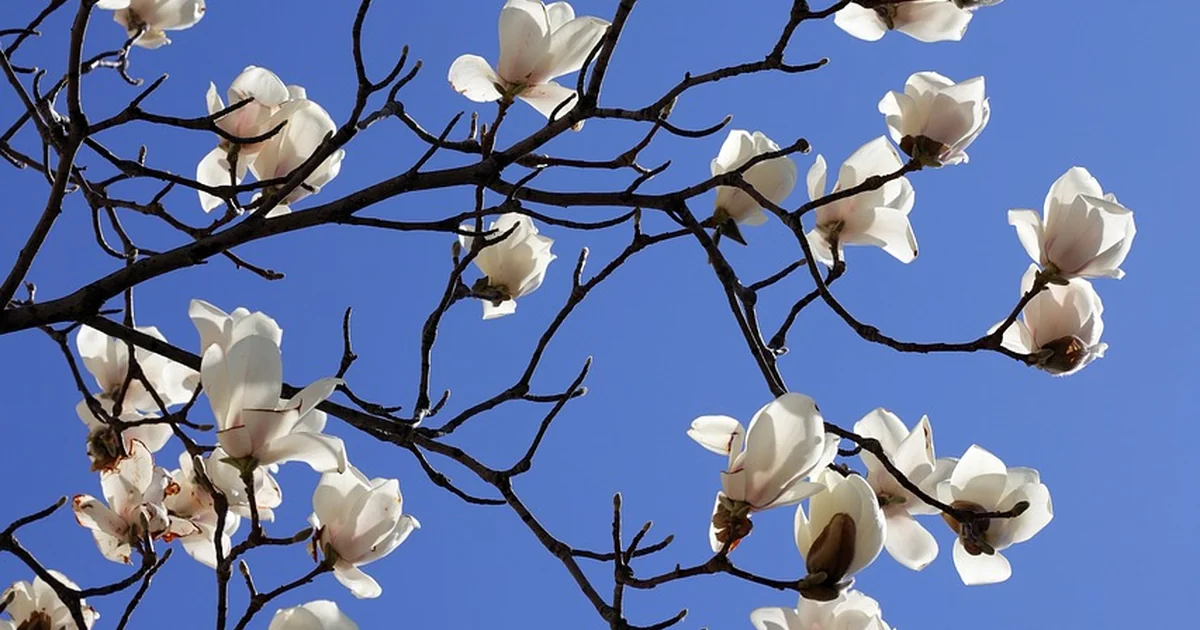
On the winter day I moved in, the flowering tree in the garden absolutely didn’t look like one. In fact, it was nothing more than a tangle of bare, twisting branches against a pale sky. Its bare boughs looked quite striking, silhouetted against a grey sky, but I didn’t really pay it much heed. Then spring arrived. One week there were tight, almost fist-like buds along the branches, and the next the whole tree had erupted into huge pinky-white blooms that looked almost too perfect to be real. Honestly, it looked liked something out of a fairytale. Now, I can’t imagine the space without my magnolia, as it puts on one of the most spectacular spring shows you can get from a single plant.
Why Neighbors Suddenly Became Magnolia Enthusiasts
It wasn’t a grand, planned event. It wasn’t even a discussion. Truthfully, I figured it was just me who noticed this flowering tree doing its thing at first, but then both neighbors (on either side!) made their feelings very clear: under no circumstances am I to remove it. They’ve both gone one step further. Each has now planted their own young magnolia trees, little saplings that bloomed beautifully in the springtime. It’s become a shared seasonal event without anyone actually agreeing to it, I suppose. I’ve tried frying them lightly (a little like you might with squash flowers) and they were tasty, but it usually feels more natural to just leave them be, scattered on the ground like confetti. Spring begins with its bloom, summer settles beneath its shade, fall warms it up again in color, and winter strips it back to something stark and beautiful and architectural, waiting for the whole cycle to begin again. Underneath it, it also just… makes people happy.
The Allure of the Flowering Magnolia Tree
There’s a quiet magic to a flowering magnolia tree that seems to resonate with everyone who lays eyes on it. It’s more than just a pretty addition to a landscape; it’s a living spectacle that marks the turning of seasons and brings a touch of ancient elegance to the modern world. These trees aren’t fleeting; they are steadfast symbols of renewal. And the fact that my neighbors have embraced this phenomenon, each now cultivating their own, speaks volumes about the subtle power of a truly beautiful plant.
A Living Fossil with a Rich History
If you’ll allow me to expose my inner nerd, one of the things I love most about magnolias is how ancient they feel. They’re often described as living fossils, and for good reason. These trees have lineage stretching back over 90 million years, predating the rise of bees in their current form. Imagine a world where dinosaurs roamed, and these magnificent trees were already a prominent feature of the landscape! Their evolutionary history is fascinating, a testament to their resilience and enduring beauty. The very structure of a magnolia tree hints at this deep history; its thick, leathery bark and sturdy branches speak of centuries weathered.
A Botanical Marvel: Blooms Before the Leaves
What truly sets a flowering magnolia tree apart is its unique blooming habit. Unlike many trees that unfurl their leaves first, magnolias proudly display their blossoms directly on the bare branches. These large, often tulip-shaped flowers emerge in a breathtaking display of color, showcasing shades of pink, white, purple, and even two-toned combinations. The petals are thick and velvety, creating a visual impact that’s both delicate and substantial. It’s a remarkable feat of nature, a vibrant burst of life appearing before the foliage even begins to emerge. This characteristic is a key reason why so many people are captivated by these trees – the sheer audacity and beauty of it.
The Cycle of Beauty: From Bloom to Bare
The beauty of a flowering magnolia tree isn’t confined to a single event. It’s a continuous cycle of transformation throughout the year. Spring begins with its bloom, summer settles beneath its shade, fall warms it up again in color, and winter strips it back to something stark and beautiful and architectural, waiting for the whole cycle to begin again. Even after the blossoms fade, the tree offers visual interest. The glossy green leaves provide a lush canopy, offering respite from the summer sun and a haven for local wildlife. Come fall, the leaves transform into stunning hues of buttery golds and warm bronzes before gracefully falling away, revealing the intricate structure of the branches against the sky. And in winter, the bare branches, often laden with delicate ice or snow, create a sculptural silhouette that is equally captivating.
More Than Just a Pretty Face: The Benefits of a Magnolia
Beyond its aesthetic appeal, the flowering magnolia tree offers several practical benefits. Its dense canopy provides excellent shade during hot summer months, helping to cool the surrounding area. The tree’s roots help to stabilize the soil, reducing erosion. And, perhaps surprisingly, the flowers themselves are edible! While not commonly consumed, they can be used to make teas, syrups, or even fritters. There are several varieties to choose from, each with its own unique characteristics. Nature Hills Nursery offers a diverse selection, including the Butterflies Magnolia Tree, known for its rare, canary-colored double blooms, and the Leonard Messel Magnolia, which boasts two-toned flowers in purple and pink. The Susan Magnolia is another popular choice, blooming later in the season to avoid late frosts.
You may also enjoy reading: 7 Ways to Water Sod Often for a Strong Start.
Caring for Your Flowering Magnolia Tree
While generally low-maintenance, flowering magnolia trees do have some specific care requirements. They prefer well-drained soil and full sun to partial shade. Water regularly, especially during dry periods, particularly when the tree is young. Fertilize in early spring with a balanced fertilizer. Pruning is typically minimal, but you can remove any dead or damaged branches. Protect young trees from deer and other browsing animals. A healthy magnolia tree will continue to reward you with its stunning blooms for many years to come. The longevity of these trees is remarkable; with proper care, they can easily live for a century or more, becoming a cherished part of the landscape for generations.
The Enduring Appeal: A Symbol of Time and Beauty
My favorite thing about my magnolia, though, is the fact that it’s so much more than just a flowering tree; it’s a marker of time. It’s a constant reminder of the cyclical nature of life, the beauty of renewal, and the enduring power of nature. The way its blooms announce the arrival of spring, the shade it offers in the summer, the vibrant colors of its fall foliage, and the stark beauty of its winter branches create a visual narrative that unfolds throughout the year. And it’s not just me who appreciates this; people message each other when it’s at peak bloom. Someone always takes a photo. It’s a shared moment of wonder, a collective appreciation for the beauty that surrounds us. As I’ve watched my daughters grow up alongside this tree, its blooms have become intertwined with cherished memories, marking milestones and creating a sense of continuity. It’s a living testament to the passage of time, a beautiful reminder that even in the midst of change, there is always renewal and beauty to be found.
Where to Find Your Own Magnolia
Ready to experience the magic of a flowering magnolia tree for yourself? Nature Hills Nursery is an excellent resource for finding a wide variety of these stunning trees. Their website offers detailed information on each variety, including bloom time, size, and hardiness. They also provide helpful tips on planting and caring for magnolias. Investing in a flowering magnolia tree is an investment in beauty, longevity, and a connection to the natural world. It’s a gift that keeps on giving, season after season.
A Final Flourish
From its ancient lineage to its breathtaking spring display, the flowering magnolia tree holds a special place in the hearts of gardeners and nature lovers alike. Its enduring beauty and symbolic significance make it a truly remarkable addition to any landscape. It’s more than just a tree; it’s a living work of art, a testament to the timeless elegance of the natural world.