Why You Should Always Flush With the Toilet Lid Down To Minimize the Spread of Germs
Imagine a scenario: your little one has a cold, and the bathroom feels like a germ haven. You’re diligently cleaning, but a nagging thought remains – are you truly minimizing the spread of those microscopic invaders? It turns out, a seemingly small daily habit could be contributing to a dirtier environment than you realize. According to Dr. Pete He, chief scientist at Dirty Labs, a common bathroom practice might actually be making things less hygienic. He strongly advocates for a simple change: always flush toilet lid down. This seemingly minor adjustment can significantly reduce the dispersal of germs and keep your bathroom cleaner.
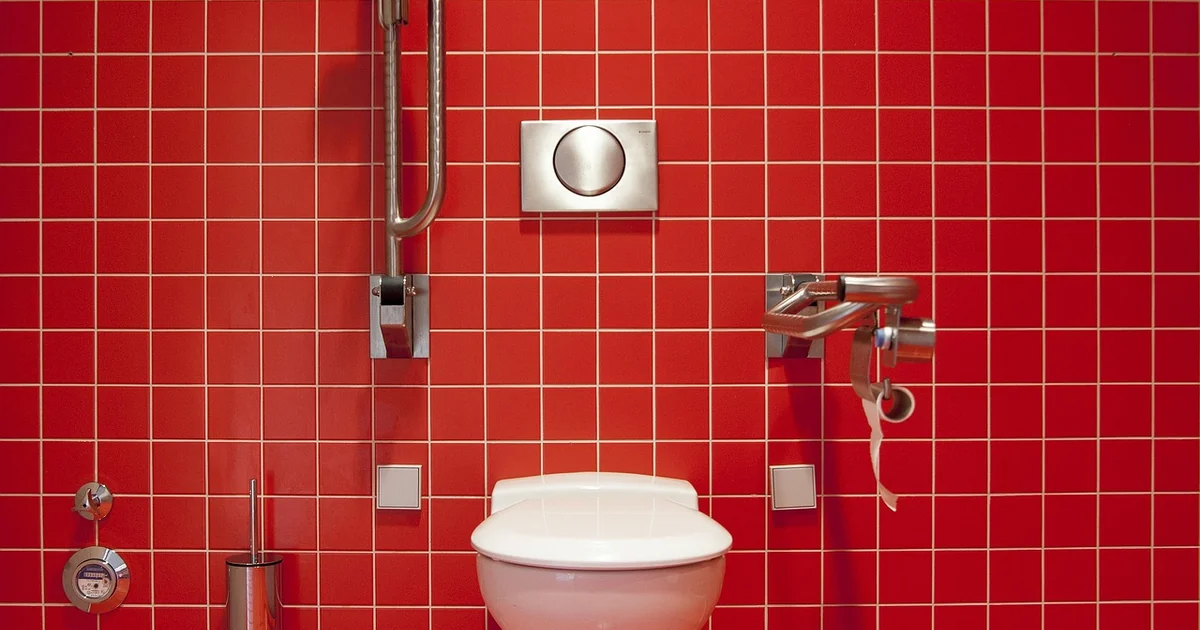
Contaminated water inside a toilet bowl is a primary source of pathogens that spread into the air and land on surrounding surfaces. When you flush with the lid up, the force of the water can create a spray of tiny droplets. These droplets, containing bacteria and viruses, can travel surprisingly far – potentially as far as five feet, impacting surfaces like your vanity, towels, and even the floor. This is especially concerning in households with young children or individuals with compromised immune systems.
1. The Hidden Germ Source in Your Toilet Bowl
The water in your toilet bowl isn’t as clean as you might think. It’s a breeding ground for bacteria and viruses. While the water itself is treated, it can accumulate microorganisms from various sources, including fecal matter, urine, and even airborne particles. Studies have shown that the inside of a toilet bowl can harbor a variety of pathogens, including E. coli, Salmonella, and Norovirus. These microbes can survive for extended periods, posing a risk of infection if they come into contact with skin or mucous membranes.
Consider this: a simple handwashing after using the toilet might not be enough. If contaminated water splashes up while flushing, those germs can easily transfer to your hands and then to other surfaces or people. This is particularly relevant for families, where children are more likely to touch surfaces and then put their hands in their mouths.
2. How Flushing with the Lid Up Spreads Germs Through the Air
When you flush the toilet with the lid up, the force of the water creates a fine mist of droplets that can aerosolize. These tiny droplets remain suspended in the air for a considerable amount of time – potentially several minutes. This means that germs contained within these droplets can travel throughout the bathroom and even into adjacent rooms. Dr. He explains that these aerosolized liquid droplets don’t instantly disappear. Instead, they linger in the air long enough to reach people’s respiratory systems.
Think about the area immediately surrounding the toilet. It often includes a vanity with toothbrushes, hand towels, and soap dispensers. If contaminated water splashes onto these surfaces, it can easily spread germs. Even if you wipe down these surfaces regularly, it’s challenging to reach every nook and cranny. A hypothetical scenario: a family with young children might have a toothbrush holder placed directly on the bathroom counter, within a few feet of the toilet. Flushing with the lid up could easily contaminate the toothbrushes with germs from the toilet bowl water.
3. The Lid-Down Solution: A Barrier Against Airborne Germs
Closing the toilet lid before flushing acts as a crucial barrier, significantly reducing the dispersal of germs into the air. By containing the water and preventing the formation of a spray, the lid-down method minimizes the number of airborne droplets. Dr. He supports the idea of flushing with the lid down and says some studies have shown that leaving the lid up may disperse contaminated water droplets as far as five feet away. This simple action can help keep your bathroom air cleaner and reduce the risk of germ transmission.
Not only does it minimize the liquid germs that land on surrounding surfaces, but it can also help reduce the amount of germs floating around in the air. This is particularly beneficial in households with individuals who are more susceptible to illness, such as the elderly or those with weakened immune systems. It’s a proactive step toward maintaining a healthier home environment.
4. The Importance of Regular Toilet Cleaning Beyond Flushing Habits
While flushing with the lid down is an excellent preventative measure, it’s not a substitute for regular cleaning. The toilet bowl itself can accumulate stains, bacteria, and mold. To keep your toilet clean, it’s essential to regularly clean the bowl, lid, exterior surfaces of the toilet bowl and water tank, and the floor nearby by using a disinfectant. This should be done at least once a week, or more frequently if you have a large family or pets.
Instead of relying on harsh chemical cleaners containing detergents and chlorine bleach, consider using toilet bowl cleaners that contain probiotics and enzyme-based ingredients. These types of cleaners are gaining popularity because they effectively remove grime and stains caused by bio waste in the water of the toilet. Probiotic and enzyme-based cleaners work by breaking down organic matter, which helps to prevent stains and odors from forming. Additionally, some probiotics have been found to be capable of continuous cleaning, so not only will they remove existing stains, they can actually prevent them from recurring between uses.
5. Deep Cleaning the Toilet Tank: A Often-Overlooked Step
It’s easy to focus on the toilet bowl, but the water tank also requires regular attention. The tank can accumulate mineral deposits, sediment, and even mold. To keep the water in the tank clean and prevent the growth of bacteria, it’s recommended to soak the water in the tank with a non-clogging toilet bowl cleaner for 20 to 30 minutes and then flush. This helps to disinfect the tank and remove any buildup.
You may also enjoy reading: 7 Signs Your Lawn Mower Should Be Sharpened Often.
Regularly inspect the inside of the tank for any signs of mold or mildew. If you notice any, clean it thoroughly with a bleach solution or a specialized mold remover. Preventing mold and mildew growth in the bathroom is crucial for maintaining good indoor air quality. Proper ventilation and regular cleaning can help to minimize the risk of mold growth.
6. Practical Tips for Maintaining a Germ-Free Bathroom
Beyond flushing with the lid down and regular cleaning, there are several other practical steps you can take to maintain a germ-free bathroom. Ensure proper ventilation by opening a window or using an exhaust fan after showering or using the toilet. This helps to remove moisture and prevent the growth of mold and mildew. Consider using disposable toilet seat covers, especially if you have young children or are concerned about hygiene.
Always practice good hand hygiene. Wash your hands thoroughly with soap and water for at least 20 seconds after using the toilet and before preparing food or eating. Keep a designated hand soap dispenser near the sink and encourage everyone in the household to use it. Regularly disinfect frequently touched surfaces, such as doorknobs, light switches, and faucets.
7. The Role of Probiotics and Enzymes in Toilet Bowl Hygiene
Traditional toilet bowl cleaners often rely on harsh chemicals that can be harmful to the environment and irritating to the skin. Probiotic and enzyme-based cleaners offer a gentler and more sustainable alternative. These cleaners utilize beneficial bacteria and enzymes to break down organic waste, effectively removing stains and odors without the need for harsh chemicals. These products are gaining traction because they provide a long-lasting cleaning effect, preventing stains from returning between uses.
Unlike chemical cleaners that often mask odors, probiotics and enzymes address the root cause of bathroom odors by breaking down the organic matter that creates them. This holistic approach to cleaning contributes to a healthier and more pleasant bathroom environment. When choosing a toilet bowl cleaner, look for products that specifically mention the inclusion of probiotics or enzymes in their ingredient list.
By incorporating these simple yet effective habits, you can significantly reduce the number of germs in your bathroom and create a healthier environment for your family. Remember, a little attention to detail can go a long way in preventing illness and promoting overall well-being. The next time you visit the restroom, remember to flush toilet lid down – it’s a small change with a big impact.